
As concerns over air quality reach new heights around the world, knowing how to track particulate matter is more important than ever. Rising pollution levels in cities and rural areas alike make it crucial to have reliable data at your fingertips.
This guide is your essential resource for selecting and using a pm10 monitoring sensor in 2026. Whether you are a professional, policymaker, or community leader, understanding these sensors supports accurate measurement and ensures you meet regulatory demands.
Inside, you will explore the fundamentals of PM10, compare sensor technologies, learn key selection criteria, and walk through installation and data interpretation. With expert guidance, you can stay ahead of pollution trends and make informed decisions for healthier environments.
Understanding PM10 and Its Impact
Air quality is an urgent global concern. To address it, we must first understand what PM10 is and why measuring it accurately is so important. The pm10 monitoring sensor is a crucial tool in this effort, helping communities and organisations keep air pollution in check.
What is PM10? Definitions and Sources
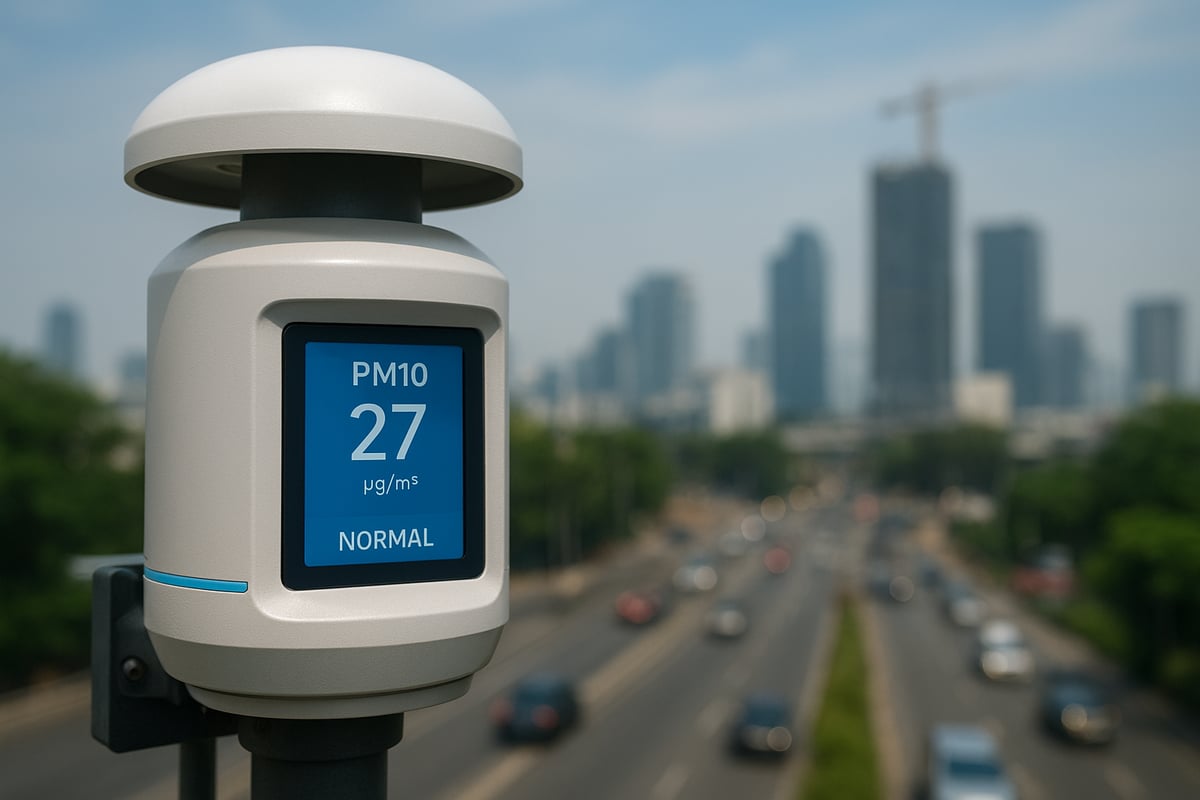
PM10 refers to particulate matter with a diameter of 10 microns or less. These microscopic particles can be inhaled deep into the lungs, making them a major health concern. The pm10 monitoring sensor is specifically designed to detect and measure these particles in the air.
Common sources of PM10 include vehicle emissions, industrial activities, construction dust, and natural events such as wildfires or windblown soil. Unlike gases, PM10 is a mixture of solids and liquids suspended in air.
It is important to distinguish PM10 from smaller particles like PM2.5 and PM1. While PM2.5 and PM1 can penetrate even deeper into the respiratory system, PM10 still poses significant risks.
Health impacts are well documented. Exposure to PM10 can aggravate asthma and bronchitis, trigger cardiovascular problems, and especially affect children, the elderly, and those with pre-existing conditions. Environmental effects include reduced visibility, damage to plant life, and disruption of ecosystems.
By using a pm10 monitoring sensor, it is possible to identify pollution hotspots and take action before health or environmental damage becomes severe.
Regulatory Standards and Monitoring Requirements
Air quality regulations set strict limits for PM10 concentrations in the UK and across the EU. The daily average limit is commonly 50 micrograms per cubic metre, not to be exceeded more than 35 times a year. The World Health Organization (WHO) regularly updates its guidelines, with new recommendations anticipated for 2026.
Legal obligations require continuous PM10 monitoring in public spaces, workplaces, and industrial sites. Recent events, such as the 2023 Palembang pollution crisis, highlight the consequences of failing to monitor and act on rising pollution levels.
To ensure reliable results, authorities recommend using a pm10 monitoring sensor that meets recognised performance standards. For example, the EPA's Performance Testing Protocols for PM10 Sensors provide guidance on sensor accuracy and compliance. Adhering to these protocols helps organisations avoid penalties and protect public health.
Continuous monitoring is essential, not only for meeting legal requirements, but also for early detection of pollution events and effective response planning.
The Role of PM10 Data in Decision-Making
Accurate PM10 data, collected by a pm10 monitoring sensor, is vital for informed decision-making. Public health officials rely on this data to issue warnings, design interventions, and protect vulnerable groups during high pollution periods.
Urban planners use PM10 readings to inform city designs, such as locating green spaces or adjusting traffic flows. Policy makers base air quality regulations and improvement targets on reliable sensor data.
Smart city initiatives increasingly integrate pm10 monitoring sensor networks to provide real-time information. Communities and schools use citizen science projects to deploy sensors and raise awareness. These efforts empower individuals and organisations to take action, reducing pollution and improving quality of life.
By translating sensor data into visual dashboards, reports, and alerts, stakeholders can quickly identify trends and respond proactively. In summary, the pm10 monitoring sensor is not just a technical device, but a key driver of healthier, more sustainable communities.
PM10 Monitoring Sensor Technologies Explained
Selecting the right pm10 monitoring sensor starts with understanding the available technologies. Each sensor type brings unique strengths and challenges, making it vital to match your choice to your monitoring goals.
Overview of Sensor Types
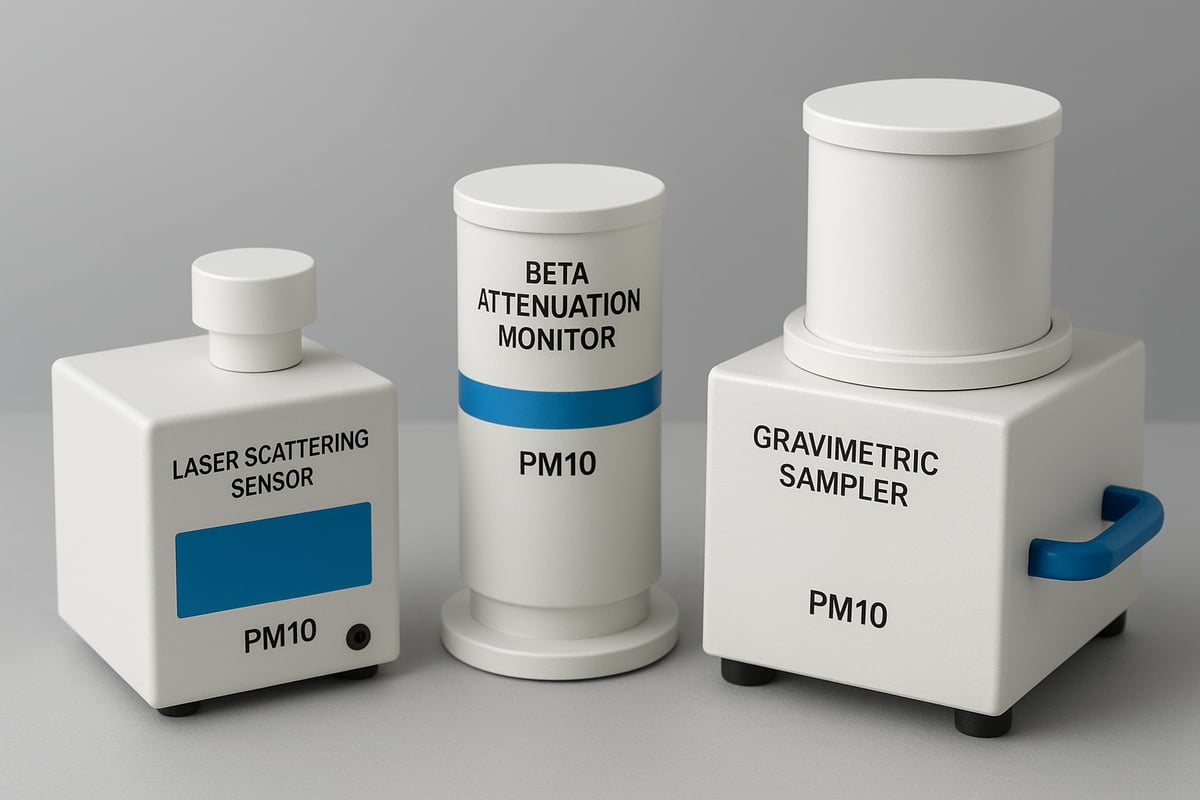
The pm10 monitoring sensor landscape features several core technologies:
| Sensor Type | Principle | Accuracy | Real-time Capability | Typical Cost |
|---|---|---|---|---|
| Laser Scattering | Light scattering by particles | Moderate-High | Yes | Low-Medium |
| Beta Attenuation Monitor | Beta particle absorption | Very High | Yes | High |
| Gravimetric | Mass collection on filters | Reference Grade | No | Medium-High |
| Electrochemical/Optical | Chemical/optical reactions | Niche | Yes | Low-Medium |
Laser scattering sensors use light to detect and size particles, making them popular for both fixed and portable pm10 monitoring sensor deployments. Beta attenuation monitors offer regulatory-grade accuracy, ideal for compliance, but come with higher costs and more complex maintenance.
Gravimetric methods remain the gold standard for reference measurements. However, they are limited by the need for manual sample collection and analysis, so they are not suitable for real-time monitoring. Electrochemical and advanced optical sensors serve specialised needs, such as detecting specific compounds or operating in unique environments.
Key Features and Performance Metrics
When evaluating a pm10 monitoring sensor, consider the following technical attributes:
- Sensitivity and Detection Range: Look for sensors that measure across relevant particle sizes, including PM1, PM2.5, PM4, and PM10.
- Response Time and Calibration: Fast response is critical for real-time monitoring, while regular calibration ensures ongoing accuracy.
- Data Outputs: Options include UART, analogue, and digital interfaces, supporting integration with IoT and cloud platforms for remote access.
- Maintenance: Simpler designs often require less upkeep, but may trade off some accuracy.
Modern platforms like the SEN6x Air Quality Sensor Platform offer multi-parameter measurement, covering PM10 and other particle fractions with high precision. These sensors are designed for seamless integration and support automated calibration routines, making them suitable for both professional and community-led monitoring projects.
The TSI BlueSky Air Quality Monitor exemplifies simultaneous multi-size measurement, allowing for more comprehensive air quality insights. Always check for compatibility with your data management system and ensure your chosen pm10 monitoring sensor supports the required connectivity.
Pros and Cons of Popular PM10 Sensors
Choosing a pm10 monitoring sensor involves balancing cost, performance, and practical deployment considerations.
Cost-benefit analysis:
- Low-cost sensors are accessible and easy to deploy in large numbers but may need frequent calibration.
- Regulatory-grade sensors offer superior accuracy and reliability, though at a higher upfront and maintenance cost.
Durability and Environmental Resistance:
- Look for sensors with robust enclosures that protect against humidity, dust, and temperature extremes.
- Environmental resistance extends sensor lifespan and ensures consistent readings.
Case Study: The M702 sensor has been successfully used in smart city deployments, providing reliable, real-time data across diverse locations. However, all pm10 monitoring sensor options require regular validation to address potential data drift and environmental interference.
Finally, data reliability remains a challenge, especially for low-cost sensors. Implementing cross-checks with reference instruments and routine maintenance will help ensure your pm10 monitoring sensor delivers actionable, trustworthy results.
Criteria for Selecting the Right PM10 Monitoring Sensor
Choosing the ideal pm10 monitoring sensor for your needs requires careful evaluation of several factors. Each application, from schools to industrial sites, demands specific features and performance standards. Understanding these criteria will help ensure both accuracy and long-term value.
Application-Specific Considerations
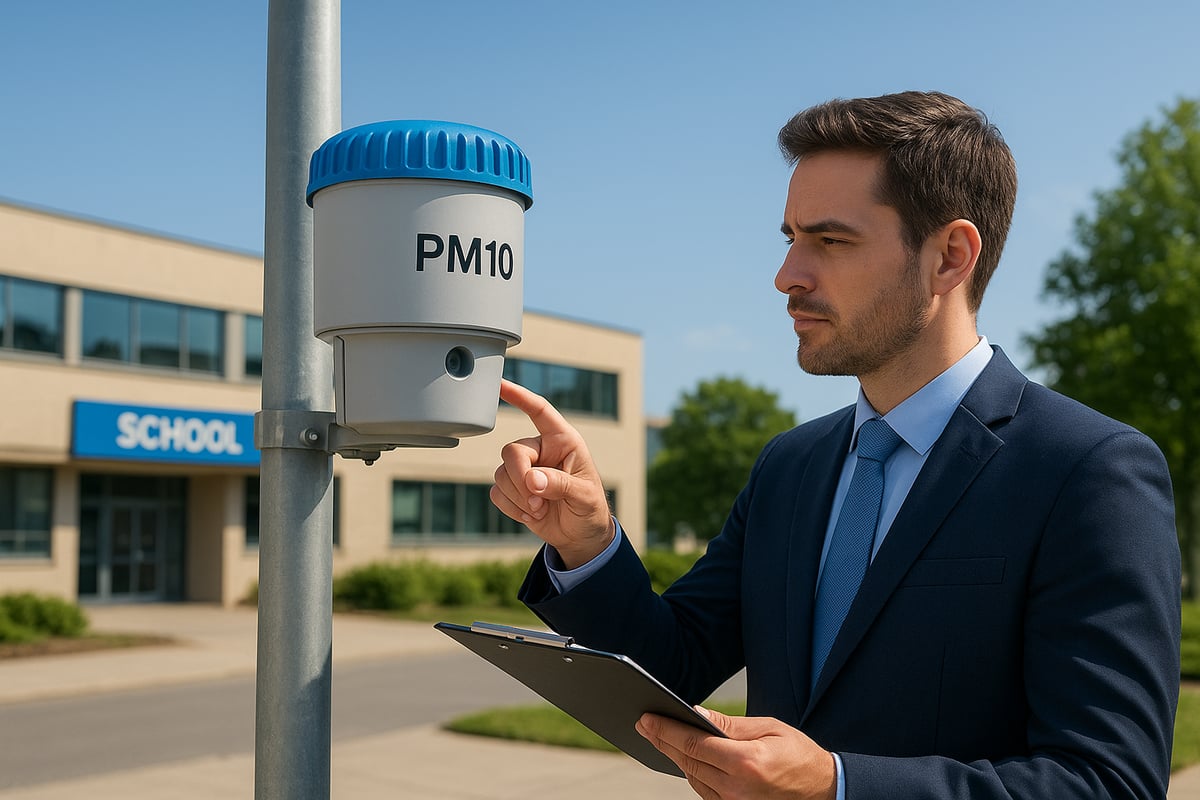
Start by identifying where and how you plan to use your pm10 monitoring sensor. Indoor air quality monitoring in classrooms, offices, or homes often prioritises compact design and ease of installation. Outdoor or industrial locations may need robust, weather-resistant units.
Key use cases include:
- Indoor air quality management
- Ambient outdoor monitoring
- Industrial emission tracking
- School and office environment control
Required measurement frequency and accuracy will vary. For real-time data in dynamic environments, portable IoT devices allow flexible placement and rapid response. For a deeper dive into sensor types used in different environments, see this guide on Indoor air quality sensors.
Technical Specifications to Evaluate
A reliable pm10 monitoring sensor must detect particles at the right size and concentration range. Prioritise models with proven accuracy, high precision, and strong repeatability. Connectivity options, such as Wi-Fi, LoRa, or cellular, ensure data can be transmitted to dashboards or cloud storage.
Evaluate these technical aspects:
- Particle size detection range (with focus on PM10)
- Measurement accuracy and repeatability
- Power requirements (battery, mains, solar)
- Data interfaces (analogue, digital, UART)
Some sensors offer built-in data storage or direct integration with smart platforms. Choose a model that matches your technical environment for seamless operation.
Compliance, Certification, and Support
When selecting a pm10 monitoring sensor, confirm that it meets all relevant certifications. Look for CE and MCERTS marks, which indicate compliance with UK and EU standards. Manufacturer support is crucial, especially for firmware updates and troubleshooting.
Consider:
- Availability of comprehensive documentation
- Software compatibility, including open-source options
- Access to custom integration tools, such as Arduino libraries for data reading and automation
Choosing a sensor with strong support and clear certification will make ongoing management and regulatory reporting much easier.
Budget, Scalability, and Future-Proofing
Assess the total cost of ownership for any pm10 monitoring sensor. This includes initial purchase, installation, maintenance, and operational expenses. If you are planning for a smart campus or city, scalability is essential. Make sure the sensor can integrate into larger networks and that there are upgrade paths for future technology or regulatory changes.
Think about:
- Upfront and recurring costs
- Modular or networked deployment options
- Manufacturer's commitment to ongoing updates
A future-proof solution ensures your investment remains valuable as standards and technologies evolve.
Step-by-Step Guide to Installing and Setting Up PM10 Sensors
Setting up a pm10 monitoring sensor requires careful planning, precise installation, and systematic testing to ensure reliable data. Follow this practical guide to achieve optimal results and maintain regulatory compliance in 2026.
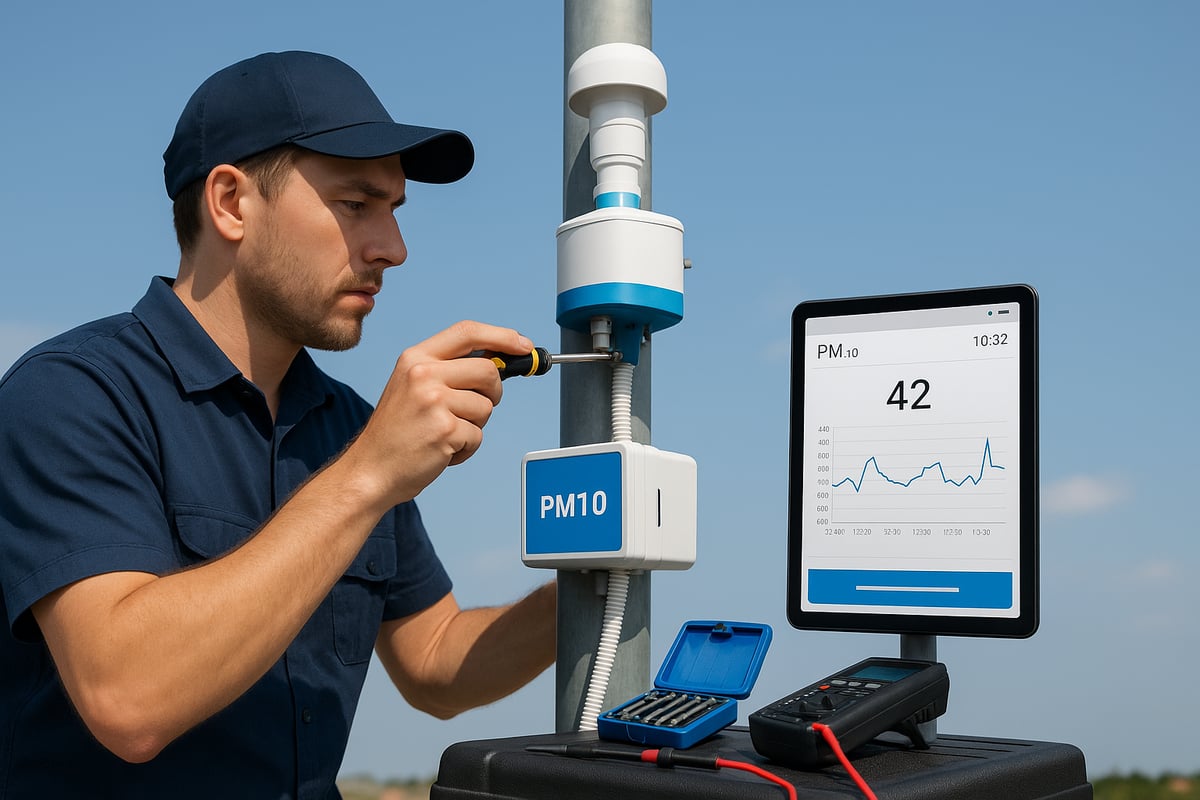
Pre-Installation Planning
Before installing a pm10 monitoring sensor, conduct a thorough site assessment. Choose a location with unobstructed airflow, away from direct pollution sources like chimneys or vents. Assess environmental factors such as humidity, temperature, and potential interference from nearby equipment.
Plan for power and connectivity. Determine if mains, solar, or battery power is suitable. Check for Wi Fi, LoRa, or cellular coverage as needed for data transmission. Review regulatory and safety requirements to ensure compliance with local standards.
It is helpful to understand how your pm10 monitoring sensor fits into a larger environmental monitoring system. For a broad overview, see this Environmental monitoring system overview. Document your site selection and prepare any necessary permits or safety documentation before proceeding.
Sensor Installation Process
Begin by unboxing your pm10 monitoring sensor and checking all components against the manufacturer’s checklist. Inspect for any visible damage or missing parts. Choose a mounting method appropriate for your site, such as a wall bracket, pole mount, or portable enclosure.
Secure the sensor at the chosen height, ensuring it is level and stable. Position it away from obstructions that could disrupt airflow. Connect power according to specifications and, if outdoors, ensure all connections are weatherproofed using appropriate sealants or enclosures.
Double check electrical connections and confirm that indicator lights or displays activate as expected. Proper physical installation is essential for accurate, consistent sensor readings.
Initial Configuration and Calibration
Once the pm10 monitoring sensor is powered, connect it to your chosen software platform. This may involve using vendor dashboards, Arduino IDE, or integration with platforms like Node RED. Follow the manufacturer’s instructions for initial configuration, including setting up communication protocols and data logging.
Calibrate the sensor by performing zeroing and span checks. Compare readings with a known reference instrument if possible. Many sensors support custom library installation for streamlined data collection and basic data reading. Document calibration results and save configuration settings for future reference.
Regular calibration ensures your pm10 monitoring sensor maintains accuracy over time, especially in changing environmental conditions.
Testing and Troubleshooting
After installation and configuration, verify your pm10 monitoring sensor’s data accuracy. Use a reference instrument to compare measurements and confirm that readings fall within expected tolerances. If discrepancies arise, repeat calibration or adjust sensor placement.
Common setup issues include poor connectivity, power interruptions, or environmental interference. Address these by checking cables, reviewing network settings, and repositioning the sensor if needed. Log baseline data to establish normal operating ranges and detect anomalies over time.
Consistent testing and troubleshooting are vital for long term reliability. A well maintained pm10 monitoring sensor provides accurate, actionable data for environmental and regulatory decision making.
Best Practices for Using and Maintaining PM10 Monitoring Sensors
Maintaining a pm10 monitoring sensor requires more than just installation. To achieve reliable, long-term performance and compliance, you need a clear approach to upkeep, data integrity, and protection. The following best practices will help you get the most from your pm10 monitoring sensor in any environment.
Routine Maintenance and Calibration
Regular maintenance is essential for any pm10 monitoring sensor. Begin with scheduled cleaning of optical chambers to prevent dust buildup, which can affect readings. Replace filters as recommended by the manufacturer to ensure sensors capture accurate particulate samples.
Calibration should be performed at intervals specified by the manufacturer. This typically involves zeroing the sensor and completing span checks with reference materials. Always document calibration results for compliance and quality assurance.
Stay up to date with firmware and software updates. These updates often address bugs, improve accuracy, or add features. Establish a maintenance log to track all activities, making it easier to identify trends or recurring issues.
Data Quality Assurance
Data quality is the foundation of actionable air quality insights. To ensure your pm10 monitoring sensor delivers reliable data, monitor for sensor drift and recalibrate as needed. Environmental factors such as high humidity or temperature swings can introduce errors, so position sensors away from direct heat or moisture sources whenever possible.
During pollution events, real-time monitoring becomes critical. Use automated alerts to detect anomalies and compare readings with reference devices for validation. For more insights into effective data practices, review this guide on real-time air quality data.
Establish quality control routines, including periodic audits of collected data. Identify and address any data gaps or inconsistencies immediately.
Data Management and Security
Handling the data from your pm10 monitoring sensor requires robust management and security protocols. Store sensor data in a secure environment, using encrypted backups to prevent loss or tampering. Regularly back up data both locally and to cloud platforms for redundancy.
Integrate your pm10 monitoring sensor with remote access solutions to enable offsite monitoring and data retrieval. Always ensure that data privacy requirements are met, particularly if you are monitoring public or workplace environments.
Document your data management protocols and review them regularly to stay aligned with industry standards and regulatory expectations.
Maximising Sensor Lifespan
Protecting your pm10 monitoring sensor from environmental stress extends its operational life. Use weatherproof enclosures and choose installation sites with stable airflow but minimal exposure to direct rain or sunlight.
Follow all manufacturer-recommended maintenance routines, including periodic inspections and part replacements. Train all users on correct handling, cleaning, and troubleshooting procedures to minimise accidental damage.
Keep detailed documentation for every sensor, including installation records, maintenance logs, and user manuals. This makes future upgrades and troubleshooting far more efficient, ensuring your pm10 monitoring sensor continues to deliver reliable results.
Interpreting PM10 Data and Applying Insights
Accurate data from a pm10 monitoring sensor is only as valuable as your ability to interpret and act on it. Understanding your sensor’s output and applying insights effectively can transform raw numbers into meaningful decisions for health, compliance, and environmental strategy.
Understanding Sensor Output and Units
A pm10 monitoring sensor typically provides data in micrograms per cubic metre (µg/m³), offering either real-time or averaged readings. Real-time data allows users to monitor fluctuations minute by minute, while averaged data smooths out short-term spikes for a broader trend analysis.
Data output can include time-stamped logs, which help in tracking pollution events. Understanding the difference between instantaneous values and rolling averages is crucial. Sensors may output data via digital interfaces, enabling integration with various software platforms for further analysis.
Analysing Trends and Identifying Patterns
Analysing the data from your pm10 monitoring sensor involves visualising trends over time. Tools such as dashboards, graphs, and heatmaps make it easier to spot pollution spikes and identify their causes, whether from traffic, construction, or environmental changes.
Advanced platforms like Node-RED and MQTT enable remote visualisation and real-time alerts, supporting timely interventions. For high-density monitoring in urban settings, integrating IoT sensors can greatly enhance your ability to detect and respond to particulate matter events, as demonstrated in IoT-Based High-Density Monitoring of Urban Particulate Matter.
Making Data-Driven Decisions
Actionable insights from a pm10 monitoring sensor empower stakeholders to make informed decisions. Automated alerts can be set up to notify building managers when thresholds are exceeded, triggering ventilation or filtration systems.
Community and school interventions often rely on sensor data to adjust outdoor activities or implement protective measures. By basing actions on robust data, organisations can better safeguard health and meet environmental objectives.
Reporting and Compliance Documentation
A pm10 monitoring sensor’s data is essential for regulatory reporting. Generating clear, comprehensive reports enables facilities to demonstrate compliance with air quality standards.
Long-term data archiving supports audit trails and provides evidence for inspections. Sharing insights with stakeholders, including staff and local communities, fosters transparency and encourages collective action towards cleaner air.
Innovations and Future Trends in PM10 Monitoring (2026 and Beyond)
The landscape for pm10 monitoring sensor technology is evolving rapidly. As we enter 2026, innovations are reshaping how we measure and manage particulate matter in our environments. From multi-parameter sensors to predictive analytics, the future promises smarter, more accessible air quality solutions.
Advances in Sensor Technology
Recent years have seen remarkable progress in pm10 monitoring sensor design. Multi-parameter sensors, such as the NextPM Air Quality Sensor by Tera Sensor, now offer simultaneous PM1, PM2.5, and PM10 measurements with high accuracy. These compact devices integrate seamlessly with IoT infrastructures, enabling real-time data capture across vast networks.
Miniaturisation allows for deployment in more locations, from city streets to personal devices. AI-powered calibration and self-diagnostics are reducing maintenance needs and improving data reliability. As sensors become smarter, they empower users to detect pollution trends and respond rapidly to changes.
Expanding Applications and Use Cases
The pm10 monitoring sensor is finding its way into diverse environments. Smart cities rely on dense sensor networks to manage traffic and public health. Wearable air quality monitors are emerging, giving individuals direct insight into their exposure.
In offices and commercial spaces, real-time monitoring supports safer indoor environments. For practical guidance on workplace air quality, consider resources like Office air quality monitoring. Integration with building management and HVAC systems is also streamlining responses to pollution events, making air quality management proactive rather than reactive.
Data Integration and Predictive Analytics
A pm10 monitoring sensor is only as valuable as the data it provides. Cloud-based platforms now allow for centralised data collection across entire cities or regions. Advanced analytics, including machine learning, enable predictive pollution forecasting and early warning systems.
Citizen science initiatives are gaining momentum, with communities deploying sensors and sharing open data. This collaborative approach fuels innovation and broadens the impact of air quality monitoring, making it accessible to more people than ever before.
Regulatory and Market Outlook
As air quality standards evolve, the pm10 monitoring sensor market is preparing for stricter requirements. Anticipated updates to UK and EU regulations in 2026 will likely demand higher accuracy and continuous monitoring, especially in sensitive locations like schools and public spaces.
Growth in low-cost, high-accuracy sensors is making large-scale deployment feasible. The lessons from post-2023 pollution events have accelerated adoption, driving investment in both technology and public awareness.
Challenges and Opportunities
Despite these advances, challenges remain for pm10 monitoring sensor deployment. Data privacy is a growing concern, especially with cloud integration. Ensuring accuracy in diverse climates and urban settings requires ongoing validation.
However, these challenges open doors for innovation. Improved sensor durability, better calibration methods, and stronger community engagement are creating new opportunities. The future of air quality monitoring will depend on our ability to balance technological progress with ethical responsibility.
Now that you have a clear understanding of what PM10 is, why it matters, and how to choose and use the right sensor, you might be wondering how to put this knowledge into practice for your own environment. Whether you are aiming to improve air quality in a school, office, or leisure space, the right monitoring solutions can make a real difference. If you would like tailored advice or help with selecting the best sensors for your needs, I encourage you to talk to our team and protect your building today. We are here to support you every step of the way.



Share:
The Expert Guide to Vape Detection Company in 2026
7 Essential Best Air Quality Monitoring Device Picks for 2026