
Imagine stepping outside in 2026 and instantly knowing whether the air you breathe is safe. As air quality concerns rise across the UK, understanding what is in the air has never been more critical. Real-time air quality data empowers you to make informed decisions for your health, family, and daily routine.
This comprehensive guide explains how to access, interpret, and act on real-time air quality data. You will discover what this data is, why it matters, the best ways to access it, how to use it in daily life, and what the future holds. Stay informed and take control of your environment.
Understanding Real-Time Air Quality Data
Air quality is now central to daily life, and understanding how to access and use real-time air quality data is more important than ever. This section breaks down what real-time air quality data actually is, how it is collected, the factors affecting its accuracy, the metrics and standards used, and why this information is vital in 2026.
What is Real-Time Air Quality Data?
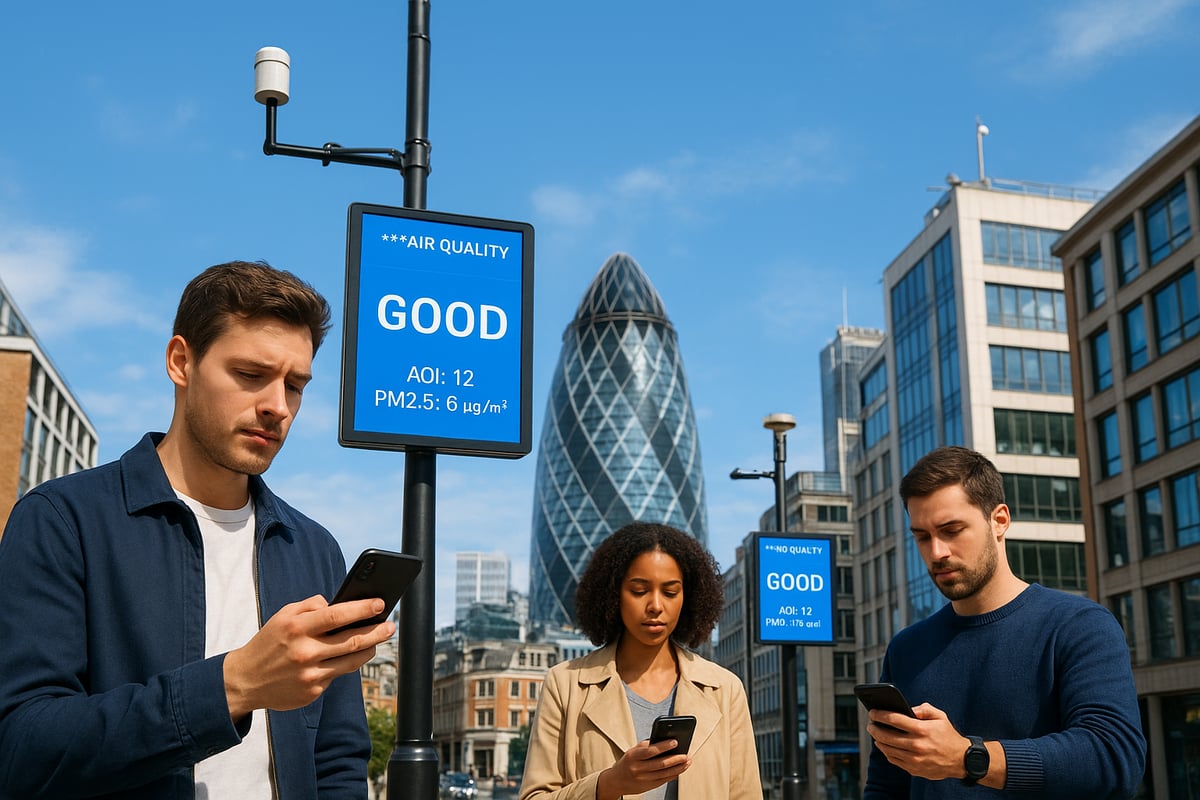
Real-time air quality data refers to information about the levels of pollutants in the air that is measured and made available instantly or within a few minutes. Unlike historical data, which looks at past pollution trends, and forecasted data, which predicts future conditions, real-time air quality data provides immediate insights crucial for timely decisions.
Key pollutants monitored include:
- PM2.5 (fine particulate matter)
- PM10 (coarse particulate matter)
- Nitrogen dioxide (NO2)
- Carbon monoxide (CO)
- Ozone (O3)
- Volatile organic compounds (VOCs)
This data helps public health authorities issue warnings, supports urban planning decisions, and allows individuals to adjust activities to reduce exposure. In cities, real-time air quality data can trigger public alerts and guide emergency responses during pollution spikes.
How Real-Time Data is Collected
Collecting real-time air quality data relies on a network of advanced sensor technology and IoT devices. These include both stationary stations, which are fixed in key locations, and mobile units that can be attached to vehicles or carried by individuals. Satellites and remote sensing technologies also contribute to a comprehensive picture by gathering data from a wider area.
Data is typically transmitted wirelessly and aggregated on cloud-based platforms for instant public access. For example, London’s sensor network combines ground-based sensors and satellite inputs to provide neighbourhood-level data. To learn more about the underlying technology, see the Smart Sensor Technology Overview.
Accuracy and Reliability Factors
The quality of real-time air quality data depends on several factors. Sensors require regular calibration and maintenance to ensure reliable readings. Environmental conditions such as humidity and temperature can affect sensor performance, sometimes leading to minor inaccuracies.
To maintain trust in the data, results from sensors are validated and cross-referenced with official monitoring stations. However, even with these checks, there are limitations. For instance, sensors may have reduced accuracy in extreme weather or when placed near sources of interference. According to 2025 studies, most modern sensors now achieve over 90 percent reliability, but understanding their limits is essential for proper interpretation.
Key Metrics and Standards
Air quality is usually reported using the Air Quality Index (AQI), a standardised metric that translates pollutant concentrations into a simple numerical scale. The AQI calculation considers multiple pollutants and assigns a value that reflects overall air quality.
Across the UK, EU, and WHO, there are slightly different standards and threshold values for each pollutant. Common measurement units include micrograms per cubic metre (µg/m³) for particulates and parts per billion (ppb) for gases. Colour-coded alerts help the public quickly assess risk levels. For example, during UK wildfire events, AQI readings often shift to red or purple, indicating hazardous conditions and prompting immediate public health warnings.
Why Real-Time Data Matters in 2026
In 2026, the frequency and severity of air pollution incidents have increased, making real-time air quality data a necessity. The public now expects instant access to this information, especially as new health studies reveal stronger links between pollution exposure and respiratory illnesses.
Real-time air quality data is also a cornerstone of emergency response and policy enforcement. For instance, live alerts have enabled rapid evacuations and reduced hospital admissions during recent pollution spikes. With public awareness and demand for transparency at an all-time high, having timely, reliable air quality information can literally save lives.
How to Access Real-Time Air Quality Data
Accessing real-time air quality data in 2026 is easier and more versatile than ever before. With a growing range of digital tools, public resources, and personal devices, staying informed and making timely decisions is within everyone's reach.

Government and Public Platforms
The UK government plays a central role in providing reliable real-time air quality data to the public. Official websites and mobile apps offer up-to-date readings from a nationwide network of monitoring stations. Interactive maps and open data portals allow users to explore pollution levels by location, while integration with public health advisories ensures that the information is actionable.
For instance, the Department for Environment, Food and Rural Affairs operates DEFRA's Air Quality Monitoring Networks, delivering comprehensive coverage and transparent methodologies. Usage statistics show a steady increase in public engagement, reflecting the growing demand for accessible and trustworthy data.
Private and Third-Party Apps
A variety of private and third-party apps have emerged to make real-time air quality data even more accessible. Popular choices like AirVisual and Plume Labs offer advanced features such as custom alerts, location-based tracking, and historical trend analysis.
Users can compare free and premium versions, with premium options often providing deeper insights and more frequent updates. Reviews and download numbers for 2026 highlight the widespread reliance on these apps, especially in urban areas where pollution levels can change rapidly. The convenience of having real-time air quality data at your fingertips empowers individuals to take control of their health and daily plans.
Smart Home Devices and Personal Sensors
The market for consumer-grade air quality monitors has grown rapidly. These smart devices seamlessly integrate with home automation systems like Alexa and Google Home, providing continuous real-time air quality data indoors.
When pollution levels rise, these systems can trigger automatic responses, such as activating air purifiers or sending notifications to your phone. Leading brands now hold significant market shares, reflecting increased consumer awareness. With real-time air quality data, households can quickly adapt their environment for better health and comfort.
Community and Citizen Science Initiatives
Community-driven efforts are vital in expanding the reach of real-time air quality data. Local sensor networks and crowd-sourced data projects enable neighbourhoods to map pollution hotspots and advocate for change.
The Breathe London programme is a prime example, where residents deploy sensors to fill in coverage gaps and monitor air quality at street level. While these initiatives boost local engagement, maintaining consistency and accuracy in the data remains a challenge. Nevertheless, community involvement strengthens public understanding and drives grassroots action.
Data Integration with Other Services
Real-time air quality data is increasingly being integrated into other digital services. Weather applications, navigation tools, and public transport platforms now feature live pollution updates, helping users plan safer routes and activities.
For example, event planners and organisers use real-time air quality data to adjust marathon routes or outdoor gatherings in response to changing conditions. Multi-source data aggregation ensures a more comprehensive picture, supporting timely and informed decision-making for individuals and organisations alike.
Interpreting and Using Air Quality Data Effectively
Understanding and using real-time air quality data is essential for protecting your health and making smart choices in 2026. With pollution incidents on the rise, being able to interpret this data empowers you to act quickly and confidently. Let us explore how to make the most of real-time air quality data in daily life.

Understanding Air Quality Index and Health Impacts
The Air Quality Index, or AQI, translates real-time air quality data into a simple scale that shows how safe the air is. AQI readings are often colour-coded, ranging from green (good) to red (hazardous).
Different levels affect people in various ways. For example:
- Green: Safe for all
- Yellow: Sensitive groups should limit outdoor activity
- Orange: Children, elderly, and those with asthma at risk
- Red: Everyone should avoid strenuous outdoor activities
Live AQI updates, based on real-time air quality data, guide public health advice. The NHS uses these readings to issue health warnings, helping you take action before symptoms appear.
Setting Up Personal Alerts and Notifications
Personal alerts ensure you never miss a critical change in real-time air quality data. Most apps and devices allow you to customise notifications for your area and sensitivity level.
To set up an alert:
- Download a trusted air quality app
- Allow location access
- Set your AQI threshold
- Choose notification type (SMS, push, email)
For best results, follow the Best Practice for Handling Alerts to respond swiftly and avoid unnecessary exposure. Real-time alerts help you protect yourself and your loved ones.
Making Informed Decisions Based on Data
With real-time air quality data at your fingertips, you can plan your day wisely. If pollution levels are high, consider:
- Rescheduling outdoor activities
- Choosing less polluted routes for your commute
- Exercising indoors instead of outside
Schools and workplaces use real-time air quality data to guide outdoor policies. For instance, headteachers might postpone sports days if AQI readings rise, ensuring children stay safe.
Protecting Indoor Air Quality
Indoor environments are not always safe from outdoor pollution. By monitoring real-time air quality data inside your home or office, you can act fast when outside levels spike.
Tips for protecting indoor air:
- Use smart air purifiers linked to sensors
- Close windows and doors during high AQI events
- Improve ventilation when indoor pollutants build up
Many offices now have protocols based on real-time air quality data, helping staff breathe easier during pollution episodes.
Analysing Trends and Historical Comparisons
Looking at historical and trend data alongside real-time air quality data reveals patterns. This helps you identify pollution sources and times of high risk in your area.
- Track daily, weekly, or seasonal changes
- Compare data to spot recurring issues
- Use findings to advocate for cleaner air policies
Communities often use these insights to support local campaigns, pushing for changes like low-emission zones or better traffic management.
Common Misinterpretations and Data Limitations
While real-time air quality data is powerful, it is important to use it wisely. Relying on a single AQI reading or one app may be misleading. Sensor accuracy can be affected by weather, nearby construction, or temporary events.
Remember:
- Cross-check data from multiple sources
- Context matters: time, location, and weather all play a role
- Be cautious during unusual events like fires or festivals
Understanding the limits of real-time air quality data helps you make better, safer choices for yourself and your community.
Real-Time Air Quality Data in Action: Case Studies and Applications
Real-time air quality data has become indispensable for safeguarding communities in 2026. Across the UK, this data is transforming health responses, city planning, education, and even grassroots action. Let us explore five key application areas that showcase the power and versatility of real-time air quality data.
Public Health and Emergency Response
Public health officials now rely on real-time air quality data to issue timely alerts and protect vulnerable populations. For instance, during summer heatwaves, authorities use live data to warn residents about dangerous spikes in pollution, helping reduce hospital admissions linked to respiratory distress. The London's Air Quality Monitoring and Alerts network provides instant updates, enabling rapid response and resource allocation. This integration of real-time air quality data into emergency protocols has proven essential for managing unexpected pollution events and safeguarding public health.
Urban Planning and Policy Enforcement
City planners and policymakers leverage real-time air quality data to refine urban strategies and enforce environmental standards. Traffic management systems adjust flow in response to pollution hotspots identified by live monitoring. For example, London's Ultra Low Emission Zone adapts its boundaries and restrictions based on current pollution levels. This dynamic approach ensures that interventions are data-driven and effective. By incorporating real-time air quality data, cities can enforce regulations more precisely, improving air quality for all residents and supporting long-term sustainability goals.
Education and Workplace Safety
Schools and workplaces now use real-time air quality data to maintain safe environments for pupils and employees. Educational institutions monitor indoor and outdoor air, adjusting activities or activating filtration systems when pollution rises. Office buildings use automated protocols to improve ventilation and reduce exposure during peak events. Policies based on real-time air quality data help protect children, the elderly, and those with respiratory conditions. These measures have led to improved attendance, better health outcomes, and greater confidence among staff and families.
Vape Guardian: Advanced Air Quality Monitoring for Safer Environments
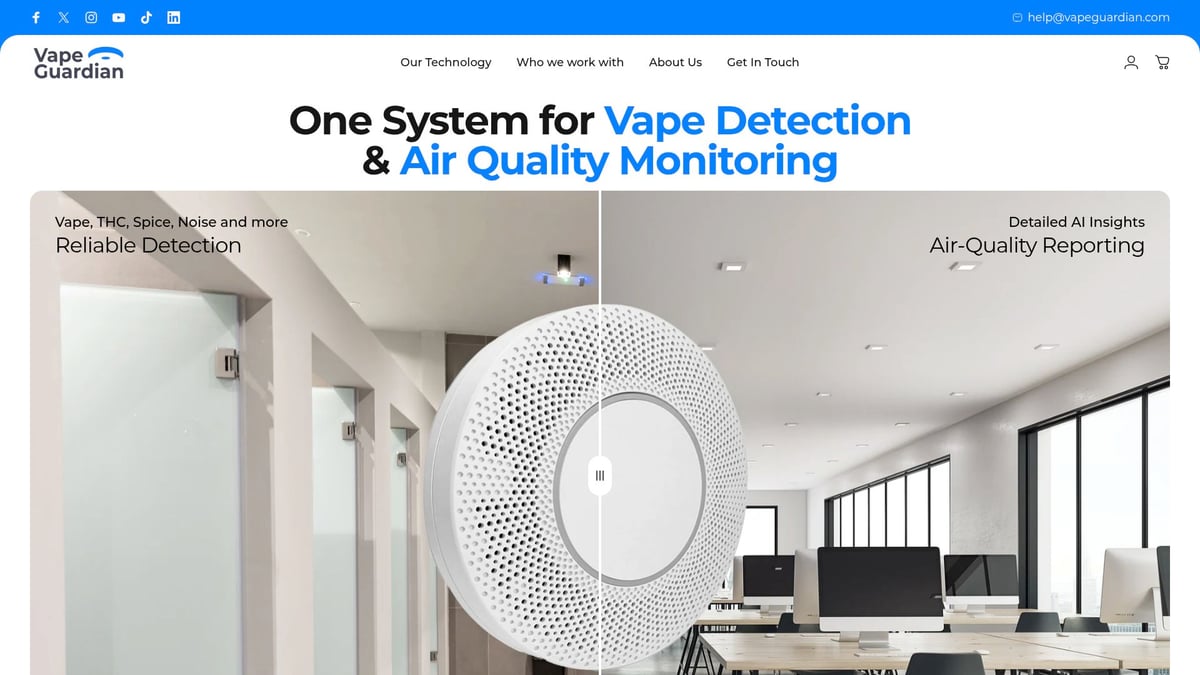
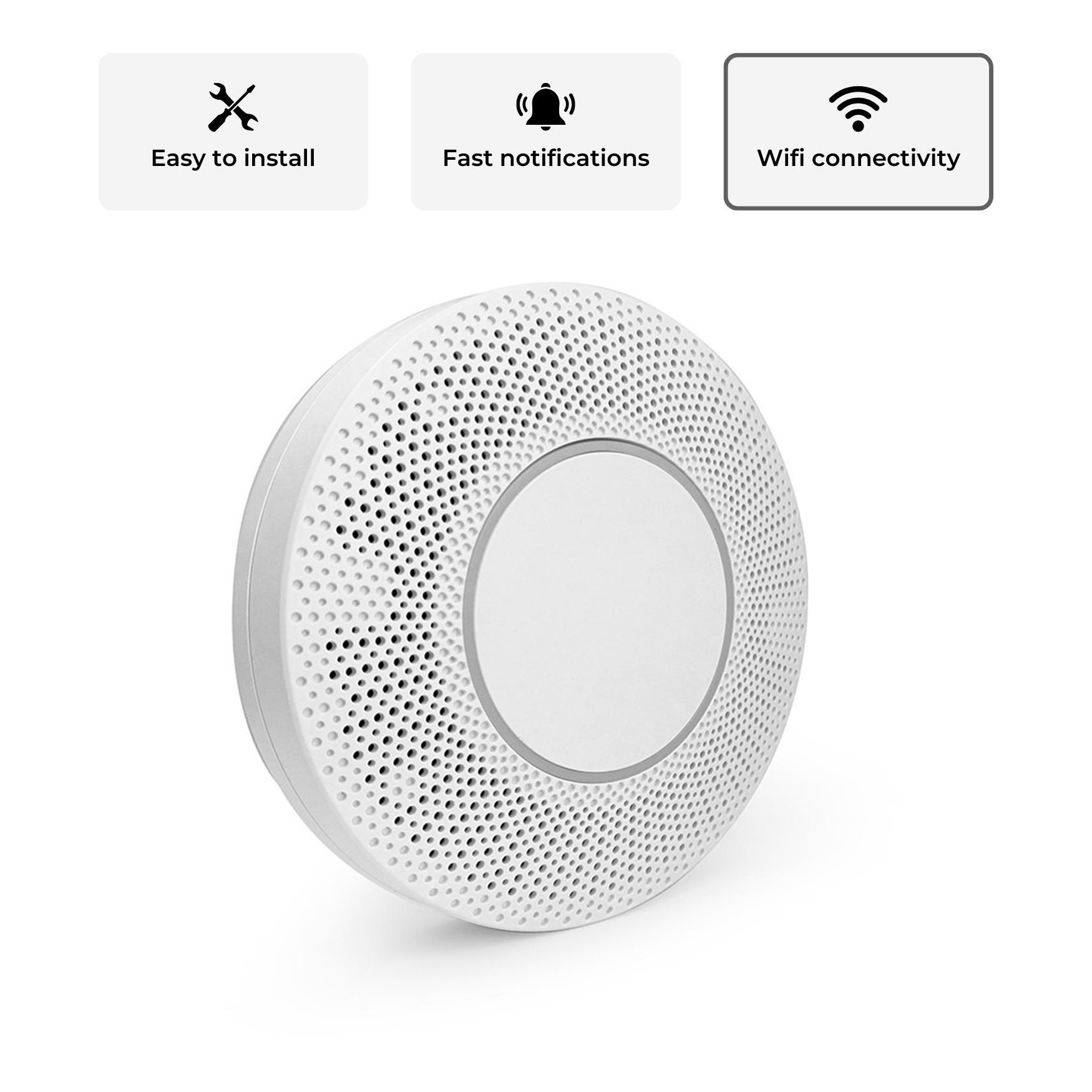
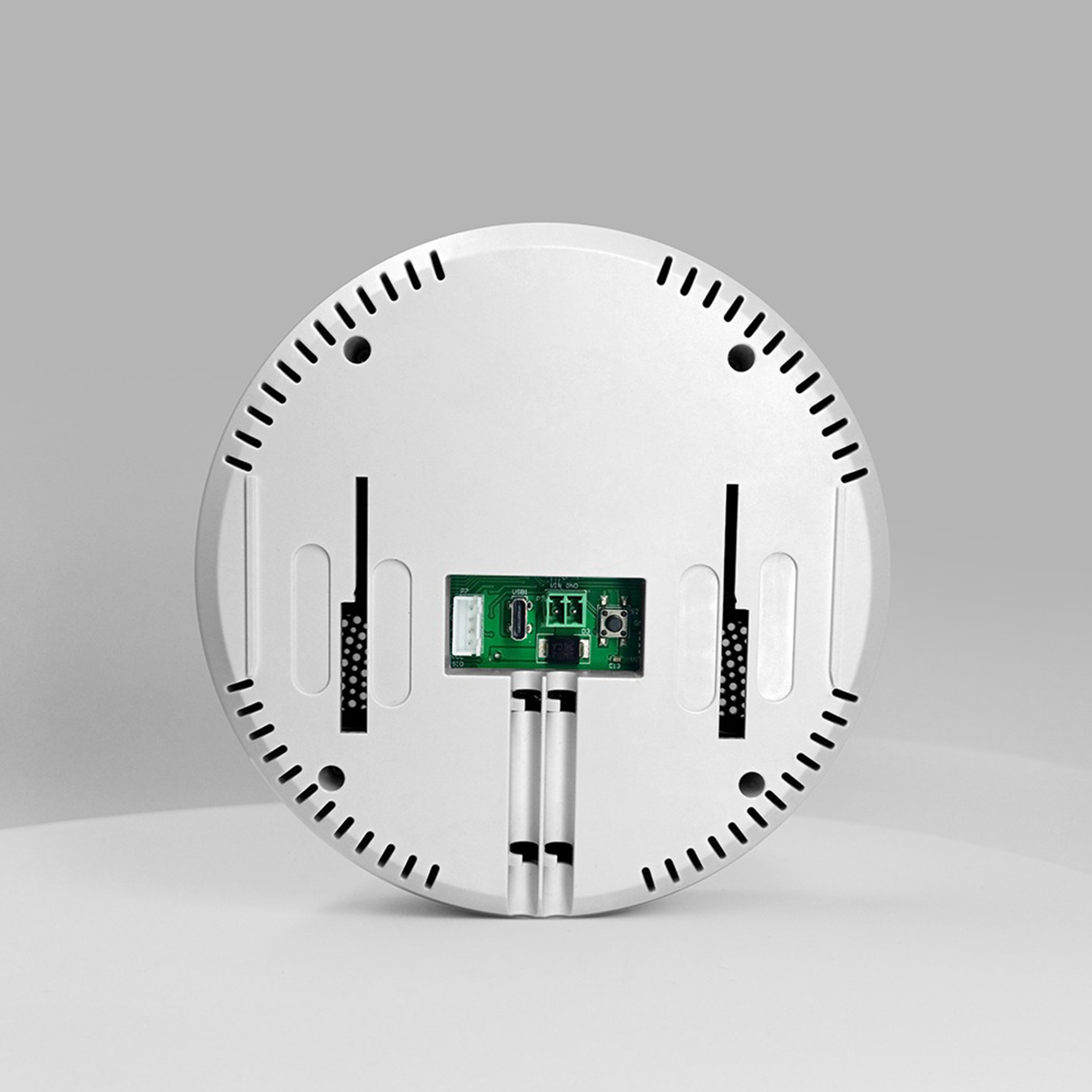
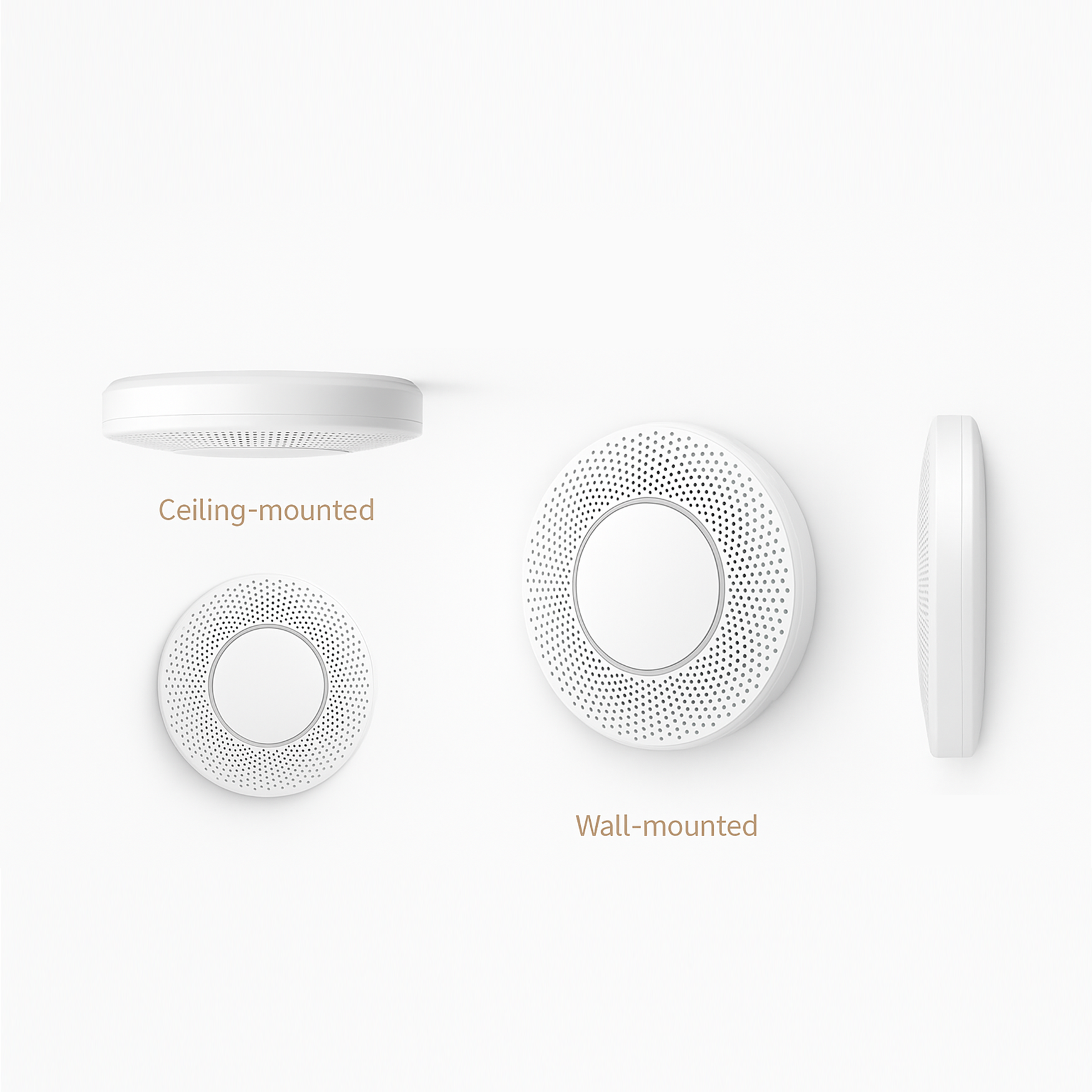
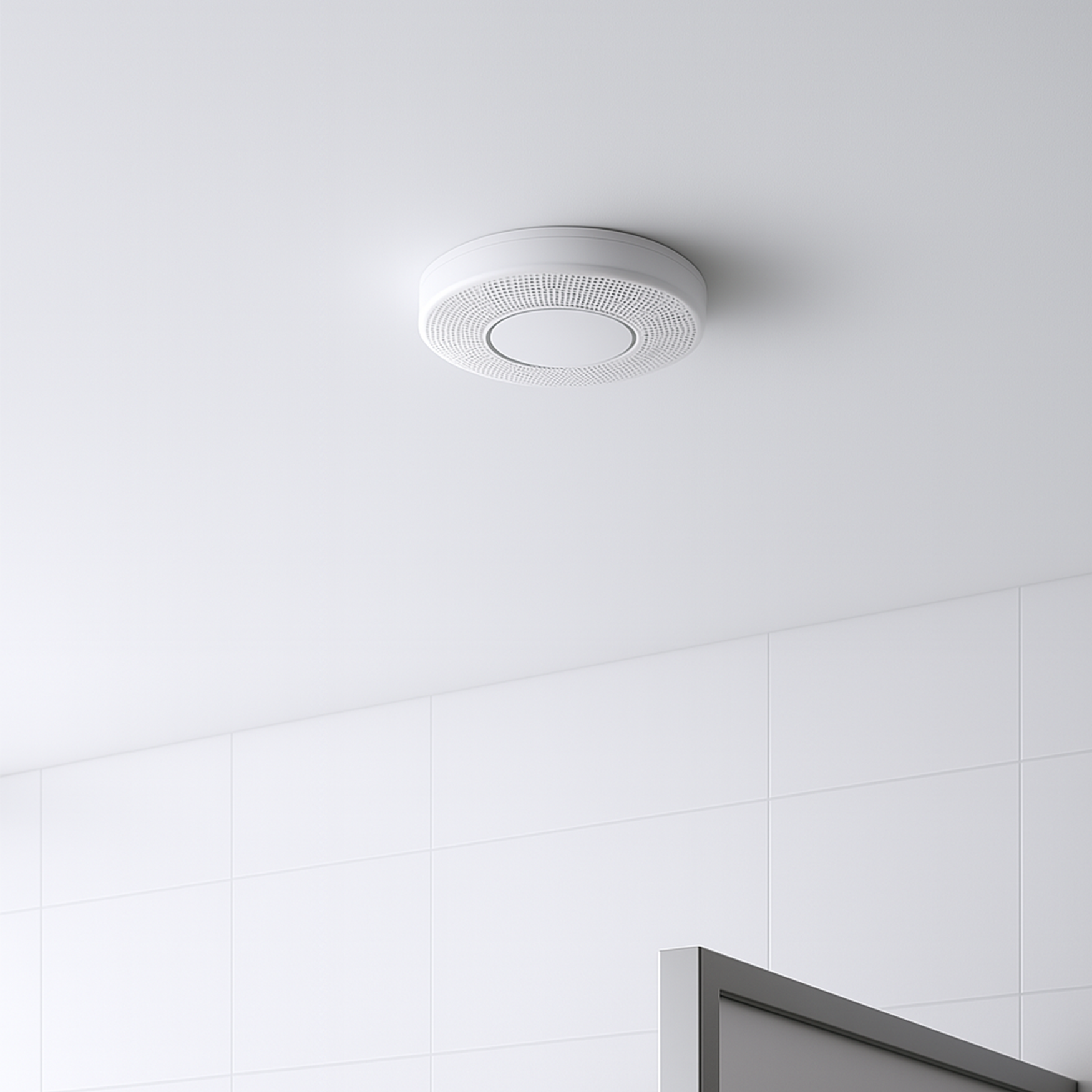
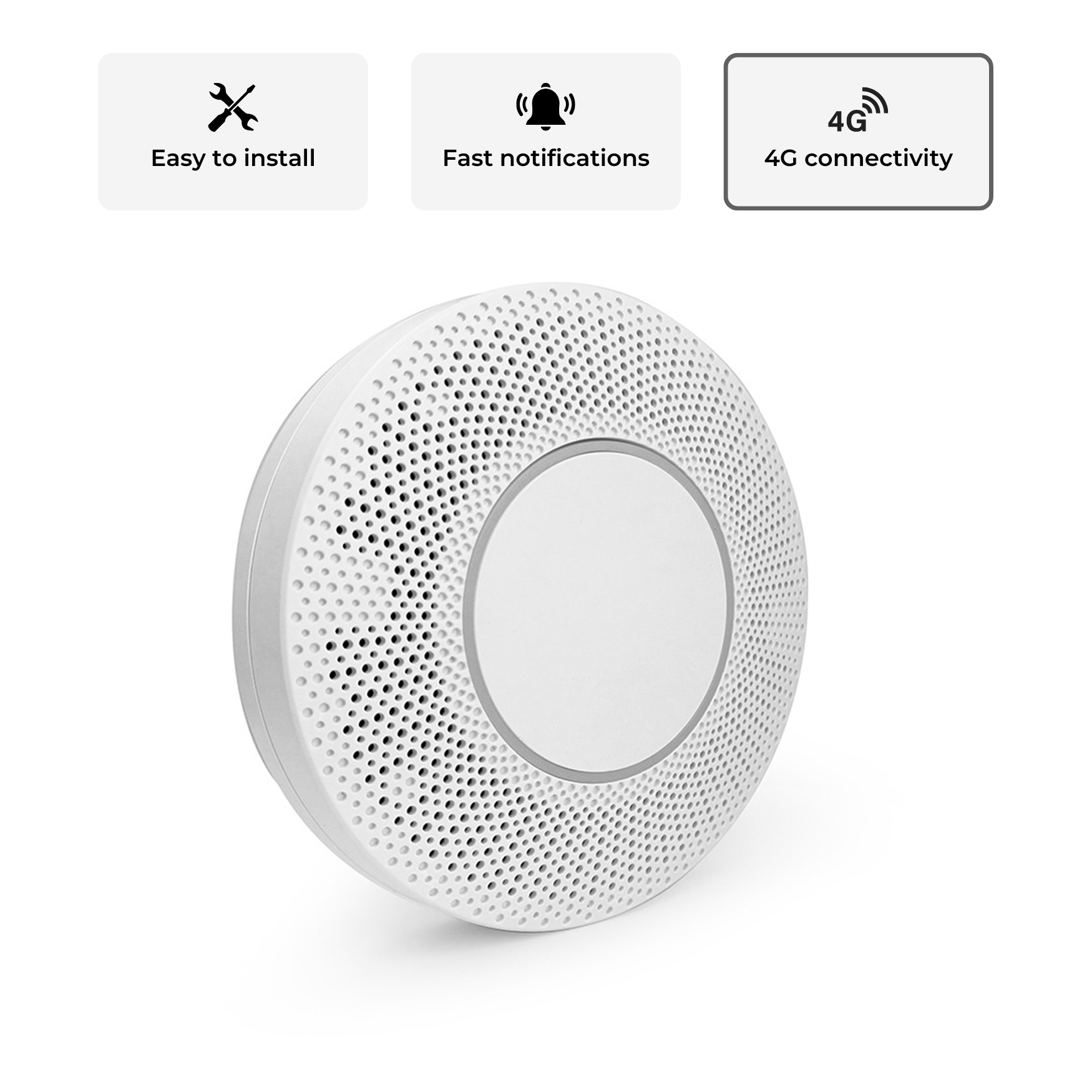
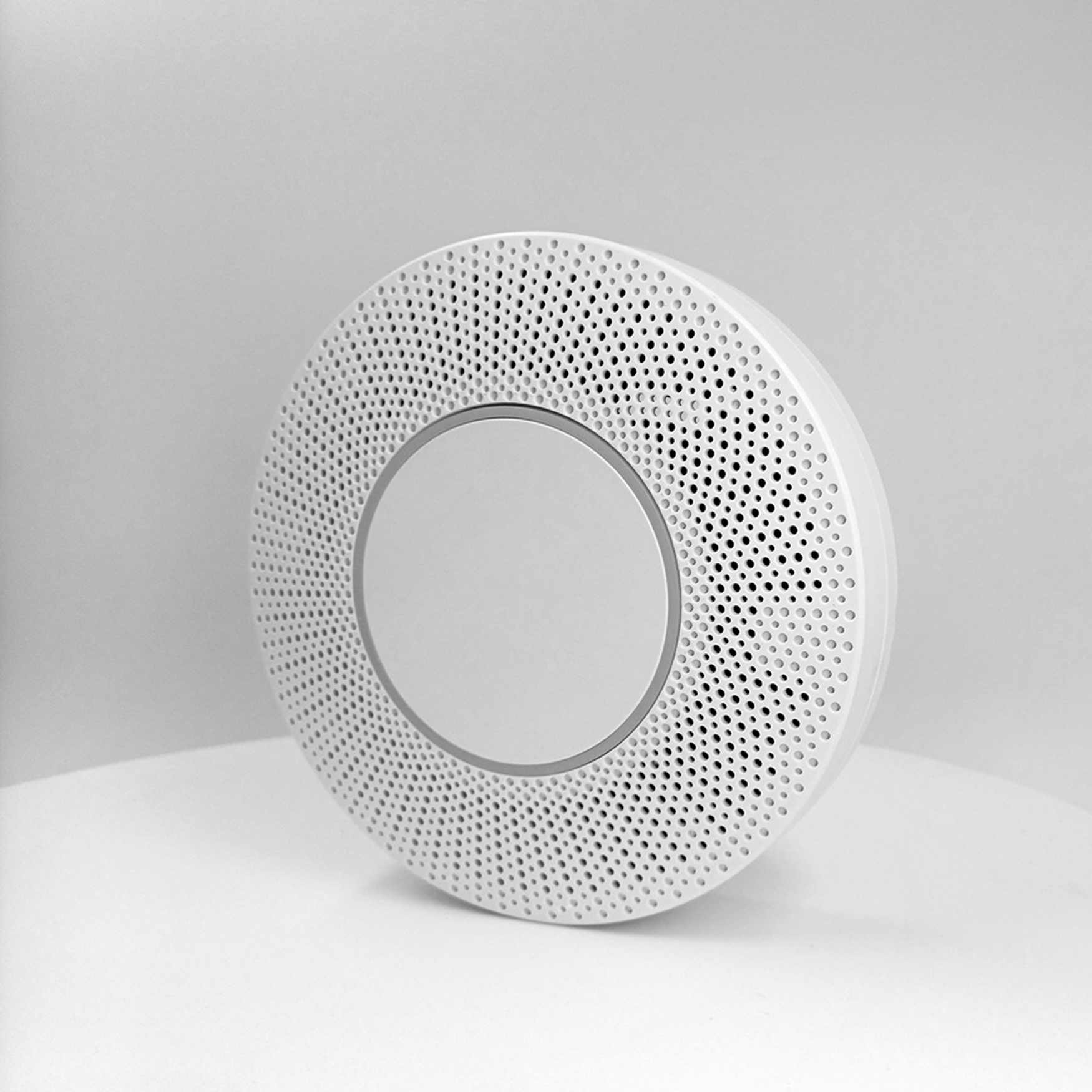
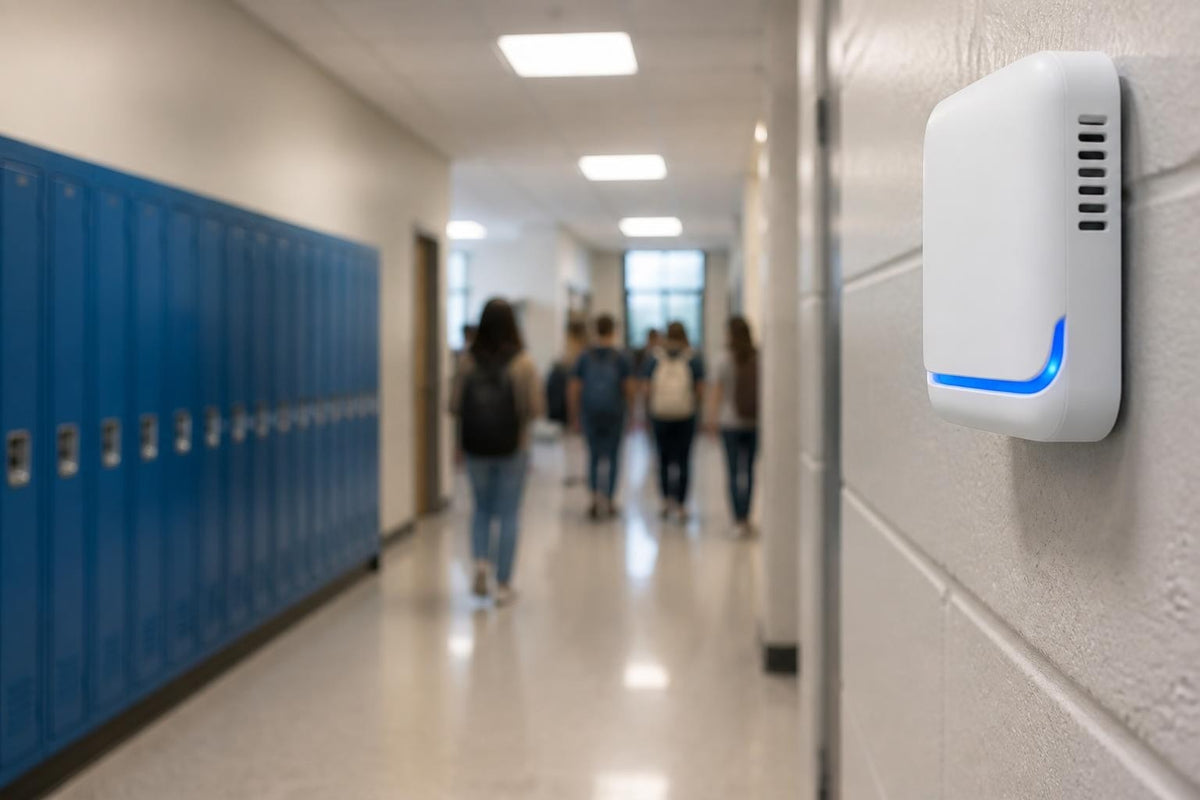
Vape Guardian’s innovative system integrates real-time air quality data with specialised sensors to detect vape aerosols, THC, and other airborne substances in schools, offices, and leisure venues. The platform provides instant alerts and detailed reports, allowing rapid intervention and compliance management. Educational resources support organisations in creating healthier environments. According to Vape Guardian Case Studies, schools have reported up to a 95 percent reduction in vaping incidents within five weeks of installation. This demonstrates the tangible impact of advanced real-time air quality data solutions.
Community Engagement and Citizen Science
Grassroots initiatives and citizen scientists are increasingly using real-time air quality data to drive local change. Communities deploy low-cost sensors, map pollution hotspots, and present evidence to councils for action. These projects empower residents to advocate for cleaner air and influence policy decisions. By sharing real-time air quality data, neighbourhoods build awareness, foster collaboration, and push for lasting improvements. This democratisation of data is helping to create healthier, more engaged communities across the UK.
The Future of Real-Time Air Quality Data: Trends and Innovations
The future of real-time air quality data is defined by rapid innovation, smarter technology, and global collaboration. In 2026, advanced tools and policies are empowering individuals, communities, and governments to understand and act on air quality issues like never before. As we look ahead, six key trends are shaping how real-time air quality data will be collected, analysed, and used to protect public health and the environment.
Advances in Sensor Technology
Sensor technology is evolving at an unprecedented pace. In 2026, sensors are smaller, cheaper, and more accurate, enabling widespread deployment across cities, schools, and homes. These next-generation sensors can now detect emerging threats, such as microplastics and ultrafine particles, alongside traditional pollutants.
Recent breakthroughs include machine learning-driven optical micro-sensors, which can identify specific pollutants in real time. For further insights, see this detailed study on Real-time Pollutant Identification through Optical PM Micro-Sensor. This progress is making real-time air quality data more accessible and actionable for everyone.
AI and Predictive Analytics
Artificial intelligence is transforming how we interpret real-time air quality data. By analysing massive datasets, AI can forecast pollution spikes, recognise patterns, and deliver automated health advisories tailored to local conditions. In 2026, many UK cities rely on AI-powered models to predict air quality hours or even days in advance, helping authorities and citizens take preventive action. These predictive tools enhance the value of real-time air quality data by combining instant readings with forward-looking insights, making daily life safer and more informed.
Integration with Smart Cities and IoT
Real-time air quality data is now an essential part of smart city infrastructure. Through the Internet of Things, thousands of sensors connect with traffic, healthcare, and environmental systems, creating a seamless data ecosystem. In cities like Manchester and Birmingham, pilot projects are demonstrating the benefits of this integration. Commuters receive live updates, emergency services can respond faster, and city planners use data to design healthier urban environments. The result is a more connected, responsive approach to managing air quality challenges.
Policy and Regulatory Developments
New regulations in the UK and across Europe are driving transparency and accountability in air quality monitoring. Since 2026, legislation requires real-time air quality data to be displayed in public spaces such as schools, transport hubs, and hospitals. These policies ensure that everyone, from parents to commuters, can make informed decisions about their health. Governments are also mandating regular sensor calibration and public access to data, raising the bar for reliability and trust in real-time air quality data.
Personalisation and User Empowerment
Personalised insights are redefining how individuals interact with real-time air quality data. Wearable devices and mobile apps now factor in a user’s location, health status, and daily routines to provide tailored exposure warnings and advice. For example, a jogger might receive a notification to reschedule their run due to a temporary pollution spike. This level of personalisation empowers people to take control of their exposure and make proactive choices, maximising the benefits of real-time air quality data in daily life.
Global Collaboration and Open Data
The challenge of air pollution does not stop at borders. In 2026, international collaboration is enabling the sharing of real-time air quality data between countries, supporting cross-border pollution tracking and coordinated responses. The UK participates in European networks that standardise data formats and quality, making it easier to compare and act on information globally. Open data initiatives encourage innovation, transparency, and community-driven solutions, reinforcing the collective effort to improve air quality worldwide.
As we've explored, staying informed with real time air quality data is essential for making better decisions about your health, your environment, and your community in 2026. If you want to see how advanced monitoring can make a real difference—whether at home, work, or school—it's worth understanding the technology behind these solutions firsthand. You can discover exactly how intelligent sensors work to detect vape substances, monitor air quality, and provide instant alerts, all designed to keep your space safer. To get a closer look at the technology we've discussed, learn more about how it works.


Share:
Indoor Environmental Health System Guide: Your 2026 Roadmap
Become a Vape Detection Partner: The Essential Guide 2026