
Growing concerns over vaping in schools, offices, and public spaces have made it a priority for organisations to address this issue in 2026. As the demand for reliable vape detection solutions rises, so does the opportunity for those looking to become a vape detection partner.
These partnerships offer significant benefits, from enhancing safety to tapping into a rapidly expanding market. Whether you are an organisation or an individual, the potential for impact and growth is substantial.
This essential guide will walk you through each step, providing insights on market trends, partner requirements, technology, business setup, and compliance to ensure your success.
Understanding the Vape Detection Market in 2026
Vaping is a growing concern across schools, offices, and public venues, prompting organisations and individuals to explore how to become a vape detection partner. Understanding the market landscape in 2026 is crucial for those aiming to enter this rapidly evolving field, as trends, regulations, and competition shape the opportunities and challenges ahead.
Market Growth and Trends
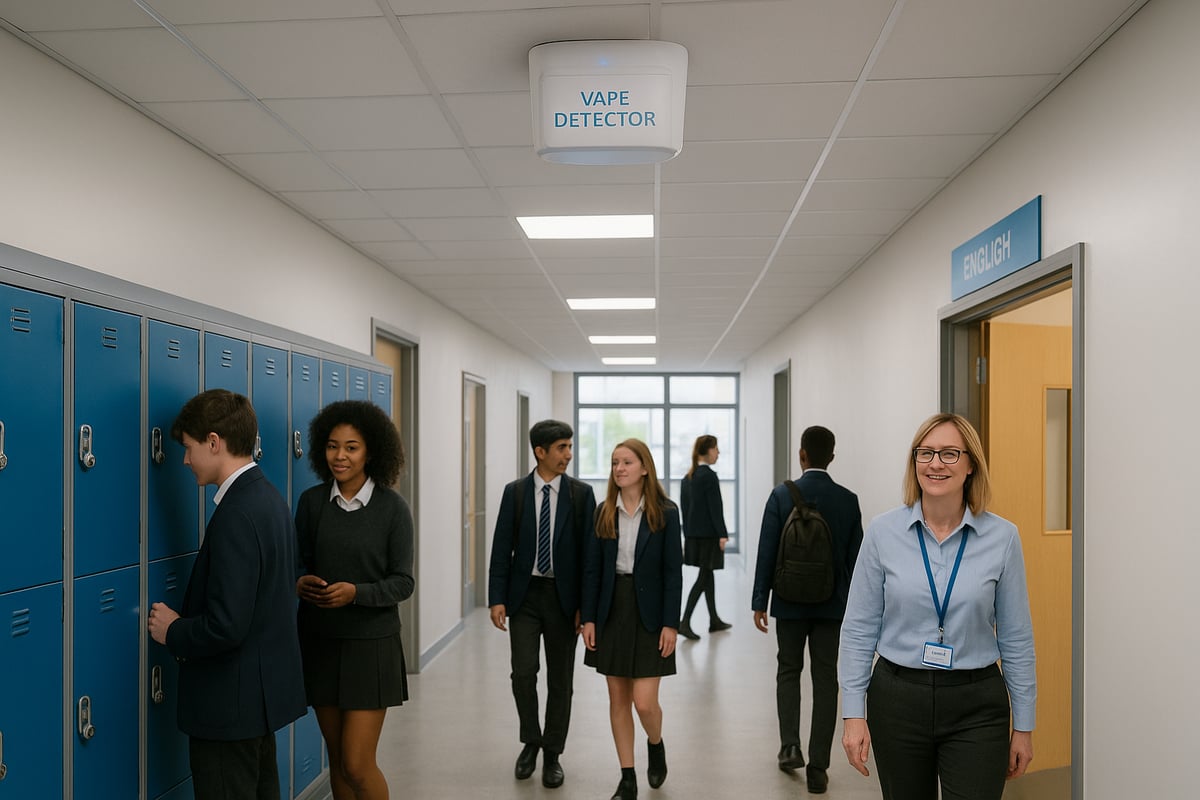
The vape detection market is experiencing remarkable expansion in the UK and globally. Stricter regulations, increased public health awareness, and policy shifts are driving demand for advanced detection solutions. By 2026, projections indicate sustained double digit growth, with investments surging in air quality monitoring and smart building technology.
Education, leisure, retail, healthcare, and corporate sectors are all adopting these systems. Schools, in particular, report up to 95 percent reductions in vaping incidents after deploying modern detectors. For those looking to become a vape detection partner, staying informed of these trends is vital. For more detailed market data, see the Vape detector market growth forecast.
Key Stakeholders and Decision Makers
To become a vape detection partner, it is essential to recognise who drives purchasing decisions. Schools, facility managers, compliance officers, and business owners are primary buyers. IT departments and building managers influence adoption, ensuring integration with existing infrastructure.
Government and local authorities increasingly support detection rollouts, especially in public venues. For example, some councils now fund installations in community centres and leisure facilities. Understanding these stakeholders helps you tailor your approach and build meaningful partnerships in this sector.
Common Challenges and Pain Points
Organisations aiming to become a vape detection partner must address several common challenges. Detecting discreet vaping and substance use is often difficult, especially in large or complex facilities. Concerns about false positives and privacy remain top of mind for buyers, who also face budget limitations and need to justify the return on investment.
Despite traditional monitoring, schools often experience repeat incidents. Effective detection solutions can resolve these pain points, but partners need to clearly communicate the benefits and address client concerns early in the engagement process.
Regulatory Environment and Compliance
Navigating the regulatory landscape is central for those who wish to become a vape detection partner. In 2026, UK and EU regulations continue to evolve, with stricter data privacy and monitoring laws shaping system deployment. Legislation increasingly mandates vape free zones in public buildings, requiring compliant detection solutions.
Partners must ensure adherence to GDPR and sector specific guidelines. For instance, new rules often stipulate transparency in data collection and use. Staying ahead of regulatory changes not only protects your business but also builds client trust.
Competitive Landscape and Differentiators
Those who become a vape detection partner enter a market with established and emerging players. Industry leaders differentiate through system accuracy, real time alerts, user friendly interfaces, and comprehensive support services. Market share is split among a handful of brands, with AI driven solutions gaining traction over traditional models.
Consider the table below summarising key differentiators:
| Feature | AI Driven Systems | Traditional Systems |
|---|---|---|
| Accuracy | High | Moderate |
| Real Time Alerts | Yes | Limited |
| Ease of Use | User Friendly | Varies |
| Support | Extensive | Basic |
A clear understanding of the competitive landscape will help you position your offering effectively and achieve success as you become a vape detection partner.
Core Requirements to Become a Vape Detection Partner
Embarking on the journey to become a vape detection partner requires a blend of technical expertise, business acumen, compliance awareness, and a commitment to ongoing professional development. Understanding these core requirements will help you navigate the path to success and deliver real value to your clients.
Essential Skills and Qualifications
To become a vape detection partner, you need a solid foundation in air quality monitoring, detection technology, and health and safety regulations. Strong sales and customer service skills are essential, as you will guide clients through technical solutions and compliance challenges.
- Technical understanding of sensors and detection systems
- Experience in sales, customer support, or facility management
- Ability to educate clients on health, safety, and compliance
Many successful partners have backgrounds in IT or facilities management, as these fields provide a useful mix of technical and operational expertise. For detailed partnership requirements and support resources, visit the Vape Guardian partner programme.
Investment and Resource Needs
When you become a vape detection partner, you should be prepared for both initial and ongoing investments. Start-up costs typically cover equipment purchases, training fees, and marketing materials. Ongoing expenses include maintenance, software updates, and client support.
- Equipment and hardware for demo and installation
- Training and certification fees
- Marketing and outreach budget
A small-scale partner in the UK can expect start-up costs to range from £2,000 to £5,000, depending on the scope and scale of operations. Careful planning ensures your resources align with your business goals.
Training and Certification Programmes
To become a vape detection partner, you must complete industry-standard training and certification. This process ensures you understand both the technology and the regulatory environment.
- Enrol in vendor-approved or accredited training schemes
- Achieve certification in vape detection system installation and support
- Maintain up-to-date knowledge through refresher courses
Accredited training boosts your credibility and helps build trust with clients. Partners who invest in recognised programmes often secure more contracts and enjoy higher customer satisfaction.
Legal and Insurance Considerations
Legal compliance is a core aspect when you become a vape detection partner. You must have robust contracts, liability insurance, and data protection policies.
- Draft clear contracts outlining roles and responsibilities
- Secure liability and professional indemnity insurance
- Ensure compliance with data protection and privacy regulations
A recent case involved a partner facing legal challenges because they lacked sufficient insurance coverage. Protecting your business with the right legal and insurance framework is vital for long-term success.
Partner Responsibilities and Expectations
When you become a vape detection partner, your responsibilities extend beyond installation. Ongoing support, compliance checks, and ethical monitoring are fundamental.
- Provide regular system maintenance and client support
- Conduct compliance reviews and reporting
- Promote responsible and ethical monitoring practices
Adhering to these responsibilities helps you build lasting client relationships and maintain a reputable standing in the industry.
Vape Detection Technology: What Partners Need to Know
Understanding the technology behind vape detection is crucial if you want to become a vape detection partner. The right knowledge will help you recommend the best solutions, answer client questions, and deliver value in every environment.
Types of Vape Detection Systems
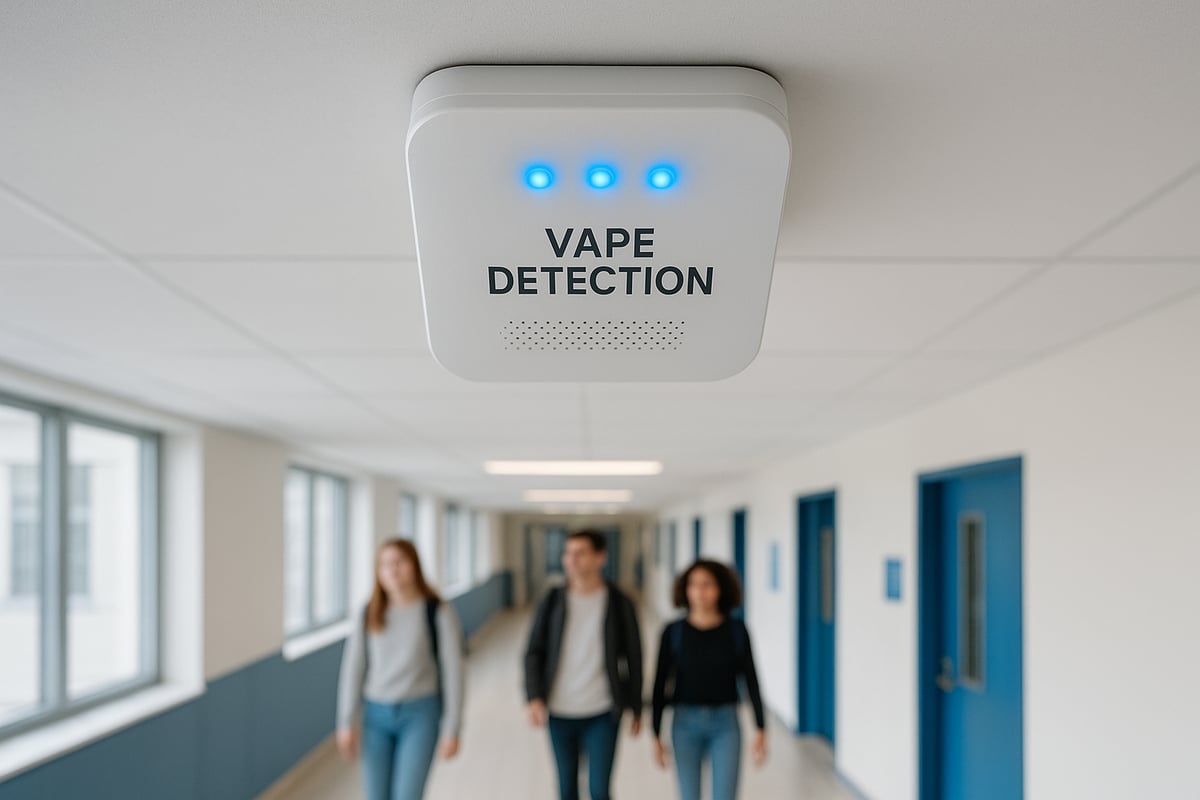
Vape detection systems have evolved rapidly, offering different solutions for various settings. The main types include:
- Sensor-based systems: Use chemical and particulate sensors to identify vapour signatures.
- AI-driven solutions: Employ artificial intelligence to distinguish between vaping and other air contaminants.
- Hybrid models: Combine multiple detection methods for improved accuracy.
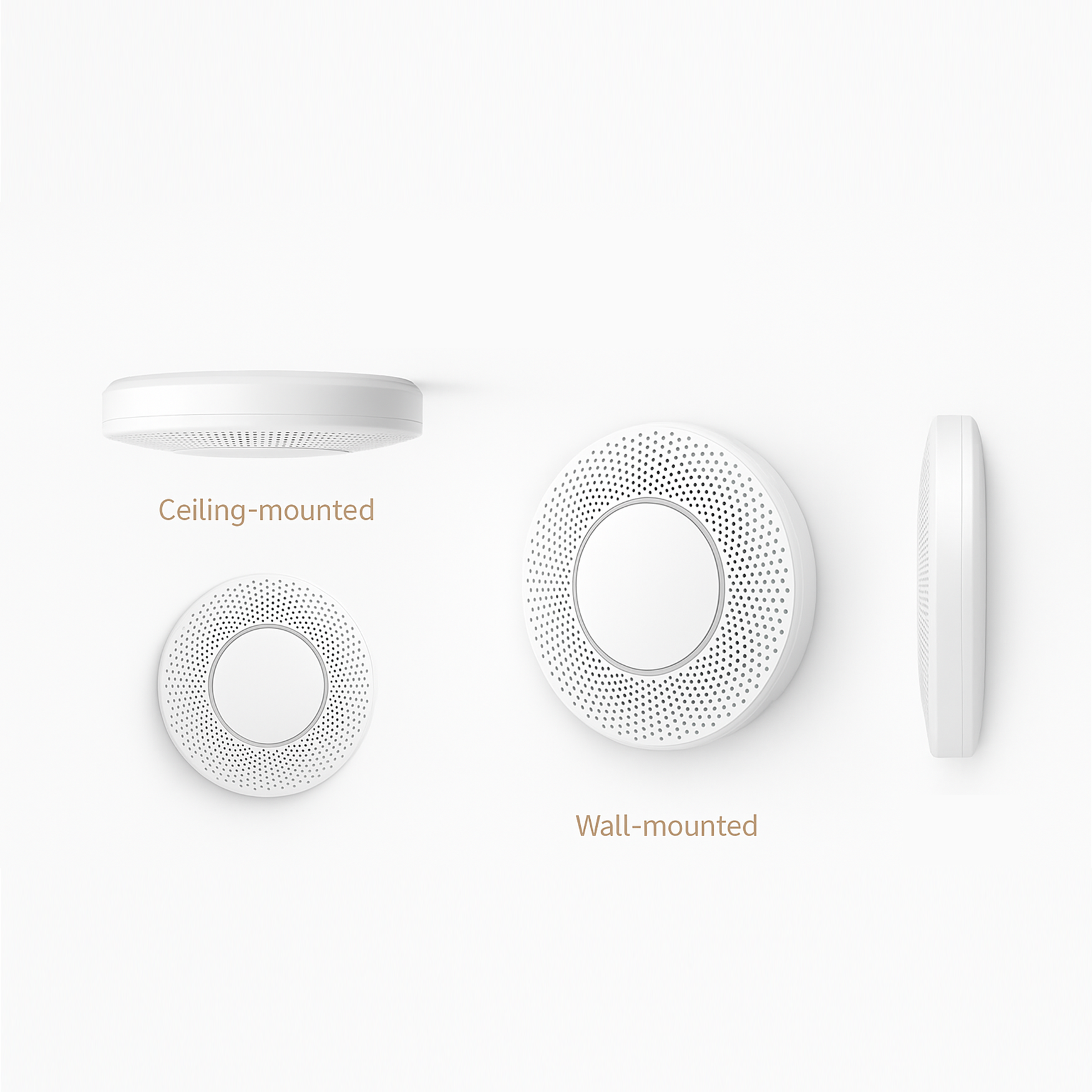
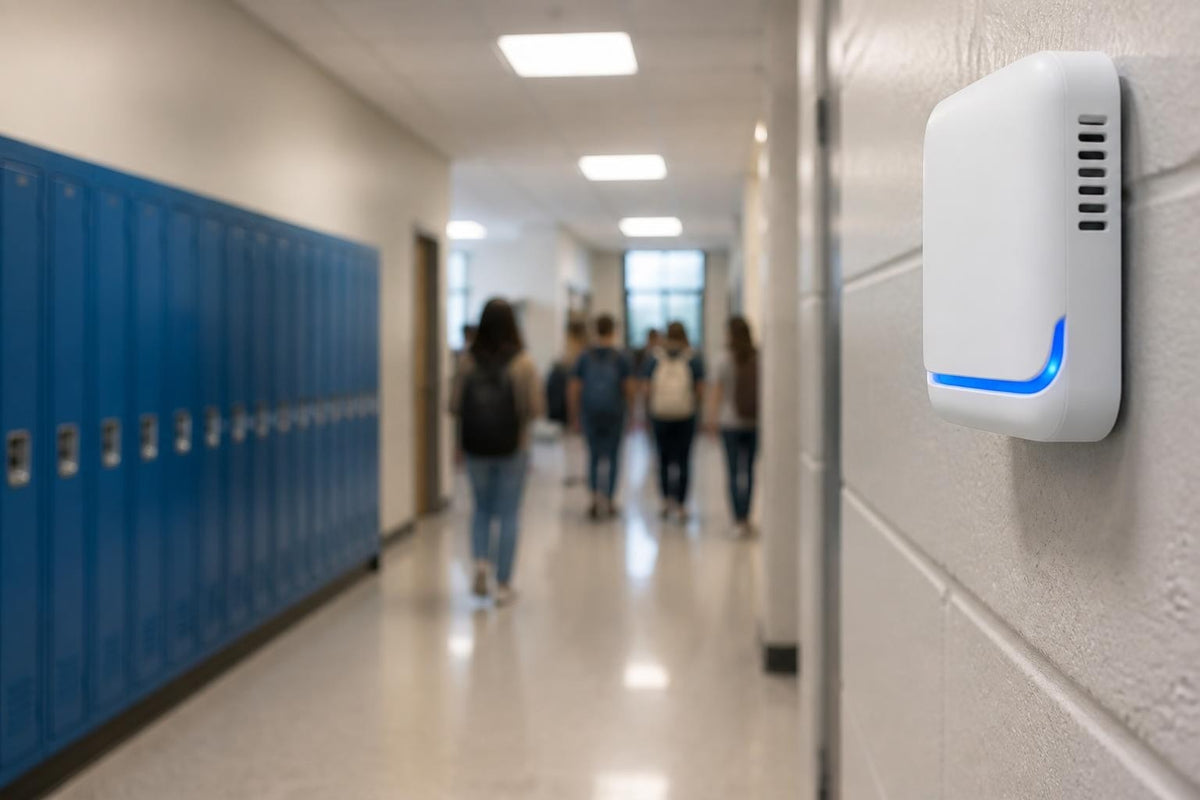
- Fixed units: Permanently installed in high-risk areas like toilets or changing rooms.
- Portable units: Flexible, moveable devices for temporary or event-based monitoring.
For a detailed breakdown of each technology, see the comprehensive Vape detection technology overview. This knowledge is essential for anyone who wants to become a vape detection partner and offer tailored recommendations to clients.
Key Features and Capabilities
When you become a vape detection partner, you should focus on systems that provide robust features. Leading solutions typically offer:
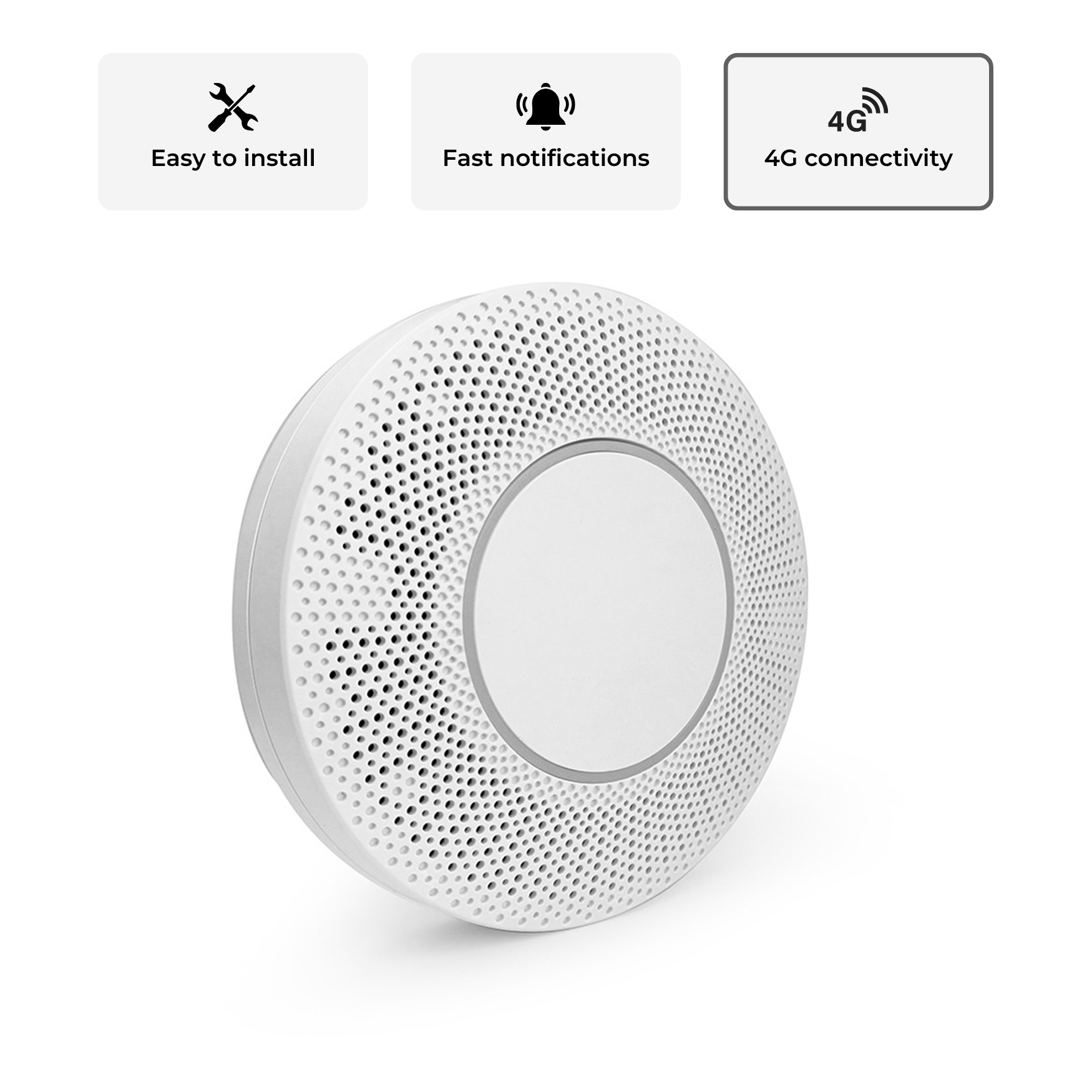
- Real-time alerts to staff via email, SMS, or app notifications.
- Multi-substance detection, including nicotine, THC, and air quality monitoring.
- Integration with mobile apps and building management systems for streamlined operations.
- Customisable thresholds and reporting tools for compliance.
Instant notifications are especially valuable, helping teams respond quickly and reduce vaping incidents before they escalate.
Installation and Integration Requirements
Proper installation is vital for effective performance. As you become a vape detection partner, you will need to conduct site assessments to determine optimal sensor placement. Factors to consider include:
- Coverage area per device and typical airflow patterns.
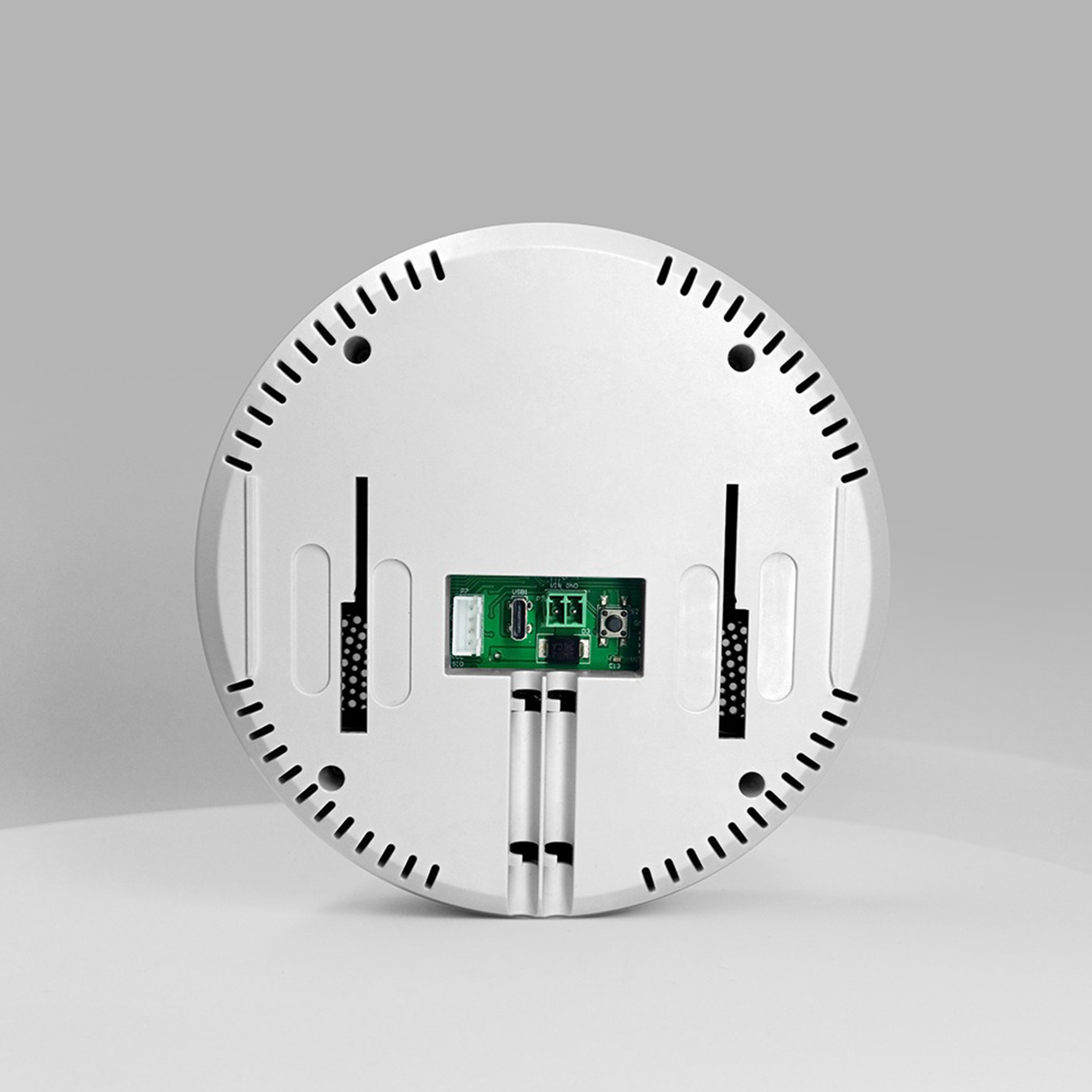
- Power options such as plug-in, battery, or Power over Ethernet.
- Connectivity requirements, including wireless and wired networks.
Successful deployments in multi-storey schools and offices often involve a mix of fixed and portable units, ensuring comprehensive coverage and minimal blind spots.
Data Security and Privacy Management
Vape detection systems collect sensitive data, so partners must prioritise data protection. When you become a vape detection partner, ensure your solutions use:
- Encrypted data transmission to prevent unauthorised access.
- Secure cloud or on-premises storage with regular audits.
- Strict compliance with GDPR and all relevant privacy regulations.
Adopting best practices, such as limiting data retention and providing transparent privacy policies, builds trust with clients and end users.
Maintenance and Technical Support
Ongoing maintenance is a core responsibility once you become a vape detection partner. This includes:
- Routine calibration of sensors to maintain accuracy.
- Firmware and software updates to keep systems secure and effective.
- Proactive troubleshooting and responsive technical support.
Partners who prioritise reliable support see higher satisfaction rates and long-term client retention, ensuring their business growth and reputation.
Step-by-Step Guide to Becoming a Vape Detection Partner
Becoming a vape detection partner in 2026 requires a clear roadmap, careful planning, and a solid understanding of the market. This step-by-step guide will help you navigate every stage, from self-assessment to ongoing client support. Whether you are an individual or an organisation, following these steps can set you up for success in this rapidly growing industry.
Step 1: Assess Your Readiness and Goals
To become a vape detection partner, start by evaluating your skills, resources, and ambitions. Are you experienced in technology, facility management, or compliance? Do you have access to capital for initial investment and marketing? Consider your business objectives and whether you aim to serve schools, offices, or public spaces.
Use a readiness checklist to identify gaps in your expertise or resources. This self-assessment is crucial for long-term success. Review your network and determine which sectors you can best support. By understanding your starting point, you can tailor your strategy for growth.
Step 2: Research and Select a Vape Detection Solution
The next step to become a vape detection partner is to research available technologies and vendors. Compare detection systems based on accuracy, ease of installation, support, and scalability. Evaluate both sensor-based and AI-driven solutions, and consider integration capabilities with building management systems.
Review partnership models by consulting resources like the How to become a reseller guide, which outlines requirements and benefits for new partners. Creating a comparison matrix helps you analyse features, pricing, and ongoing support, ensuring you select the right solution for your clients.
Step 3: Complete Training and Certification
To become a vape detection partner, completing relevant training and certification programmes is essential. Enrol in vendor-led or industry-recognised courses that cover technical installation, compliance, and client education. Achieving certification not only boosts your credibility but also ensures you can provide expert advice to clients.
Training timelines can vary from a few days to several weeks, depending on the complexity of the systems you choose. Prioritise hands-on learning and stay informed about industry standards. This step gives you the confidence to support clients effectively from day one.
Step 4: Set Up Your Business Operations
When you become a vape detection partner, setting up your business correctly is key. Register your company, obtain the necessary insurance, and ensure compliance with data protection regulations. Develop clear sales, marketing, and support processes to attract and retain clients.
A well-structured business plan can guide your growth and help secure funding if needed. Outline your target sectors, pricing models, and service offerings. Having robust operations in place allows you to scale efficiently as demand increases.
Step 5: Build Partnerships and Secure Clients
To successfully become a vape detection partner, focus on building strong relationships with potential clients. Use a mix of networking, digital marketing, and event participation to reach decision makers in schools, offices, and public venues.
Consider creating tailored proposals and case studies to demonstrate your expertise. Building trust is crucial, so offer consultations and site assessments to understand client needs. Securing your first major client can significantly boost your reputation and lead to further opportunities.
Step 6: Implement Vape Detection Solutions
Once you become a vape detection partner, your role includes managing installations and training client staff. Conduct detailed site assessments to determine sensor placement for optimal coverage. Oversee the installation process, ensuring minimal disruption to daily operations.
Provide comprehensive training for staff on system use and incident response protocols. Establish best practices for ongoing system management. A smooth implementation process leads to higher client satisfaction and long-term retention.
Step 7: Provide Ongoing Support and Compliance
The final step to become a vape detection partner is delivering continued support and ensuring regulatory compliance. Monitor system performance, respond promptly to incidents, and provide regular updates. Stay updated on legal requirements and help clients adapt to evolving regulations.
Develop a support framework that includes routine check-ins and technical troubleshooting. Offering proactive service builds trust and encourages clients to renew contracts, securing your place as a trusted partner in the vape detection industry.
Vape Guardian: Your Trusted Vape Detection Technology Partner
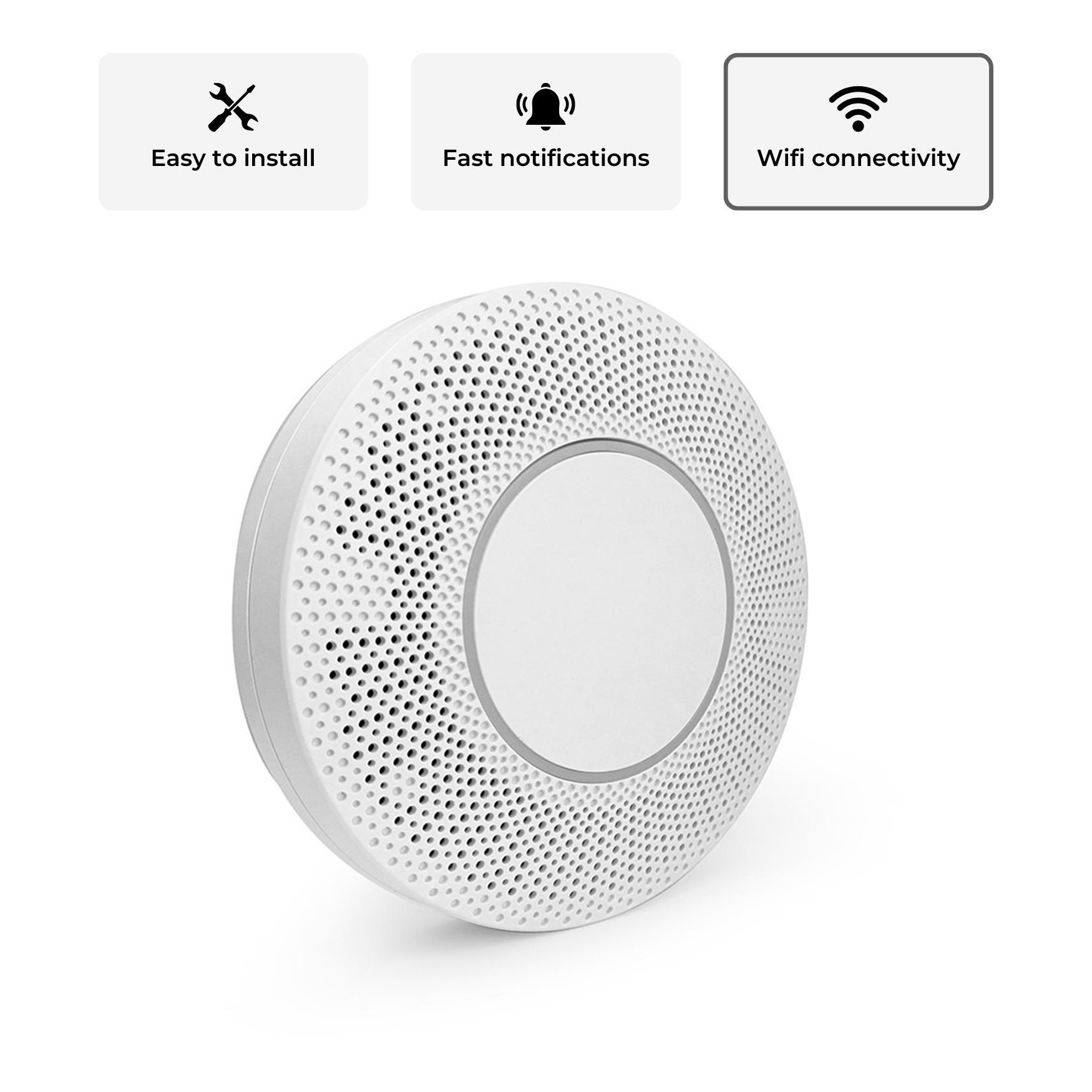
Vape Guardian stands at the forefront of advanced vape detection, offering innovative technology for organisations and individuals seeking to become a vape detection partner. With real-time alerts, AI-powered analytics, and comprehensive air quality monitoring, Vape Guardian delivers precision and reliability that partners can trust.
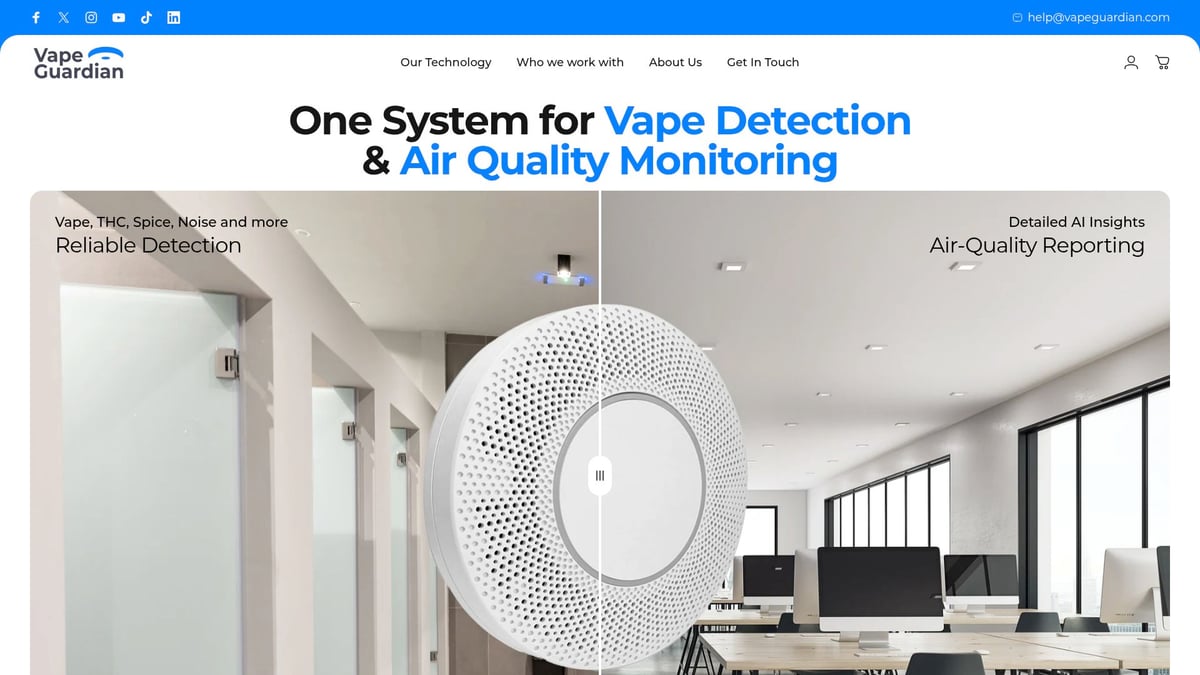
Vape Guardian’s solutions have proven their effectiveness, with educational institutions reporting up to a 95 percent reduction in vaping incidents after installation. The technology is tailored for a variety of settings, including schools, offices, leisure venues, and retail environments. For those interested in the education sector, you can explore the full range of vape detection solutions for schools and see how these systems are transforming student wellbeing.
What sets Vape Guardian apart is its commitment to partner support. Every new partner receives free consultations, comprehensive training, and access to a responsive UK-based customer service team. Flexible pricing options and a risk-free trial mean you can start your journey to become a vape detection partner with confidence. Vape Guardian is trusted by hundreds of organisations across 14 countries, offering scalable solutions to suit your needs.
If you are ready to become a vape detection partner, Vape Guardian provides a clear pathway. Contact the team today for a tailored consultation and discover how you can help create safer, vape-free spaces for your clients and communities.
Compliance, Support, and Best Practices for Vape Detection Partners
Staying compliant and providing exceptional support are essential when you become a vape detection partner. The right approach ensures long term success and builds trust with clients. Understanding current best practices is key for anyone looking to excel in this evolving field.
Navigating Regulatory and Ethical Standards
To become a vape detection partner, you must have a clear grasp of UK and EU regulations. These laws outline strict requirements for monitoring, privacy, and data protection. For instance, the UK Tobacco and Vapes Bill details new mandates on vape sales and advertising, directly impacting compliance for partners. Ethical monitoring is just as important as legal compliance. Adopting policy templates and transparent reporting processes helps partners remain accountable and trustworthy in every deployment.
Client Education and Awareness Programmes
Educating clients is a cornerstone when you become a vape detection partner. Providing up to date resources, interactive workshops, and awareness campaigns empowers organisations to tackle vaping proactively. Sharing data from recent reports, such as those examining vaping prevalence in Great Britain, can highlight the urgency and effectiveness of detection programmes. Well informed clients are more likely to see lasting reductions in vaping incidents, reinforcing your value as their trusted partner.
Building a Sustainable and Scalable Partnership Model
To become a vape detection partner and achieve sustainable growth, focus on expanding your services and adapting to client feedback. Start local, refine your approach, and use success stories to build credibility. Many partners scale their operations from a handful of clients to regional or national coverage by offering tailored solutions and reliable support. Regularly review your business processes to ensure they support scalability while maintaining high standards.
Leveraging Technology Updates and Innovation
Remaining competitive as you become a vape detection partner means embracing new technologies. Stay informed about AI, IoT, and the latest advancements in detection hardware and software. Regular firmware updates and adopting innovative features can increase system performance and client satisfaction. Partners who quickly adapt to technology trends position themselves as leaders in the market, offering clients the most effective and future proof solutions.
Accessing Ongoing Support and Community Resources
Strong support networks are vital when you become a vape detection partner. Reliable vendor assistance, peer forums, and partner communities offer invaluable knowledge sharing and troubleshooting. Engaging with these resources not only helps resolve technical issues quickly but also fosters professional growth. Partners who leverage ongoing support are more resilient and capable of delivering consistent, high quality service.
As you’ve seen throughout this guide, becoming a vape detection partner in 2026 offers a real opportunity to make a positive impact in schools, offices, and public spaces. With the right technology, training, and support, you can help create safer environments while building a strong, future-proof business. If you’re ready to take the next step and join a trusted network committed to reducing vaping incidents across the UK and beyond, I encourage you to Become a partner. Let’s work together to drive meaningful change and support healthier, safer communities.




Share:
Real-Time Air Quality Data Guide: Stay Informed in 2026
Vape Detection for International Schools: The 2026 Expert Guide