

Did you know that the average person spends over 90 percent of their time indoors, making indoor air quality more critical than ever? As 2026 approaches, new regulations and heightened awareness are driving organisations to prioritise a robust indoor environmental health system. This comprehensive guide will equip you with the latest expert advice, practical steps, and modern strategies to create healthier, safer indoor spaces for all. Explore essential system components, upcoming compliance trends, cutting-edge technology, a step-by-step implementation plan, and tips to future-proof your approach. Start your journey to a healthier indoor environment today.
Understanding Indoor Environmental Health Systems
As organisations prepare for the future, a robust indoor environmental health system stands out as essential for healthy, safe spaces. Unlike traditional approaches, these systems embrace a holistic strategy, covering not just air handling but every element influencing indoor well-being. By integrating monitoring, controls, and occupant-centred design, an indoor environmental health system becomes the backbone of modern building management.
Defining Indoor Environmental Health Systems
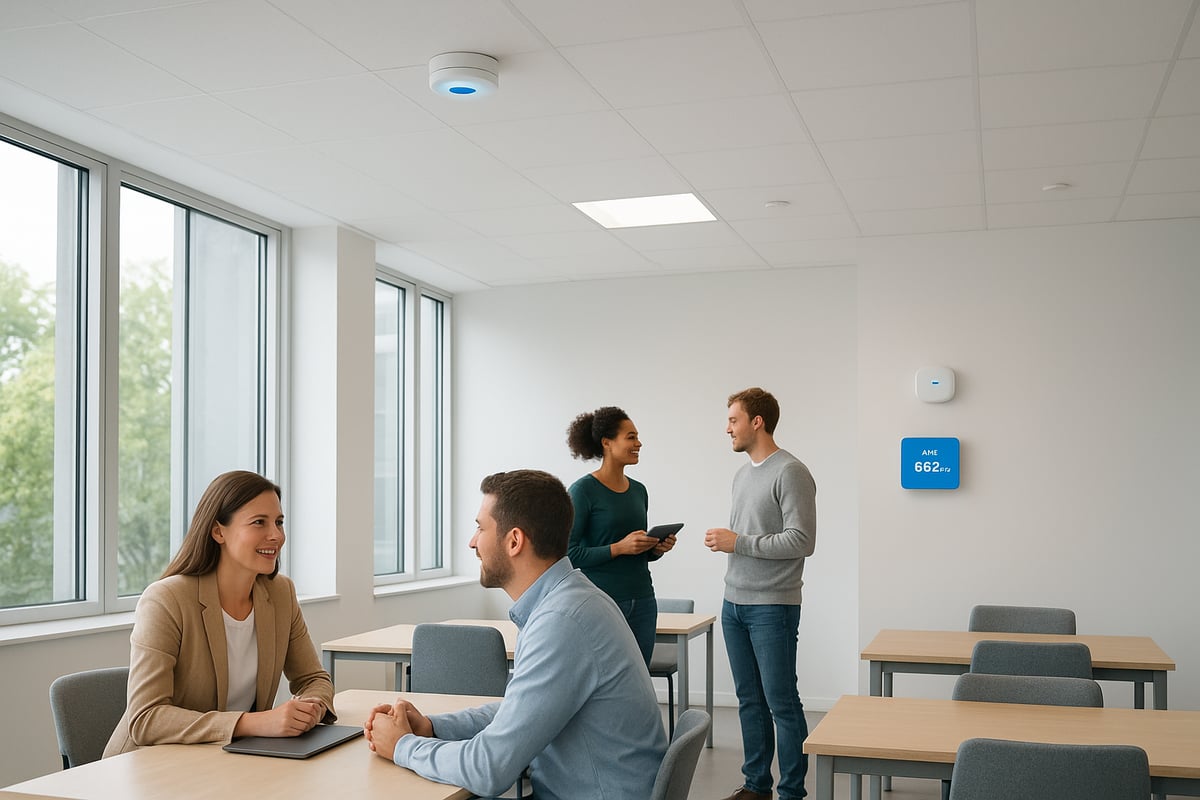
An indoor environmental health system is a comprehensive framework designed to safeguard the health and comfort of occupants inside buildings. It combines the management of air quality, humidity, ventilation, and contaminant levels, while also prioritising overall occupant well-being.
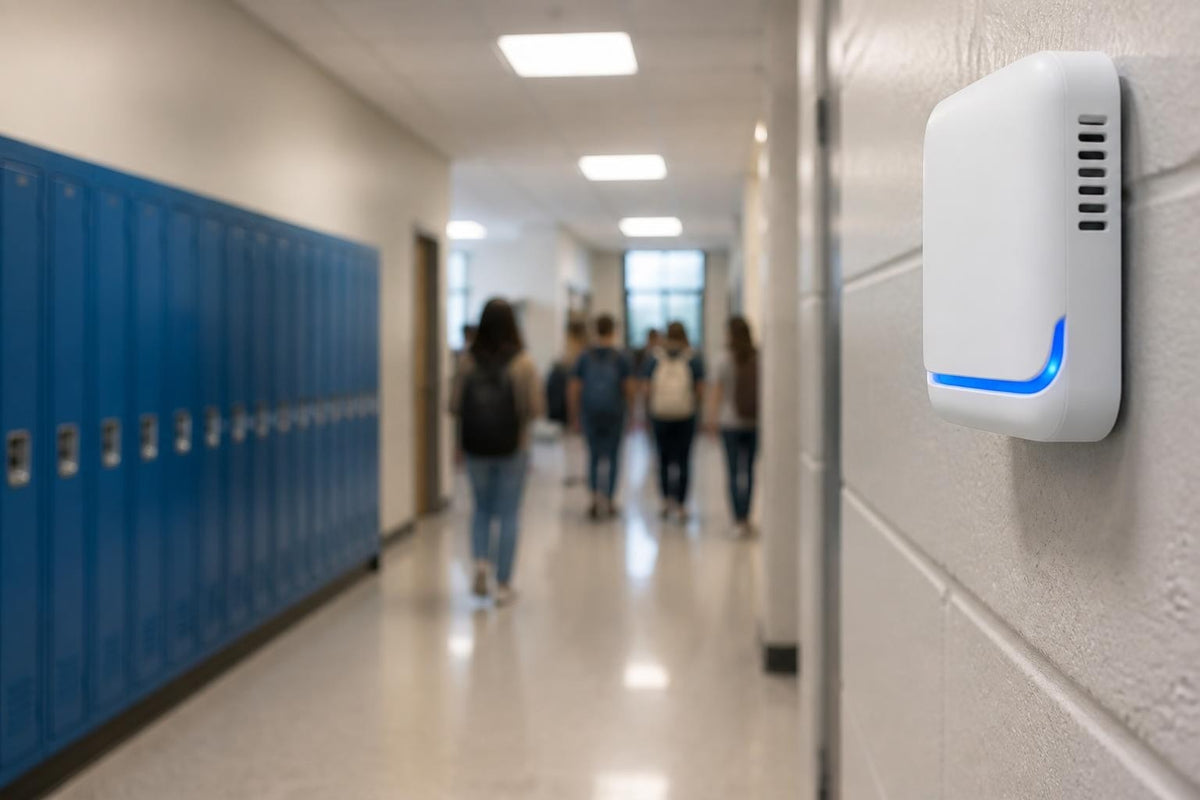
Unlike standalone HVAC or air purification setups, an indoor environmental health system integrates multiple components to function as a unified solution. For example, modern offices and schools often deploy interconnected monitoring devices that track air quality, adjust ventilation, and provide real-time alerts. This integrated approach ensures that all environmental factors are considered, not just temperature or airflow.
By delivering actionable data and automated responses, these systems move beyond reactive maintenance, creating spaces that actively promote health and productivity.
Key Health Risks in Indoor Environments
Indoor spaces can harbour a wide array of pollutants, each posing unique risks. Common contaminants include volatile organic compounds (VOCs), fine particulate matter (PM2.5), carbon dioxide, allergens, and microbial agents such as mould and bacteria.
Exposure to these substances can lead to respiratory issues, allergies, cognitive impairment, and increased absenteeism. According to the World Health Organization, indoor air pollution is responsible for an estimated 3.8 million premature deaths annually.
For a deeper understanding of how these factors affect health, consult the Indoor Environmental Determinants of Health, which provides a detailed overview of pollutants and their impacts.
Organisations must recognise these risks early, as even small concentrations can have significant effects on vulnerable populations like children and the elderly.
Regulatory Standards and 2026 Compliance
The regulatory landscape for indoor environmental health is evolving rapidly, particularly in the UK and EU. By 2026, new benchmarks will require stricter limits for carbon dioxide and PM2.5, with mandatory monitoring set to become standard in schools and workplaces.
For instance, the UK’s Building Regulations Part F has been updated to emphasise mechanical ventilation and improved air quality controls. These changes will demand an indoor environmental health system capable of continuous monitoring, reporting, and rapid intervention.
A proactive approach to compliance not only reduces legal risk but also positions organisations as leaders in health and safety.
The Role of Occupant Behaviour and Building Use
How a building is used and the behaviour of its occupants play a decisive role in environmental health outcomes. Occupancy patterns, activities, and the building's function all influence air quality and comfort.
For example, offices may require higher ventilation during meetings, while leisure centres must address odour and humidity from active use. Schools face unique challenges with crowded classrooms and diverse activities.
To maximise the effectiveness of an indoor environmental health system, organisations should educate occupants, promote best practices, and tailor interventions to specific building uses. Case studies show that targeted behavioural changes, combined with system upgrades, yield measurable improvements in air quality and satisfaction.
Benefits of a Proactive Environmental Health System
Investing in an indoor environmental health system delivers a host of tangible benefits. Improved air quality leads to better health and productivity, with studies reporting up to a 30 percent rise in productivity in WELL-certified office buildings.
Other advantages include reduced absenteeism, lower liability, and enhanced property value. Proactive environmental management also ensures ongoing compliance with evolving standards, minimising the risk of regulatory penalties.
Ultimately, these systems contribute to a safer, more attractive environment for occupants, strengthening organisational reputation and operational resilience.
Core Components of a Modern Indoor Environmental Health System
Modern buildings require a robust indoor environmental health system to protect occupant well-being, meet compliance, and adapt to changing standards. Each component below forms the foundation for a healthy and productive indoor environment.
Air Quality Monitoring and Analytics
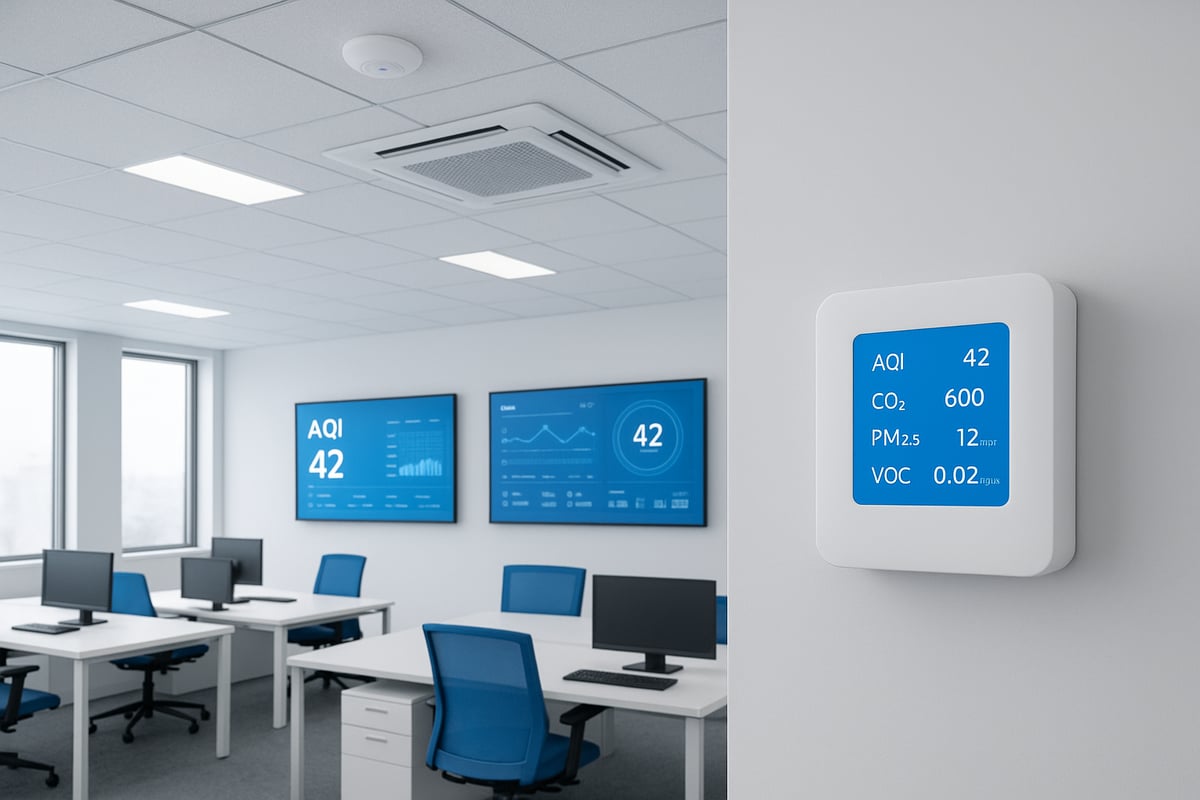
Continuous air quality monitoring is the backbone of any indoor environmental health system. Advanced sensors track PM2.5, carbon dioxide, volatile organic compounds, humidity, and temperature.
Real-time analytics provide immediate insights, while periodic testing offers long-term trend data. Facility managers rely on these systems to identify issues quickly and maintain optimal conditions.
Data-driven decisions improve air quality and reduce risks. For a deeper look at sensor capabilities and how they power modern solutions, see Smart sensor technology for indoor spaces.
Ventilation and Filtration Upgrades
Effective ventilation is crucial for a comprehensive indoor environmental health system. Both mechanical and natural ventilation strategies help control pollutant levels and maintain fresh air circulation.
HEPA and carbon filtration systems remove fine particulates and odours. Many schools and offices now upgrade their HVAC systems to exceed post-pandemic standards.
Implementing high-efficiency filters and improved airflow ensures compliance and supports occupant health.
Moisture, Humidity, and Mould Control
Managing moisture is essential for every indoor environmental health system. Excess humidity can lead to mould growth, which affects both comfort and respiratory health.
Smart dehumidifiers and moisture sensors track and regulate indoor humidity. According to recent studies, 21 percent of UK homes report mould issues, highlighting the need for proactive control.
Consistent monitoring reduces the risk of structural damage and supports a healthier environment.
Lighting and Thermal Comfort
Lighting and thermal comfort are key pillars of a successful indoor environmental health system. Natural light improves mood and productivity, while well-designed artificial lighting supports tasks and reduces eye strain.
Thermal zoning allows tailored temperature control for different spaces. Occupant comfort controls further personalise the environment.
Research links optimal lighting and thermal conditions to cognitive function and overall well-being.
Noise, Odour, and Other Environmental Factors
Noise and odour management play a vital role in a balanced indoor environmental health system. Acoustic monitoring systems measure sound levels and help reduce distractions.
Odour detection identifies sources of discomfort, allowing for rapid mitigation. For example, leisure centres use odour sensors to maintain guest satisfaction.
Addressing these factors creates a more pleasant and productive space for everyone.
Integration with Building Management Systems (BMS)
A centralised approach is the hallmark of a modern indoor environmental health system. Integration with Building Management Systems allows seamless control of air quality, lighting, temperature, and more.
Data integration enables holistic oversight, revealing patterns and opportunities for improvement. Automated alerts and predictive maintenance reduce downtime and energy costs.
This connected approach enhances efficiency, compliance, and long-term resilience.
Step-by-Step Roadmap to Implementing an Indoor Environmental Health System
Creating a robust indoor environmental health system requires a structured, stepwise approach. Each stage builds the foundation for healthier, safer spaces while ensuring compliance with evolving standards. The following roadmap empowers you to design, deploy, and maintain a future-ready solution.
Step 1: Initial Assessment and Stakeholder Engagement
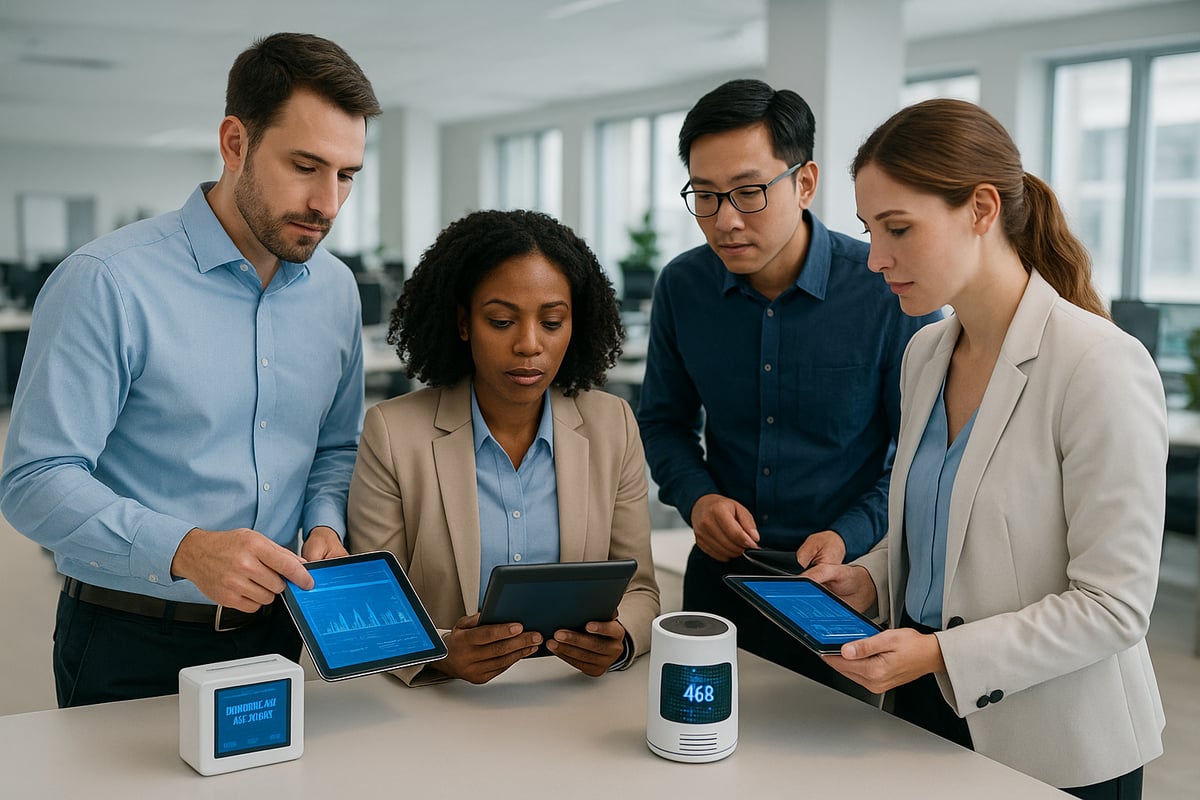
Begin by conducting a comprehensive indoor environmental quality audit. Assess current conditions and collect baseline data on air quality, humidity, and other relevant factors. Engage building owners, occupants, and facility managers early in the process. Their insights into daily use and concerns are invaluable for shaping your indoor environmental health system.
Set clear objectives for improvement. Consider regulatory requirements, occupant comfort, and operational constraints. Use this foundational step to align expectations and identify key project goals.
Step 2: Identifying Priority Areas and Risks
Map out the building to highlight zones with elevated health risks. Focus on kitchens, washrooms, classrooms, and meeting rooms, where pollutants and moisture often accumulate. Review historical complaints and incident reports to uncover persistent issues.
Prioritise these areas based on health impact, compliance needs, and frequency of use. This targeted approach ensures your indoor environmental health system addresses the most pressing risks effectively.
Step 3: Selecting Appropriate Technologies and Solutions
Evaluate available technologies that fit your indoor environmental health system goals. Compare sensor types, such as PM2.5, CO2, and VOC monitors, alongside air purifiers and HVAC upgrades. Consider whether a standalone or networked system offers better scalability for your needs.
Assess integration capabilities with existing infrastructure. Choose solutions that provide reliable data, support future expansion, and align with your compliance roadmap.
Step 4: Integration and Installation
Careful planning minimises disruption during installation. Schedule work during off-peak hours and communicate timelines to all stakeholders. Ensure new equipment is compatible with your current building systems.
Professional setup and commissioning are essential for a seamless indoor environmental health system. This step guarantees that sensors and controls function as intended, providing accurate, actionable data from day one.
Step 5: Training, Communication, and Policy Development
Educate staff and occupants on how to use the new system and why it matters. Develop clear policies for maintaining indoor air quality, responding to alerts, and reporting concerns. For guidance on crafting effective protocols, refer to best practices for handling vaping alerts, which provide actionable steps for policy development and communication.
Launch awareness campaigns to foster a sense of shared responsibility. When everyone understands the role of the indoor environmental health system, compliance and engagement rise.
Step 6: Continuous Monitoring, Maintenance, and Optimisation
Implement a schedule for regular inspections, sensor calibrations, and filter replacements. Use analytics platforms to track trends and identify emerging issues. Automated alerts enable rapid response, reducing health risks.
Continual optimisation ensures your indoor environmental health system adapts to changing conditions. Use collected data to guide upgrades and maintain peak performance over time.
Step 7: Reviewing Outcomes and Ensuring Compliance
Compare new data against your original baseline to measure progress. Prepare for external audits and pursue certifications like WELL, RESET, or BREEAM where relevant. Adjust your strategy based on feedback and updated regulations.
Regular review keeps your indoor environmental health system aligned with best practices and legal requirements. This commitment safeguards occupant wellbeing and future-proofs your investment.
Technology Innovations and Best Practices for 2026
As we approach 2026, technology is transforming every aspect of the indoor environmental health system. From smart sensors to AI-driven maintenance, new solutions are making it easier to create safer, healthier spaces. Here, we explore the best practices and innovations shaping the future of indoor environments.
The Rise of Smart Sensors and IoT Integration
Smart sensors have become the backbone of any effective indoor environmental health system. These wireless devices measure everything from particulate matter and carbon dioxide to temperature and humidity. With IoT integration, data is collected in real time and sent to cloud-based dashboards for instant access.
Key benefits include:
- Immediate alerts for unhealthy air quality
- Historical data for trend analysis
- Automated system adjustments based on sensor input
Schools and offices now rely on these technologies to ensure compliance and occupant safety. A robust indoor environmental health system built on IoT delivers actionable insights for timely interventions.
Advanced Filtration and Air Purification Technologies
Filtration and purification have evolved far beyond standard filters. The modern indoor environmental health system incorporates HEPA, activated carbon, and advanced technologies like UV-C and ionisation. These methods target fine particles, allergens, and pathogens, effectively reducing contaminant levels.
Many UK buildings are upgrading their systems to meet new standards. For a complete overview of relevant regulations and policy shifts, see the UK Air Quality Policy Context. Integrating these solutions is essential for maintaining a compliant and future-ready indoor environmental health system.
Data Analytics, AI, and Predictive Maintenance
AI and data analytics are redefining maintenance strategies within the indoor environmental health system. By analysing sensor data, facility teams can identify anomalies, predict filter replacements, and schedule maintenance before problems arise.
Benefits include:
- Reduced downtime from equipment failures
- Energy savings through optimised system performance
- Enhanced occupant comfort and safety
With predictive analytics, the indoor environmental health system becomes a proactive tool, not just a reactive measure.
Health-Focused Building Certifications
Certifications such as WELL, RESET, BREEAM, and Fitwel are increasingly important for organisations prioritising health. Achieving these marks signals a commitment to high standards within your indoor environmental health system.
Popular certifications:
| Certification | Focus Area | Benefits |
|---|---|---|
| WELL | Health and wellbeing | Productivity, value |
| RESET | Sensor-based air quality | Real time monitoring |
| BREEAM | Sustainability, environment | Compliance, savings |
| Fitwel | Occupant health | Tenant retention |
A certified indoor environmental health system is a powerful asset for compliance, marketing, and long term resilience.
Addressing Emerging Contaminants and Future Risks
The future of the indoor environmental health system depends on adaptability. New risks such as microplastics, airborne viruses, and chemical off gassing are rapidly emerging. To stay ahead, systems must be flexible and data driven.
Best practices include:
- Continuous monitoring for novel contaminants
- Regular updates based on latest scientific evidence
- Collaboration with public health experts
By anticipating future threats, your indoor environmental health system remains robust and effective.
Vape Guardian: Advanced Vaping Detection Solutions for Indoor Environmental Health
Vape Guardian leads the way in smart vaping detection and air quality monitoring for schools, offices, and leisure spaces. Their solutions use multi substance sensors and AI powered analytics to spot vaping, drug use, and anti social behaviour in real time.

Organisations have reported up to a 95 percent reduction in vaping incidents within five weeks of installation, as detailed in the Vape Guardian impact report 2025. With UK based support, educational resources, and risk free trials, Vape Guardian helps ensure your indoor environmental health system meets the highest standards for safety and compliance.
Future-Proofing Your Indoor Environmental Health Strategy
As we approach 2026, future-proofing your indoor environmental health system is essential for lasting compliance, safety, and value. Proactive planning ensures your spaces remain healthy, adaptable, and ahead of regulatory and technological shifts.
Preparing for Regulatory Changes and Industry Trends
Regulations for indoor air quality are evolving rapidly in the UK and across Europe. By 2026, stricter standards for pollutants like CO2 and PM2.5 are expected, with mandatory monitoring in workplaces and public buildings. Staying ahead means tracking proposed legislation and aligning your indoor environmental health system with anticipated benchmarks.
Industry calls for enforceable air quality standards are gaining momentum, as highlighted in CIAT UK Calls for Government Intervention on Indoor Air Quality. Regularly reviewing guidance from government and professional bodies ensures your system remains compliant. Proactive adaptation reduces risk and demonstrates your commitment to occupant health.
Investing in Scalable, Flexible Solutions
A future-proof indoor environmental health system is designed for growth and change. Modular components allow you to expand as regulations or building needs evolve. Integrating with smart building technologies, such as IoT-ready sensors and cloud-based analytics, ensures seamless upgrades.
For instance, upgrading legacy building management systems to support new sensors or automation tools makes it easier to adopt future innovations. This flexibility extends your investment’s lifespan, minimises disruption, and supports compliance with new standards. Scalable solutions help you remain competitive as expectations rise.
Building a Culture of Health and Safety
Sustainable change starts with people. Embedding a culture of health and safety within your organisation maximises the impact of any indoor environmental health system. Engage occupants through regular education, clear communication, and visible leadership support.
Wellness programmes tied to air quality metrics can motivate behavioural change. For example, sharing real-time air quality data encourages staff to adopt healthy habits, such as opening windows when CO2 levels rise or reporting maintenance issues promptly. Empowering occupants fosters shared responsibility for a healthier environment.
Leveraging Data for Continuous Improvement
Long-term success depends on data-driven decision-making. Your indoor environmental health system should generate actionable insights, helping you identify trends, anticipate issues, and benchmark performance. Regularly reviewing this data allows you to optimise system settings and target interventions where they will have the greatest impact.
Comparing your results with industry standards and peer organisations helps you set realistic goals. Continuous monitoring also supports audit preparation and certification processes, making compliance easier and more transparent.
Collaborating with Experts and Service Providers
Partnering with experienced professionals strengthens your indoor environmental health system. Third-party audits provide objective assessments and identify areas for improvement. Engaging technology providers ensures access to the latest tools and ongoing support.
Expert guidance is particularly valuable when interpreting new regulations or selecting advanced solutions. Service providers can offer maintenance packages, training, and technical support, reducing the burden on your in-house team. Collaboration accelerates progress and builds confidence in your system’s effectiveness.
Monitoring Global Developments and Innovations
The field of indoor environmental health is advancing worldwide. Staying informed about international best practices, research findings, and policy trends positions your organisation for long-term resilience. New contaminants, such as microplastics or airborne viruses, may require rapid adaptation.
Reviewing global guidelines, like those discussed in Towards Equitable and Sustainable Indoor Air Quality Guidelines, helps you anticipate emerging risks. Regularly updating your indoor environmental health system ensures you remain prepared for future challenges and opportunities.
As we’ve explored, building a resilient indoor environmental health system is more important than ever as we approach 2026. Whether you’re focused on compliance, safeguarding occupants, or future proofing your space, having the right technology and support makes all the difference. If you’re ready to take the next step in protecting your building—whether it’s a school, office, or leisure facility—why not have a chat with us? Our team is here to answer your questions, share expert insights, and help you create a safer, healthier environment for everyone.
Talk to our team and protect your building today


Share:
Vape Sensor for Public Spaces: The Essential Guide 2026
Real-Time Air Quality Data Guide: Stay Informed in 2026