
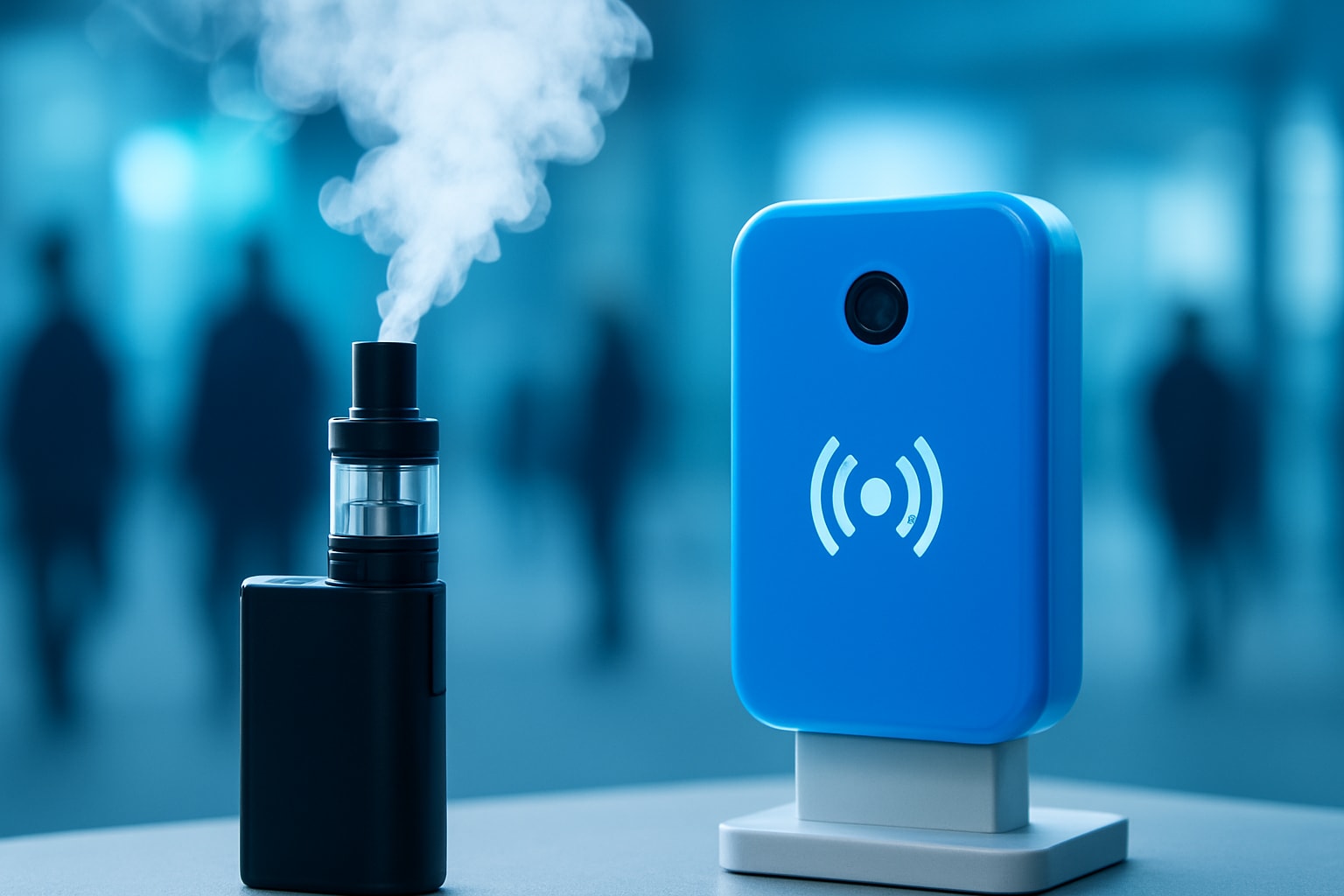
Public spaces are under increasing pressure as vaping becomes more widespread, raising urgent questions about safety and air quality. Facility managers, parents, and policy makers are seeking new ways to address this modern challenge.
This essential guide examines how the vape sensor for public spaces is transforming the landscape of public safety and compliance in 2026. You will discover the latest technology, practical applications, and real-world benefits of these innovative solutions.
We will walk you through the vaping problem, the science behind vape sensors, key legal and ethical issues, deployment strategies, and measurable results. By the end, you will have clear steps to create safer, healthier environments using advanced detection technology.
The Vaping Challenge in Public Spaces
The surge in vaping across public environments has transformed the landscape of air quality and safety. In recent years, the presence of vaping devices in shared spaces has sparked urgent discussions among policymakers, facility managers, and communities. Understanding the scope of this challenge is essential for anyone considering a vape sensor for public spaces.
Prevalence and Trends in Public Vaping
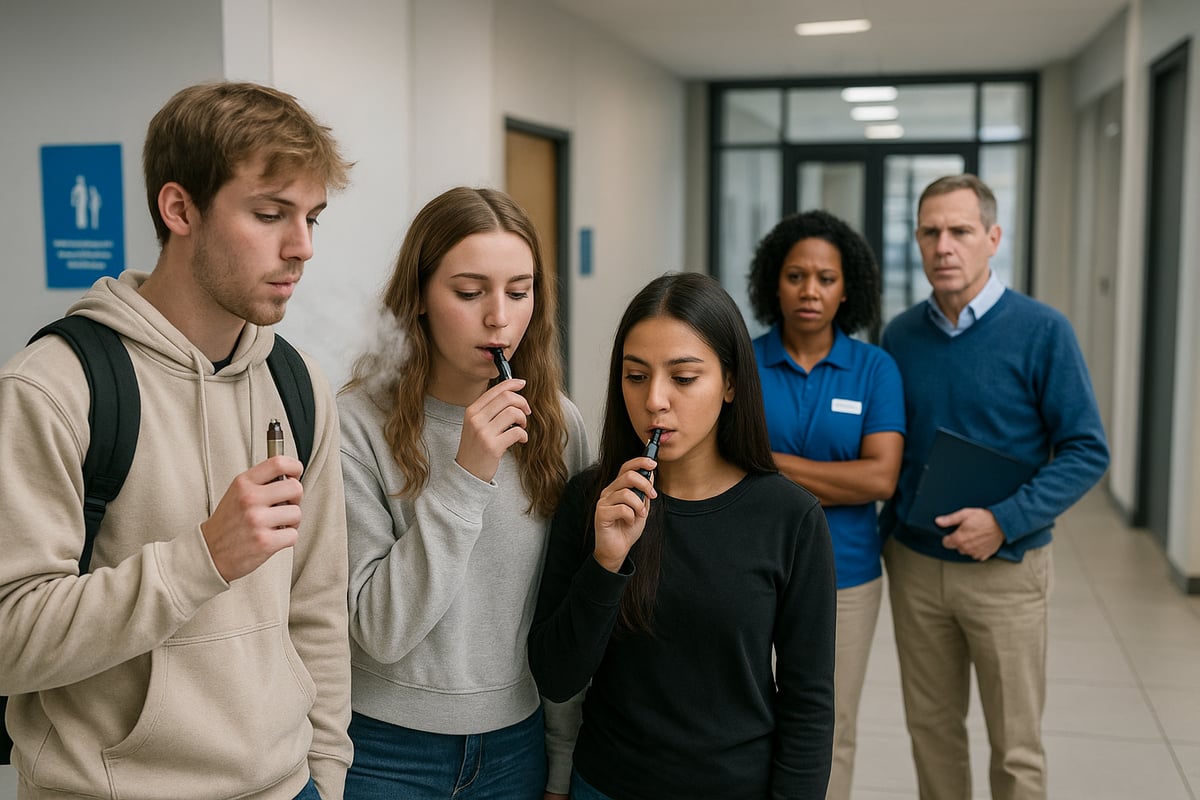
Since 2020, incidents of vaping in public venues have increased sharply. Research shows that vaping has now overtaken smoking for the first time in Britain, reflecting a profound shift in social norms and acceptance within shared environments. Public spaces such as schools, offices, and leisure centres are reporting higher rates of vaping-related incidents, making the vape sensor for public spaces a growing necessity.
Vulnerable groups, especially children and individuals with respiratory conditions, face heightened risks due to this trend. Case studies from educational institutions reveal that vaping often occurs in hidden areas, complicating detection and enforcement. This widespread prevalence is further highlighted in the Vaping overtakes smoking in Britain for first time report, which underscores the urgency for effective intervention.
Health, Safety, and Social Impacts
The health implications of public vaping are significant. Secondhand aerosol exposure can affect both respiratory health and overall wellbeing, particularly for those who are already vulnerable. There are also safety concerns, as vaping devices present fire hazards and can cause property damage if mishandled.
Air quality frequently suffers in venues where vaping is prevalent, leading to odour complaints and discomfort among occupants. The rise of vaping in public spaces has influenced youth behaviour, normalising e-cigarette use and altering public perceptions. These consequences highlight the pressing need for comprehensive approaches like a vape sensor for public spaces.
Limitations of Traditional Monitoring Methods
Traditional monitoring methods struggle to keep pace with the discreet nature of vaping. Manual supervision and CCTV often leave blind spots, and privacy concerns limit the extent of surveillance that facility managers can implement. These systems typically fail to detect vaping substances in real time, making enforcement inconsistent.
Examples abound of failed efforts to control vaping incidents using conventional tools. The inability to identify vaping activity promptly has led to frustration among stakeholders, further illustrating why a vape sensor for public spaces is increasingly viewed as an essential investment.
The Need for Technological Solutions
The limitations of traditional approaches have created a strong demand for proactive, automated monitoring in public environments. Facility managers, parents, and policymakers are all seeking smarter ways to ensure compliance and protect public health. Technology, especially the vape sensor for public spaces, offers the ability to detect incidents in real time and support broader health initiatives.
Statistics from the UK reveal a continued rise in vaping-related incidents, despite manual enforcement efforts. By providing accurate, automated monitoring, vape sensors empower public spaces to maintain safer environments and uphold new standards for air quality and wellbeing. The shift towards technology-driven solutions is no longer optional but a critical step for effective management and community trust.
How Vape Sensors Work: Technology and Capabilities
Understanding the technology behind a vape sensor for public spaces is essential for facility managers and policy makers. These devices combine advanced detection science, real-time communication, and robust analytics to address the unique challenges of monitoring vaping activity in shared environments.
Core Detection Technologies
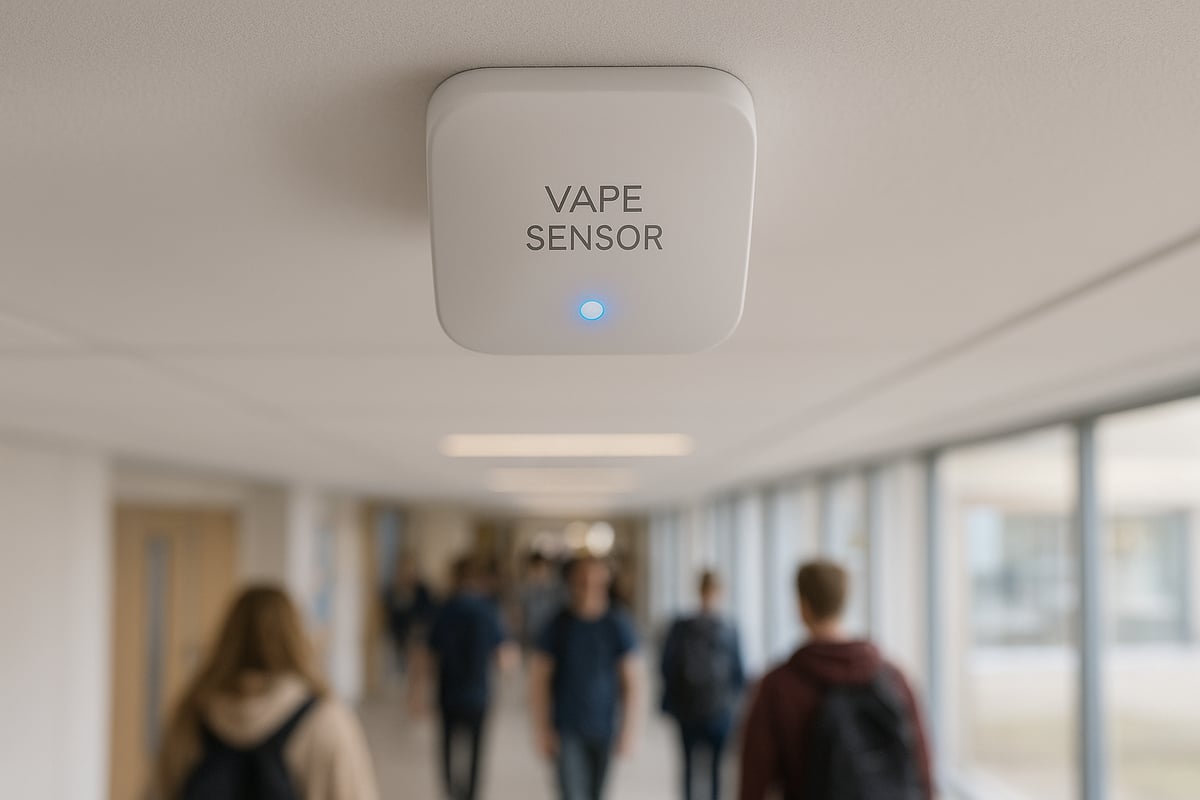
At the heart of every vape sensor for public spaces is a combination of air quality sensors, particulate monitors, and chemical detectors. These components work together to identify minute changes in the environment caused by vaping aerosols.
Modern devices are sensitive enough to detect nicotine, THC, and other vape-related compounds. Integration of AI algorithms enables the vape sensor for public spaces to distinguish between genuine vaping events and harmless environmental changes, reducing false alarms.
Compared to traditional smoke detectors, vape sensors are purpose-built for the unique signatures of e-cigarette aerosols. The difference is clear:
| Feature | Smoke Detectors | Vape Sensors for Public Spaces |
|---|---|---|
| Detects Vapour | No | Yes |
| Chemical Sensitivity | Low | High |
| AI Pattern Recognition | No | Yes |
For a deeper dive into the technology stack, review the Smart sensor technology overview.
Real-Time Monitoring and Alerts
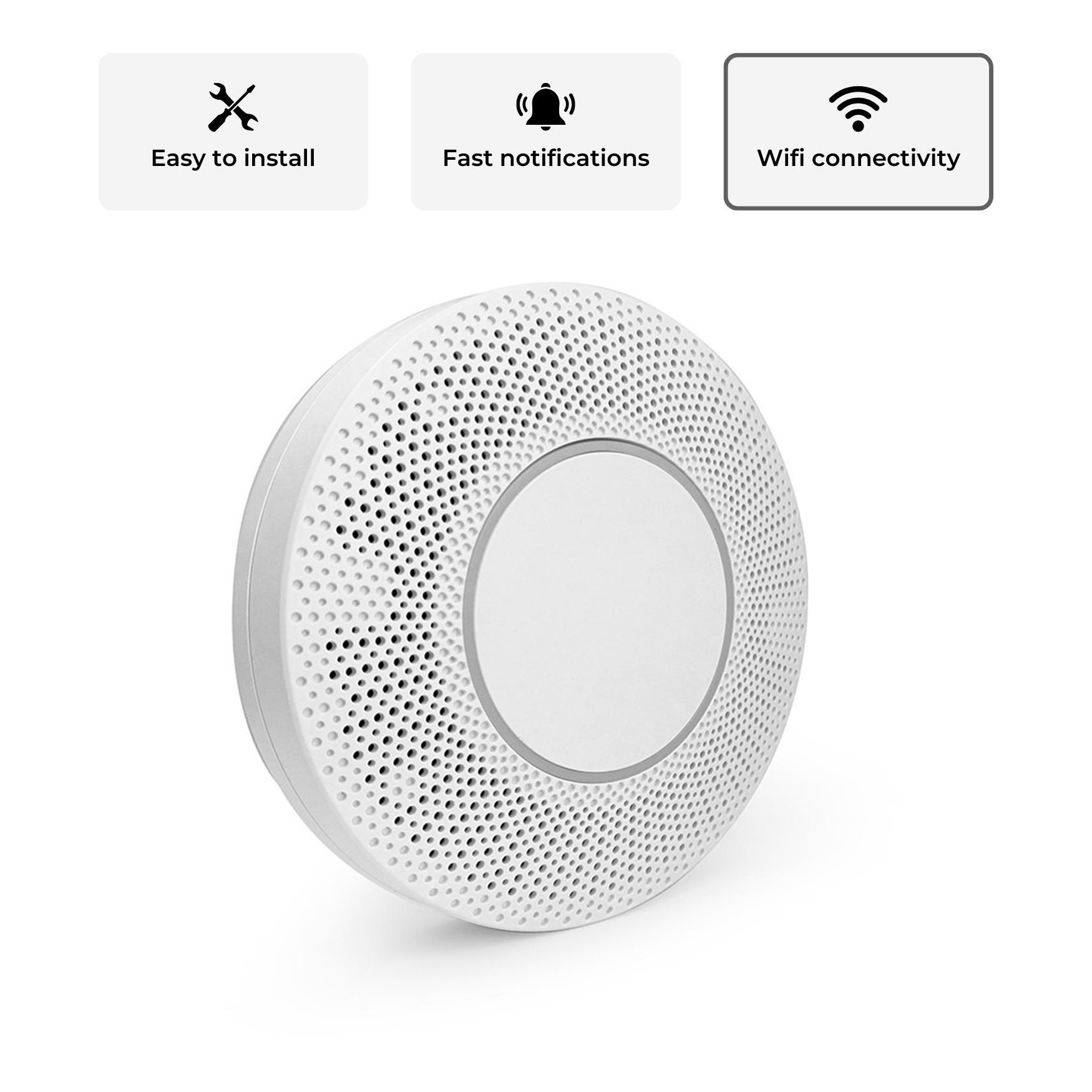
A vape sensor for public spaces delivers instant detection and notification, empowering rapid response to incidents. When the device senses vaping, it triggers an immediate alert to designated personnel through WiFi, Bluetooth, or cloud-based systems.
Communication protocols are chosen to suit the environment, ensuring reliable coverage across schools, offices, or leisure venues. Customisable alert settings allow each facility to tailor notification thresholds and recipients, minimising disruption.
In educational settings, for example, a typical workflow includes instant messaging to staff, automatic incident logging, and escalation if repeated activity is detected. This real-time approach supports prompt intervention and documentation.
Advanced Features and Analytics
Beyond detection, a vape sensor for public spaces offers comprehensive data logging and incident reporting. Every event is timestamped and stored, supporting compliance and trend analysis.
Integration with building management and security systems is increasingly standard. Many solutions provide mobile apps for remote monitoring, enabling facility managers to track incidents and system health on the go.
Analytics dashboards reveal patterns in vaping activity, helping leaders refine policies and target interventions. This data-driven approach streamlines compliance tracking and supports transparent reporting to stakeholders.
Minimising False Positives
Accuracy is a critical advantage of a vape sensor for public spaces. Multi-sensor arrays and environmental calibration techniques help distinguish vaping from other aerosols, such as perfumes or cleaning products.
Advanced devices use AI to analyse sensor data, reducing the likelihood of spurious alerts. Regular calibration ensures reliable performance, even as environmental conditions change.
Case studies show that facilities adopting these solutions experience significant improvements in detection accuracy. This reliability builds trust among staff, students, and visitors, encouraging compliance and safer behaviours.
Installation and Maintenance Requirements
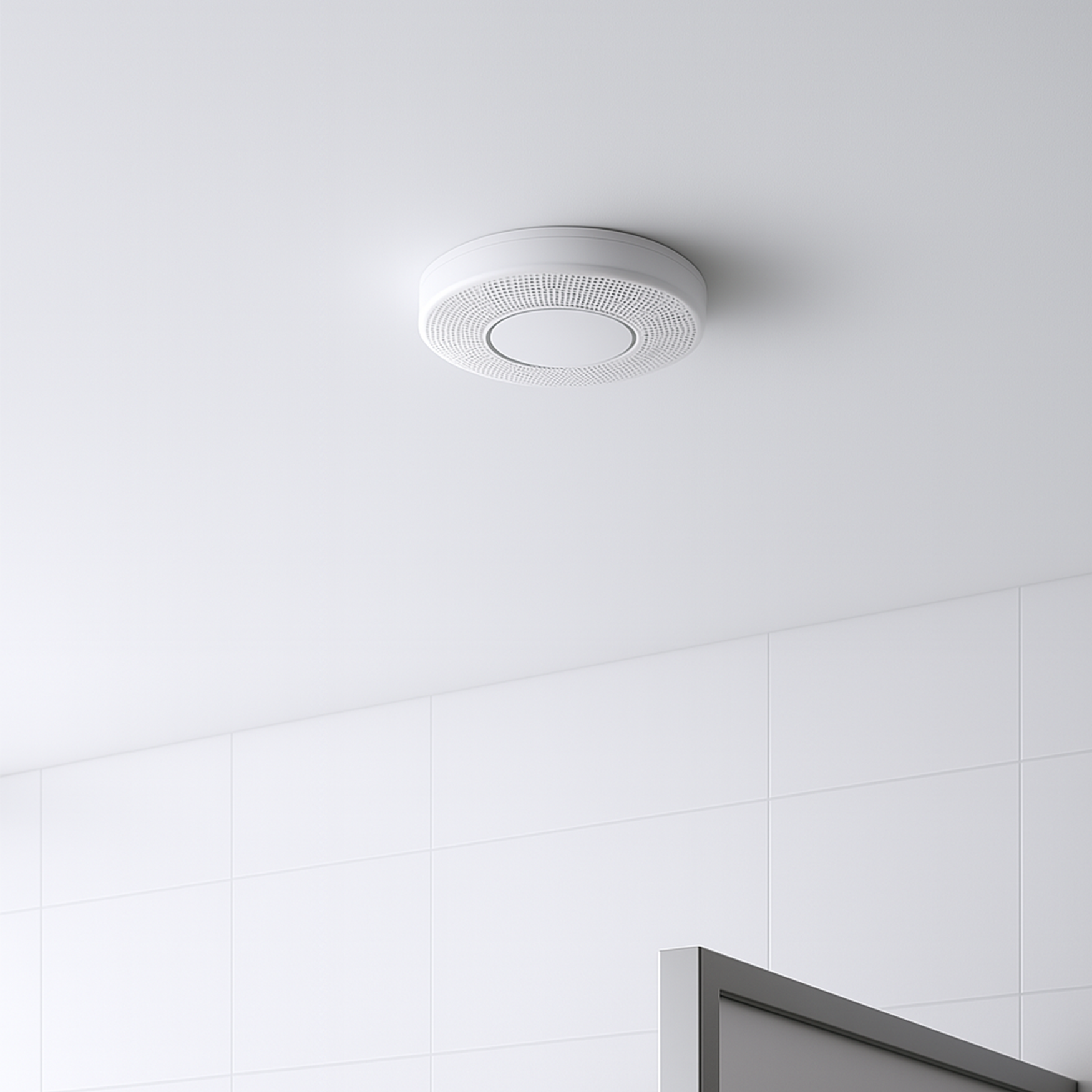
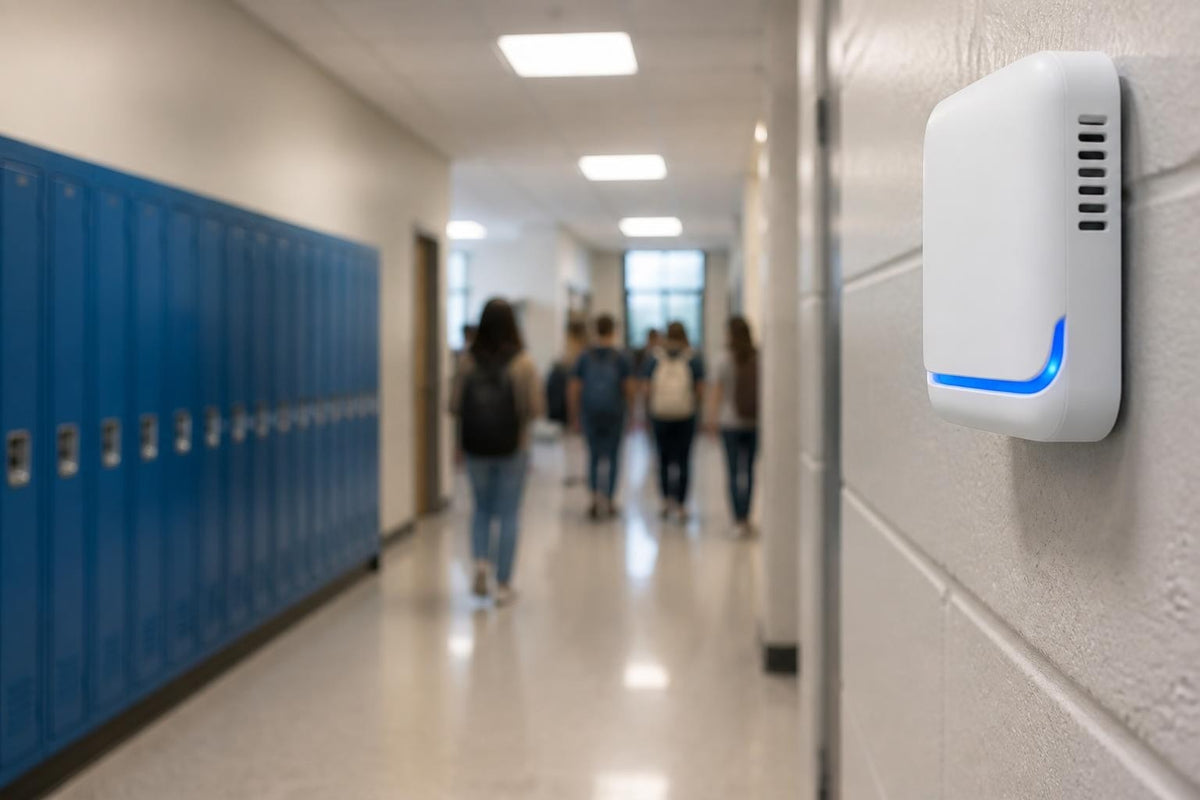
Deploying a vape sensor for public spaces is straightforward but requires careful planning. Installers typically conduct a site assessment to determine optimal sensor placement, focusing on high-risk zones like toilets, corridors, or communal areas.
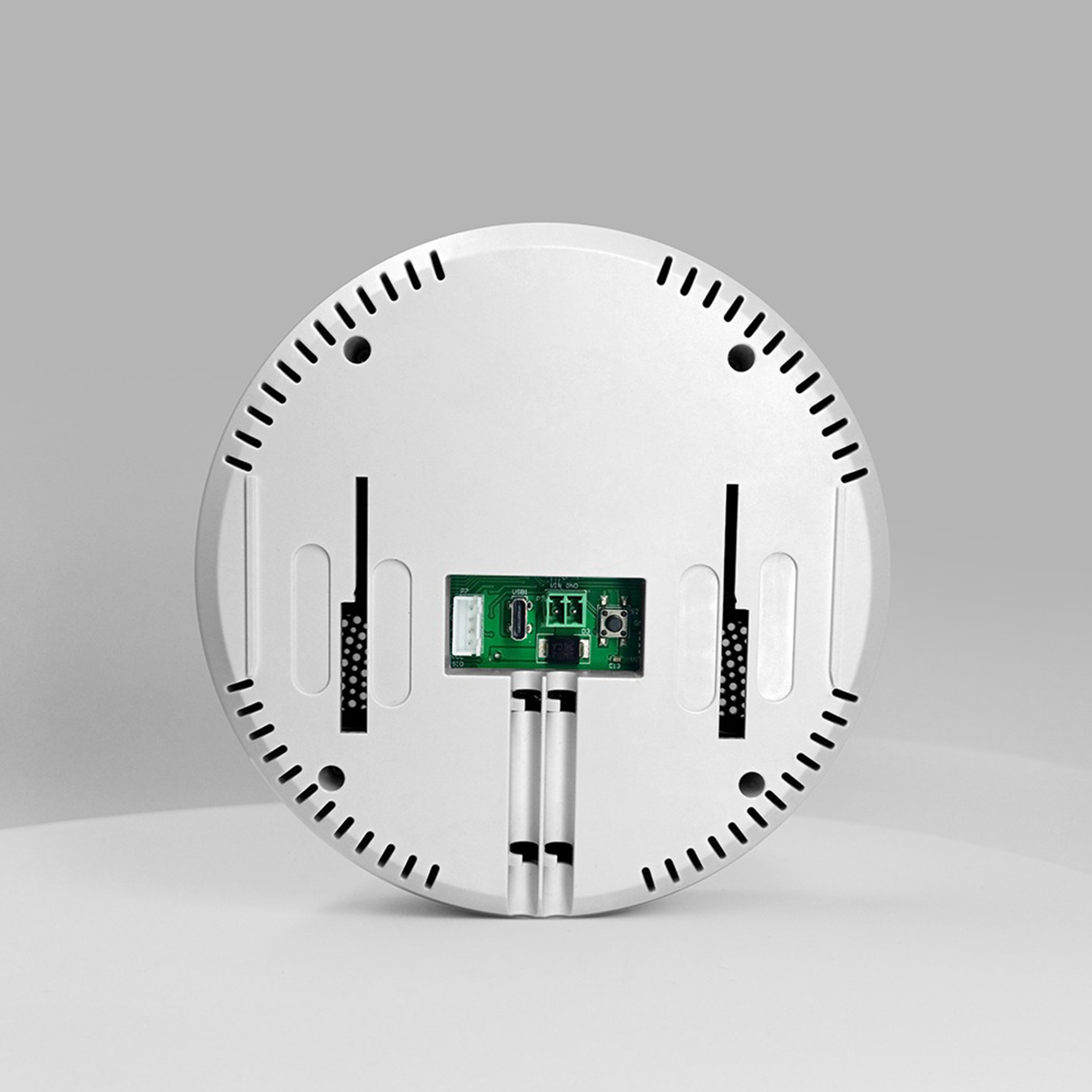
Regular maintenance is essential. Most systems require periodic cleaning, software updates, and connectivity checks to ensure peak performance. Power options vary, with many sensors supporting mains connection or battery backup for uninterrupted operation.
With clear installation guidelines and scheduled maintenance, facilities can maintain reliable vape detection and rapid response capability.
Legal, Ethical, and Compliance Considerations
Growing use of the vape sensor for public spaces is reshaping legal, ethical, and compliance frameworks. Operators must navigate evolving regulations, privacy expectations, and best practice policies to ensure both safety and trust. This section breaks down the essential considerations for deploying vape sensors responsibly in the UK and EU.
Regulatory Landscape in 2026
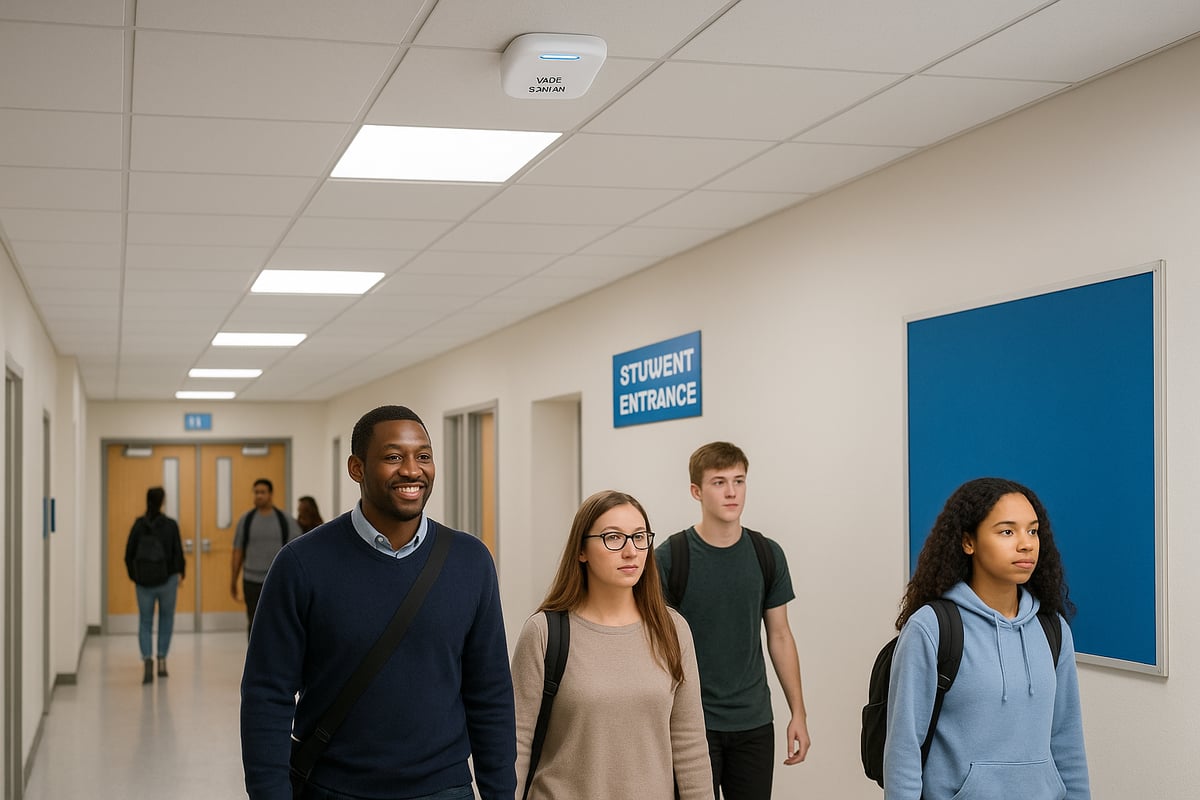
The regulatory landscape for the vape sensor for public spaces is rapidly evolving. In the UK, recent legislative changes such as those outlined in the Tobacco and Vapes Bill 2024–25 are setting stricter guidelines for vaping in public environments. Facility managers are now required to demonstrate proactive monitoring and compliance with air quality standards.
Across the EU, similar directives are emerging, focusing on safeguarding public health and ensuring accountability. Keeping up to date with these regulations is essential for anyone deploying a vape sensor for public spaces.
Privacy and Data Security
Privacy is a central concern when installing a vape sensor for public spaces. Stakeholders often raise questions about surveillance and data collection. The best practice is to use sensors that do not record audio or video, focusing solely on detecting airborne substances.
Data security measures must include encrypted storage, anonymisation, and strict access controls. Ethical deployment means informing occupants about monitoring and limiting data retention to only what is necessary for compliance and safety.
Best Practices for Policy Development
Developing a robust policy is crucial when integrating a vape sensor for public spaces. Clear anti-vaping policies should define the purpose, scope, and procedures for sensor use. Effective communication with staff, students, and visitors ensures transparency and builds trust.
Providing policy templates and guidance can streamline the process for schools and offices. Consent and notification protocols should be embedded into onboarding and orientation materials, so all stakeholders understand their rights and responsibilities.
Supporting Safeguarding and Wellbeing Initiatives
A vape sensor for public spaces plays a vital role in safeguarding children and vulnerable groups. Schools, leisure centres, and healthcare facilities benefit from early detection, which helps prevent exposure and supports wellbeing initiatives.
Integrating sensors with broader health and safety frameworks enhances the overall protection offered by public venues. Collaboration with local authorities and health organisations is encouraged to maximise the positive impact of these systems.
Case Studies and Precedents
Real world case studies show the effectiveness of the vape sensor for public spaces in achieving compliance and improving air quality. Facilities that have adopted these solutions report measurable reductions in vaping incidents and increased stakeholder confidence.
Success stories provide valuable insight into overcoming challenges and demonstrate the long term benefits of responsible sensor deployment. These precedents help guide future implementations and reinforce the importance of ongoing evaluation.
Planning and Deploying Vape Sensors in Public Spaces
Implementing a vape sensor for public spaces requires a strategic approach to ensure maximum effectiveness. Each phase, from initial assessment to ongoing improvement, plays a crucial role in creating safer, healthier environments. This section outlines a clear step by step process for successful deployment in schools, offices, and leisure venues.

Assessing Needs and Setting Objectives
The first step in deploying a vape sensor for public spaces is a thorough site audit. Facility managers should identify high risk zones, such as toilets, changing rooms, and secluded corridors. This helps prioritise sensor placement, ensuring resources are allocated efficiently.
Define clear objectives before installation. Are you aiming for a specific reduction in vaping incidents or improved air quality? Setting measurable targets allows for more accurate evaluation of the vape sensor for public spaces after deployment.
Consult stakeholders, including staff, parents, and local authorities, to understand their concerns. This collaborative approach supports buy in and ensures the solution addresses real world needs.
Selecting the Right Vape Sensor Solution
With objectives set, the next step is choosing a vape sensor for public spaces that matches your requirements. Evaluate detection range, sensitivity to substances, and compatibility with existing systems. Consider whether the sensor can identify both nicotine and THC aerosols.
Look for solutions that offer easy integration with building management platforms and security systems. Scalability is important for multi site organisations or expanding coverage in the future.
Compare vendors based on technical support, software updates, and customer service. Request demonstrations or pilot trials to assess real world performance before making a final decision.
| Feature | Importance | Considerations |
|---|---|---|
| Detection Range | High | Coverage area, blind spots |
| Integration | Essential | Compatibility with systems |
| Analytics | Valuable | Incident tracking, trends |
| Vendor Support | Critical | Training, troubleshooting |
Installation and Integration Steps
Planning the installation of a vape sensor for public spaces minimises disruption and maximises results. Start with detailed floor plans and mark identified high risk areas. Work closely with IT and facilities teams to ensure proper power and network connectivity.
Follow a step by step process:
- Schedule installation during low occupancy periods
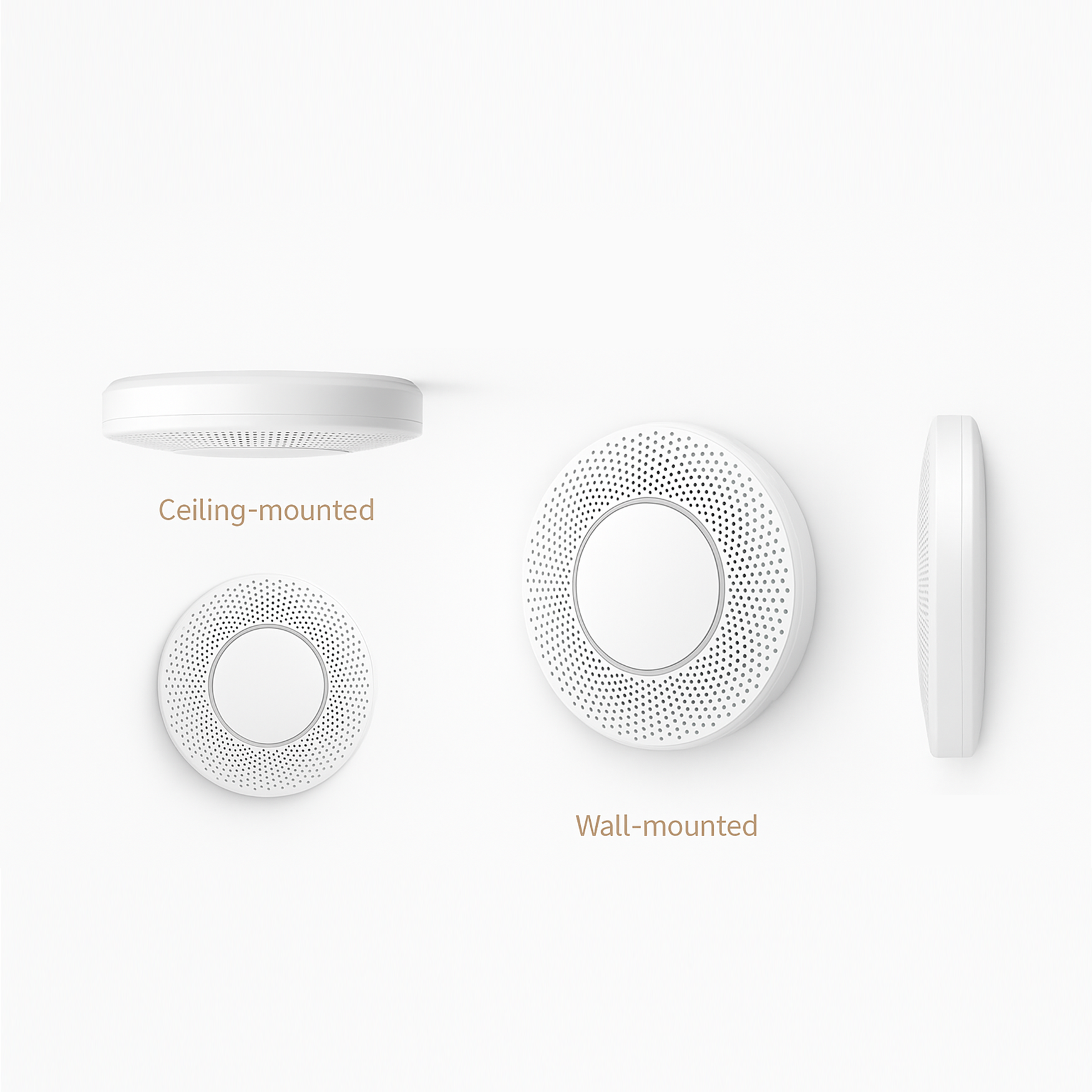
- Mount sensors at optimal height for aerosol detection
- Connect devices to secure networks
- Configure alert and notification workflows
- Test each sensor for accuracy and coverage
After installation, confirm that all systems communicate effectively with existing infrastructure. Run simulated incidents to ensure alerts are received by designated staff and response protocols are clear.
Training and Awareness Programmes
Effective use of a vape sensor for public spaces depends on well trained staff and informed stakeholders. Conduct training sessions to familiarise teams with sensor operation, alert management, and incident response procedures.
Develop educational materials and awareness campaigns for students, employees, or visitors. Clear communication reduces confusion and promotes compliance with anti vaping policies.
For best practice, refer to guidance such as Best practices for handling vaping alerts. These resources provide actionable steps for managing incidents, documenting responses, and supporting ongoing education.
Monitoring, Reporting, and Continuous Improvement
Ongoing monitoring is key to sustaining the impact of a vape sensor for public spaces. Set up regular reviews of alert logs and incident reports to identify trends or recurring problem areas.
Use analytics to refine deployment strategies and adjust sensor placement if needed. Schedule periodic maintenance and software updates to ensure optimal performance.
Leverage case studies and data from early adopters to benchmark success. For further insights, explore Vape Guardian case studies to see how other institutions have achieved measurable reductions in vaping incidents.
Continuous improvement keeps your environment safer and sets a standard for public health protection.
Measuring Impact and Future Trends
Understanding the real-world impact of vape sensor for public spaces initiatives is essential for ongoing improvement and wider adoption. As technology advances and regulations evolve, stakeholders must continuously assess outcomes and adapt strategies to meet new challenges. In this section, we explore how to evaluate effectiveness, examine future innovations, consider shifting public attitudes, and look beyond vaping for broader applications.
Evaluating Effectiveness of Vape Sensor Deployment
Measuring the success of a vape sensor for public spaces programme requires a clear framework. Key performance indicators include reductions in vaping incidents, higher compliance rates, and positive feedback from staff and visitors. Schools and public venues often report a noticeable decline in vaping activity within weeks of installation.
A practical approach involves collecting incident data, reviewing alert logs, and surveying stakeholders. For instance, educational institutions deploying vape sensor for public spaces technology have seen rapid improvements. For more on this, see Vape detection in education settings, which details real-world outcomes in schools.
Table: Example KPIs for Vape Sensor Effectiveness
| KPI | Before Deployment | After Deployment |
|---|---|---|
| Vaping Incidents | 45/month | 3/month |
| Compliance Rate | 60% | 95% |
| Stakeholder Satisfaction | 70% | 92% |
Ongoing evaluation ensures systems deliver measurable results and support continuous improvement.
Innovations in Vape Detection Technology
Technological advancements are shaping the next generation of vape sensor for public spaces solutions. AI-driven algorithms now allow for more precise detection, minimising false positives and distinguishing between vaping and other aerosols. Sensor miniaturisation enables integration into smart building systems without impacting aesthetics or workflow.
Future devices will likely offer multi-substance detection, improved connectivity, and seamless data sharing with facility management platforms. These innovations ensure vape sensor for public spaces deployments remain effective, scalable, and adaptable to emerging threats.
Analytics platforms are increasingly user-friendly, empowering non-technical staff to interpret trends and respond quickly. As technology matures, the reliability and versatility of vape sensor for public spaces will only increase.
Evolving Public Attitudes and Policy Responses
Public opinion regarding vaping and surveillance in shared spaces is evolving. Recent data suggest that while the rapid increase in vaping has plateaued, the need for effective monitoring remains, particularly in youth settings. For context, New Data on Vaping Uncovers a Public Health Disconnect highlights the ongoing challenges facing public health authorities.
Policy makers are responding with stricter regulations and clearer enforcement guidelines. Vape sensor for public spaces technology is seen as a practical tool for supporting compliance and safeguarding vulnerable groups. Transparent communication about privacy and data handling is critical to maintaining public trust.
As attitudes shift, facilities that proactively implement vape sensor for public spaces solutions are better positioned to adapt to regulatory changes and community expectations.
Expanding Applications Beyond Vaping
The capabilities of vape sensor for public spaces technology are not limited to nicotine or THC detection. Many systems now monitor a range of airborne substances, supporting broader air quality initiatives. This versatility opens doors to use in healthcare, hospitality, and transport sectors.
For example, integrating vape sensor for public spaces with environmental health systems enables detection of other pollutants or harmful aerosols. Facilities benefit from enhanced safety, improved indoor air quality, and a proactive approach to emerging risks.
Looking forward, the adaptability of vape sensor for public spaces positions it as a cornerstone of next-generation public safety and environmental monitoring infrastructure.
As we've explored, tackling vaping and air quality challenges in public spaces is more important than ever, especially as environments like schools, offices, and leisure venues adapt to new risks. With solutions such as advanced vape sensors, you can take real steps towards creating safer, healthier spaces for everyone. If you’re ready to make a difference and ensure your building meets the latest standards in safety and compliance, you don’t have to figure it out alone. You can talk to our team and protect your building today for expert guidance and tailored support.



Share:
Smart Building Detection Tech Guide: Innovations for 2026
Indoor Environmental Health System Guide: Your 2026 Roadmap