
Smart building detection tech is evolving at an unprecedented pace, reshaping the way buildings operate in 2026. With rapid advances, these systems are now essential for ensuring safety, boosting efficiency, and supporting sustainability goals.
Innovations in smart building detection tech are transforming management, security, and the well-being of occupants. Adopting next-generation systems offers tangible benefits, from significant cost savings to meeting regulatory demands and delivering an enhanced user experience.
This guide explores the latest breakthroughs in smart building detection tech, covering key innovations, AI and IoT integration, security improvements, sustainability, implementation strategies, and future trends. Prepare to unlock the future of smart buildings.
The Evolution of Smart Building Detection Technology
The journey of smart building detection tech reflects a story of rapid advancement and growing expectations. Just a decade ago, detection systems relied on simple, isolated sensors. Today, smart building detection tech is a complex ecosystem, combining hardware, software, and network intelligence for unprecedented control and insight.
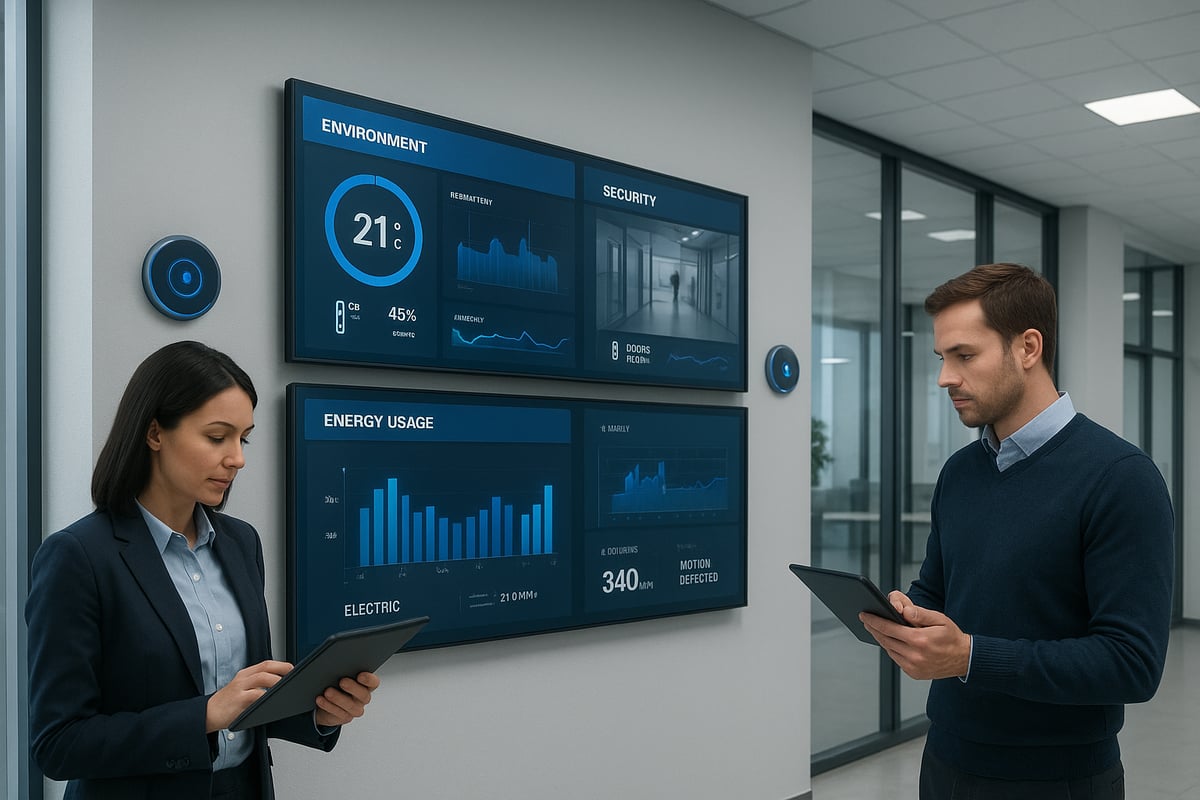
Through the late 20th and early 21st centuries, building detection systems marked milestones with the introduction of smoke alarms, carbon monoxide detectors, and basic surveillance. These early innovations laid the groundwork for today’s smart building detection tech, which now delivers faster, more reliable responses to diverse threats.
As the industry shifted from standalone devices to intelligent, interconnected sensors, buildings gained the ability to share real-time data across platforms. This transition is highlighted in the Smart building sensors overview, which explores how advanced sensors drive detection and automation. The result is a dramatic increase in efficiency, accuracy, and the capacity to adapt to changing environments.
Big data and cloud computing have become essential pillars in smart building detection tech. By aggregating and analysing massive streams of sensor data, cloud platforms enable predictive insights and scalable solutions. This shift supports faster decision making, remote monitoring, and seamless updates, all of which are crucial for modern facility management.
Several core drivers have propelled these advancements:
- Enhanced safety and rapid incident detection
- Operational efficiency and reduced costs
- Improved occupant comfort and experience
- Compliance with evolving regulations
From 2020 to 2025, major breakthroughs included the integration of AI-powered analytics, edge computing, and IoT device interoperability. These advances enabled smart building detection tech to move beyond reactive alerts, offering proactive maintenance and anomaly detection for complex facilities.
Early adopters have reported transformative outcomes. For example, commercial offices using smart building detection tech have seen reduced energy waste and faster emergency responses. Hospitals have leveraged integrated detection to protect patients and staff, while educational institutions have improved compliance and safety.
Market research indicates that the smart building detection tech sector is poised for robust growth by 2026. Projections suggest widespread adoption across commercial, healthcare, and educational properties, with increasing investment in AI, cloud, and sensor innovation.
Despite the impressive progress, challenges remain. Key areas for improvement include standardisation, cybersecurity, and ensuring seamless integration with legacy systems. As technology matures, ongoing collaboration between vendors, regulators, and end users will be vital to fully realise the potential of smart building detection tech.
Core Innovations Shaping Smart Building Detection in 2026
The landscape of smart building detection tech is evolving at an unprecedented pace. In 2026, a new wave of innovations is setting the stage for smarter, safer, and more efficient buildings. These advancements are not only enhancing operational efficiency but also transforming the occupant experience and driving sustainability.
Advanced sensor technologies: Multi-modal, environmental, and biometric sensors
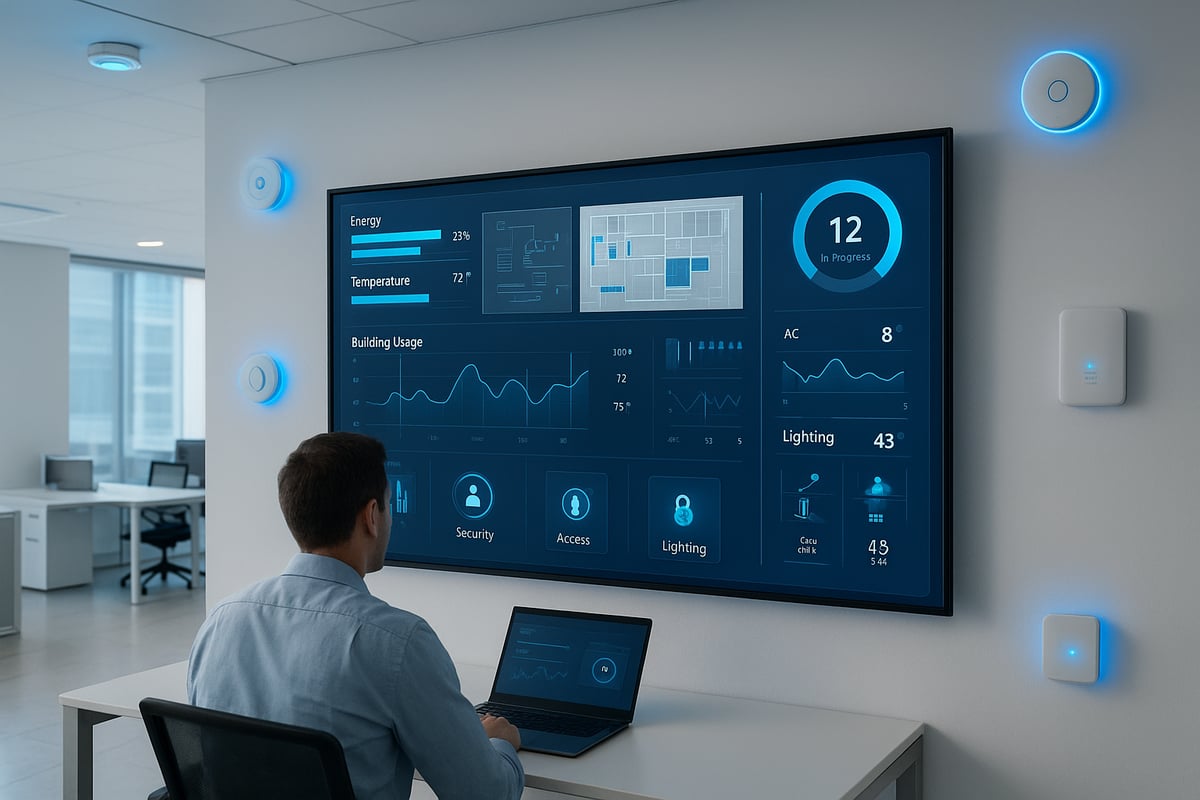
At the core of smart building detection tech are next-generation sensors. Multi-modal sensors can simultaneously monitor temperature, humidity, motion, and even air quality. Environmental sensors are now capable of detecting subtle changes in air composition or the presence of hazardous substances. Biometric sensors, meanwhile, add a layer of security by verifying occupant identity through facial or fingerprint recognition.
For a deeper dive into how environmental monitoring drives these innovations, see environmental monitoring in buildings, which explores the role of advanced sensors in modern detection systems. These sensor advancements enable real-time data collection, supporting proactive responses to safety and efficiency challenges.
AI-powered analytics: Real-time anomaly detection and predictive maintenance
Artificial intelligence is revolutionising smart building detection tech by enabling real-time analytics. AI algorithms sift through massive streams of sensor data to identify anomalies, such as unauthorised access or equipment malfunctions. This capability allows for predictive maintenance, reducing downtime and preventing costly incidents before they occur.
With these tools, building managers gain unprecedented insight into system performance. The result is a safer environment and increased operational reliability, all driven by the intelligence embedded in modern detection platforms.
Edge computing for faster, localised decision-making
Edge computing is a key enabler of smart building detection tech in 2026. By processing data locally, edge devices can analyse sensor input and trigger responses in milliseconds. This minimises latency, ensuring that critical events, like fire or intrusion, are addressed instantly.
Localised processing also reduces the amount of data sent to the cloud, improving privacy and lowering bandwidth demands. As a result, buildings become more autonomous and responsive to dynamic conditions.
Seamless IoT device integration and interoperability standards
The integration of IoT devices is central to the effectiveness of smart building detection tech. Devices such as cameras, sensors, and alarms must communicate seamlessly to provide a unified detection system. New interoperability standards are making it easier to connect devices from different manufacturers, ensuring a cohesive ecosystem.
This interconnected network allows for comprehensive monitoring and automated control across all building systems. It also provides flexibility to scale or upgrade detection capabilities as new technologies emerge.
Enhanced user interfaces: Dashboards, mobile apps, and voice control
User interfaces have undergone significant transformation. Facility managers now benefit from intuitive dashboards that present real-time data in clear, actionable formats. Mobile apps extend monitoring and control capabilities beyond the control room, allowing for remote management.
Voice control features are becoming more common, enabling hands-free operation of detection systems. These enhancements make smart building detection tech accessible to users of varied technical backgrounds and streamline day-to-day operations.
Automation and self-learning detection systems
Automation is a defining trait of next-generation smart building detection tech. Self-learning systems use machine learning to adapt to changing building conditions and occupant behaviour. Over time, these systems improve their detection accuracy, reducing false alarms and optimising responses.
Automated workflows handle routine tasks, such as adjusting lighting or HVAC based on occupancy patterns. This not only improves efficiency but also frees up staff to focus on higher value activities.
Real-world example: Smart office buildings reducing energy costs and incidents
Consider a modern office building equipped with state-of-the-art smart building detection tech. Advanced sensors monitor occupancy and environmental factors, while AI analyses the data to fine-tune lighting, heating, and security systems. The result is a significant reduction in energy consumption and fewer safety incidents.
In one case study, a corporate facility reported a 30 percent decrease in energy costs within the first year of deploying these technologies. Staff also noted improved comfort and faster response times to maintenance issues.
Data: Adoption rates and reported efficiency improvements from industry reports
Industry reports highlight the rapid adoption of smart building detection tech. By 2026, it is estimated that over 60 percent of new commercial buildings will incorporate advanced detection systems. Facilities that have embraced these innovations consistently report:
- Up to 40 percent reduction in operational costs
- 50 percent fewer safety incidents
- Improved occupant satisfaction
These results underscore the tangible benefits of investing in smart building detection tech and set the benchmark for future advancements in the sector.
Artificial Intelligence and IoT: The Backbone of Next-Gen Detection
Artificial intelligence and IoT are transforming the landscape of smart building detection tech. As buildings generate more data than ever, these technologies allow for rapid analysis, smarter decisions, and improved outcomes. They form the backbone of next-gen detection, driving efficiency, safety, and adaptability. Together, AI and IoT enable property owners to turn raw data into actionable insights, fundamentally changing how building environments are managed and secured.
How AI algorithms process vast sensor data for actionable insights
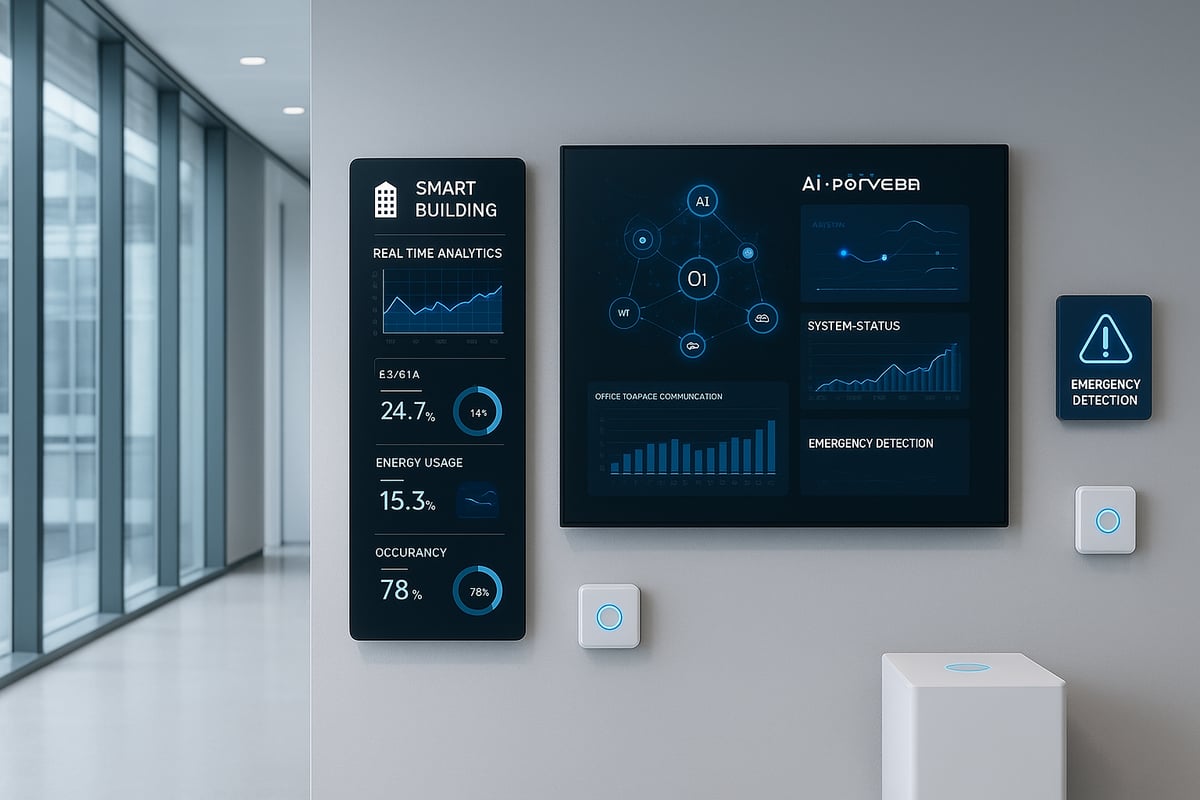
Modern smart building detection tech relies on AI to handle streams of data from countless sensors. AI algorithms sift through temperature, motion, air quality, and security feeds in real time. They identify patterns and anomalies, helping facility managers react quickly to potential issues. This data-driven approach enhances building intelligence, enabling predictive actions that improve both operational efficiency and occupant safety.
The role of machine learning in reducing false alarms and improving accuracy
Machine learning is crucial within smart building detection tech because it continuously learns from historical data. Over time, these models distinguish between genuine alerts and harmless anomalies. For example, they can discern the difference between smoke from cooking and a real fire. This reduces false alarms, minimises unnecessary disruptions, and increases trust in automated building systems.
IoT networks enabling device-to-device communication and system scalability
IoT forms the connective tissue in smart building detection tech. Devices communicate directly, sharing information to optimise building performance. For instance, motion sensors can trigger lighting or HVAC adjustments in real time. This interconnectedness supports scalability, allowing new devices to be added seamlessly. It also enables centralised control, giving managers a holistic view of building operations and detection events.
Predictive analytics for maintenance and incident prevention
Smart building detection tech leverages predictive analytics to anticipate problems before they escalate. By analysing sensor trends, AI can forecast equipment failures, water leaks, or security breaches. Maintenance teams receive alerts in advance, reducing costly downtime and extending asset lifespans. Predictive systems also improve occupant satisfaction by addressing issues proactively, rather than reacting to complaints or emergencies.
Example: AI-driven fire detection and evacuation systems
AI-driven fire detection is a standout application of smart building detection tech. These systems analyse sensor data, video feeds, and environmental changes to spot fires early. They can trigger targeted evacuation plans, alerting occupants and emergency services instantly. Solutions like AI-powered vape detection systems demonstrate how integrating artificial intelligence enhances detection accuracy and response times, especially in schools and offices.
Security and privacy considerations with AI and IoT integration
With the expansion of smart building detection tech, robust security and privacy measures are essential. AI systems must safeguard sensitive occupant data and prevent unauthorised access. Encryption, secure device management, and regular audits help address these concerns. Compliance with regulations such as GDPR ensures that data collection and processing remain transparent, ethical, and in line with best practices for digital safety.
Industry statistics: Percentage of smart buildings adopting AI/IoT solutions
Adoption of AI and IoT in smart building detection tech is surging. Recent industry reports indicate that over 70 percent of new commercial buildings in the UK incorporate AI-enabled detection systems. This trend is expected to accelerate as more organisations recognise the value of intelligent automation, improved security, and operational efficiency. The future of building management rests firmly on these advanced technologies.
Enhancing Security and Safety through Detection Technology
Modern smart building detection tech is revolutionising how we secure and protect our built environments. By leveraging intelligent sensors and integrated systems, buildings now respond proactively to threats and hazards. This evolution not only enhances physical security but also fosters a safer, more resilient workplace. As adoption grows, facility managers are seeing tangible benefits in both incident reduction and emergency response.
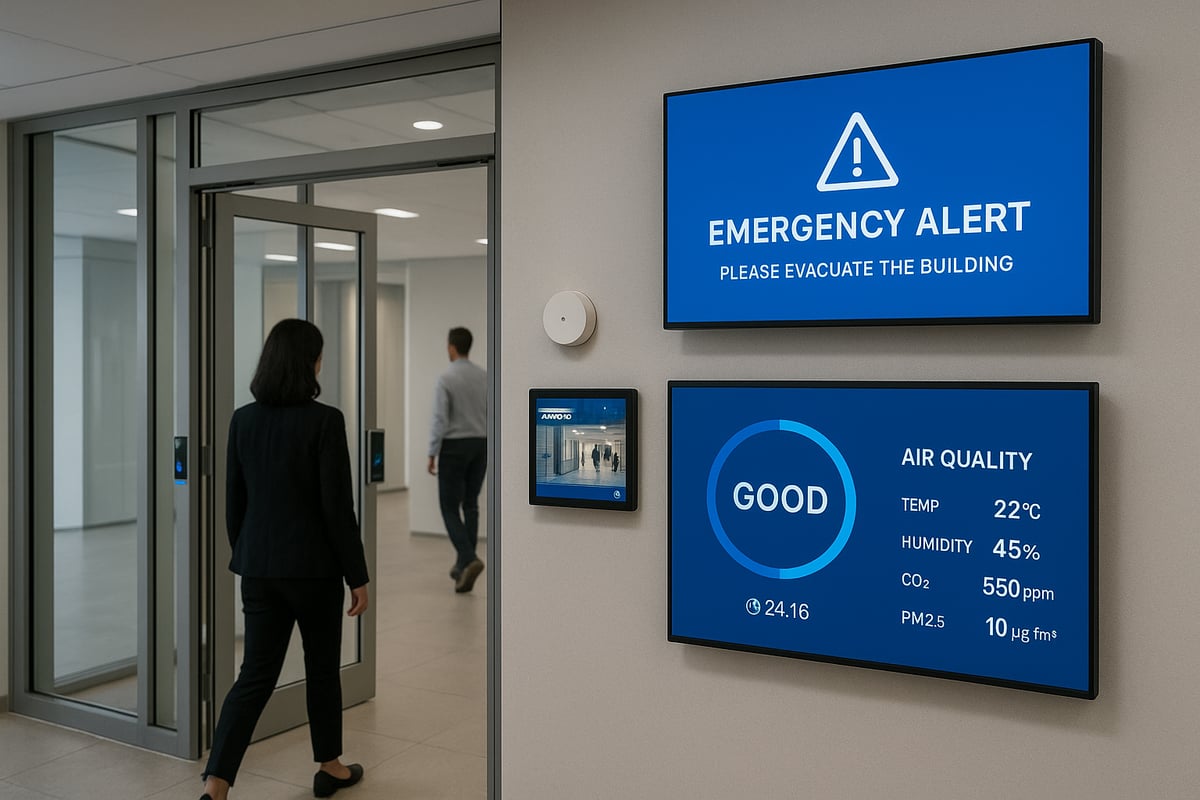
Intrusion, unauthorised access, and occupancy detection advancements
Recent advances in smart building detection tech have transformed access control and occupancy management. Intelligent cameras and biometric readers now monitor entrances and sensitive areas, flagging unusual activity in real time. These systems can distinguish between authorised personnel and intruders, reducing the risk of breaches.
Occupancy sensors track movement throughout the facility, optimising resource use and supporting emergency planning. By integrating data from multiple points, buildings can automatically lock down areas or alert security teams when suspicious patterns emerge.
- Real time alerts for unauthorised entry
- Automatic lockdown procedures
- Improved tracking for emergency evacuations
The result is a more secure environment, with fewer false alarms and greater peace of mind for occupants.
Air quality, smoke, and hazardous substance monitoring
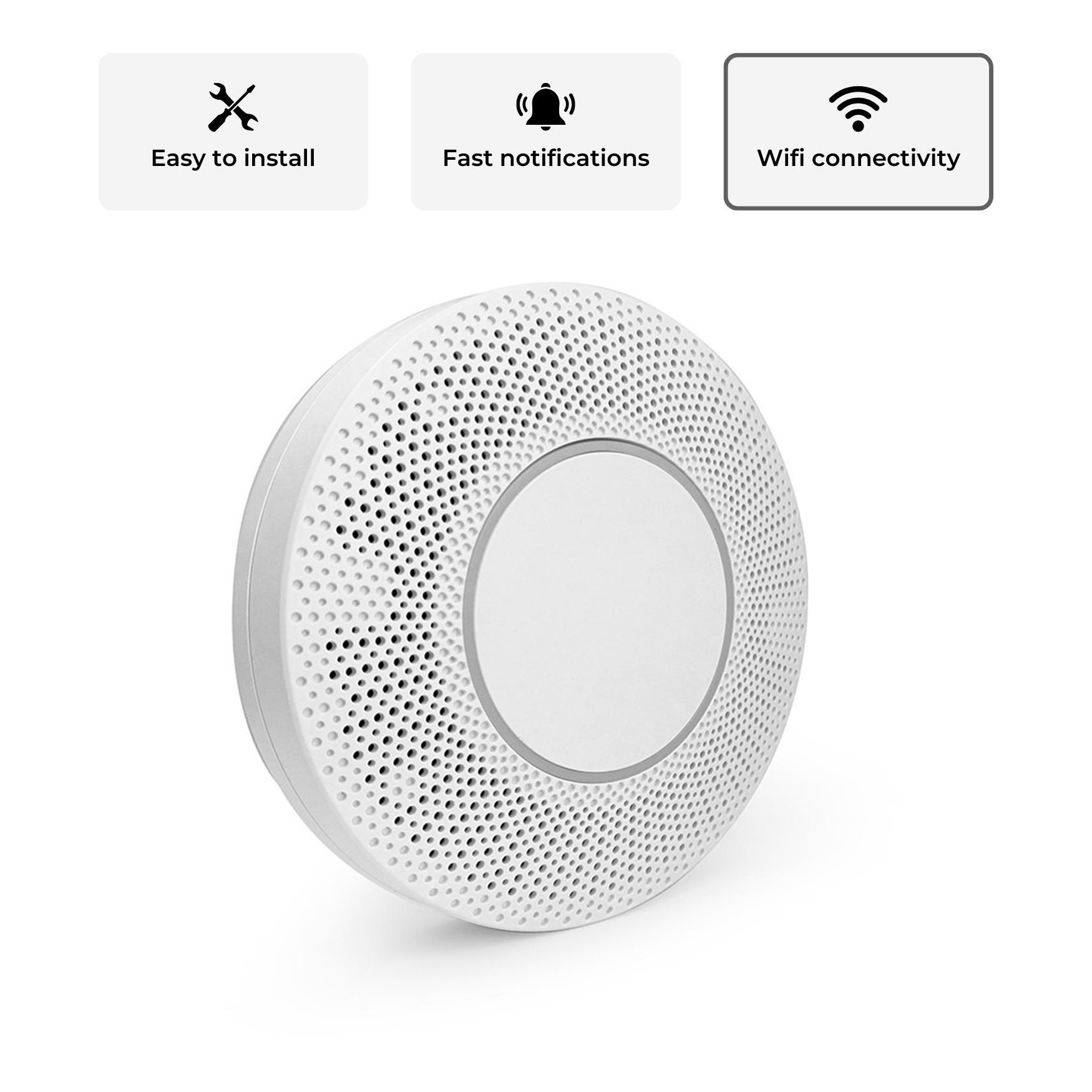
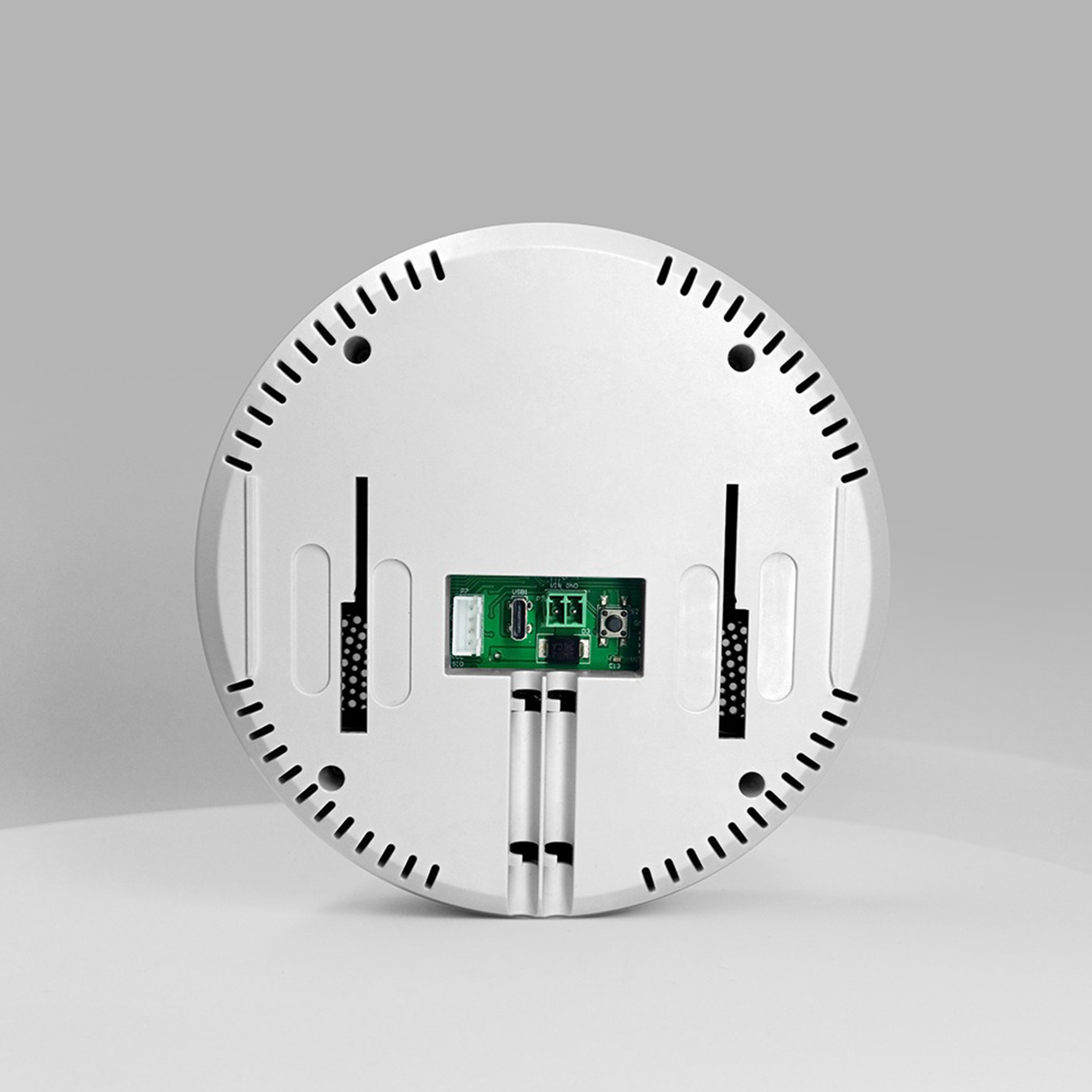
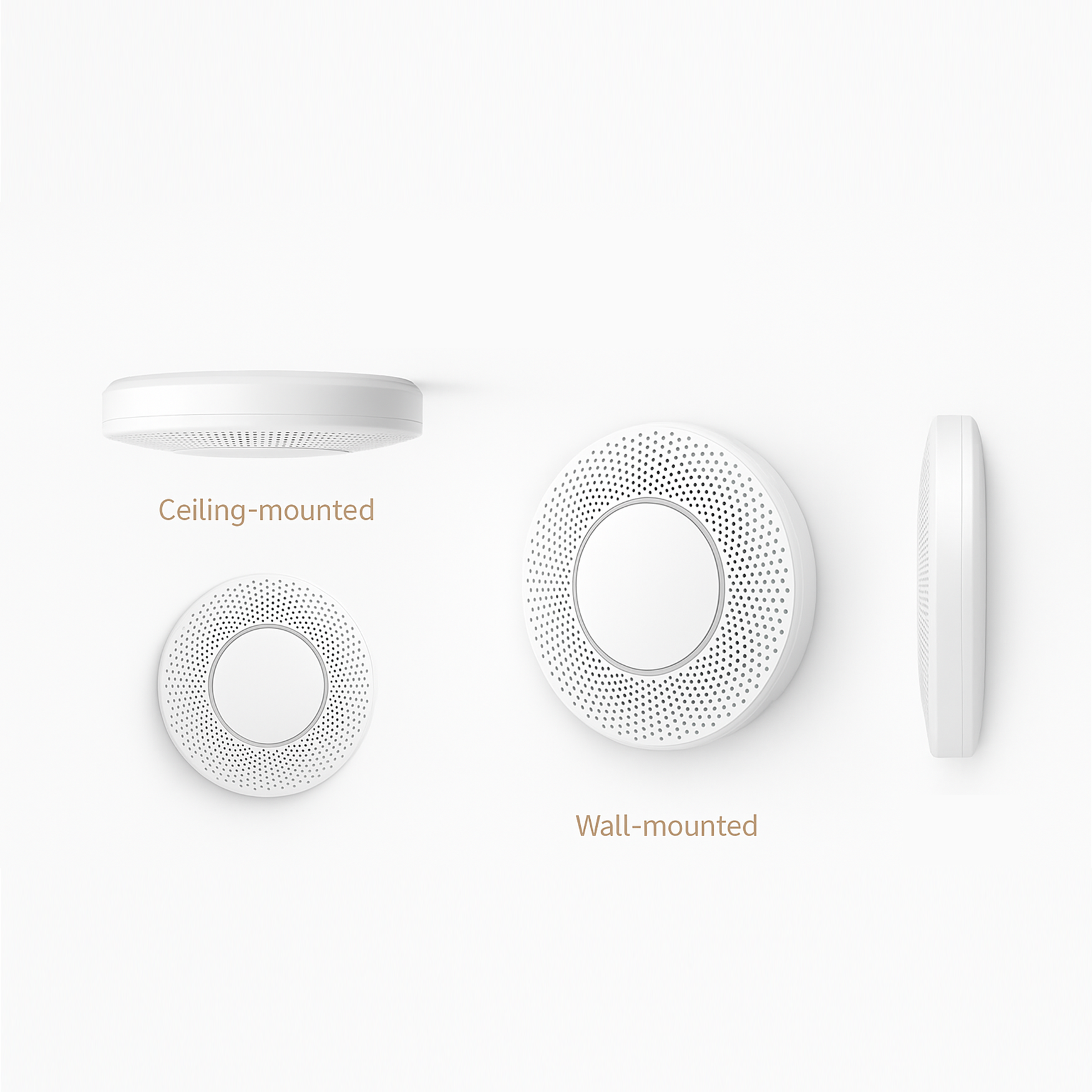
Air quality monitoring has become a cornerstone of smart building detection tech, especially as concerns about indoor pollution and vaping grow. Advanced sensors now detect not only smoke and gases but also particulates and vapour from e cigarettes. For instance, next-generation vape detection tech enables real time identification of vaping incidents, supporting healthier environments in schools, offices, and leisure spaces.
These systems can differentiate between harmless aerosols and dangerous substances, triggering ventilation or evacuation protocols as needed. Continuous monitoring ensures compliance with health regulations and provides early warning for hazardous events.
- Detection of smoke, gases, and vapour
- Automated air quality reporting
- Integration with building management systems
This proactive approach minimises exposure risks and supports occupant well being.
Emergency response integration: Automated alerts and building system controls
Integrating smart building detection tech with emergency response systems significantly improves safety outcomes. Automated alerts are sent to security teams, first responders, and occupants the moment a threat is detected. Building controls, such as fire doors and ventilation, can be activated remotely to contain hazards.
These technologies also support real time communication, guiding people safely during evacuations. By connecting detection systems to emergency protocols, buildings respond faster and more efficiently to incidents.
- Instant communication with emergency services
- Automated activation of safety systems
- Real time evacuation guidance
Facilities experience shorter response times and improved incident management.
Case study: Hospitals using smart detection for patient and staff safety
Healthcare facilities have embraced smart building detection tech to address unique security and safety challenges. Hospitals deploy advanced sensors to monitor restricted zones, ensuring only authorised staff access sensitive areas. Occupancy tracking helps manage patient flow and supports infection control measures.
Air quality sensors detect harmful substances, safeguarding vulnerable patients. Automated alerts enable rapid response to emergencies, such as fires or unauthorised access. This holistic approach leads to fewer incidents and better outcomes for both staff and patients.
- Secure access to medication and records
- Real time monitoring of isolation areas
- Enhanced response to medical emergencies
Hospitals report measurable improvements in safety metrics after implementing these innovations.
Compliance with health, safety, and building regulations
Adhering to regulations is a critical aspect of smart building detection tech deployment. Systems must meet standards for fire detection, air quality, and access control. Automated reporting tools simplify compliance by generating detailed logs and audit trails.
Regular system updates ensure ongoing alignment with evolving legislation. By staying compliant, organisations avoid penalties and demonstrate a commitment to occupant safety.
- Automated compliance reporting
- Regular system audits and updates
- Support for multiple regulatory frameworks
This focus helps build trust with occupants and regulators alike.
Cybersecurity measures for detection systems
As smart building detection tech becomes more interconnected, cybersecurity is paramount. Modern detection systems incorporate encryption, secure authentication, and network segmentation to defend against cyber threats. Regular vulnerability assessments and software updates further reduce risks.
Staff training is essential to maintain robust security practices. By prioritising cybersecurity, organisations protect both physical and digital assets within their buildings.
- Encrypted communications between devices
- Multi factor authentication for system access
- Ongoing staff awareness programmes
These measures safeguard sensitive data and ensure system integrity.
Measured impact: Reduction in incidents and improved response times
The adoption of smart building detection tech has led to substantial improvements in safety outcomes. Facilities report fewer security breaches, quicker emergency responses, and enhanced occupant confidence.
Data from recent deployments shows significant reductions in incident rates and improved compliance with safety standards. As technology advances, these benefits are expected to grow, making smart detection an essential investment for forward thinking organisations.
- Lower incident and false alarm rates
- Faster detection to response intervals
- Increased occupant satisfaction
Smart building detection tech is setting new benchmarks for safety and efficiency.
Sustainability and Efficiency: Environmental Impacts of Detection Tech
Sustainability is at the heart of modern building management, and smart building detection tech is now a cornerstone for driving efficiency and environmental responsibility. As energy prices rise and regulations tighten, property owners are turning to cutting edge solutions to minimise waste, reduce carbon footprints, and ensure ongoing compliance.
Intelligent Sensors for Energy Management and Conservation
Smart building detection tech uses advanced occupancy and environmental sensors to track presence, temperature, humidity, and air quality in real time. These intelligent devices enable automated adjustments to lighting, HVAC, and ventilation systems. As a result, buildings only use energy when and where it is needed, significantly cutting waste.
Leak detection sensors play a vital role in monitoring water and gas usage. Early detection of leaks prevents costly damage and conserves precious resources. Waste management sensors, meanwhile, monitor bin levels and streamline collection, further reducing unnecessary trips and emissions.
Adaptive Systems and Net Zero Certification
Adaptive lighting and HVAC systems, powered by smart building detection tech, respond dynamically to occupancy and environmental changes. For example, if a meeting room is unoccupied, lights and climate control automatically switch off. This granular control is essential for green buildings aiming for net zero certification.
One standout example is an office complex in London that achieved net zero status by integrating detection tech with renewable energy sources and smart automation. The system provided real time insights and enabled proactive energy optimisation, supporting both sustainability goals and occupant comfort.
Data Driven Reporting, Compliance, and Cost Savings
A major advantage of smart building detection tech is the ability to collect, analyse, and report data for regulatory compliance and sustainability audits. Automated dashboards provide clear metrics on energy, water, and resource consumption, helping facility managers demonstrate progress towards environmental targets.
| Sustainability Metric | Pre Detection Tech | Post Detection Tech |
|---|---|---|
| Energy Consumption | 100% | 76% |
| Water Usage | 100% | 81% |
| Carbon Emissions | 100% | 69% |
| Operational Costs | 100% | 72% |
These measurable improvements translate directly into lower operational costs and a reduced environmental footprint.
Environmental Impact and Future Outlook
Industry data reveals that smart building detection tech can reduce energy consumption by up to 24 percent and water usage by nearly 20 percent across commercial properties. The integration of real time analytics, predictive maintenance, and IoT connectivity is accelerating progress toward greener cities and more efficient buildings. According to Smart Building Technology Predictions for 2026, the next wave of innovation will further enhance sustainability outcomes through advanced automation and machine learning.
Adopting smart building detection tech is not just a regulatory necessity, it is a strategic move for long term business resilience and environmental stewardship.
Implementation Strategies and Future-Proofing Your Building
Preparing your property for the future starts with a clear strategy. As smart building detection tech rapidly advances, adopting a structured approach ensures long-term success. The right roadmap simplifies adoption, maximises investment, and keeps your building ahead of regulatory and technological change.
Assessing Your Building’s Needs
Begin by evaluating your building’s unique requirements. Consider occupancy patterns, security priorities, and areas where efficiency could improve. Map out existing systems to understand compatibility with new smart building detection tech. This assessment forms the foundation for targeted investments and custom solutions.
- Review current detection capabilities
- Identify gaps in safety, compliance, or efficiency
- Set clear objectives for technology upgrades
A thorough needs analysis ensures you choose the most effective solutions for your goals.
Seamless Integration and Staff Readiness
Integrating new detection systems with your existing building management infrastructure is key to maximising value. Select platforms that support open communication protocols, enabling smooth interoperability. Staff training is equally vital. Equip your team with the knowledge to operate and maintain smart building detection tech confidently.
- Schedule hands-on workshops
- Provide ongoing support resources
- Assign technology champions for each department
Change management fosters a culture of innovation and helps staff embrace new processes.
Future-Proofing for Scalability
Smart building detection tech should evolve with your organisation. Choose scalable systems designed for future growth, not just current needs. Look for solutions that can adapt to upcoming standards and integrate with emerging technologies, such as those highlighted in Emerging Smart City Trends 2025-2026.
- Prioritise modular hardware and software
- Ensure compatibility with IoT and cloud platforms
- Plan for regular updates and security enhancements
Flexible infrastructure positions your building to capitalise on future innovation.
Choosing Partners and Planning Upgrades
Selecting the right technology partners is crucial. Research vendors with a proven track record in smart building detection tech and strong after-sales support. Consider insights from PropTech Innovations to Watch in 2026 when evaluating new products and integration capabilities.
A step-by-step upgrade plan might include:
- Setting milestones for each phase
- Piloting solutions in select areas
- Gathering feedback before full deployment
Strong partnerships simplify troubleshooting and ensure ongoing optimisation.
Financial Considerations and Ongoing Support
Budget wisely by considering both initial and lifecycle costs. Calculate expected ROI by factoring in energy savings, risk reduction, and compliance benefits delivered by smart building detection tech. Secure long-term support contracts to maintain system performance and ensure timely updates.
- Compare vendor maintenance packages
- Allocate funds for future upgrades
- Review performance metrics regularly
Smart financial planning protects your investment and supports continuous improvement.
A proactive approach to implementation and future-proofing gives property owners and facility managers a clear edge. By following these strategies, you can confidently navigate the evolving landscape of smart building detection tech and build resilience for years to come.
The Road Ahead: Emerging Trends and Predictions for 2026 and Beyond
The landscape of smart building detection tech is evolving at an unprecedented pace. As we look to 2026 and beyond, several powerful trends are poised to reshape how buildings are monitored, managed, and optimised. Stakeholders should understand these developments to remain competitive and compliant.
Digital Twins and Simulation
Digital twins are transforming smart building detection tech by enabling real-time virtual replicas of physical assets. Facility managers use these models to simulate emergency scenarios, optimise energy use, and predict maintenance needs. This approach reduces downtime, enhances safety, and supports data-driven decision making.
By integrating simulation tools, buildings can test detection protocols without disrupting daily operations. This innovation leads to more resilient and adaptive environments, making digital twins a cornerstone of future-ready facilities.
Autonomous Building Management Systems
The rise of autonomous management is another defining feature of smart building detection tech. These systems leverage AI and machine learning to automate responses to detected anomalies, from adjusting HVAC settings to alerting security teams.
Autonomous platforms continuously learn from building data, improving over time and reducing the need for manual intervention. As algorithms advance, buildings will self-optimise, driving greater efficiency and occupant satisfaction.
Focus on Occupant Health, Wellness, and Personalisation
Smart building detection tech is increasingly prioritising occupant well-being. Advanced sensors monitor air quality, noise, light, and even individual preferences, creating tailored experiences for users.
Personalisation fosters higher productivity and comfort. Wellness features, such as circadian lighting and adaptive ventilation, are becoming standard. These enhancements not only improve daily life but also contribute to long-term health outcomes.
Regulatory Developments and Global Standardisation
With technology advancing rapidly, regulatory bodies are updating standards to keep pace with smart building detection tech. New frameworks address safety, privacy, and interoperability across devices and platforms.
Global standardisation efforts aim to harmonise protocols and ensure consistent performance worldwide. Staying informed about these changes is crucial for compliance and for leveraging new opportunities in international markets.
Anticipated Breakthroughs: Quantum Sensors, 6G, and Edge AI
Looking ahead, breakthroughs such as quantum sensors and 6G connectivity promise to revolutionise smart building detection tech. These innovations will enable unprecedented sensitivity, speed, and data capacity.
Edge AI is also gaining traction, allowing faster on-site processing and decision making. The InTec: Integrated Things-Edge Computing Framework exemplifies how distributed AI pipelines can enhance detection accuracy and responsiveness in smart environments.
Challenges: Data Privacy, Interoperability, and Ethical AI
Despite these advances, smart building detection tech faces ongoing challenges. Data privacy remains a top concern as more information is collected and analysed. Interoperability between diverse systems can hinder seamless integration.
Ethical AI is another focus, with industry leaders emphasising transparency and fairness in automated decision making. Addressing these issues is essential for building trust and ensuring long-term success.
Expert Predictions and Industry Outlook
Industry experts predict that smart building detection tech will become increasingly autonomous, sustainable, and human-centric. Digital twins, AI, and next-generation connectivity will underpin this transformation.
As adoption accelerates, buildings will evolve into dynamic, adaptive environments. The future promises smarter, safer, and more sustainable spaces, driven by continuous innovation and a commitment to occupant well-being.
As we've explored, the future of smart building detection is all about creating safer, more responsive spaces with innovations like AI-driven sensors and real time alerts. If you're interested in how these advanced systems work together to improve air quality, reduce incidents, and support compliance in your building, you're not alone. Many property managers and facility leaders are already making the switch to smarter solutions. To see how this technology could transform your environment, I invite you to learn more about how it works.


Share:
Vape Guardian Reseller Program Guide: Your 2026 Success Toolkit
Vape Sensor for Public Spaces: The Essential Guide 2026