
As 2026 draws nearer, indoor air quality is under growing scrutiny, driven by new government regulations and heightened public health priorities. Organisations now face increased pressure to ensure their environments are safe, healthy, and fully compliant.
Failing to meet these standards can lead to significant consequences, including financial penalties, reputational harm, and negative health impacts for staff and visitors. However, a proactive approach to your air quality compliance report can deliver substantial benefits, from improved wellbeing to greater operational efficiency.
This guide offers a clear, step-by-step roadmap to help you create an effective air quality compliance report for 2026. You will find the latest regulatory updates, practical monitoring strategies, data collection tips, reporting best practices, and advice on future-proofing your compliance efforts.
Understanding Air Quality Compliance in 2026
The landscape for air quality compliance report requirements is evolving rapidly. As 2026 approaches, organisations must adapt to stricter standards, new monitoring obligations, and rising expectations around transparency. Understanding these changes is essential for staying compliant and protecting the health of everyone in your building.
Evolving Regulations and Standards
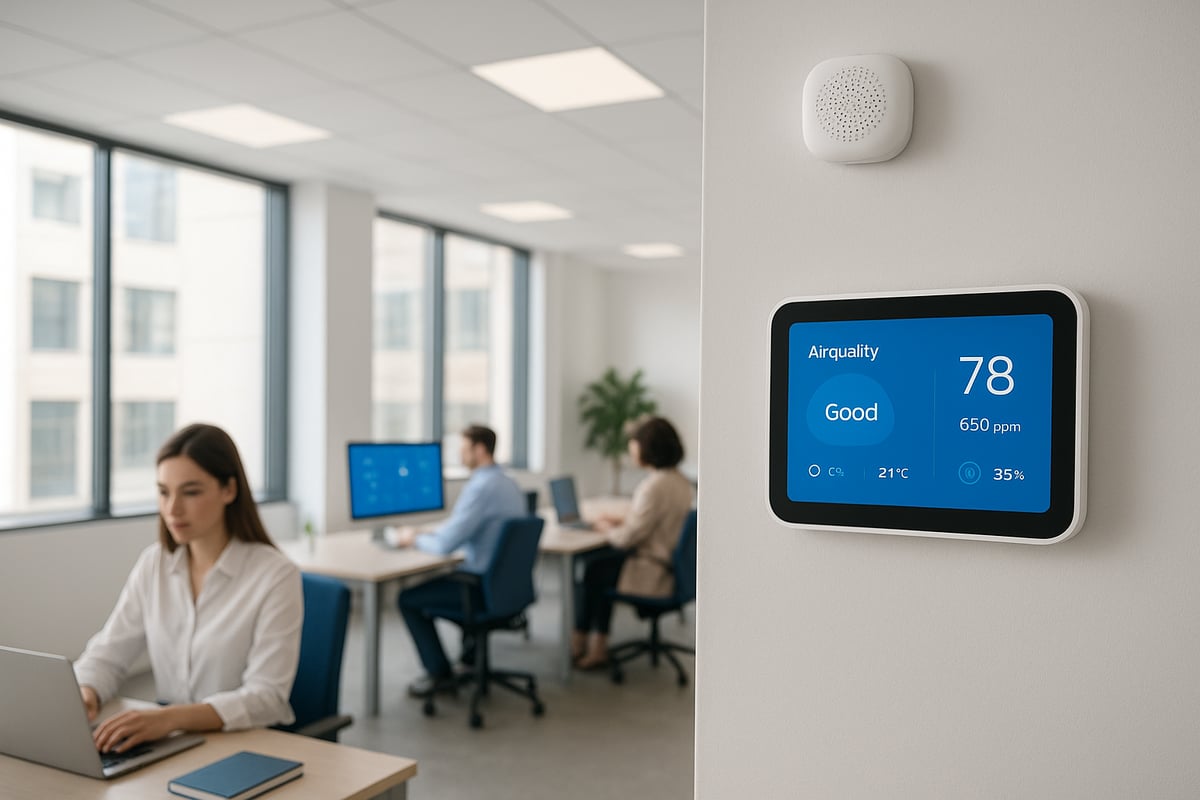
In 2026, the legal framework for air quality compliance report submissions will be shaped by both UK and EU legislation. Updates include stricter thresholds for pollutants like particulate matter (PM2.5), volatile organic compounds (VOCs), and carbon dioxide (CO2). The 2025 DEFRA guidelines, as outlined in the Environmental Improvement Plan 2025, have set the stage for these changes, increasing reporting obligations for public and private sectors.
Sector requirements differ. Workplaces must track PM2.5 and CO2, while schools and public spaces add VOCs and humidity to their reports. Enforcement is handled by the Health and Safety Executive (HSE), DEFRA, and local authorities, who each have specific roles in monitoring and auditing compliance.
A summary of required pollutants in 2026:
| Pollutant/Parameter | Workplace | Education | Public Spaces |
|---|---|---|---|
| PM2.5 | Yes | Yes | Yes |
| VOCs | No | Yes | Yes |
| CO2 | Yes | Yes | Yes |
| Humidity | No | Yes | Yes |
Health and Safety Imperatives
The link between air quality and wellbeing is now undeniable. Poor air can lead to headaches, fatigue, and long term health issues. According to HSE reports, around 12,000 people in the UK die annually from occupational lung diseases related to air quality.
Recent years have seen direct impacts. In 2024, several schools in urban areas were forced to close temporarily due to unsafe air quality levels, disrupting education and causing public concern. These examples highlight why a robust air quality compliance report is more than a bureaucratic task, it is a health imperative.
Compliance Risks and Consequences
Failing to deliver a compliant air quality compliance report brings significant risks. Regulatory fines can reach into the tens of thousands of pounds, depending on the severity and duration of non compliance. Legal penalties may also extend to personal liability for facilities managers and executives.
Non compliance can affect insurance premiums and claims. Insurers may refuse cover or increase costs for organisations with poor air quality track records. Public reporting requirements mean reputational damage is a real threat, with non compliant organisations often named in local and national media.
Benefits of Proactive Compliance
Taking a proactive approach to your air quality compliance report offers measurable advantages. Improved air quality boosts staff wellbeing, increases productivity, and reduces absenteeism. Healthcare costs associated with workplace illnesses can drop significantly.
One office building that implemented comprehensive air quality improvements saw a 40 percent reduction in sick days over a twelve month period. Further benefits include easier recruitment and retention, as employees increasingly value healthy working environments.
Key benefits include:
- Enhanced wellbeing and morale
- Fewer sick days and lower healthcare costs
- Stronger organisational reputation
- Improved operational efficiency
Emerging Trends in Air Quality Compliance
The future of air quality compliance report processes is digital and data driven. Real time monitoring systems are now common, offering instant alerts and automated reporting to ensure ongoing compliance. These tools help organisations respond quickly to emerging issues and demonstrate compliance to regulators.
Integration with ESG (environmental, social, governance) and sustainability frameworks is also increasing. Forward thinking organisations are using air quality data to support their broader environmental goals and public commitments, future proofing their compliance strategy as expectations continue to rise.
Step 1: Setting Up Your Air Quality Monitoring System
Establishing a robust air quality monitoring system is the foundation of any effective air quality compliance report. As 2026 approaches, organisations must prioritise precise monitoring to meet evolving legal standards and protect occupants’ health. By following this structured approach, you can ensure your facility’s air quality compliance report meets all regulatory expectations.
Identifying Monitoring Requirements
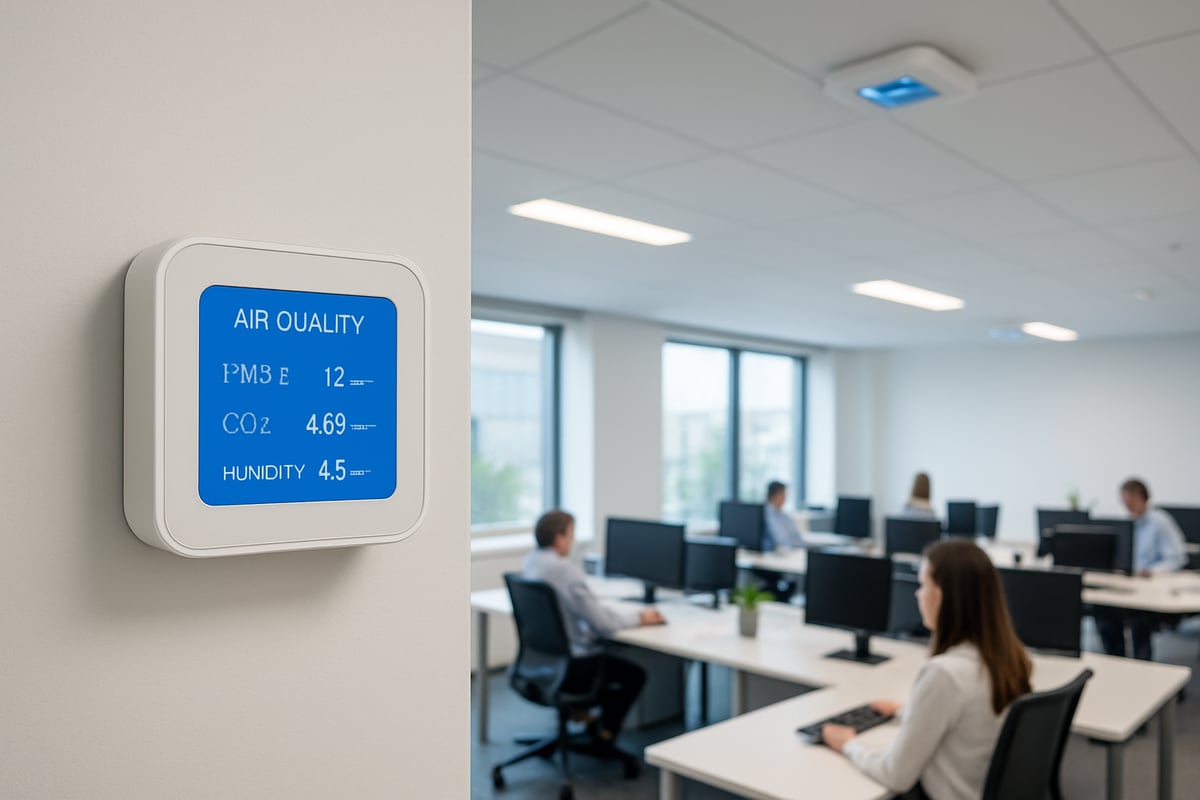
The first step in preparing your air quality compliance report is to determine which pollutants and metrics you must monitor. In 2026, UK regulations require detailed tracking of PM2.5, volatile organic compounds (VOCs), and carbon dioxide (CO2) levels, among other parameters.
Requirements vary depending on your sector. Workplaces, schools, and public spaces each have unique standards and minimum monitoring frequencies. Review the latest government guidelines to confirm which pollutants apply to your facility.
It is essential to document these requirements clearly in your air quality compliance report. This ensures you remain aligned with regulators and minimises the risk of future non compliance.
Selecting Appropriate Monitoring Technology
Choosing the right monitoring technology is critical for an accurate air quality compliance report. Options include fixed and portable sensors, as well as IoT enabled devices that provide real time data and remote access.
Accuracy and reliability should drive your selection. Consider devices that offer regular calibration, robust data security, and compatibility with your building’s management systems. For a detailed comparison of sensor capabilities and how they support compliance, review the insights in the Smart Sensor Technology Overview.
Investing in the correct technology not only supports compliance but also future proofs your monitoring strategy as standards evolve.
Strategic Placement of Sensors
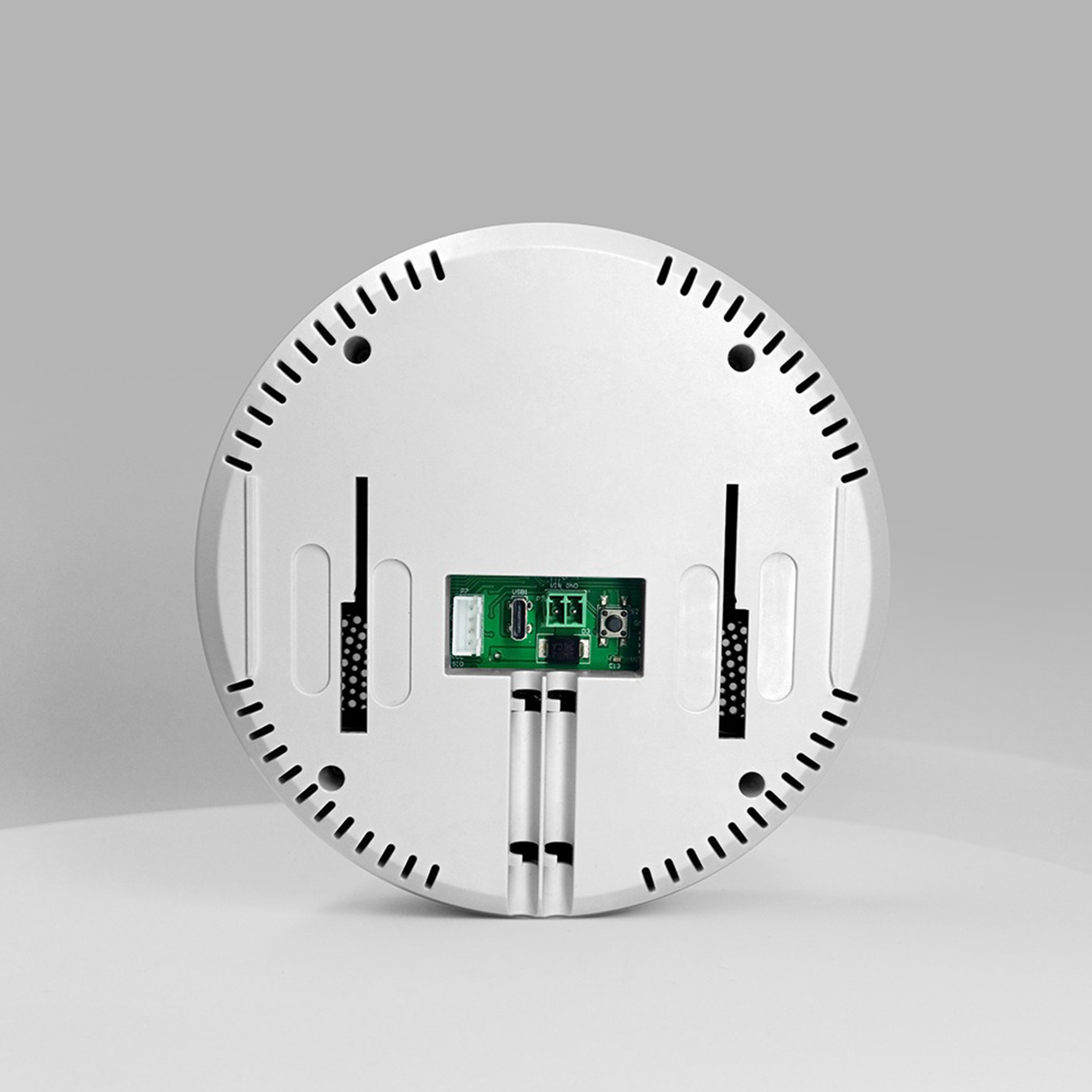
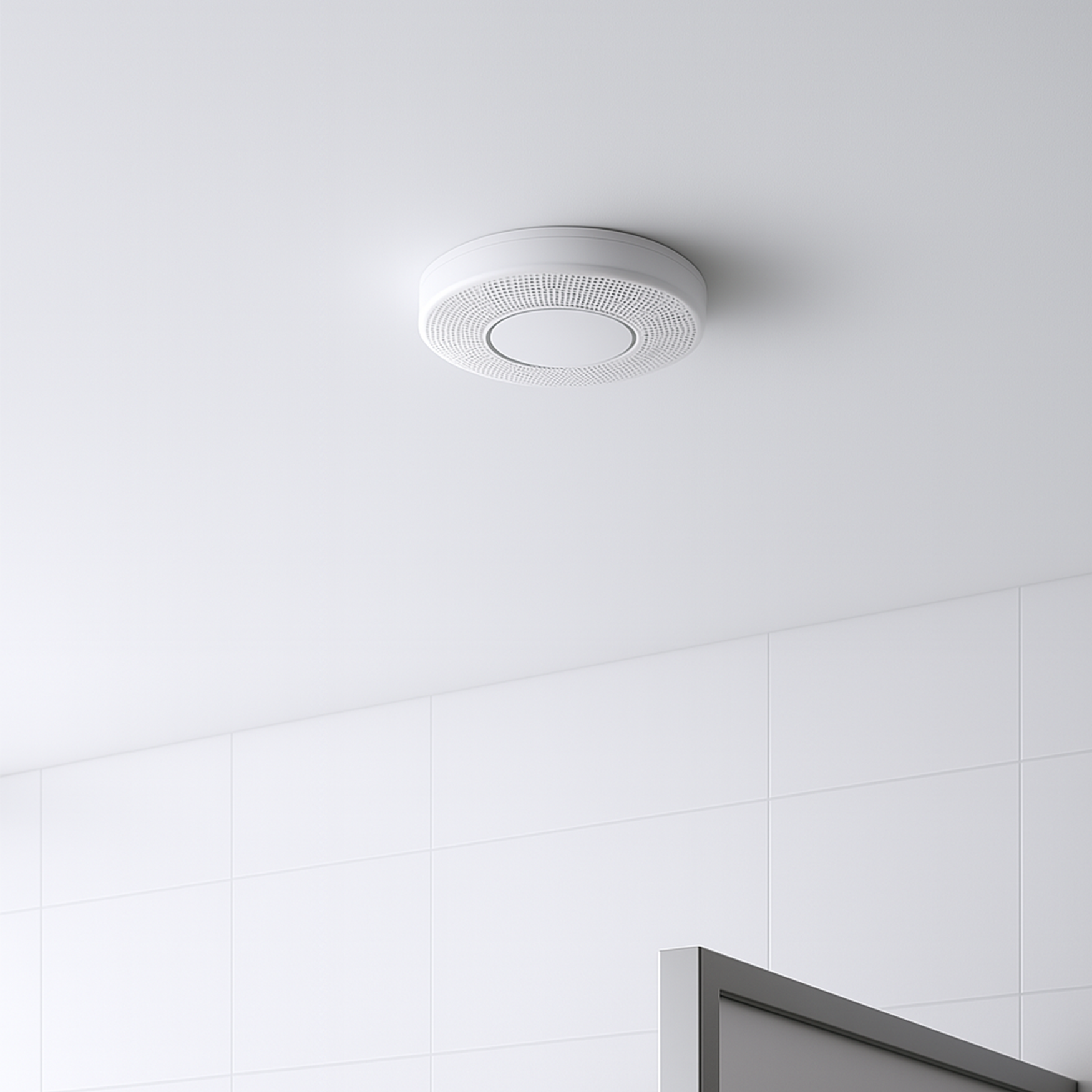
Proper sensor placement is fundamental to the integrity of your air quality compliance report. Identify high risk areas, such as kitchens, science labs, and densely occupied zones, as priority locations for monitoring.
Avoid placing sensors near ventilation outlets or in dead zones, as this can distort readings. Studies have shown that poor placement can result in up to 30 percent data inaccuracy, undermining the entire air quality compliance report.
Develop a clear placement plan, documenting locations and justifications, to satisfy both internal and external audit requirements.
Data Integration and Management
A centralised approach to data management is vital for an effective air quality compliance report. Use dashboards and cloud platforms to aggregate sensor data, allowing for seamless analysis and reporting.
Ensure your system complies with GDPR and maintains the security of all records. Automating data collection minimises gaps and supports consistent reporting, which is essential for demonstrating sustained compliance.
Back up all data regularly and implement access controls to protect sensitive information within your air quality compliance report.
Staff Training and Awareness
Your air quality compliance report is only as strong as the people who support it. Train facilities and maintenance teams on equipment operation, troubleshooting, and data interpretation.
Foster an air quality culture among all occupants by sharing key findings and encouraging proactive reporting of issues. Well informed staff are more likely to respond quickly to potential air quality breaches, ensuring ongoing compliance.
Continual training and awareness campaigns are crucial to embedding air quality compliance report processes into everyday practice.
Step 2: Collecting and Analysing Air Quality Data
Maintaining regulatory compliance in 2026 demands a structured approach to data collection and analysis. Your air quality compliance report must be built on robust, accurate data. Proactive data management not only ensures legal adherence but also protects staff and visitors, providing valuable insights for continuous improvement.

Establishing Data Collection Protocols
Setting up effective protocols is the foundation of any air quality compliance report. Determine the required data collection intervals—hourly, daily, or weekly—based on the latest 2026 standards. Consistency is vital, so automate data logging where possible to minimise human error.
To ensure data integrity, establish procedures for sensor checks and data backup. Document every protocol in your compliance documentation, as auditors will require a clear trail of how data is managed from collection to storage.
Analysing Key Air Quality Metrics
Your air quality compliance report must cover all mandatory parameters, including PM2.5, CO2, VOCs, humidity, and temperature. Regularly benchmark readings against legal and industry thresholds to identify problem zones promptly.
A structured analysis helps reveal patterns in air quality that may otherwise go unnoticed. Use summary tables to compare metrics across different rooms or time periods, highlighting any outliers or areas needing attention.
| Metric | Threshold | Typical Source |
|---|---|---|
| PM2.5 | ≤ 10 µg/m³ | Outdoor pollution |
| CO2 | ≤ 1000 ppm | Occupancy, HVAC |
| VOCs | ≤ 300 µg/m³ | Cleaning products |
Identifying Trends and Anomalies
Long-term data sets are invaluable for spotting trends and potential compliance breaches. Use historical records to identify recurring issues, such as air quality dips during HVAC maintenance or surges in VOCs during cleaning.
Referencing real world outcomes, the Vape Guardian Impact Report 2025 demonstrates how continuous monitoring and detailed reporting can highlight both incidents and improvements, providing actionable insights for future planning.
Data Visualisation and Reporting Tools
Effective visualisation transforms raw data into actionable intelligence. Leverage dashboards that present live readings and historical trends side by side. Automated reporting tools can generate clear, concise summaries for your air quality compliance report.
Heatmaps are especially useful for identifying high-risk zones, while charts and graphs make it easier to share results with stakeholders. Choose visualisation tools that allow customisation for different audiences, such as regulators or internal teams.
Ensuring Data Accuracy and Validation
Accuracy is non-negotiable for your air quality compliance report. Schedule regular sensor calibrations and, where possible, commission third-party audits. Faulty or poorly maintained sensors can result in up to 20 percent of compliance failures, undermining your entire reporting process.
Keep detailed logs of calibration activities and validation checks. This documentation is crucial for demonstrating due diligence during audits or inspections.
Integrating Air Quality Data with Building Management Systems
Integrating air quality data into your building management system enables proactive compliance and operational efficiency. Automated alerts for threshold breaches prompt immediate action, reducing the risk of incidents.
A unified system streamlines data handling, making it easier to generate your air quality compliance report. This integration also supports longer-term sustainability and ESG objectives, positioning your organisation for future regulatory changes.
Step 3: Compiling Your Air Quality Compliance Report
A well-structured air quality compliance report is essential for meeting 2026 regulatory expectations and demonstrating your organisation’s commitment to a healthy environment. Each section of your report should provide clear, transparent, and actionable information for regulators, staff, and other stakeholders.

Structuring the Report for 2026 Requirements
To satisfy 2026 standards, your air quality compliance report must be organised and accessible. Begin with an executive summary that highlights key findings and compliance status. Follow with a methodology section explaining how data was collected and analysed.
Mandatory sections include:
- Executive summary
- Monitoring methodology
- Key findings
- Action plans for non-compliance
Use tables to summarise data, such as pollutant levels compared to legal thresholds. Tailor the air quality compliance report to your audience, whether regulators, staff, or the general public. This approach ensures clarity and streamlines future audits.
Documenting Monitoring Methods and Protocols
Detail every monitoring method in your air quality compliance report. Specify the sensor types, their calibration schedules, and exact placement within your premises. Describe the protocols for data collection, including frequency and accuracy standards.
Explain how your team ensures data integrity and addresses any technical issues promptly. A transparent account of your methodologies builds trust with authorities and stakeholders. Include any sector-specific requirements relevant to your environment, such as additional monitoring for educational settings or healthcare facilities.
Presenting Findings and Compliance Status
Present your findings in a clear, visual format. Use charts, tables, and infographics to show how air quality metrics like PM2.5, VOCs, and CO2 compare to regulatory benchmarks. Clearly state whether your site meets each compliance requirement.
For sector-specific reporting needs, such as in schools, consider referencing solutions like Vape Detectors for Education to demonstrate best practice. This enhances your air quality compliance report by highlighting targeted interventions and their impact on compliance status.
Addressing Non-Compliance and Corrective Actions
If your air quality compliance report identifies non-compliance, document each incident with detail. List the specific pollutant, the exceeded threshold, and the affected area. Outline the remedial actions taken, such as ventilation upgrades or policy changes, and set clear timelines for resolution.
Provide an action plan for ongoing monitoring and reassessment. This transparent approach not only satisfies regulatory requirements but also supports continuous improvement within your organisation. Regularly update your report as new actions are implemented and results are measured.
Providing Supporting Evidence
Attach all relevant supporting evidence to your air quality compliance report. This should include:
- Raw data exports from monitoring systems
- Calibration certificates for each sensor
- Maintenance logs and service records
- Photographs of sensor placement
Organising this evidence in appendices or as digital attachments ensures your report stands up to scrutiny. Thorough documentation is vital for both internal reviews and external audits.
Submitting Reports to Authorities
Submit your air quality compliance report according to UK agency protocols. Most authorities now require digital submissions through secure online portals. Ensure you retain copies for at least the minimum period specified by regulations, typically five years.
Be prepared for public disclosure requests, especially if your premises are open to the public or serve vulnerable groups. Transparent reporting builds trust and demonstrates your proactive stance on air quality compliance for 2026 and beyond.
Step 4: Implementing and Documenting Remedial Actions
Improving air quality is not just about monitoring data, it requires decisive action when issues arise. This step in your air quality compliance report is where recommendations become reality. By following a structured remediation process, you can address non-compliance, protect health, and ensure regulatory confidence.
Identifying and Prioritising Issues
Start by reviewing the findings of your air quality compliance report to pinpoint critical problem areas. For example, if PM2.5 or VOC levels are above legal thresholds, these should take precedence. Use a risk-based approach to categorise issues, focusing first on locations with the highest occupant density or most serious breaches.
Consider compiling a prioritisation table to organise actions:
| Issue | Severity | Location | Immediate Action Needed? |
|---|---|---|---|
| High VOCs | High | Office kitchen | Yes |
| Elevated CO2 | Medium | Meeting rooms | No |
| PM2.5 spike | High | Reception | Yes |
By systematically assessing each issue, you ensure your air quality compliance report demonstrates a clear, accountable response.
Selecting Effective Remediation Strategies
Once priorities are set, select the most appropriate remediation for each concern. Common strategies include:
- Upgrading ventilation systems for better airflow
- Installing HEPA air purifiers in high-risk areas
- Adjusting HVAC schedules to optimise fresh air intake
- Implementing policies such as no-idling zones near entrances
- Educating staff on behaviours that affect indoor air quality
A recent case study in a school setting showed that a simple adjustment to HVAC schedules led to a measurable drop in average CO2 levels. Make sure these interventions are tailored to your building’s specific needs and are feasible within regulatory and budgetary constraints. Each solution should be directly referenced in your air quality compliance report.
Tracking Remediation Progress
After implementation, set measurable targets and timelines for each action. For instance, aim to reduce PM2.5 below a set threshold within two weeks. Use continuous monitoring to assess whether interventions are effective.
Record progress at regular intervals, ideally using your central dashboard or building management system. Visual aids such as progress charts or heatmaps can help illustrate improvements over time. This transparent approach is essential for a robust air quality compliance report and supports ongoing operational efficiency.
Documenting Actions for Compliance
Maintain detailed records of all interventions, outcomes, and supporting evidence. Documentation should include:
- Dates and descriptions of remedial actions
- Monitoring data before and after intervention
- Maintenance logs and calibration certificates
- Communication with staff or stakeholders
For environments facing specific challenges, such as vaping incidents, consult resources like Best Practice for Handling Vaping Alerts to ensure your procedures align with current guidance. Thorough documentation will strengthen your air quality compliance report and streamline future audits.
Engaging Occupants in Solutions
Finally, involve building occupants in the remediation process. Communicate clearly about the actions taken and the results achieved. Share progress updates through newsletters, digital signage, or staff meetings to reinforce the importance of air quality.
Encouraging feedback and participation fosters a sense of shared responsibility, helping to maintain a healthy environment for everyone.
Future-Proofing Your Air Quality Compliance Strategy
Staying ahead in air quality compliance is not just about meeting today’s standards. It is about anticipating tomorrow’s expectations and ensuring your air quality compliance report stands up to future scrutiny. By implementing a forward-thinking approach, organisations can protect their reputation, maintain operational continuity, and foster a healthier environment for everyone.
Staying Ahead of Regulatory Changes
Regulations around indoor air quality are evolving rapidly, with 2026 bringing stricter standards and new reporting requirements. It is essential to monitor legislative updates and adapt your air quality compliance report to reflect any changes. Engaging with industry bodies and participating in compliance forums can help you stay informed.
A proactive stance pays off. For instance, London achieves NO₂ legal limits earlier than predicted, demonstrating how early action and robust reporting can yield measurable results. Regularly reviewing guidance ensures your organisation is never caught off guard by new compliance obligations.
Leveraging Technology for Continuous Improvement
The integration of advanced monitoring technologies is transforming the way organisations manage air quality. AI-driven analytics, real-time dashboards, and predictive maintenance tools allow for ongoing optimisation and prompt intervention. Embedding these innovations into your workflow ensures that your air quality compliance report is always based on the most accurate and current data.
Linking air quality systems with sustainability targets and ESG frameworks can drive further improvements. Automated alerts and scheduled reviews help identify issues before they escalate, supporting a culture of continuous improvement.
Building a Culture of Air Quality Awareness
Fostering a workplace where everyone values air quality is crucial for sustained compliance. Ongoing training and transparent communication empower staff and occupants to recognise the importance of indoor air standards. Sharing key findings from your air quality compliance report helps build trust and engagement.
Pointing to authoritative sources, such as HSE statistics on work-related ill health, can reinforce the real-world impact of air quality initiatives. Consider linking wellness programmes to air quality improvements to further enhance participation and support.
Periodic Review and Update of Compliance Processes
Annual reviews of your air quality compliance report processes are essential. Benchmark your outcomes against industry leaders and adjust protocols to address any identified gaps. Schedule audits to validate data accuracy and reporting consistency.
A simple review checklist may include:
- Verifying sensor calibration and placement
- Updating reporting templates
- Reviewing action plans and remediation logs
- Comparing results with legal thresholds
This routine ensures compliance remains robust and adaptable to change.
Preparing for Public and Stakeholder Scrutiny
Transparency is increasingly important. Proactively sharing your air quality compliance report and communicating improvements can strengthen stakeholder confidence. Be ready to address media or public enquiries with clear, evidence-based responses.
By making compliance data accessible and understandable, you demonstrate accountability and set your organisation apart as a leader in air quality management.
As you look ahead to 2026, staying on top of evolving air quality regulations and building a robust compliance strategy is more important than ever. Whether you are responsible for a school, office, or leisure space, having the right monitoring technology in place can make all the difference for wellbeing and peace of mind. If you would like expert advice tailored to your environment or want to see how proactive monitoring can support your compliance journey, you do not have to navigate it alone. Let us help you create a safer, more compliant space—Talk to our team and protect your building today.


Share:
Facility Management Sensors Guide: Smart Solutions for 2026
The Expert Guide to Vape Detection Company in 2026