
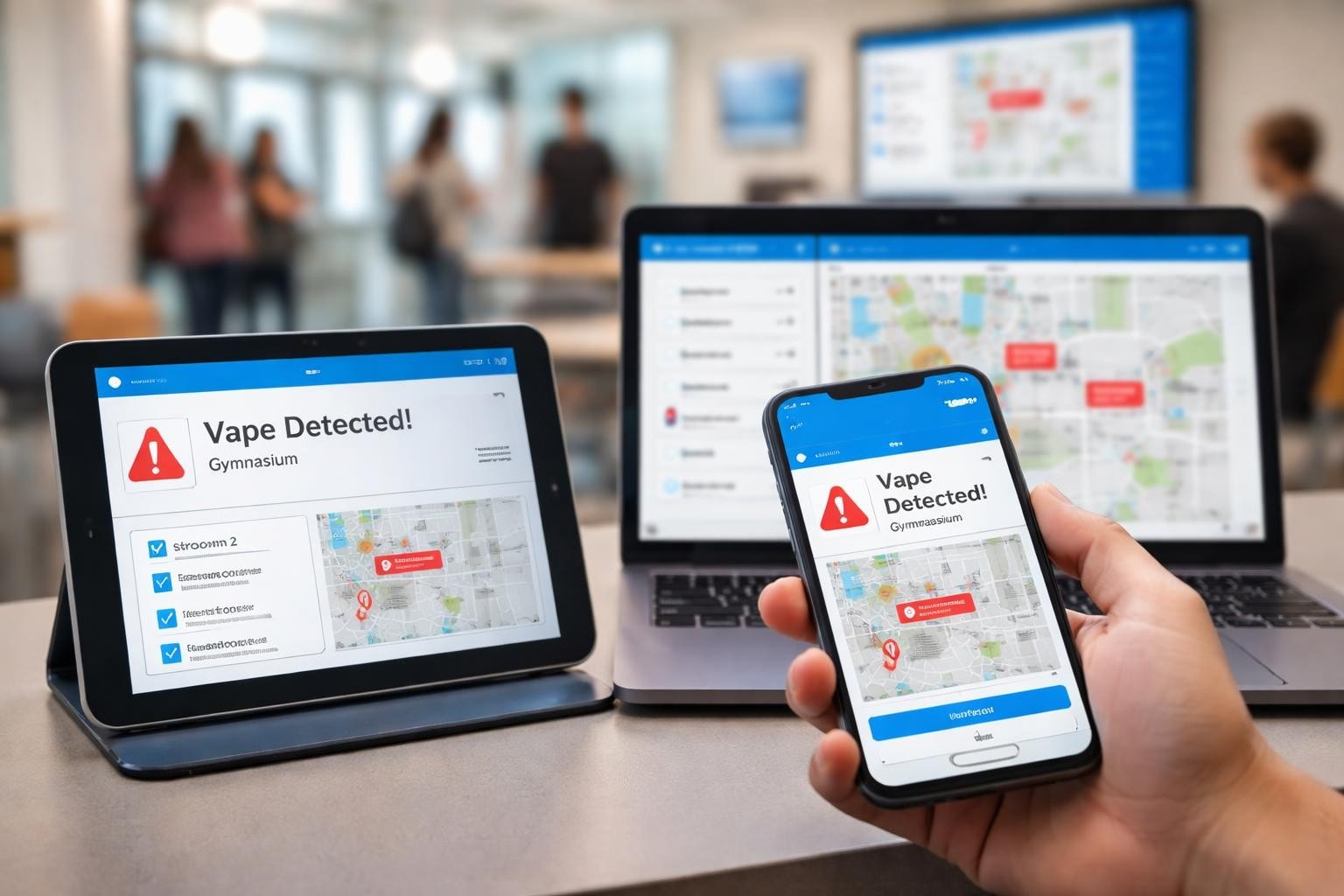
Modern facilities face an ongoing challenge in maintaining healthy, compliant environments where vaping is prohibited. Traditional methods of detection rely on staff physically patrolling areas, which proves both inefficient and ineffective. A vape detector with push notifications revolutionises this approach by providing instant, automated alerts the moment vaping occurs, enabling rapid response and creating a powerful deterrent effect. This technology combines sophisticated sensor arrays with cloud-based notification systems, delivering actionable intelligence directly to designated personnel wherever they are located.
Understanding Vape Detection Technology
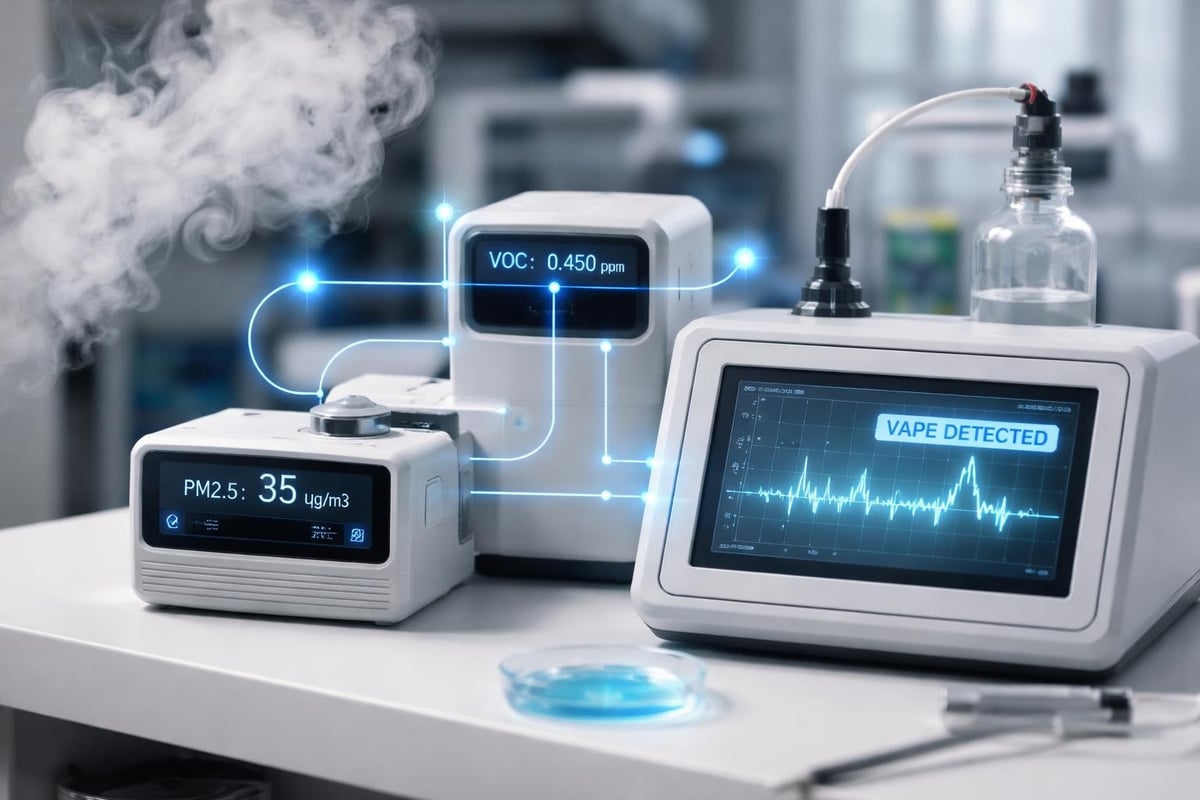
A vape detector with push notifications operates through advanced chemical and particle detection systems. These devices monitor air quality continuously, identifying specific compounds associated with vaping aerosols including nicotine, THC, and various flavouring chemicals. Unlike smoke detectors that respond primarily to combustion particles, vape detection systems employ multiple sensor types working in concert.
The core technology typically includes particulate matter sensors, volatile organic compound (VOC) analysers, and sometimes even laser-based detection methods. When airborne particles matching vaping signatures enter the detection zone, the device processes this data through onboard algorithms. Within seconds, the system determines whether the detected substances match known vaping profiles.
How Notification Systems Function
Push notifications represent the critical communication layer connecting detection events to responsible personnel. When a vape detector identifies prohibited activity, it transmits data through secure wireless networks to cloud-based management platforms. These platforms then distribute alerts according to predefined notification rules.
The notification pathway includes several key components:
- Device-level detection capturing chemical and particle signatures
- Local processing validating alerts and filtering false positives
- Cloud transmission sending verified events to management systems
- Multi-channel distribution delivering alerts via mobile apps, SMS, email, or desktop notifications
- Response tracking logging acknowledgements and actions taken
Response times matter significantly. A properly configured vape detector with push notifications delivers alerts within 10 to 30 seconds of detection. This near-instantaneous communication enables staff to respond whilst incidents are still occurring, maximising deterrent value and enforcement effectiveness.
Key Features of Modern Notification Systems
Contemporary vape detection platforms offer sophisticated notification capabilities far beyond simple alerts. Administrators can configure complex notification rules matching organisational hierarchies and response protocols. For example, initial alerts might route to on-site security personnel, with escalation to senior leadership if acknowledgement does not occur within specified timeframes.
Customisable Alert Parameters
Leading systems allow extensive customisation of when and how notifications deploy:
| Feature | Capability | Benefit |
|---|---|---|
| Alert thresholds | Adjust sensitivity levels | Reduce false positives whilst maintaining detection reliability |
| Recipient groups | Create role-based notification lists | Ensure appropriate personnel receive relevant alerts |
| Time-based rules | Schedule notifications by day/time | Align alerts with facility operating hours and staffing patterns |
| Escalation protocols | Define multi-tier response chains | Guarantee accountability when initial responders are unavailable |
Geographic filtering represents another powerful feature, particularly for organisations managing multiple locations. When vaping occurs in a specific building or zone, notifications automatically route to personnel responsible for that area. This targeted approach prevents alert fatigue whilst ensuring relevant staff members receive timely information.
The most advanced vape detector with push notifications systems integrate with existing facility management platforms. This integration enables correlation between vaping incidents and other building events, providing context that enhances response effectiveness. Understanding how comprehensive vape detection systems operate helps organisations maximise their investment in this technology.
Mobile Application Integration
Mobile applications serve as the primary interface through which most personnel receive and manage vape detection alerts. Purpose-built apps deliver richer functionality than generic SMS or email notifications. Users can view incident locations on facility maps, access historical data showing patterns, and document response actions directly within the application.
Modern mobile platforms support both iOS and Android devices, ensuring compatibility across diverse organisational technology ecosystems. Biometric authentication and encrypted communications protect sensitive incident data whilst maintaining rapid access during time-critical situations.
Implementation Across Different Environments
Different facility types face unique vaping challenges requiring tailored deployment approaches. A vape detector with push notifications proves valuable across educational, commercial, and leisure environments, though implementation strategies vary significantly.
Educational Settings
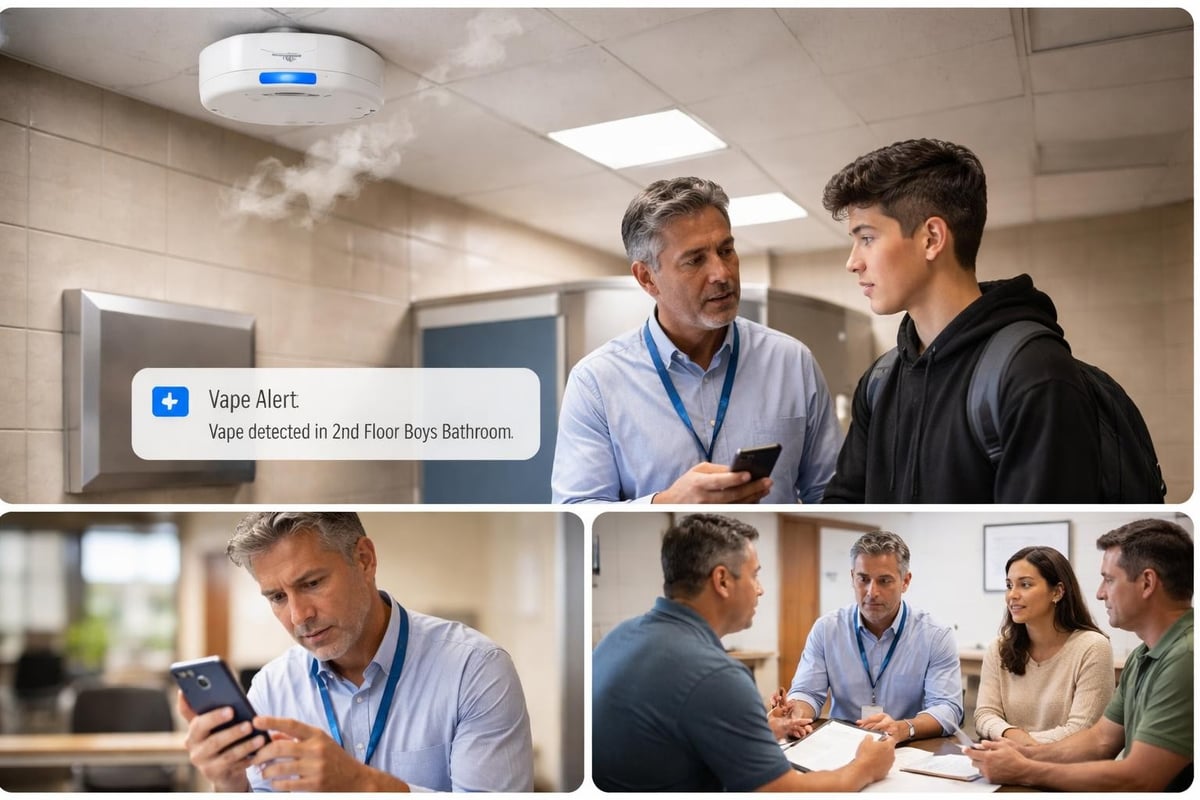
Schools represent perhaps the most critical application for vape detection technology. The growing crisis of underage vaping in educational environments demands effective technological solutions. Bathroom facilities, locker rooms, and other unsupervised areas present particular challenges where direct adult supervision proves impractical.
In educational contexts, notification protocols typically distribute alerts to:
- On-site safeguarding officers for immediate response
- Senior leadership teams for oversight and pattern analysis
- IT administrators for system maintenance and data management
- External authorities when incidents involve suspected illegal substances
Privacy considerations influence deployment significantly within schools. Modern systems address these concerns through audio-only detection in privacy-sensitive areas, avoiding any visual surveillance whilst maintaining effective monitoring capabilities. Secure vape detection technology protects student privacy whilst enabling effective enforcement.
The deterrent effect alone delivers substantial value. When students understand that vaping triggers immediate staff notification, behavioural patterns shift dramatically. Many schools report 60-80% reductions in vaping incidents within months of implementing comprehensive detection systems.
Workplace Applications
Corporate and commercial environments deploy vape detector with push notifications systems to maintain compliance with smoke-free policies and protect employee health. Workplace vape detection solutions address unique challenges in office environments, manufacturing facilities, and customer-facing spaces.
Notification routing in workplace settings often follows organisational hierarchies. Facilities managers typically receive initial alerts, with escalation to human resources or executive leadership for repeated violations. This approach balances operational efficiency with appropriate management oversight.
Integration with existing security and building management systems enhances effectiveness. When vape detection alerts coordinate with access control data, organisations can identify specific individuals in restricted areas, strengthening accountability and enforcement.
Healthcare and Hospitality Sectors
Healthcare facilities face stringent air quality requirements making vaping particularly problematic. Hospitals, clinics, and care homes utilise detection systems protecting vulnerable populations from secondhand aerosol exposure. Notification protocols in these environments prioritise rapid response given potential health impacts on patients with respiratory conditions.
Hotels, entertainment venues, and other hospitality businesses deploy these systems to enforce non-smoking policies whilst maintaining positive guest experiences. Discrete sensors in bathrooms and private areas detect violations without intrusive surveillance. Staff notifications enable prompt, professional intervention before incidents escalate.
Technical Specifications and Performance Metrics
Understanding the technical capabilities underpinning a vape detector with push notifications helps organisations select systems meeting their specific requirements. Performance varies significantly across manufacturers and models, making informed evaluation essential.
Detection Capabilities
High-quality systems detect vaping within 3 to 10 seconds of aerosol release, depending on airflow conditions and sensor placement. Detection ranges typically extend 3 to 5 metres from the device, though this varies based on ventilation systems and room configurations.
Sensitivity settings allow balancing false positive rates against detection reliability:
- High sensitivity catches subtle vaping attempts but may trigger on strong perfumes or cleaning products
- Medium sensitivity provides optimal balance for most applications
- Low sensitivity reduces false positives in challenging environments with multiple air quality variables
Leading devices maintain false positive rates below 2% when properly calibrated. This reliability proves critical for maintaining staff confidence in the system and preventing alert fatigue.
Connectivity and Reliability
Network connectivity directly impacts notification delivery speed and reliability. Most modern systems support multiple connection methods:
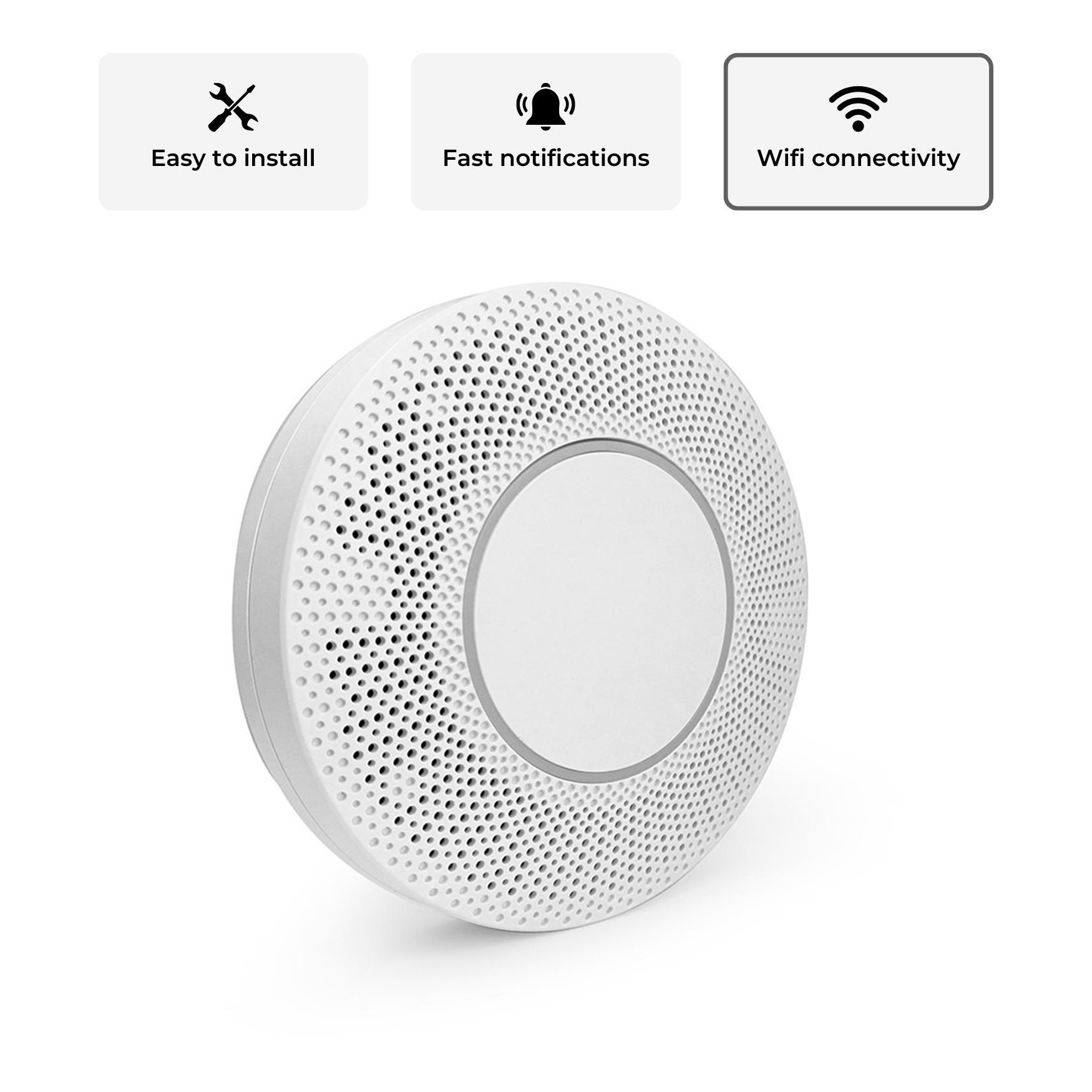
- Wi-Fi connectivity for primary communications
- Cellular backup maintaining functionality during network outages
- Ethernet options for maximum reliability in fixed installations
- Mesh networking allowing devices to relay signals in challenging environments
Battery backup ensures continued operation during power interruptions. Premium systems maintain full functionality for 24 to 48 hours on battery power, guaranteeing protection even during extended outages.
Integration with Broader Safety Ecosystems
A vape detector with push notifications delivers maximum value when integrated within comprehensive safety and compliance frameworks. Standalone detection provides limited benefit compared to systems coordinating with broader facility management infrastructure.
Multi-Hazard Detection
Advanced sensors monitor multiple environmental factors beyond vaping, creating unified safety platforms. These systems simultaneously detect:
| Hazard Type | Detection Method | Response Protocol |
|---|---|---|
| Vaping | Chemical and particle analysis | Immediate staff notification with location data |
| Smoke and fire | Combustion particle detection | Integration with fire alarm systems |
| Sound anomalies | Audio pattern recognition | Alerts for shouting, aggression, or distress |
| Air quality issues | VOC and particulate monitoring | Environmental reports and ventilation system coordination |
| Tamper attempts | Motion and vibration sensors | Security team notification with video verification |
This consolidated approach reduces equipment costs whilst providing comprehensive environmental monitoring. Facilities benefit from understanding relationships between different incident types, informing policy development and resource allocation.
The Vape Detection System exemplifies this integrated approach, combining vape detection with broader air quality monitoring and anti-social behaviour identification. Such comprehensive solutions deliver superior return on investment compared to single-purpose devices.

Data Analytics and Reporting
Modern vape detector with push notifications platforms generate detailed analytics helping organisations understand patterns and optimise responses. Cloud-based dashboards present incident data through intuitive visualisations showing trends across time, location, and other relevant dimensions.
Actionable insights include:
- Peak incident times informing supervision scheduling
- High-risk locations guiding additional interventions
- Repeat offender identification enabling targeted support
- Effectiveness metrics quantifying policy impact
- Compliance documentation for regulatory requirements
These analytics transform reactive incident response into proactive policy development. Organisations identify root causes rather than merely addressing symptoms, creating lasting behavioural change.
Privacy, Compliance, and Ethical Considerations
Deploying monitoring technology raises important privacy and ethical questions requiring careful consideration. A vape detector with push notifications must balance effective enforcement with respect for individual privacy rights.
Privacy-Preserving Design
Leading manufacturers prioritise privacy through thoughtful design choices. Sensors monitor only air quality and sound patterns, avoiding any visual surveillance. Audio detection employs pattern recognition identifying characteristic sounds without recording actual conversations or creating retrievable audio files.
This approach maintains effectiveness whilst addressing legitimate privacy concerns. Staff and students accept monitoring more readily when systems demonstrably protect privacy whilst deterring prohibited activities.
Regulatory Compliance
Organisations must ensure detection systems comply with relevant data protection regulations including GDPR in the UK and EU. Key compliance requirements include:
- Lawful basis for processing incident data
- Transparency through clear signage and policy communication
- Data minimisation collecting only necessary information
- Security measures protecting incident records from unauthorised access
- Retention limits deleting data after legitimate business needs expire
Comprehensive indoor air quality monitoring strategies incorporate these compliance requirements from initial system design through ongoing operations.
Ethical Implementation
Beyond legal compliance, ethical deployment requires considering broader impacts on organisational culture and stakeholder relationships. Transparent communication explaining why monitoring occurs, how the technology functions, and what happens when violations occur builds trust and acceptance.
Educational programmes accompanying technology deployment prove particularly valuable. Rather than positioning detection as purely punitive, progressive organisations frame it within broader health and wellness initiatives supporting individuals in making better choices.
Maximising System Effectiveness
Deploying hardware represents only the first step in creating effective vaping prevention programmes. A vape detector with push notifications achieves optimal results when supported by comprehensive policies, staff training, and consistent enforcement.
Strategic Placement
Sensor location dramatically influences detection effectiveness. Priority areas typically include:
- Bathroom facilities where vaping most commonly occurs
- Locker rooms and changing areas
- Enclosed stairwells and corridors
- Private offices and meeting rooms where policies may be violated
- Building entrances where external air might trigger sensors
Environmental factors affect placement decisions. Sensors near windows, HVAC vents, or areas with strong air currents may experience reduced effectiveness or increased false positives. Professional installation services assess these factors optimising coverage whilst minimising technical challenges.
Response Protocol Development
Technology alone cannot prevent vaping. Effective deterrence requires clear, consistently enforced response protocols activated by push notifications. Organisations should establish:
Immediate response procedures specifying who responds to alerts and what actions they take. Rapid response maximises deterrent value whilst delayed reactions undermine system credibility.
Documentation requirements ensuring incidents are properly recorded. Comprehensive records support disciplinary actions, identify patterns, and demonstrate policy enforcement to external stakeholders.
Escalation pathways defining when and how incidents are elevated to senior leadership, parents, or external authorities. Clear criteria prevent both under-reaction and over-reaction to incidents.
Support services connecting individuals struggling with nicotine addiction to appropriate help. Progressive policies balance enforcement with genuine support for behaviour change.
Staff Training and Engagement
Personnel receiving notifications require proper training understanding both technical system operation and appropriate response protocols. Training should cover:
- Interpreting notification details and identifying incident locations
- Responding safely and professionally to caught individuals
- Documenting incidents accurately within management systems
- Recognising patterns suggesting more serious concerns
- Coordinating with colleagues during multi-incident situations
Regular refresher training maintains competency whilst incorporating lessons learned from actual incidents. Organisations achieving best results treat detection systems as supporting tools empowering staff rather than replacing human judgement and relationship-building.
Cost Considerations and Return on Investment
Investment in a vape detector with push notifications requires evaluating both direct costs and broader financial impacts. Whilst initial expenditure may seem substantial, comprehensive analysis typically reveals strong returns.
Procurement and Implementation Costs
System costs vary based on coverage requirements, feature sets, and service levels:
| Cost Category | Typical Range | Key Variables |
|---|---|---|
| Hardware per sensor | £400 - £1,200 | Detection capabilities, build quality, warranty |
| Installation per location | £100 - £400 | Complexity, network infrastructure, existing systems |
| Software subscriptions | £10 - £50 per sensor monthly | Cloud features, data storage, support level |
| Training and setup | £500 - £2,000 | Organisation size, staff numbers, customisation |
Understanding complete vape detector cost breakdowns helps organisations budget appropriately and compare solutions effectively.
Quantifiable Benefits
Return on investment extends beyond simple cost recovery, encompassing multiple benefit categories:
Reduced facility damage from vaping in bathrooms and other areas protects physical assets. Schools report significant decreases in maintenance costs after implementing detection systems.
Improved health outcomes protecting students, employees, and visitors from secondhand aerosol exposure create difficult-to-quantify but very real value.
Enhanced compliance with smoke-free regulations reduces legal exposure and potential penalties for organisations in regulated industries.
Staff productivity gains result when personnel can rely on automated monitoring rather than spending hours on manual patrols and investigations.
Reputation protection matters particularly for educational institutions where effective vaping prevention demonstrates commitment to student welfare.
Future Developments in Detection Technology
The vape detection industry continues evolving rapidly with emerging technologies promising enhanced capabilities. A vape detector with push notifications will likely incorporate several advancing technologies in coming years.
Artificial Intelligence Integration
Machine learning algorithms are improving detection accuracy by learning from millions of data points distinguishing genuine vaping events from environmental factors triggering false positives. AI-powered systems adapt to specific environments automatically, optimising performance without manual recalibration.
Predictive analytics represent another frontier. By analysing historical patterns, advanced systems may identify high-risk times and locations before incidents occur, enabling proactive rather than reactive interventions.
Enhanced Multi-Hazard Detection
Future sensors will likely expand beyond vaping to monitor broader environmental and safety factors. Integration with building management systems will enable holistic facility oversight coordinating air quality, security, and operational efficiency through unified platforms.
Improved Privacy Technologies
Ongoing development focuses on maintaining detection effectiveness whilst further enhancing privacy protections. Edge computing processing data locally rather than transmitting to cloud servers, and federated learning techniques training AI models without exposing raw data represent promising directions.
Investing in a vape detector with push notifications delivers immediate operational benefits whilst supporting long-term health and compliance objectives across educational, commercial, and leisure environments. The technology's ability to provide instant, actionable alerts transforms vaping prevention from reactive response to proactive deterrence. Vape Guardian offers comprehensive detection solutions combining advanced sensor technology with intelligent notification systems, helping UK organisations create safer, healthier spaces through reliable monitoring and dedicated support throughout implementation and ongoing operations.





Share:
Vaping in School Toilets: A Growing Crisis
School Vape Detector: Complete Guide for UK Schools 2026