
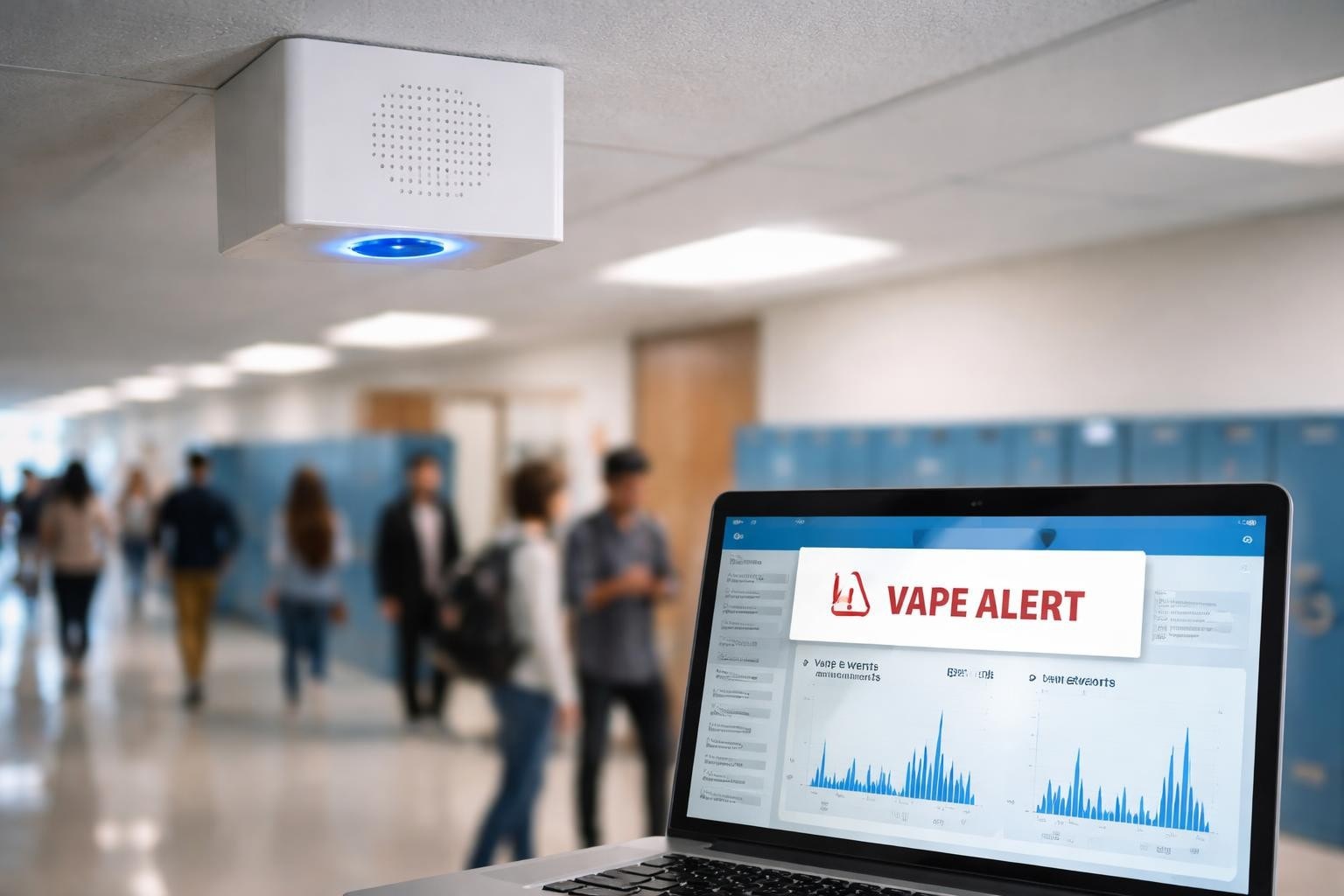
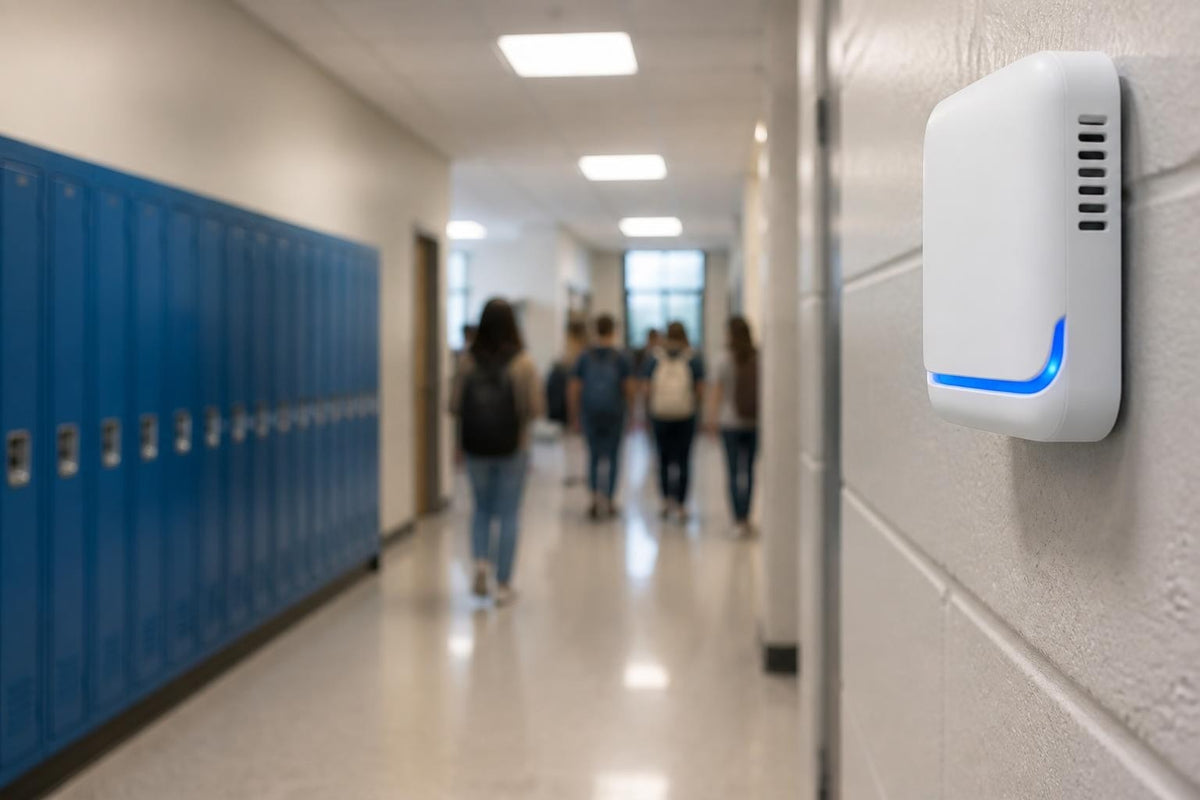
The rise in vaping amongst young people has created unprecedented challenges for educational institutions across the United Kingdom. With an estimated 11.6% of children aged 11 to 17 having experimented with vaping, schools face mounting pressure to protect students whilst maintaining a supportive learning environment. This has led many educational leaders to explore technological solutions, with the school vape detector emerging as a proactive tool for monitoring air quality and detecting vaping incidents in real time.
Understanding How School Vape Detectors Function
Modern vape detection technology operates through sophisticated air quality monitoring systems designed specifically for educational settings. These devices continuously sample the air within their designated coverage area, analysing particles and chemical signatures associated with vaping aerosols.
Core Detection Mechanisms
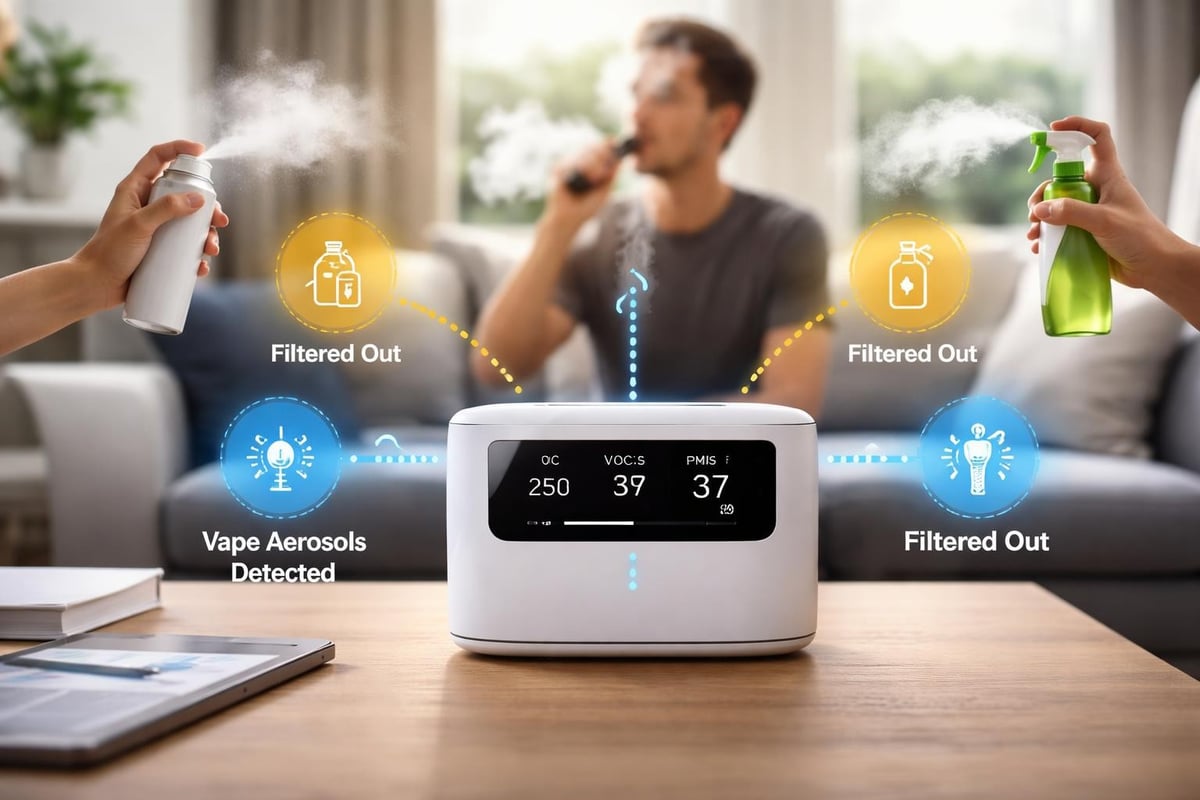
School vape detectors utilise multiple sensor technologies working in tandem to identify vaping activity. Particulate matter sensors measure microscopic particles released during vaping, whilst chemical sensors detect specific compounds such as propylene glycol and vegetable glycerin. This dual approach minimises false positives whilst ensuring accurate identification of genuine vaping incidents.
Key detection capabilities include:
- Real time air quality monitoring across multiple parameters
- Chemical signature analysis for vaping specific compounds
- Particulate concentration measurements
- Alert generation and notification systems
- Data logging for trend analysis
The technology behind these systems has evolved considerably since their introduction. Early models struggled with false alarms triggered by everyday aerosols such as deodorants or cleaning products. Contemporary devices employ advanced algorithms and multi sensor arrays that distinguish between vaping aerosols and other airborne substances with remarkable accuracy.
Integration With School Safety Systems
A comprehensive school vape detector system extends beyond simple detection. Modern solutions integrate seamlessly with existing security infrastructure, providing instant notifications to designated staff members through multiple channels. When a device detects vaping activity, it can send alerts via email, text message, or dedicated mobile applications, ensuring rapid response regardless of staff location.
This connectivity proves particularly valuable for schools implementing comprehensive safety protocols, allowing safeguarding teams to respond promptly whilst maintaining detailed records of incidents for pattern analysis and intervention planning.
Strategic Placement Within Educational Facilities
Determining optimal locations for vape detection devices requires careful consideration of student behaviour patterns, building architecture, and coverage requirements. The effectiveness of any school vape detector depends substantially upon thoughtful placement that balances comprehensive monitoring with practical installation constraints.
High Priority Installation Areas
Toilets and washrooms represent the primary locations for vaping incidents within schools. These private spaces offer students perceived safety from direct supervision, making them the logical starting point for detector installation. Each toilet block should ideally feature at least one device positioned to maximise air sampling coverage.
Changing rooms present similar challenges, particularly in schools with extensive sports facilities. The combination of privacy and legitimate aerosol use from deodorants demands devices with sophisticated discrimination capabilities to avoid excessive false alarms.
| Location Type | Priority Level | Coverage Requirements | Special Considerations |
|---|---|---|---|
| Toilets | Critical | One per facility | Humidity resistance essential |
| Changing Rooms | High | One per room | Athletic spray tolerance needed |
| Stairwells | Medium | Key floors only | Multiple floor coverage possible |
| Storage Areas | Low | Selective placement | Focus on accessible spaces |
Less obvious locations warrant consideration based on individual school layouts. Stairwells, whilst typically well trafficked, can provide momentary privacy during transition periods. Storage cupboards and maintenance areas accessible to students may also require monitoring, particularly if previous incidents suggest their use for vaping.
Coverage Calculations and Device Density
Each school vape detector features a specific coverage radius determined by air circulation patterns, ceiling height, and sensor sensitivity. Installation planning should account for these variables to ensure comprehensive monitoring without unnecessary device proliferation.
A typical device covers approximately 400 to 600 square feet under standard conditions. However, spaces with high ceilings, strong ventilation systems, or complex layouts may require additional units or adjusted positioning. Professional site surveys conducted by experienced installers provide accurate assessments tailored to each facility's unique characteristics.
Implementation Strategies for Educational Settings
Successful deployment of vape detection technology extends beyond hardware installation. Schools must develop comprehensive implementation strategies addressing technical requirements, policy frameworks, and stakeholder communication.
Technical Infrastructure Requirements
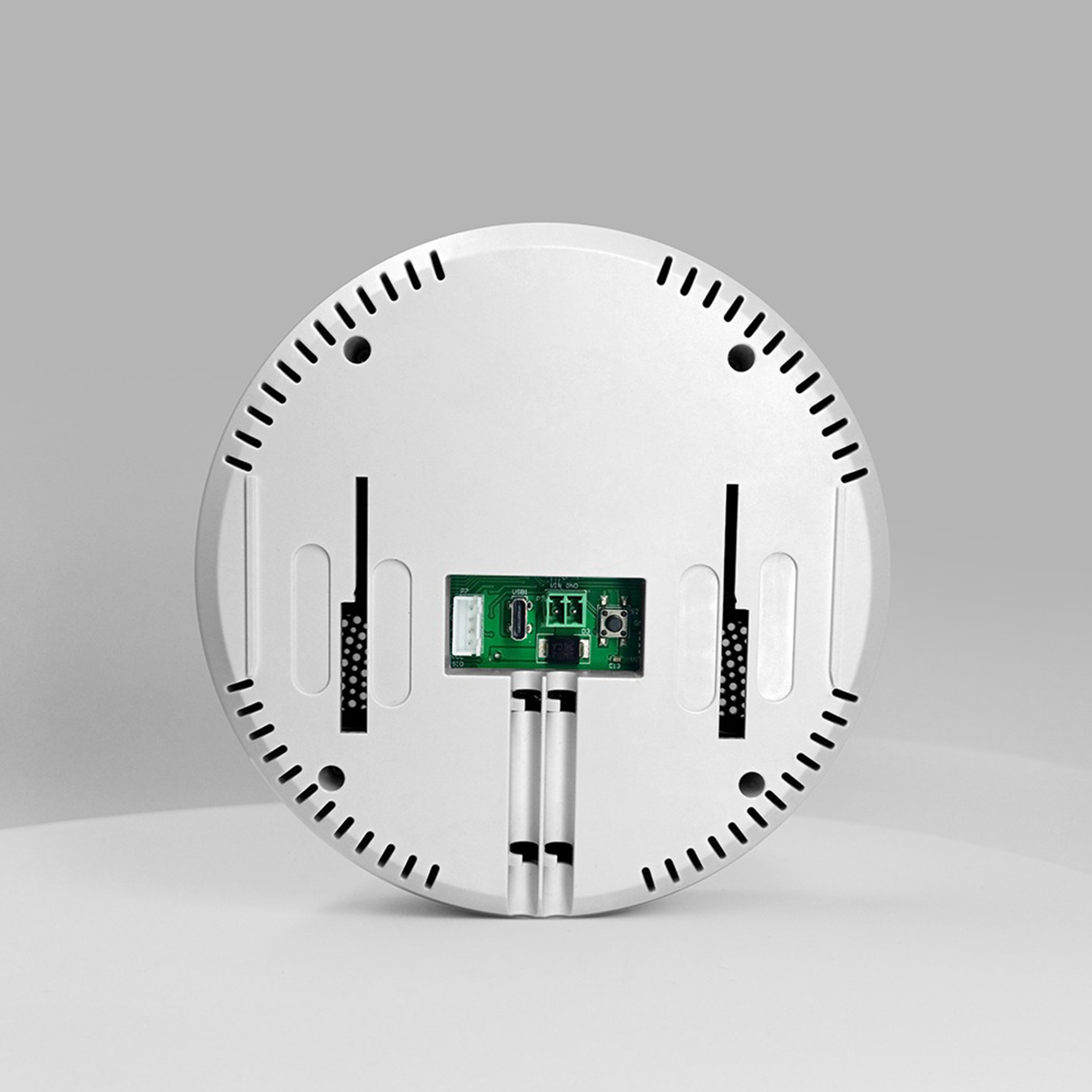
Power supply considerations influence both installation costs and device placement flexibility. Hardwired systems offer reliable continuous operation but require professional electrical work and limit placement options to locations near power sources. Battery powered alternatives provide installation flexibility but demand regular maintenance schedules for battery replacement.
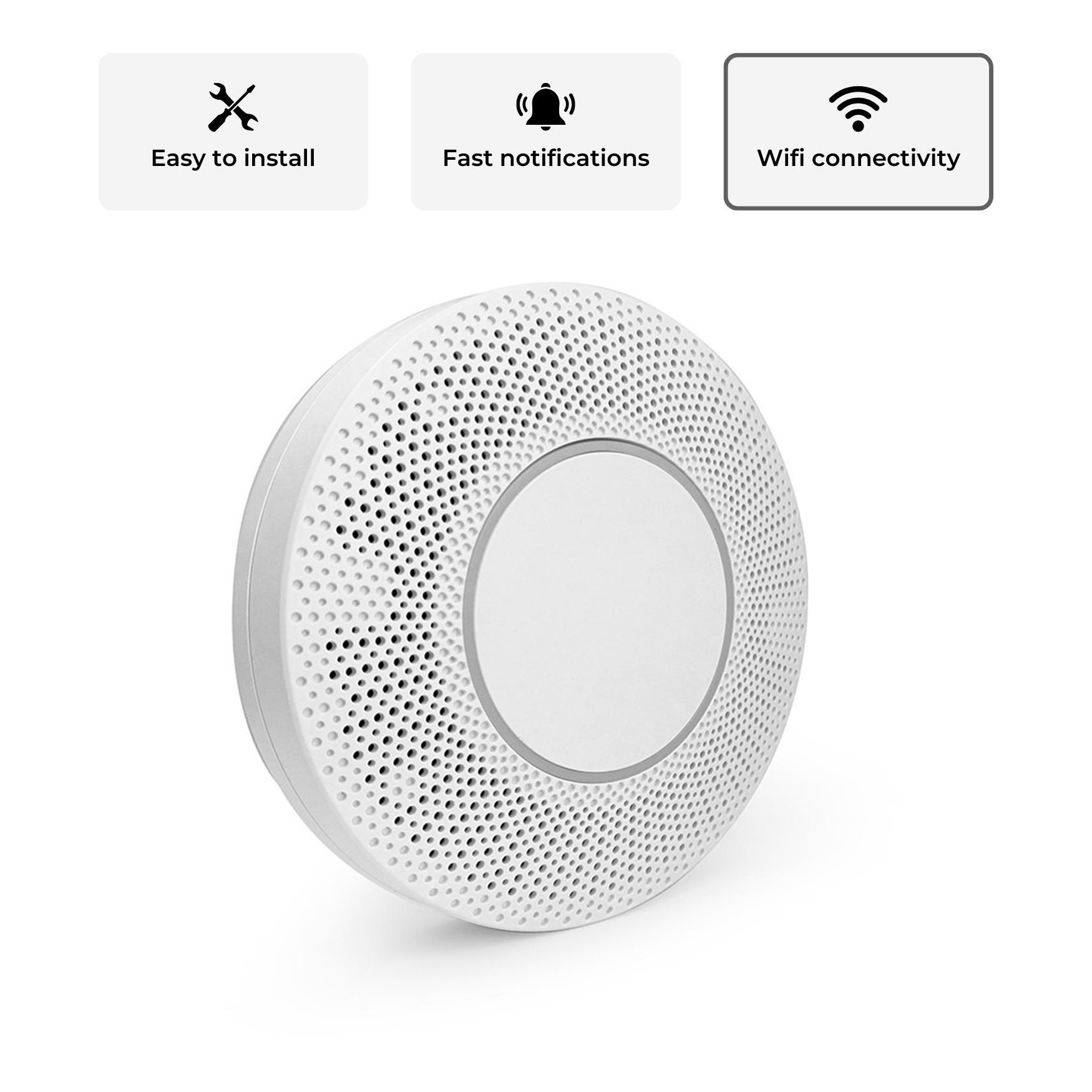
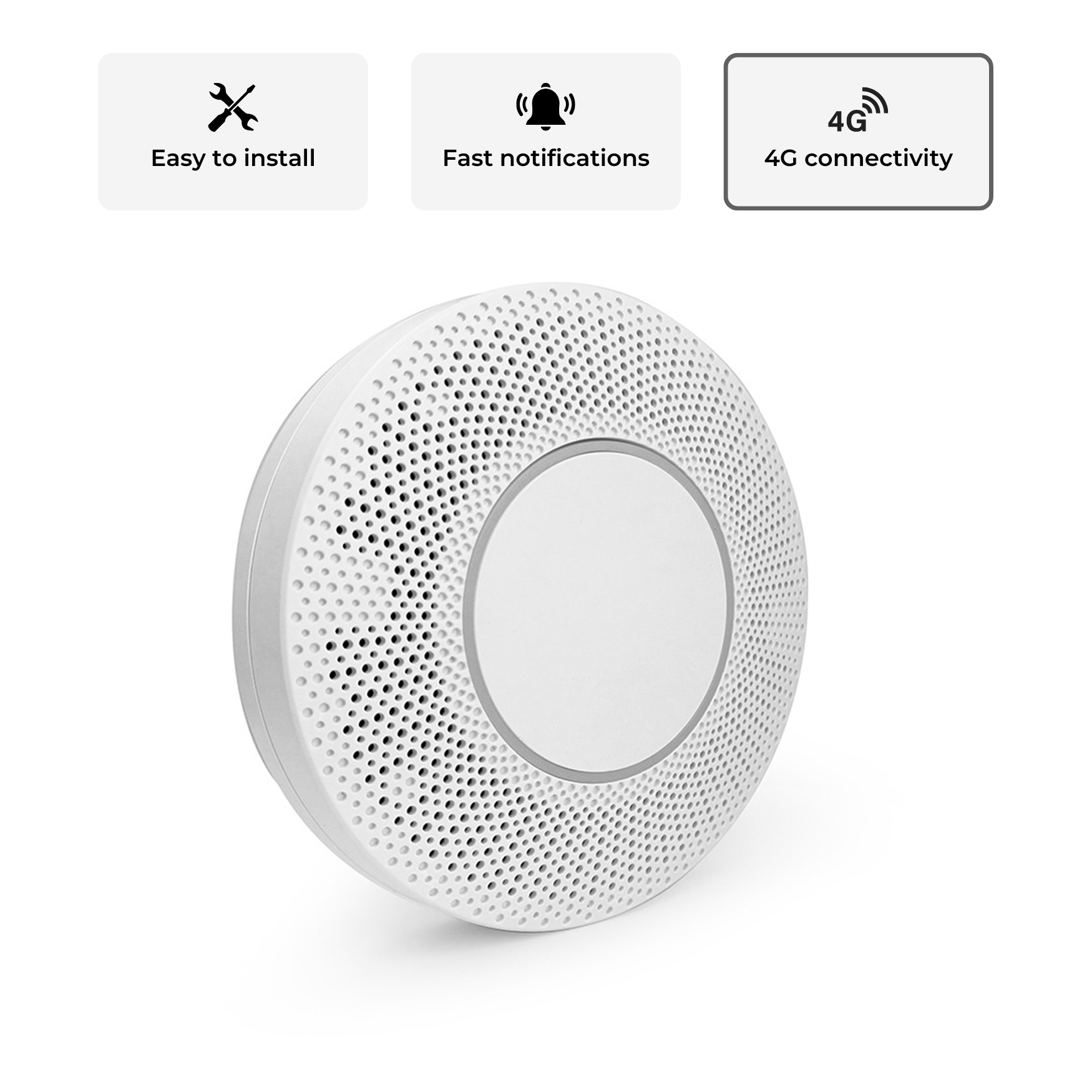
Network connectivity represents another critical decision point. Systems with robust Wi-Fi integration enable real time alerts and centralised monitoring through cloud based platforms. Schools with limited wireless coverage may need infrastructure upgrades or consider cellular connectivity options for remote areas.
Essential infrastructure elements:
- Adequate electrical provision or battery maintenance protocols
- Reliable network coverage throughout installation areas
- Alert routing systems reaching designated responders
- Data storage and analysis capabilities
- Integration pathways with existing security platforms
The Vape Detection System from Vape Guardian addresses these requirements through flexible connectivity options and comprehensive monitoring capabilities, enabling schools to maintain constant vigilance whilst minimising maintenance demands.

Policy Development and Communication
Technology alone cannot address vaping in schools effectively. Successful programmes combine detection capabilities with clear policies, educational initiatives, and supportive intervention strategies. Schools should establish written procedures defining response protocols when devices trigger alerts, ensuring consistent and appropriate reactions from all staff members.
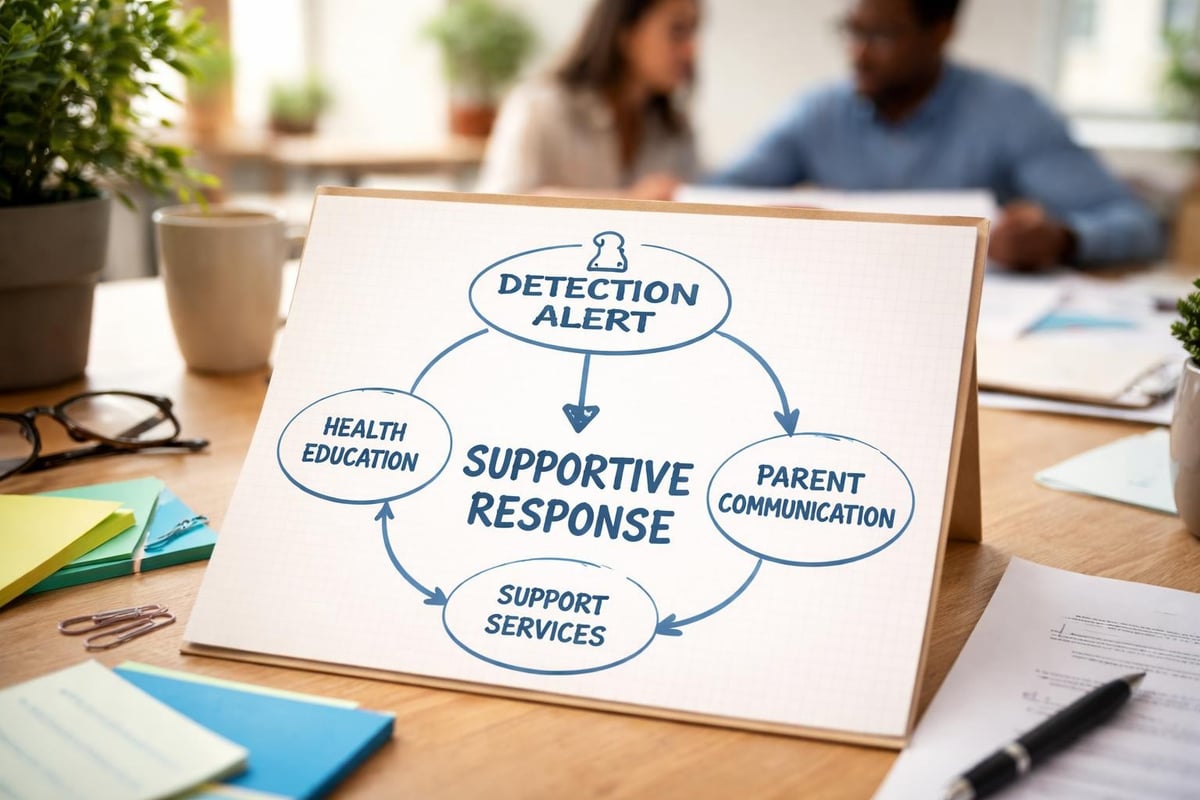
Transparency with students and parents regarding detector installation builds trust and reinforces educational objectives. Communications should emphasise health protection and support rather than surveillance, positioning the technology as one component within broader wellbeing initiatives. The American Lung Association recommends prioritising intervention and education over purely punitive approaches.
Effectiveness and Real World Outcomes
Evidence from schools implementing vape detection technology demonstrates measurable impacts on student behaviour and overall vaping prevalence. However, outcomes vary based on implementation quality, complementary interventions, and school culture factors.
Measurable Impact on Vaping Incidents
Schools report varying degrees of success following detector installation. Many K-12 districts have observed significant reductions in bathroom vaping incidents within weeks of deployment. The deterrent effect alone often proves substantial, with students aware of monitoring capabilities adjusting behaviour even before experiencing alerts firsthand.
Quantitative outcomes depend heavily upon baseline vaping rates and implementation thoroughness. Schools facing severe vaping problems typically see more dramatic initial improvements, whilst those with moderate issues may experience steady gradual declines. Data tracking capabilities built into modern systems enable schools to monitor trends objectively, measuring programme effectiveness through concrete incident reduction metrics.
Limitations and Potential Workarounds
No technology provides absolute prevention. Students determined to vape may attempt workarounds such as covering sensors, vaping near open windows, or relocating to unmonitored areas. Understanding these potential evasion tactics helps schools anticipate challenges and adjust strategies accordingly.
Physical tampering represents a primary concern for any school vape detector installation. Devices must feature tamper resistant designs with alert capabilities triggered by covering or disabling attempts. Mounting them in positions difficult for students to reach without detection reduces tampering risks whilst maintaining effective air sampling.
The displacement effect also merits consideration. Students prevented from vaping in monitored toilets may simply move to other locations. Comprehensive coverage of high risk areas combined with visible but limited deployment in lower priority spaces often strikes an effective balance between budget constraints and monitoring needs.
Financial Considerations and Budgeting
Investment in vape detection technology requires careful financial planning balancing upfront costs against long term operational expenses and potential savings from reduced vaping related incidents.
Initial Investment Components
Hardware costs vary considerably based on device capabilities, required quantities, and installation complexity. Entry level systems start around £300 to £500 per device, whilst advanced models with enhanced features may exceed £1,000 per unit. Schools should evaluate options carefully, considering coverage requirements, desired features, and budget limitations.
Installation expenses add to initial outlays, particularly for hardwired systems requiring electrical work. DIY installation of wireless devices reduces these costs but demands technical competence from facilities staff. Professional installation ensures optimal placement and proper configuration whilst providing warranties and ongoing support.
| Cost Category | Budget Range | Key Variables |
|---|---|---|
| Hardware | £300 to £1,200 per device | Features, quantity discounts |
| Installation | £50 to £300 per device | Hardwired vs wireless, complexity |
| Connectivity | £0 to £15 monthly per device | Wi-Fi vs cellular, data plans |
| Maintenance | £30 to £100 annually per device | Battery replacement, calibration |
Ongoing Operational Expenses
Beyond initial purchase and installation, schools must budget for recurring costs ensuring sustained system effectiveness. Subscription fees for cloud based monitoring platforms typically range from £5 to £20 monthly per device, providing data storage, alert management, and analytical tools.
Battery powered devices require periodic battery replacement, potentially several times annually depending on usage patterns. Sensor calibration and cleaning maintains accuracy over time, with some systems requiring professional servicing whilst others support in house maintenance through simple procedures.
Funding opportunities through educational grants, local authority technology budgets, or safeguarding initiatives may offset implementation costs. Many schools successfully incorporate vape detection systems within broader facility improvement projects or security infrastructure upgrades, spreading expenses across existing capital programmes.
Best Practice Guidelines for Maximum Effectiveness
Schools achieving optimal results from vape detection technology follow established best practices addressing installation quality, operational protocols, and integrated intervention strategies.
Installation Excellence
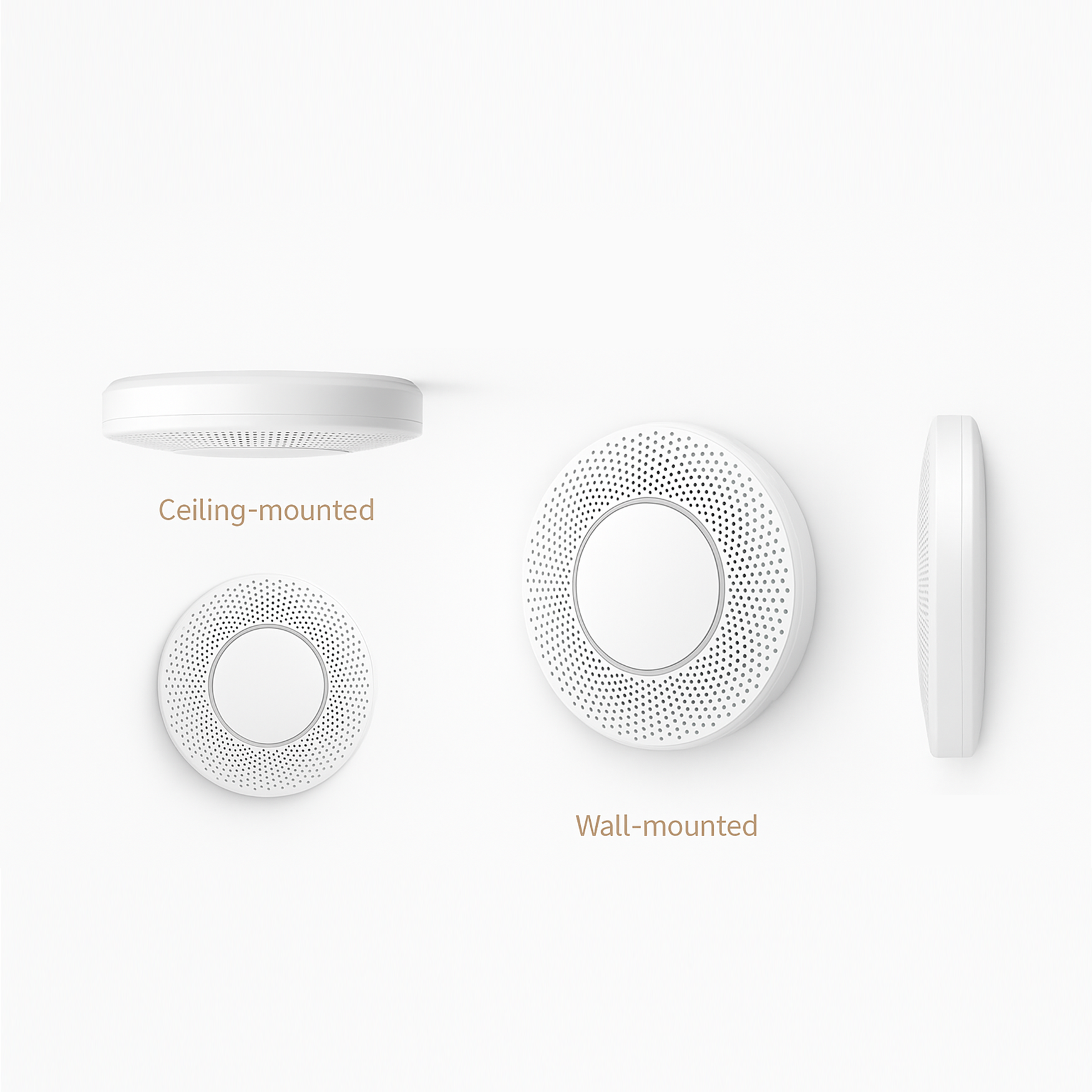
Proper installation fundamentally determines system effectiveness. Devices mounted according to manufacturer specifications regarding height, proximity to ventilation outlets, and distance from potential interference sources perform more reliably than hastily positioned units. Careful planning of power sources and connectivity options prevents future limitations and ensures consistent operation.
Environmental factors influence sensor performance. Extremely humid environments such as shower areas may affect certain sensor types, necessitating devices specifically rated for high moisture conditions. Temperature extremes, whilst uncommon in UK school buildings, can impact battery life and sensor accuracy in poorly insulated spaces.
Installation best practices include:
- Consulting manufacturer placement guidelines specific to each device model
- Conducting site surveys evaluating air flow patterns and coverage gaps
- Testing devices post installation to verify alert functionality
- Training facilities staff on basic troubleshooting and maintenance procedures
- Documenting installation locations and configurations for future reference
Response Protocol Development
Alert notifications serve little purpose without clear, consistent response procedures. Schools should designate specific staff members authorised to receive alerts, ensuring adequate coverage throughout school hours. Response protocols must balance swift intervention with appropriate sensitivity, recognising that immediate confrontation may not always represent the most effective approach.
Best practices for handling vaping alerts emphasise documented procedures enabling any responding staff member to follow consistent steps. This includes verifying the alert, assessing the situation safely, following established disciplinary processes, and documenting incidents thoroughly for pattern analysis.
Privacy considerations merit careful attention. Whilst vape detection systems monitor air quality rather than individuals directly, response protocols should respect student dignity and comply with all relevant data protection requirements under UK GDPR regulations.
Integration With Wider Safeguarding Frameworks
School vape detectors function most effectively as components within comprehensive student wellbeing programmes rather than isolated technological solutions. Forward thinking schools integrate detection capabilities with education, support services, and positive behaviour frameworks.
Educational Initiatives and Awareness Programmes
Detection without education misses opportunities for meaningful behaviour change. Schools should combine monitoring technology with age appropriate vaping education covering health risks, addiction mechanisms, and industry marketing tactics targeting young people. The vaping education hub provides valuable resources supporting these educational objectives.
Peer education programmes often prove particularly effective, empowering student leaders to communicate risks within their social networks more credibly than adult led initiatives alone. When students understand both the health implications and the reasons behind school vape detector deployment, compliance improves alongside genuine risk awareness.
Support Pathways for Students Struggling With Vaping
Punitive responses alone rarely address underlying factors driving student vaping behaviour. Schools achieving lasting reductions in vaping incidents provide accessible support services helping students manage nicotine addiction and address social pressures contributing to usage.
Referral pathways connecting detected incidents with counselling services, cessation support, and pastoral care transform vape detection from purely disciplinary tools into intervention opportunities. This approach aligns with contemporary safeguarding principles prioritising student welfare alongside behavioural expectations.
Advanced Features and Emerging Technologies
The school vape detector market continues evolving, with manufacturers introducing enhanced capabilities addressing identified limitations and expanding monitoring scope beyond basic vaping detection.
Multi Hazard Detection Capabilities
Modern systems increasingly incorporate sensors detecting multiple environmental concerns beyond vaping. Air quality monitoring for excessive carbon dioxide levels, unusual chemical odours potentially indicating substance misuse, and abnormal noise patterns suggesting conflicts or distress extend device utility across broader safety objectives.
These expanded capabilities justify investment for budget conscious schools by addressing multiple priorities through single infrastructure deployments. A device simultaneously monitoring for vaping, air quality issues, and unusual activity patterns provides substantially greater value than units limited to vaping detection alone.
Recent innovations include advanced sensor technology featuring improved chemical discrimination, reduced false alarm rates, and enhanced connectivity options enabling seamless integration with existing school safety platforms.
Data Analytics and Pattern Recognition
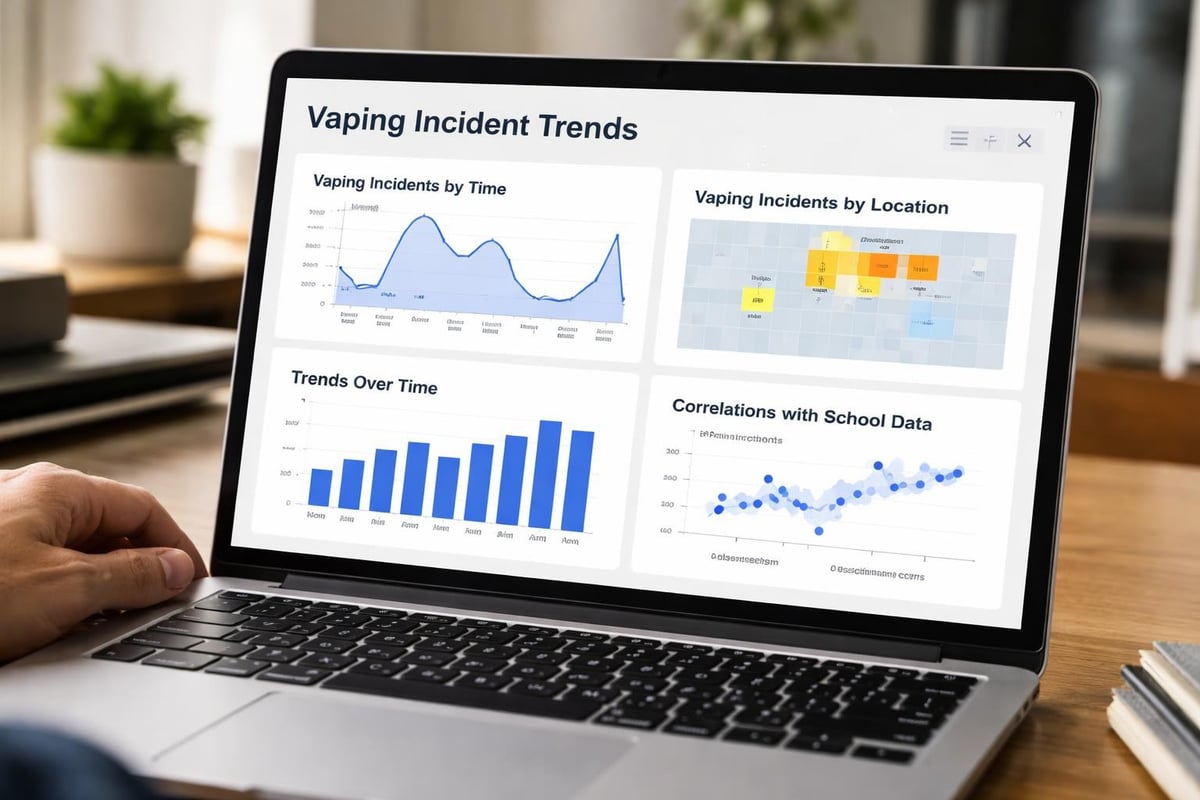
Sophisticated systems generate substantial data regarding detection events, environmental conditions, and temporal patterns. Analytics platforms processing this information reveal insights supporting strategic decision making beyond individual incident responses.
Identifying peak vaping times enables targeted supervision adjustments. Recognising location patterns may suggest particular areas requiring additional monitoring or environmental modifications reducing perceived privacy. Correlation analysis linking vaping incidents with other behavioural concerns supports holistic intervention planning addressing underlying issues rather than isolated symptoms.
Stakeholder Perspectives and Communication Strategies
Successful implementation requires positive engagement with multiple stakeholder groups, each bringing distinct concerns and perspectives regarding vape detection technology deployment.
Communicating With Parents and Carers
Parental support strengthens any school initiative addressing student wellbeing. Communications explaining vape detector installation should emphasise health protection motivations, evidence regarding youth vaping risks, and school commitment to supportive rather than purely punitive approaches.
Transparency regarding technology capabilities, data handling practices, and response protocols builds trust and demonstrates respect for privacy concerns. Many parents appreciate proactive school measures addressing vaping but want assurance that children receive appropriate support rather than harsh punishment when struggling with nicotine dependence.
Engaging Students Productively
Student perspectives often differ markedly from adult viewpoints regarding monitoring technologies. Rather than imposing detection systems without consultation, progressive schools involve student councils and leadership groups in discussions regarding vaping concerns, potential solutions, and policy development.
This engagement need not compromise implementation effectiveness. Students frequently offer valuable insights regarding placement blind spots, potential workarounds, and peer perspectives that enhance programme design. Involvement in solution development also increases buy in, transforming students from passive subjects of monitoring into active participants in creating healthier school environments.
Governor and Leadership Considerations
School governors and senior leadership teams bear ultimate responsibility for safeguarding decisions, including technology investments addressing student wellbeing. Guidance for school governors and headteachers emphasises evidence based decision making balancing intervention effectiveness, cost implications, and alignment with broader educational values.
Governors should request clear implementation plans addressing installation logistics, operational procedures, success metrics, and integration with existing policies. Financial oversight includes reviewing total cost of ownership spanning initial purchase through ongoing operational expenses and ensuring sustainable funding models support long term operation.
Multi Site Deployment for Academy Trusts
Multi academy trusts face unique considerations when implementing vape detection technology across multiple school locations. Standardised approaches enable economies of scale whilst accommodating site specific requirements.
Centralised procurement achieves better pricing through volume discounts whilst ensuring consistent device specifications across the trust. However, installation planning must respect individual school layouts, student demographics, and existing infrastructure variations. Flexible deployment models allow central coordination of technology selection whilst empowering local leadership teams to determine optimal placement and response protocols suited to their specific contexts.
Shared data platforms enable trust wide monitoring and analysis, revealing patterns across schools that inform strategic resource allocation and intervention development. Schools facing particularly severe vaping challenges may benefit from experiences and strategies proven effective at other trust locations, fostering collaborative problem solving.
Legal and Regulatory Compliance
Schools deploying vape detection technology must navigate various legal and regulatory frameworks ensuring lawful operation whilst protecting student rights.
Data Protection and Privacy Requirements
Although school vape detectors monitor air quality rather than recording images or audio, data protection principles still apply to information these systems collect and process. Schools must establish lawful bases for processing under UK GDPR, typically relying upon legitimate interests in protecting student health and maintaining safe learning environments.
Privacy impact assessments should evaluate potential risks to student rights and identify appropriate safeguards. Policies must specify data retention periods, access controls, and procedures governing information sharing with parents, local authorities, or other relevant parties. Students and parents deserve clear information regarding what data systems collect, how schools use this information, and rights individuals possess regarding their personal data.
Health and Safety Obligations
Schools bear statutory health and safety duties toward students and staff. Evidence demonstrating significant youth vaping prevalence and associated health risks supports arguments that proactive monitoring through vape detection technology represents reasonable and proportionate measures fulfilling these obligations.
However, technology deployment itself must comply with health and safety requirements. Electrical installations require appropriate certifications. Device mounting must ensure units remain secure without creating hazards. Regular maintenance prevents malfunction risks whilst ensuring continued effectiveness protecting the school community.
Implementing a school vape detector system represents a significant step toward creating healthier, safer learning environments whilst addressing one of the most pressing student wellbeing challenges facing UK schools today. By combining thoughtful technology deployment with comprehensive policies, educational initiatives, and supportive intervention strategies, schools can substantially reduce vaping incidents whilst fostering positive behaviour change. Vape Guardian offers advanced detection solutions specifically designed for educational settings, providing the reliable monitoring, rapid alerts, and dedicated support that UK schools need to protect students effectively and maintain compliance with safeguarding responsibilities.




Share:
Vape Detector with Push Notifications: Complete Guide
School Air Quality Monitor: A Complete Guide for 2026