
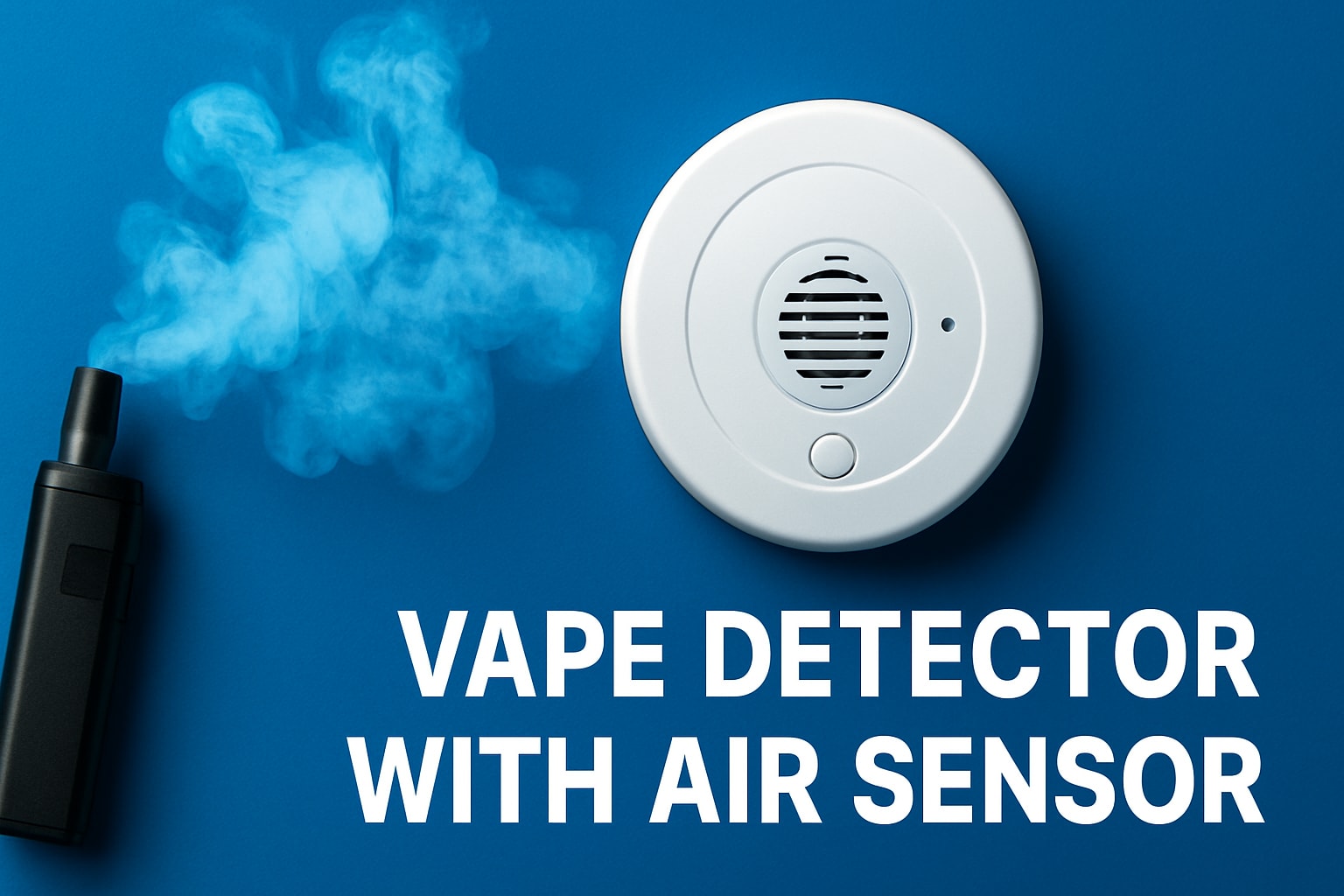
Vaping has surged across the UK, turning schools, offices, and public spaces into battlegrounds for health and safety. As these environments face new risks, the search for an effective vape detector with air sensor has never been more urgent.
This guide provides expert insight into choosing the most advanced vape detector with air sensor solutions for 2026. We highlight how this technology has evolved, why it matters, and how it protects shared spaces from the hidden dangers of vaping.
You will discover how vape detectors work, the latest innovations, and practical steps for selecting, installing, and maintaining the right system. We will also explore compliance, policy development, and ways to maximise effectiveness.
Ready to take control? Keep reading for the definitive guide to vape detector with air sensor technology.
Understanding Vape Detectors With Air Sensors
Vaping has become a growing concern in shared spaces, especially in schools and offices. Understanding the capabilities of a vape detector with air sensor is essential for effective control and prevention. This section explores the fundamentals, science, and benefits of these advanced systems.
What is a Vape Detector With Air Sensor?
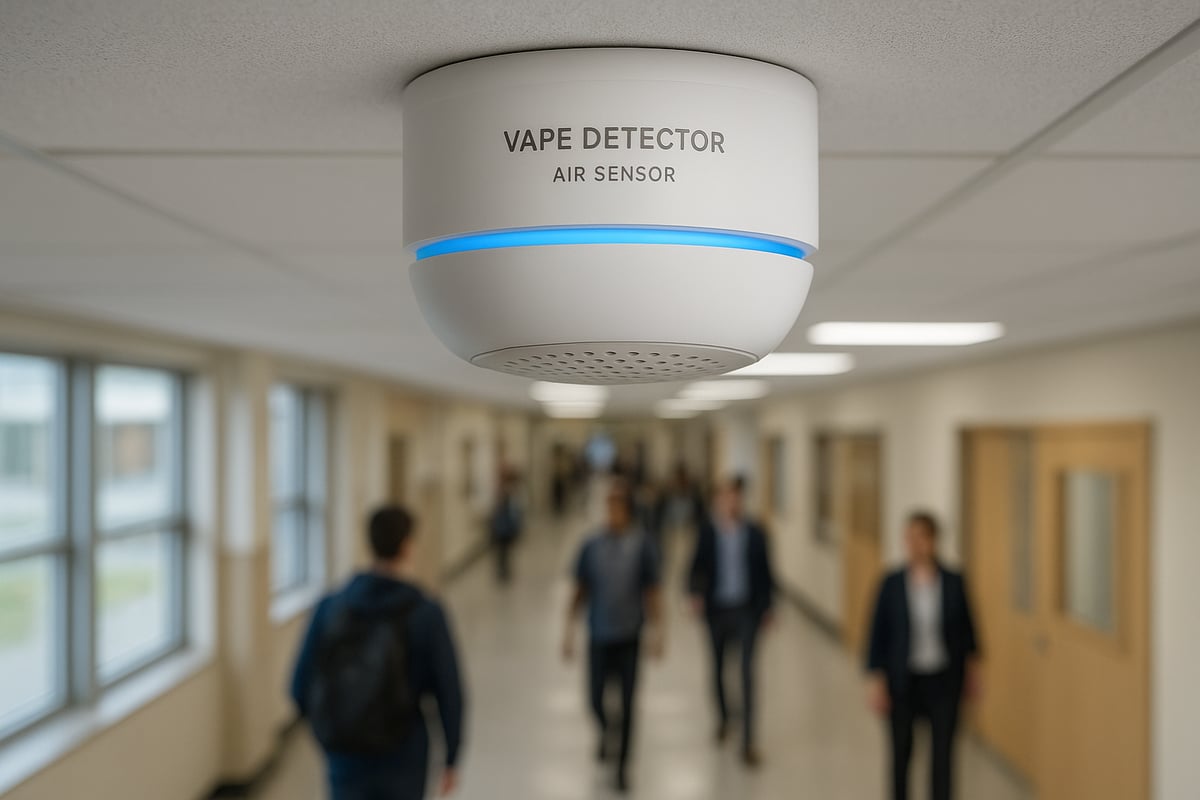
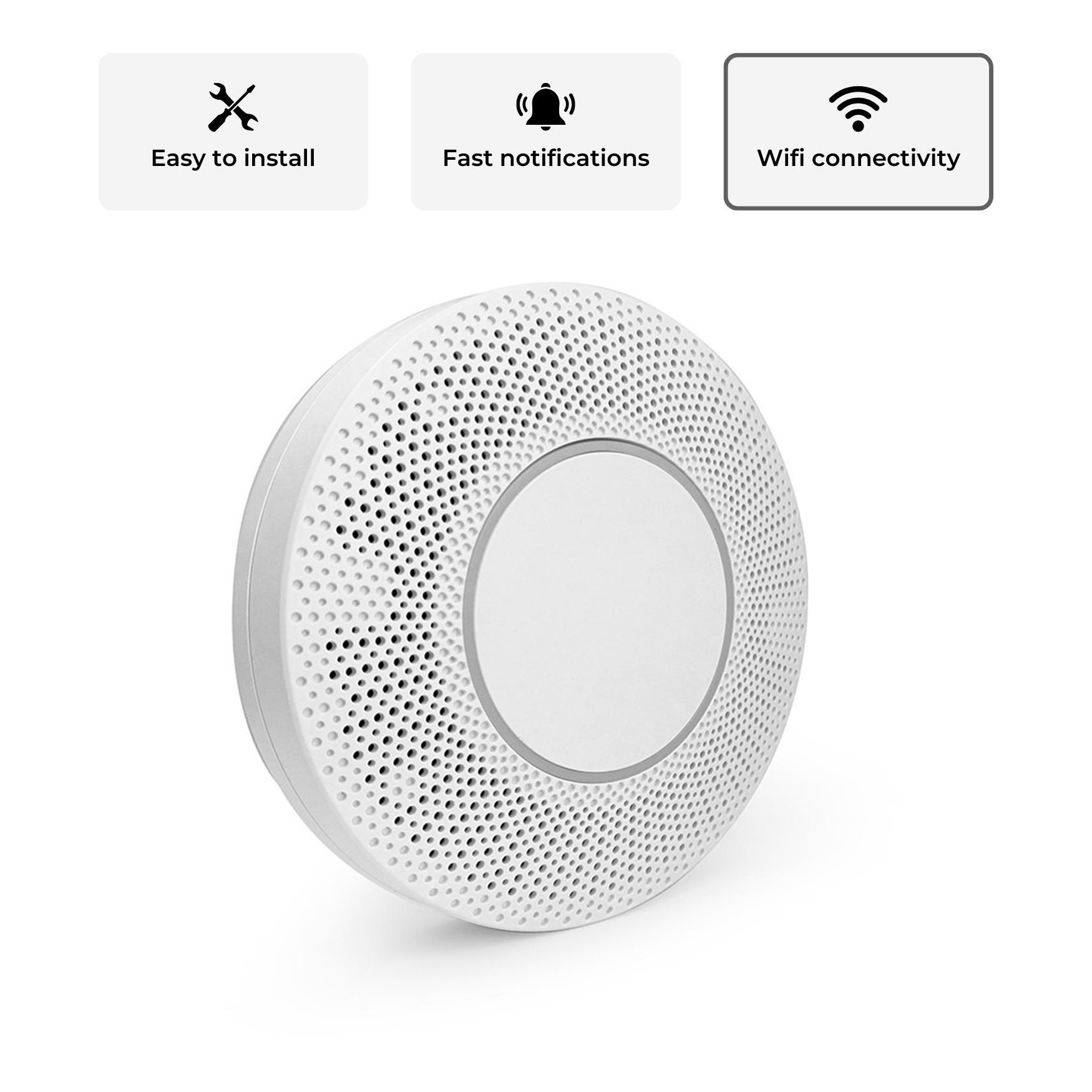
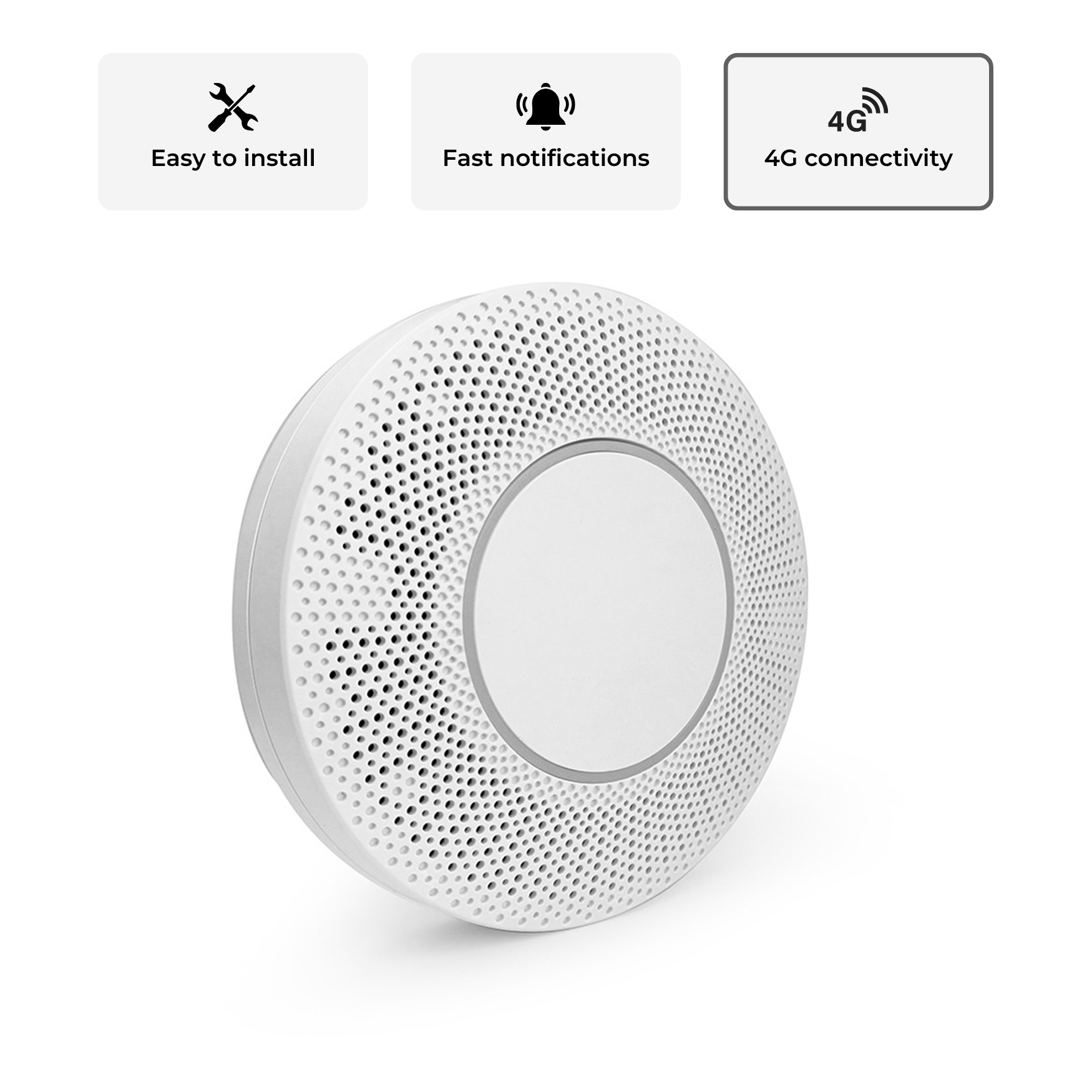
A vape detector with air sensor is a specialised device designed to identify vaping activity by monitoring the air for specific aerosols and chemicals. Unlike traditional smoke detectors that respond mainly to smoke from combustion, these detectors use advanced sensors to detect vapour from e-cigarettes and vape pens.
Key components include:
- Chemical sensors for detecting nicotine, THC, and flavourings
- Particulate sensors for identifying aerosolised particles
- Data processing modules for real-time analysis
These systems are commonly deployed in:
- Schools and colleges
- Offices and corporate environments
- Public toilets and leisure centres
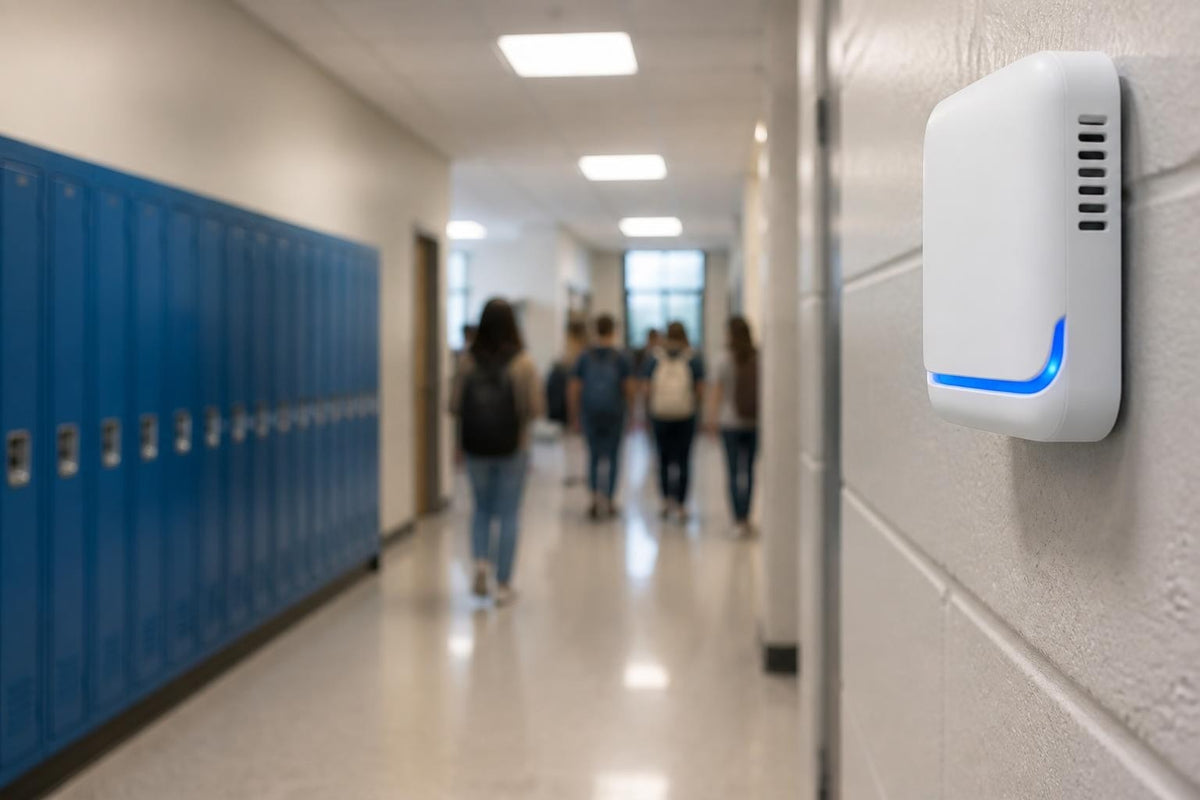
For example, many UK secondary schools have adopted these detectors to curb vaping in restrooms and corridors, leading to improved air quality and student safety.
How Vape Detectors Work: The Science Explained
The core function of a vape detector with air sensor relies on a combination of sensor technologies. Particulate sensors measure fine airborne particles produced by vaping. Chemical and gas sensors identify specific compounds such as nicotine, THC, and various flavouring agents.
Sophisticated algorithms process sensor data to distinguish vape aerosols from harmless substances like deodorant sprays or steam. These algorithms use pattern recognition and AI to reduce false positives, continually learning from new data inputs.
When a substance is detected, the device triggers alerts through integrated systems. Data can be sent instantly to administrators or security teams via mobile apps or central dashboards. This rapid response helps staff intervene quickly and effectively.
AI enhancements have significantly improved detection accuracy. For example, a UK secondary school implemented a vape detector with air sensor and reported a 90 percent reduction in undetected vaping incidents. These results underline the importance of real vape detection technology in safeguarding shared environments.
Key Benefits of Air Sensor Integration
Integrating an air sensor into a vape detector offers several important advantages. Enhanced detection accuracy ensures vaping is identified reliably, even in large or busy spaces. Real-time air quality monitoring provides continuous insights into environmental conditions alongside vape detection.
Key benefits include:
- Early intervention to protect health and safety
- Data-driven insights for policy enforcement and incident tracking
- Support for compliance with local and national regulations
Facilities can use data from a vape detector with air sensor to inform decisions and refine anti-vaping strategies. In leisure centres, the introduction of these systems led to a noticeable decline in vaping-related incidents, creating a safer environment for all users.
Continuous monitoring and reporting capabilities make these devices a critical tool for schools, offices, and public spaces seeking to maintain high standards of air quality and wellbeing.
Latest Innovations in Vape Detection Technology (2026)
The landscape of vape detection is evolving rapidly, with 2026 marking a significant leap forward in both technology and deployment. Organisations are seeking a vape detector with air sensor that can keep pace with new vaping trends, regulatory requirements, and the demand for healthier indoor environments.
Below, we explore the latest breakthroughs shaping the future of vape detection across schools, offices, and public venues.
Advances in Sensor Precision and AI
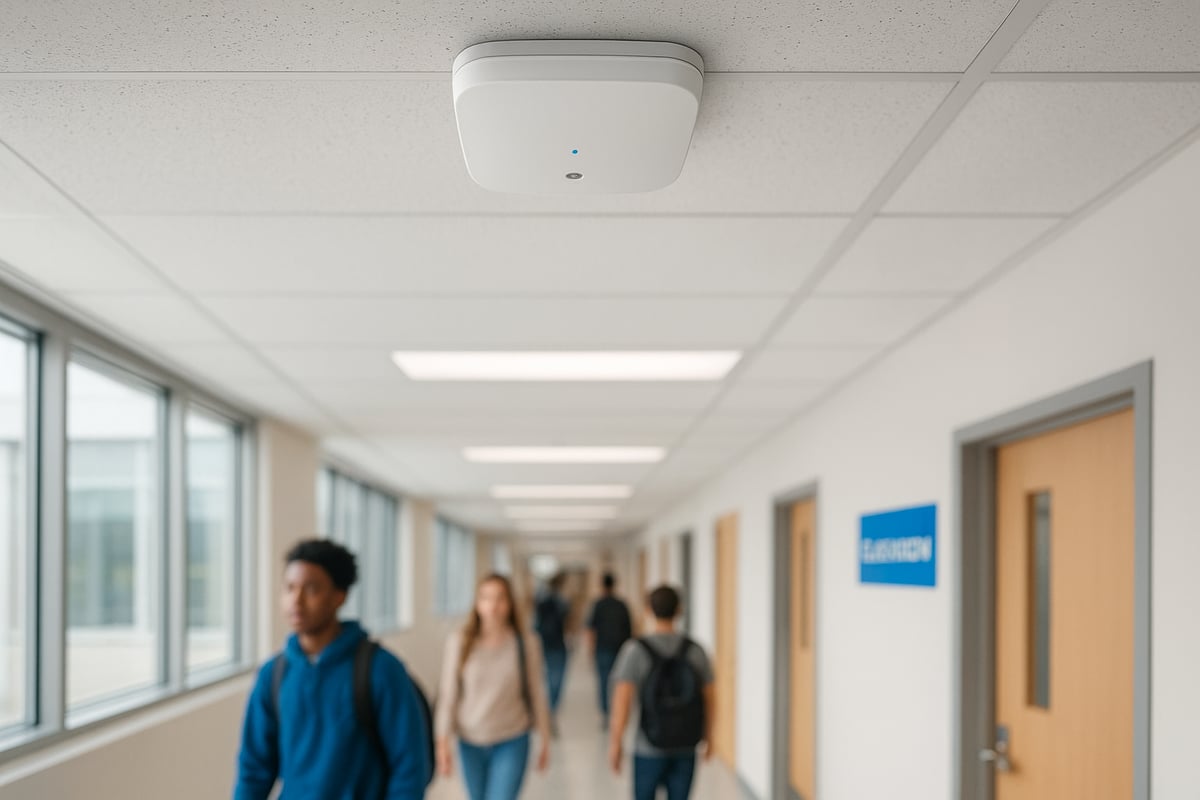
In 2026, the vape detector with air sensor is defined by unprecedented accuracy and adaptability. Recent breakthroughs in sensor miniaturisation allow these devices to be installed in more locations without compromising aesthetics or performance.
Modern units combine ultra-sensitive particulate, chemical, and gas sensors, capturing even trace amounts of vape aerosols. AI-driven pattern recognition has become essential, enabling the vape detector with air sensor to identify new vaping substances like synthetic cannabinoids or novel nicotine salts. These smart algorithms adapt over time, learning from environmental data to distinguish between harmless activities and genuine vaping events.
For example, in 2024, detection rates in educational settings averaged 82 percent. By 2026, this has climbed to 97 percent, thanks to smarter sensors and adaptive learning. Solutions like the Johnson Controls introduces HALO Smart Sensor for vape detection exemplify this new wave of intelligent, responsive technology in schools.
The vape detector with air sensor now delivers precise, reliable results, supporting rapid intervention and reducing false positives.
Integration With Building Management Systems
The modern vape detector with air sensor is no longer a standalone device. Instead, it can connect seamlessly with HVAC, security, and fire safety platforms, creating a unified building management ecosystem. This integration enables centralised monitoring and sophisticated analytics dashboards, helping facilities teams to visualise trends and respond proactively.
Automated protocols can trigger ventilation or alert security staff in real time, minimising disruption and enhancing safety. For instance, in a recently upgraded office building, linking vape detection to existing systems reduced incident response times by 40 percent.
These advances ensure that the vape detector with air sensor not only detects vaping but also supports broader facility management objectives.
Real-Time Alerts and Remote Monitoring
Instant notifications are now standard for any vape detector with air sensor. Cloud-based reporting tools and mobile apps allow administrators to receive alerts wherever they are, with customisable thresholds to suit each environment.
Role-based access ensures that only authorised staff can view sensitive data or respond to incidents. In practice, this has reduced average response times from 12 minutes in 2024 to just 3 minutes in 2026, with a corresponding drop in repeat vaping incidents.
The vape detector with air sensor empowers security and safeguarding teams to act quickly and efficiently, reinforcing a safe atmosphere for all occupants.
Compliance and Data Privacy Innovations
A vape detector with air sensor must balance effective monitoring with strict data privacy requirements. In 2026, GDPR-compliant data handling and anonymised reporting are industry standards.
Detection records are securely stored and transmitted, ensuring that only relevant personnel can access incident data. This is especially important in schools and workplaces, where safeguarding and legal compliance are paramount.
For example, integrating vape detection data into school safeguarding policies has helped institutions meet Ofsted and local authority expectations while respecting privacy.
The vape detector with air sensor now plays a critical role in helping organisations meet their regulatory obligations without compromising personal data.
Environmental and Health Impact Monitoring
Beyond vape detection, the latest devices offer comprehensive air quality monitoring. A vape detector with air sensor tracks CO2, volatile organic compounds, humidity, and particulates simultaneously, providing a holistic view of indoor environmental quality.
This dual function has enabled organisations to identify trends in air quality related to vaping and implement targeted interventions. For example, shared workspaces that deployed these systems saw a 25 percent improvement in overall air quality metrics within six months.
By offering both protection against vaping and support for broader health initiatives, the vape detector with air sensor is now a cornerstone of modern facility management.
Step-by-Step Guide: Choosing and Installing a Vape Detector With Air Sensor
Selecting and implementing a vape detector with air sensor requires a strategic approach. This ensures the system meets your environment’s unique needs, delivers reliable results, and remains compliant with regulations.
Let’s break down each step to help you make informed decisions and maximise the effectiveness of your investment.
Assessing Your Environment and Needs
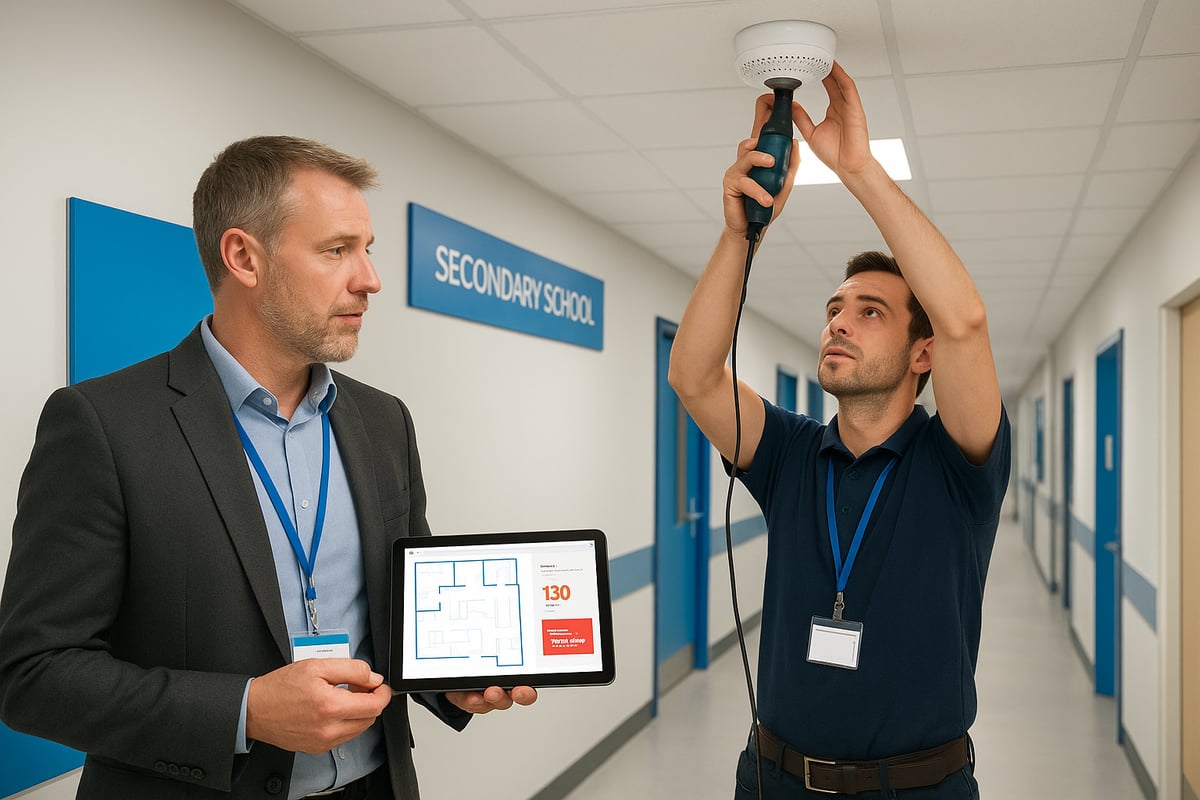
Begin by conducting a thorough assessment of your spaces. Identify high risk areas where vaping is likely, such as toilets, corridors, and staff rooms. Consider student or employee movement patterns and privacy concerns.
Research local vaping trends and relevant regulations to ensure your vape detector with air sensor will support compliance. Engage key stakeholders, including facilities managers, IT teams, and safeguarding leads, to gather diverse perspectives.
For example, a UK secondary school may prioritise coverage in student toilets after discovering frequent vaping incidents. By mapping out these hotspots and consulting staff, you can tailor your approach and choose the most suitable vape detector with air sensor for your building.
Comparing Top Vape Detector Models (2026)
Once you have mapped your needs, compare the latest models on the market. Focus on essential features such as detection range, sensitivity, connectivity, and integration options with existing systems.
Evaluate AI capabilities, as advanced algorithms can improve detection accuracy and adapt to new vaping trends. Review firmware update policies and assess the total cost of ownership, including maintenance and support. The table below summarises key factors to consider:
| Feature | Model A | Model B | Model C |
|---|---|---|---|
| Detection Range | 30m² | 40m² | 25m² |
| Sensitivity | High | Medium | High |
| AI Capabilities | Yes | Yes | Limited |
| Connectivity | WiFi, PoE | WiFi | Wired |
| Firmware Updates | Automatic | Manual | Automatic |
| Cost (per unit) | £450 | £400 | £375 |
For a deeper dive into system performance and value, see this Comparison guide: Vape Guardian vs competitors. This resource will help you objectively review which vape detector with air sensor best matches your requirements.
Installation Best Practices
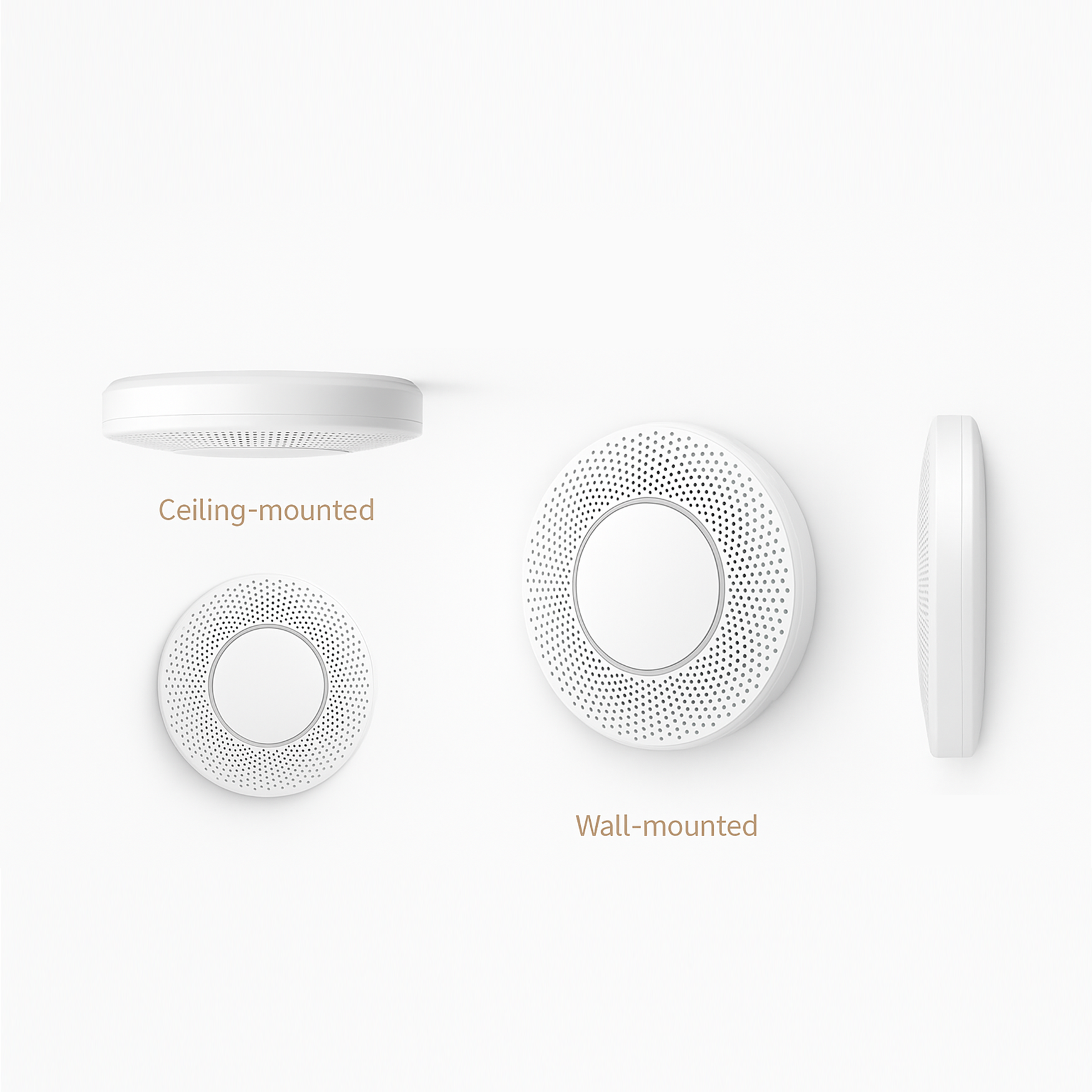
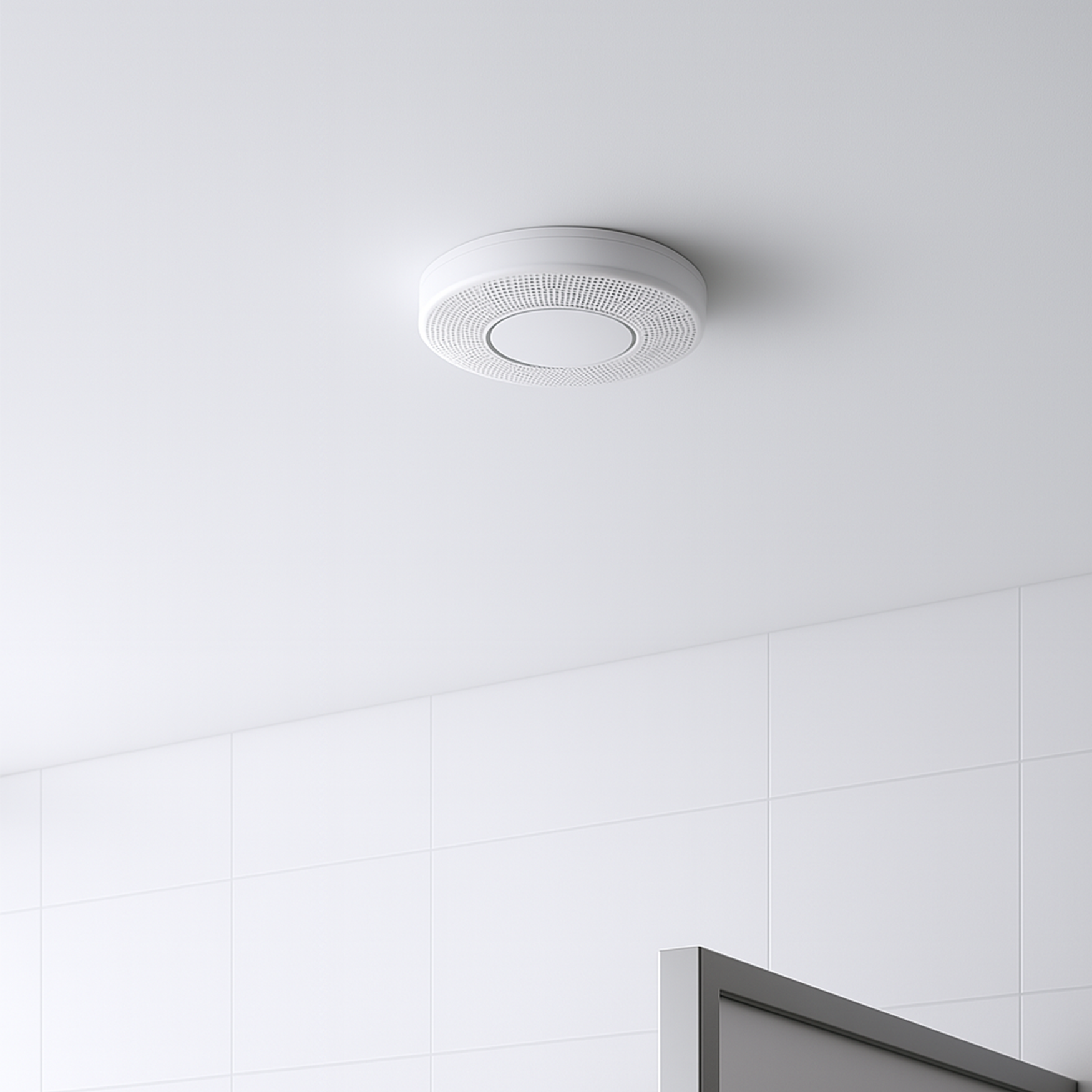
Proper installation is critical to getting the most out of your vape detector with air sensor. Begin by selecting optimal locations for each device, prioritising areas with high footfall and known vaping activity. Avoid placing sensors near windows or air vents to minimise false alerts.
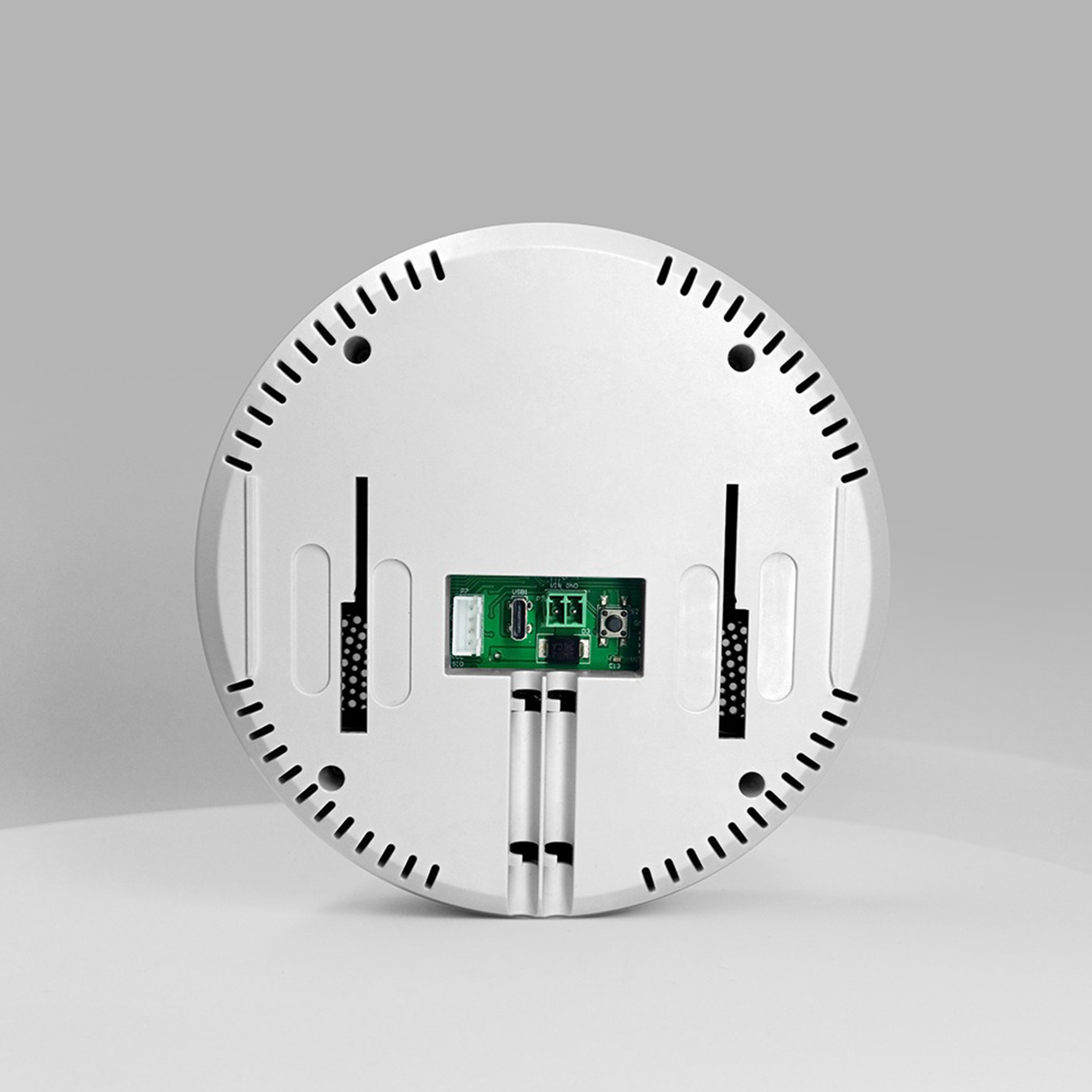
Decide between wired, wireless, or Power over Ethernet (PoE) options based on your building’s infrastructure. Ensure each vape detector with air sensor is integrated with your existing security or building management systems for seamless operation.
Before finalising installation, use a checklist to confirm all devices are securely mounted, powered, and communicating with central monitoring platforms. Schools and offices benefit from clear documentation and defined installation zones.
Configuration and Initial Testing
After installation, configure your vape detector with air sensor systems to match your environment’s needs. Set alert thresholds and notification preferences according to room size and occupancy levels.
Run initial calibration and baseline air quality tests to ensure the system is accurately detecting vape aerosols and not being triggered by everyday activities. Schedule staff training sessions so everyone understands how to respond to alerts and maintain the system.
A leisure centre pilot phase, for example, revealed that adjusting alert thresholds after the first week significantly reduced false positives while maintaining high detection rates. This fine tuning is essential for reliable operation of any vape detector with air sensor.
Ongoing Maintenance and Support
To maintain peak performance, establish a regular maintenance schedule for your vape detector with air sensor. This includes routine sensor cleaning, checking device health, and applying firmware updates.
Monitor system alerts and address technical issues promptly. Access manufacturer support resources as needed, and keep a maintenance log for accountability.
A simple template for maintenance can include monthly cleaning, quarterly firmware checks, and annual system reviews. Consistent upkeep ensures your vape detector with air sensor remains effective and compliant year round.
Ensuring Compliance and Maximising Effectiveness
Compliance is at the heart of any successful vape detector with air sensor deployment. Navigating the legal landscape is essential for schools and workplaces alike. In the UK, evolving legislation such as the Tobacco and Vapes Bill aims to create smoke-free UK, driving institutions to adopt robust detection solutions. Safeguarding obligations require consistent monitoring, while data privacy must be prioritised. When implementing a vape detector with air sensor, institutions must ensure data collection aligns with GDPR and other relevant standards. Understanding both national and local regulations will help you avoid compliance pitfalls and support a safer environment.

Understanding Legal and Regulatory Requirements
Legal compliance for a vape detector with air sensor involves more than just installation. Institutions must review regulations on vaping, air monitoring, and data management. The UK’s legislative environment is evolving, with new bills targeting vape usage in shared spaces. Schools must fulfil safeguarding duties, ensuring that detection policies are well documented and regularly updated. Data protection is critical, requiring anonymised record keeping and secure storage. By staying informed and proactive, organisations can avoid legal complications and protect their communities. Consult guidance from governing bodies and industry specialists to keep your vape detector with air sensor fully compliant.
Policy Development and Implementation
Developing effective policies is essential for maximising the impact of a vape detector with air sensor. Begin by creating or revising your anti-vaping policy, making expectations for staff, students, and visitors clear. Outline procedures for responding to detected incidents, including escalation steps and communication protocols. Integrate detection data into existing disciplinary frameworks, ensuring actions are consistent and fair. Collaboration across leadership, IT, and safeguarding teams is vital. Regular policy reviews, informed by detection trends, will ensure your vape detector with air sensor remains a central pillar of your prevention strategy.
Staff Training and Community Engagement
Staff play a pivotal role in the success of any vape detector with air sensor. Training should cover device operation, alert response, and best practices for incident management. Educational campaigns can deter vaping by raising awareness of health risks and the presence of monitoring. Engage parents and community leaders to foster a culture of prevention, not just enforcement. For practical advice, review the best practice for handling vaping alerts to empower your team. Ongoing support and open communication ensure everyone knows their role in keeping environments vape free.
Analysing and Reporting Detection Data
A vape detector with air sensor generates valuable data for improving policies and safeguarding. Use analytics to identify patterns, hotspots, and times of increased activity. Regular reporting to leadership and regulatory bodies demonstrates accountability and supports funding requests. Data-driven decision making is key to refining your approach and responding quickly to emerging trends. When reviewing incident logs, look for opportunities to adjust policies or training. By leveraging the full capabilities of your vape detector with air sensor, you can turn data into meaningful action that protects your community.
Continuous Improvement and Future-Proofing
Continuous improvement ensures your vape detector with air sensor remains effective as vaping trends evolve. Schedule regular reviews of system performance, policy effectiveness, and incident outcomes. Stay informed about advances in detection technology and update your devices as needed. Plan for scalability, considering future expansion or integration with other building systems. Proactive engagement with suppliers and industry forums can help you anticipate changes in legislation or vaping behaviours. By maintaining a forward-thinking approach, your vape detector with air sensor will continue to safeguard your environment for years to come.
The Future of Vape Detection: Trends and Predictions for 2026 and Beyond
As vaping devices continue to evolve, so too must the technology designed to detect and manage their use in shared spaces. The vape detector with air sensor has become a cornerstone of modern safeguarding, and by 2026, its role will only become more pronounced. What trends and innovations are shaping the future of this vital technology?
Emerging Technologies in Vape Detection
The next wave of vape detector with air sensor systems is defined by breakthroughs in sensor technology. Manufacturers are now deploying multi-substance detection, capable of identifying nicotine, THC, and even emerging synthetic compounds. These sensors are more sensitive, utilising nanomaterial coatings and advanced chemical analysis for pinpoint accuracy.
Integration with IoT platforms is on the rise. Devices can now communicate directly with smart building systems, enabling coordinated responses such as activating ventilation or alerting security teams. Predictive analytics are also transforming the field. By analysing historical and real-time data, a vape detector with air sensor can forecast potential incidents, allowing institutions to intervene before problems escalate.
AI-driven pattern recognition is key. Algorithms learn from new vaping trends, adapting to stealth devices and novel substances. As a result, detection rates have increased significantly compared to earlier models, driving greater confidence in these solutions.
Global Adoption and Policy Shifts
Around the world, the adoption of vape detector with air sensor solutions is accelerating. Governments and regulatory bodies are mandating their use in educational institutions, offices, and public venues. The UK, for instance, has introduced robust measures to curb youth vaping, including the ban on single-use vapes to curb youth usage. These policy shifts are prompting rapid deployment and innovation.
International case studies reveal significant reductions in vaping-related incidents where these detectors are installed. The market for vape detection is projected to grow substantially as more regions prioritise air quality and safety in shared environments.
Addressing Evolving Vaping Behaviours
Vaping behaviours are constantly changing, presenting unique challenges for schools and organisations. The vape detector with air sensor is evolving in tandem, with new firmware and AI updates allowing for the detection of the latest device types and substances.
Stealth vaping, particularly among young people, has become a pressing concern. Research shows that 8 in 10 students use toilets to vape, highlighting the critical need for comprehensive coverage and adaptive detection strategies. By staying ahead of these trends, institutions can better protect students and staff.
Enhancing Health and Safety Outcomes
The impact of a vape detector with air sensor goes beyond incident detection. These systems are now central to broader health and air quality initiatives. Real-time monitoring of particulates, CO2, and volatile organic compounds helps institutions maintain safer indoor environments.
Long-term data shows reductions in second-hand aerosol exposure, contributing to improved wellbeing for students and employees. Schools and businesses using advanced solutions such as vape detectors for education settings report not just fewer incidents, but also greater confidence among staff and parents in safeguarding measures.
Challenges and Opportunities Ahead
Looking forward, the vape detector with air sensor faces both obstacles and significant opportunities. Balancing privacy concerns with the need for safety will remain a priority. Ensuring compliance with data protection regulations is essential as systems become more interconnected.
Resistance to new technology may occur, particularly in settings where awareness is low. However, opportunities for collaboration between industry, education, and public health sectors are growing. By embracing innovation and continuous improvement, stakeholders can ensure that vape detection remains effective and future-ready.
As we’ve explored, staying ahead of vaping trends and ensuring compliance in shared environments is more important than ever. With advanced sensors, real time alerts, and proven solutions for schools, offices, and public spaces, you can take proactive steps to protect your building and those within it. If you’re ready to discuss your specific needs or want expert guidance on choosing and installing the right vape detection system, our team is here to help. Let’s work together to create safer, healthier spaces—Talk to our team and protect your building today.



Share:
Vape Detection Supplier Guide: Your 2026 Resource for Success
Vape and Air Monitoring Combined: The Essential Guide 2026