

Vaping incidents have surged across UK schools, offices, and public venues, making the need for reliable solutions urgent. This guide is your essential 2026 resource for choosing a vape detection supplier, ensuring you stay ahead in safety and compliance. Selecting the right partner protects your environment, supports regulatory needs, and brings peace of mind. In this article, you will discover how vape detection works, key market trends, what to look for in a supplier, leading options, step-by-step implementation, and strategies for future-proofing your investment. Take action now to make informed choices for lasting results.
Understanding Vape Detection: Technology and Applications
The increasing use of vaping devices in schools, workplaces, and public venues has made vape detection technology a critical tool for ensuring safety and compliance. Choosing a reliable vape detection supplier is essential for organisations aiming to protect their communities and respond effectively to incidents. Understanding how these systems work and their practical applications will help you make informed decisions for your environment.
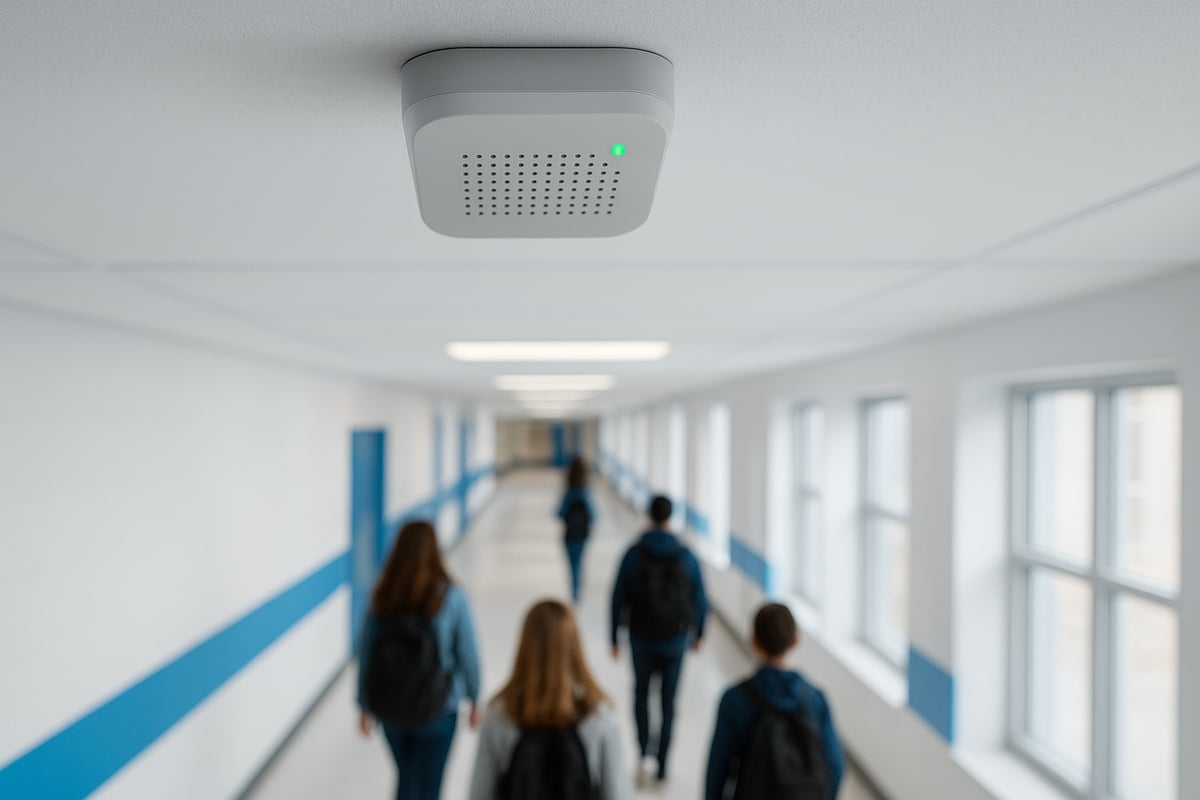
What is Vape Detection and How Does It Work?
Vape detection technology relies on advanced sensors and artificial intelligence to identify vaping activity quickly and accurately. These systems typically use a combination of particulate sensors and chemical sensors to detect aerosols and substances released by e-cigarettes. By analysing air samples in real time, they can distinguish vaping emissions from regular air particles or smoke, reducing the risk of false alerts.
The technology goes beyond traditional smoke detectors. While smoke sensors focus on combustion byproducts, vape detection systems are designed to identify the unique chemical signatures of substances like nicotine, THC, and synthetic cannabinoids. This distinction is vital for environments where vaping, but not smoking, is the primary concern.
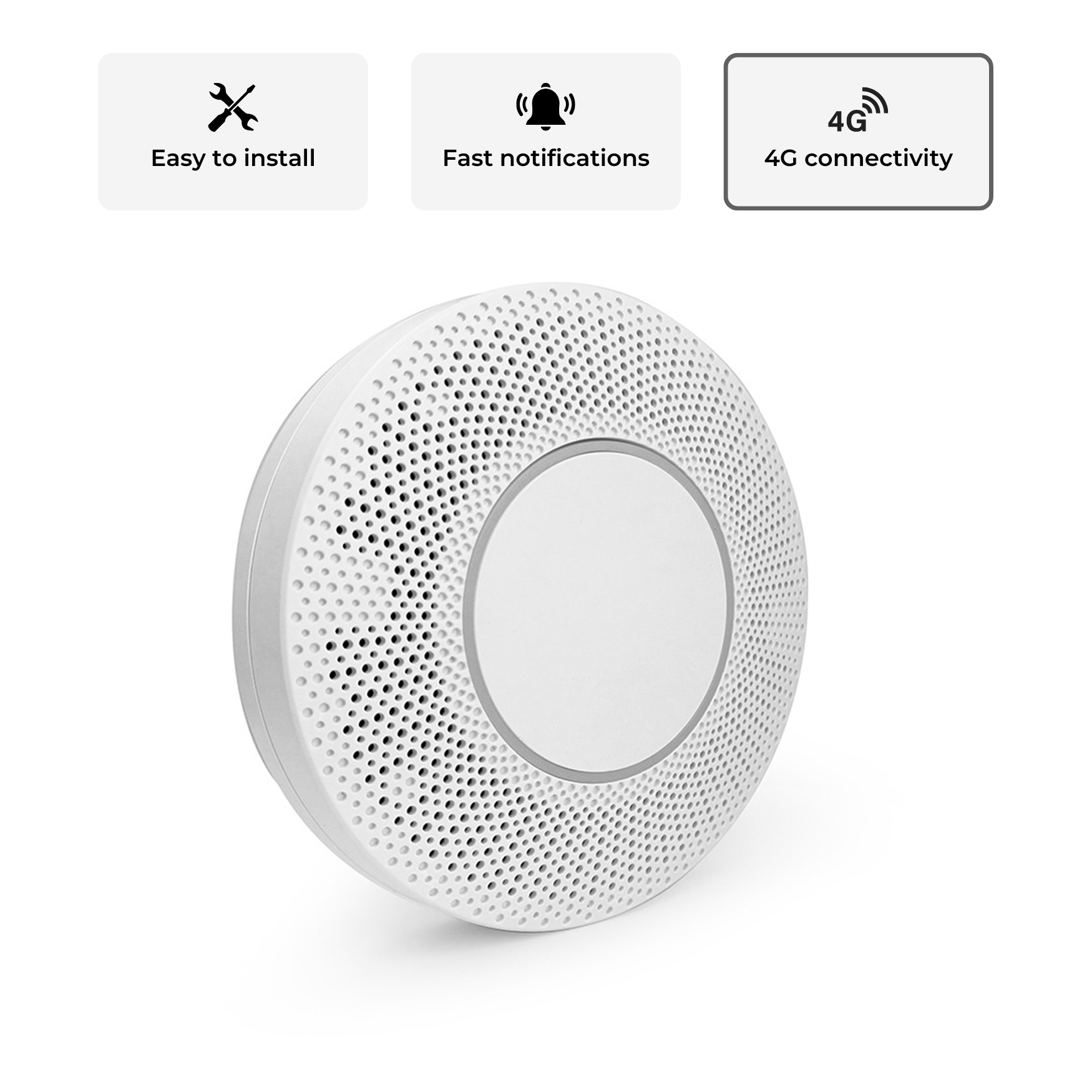
Modern vape detectors are equipped with AI-powered analytics that process sensor data and deliver instant alerts to designated staff. Integration with building management systems allows for automated responses, such as activating ventilation or notifying security. Mobile apps and cloud dashboards provide real-time monitoring and incident reporting, giving administrators actionable insights.
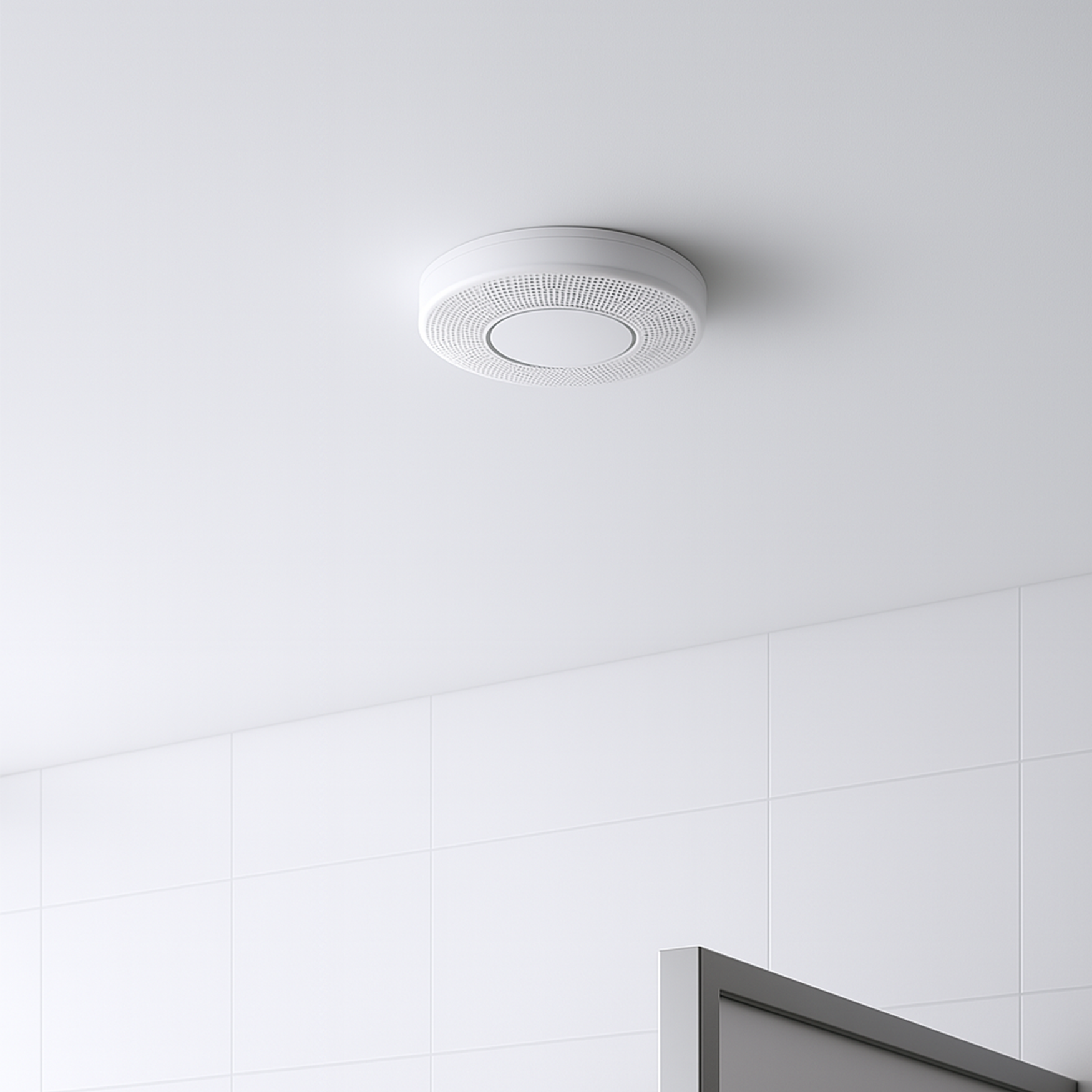
These systems are now used widely in schools, offices, leisure facilities, and healthcare settings. For example, in 2024, more than 60 percent of UK schools reported vaping incidents, leading to rapid adoption of vape detection solutions. A trustworthy vape detection supplier can tailor detection zones to high-risk areas like toilets, changing rooms, or staff rooms.
To learn more about how these systems function, see this in-depth guide: Vape detection technology explained.
Benefits and Challenges of Vape Detection Systems
The benefits of working with a reputable vape detection supplier are significant. Protecting the health and wellbeing of students, staff, and visitors is a top priority. Vape detectors support safeguarding policies by enabling early intervention and promoting a safer, compliant environment.
From a compliance perspective, organisations must adhere to regulations prohibiting vaping in certain spaces. Vape detection systems provide documented evidence of incidents, supporting due diligence and regulatory reporting. This is especially important for educational institutions and employers facing increasing scrutiny.
However, there are challenges to consider. False alerts can occur if sensors are not properly calibrated or maintained, leading to unnecessary disruptions. Privacy concerns must be addressed, particularly in sensitive locations. Maintenance requirements also add to the ongoing investment.
Despite these challenges, the cost-benefit analysis favours adoption. Schools deploying vape detection systems have seen up to a 95 percent reduction in vaping incidents, demonstrating measurable value. Selecting the right vape detection supplier ensures reliable performance, comprehensive support, and long-term savings by reducing the frequency and impact of incidents.
A well-chosen solution will also offer scalable integration, regular updates, and responsive customer service, making it a sound investment for any organisation focused on safety and compliance.
Key Market Trends and Regulatory Drivers for 2026
The landscape for choosing a vape detection supplier is shifting rapidly as new regulations and technology trends shape the market. Organisations are under mounting pressure to stay compliant while future proofing their environments against evolving vaping threats. Understanding these trends is essential for anyone seeking a reliable vape detection supplier in 2026.

Evolving Legislation and Compliance Requirements
Recent years have seen UK and EU regulators introduce stricter rules targeting vaping in schools, workplaces, and public venues. Educational institutions, in particular, must now demonstrate clear safeguarding measures, with vape detection supplier solutions playing a pivotal role in compliance.
For example, the Department for Education’s updated guidance requires schools to monitor and address vaping incidents. Employers, too, face new obligations to protect staff and visitors from second hand aerosols. Non compliance can result in significant penalties, including fines or loss of accreditation. A vape detection supplier helps organisations meet these duties by providing real time alerts and robust incident reporting.
Key regulatory drivers include:
- Mandatory safeguarding and health protection policies in schools
- Workplace health and safety regulations
- Data privacy requirements for monitoring systems
- Penalties for failing to act on detected vaping incidents
To understand the full implications of these changes, see this summary of Vape detection UK regulations. By selecting a vape detection supplier with proven compliance support, organisations reduce risks and demonstrate due diligence.
Market Growth and Technology Advancements
The demand for a trusted vape detection supplier is being fuelled by strong market growth and rapid technological innovation. The global vape detection market is forecast to reach £500 million by 2026, as more sectors seek proactive solutions to vaping risks.
Advancements in sensor technology and AI analytics are raising detection accuracy and reducing false alerts. Modern vape detection supplier systems now offer:
- Highly sensitive particulate and chemical sensors
- AI powered pattern recognition for new substances
- Mobile app integration for instant alerts and remote monitoring
- Cloud based dashboards for compliance reporting
Sectors beyond education are joining the trend. Retail, hospitality, and transport venues increasingly rely on a vape detection supplier to safeguard their spaces. Multi function devices that detect noise, drugs, and air quality are also gaining traction.
Integration with smart building systems and IoT platforms is a key differentiator. Forward thinking organisations select a vape detection supplier whose solutions scale with future needs, providing regular updates and compatibility with evolving infrastructure.
Essential Criteria for Choosing a Vape Detection Supplier
Selecting the right vape detection supplier is a strategic decision. The right choice ensures not only compliance and safety, but also long term value and peace of mind. In this section, we break down the essential criteria for evaluating suppliers, so you can make a confident, data driven selection that meets your needs in 2026.

Product Capabilities and Technical Features
A top priority when choosing a vape detection supplier is the performance and reliability of its technology. Suppliers should offer advanced sensors capable of accurately detecting a range of vaping aerosols, including nicotine, THC, and synthetic substances.
Key features to compare include sensor sensitivity, detection range, and the ability to reduce false alerts. Integration options, such as mobile app connectivity and cloud based dashboards, are vital for real time monitoring and reporting. Leading systems also support compliance documentation and analytics.
A direct comparison between suppliers is invaluable. For a detailed breakdown, see this Comparing vape detection suppliers guide. It highlights how top suppliers differ in detection accuracy, system integration, and alert mechanisms.
| Feature | Supplier A | Supplier B | Supplier C |
|---|---|---|---|
| Sensor Sensitivity | High | Medium | High |
| False Alert Reduction | Advanced | Basic | Advanced |
| Integration Options | Yes | Limited | Yes |
| Analytics/Reporting | Robust | Basic | Moderate |
Choosing a vape detection supplier with proven technical features ensures your investment delivers measurable results.
Support, Training, and Customer Service
Ongoing support is crucial for successful vape detection supplier partnerships. The best suppliers back their products with dedicated onboarding and user training programmes.
Look for providers offering:
- Step by step installation guidance
- Comprehensive user manuals and video tutorials
- Quick response maintenance and troubleshooting
A vape detection supplier that prioritises customer experience can transform deployment from a challenge to a smooth, supportive process. Some suppliers even provide complimentary consultations and product demos, ensuring your team is confident from day one.
Pricing Models and Value for Money
Understanding the pricing structure of each vape detection supplier is essential for budget planning. Common models include subscription based services, per unit pricing, or bespoke quotes depending on the scale of deployment.
When comparing options, consider:
- Installation and setup fees
- Ongoing maintenance and software updates
- Money back guarantees or free trial periods
A transparent vape detection supplier will outline all costs upfront. Look for added value offerings such as free trials or satisfaction guarantees, which can reduce risk and maximise your return on investment.
Reputation, Reviews, and Case Studies
A reputable vape detection supplier should have a proven track record. Review testimonials from clients in your sector, such as schools, offices, or leisure venues.
Case studies demonstrating measurable impact are invaluable. Look for data on incident reduction rates, compliance improvements, and user satisfaction. Leading suppliers often share statistics on customer satisfaction and the effectiveness of their systems.
Selecting a vape detection supplier with strong references and real world results gives you confidence in their ability to deliver.
Vape Guardian: Advanced Vape Detection Solutions
Vape Guardian stands out as a leading vape detection supplier, offering comprehensive detection and air quality monitoring for educational, office, and leisure environments. Their UK based team brings expertise and a deep understanding of compliance needs.
Key features include AI powered detection, real time alerts, and seamless installation. Regular free updates keep the system ahead of evolving risks. Vape Guardian customers have reported up to 95 percent reduction in vaping incidents within weeks.
Adopting Vape Guardian is risk free, with a free trial, a 100 day money back guarantee, and dedicated UK support. Trusted by hundreds of organisations across 14 plus countries, Vape Guardian is a vape detection supplier you can rely on for measurable, lasting results.
Leading Vape Detection Suppliers for 2026: Comparative Overview
Selecting the right vape detection supplier is a pivotal decision for any organisation seeking safety, compliance, and peace of mind. With the vape detection supplier market rapidly evolving, understanding how each provider stands out is essential for making a confident investment.
This section presents a comparative overview of leading suppliers, showcases real-world outcomes, and offers a practical checklist to guide your procurement journey.

Top Suppliers and Their Unique Offerings
The vape detection supplier landscape in 2026 features a mix of established names and innovative entrants. Each vape detection supplier brings distinct strengths to the table, from sensor accuracy to integration options and customer support.
Below is a comparative table outlining the core differences between leading suppliers:
| Supplier | Detection Capabilities | Integration Options | Support & Training | Key Features | Sector Focus |
|---|---|---|---|---|---|
| Vape Guardian | AI-powered, multi-substance, real-time alerts | Mobile, cloud, BMS | UK-based, 24/7, free demos | 95% incident reduction, 100-day guarantee | Education, offices, leisure |
| Halo Smart Sensor | Vape, smoke, noise, air quality | IoT, cloud, APIs | Global, training resources | Multi-sensor, analytics suite | Multi-sector |
| Verkada | Vape, smoke, camera integration | Cloud, mobile, security | Dedicated onboarding | Video-linked detection, cloud reporting | Commercial, education |
| Triton Sensors | Vape, THC, air quality | Web dashboard, alerts | Maintenance, onboarding | Advanced analytics, easy install | Schools, offices |
Every vape detection supplier in this table offers robust detection solutions, but the choice depends on your environment and needs. For those in education, Best vape detection for schools provides an in-depth review of supplier performance in real-world school settings, helping you compare beyond technical specs.
Key differentiators to consider include the ability to detect multiple substances, seamless integration with existing systems, and the availability of ongoing support. Some suppliers specialise in education, while others cater to commercial or healthcare environments.
Case Studies and Real-World Results
Evaluating a vape detection supplier goes beyond features; proven results matter. Schools, offices, and leisure venues have reported significant improvements after deploying leading systems.
For example, one secondary school experienced a 95 percent reduction in vaping incidents within two months of installing a new vape detection supplier’s solution. This outcome was echoed in various educational case studies, where compliance rates improved and staff confidence increased.
Customer feedback often highlights the importance of real-time alerts and actionable reports. Facility managers appreciate when a vape detection supplier provides intuitive dashboards and integrates with mobile devices, streamlining incident response.
- Incident reduction rates: up to 95 percent in high-risk environments
- Compliance improvements: faster issue resolution and decreased repeat offences
- User satisfaction: positive reviews for ease of installation, accuracy, and support
A vape detection supplier that demonstrates measurable impact through transparent reporting and testimonials can give you confidence in your investment. Review case studies and request data from suppliers to validate their claims.
Supplier Selection Checklist
Choosing a vape detection supplier requires a structured approach. Use this checklist to evaluate and shortlist the best candidates:
- Assess detection capabilities: What substances and behaviours can the system identify?
- Review integration: Does the vape detection supplier support your existing security or building management systems?
- Evaluate support and training: Are onboarding and troubleshooting resources readily available?
- Compare pricing models: Subscription, per-unit, or custom quotes—what fits your budget?
- Seek proven results: Ask for case studies, testimonials, and incident reduction data
- Plan a site assessment: Invite the vape detection supplier to survey your site and recommend optimal sensor placement
- Request pilot programmes: Trial the solution before full deployment
The right vape detection supplier will help you future proof your investment, meet regulatory requirements, and maintain a safer environment. Taking these steps ensures you select a partner committed to your long-term success.
Implementation Roadmap: Steps to Successful Vape Detection Deployment
Deploying a vape detection system requires a structured approach to ensure maximum effectiveness and compliance. By following a clear implementation roadmap, organisations can streamline deployment, maximise return on investment, and maintain a safe environment. This section outlines each step to help you collaborate efficiently with your chosen vape detection supplier.
Step 1: Needs Assessment and Site Survey
Begin by identifying high risk zones where vaping incidents are most likely. Common areas include toilets, stairwells, corridors, and secluded corners. Work with key stakeholders such as administrators, facilities managers, IT, and security teams to map out detection priorities.
- List all locations where vaping has been reported.
- Assess accessibility and power availability for sensor installation.
- Consider unique challenges for multi storey buildings or mixed use spaces.
A thorough site survey allows your vape detection supplier to recommend the right sensor types and quantities for optimal coverage. Early collaboration sets the stage for a tailored solution.
Step 2: Supplier Engagement and Product Trials
Engage with your shortlisted vape detection supplier to request live demos, product samples, and custom quotes. Trials are critical for evaluating real world performance and user experience.
- Compare technical specifications and detection ranges.
- Involve end users such as teachers or building managers in the trial process.
- Gather feedback on alert reliability and ease of use.
Product trials help you validate claims and ensure that the vape detection supplier meets your operational needs. This step also clarifies service levels and support responsiveness.
Step 3: Installation and Integration
Plan the installation process with your vape detection supplier, focusing on sensor placement, network connectivity, and integration with existing systems. Proper calibration is essential for accurate detection of vaping aerosols and chemicals.
Utilise scientific insights, such as those found in E-cigarette aerosols analyzed with holographic microscopy, to inform sensor positioning and calibration strategies. Integrate detection systems with security, alert, and building management platforms.
- Ensure minimal disruption to daily operations.
- Address data privacy and compliance requirements during setup.
A meticulous installation process ensures your system delivers precise real time alerts from day one.
Step 4: Training, Awareness, and Policy Updates
Once the system is installed, comprehensive training is vital. Your vape detection supplier should provide onboarding materials, workshops, and troubleshooting guides for all relevant staff.
- Train staff on system operation and incident response protocols.
- Update organisational policies to include vape detection measures.
- Create awareness campaigns for students, employees, or visitors.
Clear communication and ongoing education foster a culture of compliance and safety, maximising the value of your investment.
Step 5: Monitoring, Reporting, and Continuous Improvement
After deployment, set up real time monitoring and automated alert systems. Regularly review incident data, generate compliance reports, and adjust system settings as needed.
- Hold periodic meetings with your vape detection supplier to review performance.
- Use analytics to identify trends and refine intervention strategies.
- Schedule regular maintenance and software updates.
Continuous improvement ensures that your vape detection supplier partnership remains effective as new vaping behaviours and devices emerge.
Future-Proofing Your Vape Detection Investment
Staying ahead of evolving risks and technology is essential for any organisation planning a long-term partnership with a vape detection supplier. As vaping devices and substances become more sophisticated, schools and businesses must ensure their detection systems remain effective and compliant.
Anticipating Emerging Threats and Technology Shifts
The landscape of vaping is constantly changing. New devices, unknown chemicals, and clever evasion tactics challenge even the most robust systems. Choosing a vape detection supplier with strong research and development ensures your investment adapts to these shifts.
AI-powered analytics and computer vision are reshaping detection, enabling faster and more accurate identification of vaping incidents. For example, recent advancements in computer vision have enabled the detection of e-cigarette-related content online, as seen in Computer vision detects e-cigarette content. Over-the-air updates, modular hardware, and scalable platforms are now essential features. By staying updated, your organisation remains protected as threats evolve.
Building a Sustainable, Compliant Environment
Beyond technology, a future-proof vape detection supplier helps you align with wider health, safety, and compliance goals. Integrating detection data with broader wellbeing initiatives supports a culture of prevention and transparency.
Suppliers offering real-time analytics, automated reporting, and policy integration make compliance easier. By leveraging incident data, you can refine protocols and demonstrate due diligence. The vape detection sensors market is projected to grow significantly, highlighting the increasing need for sustainable solutions, as shown in the Vape detection sensors market report 2033.
Key Takeaways for 2026 and Beyond
A successful vape detection supplier partnership is built on adaptability, transparency, and measurable results. Prioritise suppliers who offer ongoing updates, responsive support, and a proven record of incident reduction.
Key factors for future-proofing include:
- Scalable systems that grow with your needs
- AI and machine learning for adaptive detection
- Strong supplier collaboration for innovation
By focusing on these areas, you ensure your investment delivers long-term safety, compliance, and peace of mind.
As you’ve seen, choosing the right vape detection supplier is essential for safeguarding your environment, ensuring compliance, and staying ahead of evolving risks. With advanced solutions like real-time alerts and multi-substance detection, you can create a safer, healthier space for everyone. If you’re ready to take the next step or have questions about selecting and implementing the best system for your needs, let’s connect. You don’t have to navigate this process alone—expert support is just a conversation away.
Talk to our team and protect your building today




Share:
Guide to Vape Detector with Instant Alerts for 2026
Vape Detector With Air Sensor: The 2026 Expert Guide