
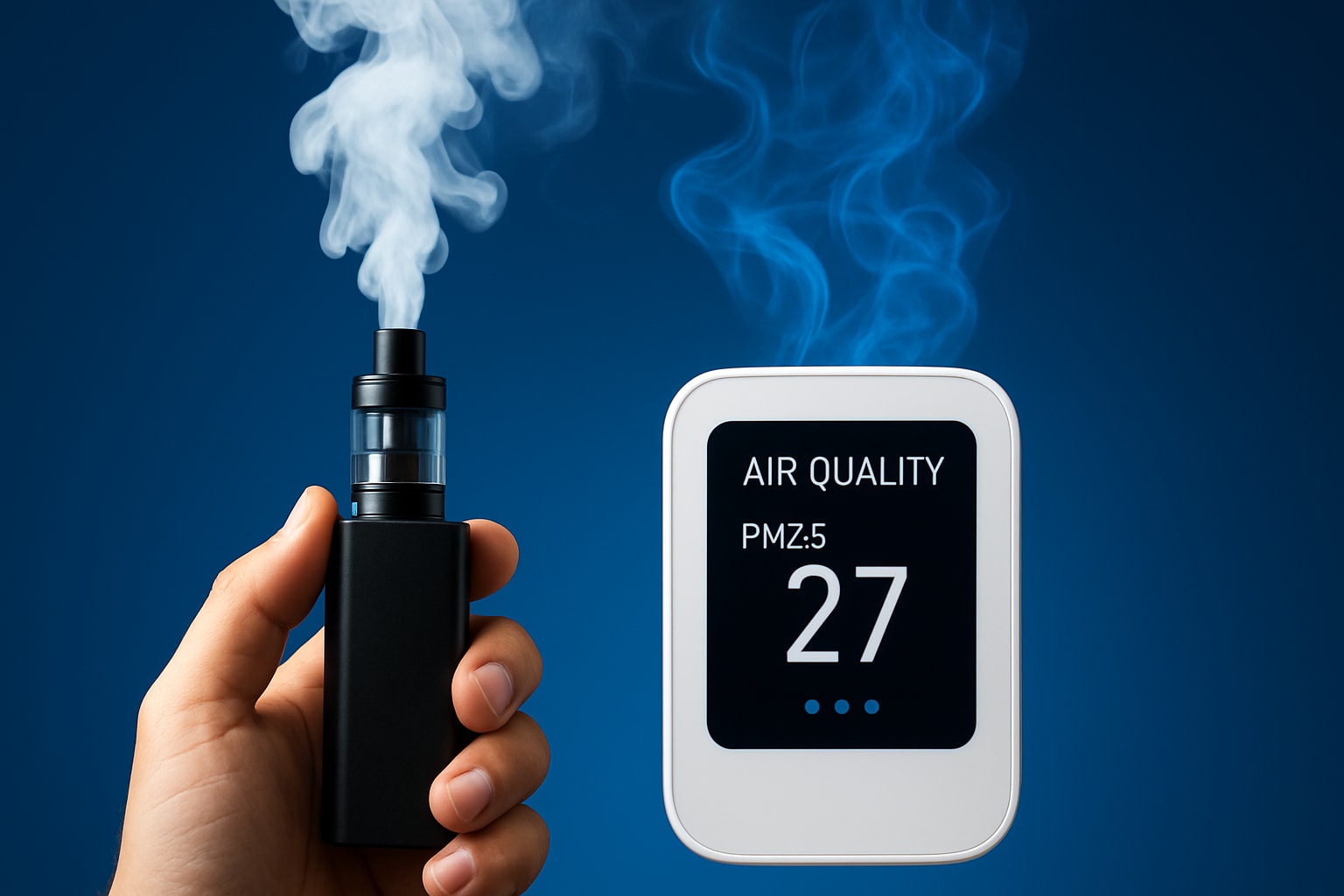
Indoor air quality is becoming a top priority, especially as vaping rates surge in schools, offices, and leisure spaces. Facility managers and compliance officers face mounting challenges keeping environments both healthy and vape-free.
This guide reveals how vape and air monitoring combined is transforming safety and compliance in 2026. For those striving to protect staff, students, and visitors, these integrated solutions offer real-time detection, actionable insights, and peace of mind.
You will discover the latest technology, practical steps for implementation, and real-world results. Ready to create a safer environment? Explore how vape and air monitoring combined can make a measurable difference.
The Evolution of Vape and Air Monitoring Technologies
The journey to today’s vape and air monitoring combined solutions began with simple air quality checks in public buildings. Early systems focused on detecting smoke or carbon monoxide, offering limited insight into the full spectrum of airborne threats. As vaping gained popularity, particularly in schools and workplaces, the limitations of these basic alarms became clear. Facilities needed a way to combat vaping’s subtle presence, driving innovation toward integrated monitoring.
Growing concern about youth vaping, stricter legal frameworks, and a universal demand for healthier indoor spaces all fuelled rapid progress. According to recent market research, the global air quality monitoring system market is set to reach nearly £7.1 billion by 2033, reflecting a sharp rise in adoption across education and commercial sectors. This surge highlights how vape and air monitoring combined technologies are now seen as essential for compliance and safeguarding.
Technological milestones mark this evolution. In the past, most buildings relied on standalone detectors for smoke or CO2. The introduction of digital sensors, and later AI-powered detection, transformed capabilities. Modern systems now use a combination of particulate, gas, and chemical sensors within a single platform. These multi-sensor units can simultaneously monitor general air quality and detect the unique signatures of vape aerosols. To learn more about recent advances, see Next-Generation Vape Detection.
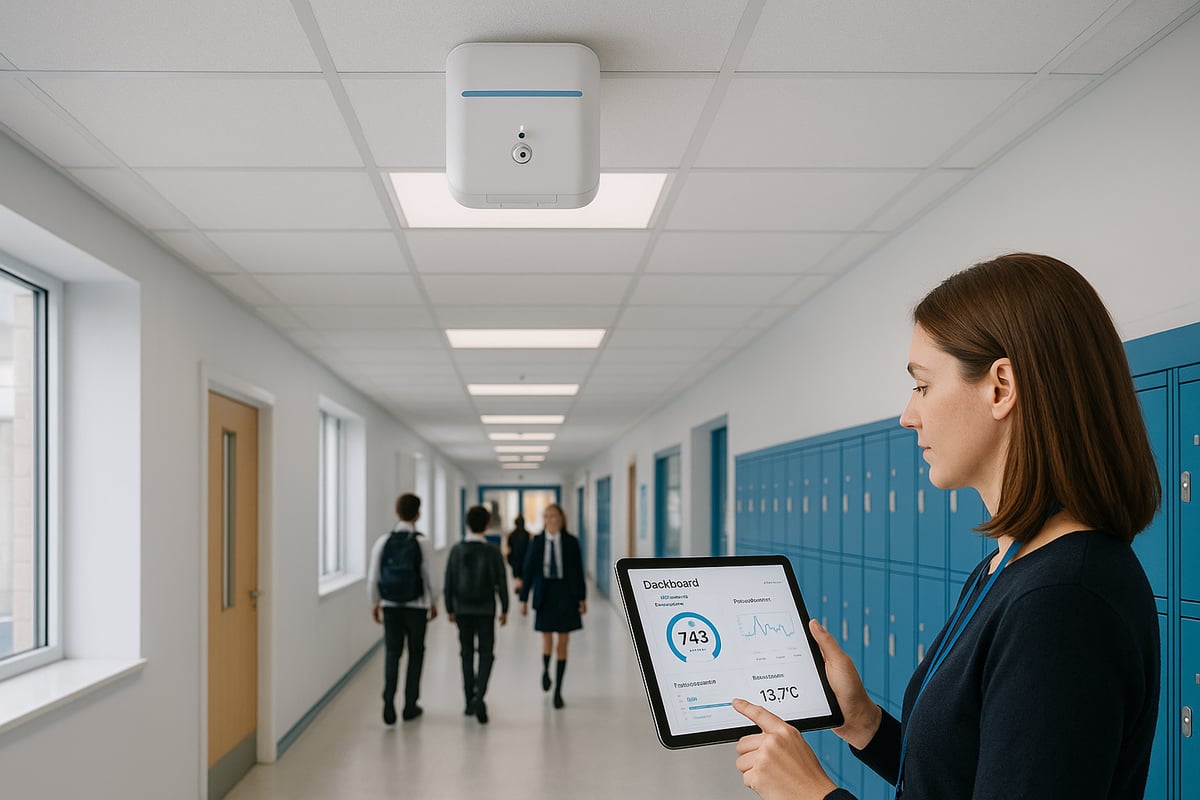
The integration of data analytics and cloud connectivity has further revolutionised vape and air monitoring combined systems. Real-time dashboards now allow facility managers to track trends, receive instant alerts, and coordinate responses from any location. For example, a secondary school can map vaping hotspots and adapt supervision strategies, while a commercial office can automate ventilation adjustments based on live readings. This level of insight was unimaginable with legacy systems.
Early solutions often struggled with false alarms and limited detection scope. Vape and air monitoring combined systems address these issues by leveraging machine learning to distinguish between harmless vapours, cigarette smoke, and genuine vaping incidents. The shift from basic CO2 monitors to comprehensive platforms has empowered organisations to create healthier environments, reduce health complaints, and ensure regulatory compliance. As the technology matures, the focus remains on delivering accurate, actionable data that supports long-term wellbeing.
How Vape and Air Monitoring Combined Systems Work
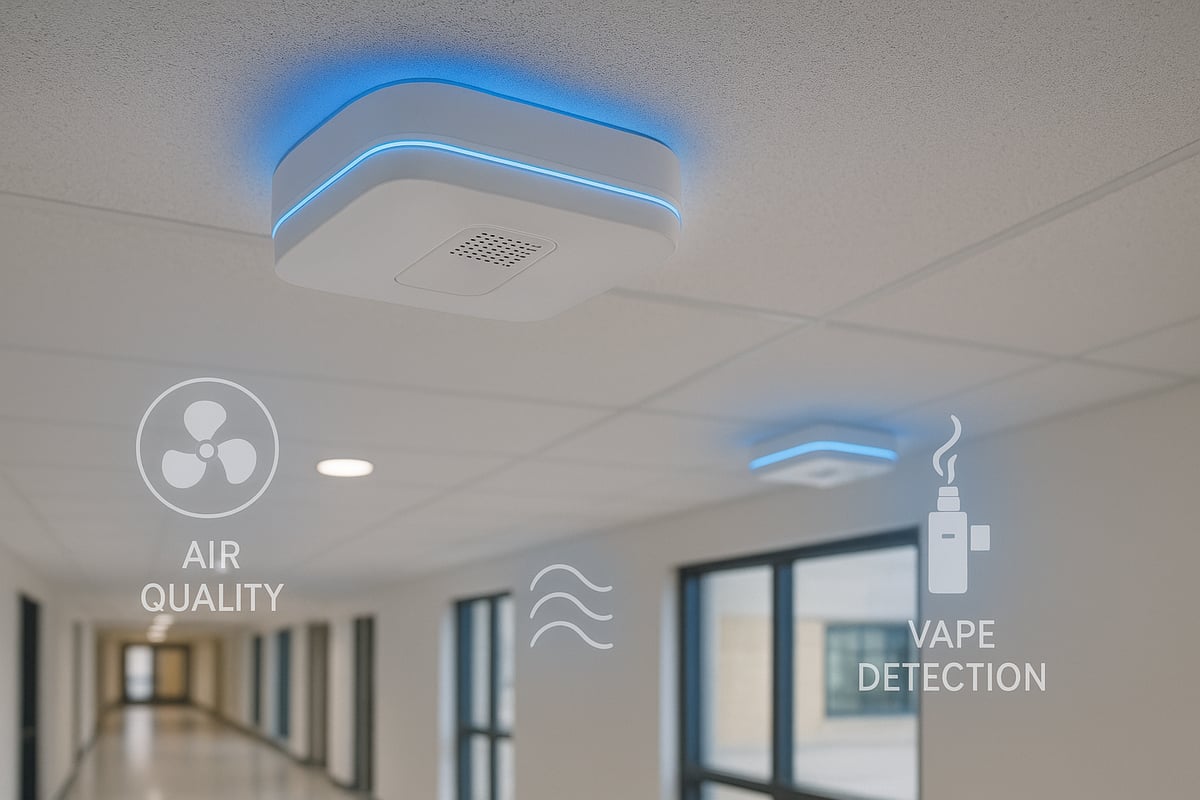
Understanding how vape and air monitoring combined systems operate is crucial for any facility aiming to create a safe, compliant, and healthy environment. These integrated solutions use advanced technologies to detect, analyse, and respond to vaping and air quality threats in real time. Let us break down the key mechanisms that make these systems effective.
Core Detection Mechanisms
At the heart of every vape and air monitoring combined system are sophisticated sensor arrays. These typically include particulate sensors, gas sensors, chemical sensors, and even noise sensors. Each type plays a unique role in identifying airborne threats.
Particulate sensors detect tiny particles released from vape aerosols or traditional tobacco smoke. Gas and chemical sensors identify specific compounds, such as nicotine, THC, or synthetic cannabinoids. Noise sensors can help correlate events, such as detecting the sound of a vape device being activated.
What sets vape and air monitoring combined systems apart is their ability to distinguish between vape aerosols, cigarette smoke, and other pollutants. Advanced algorithms analyse sensor input to pinpoint the unique signature of vaping. AI and machine learning further enhance accuracy, significantly reducing false positives.
These systems provide real-time data collection and instant alerts, enabling staff to respond immediately. For example, modern detectors can flag both nicotine vapour and THC use, helping facilities tackle a wide range of compliance issues. This comprehensive detection capability is a major advantage of vape and air monitoring combined solutions.
Data Analytics and Reporting
A powerful feature of vape and air monitoring combined platforms is their robust data analytics and reporting capability. These systems continuously collect data on air quality and vaping incidents, creating a rich dataset for analysis.
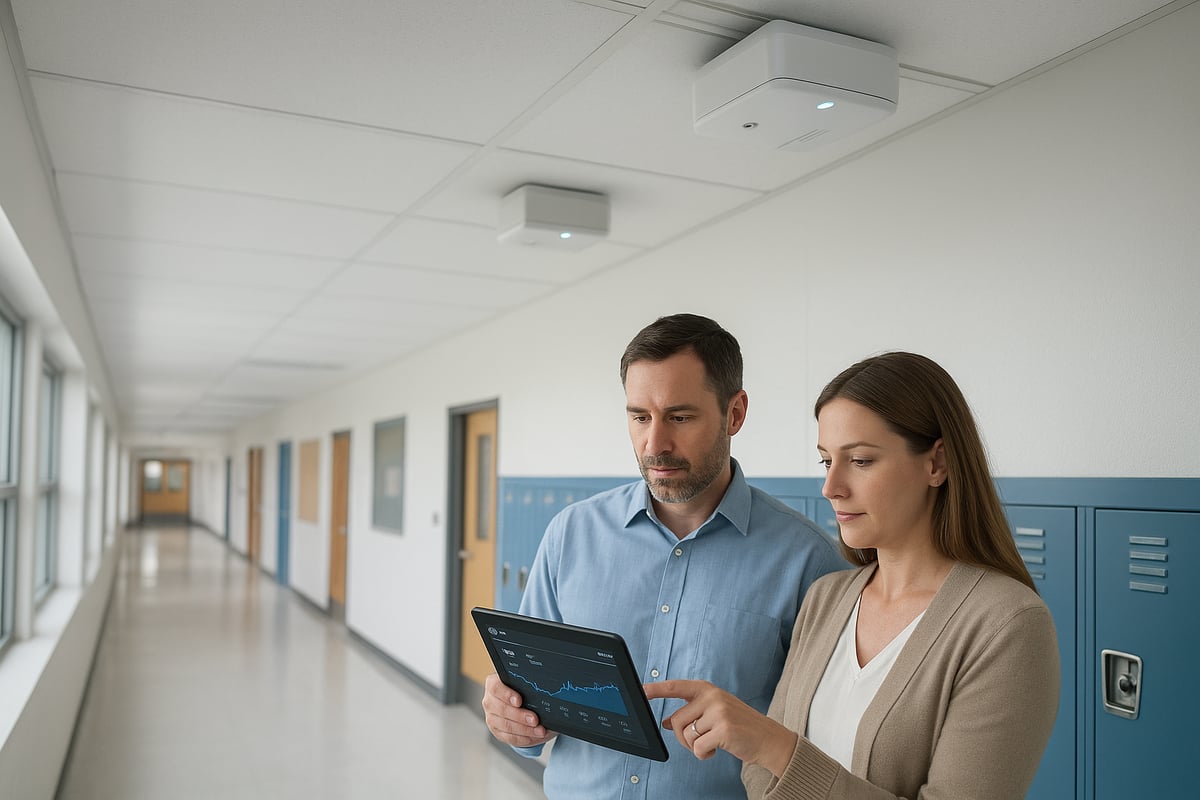
Customisable reporting tools allow facility managers to track trends, assess compliance, and identify high risk periods or locations. Integration with building management and security systems provides a holistic view of environmental health. Cloud based dashboards enable remote monitoring and instant access to reports from any location.
Incident data can be visualised to highlight vaping hotspots, supporting targeted interventions. For example, a secondary school might use analytics to focus resources on specific corridors or restrooms where vaping is most frequent. This data driven approach improves policy enforcement and supports long term health goals.
For those interested in a deeper technical dive, Air Quality Analytics for Facilities offers insights into how analytics drive actionable outcomes in vape and air monitoring combined environments.
Integration with Facility Operations
Implementing vape and air monitoring combined solutions is straightforward in both new and existing buildings. These systems are designed for seamless installation, often requiring minimal disruption to daily operations.
Compatibility with ventilation and HVAC systems ensures that air quality is managed intelligently. Automated responses, such as alarms, notifications, or even access control, can be configured to fit organisational policies. This integration allows for immediate action when an incident is detected.
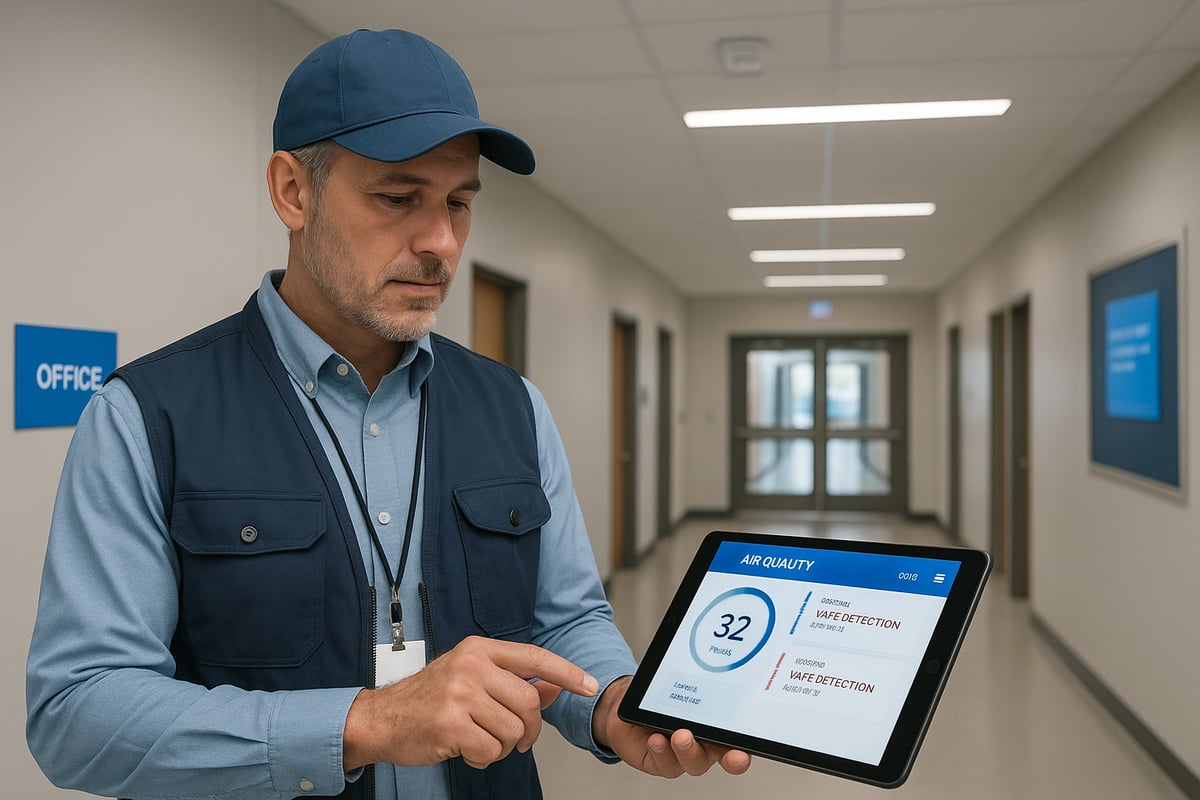
Staff can interact with the system via mobile apps or desktop interfaces, making it easy to monitor conditions and respond quickly. For example, in a large office, an automated escalation process can notify security and trigger ventilation adjustments if vaping is detected. This level of integration supports a proactive approach to maintaining a healthy environment.
By connecting monitoring systems with facility operations, organisations benefit from improved compliance, reduced manual intervention, and a stronger culture of health and safety.
Implementing a Vape and Air Monitoring Solution: Step-by-Step Guide
Creating a healthier, vape-free environment requires more than just policy. Facility managers and compliance officers need a clear, actionable approach. This step-by-step guide shows how to implement a vape and air monitoring combined solution for maximum impact. Each stage supports your journey from assessment to ongoing optimisation.
Step 1: Assessing Your Needs
Begin by identifying the specific challenges within your facility. Are certain areas more prone to vaping incidents or poor air quality? Map out high-risk zones, such as toilets, corridors, or staff rooms, where a vape and air monitoring combined solution is most needed.
Evaluate current issues by reviewing incident logs and air quality reports. Engage with key stakeholders, including management, safeguarding leads, and maintenance teams, to fully understand the scope of the problem.
Involve staff and end users in open discussions to uncover hidden concerns. This initial assessment ensures that your vape and air monitoring combined system targets the right locations and addresses the unique needs of your environment.
Step 2: Selecting the Right Technology
When choosing a vape and air monitoring combined system, compare the available sensor technologies. Look for solutions offering particulate, chemical, and noise detection to identify a range of vape aerosols and other pollutants.
Prioritise systems that use artificial intelligence for enhanced accuracy and reduced false alerts. Multi-substance detection is essential, as vaping devices can emit a variety of compounds. Consider the integration of customisable reporting tools for compliance and incident management.
Review the system’s compatibility with your building infrastructure. Assess whether the vape and air monitoring combined technology supports cloud-based dashboards and real-time notifications. A comprehensive evaluation at this stage sets the foundation for successful implementation.
Step 3: Planning Installation and Integration
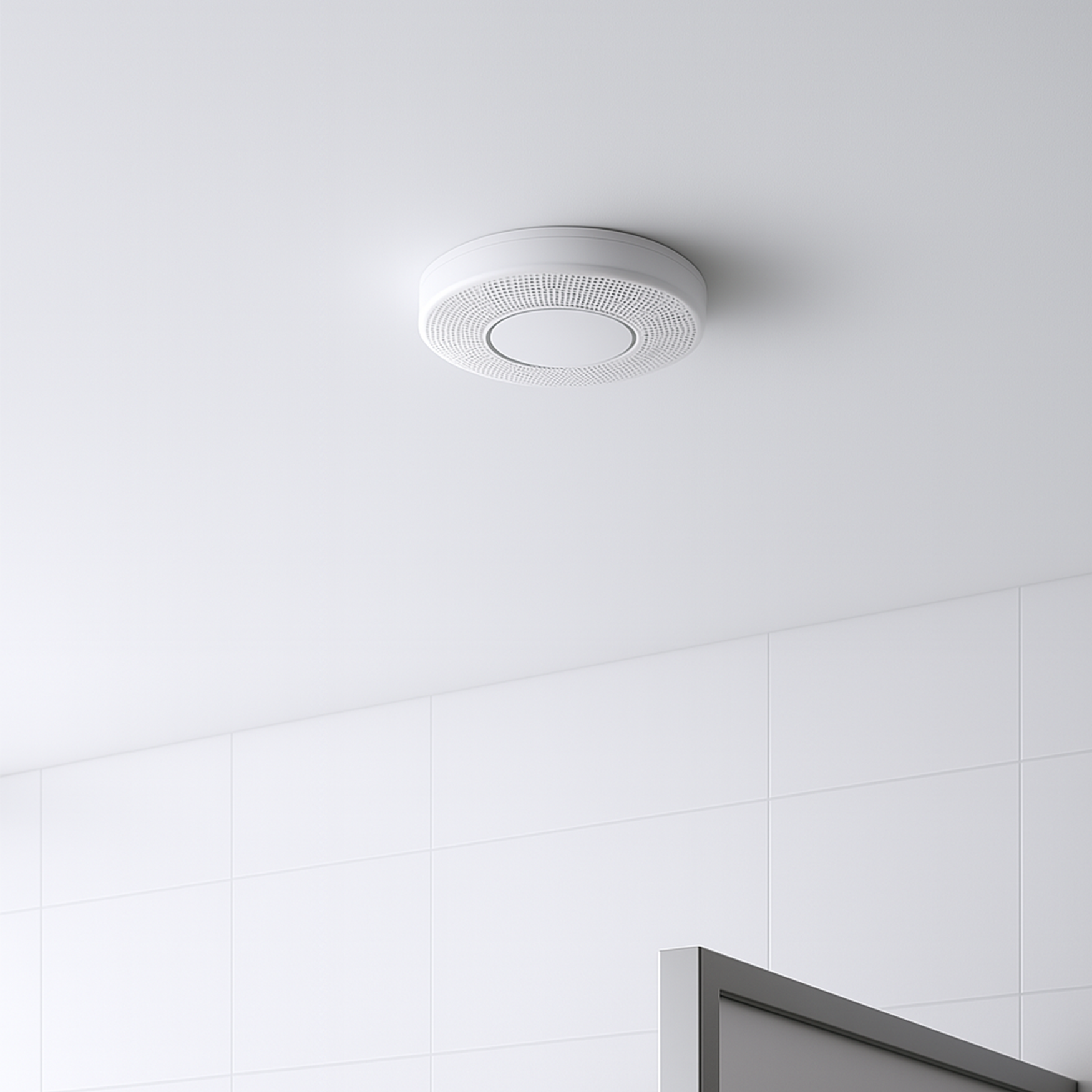
Effective installation is critical for any vape and air monitoring combined system. Start with a detailed site survey to determine optimal sensor placement. Position sensors discreetly in high-risk and communal areas, ensuring coverage without disrupting daily activities.
Next, plan how the system will integrate with your existing IT, security, and building management infrastructure. Confirm that data privacy and system security protocols are met. For a practical, step-by-step installation reference, consult the Vape Detection Installation Guide which outlines best practices for deploying vape and air monitoring combined solutions.
A well-coordinated installation minimises downtime and maximises the effectiveness of your monitoring strategy.
Step 4: Staff Training and Awareness
Staff engagement is essential for the success of any vape and air monitoring combined initiative. Begin by providing comprehensive training on system operation, alert management, and response protocols.
Encourage open communication among staff, so everyone understands their role in maintaining a healthy indoor environment. Promote awareness through regular updates, posters, or digital signage, reinforcing the importance of compliance and wellbeing.
Foster a culture where staff and users feel empowered to report incidents or suggest improvements. Ongoing education ensures that your vape and air monitoring combined system remains effective and respected throughout the organisation.
Step 5: Ongoing Monitoring and Optimisation
Continuous improvement is the key to long-term success with a vape and air monitoring combined solution. Schedule routine system checks and firmware updates to maintain optimal performance.
Regularly analyse incident and air quality data to identify trends, hotspots, and areas needing intervention. Use insights from reports to adapt policies, adjust sensor placement, or introduce new awareness campaigns.
Solicit feedback from staff and users to refine your approach. By treating vape and air monitoring combined as an evolving process, you ensure your facility stays compliant, safe, and ahead of emerging challenges.
Real-World Impact: Case Studies and Outcomes
Facility managers and compliance officers increasingly turn to vape and air monitoring combined systems to address health and safety concerns. These solutions are now proving their value in diverse environments, producing measurable outcomes that go far beyond policy enforcement. The following case studies and data points illustrate how integrated technology is transforming real-world settings.
Case Study: UK Secondary School Success
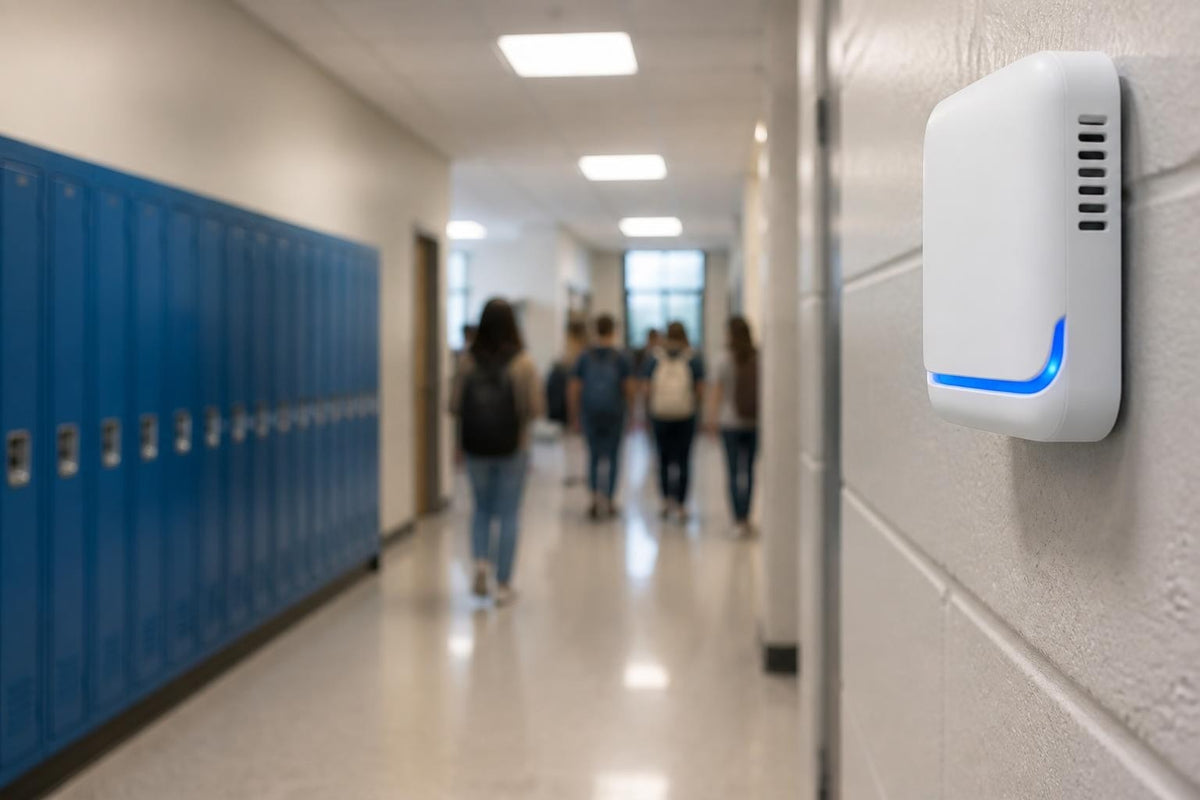
In early 2026, a secondary school in the North West of England implemented a vape and air monitoring combined system after repeated reports of student vaping. The school identified key risk areas including toilets, corridors, and social spaces.
Within five weeks, vaping incidents dropped by 95 percent. The system’s instant alerts enabled staff to respond immediately, while analytics revealed peak times and locations for incidents. This actionable data allowed for targeted supervision and tailored student awareness campaigns.
Staff noted a significant improvement in air quality, with fewer complaints about odours and respiratory discomfort. The school’s safeguarding lead credited the vape and air monitoring combined approach with supporting a culture of accountability and health.
Office Complex: Healthier Workplaces
An office development in Greater London faced ongoing issues with declining indoor air quality and unauthorised vaping in shared spaces. Management installed a vape and air monitoring combined solution throughout communal areas and meeting rooms.
Over the next quarter, absenteeism linked to respiratory complaints decreased by 40 percent. Employee feedback highlighted improved comfort and confidence in workplace safety. The system’s integration with building management allowed for automatic ventilation adjustments, maintaining optimal air standards at all times.
The facilities team reported that the vape and air monitoring combined dashboard helped them identify and address air quality issues proactively, rather than reacting to complaints. This shift led to higher compliance rates with company health policies.
Leisure Centre: Enforcing No Vaping
A busy leisure centre introduced vape and air monitoring combined technology to support its strict no vaping policy. The system provided real time alerts to staff when vape aerosols were detected in changing rooms and workout areas.
Management found enforcement became much simpler and less confrontational. Rather than relying on eyewitness accounts, staff could present objective data when addressing policy breaches. Over six months, the centre saw a 75 percent drop in vaping incidents, with a related decline in customer health complaints.
The centre’s operations manager observed that combining vape and air monitoring had a positive impact on staff morale and client trust. The solution contributed to a safer, more welcoming environment for all visitors.
Data and Stakeholder Perspectives
Quantitative data supports the effectiveness of vape and air monitoring combined systems. Facilities report up to a 90 percent reduction in vaping-related incidents and a marked improvement in indoor air quality metrics. Schools, offices, and leisure centres alike note increased compliance with no vaping policies and fewer health-related issues among occupants.
Facility managers and safeguarding officers emphasise the importance of transparent reporting and actionable insights. According to recent Vape and Air Quality Reports, integrated monitoring enables organisations to track trends, demonstrate compliance, and build trust with stakeholders.
Lessons Learned and Long-Term Outcomes
Some organisations learned that success depends on more than simply installing technology. Early implementations that lacked staff training or clear response protocols saw limited impact. Those that combined vape and air monitoring with education and policy reinforcement achieved the strongest results.
In the long term, vape and air monitoring combined systems deliver benefits that extend beyond compliance. Facilities enjoy improved reputations for safety and wellbeing, higher satisfaction among users, and reduced regulatory risk. As more organisations adopt these solutions, the standard for healthy, vape free indoor spaces continues to rise.
Selecting the Best Vape and Air Monitoring Solution for Your Organisation
Choosing the right vape and air monitoring combined solution is essential for any organisation aiming to maintain a safe, compliant, and healthy environment. The market has expanded rapidly, offering a range of systems with different capabilities. Making an informed decision involves looking beyond marketing claims and focusing on key criteria that will truly benefit your facility.
Key Criteria for Selection
When evaluating vape and air monitoring combined systems, focus on these essential factors:
| Criteria | What to Look For |
|---|---|
| Accuracy | Multi-sensor detection for vape aerosols, smoke, and air pollutants |
| Reliability | Proven uptime, robust hardware, and consistent results |
| Ease of Use | Intuitive dashboards, mobile access, and straightforward installation |
| Support | Responsive UK-based support and clear onboarding |
| Reporting | Customisable reports for compliance and actionable insights |
A solution that excels in these areas will be better equipped to maintain safety and support regulatory compliance.
Comparing Leading Providers and Platforms
The vape and air monitoring combined market includes established providers and innovative new entrants. Some, like Eagle Eye Networks' Vape Detection Technology, have received recognition for integrating advanced vape detection with air quality analysis, especially in educational settings. Compare detection capabilities, AI-driven analytics, and flexibility in integration with your existing systems.
Ensure the provider offers transparency about detection algorithms and ongoing improvements. Compatibility with your building management systems can also streamline responses and reporting.
Support, Updates, and Ongoing Value
Ongoing support is vital for any vape and air monitoring combined solution. Look for vendors who provide regular system updates, clear service level agreements, and accessible technical help. Regular firmware and software enhancements keep your technology effective as vaping trends and regulatory requirements evolve.
Analysing industry trends, such as those highlighted in the Air Quality Monitoring System Market Growth, can help you assess the long-term value and expected ROI of your investment.
Evaluating Trials and ROI
Many providers offer free trials or pilot programmes. Take advantage of these to test the vape and air monitoring combined system in real-world conditions. Use the trial to assess detection accuracy, ease of use, and the quality of support. Evaluate whether the system provides actionable insights that help you respond quickly to incidents.
Calculate potential ROI by considering reductions in health complaints, compliance breaches, and administrative time spent on manual monitoring.
Practical Example: Free Trial in Action
A large academy trust recently piloted a vape and air monitoring combined system. During the free trial, staff found the dashboard easy to navigate and the alerts accurate. The trial period allowed decision-makers to gather feedback from users, identify vaping hotspots, and review reporting features before committing to a full rollout.
Key Questions to Ask Vendors
Before finalising your choice, ask providers:
- How does your system differentiate between vape aerosols and other pollutants?
- What are the ongoing costs for support and updates?
- Can the system integrate with our current security and building management platforms?
- How do you ensure data privacy and compliance with UK regulations?
- What reporting features are included, and can they be customised?
Selecting the best vape and air monitoring combined solution requires careful consideration, practical testing, and open dialogue with vendors. By focusing on these criteria, you can create a safer, healthier indoor environment for everyone.
The Future of Combined Vape and Air Monitoring
The future of vape and air monitoring combined is set to transform how we approach indoor health and compliance. As technology evolves rapidly, organisations are seeking smarter ways to maintain clean, safe environments. The next wave of innovation will focus on integrating advanced detection with broader building management for a seamless, proactive approach.
Artificial intelligence is at the heart of these changes. Modern systems leverage powerful machine learning to distinguish between vaping aerosols and other airborne substances. This not only reduces false alarms but also improves the reliability of alerts. New research, such as Veli: Unsupervised Air Quality Sensor Correction, is pushing the boundaries even further by enhancing the accuracy of low-cost sensors. With predictive analytics, facilities can anticipate issues and intervene before they escalate, supporting a healthier and more compliant environment.
Regulatory expectations are also rising. In 2026, we expect more stringent requirements for monitoring air quality and detecting vaping, especially in schools and public buildings. Integration with smart building systems will streamline compliance, automate reporting, and simplify responses. This will be especially relevant for safeguarding officers and facility managers who need real-time insights and actionable data.
The scope of vape and air monitoring combined will continue to expand. Sectors such as healthcare, hospitality, and public transport are already exploring these solutions to protect staff and visitors. Evidence from studies like the Assessment of Indoor Air Quality at a Vaping Convention highlights the pressing need for integrated monitoring in diverse environments. As mental health and wellbeing become central to organisational priorities, environmental monitoring will play a key role in safeguarding vulnerable groups.
Looking ahead, combined systems will support not just compliance but also sustainability and wellness goals. With ongoing investment and adoption, vape and air monitoring combined will become an essential standard for healthy, future-ready spaces.
As we’ve explored, combining vape detection with air quality monitoring is a powerful way to create safer, healthier shared spaces—whether you’re managing a school, office, or leisure facility. By understanding the technology, its real-world impact, and how to implement it effectively, you’re one step closer to proactive protection and compliance. If you’re ready to take the next step and want expert guidance tailored to your environment, don’t wait to act. Talk to our team and protect your building today and discover how you can make a measurable difference for everyone who walks through your doors.



Share:
Vape Detector With Air Sensor: The 2026 Expert Guide
Smart Vape Sensor Network Guide: Your 2026 Innovation Companion