
Vaping has quickly become a widespread concern, leading to growing demands for advanced detection and enhanced safety across public and private spaces. In response, the smart vape sensor network is emerging as a transformative solution for 2026, revolutionising the way environments are monitored and managed.
These networks offer real-time detection, actionable data insights, and vital compliance support for schools, offices, and leisure venues. This guide will equip you with a comprehensive understanding of smart vape sensor networks, exploring their technology, setup, integration strategies, future trends, and real-world applications.
Understanding Smart Vape Sensor Networks: Technology and Components
The smart vape sensor network is rapidly transforming how organisations detect and respond to vaping activities. These networks represent a major step forward from basic standalone detectors, evolving into interconnected systems that deliver real-time data, advanced analytics, and comprehensive coverage across various environments.
What Is a Smart Vape Sensor Network?
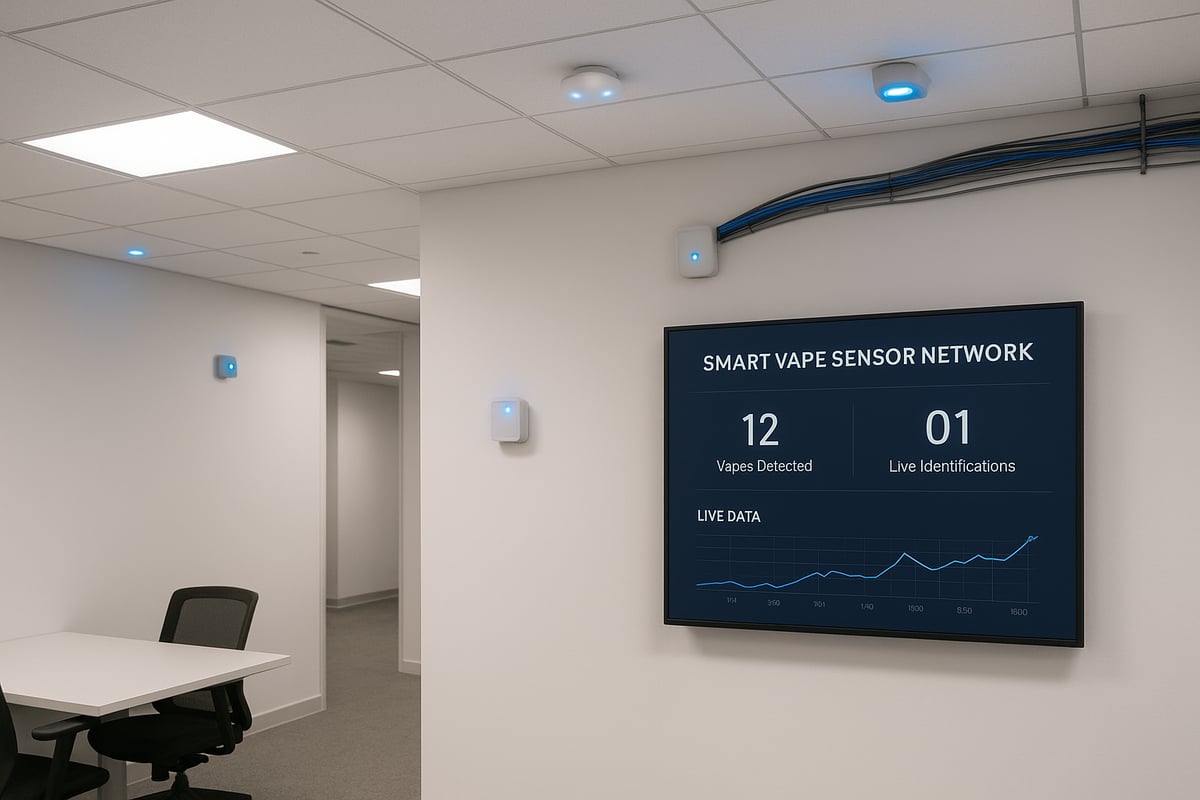
A smart vape sensor network is an integrated system designed to detect and monitor vaping activity within a defined space. Unlike traditional detectors, these networks use multiple sensors connected through robust communication channels. The result is a coordinated approach, providing greater accuracy and coverage in schools, offices, and leisure venues.
This network continuously collects data, processes it centrally, and delivers actionable alerts to facility managers or security staff. The evolution of these systems has been driven by the need for precise, reliable vape detection that supports compliance and safety initiatives.
Core Components and Technologies
Every smart vape sensor network relies on a set of core components:
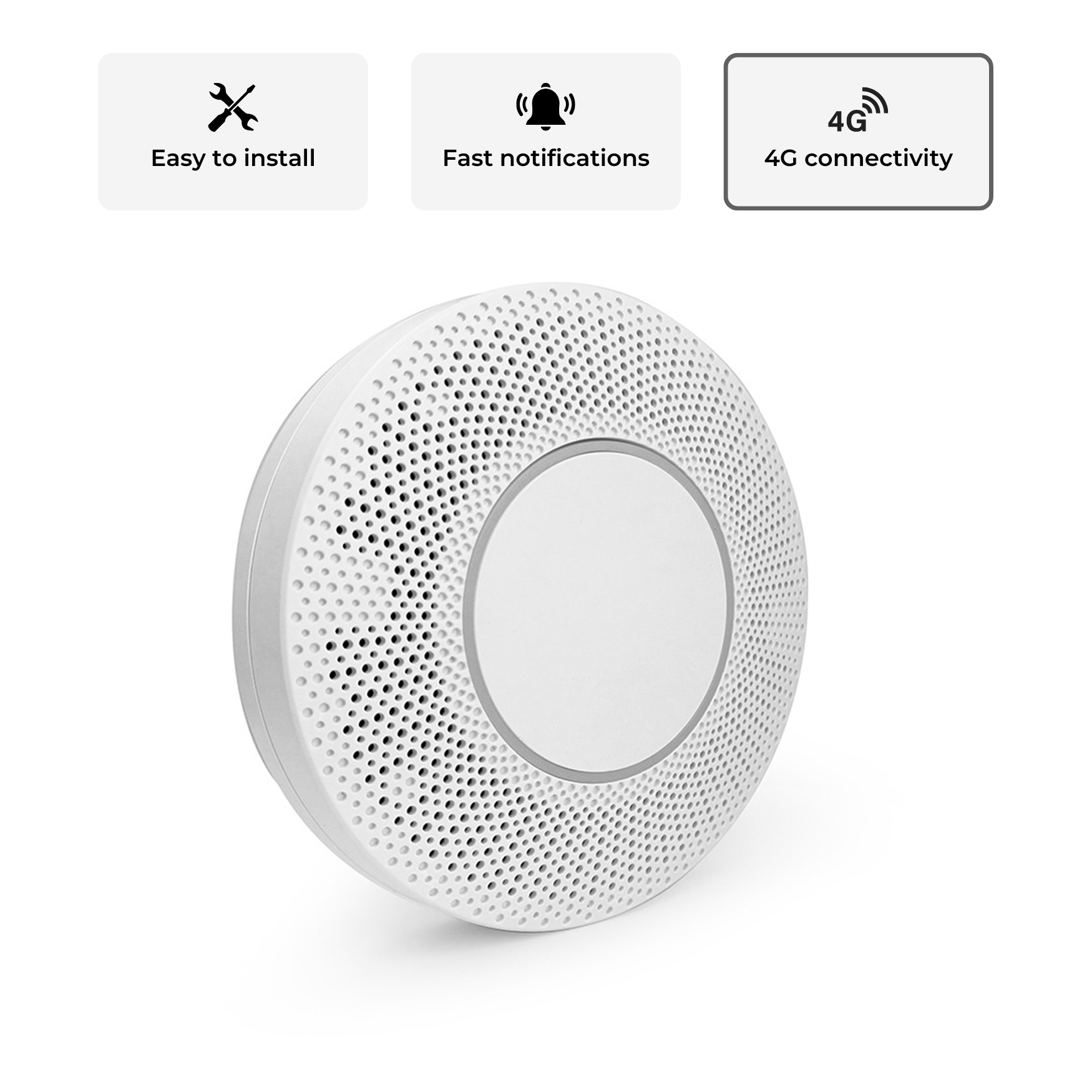
- Sensors: The heart of the system, using technology to identify particulates and gases associated with vaping.
- Connectivity Modules: Enable communication between sensors and central platforms, supporting large-scale deployments.
- Centralised Management Platforms: Provide dashboards for real-time monitoring, device management, and analytics.
- Alert Systems: Deliver instant notifications to designated personnel via email, SMS, or integrated apps.
To understand the full range of technologies at play, see the Smart Sensor Technology Overview. This resource details how each component contributes to the reliability and scalability of a smart vape sensor network.
Advanced Detection Capabilities
Detection technologies in a smart vape sensor network include particulate sensors, which capture fine aerosols from e-cigarettes, and gas sensors, which detect volatile organic compounds. AI-powered analytics further enhance detection by distinguishing between ordinary air contaminants and substances like vape or THC.
These systems learn typical environmental patterns, reducing false positives and adapting to new vaping products. Some platforms can even identify multiple substances, such as nicotine and cannabis vapour, making them suitable for diverse environments.
Connectivity and Network Architecture
Connectivity options are critical for extending coverage and ensuring data integrity. A smart vape sensor network can utilise:
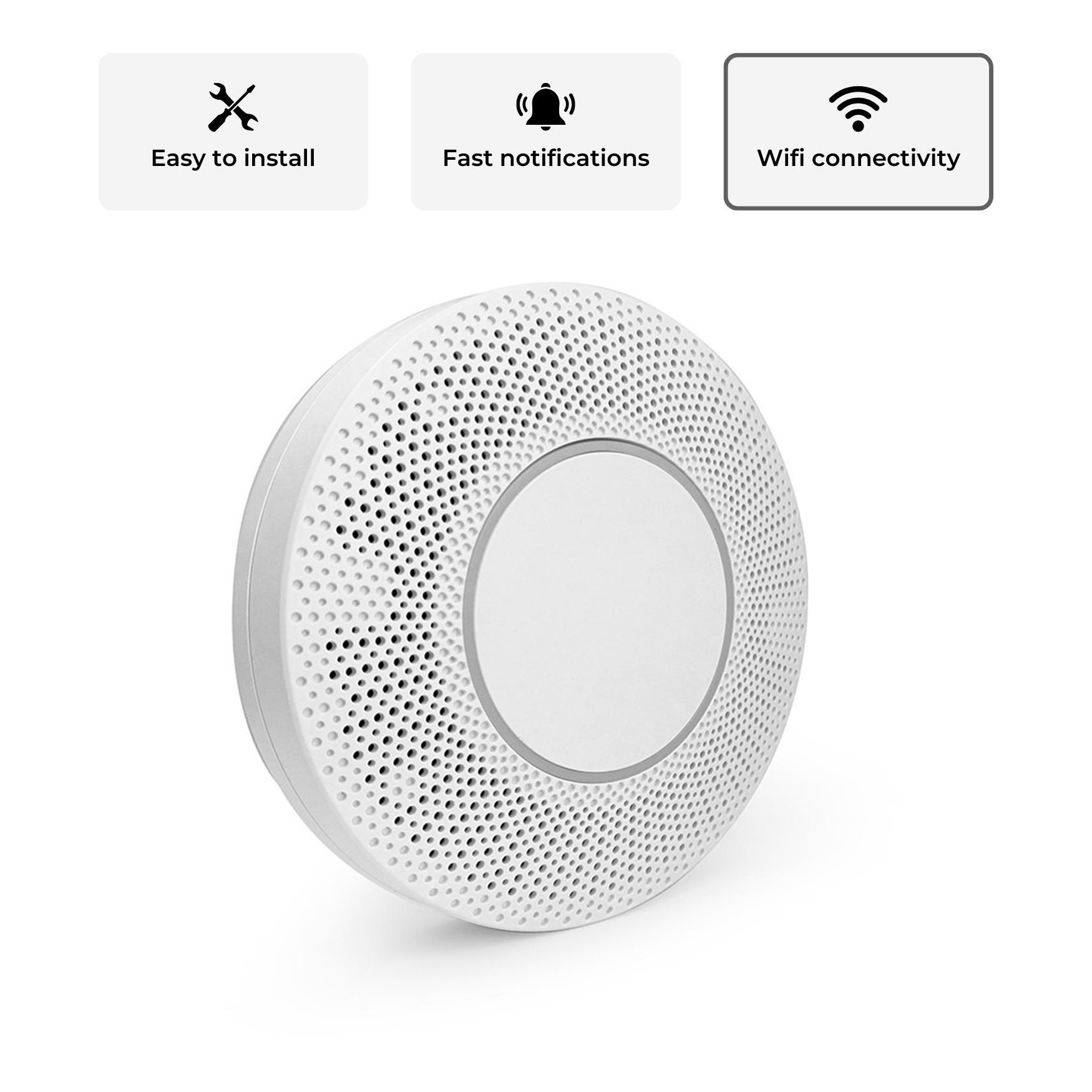
- WiFi for flexible indoor deployments
- LoRaWAN for long-range, low-power communication
- Cellular networks for remote or challenging locations
- Mesh networking for redundancy and scalability
Selecting the right architecture depends on building layout, user density, and security requirements. This flexibility allows organisations to customise their networks for optimal performance.
Centralised Management and Security
Centralised dashboards offer a unified view of all sensors, real-time alerts, and historical data trends. Remote access enables administrators to monitor multiple sites, adjust settings, and respond swiftly to incidents.
Data security is paramount in every smart vape sensor network. Encryption protocols, user authentication, and compliance with privacy regulations (such as GDPR) are built into network design. Organisations can control access, anonymise sensitive data, and maintain transparency with stakeholders.
Comparing Leading 2026 Platforms
Leading smart vape sensor network platforms in 2026 offer a range of features tailored to different use cases. The table below highlights key components and capabilities:
| Platform | Detection Types | Connectivity | AI Analytics | Reporting & Compliance | Security Features |
|---|---|---|---|---|---|
| Vape Guardian | Vape, THC, VOCs | WiFi, LoRaWAN | Advanced | Customisable | GDPR compliant |
| Competitor A | Vape only | WiFi, Cellular | Basic | Standard | Encrypted storage |
| Competitor B | Vape, Air Quality | Mesh, LoRaWAN | Moderate | Customisable | Multi-factor auth |
Choosing the right smart vape sensor network involves assessing these features against your organisation's needs, ensuring scalability, reliability, and compliance.
Step-by-Step Guide: Setting Up a Smart Vape Sensor Network
Setting up a smart vape sensor network requires careful planning, precise installation, and ongoing management. By following a clear step-by-step approach, organisations can ensure reliable detection, compliance, and safety across all monitored spaces.
Pre-installation Assessment
Begin by conducting a thorough site survey. Map out all areas where the smart vape sensor network will be deployed. Identify high risk zones such as toilets, corridors, meeting rooms, and entrances.
Review local compliance requirements, particularly if your environment is a school, healthcare facility, or workplace. Consult with stakeholders to understand policy needs and privacy considerations.
Document the physical layout, noting potential obstructions, power sources, and WiFi or networking coverage. This assessment forms the foundation for a robust smart vape sensor network design.
Selecting Sensors and Network Design
Choose sensor models that match your detection requirements. Advanced sensors can identify vape, THC, and other substances, supporting AI powered analytics for greater accuracy.
Consider the network topology. Will you use WiFi, cellular, LoRaWAN, or a mesh configuration? For detailed guidance, explore Network and Connectivity Options to ensure seamless integration and optimal coverage for your smart vape sensor network.
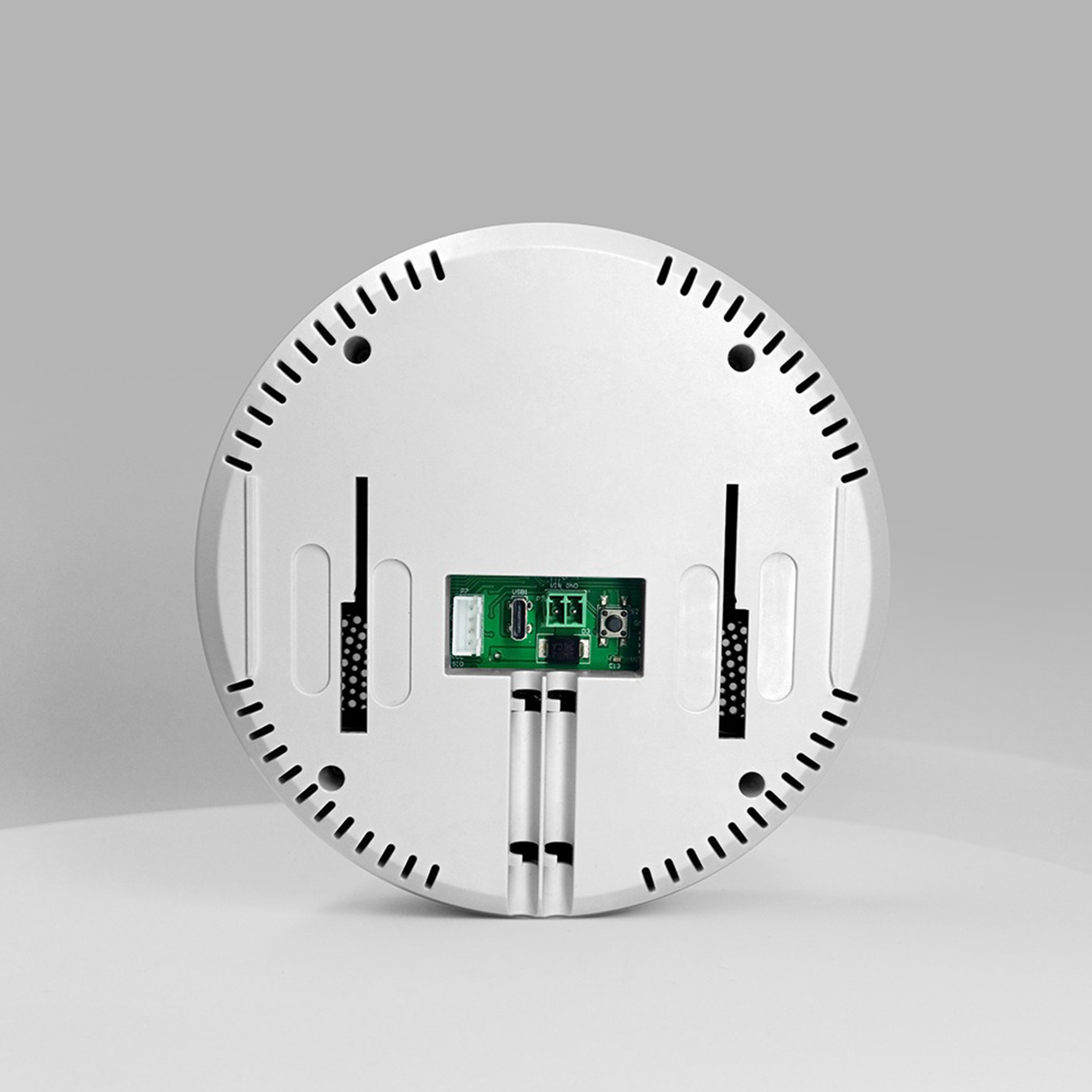
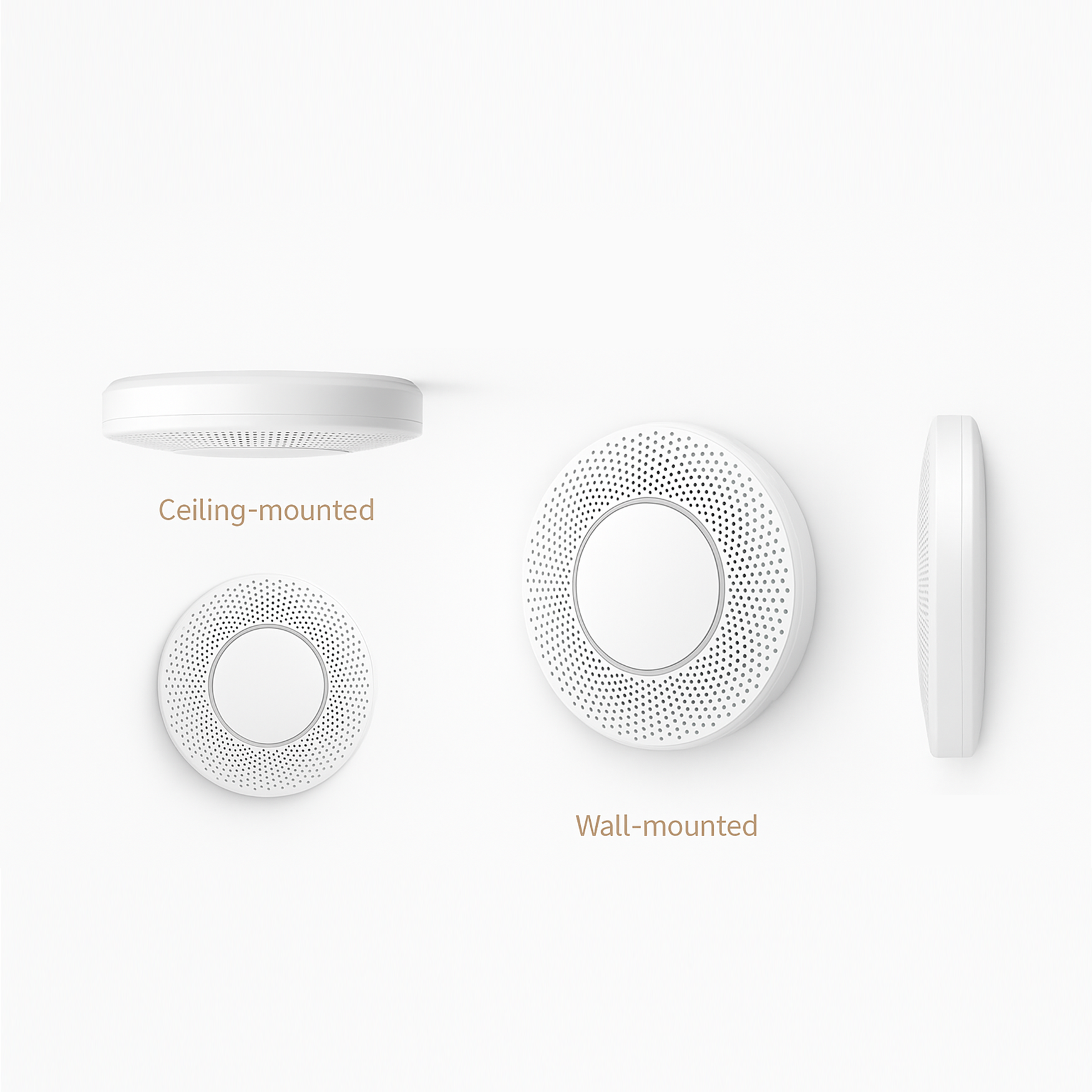
Decide on the number and placement of sensors based on room size, ceiling height, and potential airflow patterns. Select power options such as mains, battery, or PoE, depending on your site’s infrastructure.
Installation Process
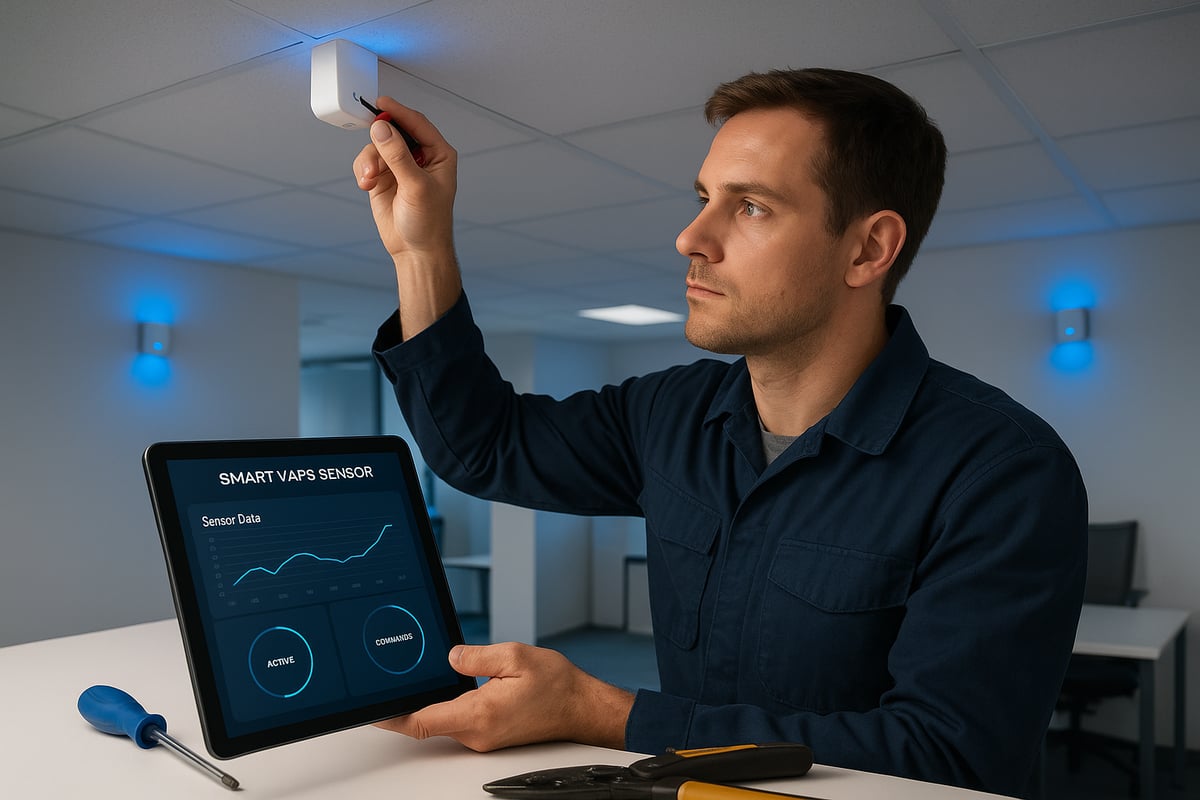
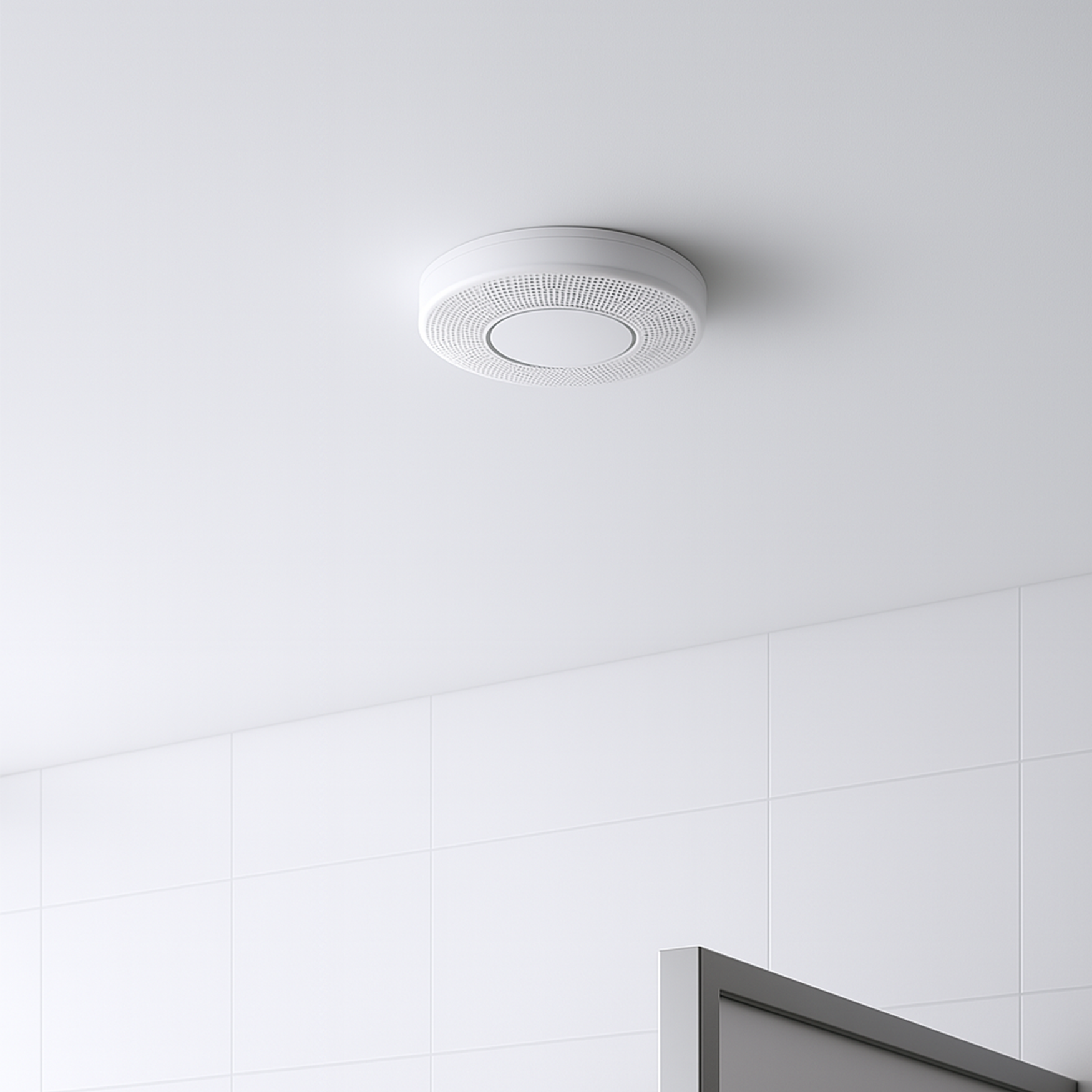
Mount each sensor at optimal locations, avoiding direct airflow from vents or windows. Ensure visibility is discreet yet effective for detection.
Connect sensors to the chosen network. Confirm stable connectivity using diagnostic tools. If using PoE or mains power, check all connections for safety and compliance.
Label each device clearly to streamline management within your smart vape sensor network. Document serial numbers and installation locations for future reference.
Network Configuration and Calibration
Once installed, link all sensors to the central management platform. Set detection thresholds based on policy and typical air quality baselines for your environment.
Assign user permissions for administrators, security staff, and maintenance teams. Customise alert settings to trigger notifications via email, SMS, or dashboard pop ups.
Calibrate each sensor using controlled vape events or test aerosols. This ensures the smart vape sensor network accurately distinguishes between vaping and other airborne particles.
Training and Onboarding
Effective response relies on well trained staff. Run induction sessions for all relevant personnel, covering system features, alert protocols, and privacy policies.
Provide access to the central dashboard and reporting tools. Encourage regular feedback to fine tune detection parameters and improve incident response.
Distribute quick reference guides and schedule refresher sessions to maintain awareness and confidence in the smart vape sensor network.
Maintenance and Troubleshooting
Establish a maintenance schedule for cleaning sensors, checking battery levels, and updating firmware. Address any alerts for connectivity loss or abnormal readings promptly.
Keep a log of all maintenance activities. Use built in diagnostics to identify and resolve issues before they impact detection accuracy.
Partner with your vendor for ongoing support, updates, and access to new features as your smart vape sensor network evolves.
Example: Setup Checklist for Multi-site Office
Below is a practical checklist to guide your deployment across multiple office locations:
| Step | Action Point | Complete (Yes/No) |
|---|---|---|
| Site Survey | Map all risk areas and document layout | |
| Compliance Review | Check legal and policy requirements | |
| Sensor Selection | Choose suitable models and power sources | |
| Network Planning | Decide connectivity and coverage | |
| Installation | Mount sensors and connect to network | |
| Configuration | Set thresholds, alerts, and user access | |
| Calibration | Test detection accuracy on site | |
| Training | Induct staff and distribute guides | |
| Maintenance | Schedule cleaning and firmware updates |
Following this checklist will ensure your smart vape sensor network is installed efficiently and operates reliably across all locations.
Practical Applications and Real-World Use Cases
The rapid adoption of smart vape sensor network technology is transforming how diverse environments handle vaping challenges. From schools to offices, leisure venues, healthcare, and transport hubs, these networks provide tailored solutions to enhance safety, air quality, and policy compliance.
Schools: Safeguarding Students and Supporting Anti-Vaping Policies
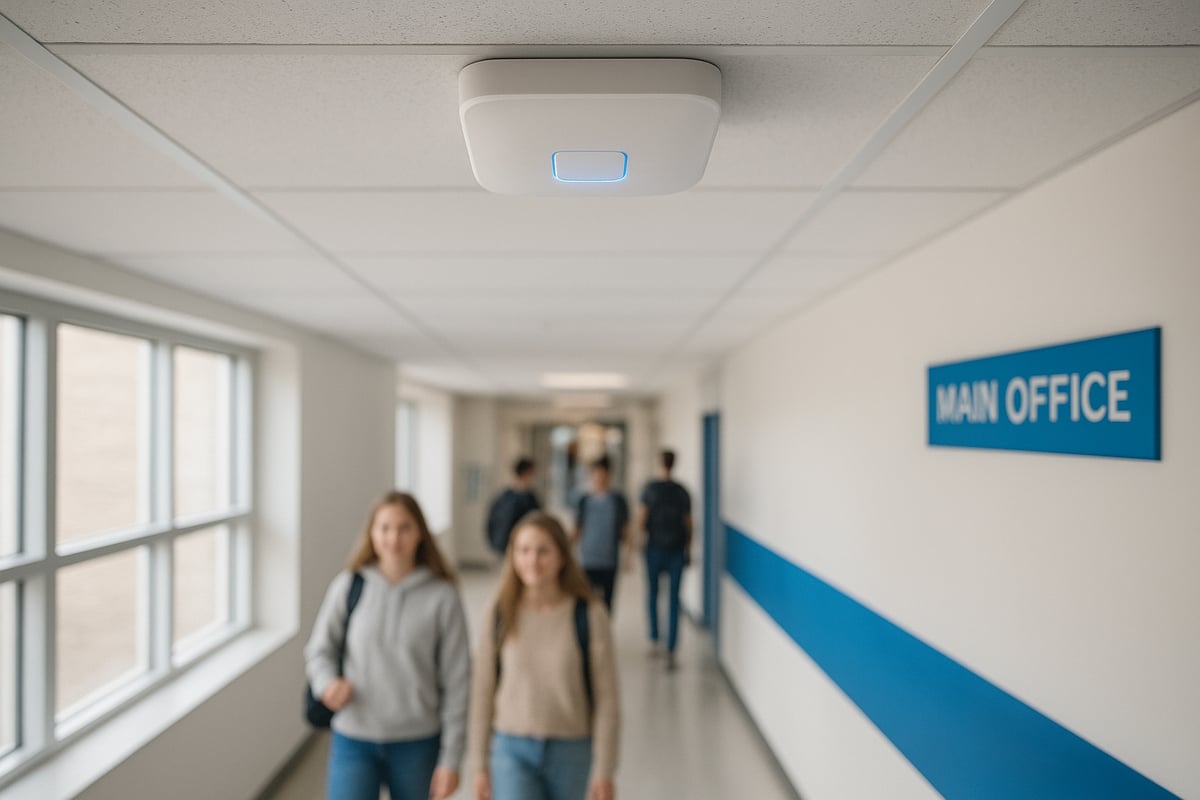
Educational institutions across the UK face mounting pressure to address vaping among students. A smart vape sensor network enables schools to detect vaping incidents instantly, often before staff or students become aware. Real-time alerts allow rapid intervention, helping to enforce anti-vaping policies and deter future incidents.
With a central dashboard, safeguarding teams can monitor all areas, from bathrooms to corridors, ensuring comprehensive coverage. Customisable reporting supports compliance with school policies and government guidelines. Many schools have reported up to 95 percent reduction in vaping incidents within weeks of deploying these systems. For more on real-world school deployments, see Vape Detection for Education.
Offices: Air Quality, Compliance, and Workplace Wellbeing
In modern offices, maintaining clean air and a healthy workspace is a top priority. A smart vape sensor network helps facilities managers monitor air quality, quickly detect unauthorised vaping, and ensure compliance with workplace regulations. These networks integrate seamlessly with existing facility management systems, automating alerts to security or cleaning teams.
Custom analytics provide insights into usage patterns, enabling targeted policy adjustments. The data-driven approach not only improves indoor air quality but also demonstrates a proactive stance on employee wellbeing. Businesses benefit from reduced complaints, a safer environment, and clear evidence of compliance for audits and inspections.
Leisure and Retail: Enforcing No-Vaping Policies
Cinemas, gyms, and shopping centres must offer welcoming, vape-free spaces for visitors. A smart vape sensor network discreetly monitors high-traffic zones, changing rooms, and restrooms, instantly alerting staff to any policy breaches. This real-time response allows for quick intervention, preventing escalation and maintaining a positive customer experience.
Retailers and leisure operators value the system's ability to generate detailed incident logs, which support training and policy development. By providing clear evidence of enforcement, these networks help businesses avoid fines and negative publicity while reinforcing their commitment to public health.
Healthcare: Protecting Vulnerable Populations
Hospitals and clinics serve some of the most vulnerable individuals in society. A smart vape sensor network is crucial for maintaining strict no-vaping environments in patient rooms, corridors, and waiting areas. These sensors rapidly detect airborne substances, triggering alerts that help staff intervene before vaping impacts patient care.
The system's analytics enable ongoing risk assessment, ensuring that policies adapt to emerging trends. Healthcare leaders trust these networks to uphold safety standards and protect both patients and staff from secondhand exposure.
Transportation Hubs: Monitoring Enclosed Public Areas
Airports, train stations, and bus terminals are increasingly deploying smart vape sensor network solutions to monitor enclosed public areas. These sensors identify unauthorised vaping in restrooms, lounges, and waiting areas, supporting enforcement of no-vaping policies.
Central monitoring platforms enable security teams to respond quickly, minimising disruption and reinforcing public safety. Data collected from these systems also informs long-term planning, helping transport authorities identify hotspots and allocate resources effectively.
Statistical Impact and Overcoming Challenges
The measurable impact of smart vape sensor network adoption is clear. Multiple case studies highlight incident reductions of 80 to 95 percent post-deployment. Below is a summary table of reported outcomes:
| Setting | Incident Reduction (%) | Timeframe |
|---|---|---|
| Schools | Up to 95 | 5 weeks |
| Offices | 80 to 90 | 2 months |
| Leisure/Retail | 85 | 6 weeks |
While the benefits are substantial, organisations must address challenges such as data privacy, staff training, and user acceptance. Transparent communication, ongoing education, and clear policies are essential to maximising the value of a smart vape sensor network.
Future Trends: The Evolution of Vape Sensor Networks by 2026 and Beyond
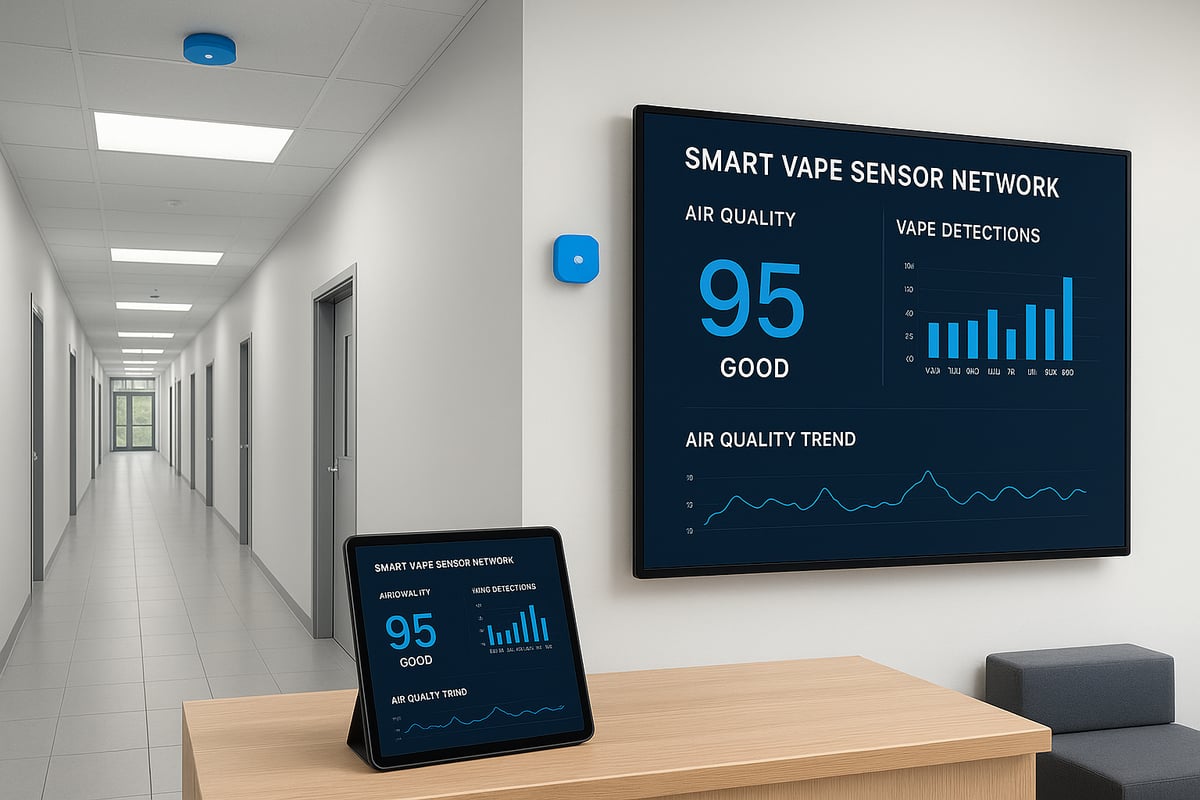
The landscape of smart vape sensor network technology is evolving rapidly, and by 2026, these systems will be smarter, faster, and more integrated than ever. As vaping behaviours shift and regulatory demands grow, the next generation of networks is set to transform how facilities manage air quality, safety, and compliance.
AI and Machine Learning: The Next Leap
By 2026, artificial intelligence will play a pivotal role in every smart vape sensor network. Predictive analytics will allow these networks to anticipate vaping events before they occur, using behavioural pattern recognition and historical data. Automated interventions, such as adjusting ventilation or sending alerts, will be triggered in real time. This reduces manual oversight and delivers a proactive approach to safety.
Machine learning algorithms will also continue to refine event detection, minimising false positives. As more data is collected, the smart vape sensor network will become increasingly accurate, ensuring that each alert is both timely and relevant.
Multi-Hazard Monitoring and Edge Computing
A significant trend is the expansion of the smart vape sensor network into multi-hazard monitoring. Networks will soon detect not only vape aerosols but also other airborne substances, including drugs, allergens, and pollutants. Some systems will incorporate noise and occupancy sensors, providing a holistic view of the environment.
Edge computing will become standard, with data processing taking place closer to the sensors. This enables faster response times and reduces reliance on cloud connectivity. Facilities can act on critical information instantly, which is vital for high-traffic areas like schools and transport hubs.
Integration with Smart Cities and IoT Ecosystems
The integration of the smart vape sensor network with broader IoT and smart city infrastructure will be a defining feature of the future. These networks will connect seamlessly with building management systems, security platforms, and municipal data hubs. Facility managers will be able to automate responses and contribute to citywide air quality initiatives.
For a deeper understanding of how IoT architecture is evolving to support large-scale sensor deployments, explore the IoT Trends 2026 report. This resource highlights the rise of LPWAN and other connectivity options that will make smart vape sensor network coverage more robust and flexible.
Regulatory Developments and Compliance
Compliance will remain a driving force behind smart vape sensor network adoption. Anticipated changes in UK and EU regulations will likely require more rigorous air quality monitoring and incident reporting. Networks will need to offer customisable, audit-ready reports and support for anonymised data collection to meet GDPR and other privacy standards.
Vendors will be expected to provide regular updates as new compliance frameworks emerge, ensuring that the smart vape sensor network remains future proof.
Sustainability and Energy Efficiency
Sustainability is becoming a core concern for organisations deploying a smart vape sensor network. Manufacturers are investing in energy efficient sensors and eco-friendly materials. The future will see sensors with extended battery life and wireless charging capabilities, reducing maintenance and environmental impact.
Innovations in wireless sensor technologies, such as those discussed in Collaborative Charging Optimization in Wireless Sensor Networks, are paving the way for greener deployments. These advances will help facilities maintain continuous monitoring without excessive energy use.
Summary Table: Innovations in Smart Vape Sensor Networks by 2026
| Trend | Description | Expected Impact |
|---|---|---|
| AI and Predictive Analytics | Real time pattern recognition, anticipatory alerts, automated interventions | Higher accuracy, proactive safety |
| Multi Hazard Monitoring | Detection of vape, drugs, allergens, noise, occupancy | Comprehensive facility oversight |
| Edge Computing | Local data processing for instant response | Reduced latency, improved privacy |
| IoT Integration | Seamless link to BMS, security, smart city infrastructure | Centralised management, automation |
| Regulatory Compliance | Support for GDPR, audit ready reporting, custom data controls | Legal alignment, trust |
| Sustainability | Energy efficient sensors, wireless charging, eco-friendly manufacturing | Lower costs, reduced footprint |
Looking Ahead
The future of the smart vape sensor network is one of continuous innovation, driven by AI, IoT, and sustainability goals. As technology and regulations advance, organisations that invest in next generation networks will be better equipped to ensure safe, compliant, and healthy environments.
Staying informed about these trends will help you make strategic decisions and keep your smart vape sensor network ahead of the curve.
Maximising Value: Best Practices for Ongoing Management and Optimisation
Optimising your smart vape sensor network is not a one-off task. To ensure lasting impact, you need to implement a robust strategy for ongoing management, regular reviews, and continuous improvement. This approach helps you adapt to changing environments, evolving risks, and emerging technologies.
Regular Performance Audits and System Health Checks
Begin with scheduled performance audits. These audits validate the accuracy and responsiveness of your smart vape sensor network. Regularly inspect sensors for dust or obstructions and confirm connectivity across all devices.
Use diagnostic tools to monitor battery health and firmware status. Many platforms provide automated health reports, but manual spot checks are essential for high-risk zones. Consult Best Practices for Vape Detection for guidance on sensitivity settings and optimal sensor placement. Consistent audits ensure your system remains reliable and compliant with regulatory standards.
Data-driven Policy Refinement
Incident data is a goldmine for policy refinement. Analyse vape event logs, air quality trends, and response times to identify gaps in protocols. Update action plans based on recurring patterns or new risk areas.
Customise alert thresholds to balance detection accuracy and false positives. Review incident reports in partnership with your facility’s compliance team. A smart vape sensor network enables you to adapt policies in real time, ensuring your environment stays ahead of emerging threats.
Engaging Stakeholders and Feedback Loops
Stakeholder engagement is vital for the success of any smart vape sensor network. Establish feedback channels with staff, students, and facility managers. Use short surveys or regular meetings to gather insights on system effectiveness and user experience.
Address concerns transparently and communicate any changes promptly. Involve key stakeholders in reviewing incident data and developing response strategies. Their feedback helps refine sensor placement, alert settings, and overall policies, ensuring ongoing buy-in and support.
Leveraging Analytics and Scaling Networks
Advanced analytics transform raw data into actionable intelligence. Use dashboards to visualise trends in vape events, air quality, and occupancy. Set up automated notifications for early warnings of abnormal activity.
As your needs evolve, scale your smart vape sensor network by adding sensors to new areas or integrating with other security systems. Regularly review coverage maps and adjust network topology to address blind spots. Data-driven expansion ensures consistent protection across your entire site.
Vendor Partnerships and Ongoing Support
Strong vendor relationships are the backbone of effective system management. Engage with your provider for firmware updates, technical support, and new feature rollouts. Participate in training sessions to keep staff updated on best practices.
Request custom reporting or integration options as your requirements change. A proactive partnership ensures your smart vape sensor network remains future-ready and benefits from the latest innovations in detection technology.
Lessons Learned from Early Adopters
Early adopters of smart vape sensor networks have shared several key lessons:
| Common Pitfall | Success Factor |
|---|---|
| Insufficient audits | Scheduled maintenance |
| Poor communication | Stakeholder engagement |
| Outdated firmware | Regular updates |
| Limited data use | Analytics-driven decisions |
Review the Vape Guardian Impact Report 2025 for real-world examples of measurable success and common challenges. By applying these insights, you can maximise the value of your smart vape sensor network and create a safer, more compliant environment.
As you've explored the latest breakthroughs in smart vape sensor networks, it's clear that staying ahead in safety and compliance is more important than ever. Whether you're safeguarding schools, offices, or leisure spaces, understanding how these advanced systems work can help you create a healthier, more secure environment for everyone. If you want to see the technology in action or dive deeper into how these intelligent solutions operate, you can learn more about how it works and discover practical steps for protecting your spaces with confidence.




Share:
Vape and Air Monitoring Combined: The Essential Guide 2026
Vape Detection for Workplaces: The 2026 Expert Guide