
Recent studies reveal a 30 percent surge in workplace vaping incidents across the UK since 2024, highlighting an urgent challenge for employers. As organisations seek to maintain healthy, productive environments, vape detection for workplaces has become essential. This expert guide explores cutting-edge vape detection for workplaces, offering practical strategies for 2026.
You will discover the risks of vaping at work, leading detection solutions, step-by-step implementation advice, compliance essentials, and future trends. Dive in to access actionable insights and stay ahead in promoting a safer, compliant workplace.
The Growing Challenge of Vaping in Workplaces
The rapid rise in vaping among UK employees has become a defining workplace issue in recent years. According to 2024 data, more adults now vape than smoke traditional cigarettes in Britain. This shift has brought new challenges, as organisations grapple with the implications of vaping in offices, warehouses, and communal areas. As vaping habits evolve, the need for effective vape detection for workplaces is more urgent than ever. For a detailed look at recent data, see the Vaping overtakes smoking in Britain report.
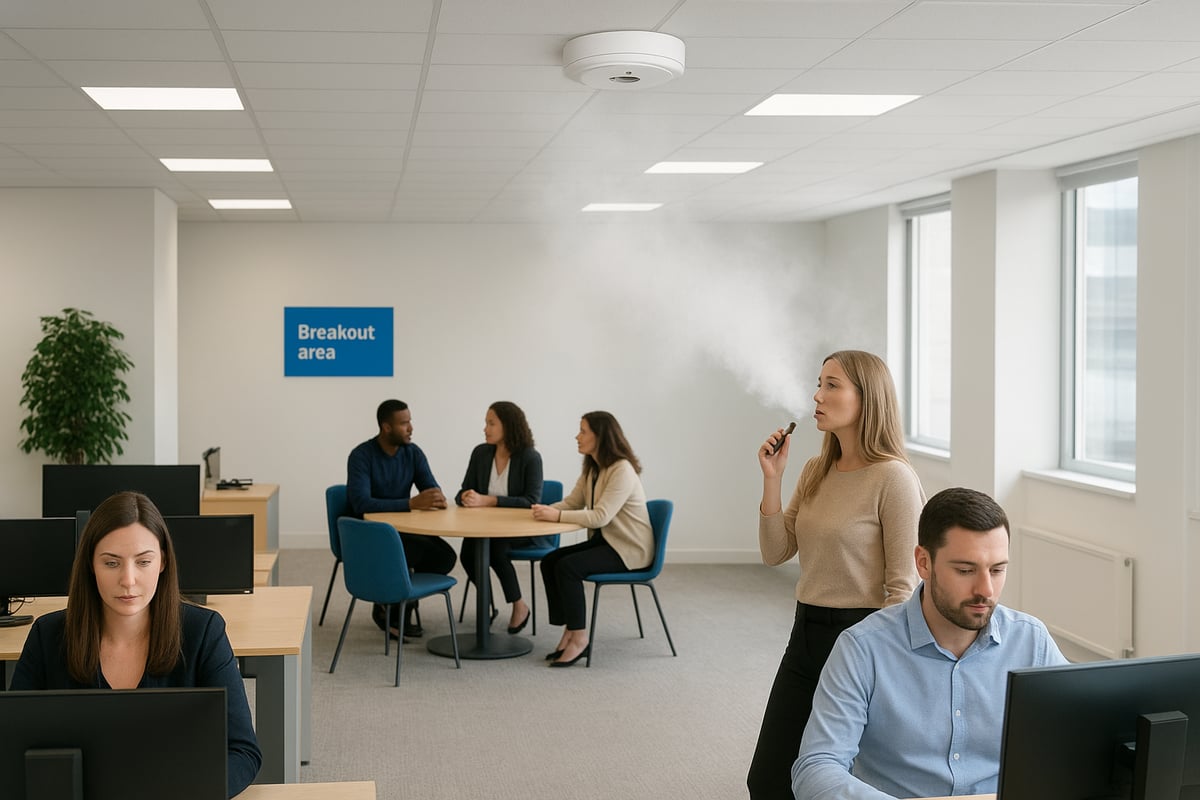
Vaping indoors presents significant health and safety risks for both users and bystanders. Vapour contains chemicals and particulates that can affect air quality, potentially triggering respiratory issues in sensitive individuals. Employers face increasing scrutiny over indoor air standards, making vape detection for workplaces a key component of health and safety strategies. Research indicates that passive exposure to e-cigarette vapour may have long-term effects, especially in poorly ventilated spaces.
The impact of vaping at work extends beyond health concerns. Frequent vaping breaks can disrupt workflow and reduce collective productivity. Employees may feel uncomfortable or distracted by visible vaping, undermining wellbeing and workplace culture. By adopting vape detection for workplaces, organisations can reinforce fair policies and create a more inclusive environment where everyone feels respected and safe.
Legal and regulatory pressures are intensifying. UK workplace health and safety laws require employers to maintain a safe environment, which now includes managing vaping risks. Insurers are beginning to assess claims related to vaping incidents, and non-compliance could result in financial penalties. Proactive vape detection for workplaces helps demonstrate due diligence and supports compliance with evolving regulations.
Real-world examples highlight the scale of the challenge. In one manufacturing firm, a series of vaping-related fire alarms halted production, costing thousands in lost revenue. Elsewhere, a tech company faced negative publicity after vape use was linked to poor indoor air quality and staff absences. These cases underscore the importance of vape detection for workplaces as part of robust risk management.
Employee perspectives must also be considered. Some staff express privacy concerns about monitoring, while others welcome measures that protect their health. Open dialogue is essential to address morale and trust. For organisations, the business case for vape detection for workplaces is clear: it reduces incidents, supports compliance, and fosters a positive reputation. Investing in detection technology is not just about enforcement, but about safeguarding people and productivity.
How Vape Detection Technology Works
Vape detection for workplaces has become a crucial element in maintaining safe, compliant, and productive environments. As vaping trends evolve and regulations tighten, understanding how these systems operate is essential for any organisation aiming to stay ahead. Below, we break down the types of technologies, core features, and important considerations for vape detection for workplaces in 2026.
Types of Vape Detection Systems
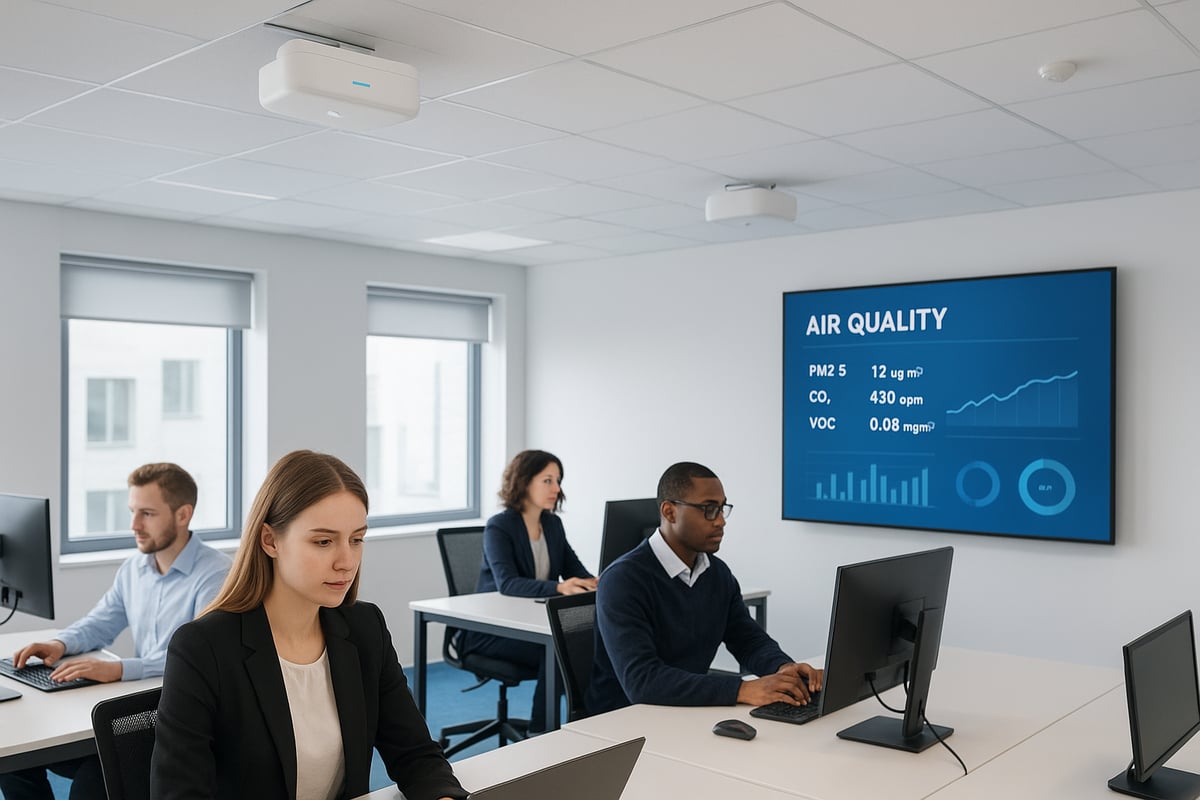
Vape detection for workplaces relies on a range of advanced technologies. The three main types are sensor-based, AI-powered, and multi-sensor systems.
Sensor-based systems use specialised detectors that identify particles unique to vapour. These differ from traditional smoke or air quality sensors, which may not detect the fine aerosols produced by vaping. AI-powered systems process data in real time, learning to distinguish vaping from other airborne substances. Multi-sensor solutions combine various detectors, often including sound and air quality monitoring, to improve accuracy.
Key differences between sensor types can be summarised as follows:
| System Type | Detects Vapour | AI Integration | Multi-Modal Sensors | Real-Time Alerts |
|---|---|---|---|---|
| Sensor-Based | Yes | No | Sometimes | Yes |
| AI-Powered | Yes | Yes | Often | Yes |
| Multi-Sensor | Yes | Yes | Yes | Yes |
Integration with building management and security systems is now standard, allowing centralised monitoring and faster response. Leading technologies in 2026 offer instant alerts to designated personnel via web or mobile applications. For a deeper dive into these systems, this Vape detection technology overview provides a comprehensive summary.
Vape detection for workplaces benefits from these innovations, providing tailored solutions for offices, warehouses, and public buildings.
Key Features and Capabilities
Modern vape detection for workplaces is defined by sensitivity, accuracy, and intelligent reporting. The best systems can detect a variety of substances, including nicotine, THC, and synthetic cannabinoids like spice.
Advanced pattern recognition minimises false positives, ensuring that alerts are both meaningful and actionable. Data analytics tools track incidents over time, helping organisations identify problem areas and trends.
Connectivity is another vital feature. Systems may use wireless networks, wired connections, or cloud-based platforms, providing flexibility for different workplace layouts. Maintenance and durability are also top priorities, as detectors must function reliably in high-traffic environments.
Key features to consider include:
- Substance detection range: nicotine, THC, spice
- False positive reduction: AI algorithms and contextual analysis
- Real-time alerts: email, SMS, or app notifications
- Data reporting: incident logs and trend analysis
- Robust design: resistant to tampering and environmental wear
These features make vape detection for workplaces a proactive tool, supporting compliance and fostering a healthier atmosphere.
Limitations and Considerations
Despite rapid progress, vape detection for workplaces presents certain challenges. Privacy concerns are significant, particularly under UK GDPR rules. Systems must avoid capturing personal data unnecessarily and ensure any monitoring is proportionate and well communicated.
Environmental factors, such as ventilation and humidity, can affect sensor accuracy. Placement strategies should account for airflow and potential obstructions. Cost is another consideration, as organisations must balance initial outlay with long-term savings from reduced incidents and improved air quality.
Other important points include:
- GDPR compliance: regular reviews of data handling processes
- ROI analysis: weighing installation and maintenance costs against benefits
- Employee trust: engaging staff in policy development to maintain morale
- System failures: learning from past incidents to improve reliability
Lessons from detection system failures highlight the need for ongoing evaluation and transparent communication. Ultimately, successful vape detection for workplaces depends on thoughtful implementation and an adaptive approach.
Step-by-Step Guide to Implementing Vape Detection in Your Workplace
Introducing vape detection for workplaces requires a structured approach to ensure both compliance and effectiveness. By following this step-by-step guide, organisations can address risks, protect staff wellbeing, and foster a healthier environment.
Step 1: Assessing Your Workplace Needs
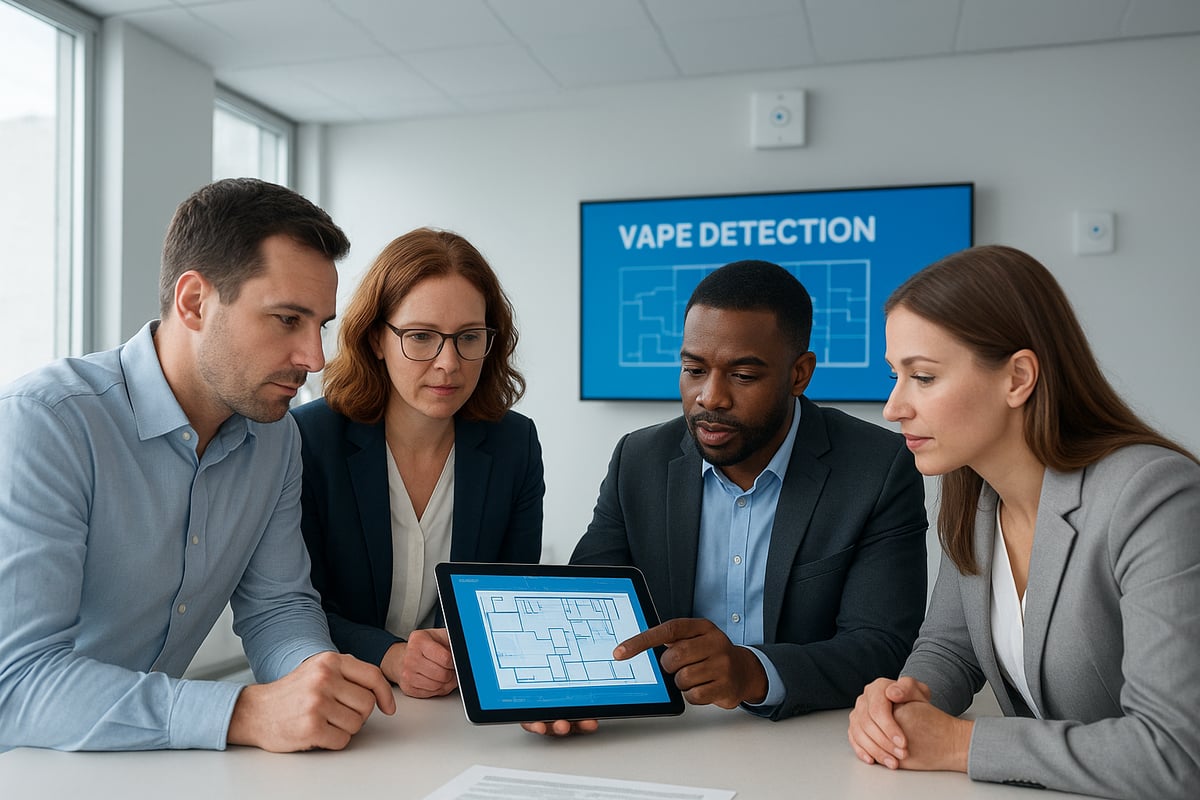
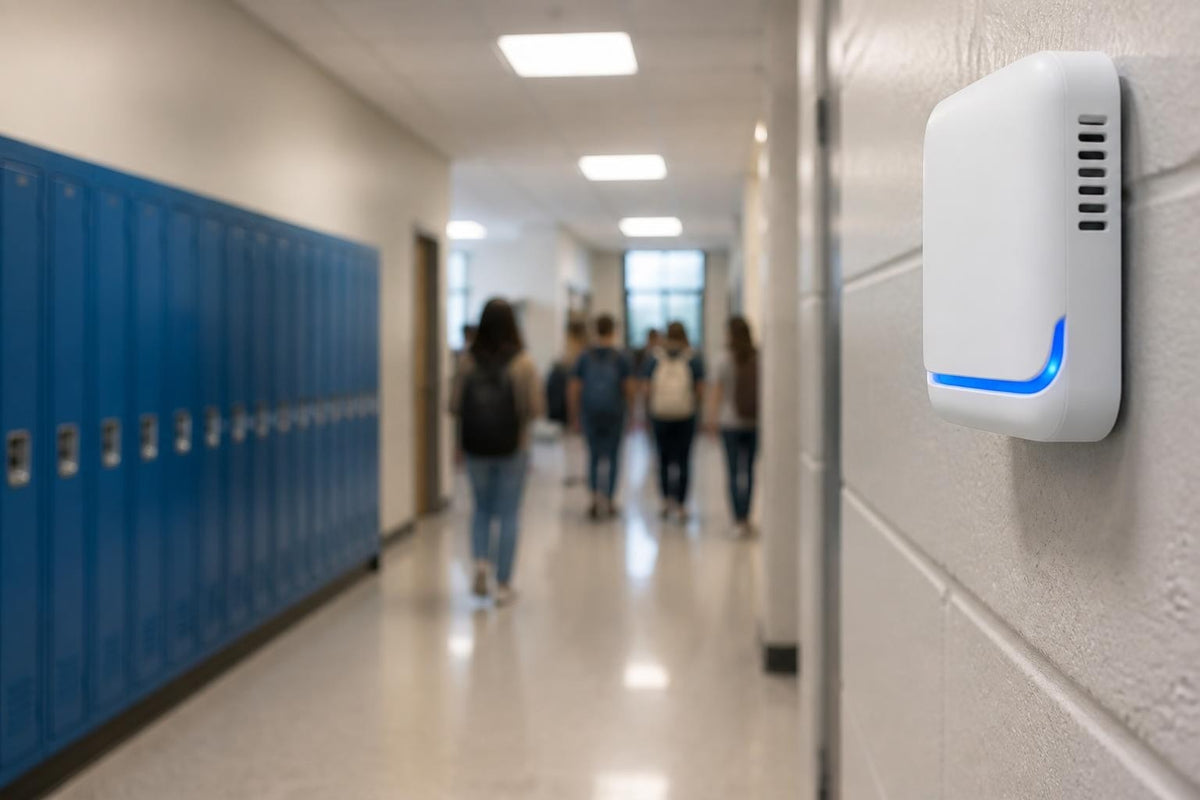
Begin by evaluating your current environment. Identify areas where vaping incidents are most likely to occur, such as restrooms, stairwells, or break rooms. A thorough risk assessment will help prioritise these high-risk zones.
Engage key stakeholders throughout this stage. Involve HR, facilities management, IT, and employee representatives to gather diverse perspectives. Review existing health and safety policies, as well as any records of past vaping incidents.
This initial assessment ensures that vape detection for workplaces is tailored to your organisation’s unique challenges and operational realities.
Step 2: Selecting the Right Vape Detection Solution
With a clear understanding of your needs, compare available technologies. Evaluate the range of vape detection for workplaces options, from standalone sensors to integrated multi-sensor networks. Consider factors like sensitivity, false positive rates, and compatibility with your building’s infrastructure.
Request product demonstrations and seek references from similar businesses. Prioritise solutions that offer real-time alerts, detailed analytics, and robust support. For office environments, it is worth exploring dedicated vape sensor solutions for offices to ensure the chosen system aligns with workspace dynamics.
By matching features to your risk profile and workplace layout, you lay the groundwork for an effective vape detection for workplaces strategy.
Step 3: Planning Installation and Integration
Once a solution is selected, plan the installation for maximum coverage and minimal disruption. Conduct a detailed site survey to determine optimal sensor placement, focusing on high-traffic and high-risk areas.
Coordinate with your security, fire, and building management teams to ensure seamless integration. Use a phased approach if your workplace is large or spread across multiple sites.
Key considerations for vape detection for workplaces installation:
- Strategic sensor placement near ventilation and concealed spots
- Integration with access control or alarm systems for instant response
- Scheduling work outside of peak hours to avoid productivity loss
Proper planning ensures vape detection for workplaces becomes an unobtrusive yet effective part of your safety infrastructure.
Step 4: Policy Development and Employee Communication
Update your workplace policies to specifically address vaping and the use of detection technology. Clearly define prohibited behaviours, consequences, and support pathways for those seeking to quit vaping.
Transparent communication is vital. Inform all employees about new policies and the reasoning behind vape detection for workplaces adoption. Provide training for managers so they can handle incidents consistently and fairly.
Encourage questions and feedback to maintain trust and morale. When staff understand the purpose and benefits of vape detection for workplaces, compliance and cooperation are more likely.
Step 5: Ongoing Monitoring, Maintenance, and Evaluation
After implementation, set up alert systems to notify responsible staff when vaping is detected. Establish clear response protocols to ensure incidents are handled promptly and discreetly.
Schedule regular maintenance and calibration of sensors to guarantee continued accuracy. Review incident reports and detection data to identify trends or emerging hotspots.
Key actions for sustaining vape detection for workplaces:
- Routine sensor checks and software updates
- Analysing data to refine policies and placement
- Periodic staff refresher training
Continual evaluation allows organisations to adapt their vape detection for workplaces approach as behaviours, technologies, or regulations evolve.
Vape Detection Solutions: Spotlight on Leading Providers
The demand for vape detection for workplaces has surged as businesses seek robust, reliable, and compliant solutions. In this section, we examine the technologies and providers shaping the future of workplace safety. From industry innovators to trusted brands, understanding your options is key to safeguarding air quality and employee wellbeing.
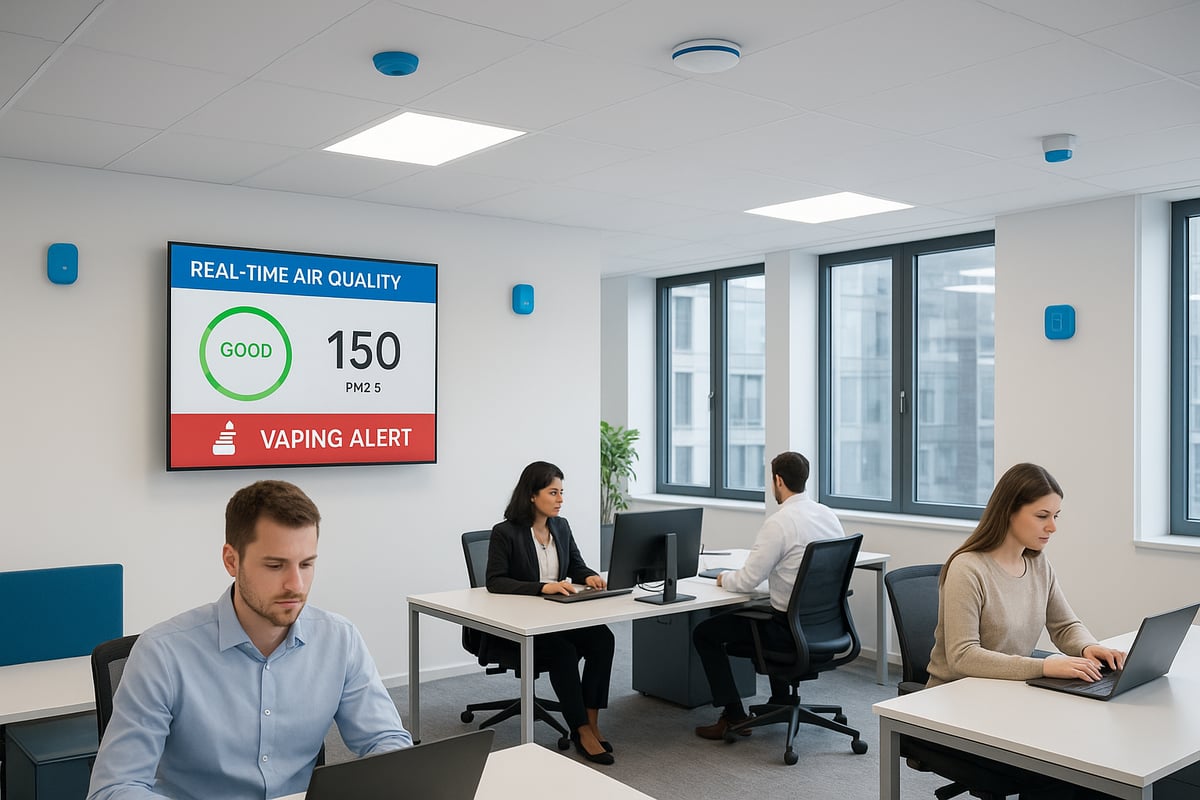
Vape Guardian: Advanced Detection for Safer Workplaces
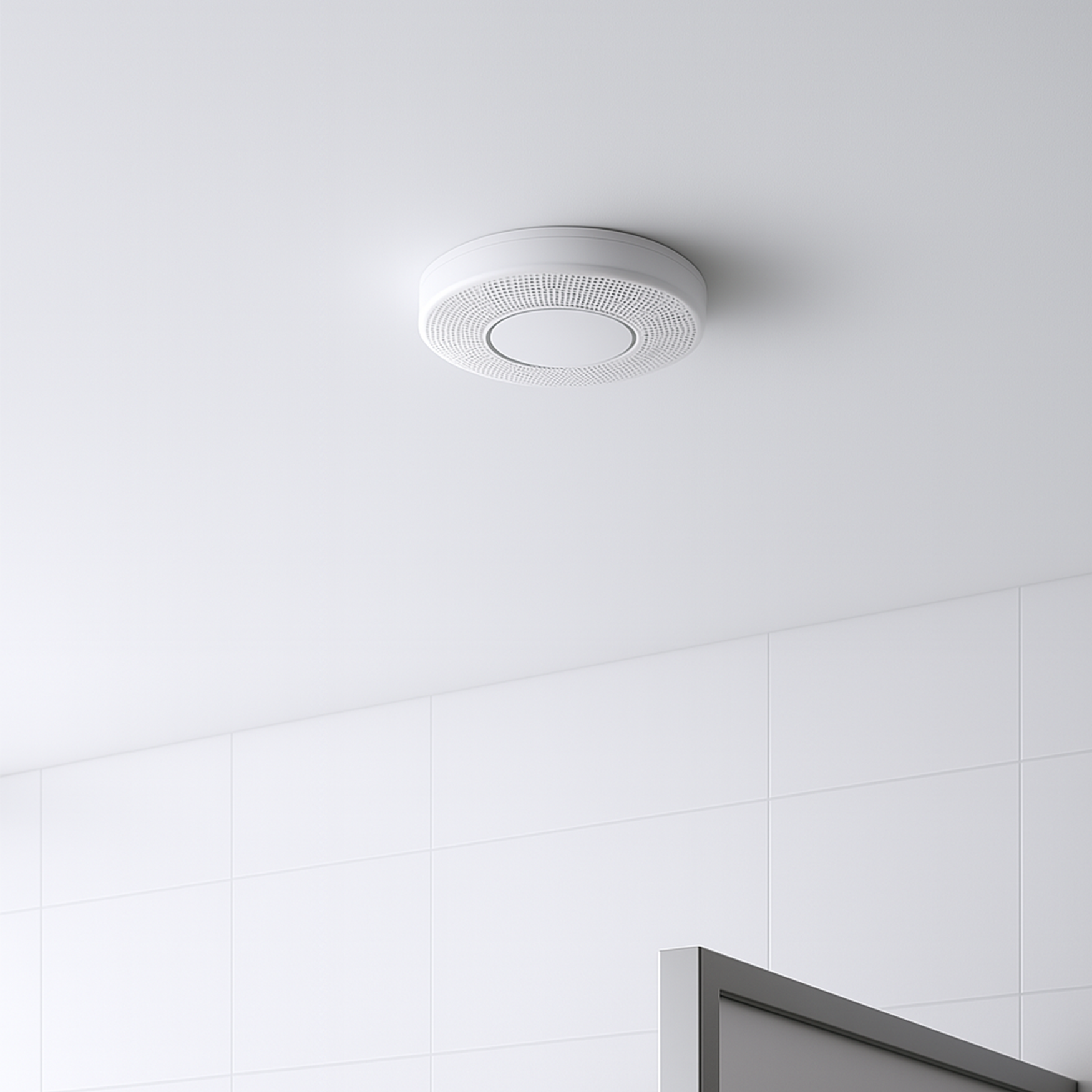
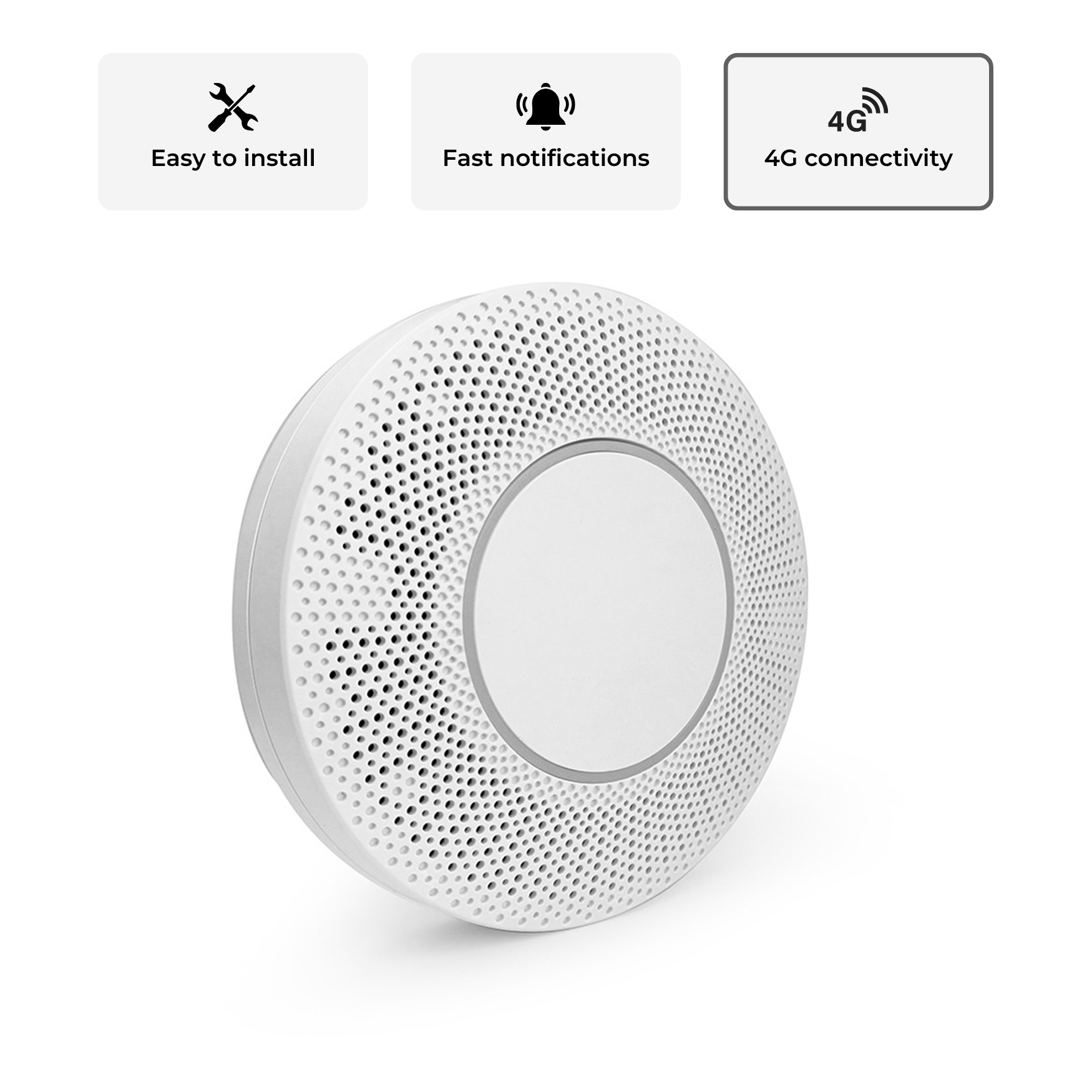
Vape Guardian leads the market in vape detection for workplaces, offering advanced UK-designed technology tailored for office environments. Their systems deliver real-time identification of vaping, THC, spice, and even noise disturbances, ensuring comprehensive monitoring where it matters most.
What sets Vape Guardian apart is its AI-powered analytics, which enable instant alerts to be sent via both mobile and web applications. This empowers facilities managers and HR teams to respond quickly and effectively. Proven results show up to a 95 percent reduction in vaping incidents within five weeks, as demonstrated in multiple school and workplace case studies.
Vape Guardian’s solutions are engineered for seamless integration into existing building management and security frameworks. Their devices are robust, easy to maintain, and adapt to varied office layouts. With a 100-day money-back guarantee and a free trial, businesses can evaluate performance risk-free. UK-based support ensures rapid assistance, while their global reach makes Vape Guardian a trusted choice for multinational organisations.
For companies prioritising both compliance and employee wellness, Vape Guardian’s comprehensive approach addresses the full spectrum of air quality and vaping risks. Their track record in vape detection for workplaces is supported by strong client testimonials and measurable outcomes.
Other Notable Providers and Technologies
Beyond Vape Guardian, several leading providers offer vape detection for workplaces with unique features and competitive advantages. These companies focus on accuracy, ease of integration, and scalability for diverse office environments.
Key players include:
- Halo Smart Sensor: Known for advanced multi-sensor capabilities, detecting vape, smoke, and air quality changes.
- Triton Technologies: Offers modular detection units designed for easy expansion across large facilities.
- Soter Technologies: Focuses on AI-driven false positive reduction and cloud-based incident management.
- AirGuard Solutions: Specialises in wireless connectivity and robust analytics dashboards.
To help you compare, here is a summary table of essential features:
| Provider | Detection Capabilities | Integration | Support | Unique Selling Point |
|---|---|---|---|---|
| Vape Guardian | Vape, THC, spice, noise | Full BMS, security | UK-based, global | 95 percent reduction, AI analytics |
| Halo Smart Sensor | Vape, smoke, air quality | Security, HVAC | Global | Multi-sensor synergy |
| Triton Technologies | Vape, smoke | Modular, scalable | Regional | Flexible deployment |
| Soter Technologies | Vape, THC | Cloud, API | International | AI false positive control |
| AirGuard Solutions | Vape, air quality | Wireless, cloud | UK/EU | Advanced dashboards |
Providers often seek industry certifications and form partnerships to enhance credibility. User testimonials highlight improvements in incident reduction and staff confidence. For organisations managing multiple sites or international offices, scalable solutions with unified dashboards are increasingly essential.
Selecting a solution involves considering office layout, integration needs, and support availability. Comprehensive systems not only address vaping but also offer broader office air quality monitoring, supporting a proactive approach to workplace wellness and compliance.
Each of these providers contributes to a growing ecosystem focused on vape detection for workplaces, ensuring that employers have access to cutting-edge technology and reliable support for their unique challenges.
Legal, Ethical, and Compliance Considerations
Navigating legal, ethical, and compliance requirements is essential when deploying vape detection for workplaces. Employers must ensure their practices align with UK law, respect employee privacy, and foster a fair and supportive environment.
UK Regulations and Legal Framework
The legal foundation for vape detection for workplaces in the UK is shaped by several key regulations. The Health and Safety at Work Act requires employers to provide a safe working environment, which includes controlling indoor air quality and potential exposure to harmful substances. The introduction of specific vaping regulations, such as those outlined in the Tobacco and Vapes Bill briefing, has prompted organisations to update their policies and practices.
| Regulation | Requirement | Relevance to Vape Detection |
|---|---|---|
| Health and Safety at Work Act | Safe workplace environment | Air quality, risk management |
| Tobacco and Vapes Bill | Vaping controls, restrictions | Policy compliance |
| Insurance and Liability | Risk mitigation | Claims, premium impact |
A proactive approach to vape detection for workplaces not only demonstrates legal compliance but also reduces risk exposure and potential insurance challenges.
GDPR and Employee Privacy
Implementing vape detection for workplaces must comply with the General Data Protection Regulation (GDPR). This means organisations should only collect data that is necessary, store it securely, and communicate transparently with staff about monitoring practices.
Balancing safety and privacy is crucial. Employers should conduct a Data Protection Impact Assessment before installing detection systems. This ensures that employee privacy rights are respected and that monitoring does not become overly intrusive. Clear signage and privacy notices further support transparent practices.
Policy Documentation and Enforcement
Robust documentation is the backbone of effective vape detection for workplaces. Policies should outline the purpose of detection, how technology will be used, and the consequences for policy breaches. Enforcement measures must be fair and consistently applied.
Training managers and supervisors on procedures is essential. Sharing information with staff about the hidden health risks of vaping in offices can improve understanding and acceptance of these policies. Regular reviews help ensure policies stay current and effective.
Handling Objections and Appeals
Employee concerns about vape detection for workplaces often focus on privacy, fairness, or the risk of unjust accusations. Establishing a clear process for raising objections and appeals builds trust and ensures due process.
Employers should provide confidential channels for feedback and allow staff to challenge findings if they believe a detection event was incorrect. Open dialogue and regular communication can help address misconceptions and maintain workplace morale.
Record-keeping, Inspections and Guidance
Accurate record-keeping is vital for demonstrating compliance with vape detection for workplaces. Incident logs, maintenance records, and policy updates should be readily available for internal audits and external inspections.
Failure to maintain proper records or follow best practices can result in legal consequences, fines, or reputational damage. Seeking guidance from industry bodies and government agencies helps organisations stay informed about evolving standards and regulatory expectations. Regular self-assessments and third-party audits further reinforce a culture of compliance and accountability.
The Future of Vape Detection and Workplace Wellness
The landscape of vape detection for workplaces is set for remarkable transformation by 2026. As technology advances, employers face evolving challenges and opportunities to safeguard air quality and employee wellbeing. The future will be defined by smarter systems, robust data insights, and a holistic approach to workplace wellness.
AI and Smart Building Integration
Artificial intelligence is revolutionising vape detection for workplaces. Next-generation systems use machine learning to differentiate vaping from other aerosols, reducing false positives and improving incident response. Integration with smart building management allows real-time adjustments to ventilation and alerts, ensuring rapid action when vaping is detected. According to the ONS statistical bulletin on smoking and vaping habits, workplace vaping is projected to rise, making AI-driven detection essential for proactive risk management.
Smart sensors now communicate seamlessly with security and environmental controls. This connectivity ensures that vape detection for workplaces is not isolated but part of a broader safety ecosystem. As AI capabilities grow, predictive analytics will help employers identify patterns and high-risk periods, further protecting staff.
Beyond Nicotine: Expanding Detection Capabilities
The future of vape detection for workplaces is not limited to nicotine-based products. New systems are being developed to identify a range of substances, including THC, spice, and other illicit compounds. These advanced sensors detect chemical signatures unique to each substance, providing comprehensive protection.
There is also a push to monitor anti-social behaviours linked to vaping, such as noise disturbances or loitering. By capturing a wider array of data, vape detection for workplaces becomes a multi-faceted tool for maintaining order and safety. This expansion addresses not only regulatory requirements but also the broader expectations of a modern workforce.
Data-driven Policy and Employee Wellness
Robust data analytics are shaping the future of vape detection for workplaces. Employers can access detailed reports on vaping incidents, air quality trends, and response times. This information is critical for refining policies, targeting interventions, and demonstrating compliance.
Data integration supports broader wellness initiatives. Real-time air quality feedback helps organisations address issues before they impact health. As noted by the ASH press release on vaping trends, growing awareness of vaping risks drives demand for healthier environments. By leveraging vape detection for workplaces, employers can prioritise both compliance and employee wellbeing.
Legislative Shifts and Compliance
Legislation is expected to evolve rapidly, placing greater emphasis on air quality and employee protection. Future regulations may mandate vape detection for workplaces in certain sectors, especially those with vulnerable populations. Employers will need to stay ahead of these changes by investing in compliant technologies and transparent monitoring practices.
Ongoing updates to data protection laws will also impact how vape detection for workplaces is implemented. Balancing surveillance with privacy remains a central challenge. Proactive policy development and clear communication will be essential for building trust and ensuring legal compliance.
Future Workplace Culture: What Lies Ahead
By 2026, workplace culture will reflect a stronger commitment to wellness and safety. Vape detection for workplaces will be seen not only as a compliance tool but as a key element of organisational responsibility. Forward-thinking organisations are already adopting holistic air quality management, integrating detection with wellness programmes and employee support services.
Case studies show that early adopters of advanced vape detection for workplaces experience improved morale, reduced incidents, and enhanced reputational standing. As technology matures, these benefits will become standard expectations. The future promises smarter, healthier, and more resilient workplaces for all.
As we’ve explored, keeping your workplace safe and compliant in 2026 means staying ahead of vaping risks with reliable detection and clear policies. Whether you’re concerned about air quality, employee wellbeing, or meeting the latest legal standards, having the right technology in place can make all the difference. If you’re ready to take the next step towards a healthier environment and want trusted guidance on the best solutions for your building, let’s start the conversation. Talk to our team and protect your building today
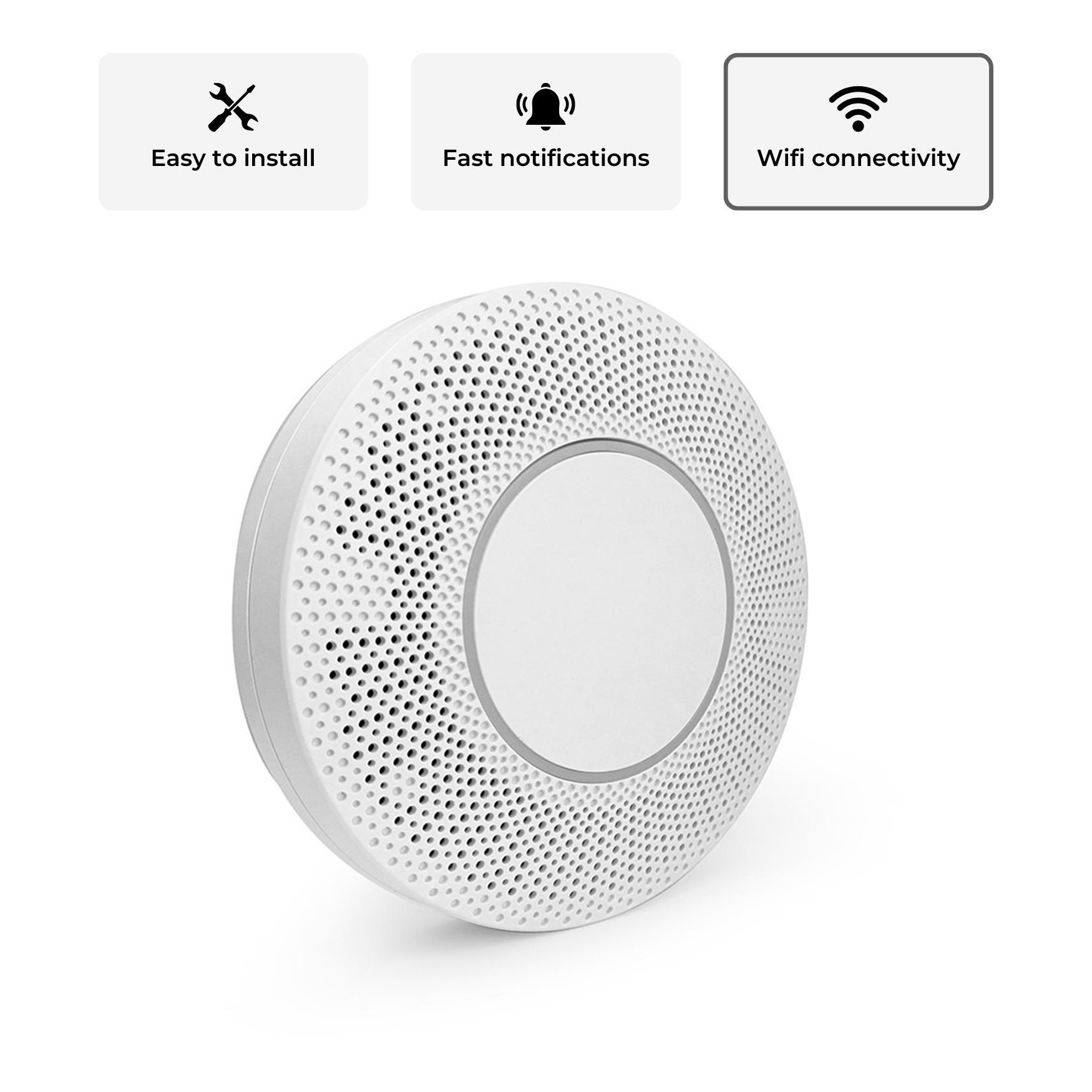
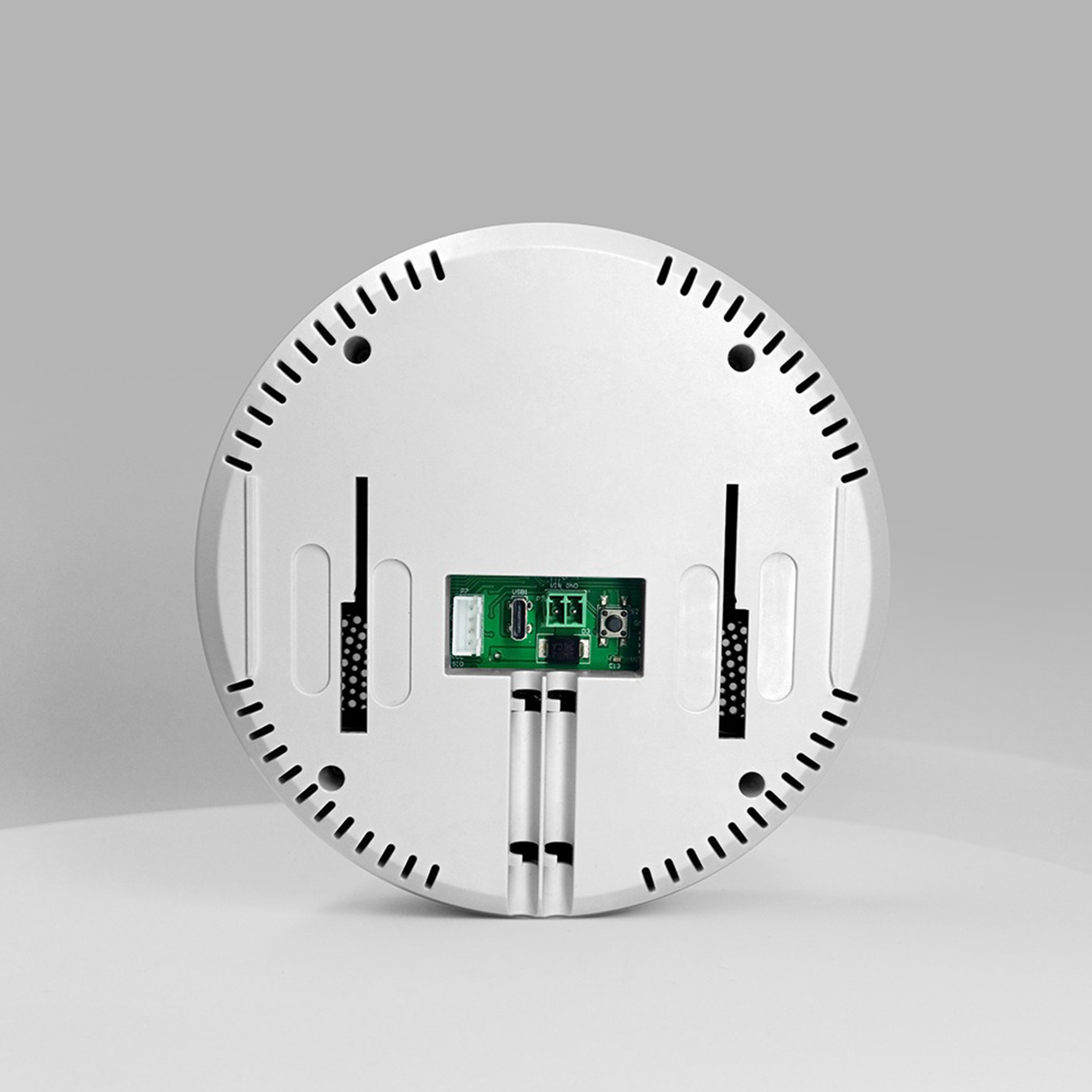
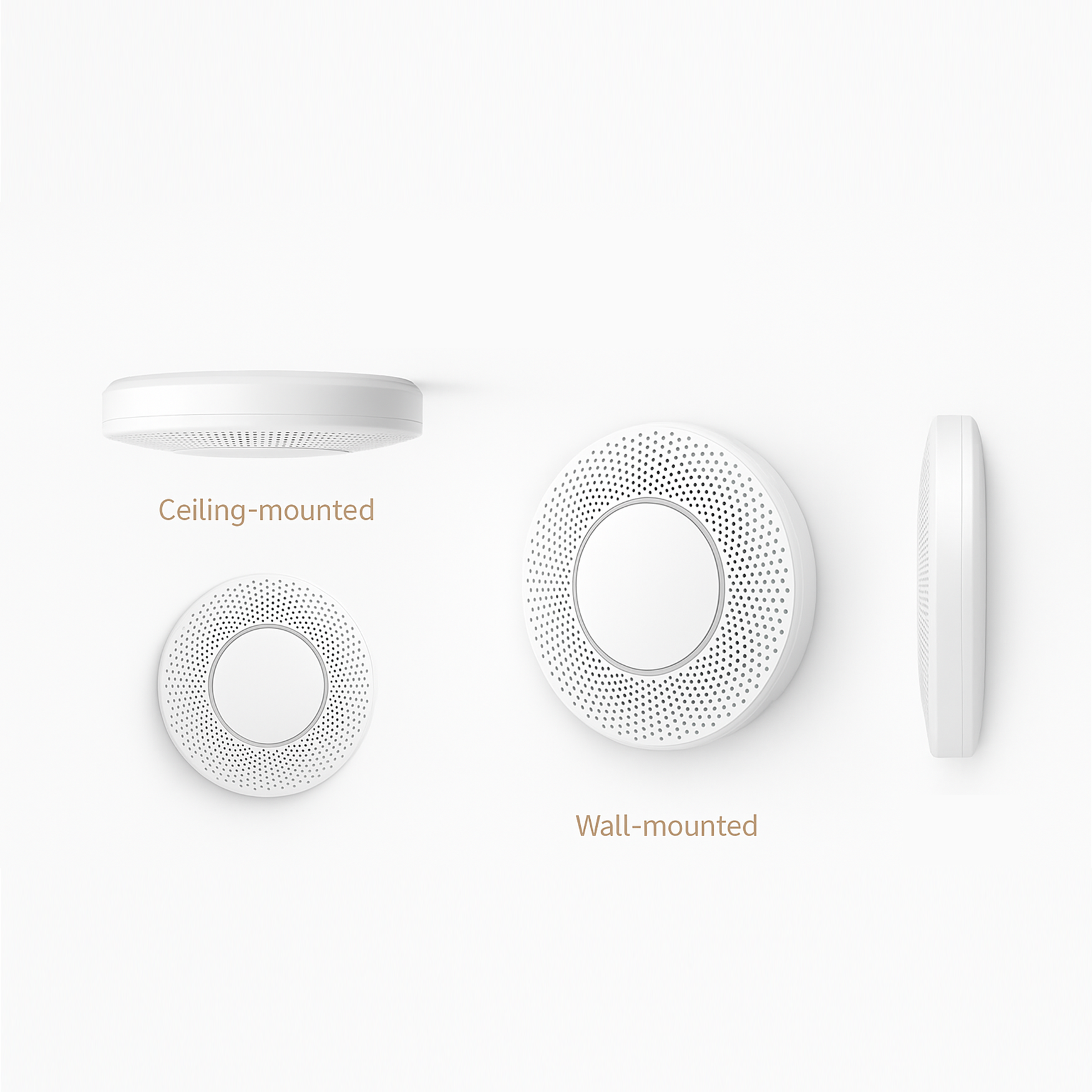



Share:
Smart Vape Sensor Network Guide: Your 2026 Innovation Companion
Connected Air Safety System Guide: Your 2026 Roadmap