
In a world where technology connects everything, keeping our air safe has never been more urgent. As buildings grow smarter and threats become more complex, the need for a reliable connected air safety system stands at the forefront of modern safety strategies.
A connected air safety system uses smart sensors and real-time data to protect people from hidden airborne risks. It matters because it helps organisations respond faster, comply with regulations, and create healthier environments.
This guide is your comprehensive roadmap for 2026. You will discover how connected air safety systems have evolved, their essential components, practical steps for implementation, compliance essentials, and the future trends shaping safer spaces.
The Evolution of Connected Air Safety Systems
Understanding where the connected air safety system began helps us appreciate the progress that has shaped modern environments. The journey from basic detectors to advanced, integrated networks mirrors the ongoing pursuit of safer, healthier spaces.
Early Air Safety Measures and Their Limitations
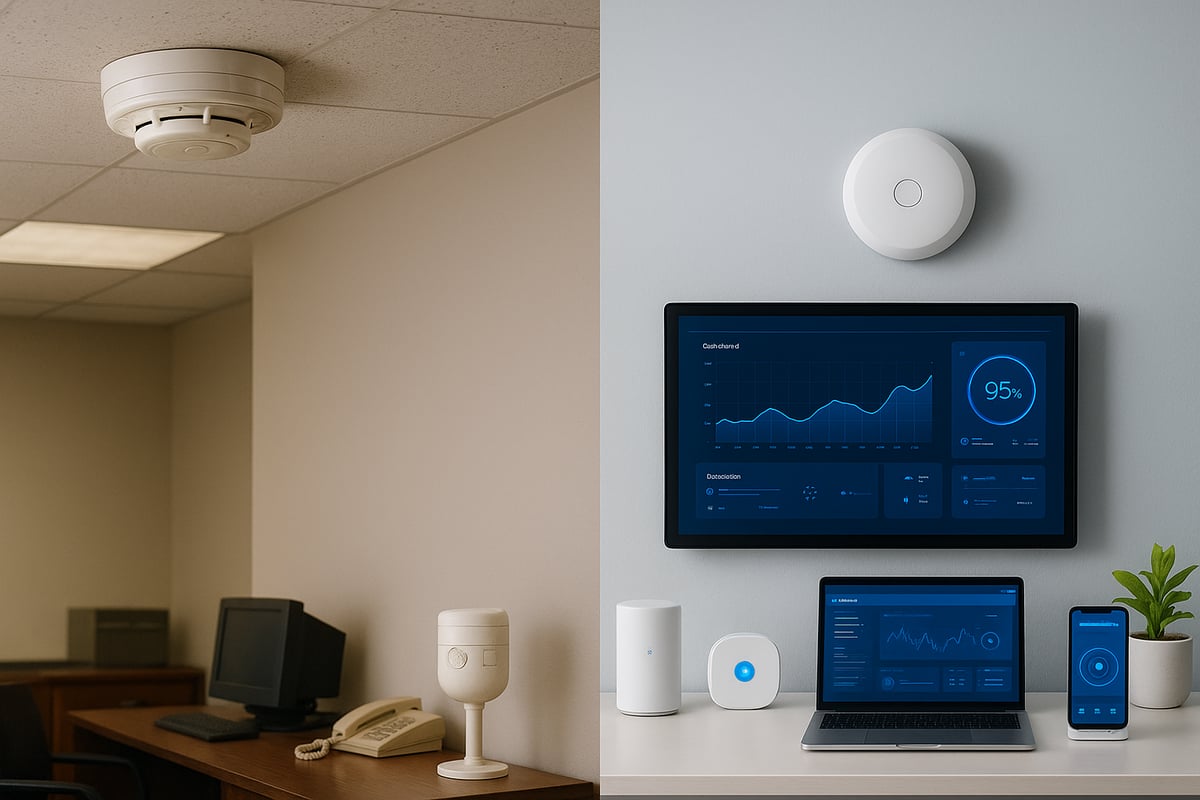
The earliest air safety measures relied on simple smoke and carbon monoxide detectors installed in individual rooms. While these devices provided a basic level of protection, their scope was limited. They could only detect specific threats and lacked the ability to communicate with other systems or trigger coordinated responses.
For example, in several documented incidents, traditional alarms failed to provide timely alerts, especially in large or complex buildings. This often resulted in delayed evacuations or missed warning signs. The absence of integration also meant that maintenance issues frequently went unnoticed. These limitations highlighted the need for a more advanced connected air safety system that could offer broader detection and faster, coordinated action.
Emergence of IoT and Smart Sensors
The rise of the Internet of Things (IoT) signalled a turning point in the evolution of the connected air safety system. IoT-enabled smart sensors brought real-time data collection and remote monitoring into focus, transforming how organisations manage air safety.
By 2023, over 60 percent of commercial buildings in the UK had adopted some form of smart sensor technology, underscoring a shift toward proactive safety management. These interconnected devices deliver faster threat detection, continuous system health monitoring, and streamlined responses. To learn more about the role of smart sensors in modern safety, see this Smart sensor technology overview.
As a result, the connected air safety system became not only more responsive but also capable of adapting to evolving threats, ensuring better protection for occupants and assets.
Integration with Building Management Systems
A major advancement in the connected air safety system was its integration with centralised building management platforms. Instead of relying on isolated detectors, organisations began to manage multiple safety devices from a single, unified dashboard.
This integration allows for coordinated actions, such as automatic ventilation adjustments, targeted alerts, and rapid system diagnostics. One notable case is a UK university that achieved a 40 percent reduction in false alarms after linking air safety sensors with their building management system.
Centralised oversight not only improves incident response but also simplifies routine maintenance, making it easier to uphold consistent safety standards across large facilities.
Regulatory Drivers and Market Growth
Regulatory changes have played a crucial role in accelerating adoption of the connected air safety system. Updates to UK and EU safety regulations, as well as stricter insurance requirements, have encouraged organisations to upgrade legacy systems.
Recent projections indicate that the global market for connected air safety systems will exceed £5 billion by 2026. Compliance is often a primary motivator, especially in education and healthcare, where upgrades are essential for meeting new standards.
In these sectors, connected air safety system installations have led to improved safety records and reduced liability, demonstrating both regulatory and practical value.
Increasing Demand for Multi-Substance Detection
Modern risks extend beyond smoke and carbon monoxide, prompting a surge in demand for connected air safety system solutions that can detect chemicals, vapours, and biological threats.
For example, hospitals now deploy sensors to monitor anaesthetic gases and airborne pathogens, helping reduce infection rates and improve patient safety. Multi-threat detection is also becoming standard in schools and laboratories, where exposure to various substances is a concern.
This shift reflects a growing recognition that a connected air safety system must address the full spectrum of airborne hazards, ensuring safer environments for everyone.
Core Components of a Connected Air Safety System
A connected air safety system is only as effective as its core components. Each part works together to create a seamless network, safeguarding occupants and assets. Understanding these elements is vital for any organisation planning to upgrade or implement a modern connected air safety system. Below, we break down the essential building blocks, their functions, and how they contribute to a robust safety strategy.
Smart Detection Sensors
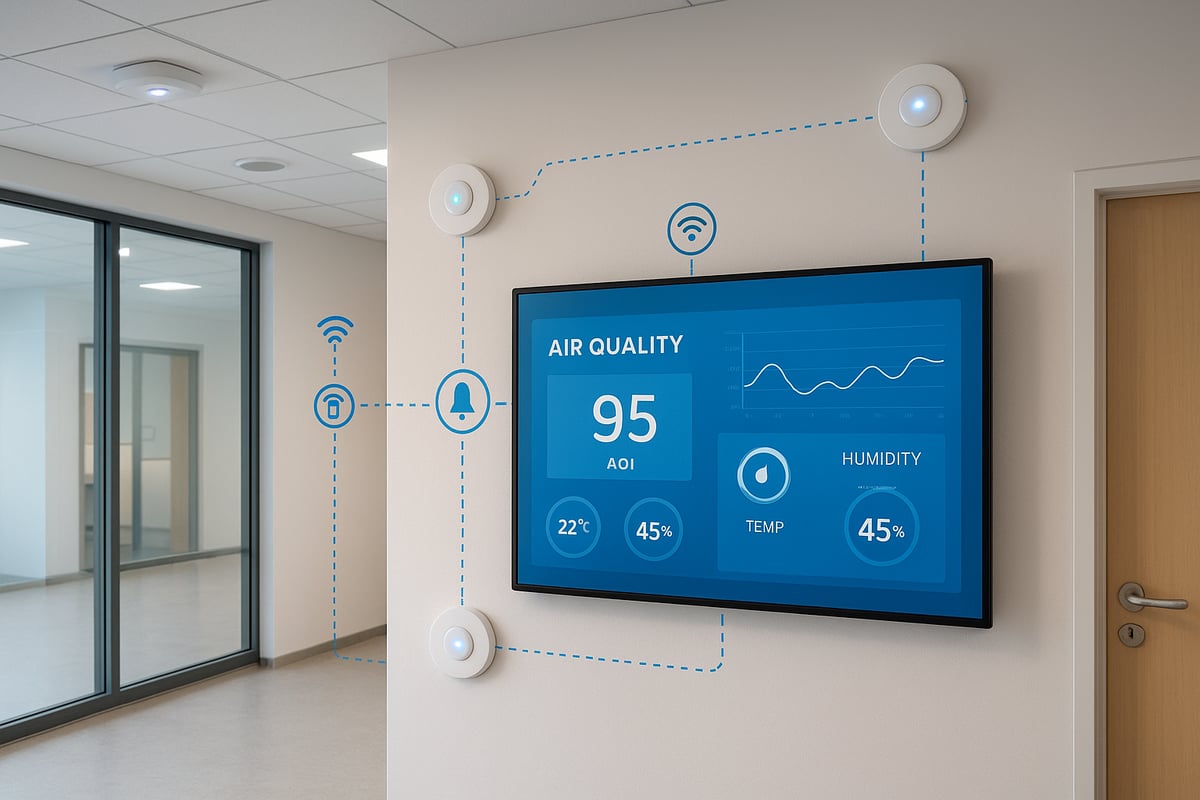
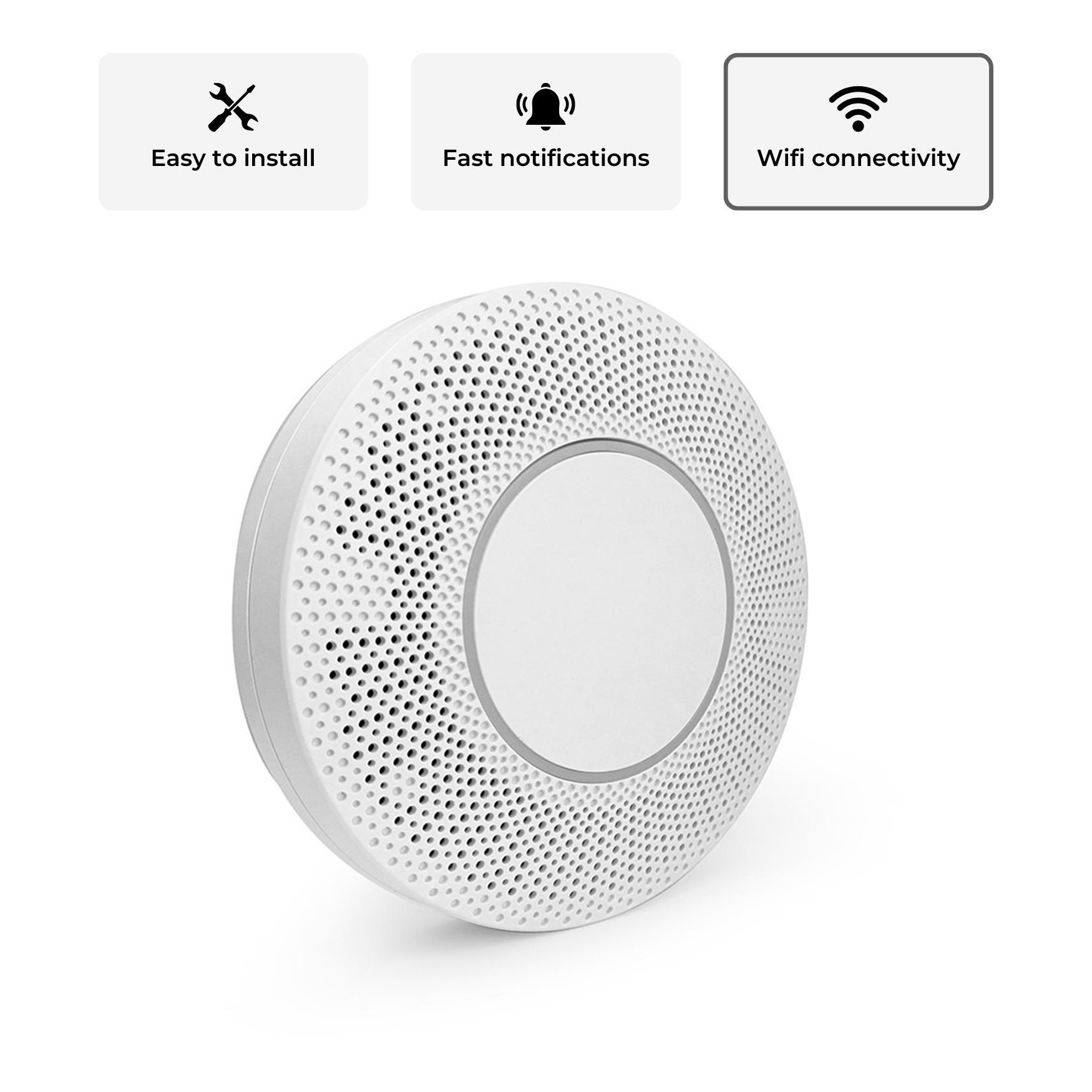
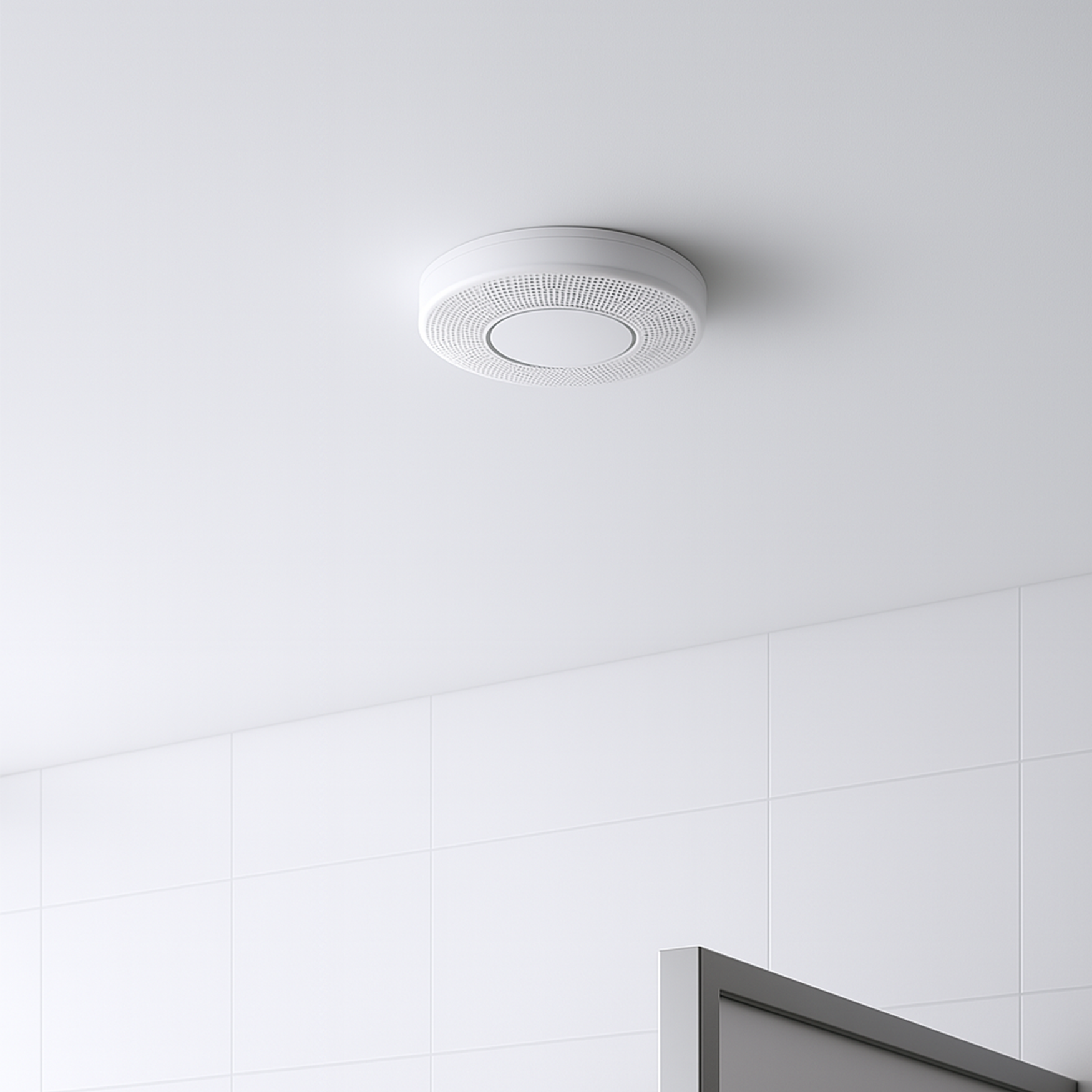
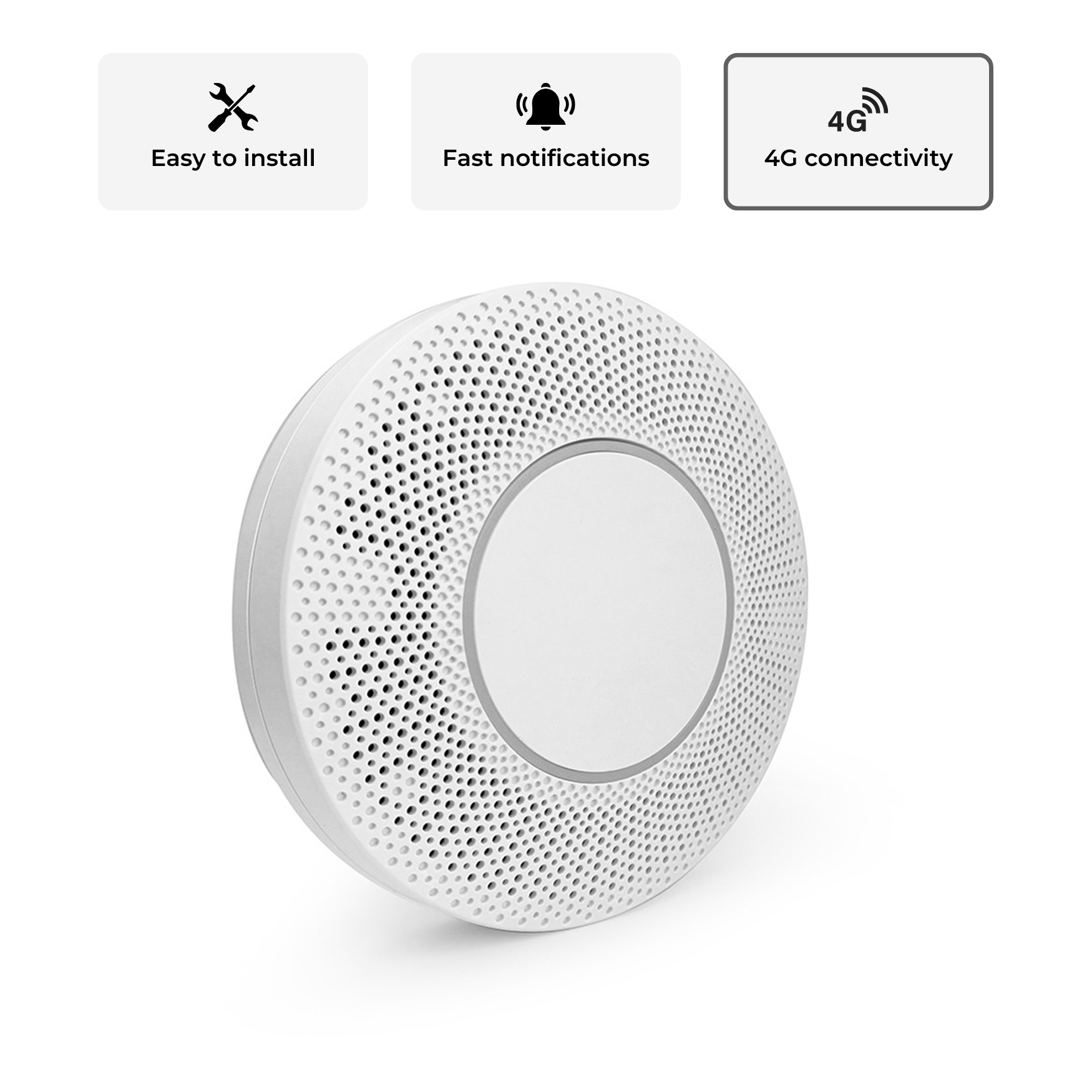
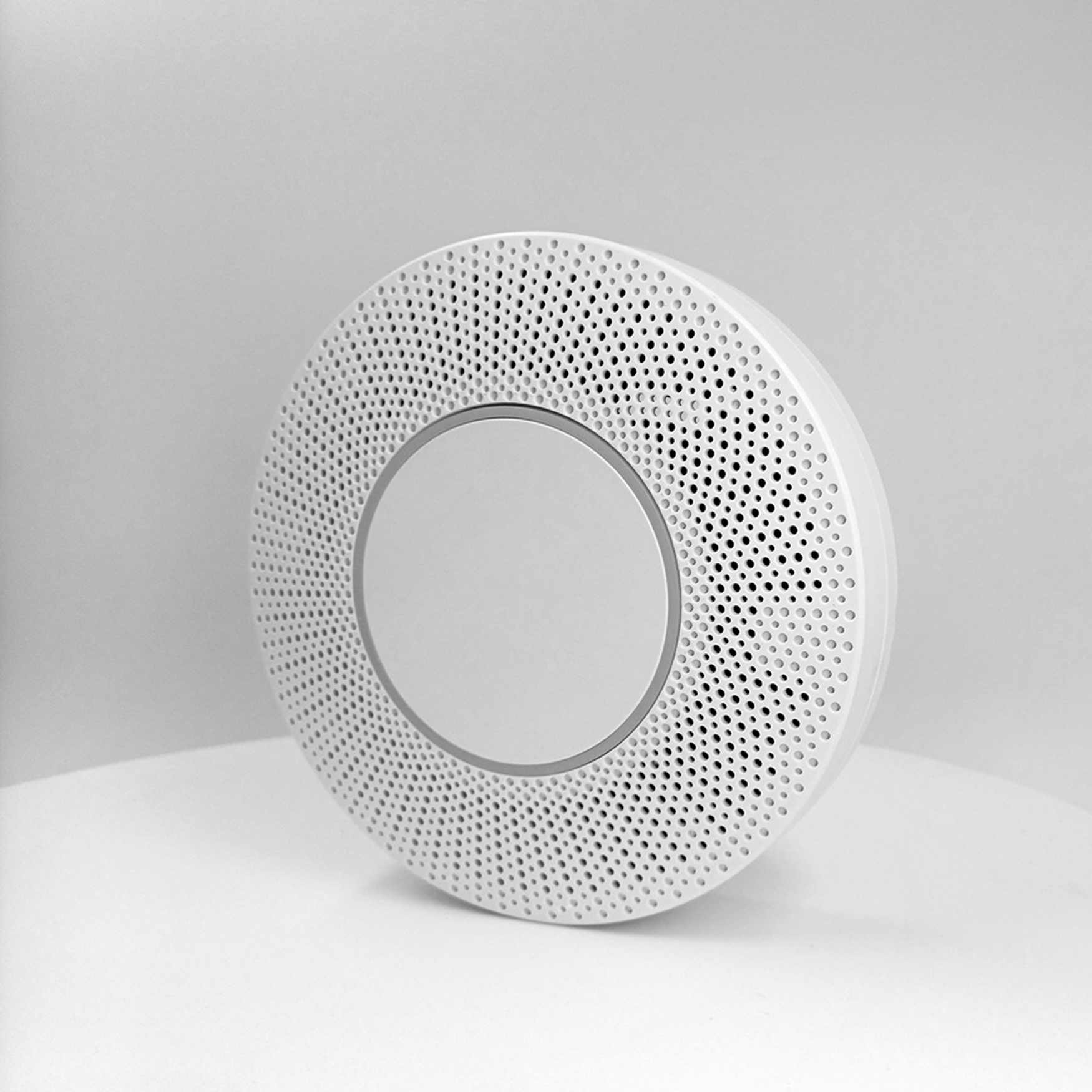
At the heart of any connected air safety system are advanced detection sensors. Modern sensors go beyond traditional smoke or carbon monoxide detection. They monitor a wide array of substances, including volatile organic compounds, particulate matter, and multi-gas threats. Sensitivity and fast response times are crucial for early intervention.
| Sensor Type | Target Threats | Example Use Case |
|---|---|---|
| Smoke Sensor | Fire, smoke | Offices, schools |
| Carbon Monoxide | CO gas | Residential, hotels |
| VOC Sensor | Chemicals, vapours | Labs, hospitals |
| Particulate Matter | Pathogens, dust | Healthcare, clinics |
| Multi-Gas Sensor | Multiple gases | Industrial, labs |
Hospitals, for example, rely on particulate sensors within their connected air safety system to detect airborne pathogens and ensure patient safety.
Centralised Monitoring Platforms
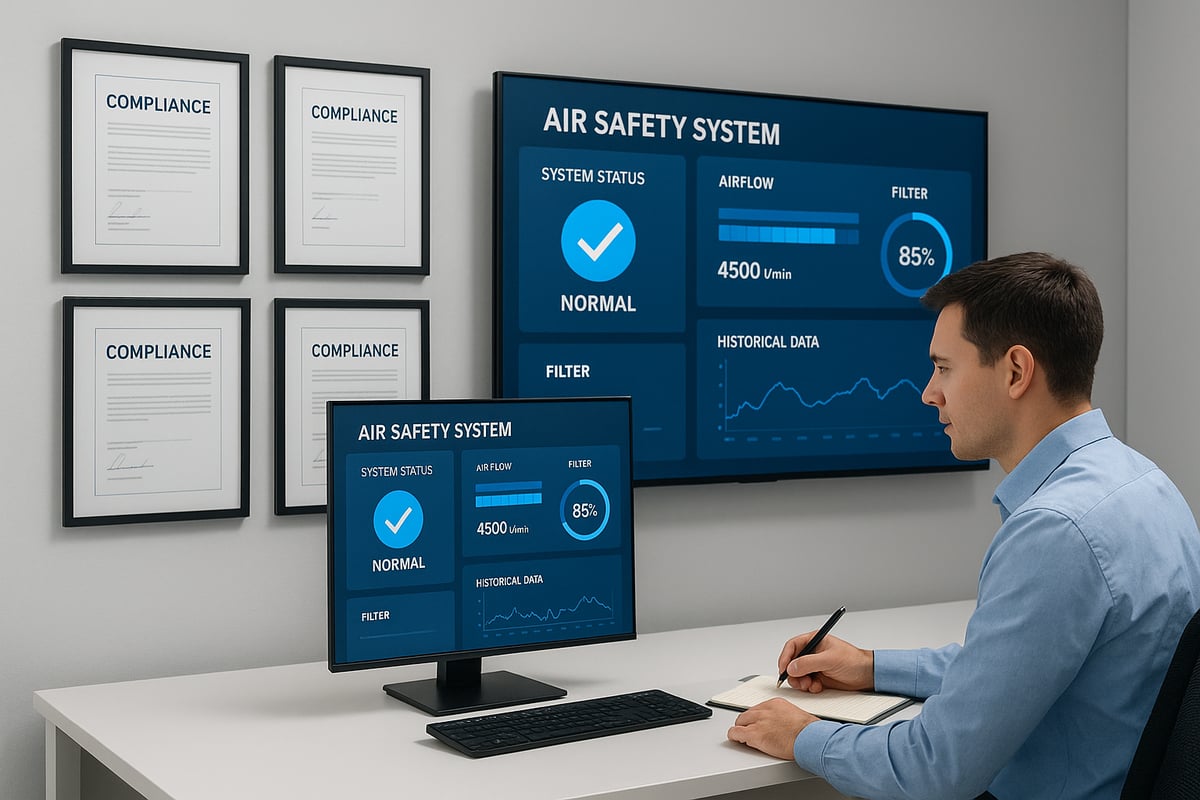
Centralised monitoring platforms form the command centre of a connected air safety system. These dashboards aggregate data from all sensors, offering real-time alerts and historical analytics. Features often include mobile and web interfaces, enabling remote access for facilities teams.
Security is a top priority. Platforms must ensure encrypted data transmission and robust cloud integration to prevent unauthorised access. Predictive analytics within these systems help organisations identify trends that may indicate future risks, further enhancing the value of a connected air safety system.
Automated Alert and Response Mechanisms
A connected air safety system is designed for speed and clarity during emergencies. Automated alerts are delivered through multiple channels, such as SMS, email, app notifications, and on-site alarms. Integration with building systems allows for immediate actions, like closing fire doors or controlling ventilation.
Consider an office building where a gas leak triggers the system to initiate evacuation protocols automatically. This level of automation is only possible with a truly connected air safety system, ensuring faster response and minimising harm.
Maintenance and Self-Diagnostics
Continuous performance is vital for any connected air safety system. Built-in self-diagnostics run regular checks, reducing the risk of unnoticed faults. Automated alerts notify facilities teams when maintenance is due, dramatically lowering the chance of system failure.
Statistics show that 70 percent of failures stem from neglected maintenance. Automated scheduling and reminders help organisations stay compliant and keep their connected air safety system running optimally.
Connectivity and Interoperability
Interoperability is a defining feature of a connected air safety system. Open standards like BACnet and Zigbee ensure devices can communicate, regardless of manufacturer or age. Compatibility with legacy equipment allows for phased upgrades, reducing costs and disruption.
Schools, for instance, often integrate new air quality sensors with existing alarms. For a deeper understanding of integration options, see this guide on network and connectivity essentials. Interoperability is the key to building a future-proof connected air safety system that evolves with your needs.
Step-by-Step Roadmap for Implementing a Connected Air Safety System
Implementing a connected air safety system requires a strategic approach tailored to your organisation’s unique environment. This roadmap breaks the process into clear, actionable steps, ensuring you achieve optimal protection, compliance, and long-term value.
Step 1: Assessing Organisational Needs and Risks
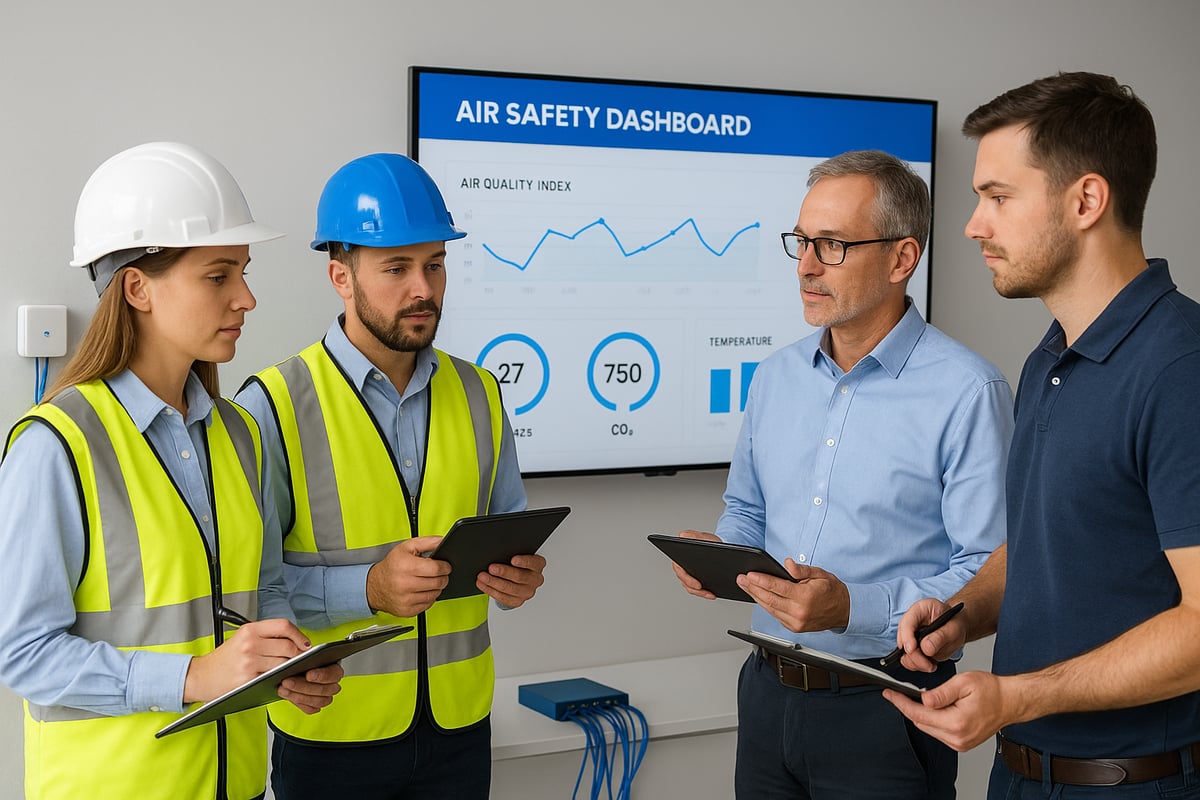
Begin by conducting a comprehensive audit of your facilities. Identify areas where air quality or fire risks are highest, such as laboratories, kitchens, and communal spaces. Engage stakeholders from facilities management, IT, and compliance to gather a full picture of current vulnerabilities.
Map out all existing detection devices and note any gaps in coverage. Evaluate how quickly your current systems provide alerts and whether these are integrated with other emergency protocols. This step ensures your connected air safety system is built on a foundation of real needs, not assumptions.
Step 2: Selecting the Right Technologies and Vendors
Choosing the right equipment and partners is crucial for your connected air safety system. Evaluate sensors for accuracy, sensitivity, and the ability to detect multiple substances. Consider platforms that offer scalability and compatibility with your existing infrastructure.
Vendor reputation, support services, and proven implementation success should drive your decision. Consulting real-world Vape Guardian case studies can provide valuable insight into effective deployments across schools, offices, and hospitals. This careful selection process will reduce risks and support long-term reliability.
Step 3: System Design and Integration Planning
With technologies selected, design the network of sensors and devices for maximum coverage. Strategically place sensors to minimise blind spots and ensure rapid detection in high-risk zones. Integration with existing building management or security systems is essential for seamless operation.
Plan the rollout in phases to limit disruption to daily activities. This approach allows for adjustments based on initial feedback, ensuring your connected air safety system performs optimally from the start.
Step 4: Installation and Configuration
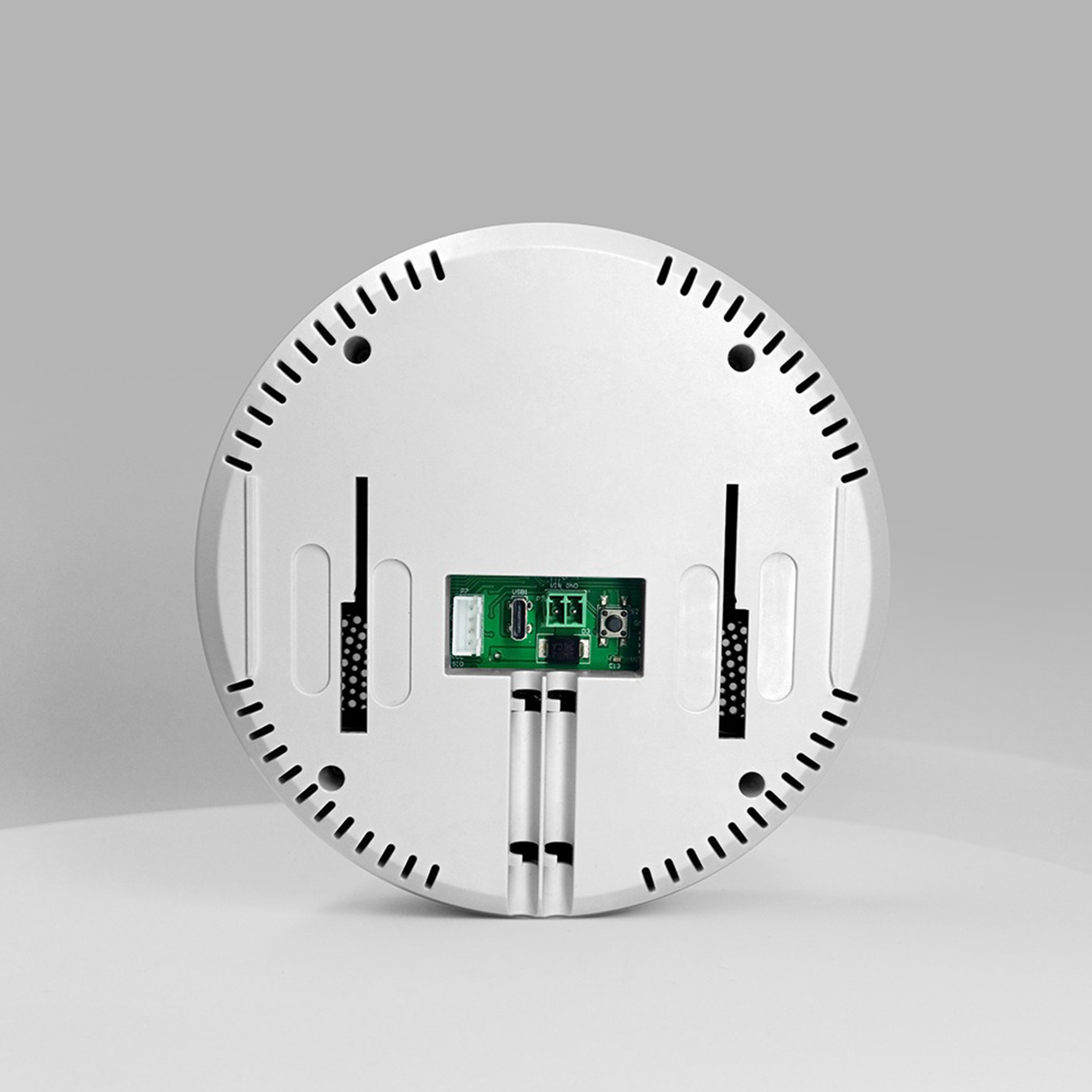
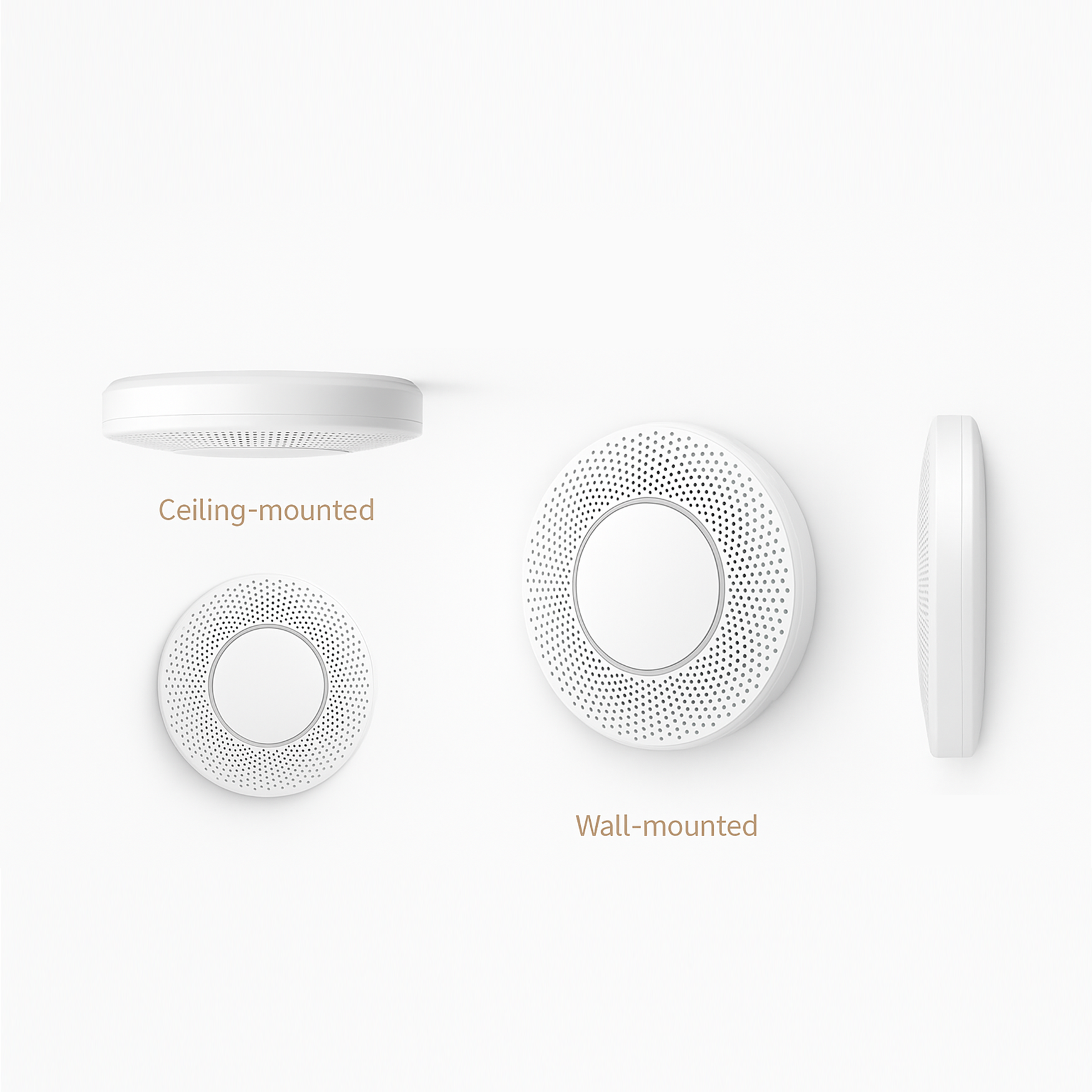
Professional installation is key to system reliability. Follow best practices for mounting sensors, configuring network connections, and setting up central monitoring platforms. Prioritise secure data transmission and compliance with privacy regulations.
Wireless sensor options can be especially beneficial in older buildings, minimising the need for invasive rewiring. Proper configuration ensures your connected air safety system delivers accurate, timely alerts when they matter most.
Step 5: Staff Training and Awareness
A connected air safety system is only as effective as the people using it. Develop comprehensive training programmes for staff and building occupants. Cover topics such as recognising alerts, following emergency protocols, and using monitoring interfaces.
Role-based training ensures everyone knows their responsibilities during incidents. Regular drills and clear communication channels foster a culture of safety and responsiveness, maximising the value of your connected air safety system.
Step 6: Ongoing Maintenance and Performance Monitoring
Maintenance is essential for continuous protection. Schedule routine checks of sensors, batteries, and software updates. Use analytics from your monitoring platform to spot trends, identify potential faults, and address issues before they escalate.
Keep detailed records of all maintenance activities for compliance. A well-maintained connected air safety system minimises downtime and ensures reliable operation when you need it most.
Step 7: Reviewing and Updating the System
Risks and technologies evolve, so your connected air safety system must adapt. Conduct periodic reviews to assess performance, gather feedback from users, and identify new threats or regulatory changes.
Update devices, software, and protocols as needed to maintain peak effectiveness. Continuous improvement keeps your organisation prepared for emerging risks and demonstrates a proactive commitment to safety.
Regulatory Compliance and Best Practice Standards
Navigating the regulatory landscape is crucial for any connected air safety system. Organisations must not only meet legal obligations, but also adopt best practices to protect occupants and maintain operational continuity. Compliance is a critical foundation for trust, safety, and insurance eligibility. In this section, we explore the essential standards, certifications, privacy measures, documentation, and audit routines that underpin a robust connected air safety system.
UK and EU Regulatory Landscape
The connected air safety system must adhere to specific regulations in the UK and across Europe. Key standards include the UK Building Regulations, the Health and Safety at Work Act, and BS 5839 for fire detection. The BS 5839 Series – Fire Detection and Alarm Systems sets out detailed requirements for system design, installation, and maintenance. EN 54 further specifies requirements for components in fire detection systems. Understanding the difference between mandatory and recommended standards is vital, as some sectors require full compliance, while others only suggest best practices for a connected air safety system.
Certification and Accreditation
Independent certification is essential to demonstrate that a connected air safety system meets recognised safety benchmarks. Leading accreditations include the LPCB and the BSI Kitemark. These certifications confirm that products and systems have been rigorously tested for fire, gas, and air quality detection. To achieve certification, organisations must select devices and platforms that comply with relevant standards, submit them for third-party testing, and maintain ongoing compliance through documented procedures. Accreditation not only provides assurance to regulators and insurers, but also reassures occupants that the connected air safety system is reliable.
Data Privacy and Cybersecurity
With the rise of smart sensors, a connected air safety system collects and transmits sensitive data. This brings data privacy and cybersecurity to the forefront. The General Data Protection Regulation (GDPR) requires organisations to protect personal data gathered by these systems. Best practices include encrypting sensor data, using secure network protocols, and restricting access to system controls. Regular security audits ensure that vulnerabilities are identified and addressed quickly. By prioritising cybersecurity, organisations can maintain trust and system integrity, while ensuring the connected air safety system remains compliant with privacy laws.
Documentation and Record-Keeping
Thorough documentation is a legal requirement for any connected air safety system. Maintenance logs, incident reports, and test records must be kept up to date and readily available for inspection. Digital platforms simplify this process, allowing organisations to store and retrieve records efficiently. Clear documentation demonstrates due diligence during compliance audits and can be critical in the event of an incident investigation. It also helps track system performance and identify areas for improvement, ensuring the connected air safety system operates at peak effectiveness.
Regular Audits and Compliance Checks
Ongoing audits are essential for verifying the effectiveness of a connected air safety system. Internal reviews should be scheduled regularly, with external audits conducted as required by regulatory bodies or insurers. For example, many hospitals conduct quarterly compliance checks to maintain certification and protect patient safety. Audits assess system functionality, maintenance routines, and documentation quality. By embedding regular audits into their safety culture, organisations can quickly identify gaps, address new risks, and keep their connected air safety system aligned with evolving standards.
Future Trends in Connected Air Safety Systems (2026 and Beyond)
The landscape for connected air safety system technology is rapidly evolving, with innovation driven by the demand for safer, smarter environments. As organisations look ahead to 2026 and beyond, several trends will define the next generation of air safety solutions.
AI and Predictive Analytics
Artificial intelligence is set to transform the connected air safety system by enabling predictive analytics and smarter decision-making. Machine learning algorithms can analyse sensor data to spot patterns, anticipate faults, and identify risks before they escalate. For example, AI can predict when a sensor is likely to fail, prompting preventative maintenance and reducing downtime. The growth of AI in safety-critical sectors is significant, with the AI in Aviation Market Set to Hit USD 171.53 Billion by 2033, reflecting the increasing reliance on intelligent systems for operational efficiency and safety. This shift empowers facilities to move from reactive to proactive air safety management.
Expansion of Multi-Threat Detection
A connected air safety system is no longer limited to smoke or carbon monoxide. The next wave of systems will feature multi-threat detection, covering chemicals, pathogens, and environmental hazards. Schools and hospitals are already piloting sensors that can identify vaping aerosols, volatile organic compounds, and even airborne viruses. Advanced frameworks like HARNESS: Human-Agent Risk Navigation and Event Safety System demonstrate how modular AI can forecast diverse hazards, making these solutions adaptable to complex environments. This evolution ensures that facilities remain protected against a broader spectrum of risks.
Edge Computing and Decentralised Processing
Edge computing is bringing a new level of responsiveness to the connected air safety system. By processing data locally at the sensor level, these systems deliver instant alerts and reduce reliance on cloud infrastructure. Offices and public venues benefit from lower latency, enhanced privacy, and uninterrupted operation even during network outages. For instance, edge-enabled sensors can immediately notify building managers of air quality changes, allowing for faster interventions. This approach is vital as facilities demand real-time intelligence and resilience.
Integration with Smart Cities and IoT Ecosystems
The connected air safety system is becoming an integral part of smart city infrastructure. Integration with traffic, environmental monitoring, and energy management platforms allows for a holistic approach to urban safety. European pilot projects are already showcasing how these systems can contribute to healthier, more sustainable communities. By linking with broader IoT ecosystems, air safety solutions gain access to richer data sets, enabling better decision-making and cross-functional benefits. The future points toward seamless interoperability across multiple city services.
Sustainability and Energy Efficiency
Sustainability is at the forefront of connected air safety system development. Manufacturers are prioritising eco-friendly materials, low-power sensors, and recyclable components. Market data suggests that by 2025, 30 percent of new installations will use energy-efficient technologies, reducing both operational costs and environmental impact. These advancements support organisations in meeting green building standards and corporate sustainability goals. The result is safer indoor environments that align with broader ecological objectives.
Real-World Applications and Case Studies
Across the UK, the connected air safety system is transforming how organisations protect people and property. Real-world deployments show measurable improvements in air quality, compliance, and incident response. By exploring sector-specific examples, we can see the tangible impact of these solutions in diverse environments.
Educational Institutions
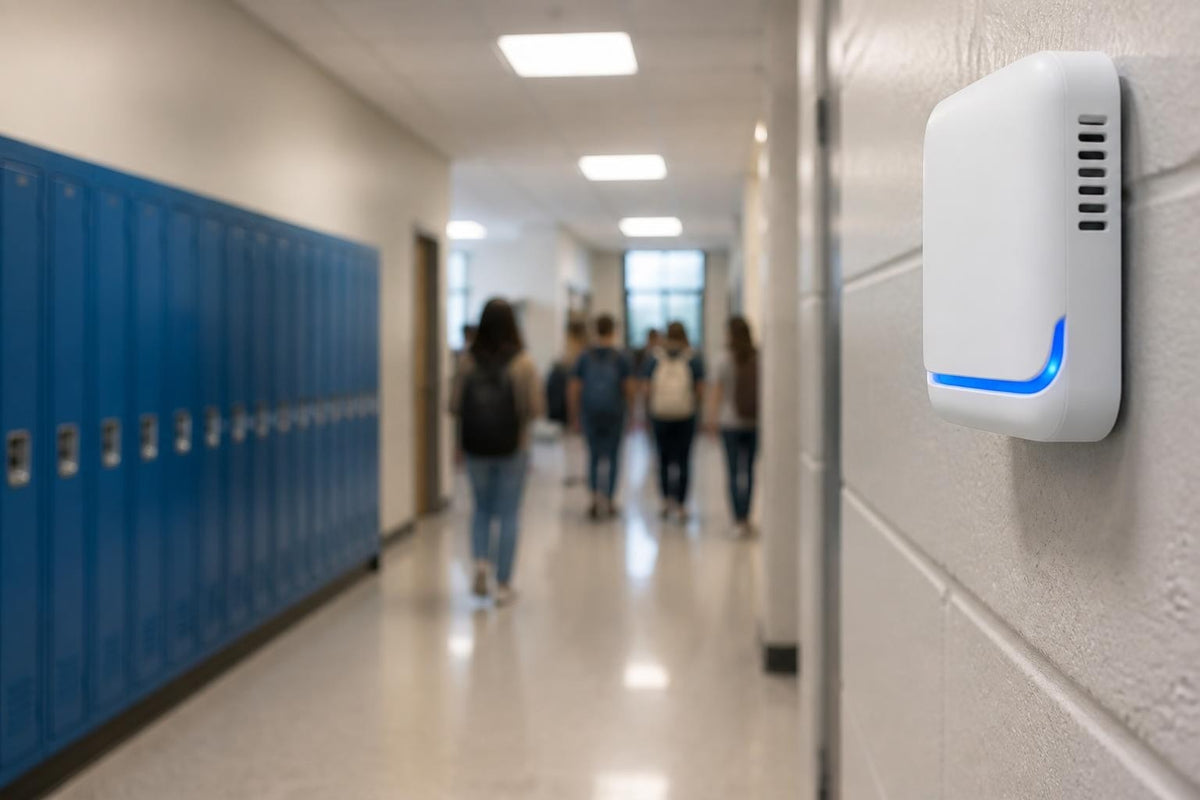
Schools and colleges are at the forefront of adopting the connected air safety system to address new challenges like vaping and indoor air quality. Smart sensors detect vape aerosols, volatile organic compounds, and elevated CO2, supporting healthy learning spaces.
A recent pilot across several UK schools resulted in a 90 percent reduction in vaping incidents, thanks to instant alerts and detailed reporting. These results are not isolated. By integrating air quality data with safeguarding policies, schools are also improving attendance and student wellbeing. For a closer look at practical solutions, see Vape detection for education settings.
Healthcare Facilities
In hospitals and clinics, the connected air safety system is vital for infection control and regulatory compliance. Advanced sensors monitor anaesthetic gases, airborne pathogens, and overall air purity.
The NHS has deployed these systems to reduce airborne infection rates by 25 percent, protecting both patients and staff. Continuous monitoring allows quick intervention if hazardous substances are detected, and ensures compliance with strict health and safety standards. The system's analytics also help facilities adapt protocols in real time.
Offices and Commercial Buildings
Commercial workplaces are leveraging the connected air safety system to meet insurance requirements and create safer environments for employees. Integrated sensors monitor for smoke, gases, and particulates, feeding data to central dashboards.
One major UK office complex achieved ISO 45001 certification after upgrading to a connected air safety system. Automated alerts, evacuation protocols, and maintenance tracking have reduced false alarms and improved overall safety culture. These results are encouraging more organisations to invest in connected solutions.
Leisure and Retail Spaces
Cinemas, gyms, and retail chains are using the connected air safety system to protect public health and minimise operational disruption. Sensors trigger immediate alerts for smoke, chemical vapours, or poor air quality, supporting quick decision-making.
A leading retail chain reported a 50 percent reduction in false alarms after installing smart sensors, saving costs and reducing unnecessary evacuations. By ensuring compliance with health regulations, these venues can focus on customer experience and business continuity.
As you explore the roadmap for connected air safety systems, it becomes clear how vital it is to stay ahead of evolving risks in schools, offices, and public spaces. With advanced technologies like real-time vape detection and integrated monitoring, you can create safer, healthier environments for everyone. If you're ready to put these insights into action and want guidance tailored to your organisation's needs, we're here to help. Speak with our dedicated team to discuss your unique safety challenges and discover practical solutions that align with your goals.
Talk to our team and protect your building today


Share:
Vape Detection for Workplaces: The 2026 Expert Guide
Hotel Vape Detector Guide: Essential Insights for 2026