
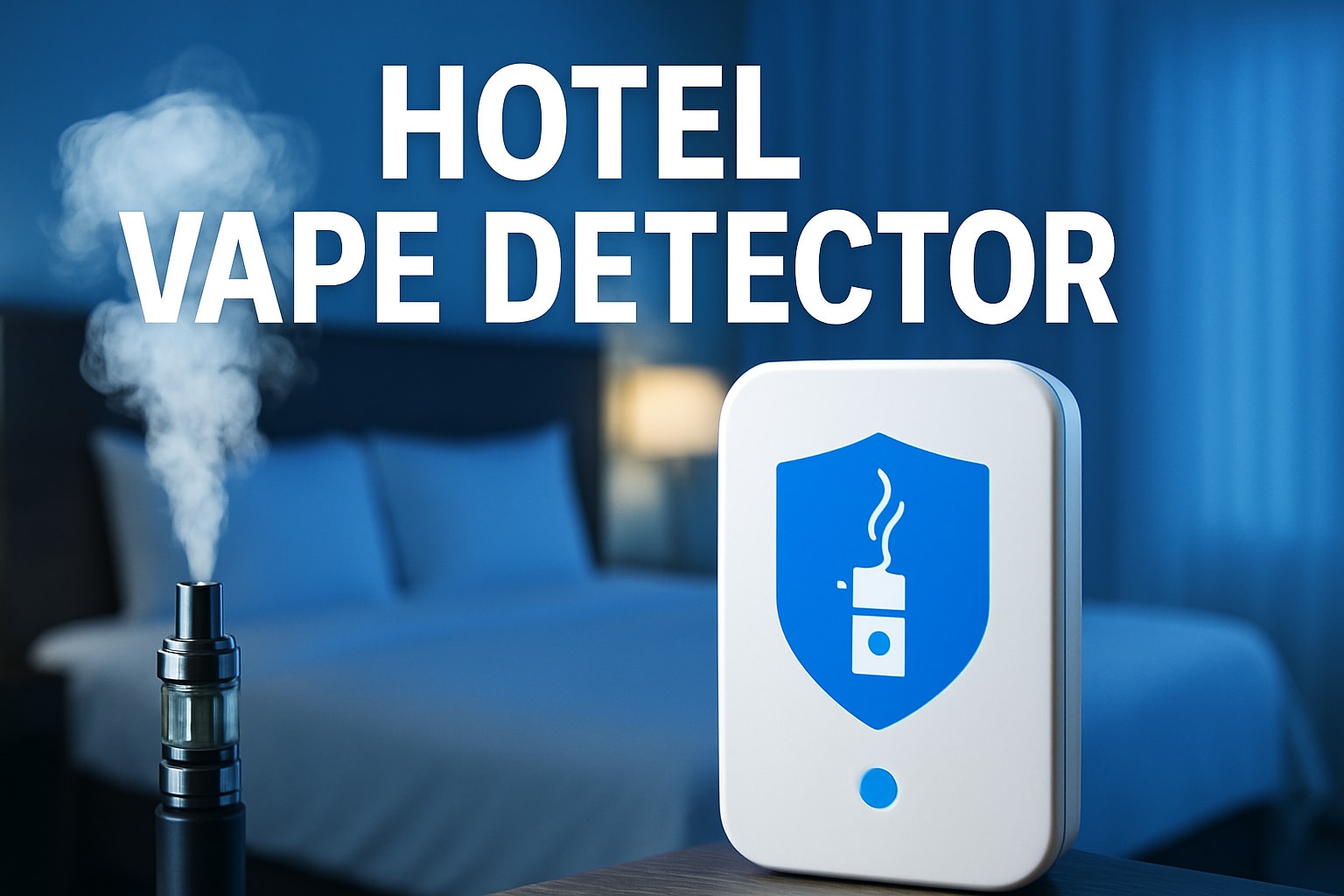
Vaping among hotel guests is on the rise, with incidents increasing sharply across the hospitality sector in 2026. This surge has left many hoteliers urgently seeking reliable solutions for detection and prevention.
This comprehensive guide explores everything you need to know about choosing and implementing a hotel vape detector. You will discover the challenges hotels face, how the technology works, compliance and legal requirements, best practices for installation, and what the future holds.
If you are looking for practical guidance to protect your hotel's reputation, safety, and bottom line, you are in the right place.
The Vaping Challenge in Hotels: Why Detection Is Critical
Vaping has become a widespread challenge for hotels in recent years, with a sharp increase in incidents reported across the hospitality sector. As vaping devices become more discreet and accessible, hoteliers are facing mounting pressure to address the issue with robust solutions like a hotel vape detector.
Recent hospitality industry surveys reveal that up to 40 percent of UK hotel managers have identified vaping as a top concern for 2026. This trend mirrors global patterns, with the OECD report on smoking and vaping trends highlighting a steady rise in e cigarette use among adults, especially in environments where traditional smoking is banned. The implications for hotels are clear: vaping is no longer a fringe behaviour, but a mainstream activity that requires proactive management.
The impact of guest vaping on hotel reputation cannot be overstated. Negative online reviews frequently cite unpleasant odours, visible vapour, or even direct confrontations with vaping guests. These experiences can erode guest satisfaction, resulting in lower ratings on popular booking platforms and reduced repeat business. In an industry where reputation is everything, a single vaping incident can lead to long term reputational harm if not swiftly addressed by a hotel vape detector.
Health and safety are also at risk when vaping occurs indoors. Second hand aerosol from e cigarettes contains fine particles and chemical residues that linger in the air. This can trigger allergies or asthma in sensitive guests and staff. Furthermore, vaping devices have been linked to fire risks through overheating batteries and improper charging in guest rooms. Poor air quality can also cause hotels to fall short of required standards, putting their non smoking certifications in jeopardy.
The financial consequences of unchecked vaping are significant. Remediation costs for rooms affected by vaping can be substantial, often requiring deep cleaning, carpet replacement, and even temporary room closure. Loss of non smoking status can further restrict a hotel's marketing reach and lead to revenue loss. Investing in a hotel vape detector is far more cost effective than repeated remediation or certification renewal.
Legal and insurance considerations are increasingly coming to the fore. Many insurers now require evidence of anti vaping measures as part of their risk assessment process. Failure to implement controls can result in higher premiums or denied claims if vaping leads to property damage or guest health complaints. In some cases, hotels have faced regulatory penalties or litigation when vaping incidents were not adequately documented or prevented.
There have been several high profile incidents where vaping has caused operational disruption. For example, a well known London hotel had to evacuate multiple floors after a guest's vaping device triggered a fire alarm, leading to negative media coverage and compensation claims. Hotel managers often express frustration at the difficulty of manual enforcement, as vaping can be hard to detect without technology. Staff report that relying on visual checks or guest complaints is ineffective, and can create uncomfortable situations for both employees and guests.
In summary, the vaping challenge in hotels is multifaceted, affecting reputation, safety, finances, and compliance. Addressing this issue with a hotel vape detector is critical for any property aiming to protect its brand and provide a safe, welcoming environment for all guests.
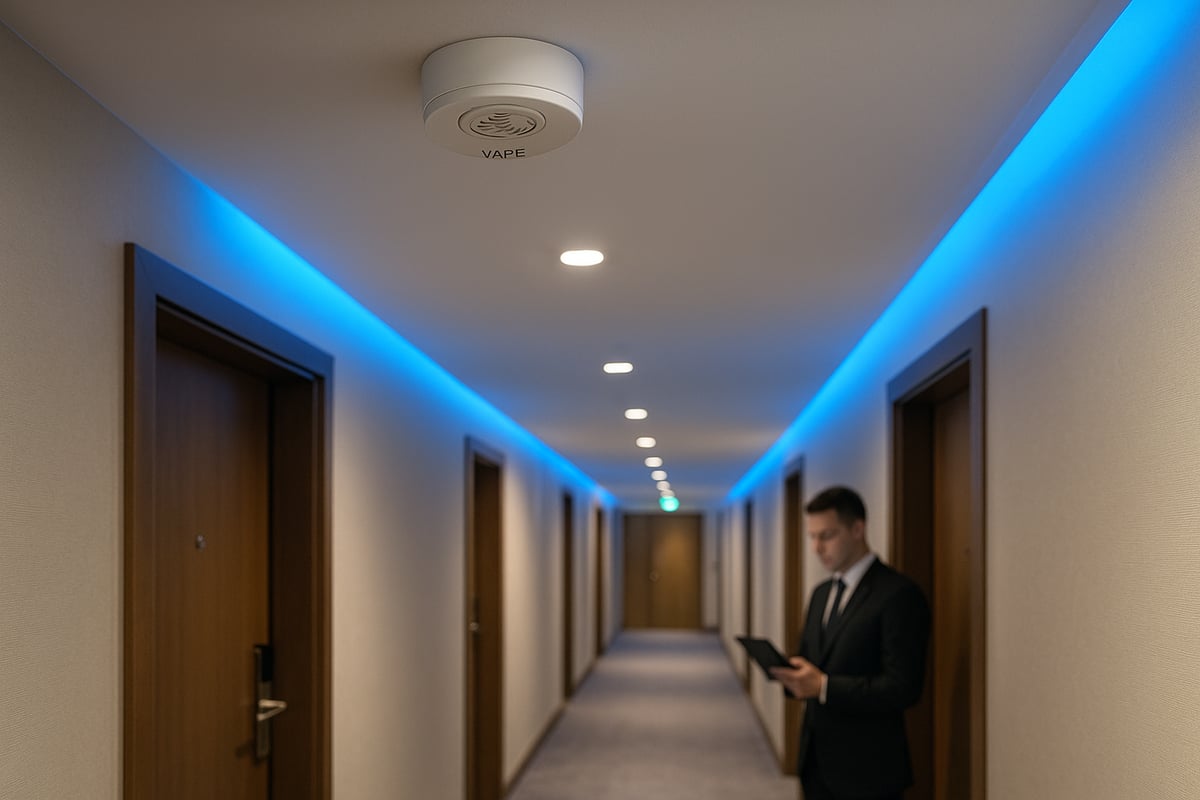
How Hotel Vape Detectors Work: Technology and Capabilities
The hotel vape detector is a sophisticated system designed to address the unique challenges of vaping in hospitality environments. Its advanced features enable hotels to monitor, detect, and respond to vaping incidents swiftly and discreetly. Understanding the technology behind these detectors is essential for hoteliers seeking effective, future-proof solutions.
Sensors and Detection Capabilities
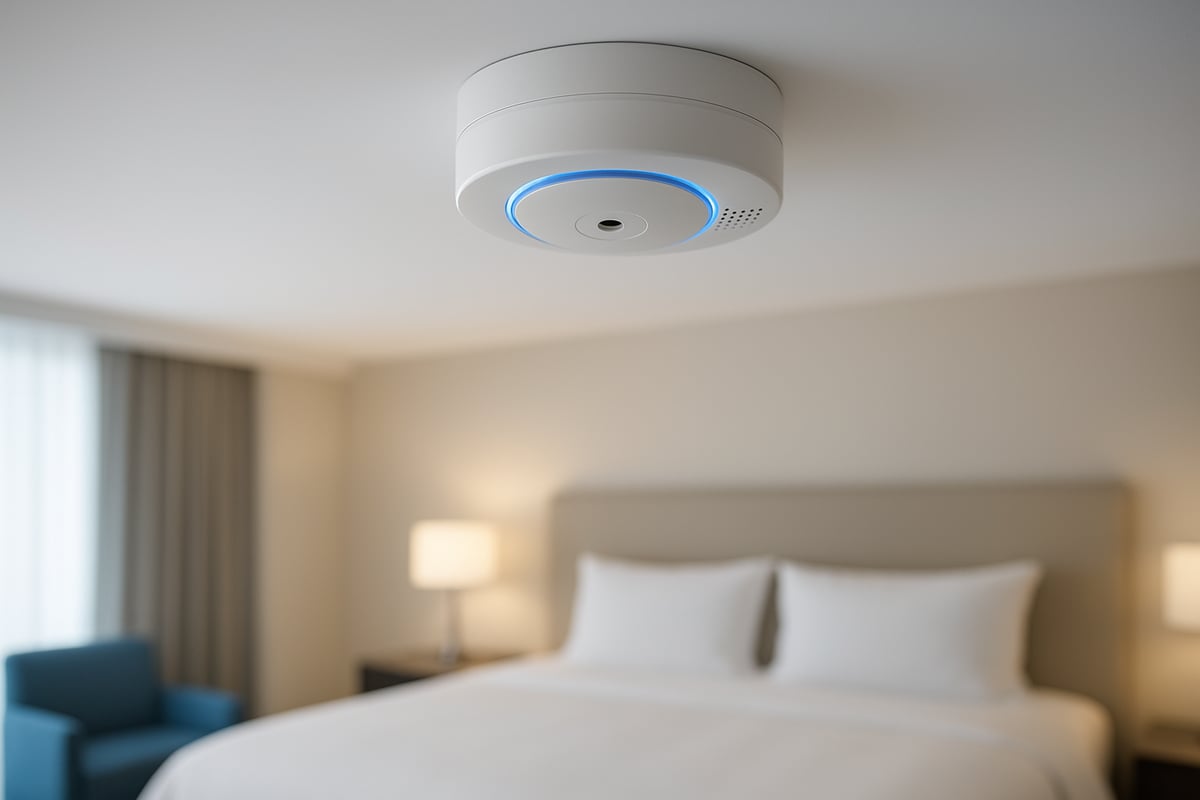
At the core of every hotel vape detector is a suite of specialised sensors. These may include particulate sensors that detect fine aerosol particles produced by e-cigarettes and vaping devices. Chemical sensors are also vital, as they identify specific compounds such as nicotine, THC, and synthetic cannabinoids like Spice. Air quality sensors monitor changes in the environment, flagging abnormal spikes that may indicate vaping activity.
Modern detectors are engineered to differentiate between harmless aerosols and those containing harmful substances. This precision is possible due to the integration of artificial intelligence and machine learning, which analyse sensor data to detect patterns unique to vaping. For a deeper understanding of these technologies, see the Smart sensor technology explained page.
A hotel vape detector is capable of identifying a broad spectrum of substances, including both legal and illicit compounds. This ensures that hotels can maintain a safe, compliant environment for all guests. The deployment of such detectors is a proactive step towards minimising the risks associated with vaping in hotel spaces.
Real-Time Alerts and Integration
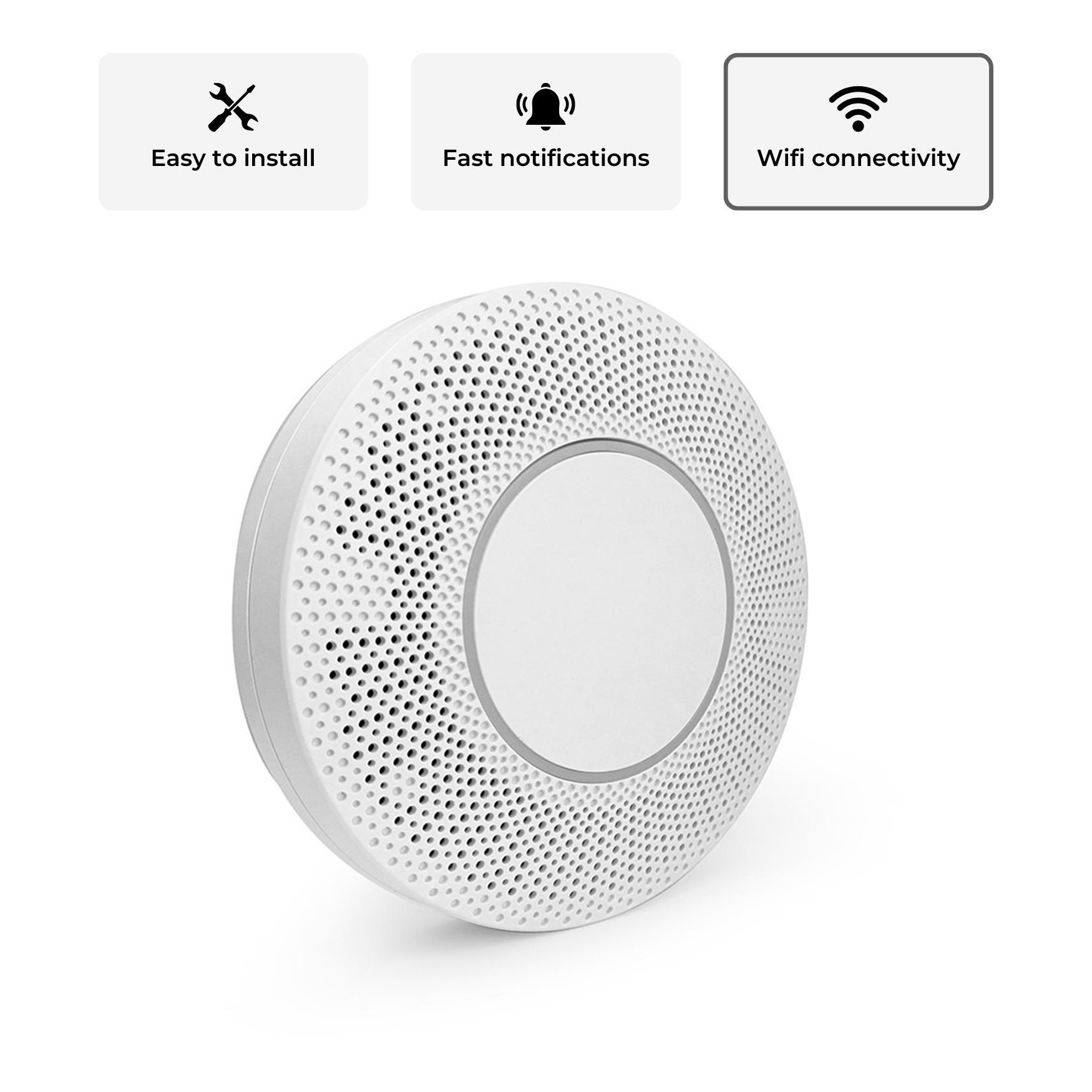
One of the defining features of a hotel vape detector is its ability to provide real-time alerts. When vaping is detected, the system instantly notifies staff via mobile apps, email, or direct integration with the hotel's building management system. This rapid communication empowers hotel teams to respond promptly, reducing the potential for escalation or repeated incidents.
Integration is seamless, allowing the hotel vape detector to work alongside existing security, fire safety, and facility management systems. This centralised approach streamlines monitoring and incident response, making it easier for staff to track and manage alerts from multiple locations.
Hotels can configure alert settings to suit their operational needs, ensuring that only relevant personnel are notified. This targeted approach helps maintain guest privacy while maximising the effectiveness of incident management. By leveraging these integration options, hotels can create a responsive, tech-driven environment that deters unwanted behaviour.
Accuracy, Privacy, and Measurable Impact
Accuracy is a critical consideration for any hotel vape detector. Advanced models use multi-sensor data fusion and AI algorithms to reduce false positives from sources like steam, aerosols, or cleaning products. This ensures that alerts are both reliable and actionable, minimising disruption to guests and staff.
Data privacy is also a top priority. The hotel vape detector is designed to monitor environmental factors only, without recording audio or video. Guest confidentiality is preserved at all times, with data securely stored and accessible only to authorised staff. This commitment to privacy supports hotels in maintaining trust with their clientele.
The measurable impact of hotel vape detector deployment is significant. Industry case studies report up to a 95% reduction in vaping incidents following installation. These results demonstrate the value of investing in advanced detection technology, both for compliance and for enhancing guest satisfaction. The evidence highlights why the hotel vape detector is becoming a standard feature in modern hospitality settings.
Compliance and Legal Considerations for 2026
Navigating compliance in 2026 requires hoteliers to keep pace with evolving regulations around vaping, guest safety, and technology. As vaping incidents continue to rise, implementing a hotel vape detector is no longer just a preventative measure but a legal necessity for maintaining standards and protecting your business.
UK and EU Vaping Regulations for Hotels
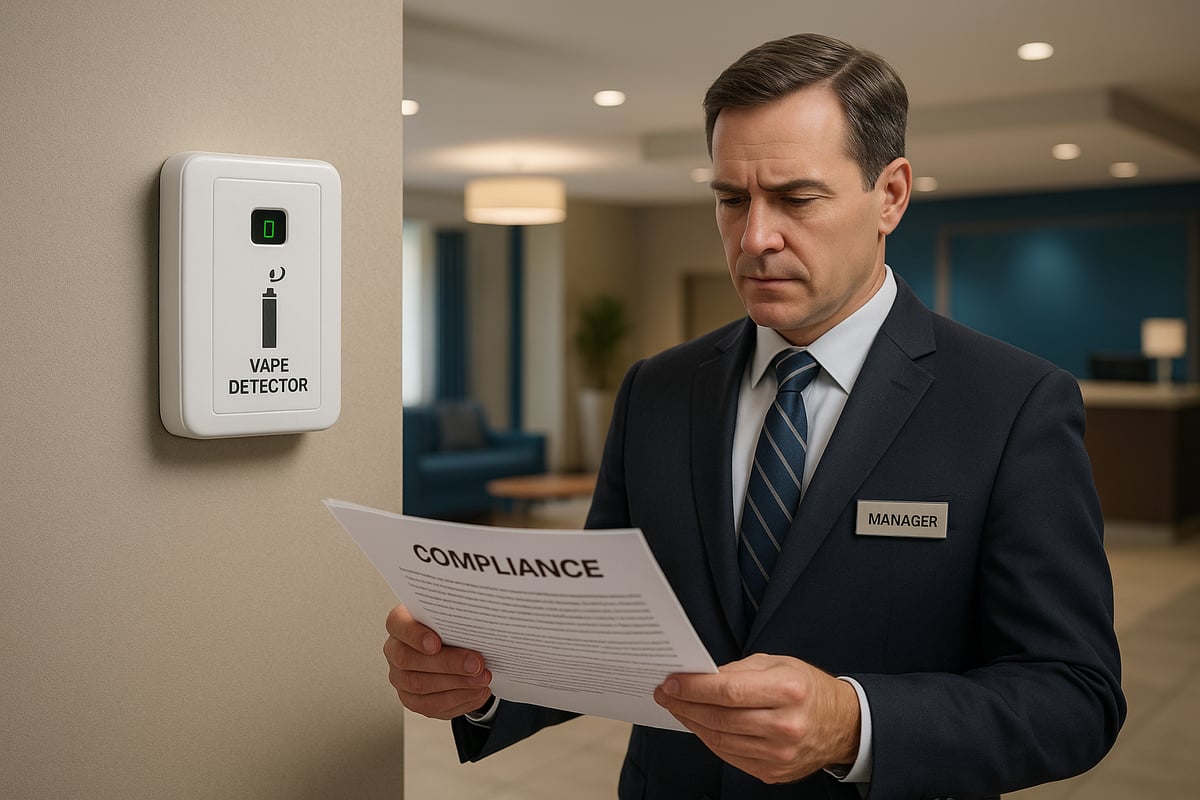
By 2026, both the UK and EU have tightened regulations on vaping in public spaces, including hotels. Under these frameworks, hotels must ensure that all guest rooms and communal areas remain smoke-free and vape-free. Failure to comply can result in fines, loss of licensing, or damage to non-smoking certifications.
A hotel vape detector supports adherence to these laws by providing verifiable evidence of policy enforcement. This technology is not just recommended, it is increasingly expected by regulatory bodies and industry watchdogs.
| Compliance Area | Requirement |
|---|---|
| Smoke-free Policy | Enforce and monitor no-smoking/vaping rules |
| Evidence Collection | Document incidents and responses |
| Regulatory Reporting | Provide data during audits |
| Guest Communication | Clearly inform of policies |
Insurance and Risk Management
Insurance providers now demand robust anti-vaping measures as part of their policy requirements for hotels. A hotel vape detector demonstrates proactive risk management, which can be critical for securing favourable premiums and avoiding exclusions.
Documenting every vaping incident and response is essential. Insurers may request proof that detection systems are in place and functioning, especially if a claim arises from a fire or health issue linked to vaping.
Data Protection and Guest Privacy
With the adoption of smart detection devices, hotels must comply with GDPR and similar data protection laws. Modern hotel vape detector systems are designed to collect only necessary environmental data, minimising personal information capture.
Hotels should regularly audit detector software and policies to ensure guest confidentiality is maintained. Transparency with guests about what is monitored and why builds trust and demonstrates compliance with privacy standards.
Legal Precedents and Penalties
Recent years have seen hotels penalised or facing litigation due to inadequate prevention of vaping in guest rooms. Regulatory authorities have increased inspections, and failure to provide evidence of enforcement can lead to significant financial and reputational harm.
Real-world Vape Guardian case studies show how hotels using advanced detection systems have avoided penalties and successfully defended against claims by producing accurate incident logs.
Policy Updates and Communication
Updating hotel policies to reflect the presence of a hotel vape detector is crucial. Clearly written guest communications, visible signage, and digital policy updates ensure everyone is aware of the rules and consequences.
Frontline staff should be trained to respond promptly to alerts and to document every incident. Consider regular internal audits and reviews to ensure policies stay aligned with changing regulations and best practices.
Adopting a hotel vape detector is not just about compliance, it is about safeguarding your reputation, guests, and bottom line. By staying proactive and informed, hotels can navigate the shifting legal landscape with confidence.
Installation Best Practices: Achieving Maximum Coverage and Effectiveness
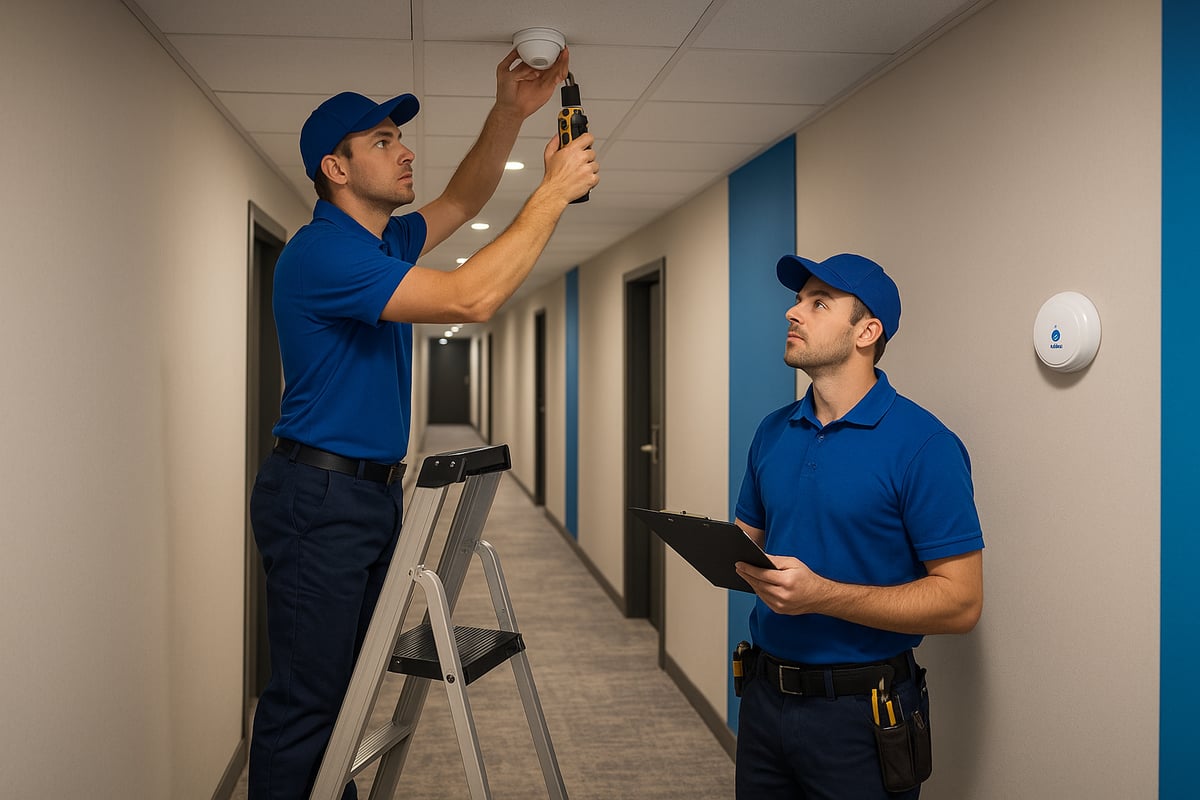
Installing a hotel vape detector system is a strategic process that demands careful planning and precision. Proper installation ensures your property maximises coverage, minimises false positives, and upholds guest safety and satisfaction. Failure to consider these best practices can undermine the effectiveness of any hotel vape detector deployment.
Site Survey and Risk Assessment
Begin by conducting a comprehensive site survey to identify high-risk areas throughout your property. Focus on guest rooms, corridors, stairwells, and communal spaces where vaping incidents are most likely. Assess the layout, air flow, and previous incident reports to determine optimal locations for each hotel vape detector.
A thorough risk assessment helps prioritise resources, ensuring detectors are installed where they will have the greatest impact. Pay special attention to any spaces with a history of complaints or poor air quality.
Planning and Rollout Steps
Develop a detailed rollout plan that aligns with your hotel's operational schedule. Start with a pilot phase, installing a limited number of hotel vape detector units in selected areas to gather preliminary data. Use this feedback to refine your approach before expanding property-wide.
Coordinate with housekeeping and maintenance teams to schedule installations at low-occupancy times, reducing disruption to guests. Document each step of the process for future audits and compliance checks.
Placement Strategies for Maximum Effectiveness
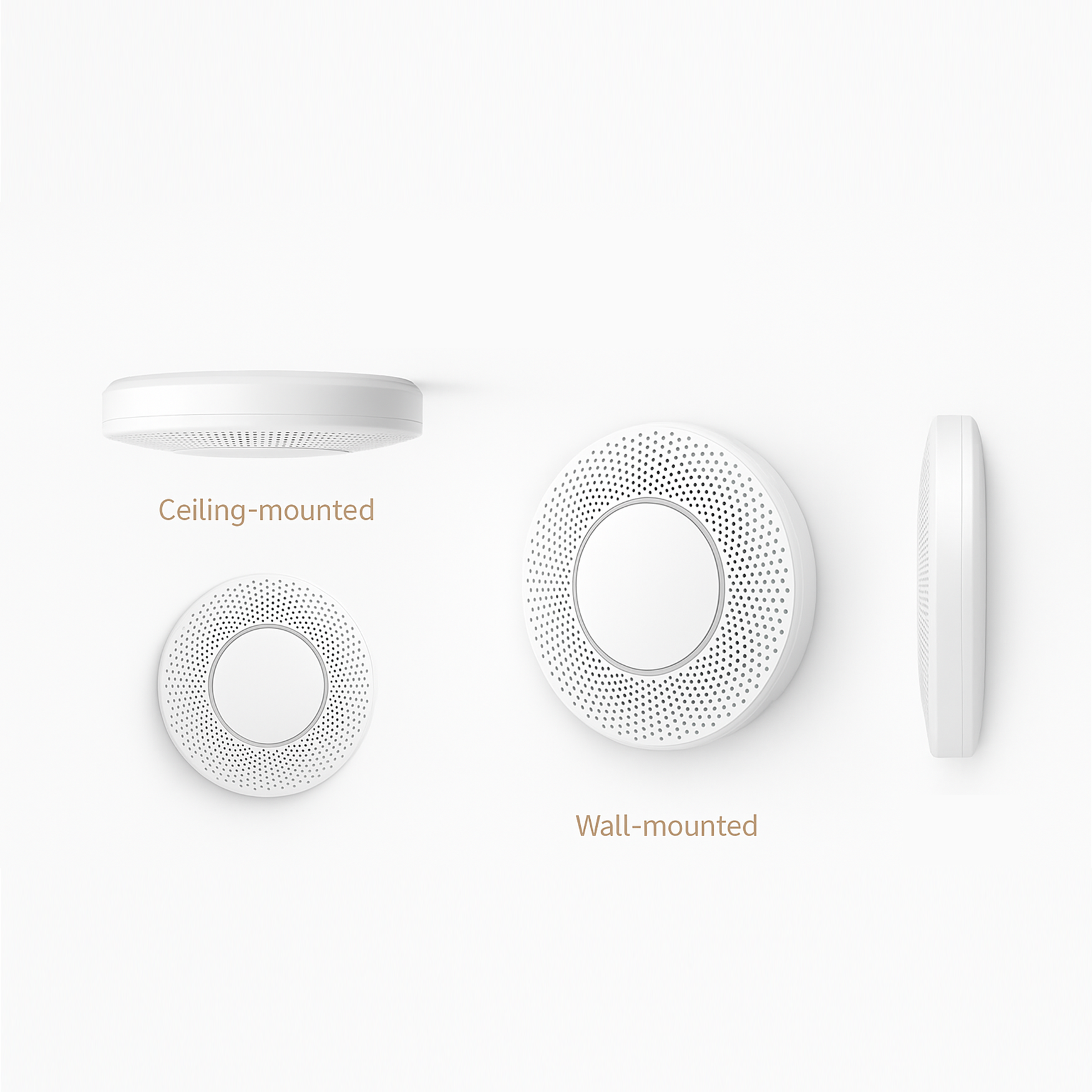
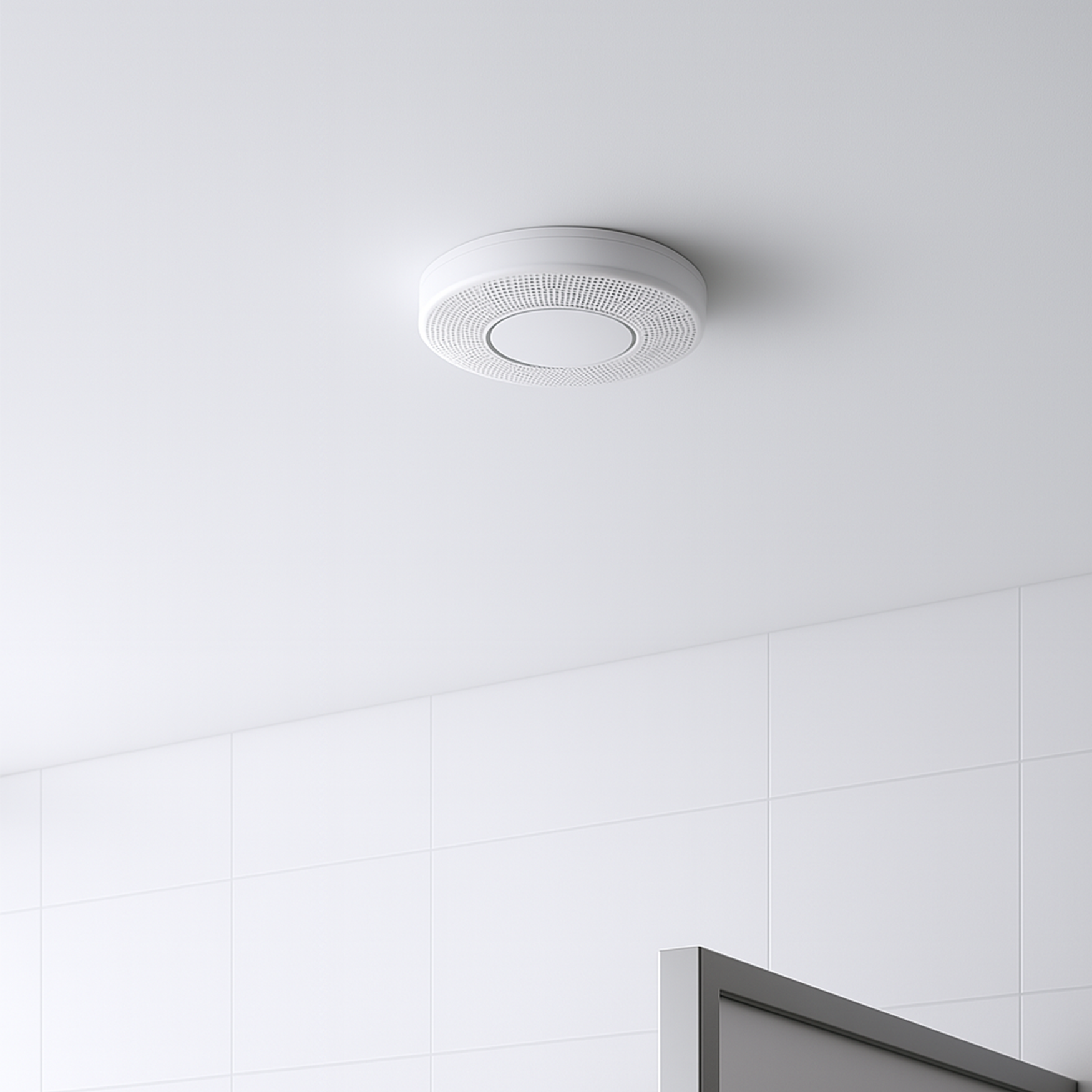
The placement of each hotel vape detector is critical for accurate detection and minimal false alarms. Ceiling mounting is generally recommended for broad coverage, as vape aerosols tend to rise. However, in some cases, wall mounting at a specific height may be more effective, depending on room layout and ventilation.
Avoid placing detectors near bathrooms or kitchens where steam or aerosols from cleaning products could trigger false positives. Consult the best vape detectors and sensors resource to compare models designed for hotel environments and choose the most suitable device for each location.
Power, Connectivity, and Integration
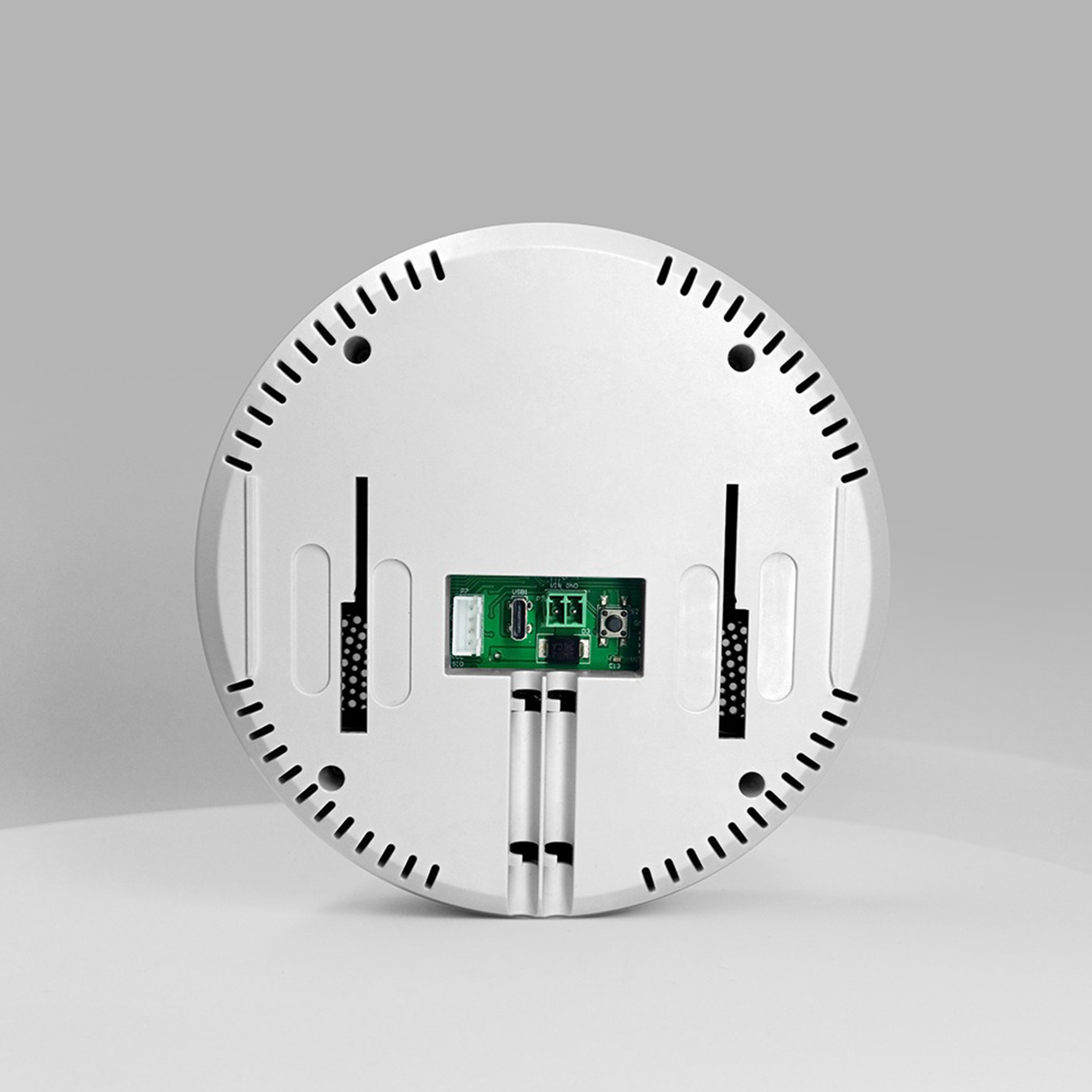
Select a power and connectivity solution that fits your infrastructure. Wired detectors offer reliability and continuous power, ideal for new builds or renovations. Wireless and battery-powered models are suitable for retrofits or areas with limited access to wiring.
Integration with existing hotel management and security systems is essential for centralised monitoring and efficient response. Many modern hotel vape detector systems can send real-time alerts to mobile devices, email, or building management platforms, streamlining incident management and record-keeping.
Staff Training and Response Protocols
Equip your staff with the knowledge and tools to respond promptly to vape detector alerts. Training should cover device operation, recognising genuine alerts, and following escalation procedures. Develop clear protocols for guest interactions and incident documentation.
For comprehensive guidance, refer to best practice for handling vaping alerts, which outlines actionable steps and communication strategies for hotel teams. Ongoing training and regular reviews ensure staff remain confident and compliant.
Maintenance and Reliability
Establish a maintenance schedule to keep your hotel vape detector network running smoothly. Regularly inspect, clean, and test each unit to prevent dust accumulation and sensor degradation. Schedule software updates to benefit from the latest detection algorithms and security features.
Maintain detailed records of maintenance activities to support compliance, insurance, and audit requirements. Proactive upkeep reduces downtime and preserves the integrity of your anti-vaping measures.
Real-World Example and Conclusion
A leading UK hotel group recently implemented a strategic hotel vape detector rollout across its portfolio. By prioritising high-risk areas, selecting appropriate models, and integrating with their management systems, they achieved a significant reduction in vaping incidents within the first few months.
Effective installation is the foundation of a successful hotel vape detector programme. By following these best practices, hoteliers can protect their reputation, ensure guest satisfaction, and maintain compliance in the evolving hospitality landscape.
Future Trends: Innovations in Vape Detection for Hotels
The landscape of hotel vape detector technology is evolving rapidly as the hospitality sector adapts to shifting guest habits and regulatory demands. By 2026, hoteliers can expect a wave of innovation that redefines how vaping is monitored and managed on their properties.
Next-Generation Sensor Technology
New hotel vape detector systems are leveraging advanced sensor arrays and AI-powered analytics. These detectors no longer rely solely on single-point chemical detection. Instead, they employ a fusion of particulate, air quality, and volatile organic compound sensors to distinguish between vaping, smoking, and harmless aerosols. Integration with environmental monitoring platforms enables hotels to address both compliance and guest comfort, as illustrated by Eagle Eye Networks' environmental monitoring solutions.
Machine learning algorithms continuously improve detection accuracy by learning from real-world data. This minimises false positives, a critical consideration for busy hotel settings.
Predictive Analytics and Smart Integration
The future of hotel vape detector solutions lies in predictive analytics. By analysing historical data, these systems can identify patterns, such as high-risk rooms or peak times for vaping incidents. This empowers managers to deploy resources more effectively and take proactive action.
Wireless mesh networks and IoT connectivity are becoming standard, especially for large or multi-building hotel properties. These features allow seamless integration with building management systems, providing centralised monitoring and instant alerts across all devices.
Enhanced Guest Engagement and Multi-Threat Detection
Modern hotel vape detector technology goes beyond just identifying vaping. Multi-threat detectors are capable of monitoring for smoke, THC, synthetic cannabinoids, and even noise disturbances. These systems send real-time alerts to both staff and, when appropriate, directly to guests through in-room displays or mobile apps.
Educational prompts and policy reminders can be delivered at the first sign of vaping activity, helping to deter repeat offences and maintain a positive guest experience. Hotels benefit from improved compliance and reduced reputational risk.
Regulatory Evolution and Market Expectations
As regulations tighten, hotel vape detector adoption is expected to become a standard across the industry. In the UK and EU, compliance with evolving smoke-free and air quality policies will be critical. Insurers are also likely to require documented anti-vaping measures.
Staying ahead means investing in technology that can adapt to future standards. Understanding the broader context of vaping in hospitality is crucial, as seen in the BMJ study on long-term vaping in England, which highlights the persistence of vaping trends among adults.
Lessons from Early Adopters
Hotels that have embraced advanced hotel vape detector systems report significant reductions in incidents and improved guest satisfaction. Early adopters have shared insights on best practices, from strategic placement to ongoing staff training.
As guest expectations continue to evolve, the most successful properties will be those that prioritise both safety and privacy. Investing in future-proof detection solutions today positions any hotel to thrive in the changing hospitality landscape.
As we've explored, staying ahead of vaping and air quality challenges in hotels is crucial for protecting your guests, your reputation, and your bottom line. With advanced solutions like real time vape detection, AI powered analytics, and robust support, you can address these risks proactively and confidently. If you’re ready to take the next step in safeguarding your hospitality environment and ensuring full compliance in 2026, I encourage you to talk to our team and protect your building today. We’re here to help you create a safer, healthier space for everyone who walks through your doors.



Share:
Connected Air Safety System Guide: Your 2026 Roadmap
Factory Air Quality Monitoring: The 2026 Expert Guide