

Vaping in gyms is on the rise across the UK, with recent studies revealing a noticeable increase in reported incidents within fitness facilities. This trend is creating new challenges for gym managers who must balance member satisfaction, health, and legal compliance.
This handbook is designed to be your definitive resource for navigating the evolving world of gym vape detector solutions in 2026. Inside, you will find expert guidance on understanding detection technology, choosing the right system, implementing best practices, ensuring compliance, and staying ahead of future trends.
Equip your gym with the knowledge to create a healthier, safer, and fully compliant environment for every member.
The Rise of Vaping in Gyms: Why Detection Matters
Vaping is quickly becoming a common sight in UK gyms and leisure centres. According to recent statistics on vaping prevalence among UK adults, the number of adult vapers has surged in the past few years. This trend is now spilling into fitness spaces, prompting concern among facility managers. As vaping devices become smaller and more discreet, detection becomes increasingly difficult. The need for a reliable gym vape detector has never been greater.
Reports from gym operators highlight the challenges posed by vaping in shared environments. Many members are unaware of the risks associated with secondhand vape aerosol. This exposure can affect everyone, especially those with asthma, allergies, or respiratory conditions. For young people and vulnerable groups, the risks are even higher. Shared fitness spaces are meant to promote health, yet vaping undermines this goal.
The impact of vaping goes beyond health. Repeated incidents can quickly damage a gym’s reputation. Members expect clean air and a positive environment when they work out. If gym management fails to address vaping, dissatisfied members may leave negative reviews or cancel memberships. Word spreads fast in the fitness community, making reputation management a critical concern.
Regulatory pressures are mounting as well. The UK and EU have introduced stricter rules regarding vaping in public and fitness spaces. Gym owners must ensure their facilities are compliant or risk penalties and insurance complications. Enforcement is challenging without the right technology, making the case for a gym vape detector even stronger.
Real incidents underline the seriousness of the issue. There have been documented cases where vaping in changing rooms set off fire alarms, causing unnecessary evacuations. In other instances, the lingering smell of vape liquids has led to complaints and formal warnings from local authorities. Such events disrupt operations and erode trust among members.
The demand for proactive solutions is growing rapidly. Gym managers are now seeking advanced detection systems that can identify vaping in real time and provide actionable alerts. Traditional surveillance is not enough, as modern vaping devices release less visible vapour and are easily concealed. A gym vape detector offers a targeted approach, helping staff respond quickly and prevent repeated violations.
To summarise, prioritising a gym vape detector is essential for several reasons:
- Protecting member health and air quality
- Maintaining a positive reputation and high satisfaction
- Meeting legal and insurance requirements
- Reducing operational disruptions from vaping incidents
- Supporting a safe, welcoming fitness environment
The risks associated with unchecked vaping are too significant to ignore. As the industry evolves, investing in an effective gym vape detector is no longer optional but a necessity for forward-thinking gym operators.
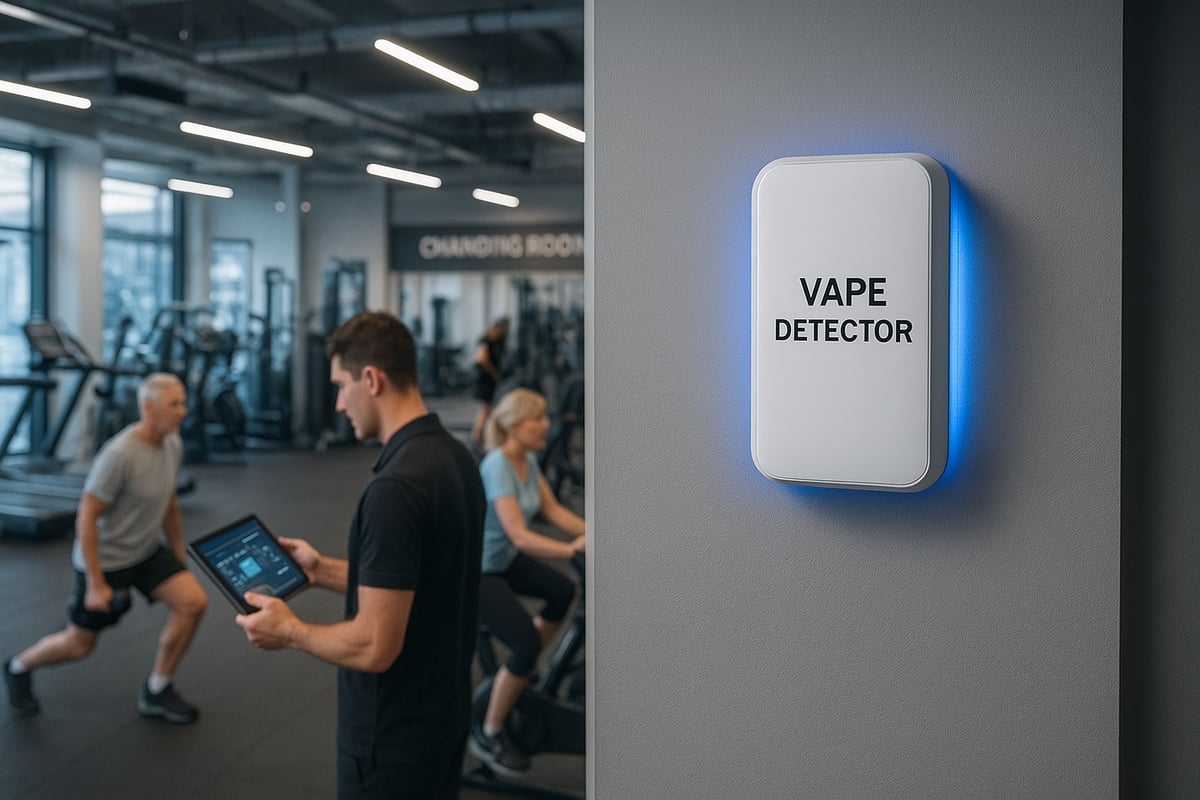
How Gym Vape Detectors Work: Technology Explained
Modern gym vape detector systems in 2026 have evolved into highly sophisticated tools essential for maintaining clean, safe fitness spaces. These detectors use a combination of advanced sensors and intelligent software to identify vaping incidents quickly and accurately, even in challenging gym environments.
A gym vape detector operates by continuously scanning the air for trace elements and changes that indicate vaping. The technology involves a blend of sensors, including particulate sensors that detect fine airborne particles, chemical sensors that sense volatile organic compounds, and acoustic sensors that listen for the subtle sounds of e-cigarette use. AI-based analysis then processes this data, distinguishing real vaping events from harmless anomalies like aerosol from deodorants or steam from showers.
For a more technical breakdown, the table below summarises the core sensor types and their functions:
| Sensor Type | Purpose | Example Use in Gyms |
|---|---|---|
| Particulate | Detects fine aerosols in the air | Vape clouds in changing rooms |
| Chemical | Identifies specific vape-related compounds | Bathroom and toilet monitoring |
| Acoustic | Listens for device activation sounds | Discreet vape detection |
| AI Analysis | Differentiates false positives | High-traffic workout areas |
A gym vape detector is most effective when it provides real-time alerts. Once vaping is detected, the system immediately sends notifications to staff via mobile apps, SMS, or email. Many solutions offer seamless integration with gym management software and existing security platforms, streamlining incident response and reporting.
Leading models in 2026 feature cloud connectivity, allowing data from each gym vape detector to be centrally managed and analysed. This enables trend tracking, compliance reporting, and remote system health monitoring. For a deeper dive into the underlying technology, see the detailed overview at Real Vape Detection Technology.
Accuracy is critical. Modern gym vape detector systems employ multi-sensor fusion and advanced algorithms to minimise false alarms. Regular firmware updates and calibration routines keep detection rates high and errors low.
Data privacy is also a top priority. All personal data collected by a gym vape detector must comply with UK data protection laws, and member consent protocols are standard practice. Such safeguards ensure that gym operators can maintain safety without compromising user trust.
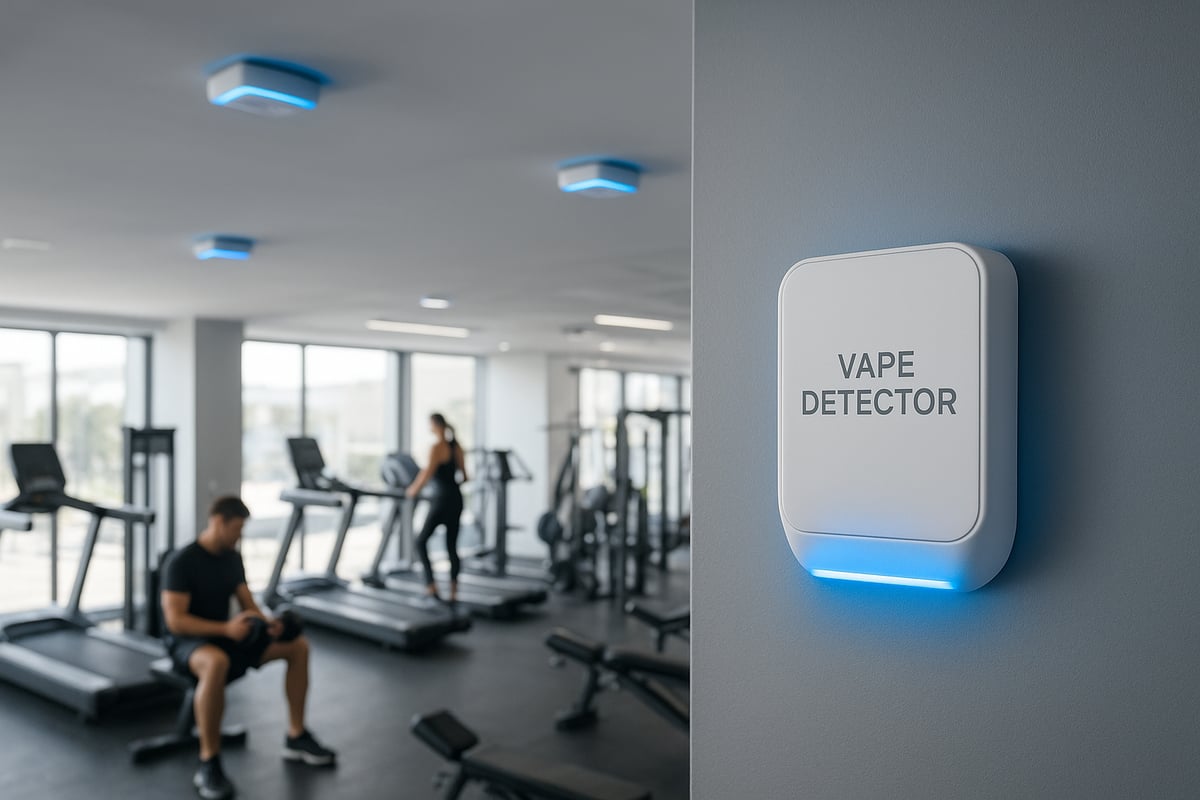
Sensor Placement and Coverage Strategies
The effectiveness of a gym vape detector depends not only on the technology itself but also on where and how it is installed within the facility. Proper sensor placement is essential for comprehensive coverage and swift incident response.
Start by identifying high-risk zones. Changing rooms, toilets, and secluded workout areas are prime locations for vaping, so these should always be prioritised. For large gyms, detectors should be spaced to account for room size, airflow, and the number of members using each space.
Consider the following best practices for gym vape detector placement:
- Position sensors near air vents and corners where vape aerosols can linger
- Avoid obstructing detectors with lockers or tall equipment
- Use overlapping coverage in busy areas to prevent blind spots
- Install additional units in spaces with poor ventilation
An optimally designed gym floor plan will show detectors in all key zones, ensuring that no area is left unmonitored. Coverage should be reviewed regularly as gym layouts or membership patterns change.
A gym vape detector system can be tailored to the unique needs of each facility. By adjusting placement and the number of sensors, gyms can balance cost, coverage, and operational efficiency.
Advances in AI and Analytics
Artificial intelligence has become a cornerstone of the latest gym vape detector systems. AI algorithms analyse sensor data in real time, learning to differentiate between genuine vaping events and harmless incidents. This dramatically reduces false positives, which is crucial in busy gym environments where aerosols from cleaning sprays or humidifiers are common.
Analytics dashboards provide gym managers with actionable insights. These platforms track vaping incidents by time, location, and frequency, helping to identify trends and problem areas. Incident data can inform policy updates and targeted staff training, making the gym vape detector a proactive safety tool rather than just a reactive alarm.
Predictive maintenance is another benefit of AI-driven systems. The software can monitor sensor performance and alert maintenance teams when calibration is needed or when a detector requires servicing. Firmware updates are often delivered remotely, keeping the entire gym vape detector network up to date with the latest detection protocols and compliance standards.
By harnessing the power of AI and analytics, gym vape detector solutions in 2026 support both immediate intervention and long-term strategy. This ensures that fitness facilities remain safe, compliant, and trusted environments for all members.
Step-by-Step Guide to Implementing Vape Detection in Gyms
Introducing a gym vape detector system requires a structured approach to maximise effectiveness and ensure compliance. By following a clear set of steps, gym operators can address risks, protect members, and create a safe environment. This guide walks you through each stage of the process, from initial assessment to ongoing optimisation.

Step 1: Conduct a Needs Assessment
Begin by evaluating the unique requirements of your facility. Identify high risk areas such as changing rooms, toilets, and secluded workout zones where incidents are more likely. Consider your gym’s size, member demographics, and previous reports of vaping. Survey staff for input and review security logs to pinpoint trends. This groundwork ensures your gym vape detector solution is tailored to real challenges.
Step 2: Set Clear Goals and KPIs
Define what success looks like for your vape detection initiative. Are you aiming for a specific reduction in incidents, improved air quality, or enhanced compliance? Establish measurable key performance indicators, such as response times to alerts or a target number of monthly incidents. Tracking these metrics will help you evaluate the gym vape detector’s impact and justify investment to stakeholders.
Step 3: Select the Right Technology
Research available gym vape detector models to find a system that matches your needs. Compare features such as detection range, real time alerts, data analytics, and integration options. Prioritise solutions that offer scalability and support for future upgrades. For a comprehensive comparison of top models and their suitability for gym environments, consult the Best Vape Detector and Sensors guide. This ensures you choose a solution that aligns with both your technical and operational requirements.
Step 4: Plan and Execute Installation
Work with your chosen provider to conduct a detailed site survey. Map out optimal detector placement based on ventilation, room size, and member flow. Ensure coverage in all high risk zones while avoiding redundancy. The installation process typically involves mounting sensors, establishing network connectivity, and integrating with existing management systems. Test each gym vape detector thoroughly to confirm proper function before going live.
Step 5: Train Staff and Raise Awareness
Equip your team with the knowledge and skills needed to respond to alerts and enforce policies. Provide training on system operation, incident protocols, and communication strategies. Develop staff resources such as quick reference guides or digital modules. Inform members about the new gym vape detector system through signage, email updates, and app notifications to foster transparency and cooperation.
Step 6: Integrate, Monitor, and Optimise
Embed the gym vape detector system into your broader security and emergency protocols. Set up real time monitoring dashboards for ongoing oversight. Schedule regular maintenance, including software updates and calibration checks, to ensure long term reliability. Analyse incident data to identify patterns and refine policies or detector placement as needed. Engage staff in reviewing results and encourage feedback to drive continuous improvement.
By following these steps, gym operators can implement a robust vape detection strategy that protects health, upholds compliance, and strengthens member trust. A well planned approach ensures your gym vape detector system delivers measurable results and adapts to evolving challenges.
Key Features to Look for in a 2026 Gym Vape Detector
Choosing the right gym vape detector in 2026 is crucial for maintaining a safe, compliant, and healthy fitness environment. With new technologies and regulations shaping the industry, facility managers must know which features truly matter. The right solution not only detects vaping reliably but also integrates smoothly with gym operations and addresses privacy concerns.
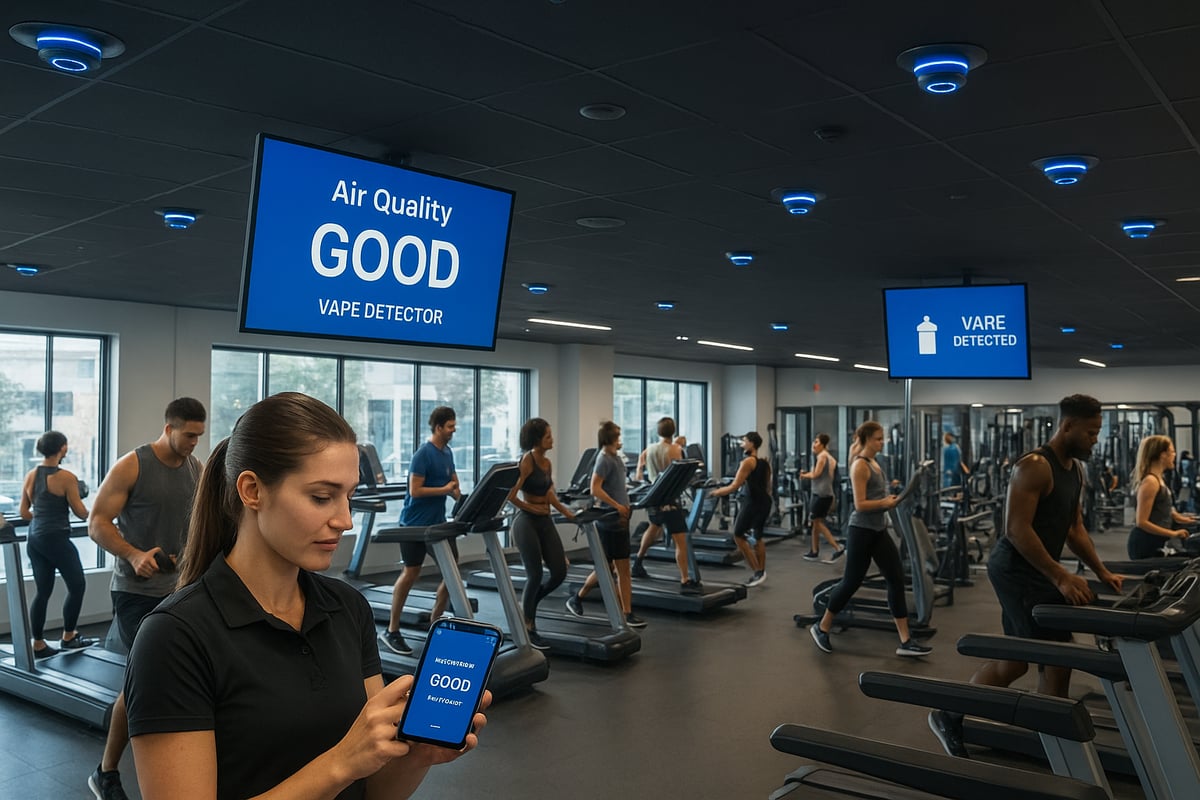
Sensitivity and Detection Range
A top gym vape detector must offer adjustable sensitivity settings to adapt to the unique layout of each facility. The detection range should cover large workout areas, changing rooms, and high-risk zones without blind spots. Look for models that allow custom calibration, ensuring reliable detection in spaces with varying ventilation and foot traffic.
Real-Time Alerts and Notifications
Immediate notification is essential for prompt response. The best gym vape detector systems send real-time alerts via mobile, email, or on-site panels. This enables staff to act quickly, reducing the risk of escalation. Customisable alert thresholds and escalation options are also important for tailoring responses to your gym’s needs.
| Alert Method | Use Case | Benefit |
|---|---|---|
| Mobile App | On-the-move staff | Fast, discreet response |
| Managers/Compliance | Incident logging | |
| On-site Display | Reception/Security | Visible deterrent |
Integration and Analytics
A modern gym vape detector should integrate easily with existing gym management and security platforms. Seamless integration streamlines incident reporting and enables comprehensive trend analysis. Look for systems with advanced dashboards that visualise incident data, support compliance, and track KPIs. For an overview of how AI and sensor integration are advancing detection, see Advancements in vape detection technology.
Minimising False Positives
False alarms can disrupt gym operations and erode staff trust in the system. The latest gym vape detector models use multi-sensor arrays and AI-based analysis to distinguish vape aerosols from harmless substances like steam or deodorant sprays. This approach significantly reduces unnecessary alerts and ensures staff only respond to genuine incidents.
Installation and Maintenance
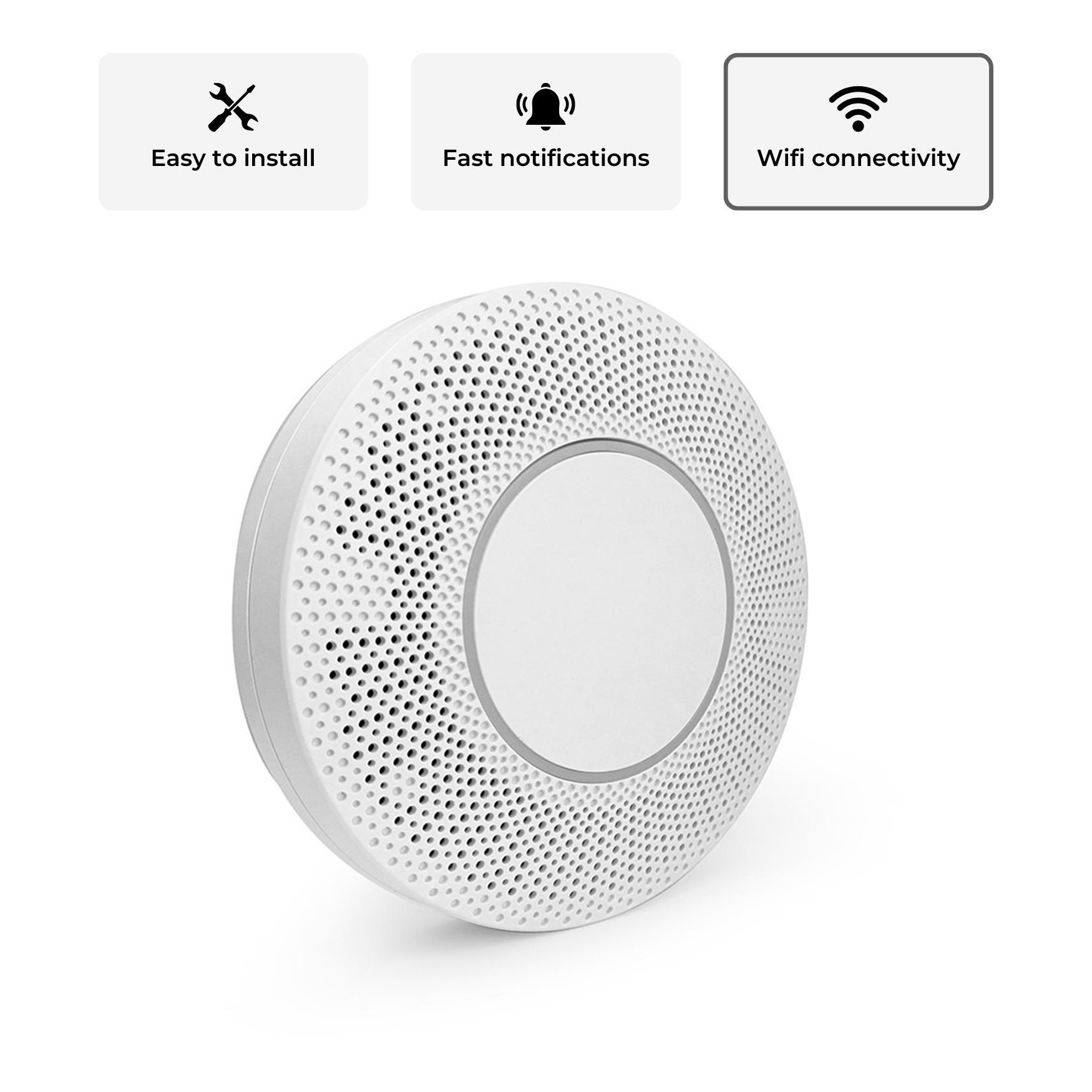
Choose a gym vape detector that is easy to install and maintain. Wireless options minimise disruption, and modular designs allow for future expansion as your facility grows. Regular self-diagnostics, automated firmware updates, and predictive maintenance features help keep the system running smoothly with minimal manual intervention.
Privacy and Compliance
As gyms handle sensitive member data, any gym vape detector must comply with UK GDPR and data protection laws. Ensure the system anonymises detection data and provides transparent privacy policies. User consent processes should be straightforward, with clear information for both staff and members about how data is used.
Warranty and Support
A reliable gym vape detector comes with robust aftersales support, including a comprehensive warranty and responsive technical assistance. Look for vendors offering training resources, upgrade options, and dedicated UK-based support teams to help resolve issues quickly and keep your gym compliant.
By prioritising these features, gym operators can select a gym vape detector that not only meets today’s needs but also adapts to future challenges. Investing in the right technology protects your facility, your members, and your reputation.
Ensuring Compliance and Best Practices for Gym Vape Detection
Maintaining compliance is essential for any facility introducing a gym vape detector. With evolving regulations and increasing scrutiny, operators must ensure their systems and processes meet both legal and industry standards.
Staying aligned with UK and EU regulations is the first step. Public health laws restrict vaping in enclosed public spaces, including gyms, and new updates are regularly introduced. Reviewing the UK vaping regulations overview helps facility managers understand their obligations and avoid costly penalties. A gym vape detector is a critical tool for compliance, providing objective evidence of policy enforcement.
Documenting policies is equally vital. Written procedures should outline where vaping is prohibited, how the gym vape detector operates, and the steps taken when alerts occur. These documents serve as a reference during inspections and demonstrate proactive risk management.
Regular audits and incident logging are best practice. Every alert from the gym vape detector should be logged with time, location, and response actions. This data supports trend analysis and compliance reviews. For detailed protocols, refer to the Best Practice for Handling Vaping Alerts guide, which outlines effective response strategies and escalation paths.
Collaboration with local authorities and insurers strengthens your compliance posture. Share your gym vape detector policy and incident records with relevant stakeholders. This openness can positively influence insurance premiums and demonstrate due diligence during regulator visits.
Privacy and consent must not be overlooked. Inform members and staff about the presence and purpose of the gym vape detector. Use clear signage and digital updates to maintain transparency and build trust. Ensure that data collected is stored securely, retained only as long as necessary, and managed in line with GDPR.
Handling reported incidents requires a clear escalation protocol. Staff should be trained to respond promptly, document actions, and communicate respectfully with those involved. Consistent messaging helps reinforce the gym’s commitment to a vape-free environment.
Many gyms have achieved compliance and improved air quality by following these steps. Successful implementation of a gym vape detector, combined with clear policies and regular training, has resulted in fewer incidents and greater member satisfaction.
Best Practices for Gym Vape Detector Compliance
| Practice | Description |
|---|---|
| Policy Documentation | Maintain up-to-date, written procedures and signage |
| Regular Audits | Schedule compliance reviews and test gym vape detector systems |
| Incident Logging | Log all alerts and responses for accountability |
| Stakeholder Engagement | Collaborate with authorities, insurers, and members |
| Data Protection | Adhere to GDPR and manage data responsibly |
| Staff Training | Educate team members on protocols and escalation |
Adopting these best practices ensures your gym vape detector supports a safe, compliant, and welcoming environment for all.
The Future of Vape Detection in Gyms: Trends and Innovations
The gym vape detector landscape is set for rapid change as gyms seek smarter, more integrated solutions. Technology is evolving to meet the challenges of vaping in shared fitness spaces, driving new standards in air quality and member safety. With health, compliance, and reputation at stake, forward-thinking gyms are already exploring the next generation of vape detection.
Miniaturisation and IoT Integration
Future gym vape detector devices are becoming smaller, smarter, and less obtrusive. Miniaturised sensors blend seamlessly into gym environments, allowing for discreet installation in changing rooms, studios, and high traffic areas. The integration of Internet of Things (IoT) technology means each detector can communicate real time data to facility managers, no matter where they are.
Wireless connectivity enables instant alerts, remote diagnostics, and firmware updates without disrupting gym operations. This interconnected approach ensures that every gym vape detector works as part of a larger ecosystem, supporting faster response times and more precise incident mapping.
AI and Machine Learning: Predictive Prevention
Artificial intelligence is transforming the way gyms approach vape detection. Modern gym vape detector systems leverage AI to distinguish between vape aerosols and everyday gym activities, such as mist from showers or cleaning products. This reduces false alerts and ensures only genuine incidents trigger responses.
Machine learning algorithms can analyse patterns in detection events, predicting high risk times and locations. Over time, these systems adapt to each facility’s unique environment, improving accuracy and allowing staff to focus resources where they are most needed.
Expanding Detection: THC, Synthetics, and Air Quality
Tomorrow’s gym vape detector will do more than just identify nicotine based vape aerosols. Advances in sensor technology are enabling detection of a broader range of substances, including THC, synthetic drugs, and other airborne contaminants. This expanded capability is essential as gyms face evolving risks tied to substance misuse and indoor air quality.
By monitoring for multiple threats, a gym vape detector can help protect vulnerable members and maintain a healthier exercise environment. Some systems also incorporate continuous air quality monitoring, providing data on particulates, humidity, and volatile organic compounds.
Integration with Wellness and Safety Initiatives
The next wave of gym vape detector solutions will integrate seamlessly with wider gym management and wellness platforms. Data from detectors can be fed into member safety dashboards, enabling holistic oversight of incidents and trends. This integration supports custom alerts, automated reporting, and enhanced compliance tracking.
Gyms can use these insights to inform cleaning schedules, HVAC adjustments, and targeted member communications. Ultimately, the gym vape detector becomes a central part of a facility’s overall health and safety strategy, contributing to a better member experience.
Regulatory Evolution and Compliance
As vape detection technology advances, so too do the regulations governing its use. UK and EU authorities are expected to tighten rules on vaping in public and fitness spaces, placing greater responsibility on gym operators to demonstrate proactive management. Future gym vape detector systems will need to provide robust audit trails, data retention features, and secure member privacy controls.
Staying ahead of regulatory changes will be critical. Investing in compliant gym vape detector solutions now positions gyms to adapt quickly as new standards emerge, reducing the risk of penalties and reputational damage.
Early Adoption and Industry Predictions
Forward looking gyms across the UK are already piloting advanced vape detection technologies. According to Vape Guardian Case Studies, early adopters have reported significant reductions in incidents and improved member satisfaction. These real world examples highlight the practical benefits of investing in future ready gym vape detector solutions.
Industry experts predict that by 2030, vape free fitness environments will become the norm, supported by intelligent, integrated detection systems. As technology continues to evolve, gyms that embrace innovation will lead the way in providing safe, welcoming spaces for all.
As you look to create a safer, healthier environment for your gym members in 2026, understanding the latest vape detection technology is essential. We’ve explored how the right systems not only protect air quality and reputation but also help you stay ahead of compliance requirements. If you’re ready to take the next step and see how these solutions can fit into your facility, you don’t have to navigate it alone. You can talk to our team and protect your building today — we’re here to answer your questions and help you build a vape free, compliant gym.




Share:
Air Monitoring in Schools Guide: Ensuring Safe Classrooms 2026
School Environment Monitoring Guide: Best Practices for 2026