
In 2026, schools face new and complex challenges in providing healthy, safe, and productive spaces for learning. The need for effective school environment monitoring has never been greater, as communities demand higher standards for student wellbeing, safety, and compliance.
This guide equips you with practical best practices to assess and enhance school environments. You will discover why school environment monitoring matters, what a comprehensive programme includes, the latest technologies shaping the field, step-by-step implementation advice, and the trends shaping the future of education.
Take the first step toward safer and more inclusive schools, using proven strategies that drive measurable results.
The Importance of School Environment Monitoring in 2026
Growing attention to school environment monitoring in 2026 reflects a shift in how educational communities value health, safety, and wellbeing. This focus is driven by evolving risks, new research, and higher expectations from stakeholders. Let us explore the critical reasons school environment monitoring is now indispensable.
Evolving Health and Safety Concerns in Schools
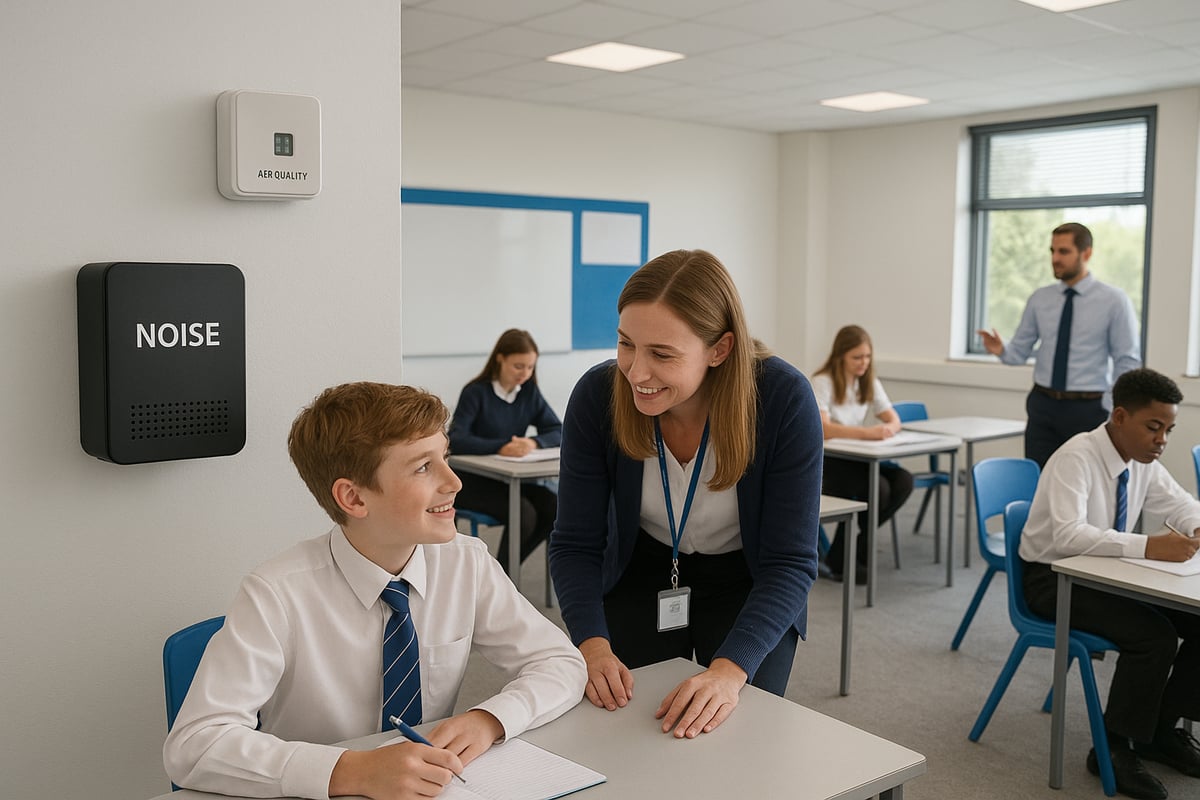
Recent years have seen a sharp rise in concerns about the physical and psychological safety of students. Issues such as poor air quality, increased incidence of vaping, and anti-social behaviour have become central challenges. Post-pandemic, schools are more aware than ever of the need to track and improve conditions that affect student health.
Today, over 68 countries participate in global school environment monitoring initiatives, reflecting the urgency of these issues. Air quality, in particular, is under the spotlight, with schools implementing continuous monitoring and transparent reporting. For a deeper understanding of how schools are tackling air quality, see this overview of school air quality reporting.
Impact on Student Outcomes and Staff Performance
School environment monitoring is not just about compliance. There is a direct link between healthy environments and improved academic performance, higher attendance, and better staff retention. When students and staff feel safe and supported, outcomes improve across the board.
Research shows that only about 7 percent of children globally meet the 24 hour movement and health guidelines, highlighting the need for structured monitoring. By tracking environmental and behavioural indicators, schools can create conditions that foster learning and wellbeing.
Regulatory and Policy Drivers
New UK and international regulations are shaping the landscape of school environment monitoring. These include updated standards for indoor air quality, noise levels, and physical safety. Many countries now mandate minimum hours for physical education and set facility requirements, as outlined in the Global Matrix initiative.
These policies are designed to ensure that all students benefit from safe, well maintained spaces. Regular monitoring is essential for meeting these standards and avoiding compliance risks.
Equity and Accessibility Considerations
A key aim of school environment monitoring is to identify and address disparities between different student groups. Data shows that countries with greater income equality consistently score higher on school environment indicators. Monitoring helps schools uncover gaps in air quality, facility access, and safety, enabling targeted interventions.
By focusing on equity, schools can ensure that every child has the opportunity to learn and thrive in a supportive environment.
Stakeholder Expectations
Parents, students, and staff now expect greater transparency and accountability from schools. School environment monitoring enables institutions to share clear reports and action plans with their communities. Public benchmarking allows schools to compare their performance and set measurable goals for improvement.
Examples of open reporting have shown that clear communication builds trust and encourages collective responsibility for a healthy school environment.
Case Study Examples
Across the UK and globally, schools that have invested in robust school environment monitoring programmes report measurable gains. Successful initiatives have led to reductions in absenteeism, improvements in student behaviour, and enhanced staff satisfaction.
Case studies demonstrate that regular monitoring, combined with transparent reporting and responsive action, delivers real improvements to health and wellbeing.
Key Components of Effective School Environment Monitoring
A robust school environment monitoring programme is built on several interconnected components. These ensure that every aspect of the school setting, from air quality to behaviour and stakeholder involvement, is systematically addressed. Understanding each key area helps schools maintain safe, healthy, and engaging spaces for everyone on site.
Physical Environment Factors
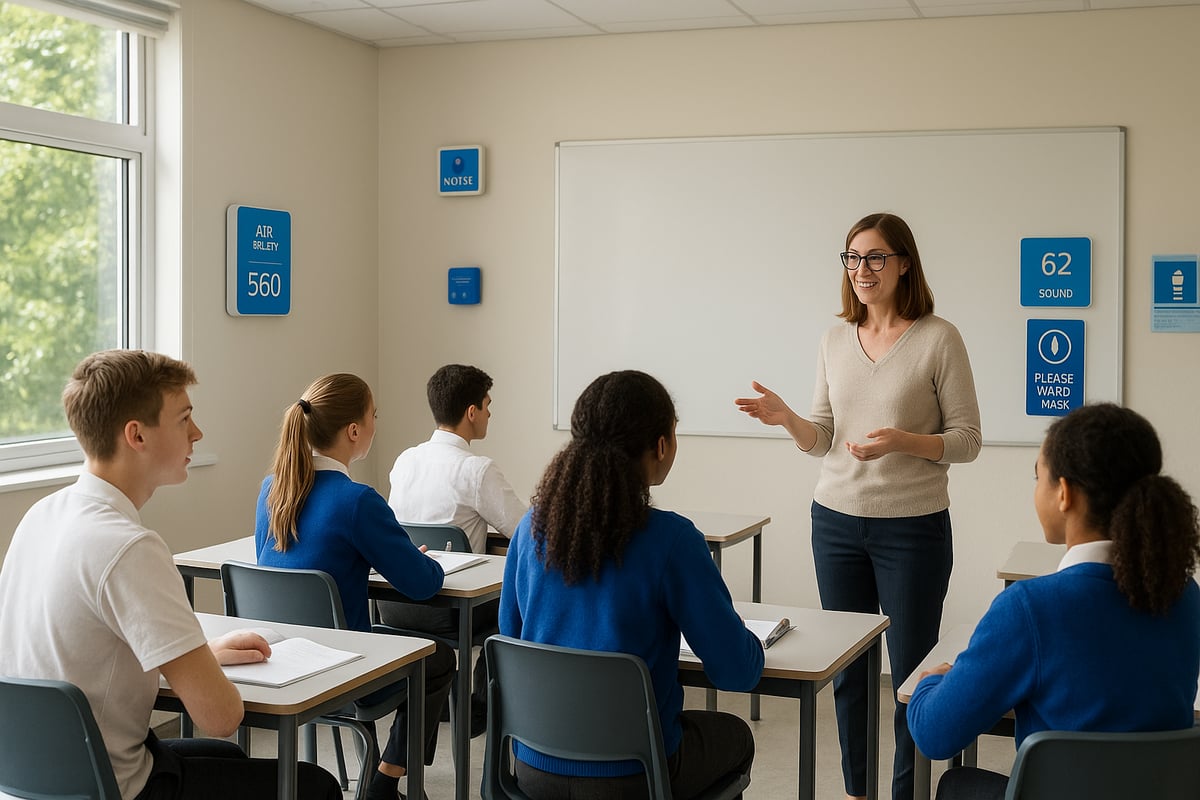
The physical environment directly impacts learning, wellbeing, and safety. Effective school environment monitoring covers air quality by tracking CO2, particulates, and humidity levels. These factors influence concentration, comfort, and long-term health.
Noise and vibration assessments are equally vital. Excessive noise can disrupt lessons and increase stress for both students and staff. Monitoring ensures that classrooms and shared spaces remain conducive to focus.
Lighting and temperature must also be monitored for compliance with comfort and safety standards. Consistent checks help prevent issues like eye strain, overheating, or cold that can affect performance.
To learn more about maintaining optimal air quality, see CO2 monitoring in classrooms.
Behavioural and Safety Monitoring
Behavioural and safety monitoring is an essential part of school environment monitoring. Schools face growing challenges from vaping, substance use, and anti-social behaviour.
Advanced technology now enables real-time detection of incidents. Sensors can alert staff to policy breaches, supporting prompt intervention. These systems also collect valuable data for understanding trends and hotspots.
By integrating behavioural monitoring with environmental checks, schools create safer, more responsive communities. This approach helps reduce risky behaviours and fosters a positive culture for all students.
Facilities and Equipment
Facilities and equipment audits are core to school environment monitoring. Regular inspections of physical education spaces, playgrounds, and sports equipment are necessary to maintain safety and compliance.
Schools benchmark their performance by measuring the percentage of facilities meeting mandated standards. This includes checking for adequate space, proper surfaces, and maintained equipment.
A structured audit schedule allows schools to identify areas for improvement quickly. Well-maintained facilities encourage physical activity, support inclusion, and minimise accident risks.
Data Collection and Reporting
Central to school environment monitoring is the use of digital platforms for continuous data collection and reporting. Modern systems automate the gathering of air quality, noise, and incident data, making it easy to spot trends.
Schools often assign letter grades from A to F based on compliance with key indicators. This method provides a clear and objective way to track progress.
Centralised reporting ensures that school leaders can access up-to-date information. It also supports transparency and enables evidence-based decision-making.
Stakeholder Engagement
Effective school environment monitoring relies on the active involvement of students, staff, and parents. Engaging stakeholders in reporting and feedback mechanisms builds trust and accountability.
Transparency is critical. Sharing monitoring results and action plans helps the community understand what is being done to address concerns.
Regular communication, such as newsletters or public dashboards, keeps everyone informed. Inclusive engagement empowers the whole school to contribute to a positive environment.
Integration with School Policies
For school environment monitoring to be effective, it must align with existing safeguarding, health, and safety policies. Monitoring protocols should be embedded within broader school procedures.
Clear escalation and response procedures are essential. When issues are detected, staff must know how to act swiftly and appropriately.
Policy integration also ensures compliance with legal requirements, including data protection and privacy laws. This protects students and staff while maintaining high standards.
Examples from Leading Schools
Schools that excel in school environment monitoring provide valuable lessons for others. Many leading institutions have achieved measurable improvements by adopting comprehensive programmes.
For example, international benchmarking shows that 90 percent of schools grade their environment indicators. These schools report better attendance, higher staff retention, and improved student wellbeing.
Case studies highlight how systematic monitoring led to rapid reductions in incidents and higher satisfaction among stakeholders. Success stories inspire others to invest in these essential practices.
Step-by-Step Guide to Implementing a School Environment Monitoring Programme
Establishing an effective school environment monitoring programme is essential for safeguarding health, wellbeing, and compliance. A structured approach ensures all key areas are addressed, from initial assessment to ongoing improvement. This guide outlines each step, offering practical actions for schools aiming to enhance their learning environment.
Step 1: Assess Current Environment and Needs
Begin by conducting a thorough audit of your school's physical and behavioural conditions. Collect data on air quality, noise levels, and overall safety. Engage staff, students, and parents through surveys or focus groups to identify perceived risks and priorities. Review compliance with physical education, facility, and health guidelines to uncover gaps.
This baseline assessment forms the foundation for your school environment monitoring initiative. Document findings clearly and use them to inform your next steps. Remember, understanding the current landscape is crucial for tailoring solutions that address real needs.
Step 2: Define Monitoring Objectives and Benchmarks
Set clear objectives aligned with national and international standards, such as those from the World Health Organization or Global Matrix. Identify key indicators for school environment monitoring, including air quality, noise, incident detection, and facility usage.
Assign measurable benchmarks, such as letter grades for each indicator, to enable objective tracking. For example, schools may rate air quality as A, B, or C based on CO2 and particulate levels. Establishing transparent benchmarks ensures accountability and supports continuous improvement.
Step 3: Select Appropriate Monitoring Technologies and Tools
Evaluate available technologies for monitoring air quality, noise, and safety incidents. Consider the integration of digital dashboards, real time alerting systems, and behavioural monitoring tools. When selecting devices, prioritise accuracy, reliability, user friendliness, and data privacy.
For behavioural monitoring, explore specialist solutions like vape detection systems. For a comprehensive overview of leading options, refer to the Best vape detection for schools guide. Ensure your chosen technologies can adapt to future needs and support effective school environment monitoring.
Step 4: Develop Data Collection and Reporting Protocols
Design protocols for regular data collection, logging, and analysis. Establish automated alerts for breaches in air quality, noise, or behavioural incidents. Use digital platforms to centralise reporting and facilitate easy access for authorised staff.
Plan for periodic review meetings to discuss results and develop action plans. Transparent data management not only supports compliance but also builds trust within the school community. Consistent reporting is a pillar of successful school environment monitoring programmes.
Step 5: Train Staff and Engage the School Community
Provide comprehensive training for staff on device usage, data interpretation, and incident response. Clearly outline roles and responsibilities to ensure smooth operation of the monitoring programme. Involve students in monitoring activities to foster a sense of ownership and responsibility.
Communicate the aims and benefits of school environment monitoring to parents and carers. Regular updates and open dialogue encourage wider support and participation, creating a shared commitment to school safety and wellbeing.
Step 6: Integrate Monitoring with School Policies and Response Plans
Update safeguarding, health, and safety policies to embed monitoring protocols. Define clear escalation procedures for detected issues, ensuring swift and appropriate action. All protocols should comply with data protection and privacy regulations.
Integration with existing policies ensures consistency and clarity across the school. This alignment strengthens the effectiveness of school environment monitoring, making it a seamless part of everyday practice.
Step 7: Review, Evaluate, and Improve
Schedule regular reviews of monitoring data and programme outcomes. Use benchmarking to compare progress with peer schools and identify areas for enhancement. Gather feedback from staff, students, and parents to inform adjustments.
Continuous improvement is central to effective school environment monitoring. Adapt your programme in response to emerging risks or changes in technology, ensuring it remains relevant and impactful.
Examples and Best Practice Insights
Consider schools that have implemented stepwise monitoring programmes with measurable success. For instance, some have achieved rapid improvements in air quality and significant reductions in behavioural incidents within weeks of rollout.
Best practices include ongoing staff training, transparent reporting, and active stakeholder engagement. By learning from proven models, your school can maximise the benefits of school environment monitoring and foster a healthier, safer environment for all.
Leveraging Technology for Enhanced School Environment Monitoring
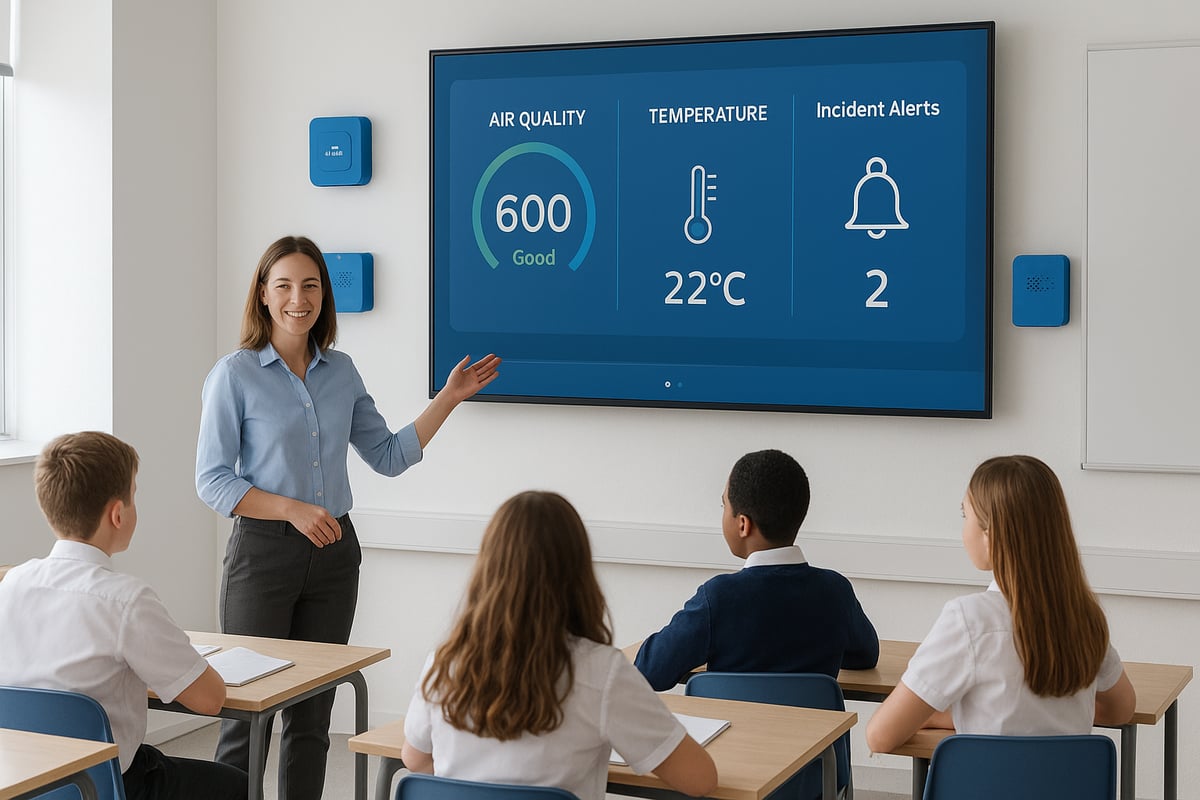
Modern schools are embracing technology to transform school environment monitoring into a proactive, data-driven process. Advanced solutions are now essential tools for promoting safer, healthier, and more productive learning spaces. By integrating cutting-edge devices and analytics, schools can respond rapidly to emerging risks and ensure compliance with evolving standards.
Latest Innovations in Monitoring Solutions
Recent advances in school environment monitoring have led to the development of multi-sensor devices, cloud-based platforms, and AI-powered analytics. These technologies provide continuous insight into air quality, noise, temperature, and student behaviour. Multi-functional systems now detect vaping, substance use, and anti-social behaviour alongside environmental parameters. For an in-depth look at current trends and solutions, visit School safety technology trends. Schools benefit by identifying risks early and implementing targeted interventions, supporting a healthier and safer environment for all.
Real-Time Data and Automated Alerts
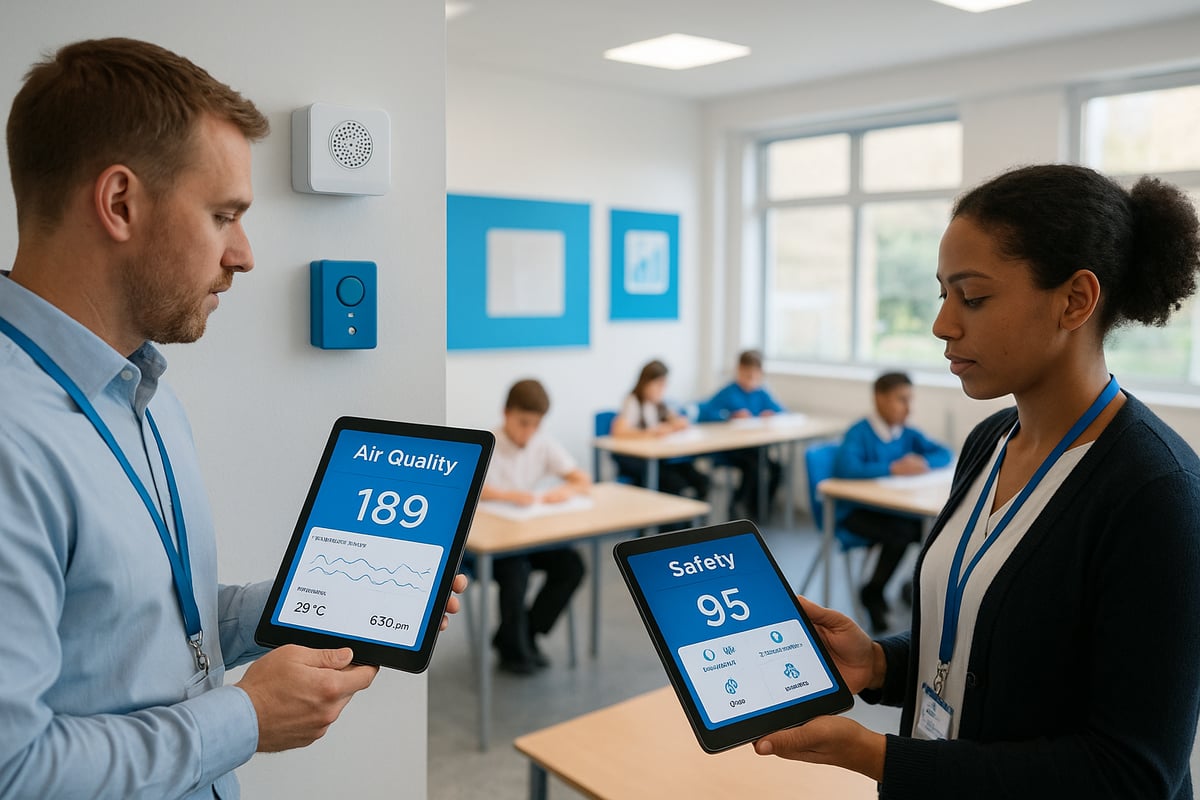
A key strength of school environment monitoring today is the ability to deliver real-time data and instant alerts. Digital sensors continuously track air quality, noise, and incidents. When a threshold is breached, staff receive notifications through mobile apps, emails, or on-site displays. This rapid response reduces potential harm and allows for immediate corrective action. Automated alerts not only help prevent escalation but also build confidence among staff and parents in the school’s commitment to safety.
Centralised Dashboards and Reporting
Centralised dashboards are revolutionising school environment monitoring by consolidating data from multiple sources into a single, accessible interface. These platforms enable school leaders to track trends, identify problem areas, and measure compliance over time. Historical data analysis supports evidence-based decision-making, while automated reporting simplifies communication with stakeholders. Schools can benchmark their performance against local or national standards, driving continuous improvement and accountability.
Multi-Substance and Multi-Parameter Detection
Modern school environment monitoring systems are designed to detect a wide range of substances and environmental factors. Devices can identify vaping, THC, and synthetic cannabinoids, as well as monitor CO2, particulates, and humidity. Integrating behavioural and environmental monitoring provides a comprehensive picture of school conditions. This multi-parameter approach equips schools to address both immediate health risks and longer-term wellbeing challenges, supporting a holistic safeguarding strategy.
Minimising False Positives and Ensuring Accuracy
Accuracy is critical in school environment monitoring. Leading solutions employ advanced algorithms and multiple sensors to distinguish between genuine risks and harmless anomalies. For example, using a 10-point formula can significantly reduce false alerts in detection systems. This precision ensures staff focus on real incidents, improving response efficiency and reducing unnecessary disruptions. Reliable data builds trust in the monitoring process, encouraging ongoing engagement from the whole school community.
Data Security and Privacy Considerations
Protecting student and staff data is a top priority in school environment monitoring. Systems must comply with UK GDPR and uphold strict data privacy standards. Best practices include secure cloud storage, restricted access, and regular audits of data handling procedures. Transparent communication about data collection and usage reassures stakeholders and demonstrates the school’s commitment to ethical practice. Privacy considerations are fundamental to maintaining confidence in monitoring technology.
Examples from UK and Global Schools
Real-world examples highlight the impact of technology-driven school environment monitoring. Schools in the UK and abroad have reported measurable reductions in vaping incidents, sometimes by as much as 95 percent within five weeks of implementation. Adoption of smart dashboards and automated alert systems has led to improved air quality, reduced noise complaints, and safer student behaviour. These success stories demonstrate the tangible benefits of investing in the latest monitoring innovations.
Monitoring for Equity, Inclusion, and Wellbeing
Creating equitable, inclusive, and supportive school environments is at the heart of modern education. In 2026, schools are expected to go beyond basic compliance, using school environment monitoring to ensure every student has access to healthy, safe, and welcoming spaces.
Addressing Disparities in School Environments
School environment monitoring plays a critical role in identifying and closing gaps in air quality, facility access, and physical safety. By systematically collecting data, schools can pinpoint locations where air quality falls below standards, or where access to sports facilities is limited for certain groups.
Higher income equality has been shown to correlate with better school environment scores, but disparities still exist within many communities. Monitoring helps schools focus their resources where they are needed most, such as upgrading ventilation or improving playground safety.
For schools looking to prioritise indoor air quality, the Framework for Effective School IAQ Management offers comprehensive guidance on creating healthier learning spaces.
Inclusive Monitoring Practices
True inclusion means that school environment monitoring protocols are designed to benefit every student, regardless of background or ability. This involves adapting monitoring tools and reporting mechanisms to accommodate students with disabilities or those who may be more vulnerable to environmental risks.
Inclusive practices can include:
- Installing accessible air quality and noise monitors at different heights
- Providing real-time feedback in multiple formats, such as visual and auditory alerts
- Engaging student councils or diversity groups in reviewing monitoring results
By involving a broad range of voices, schools ensure that improvements reach all corners of the student population.
Wellbeing Beyond Compliance
School environment monitoring is not just about meeting minimum standards, but about actively supporting student wellbeing, mental health, and engagement. Data collected can highlight trends in physical activity, use of safe spaces, and participation in extracurricular activities.
Technologies now enable schools to monitor a wider array of wellbeing indicators. For example, integrating attendance tracking with emotion detection, as explored in Integrating Attendance Tracking and Emotion Detection, allows educators to spot patterns in student engagement and intervene early when issues arise.
This proactive approach helps foster environments where students feel seen, supported, and encouraged to thrive.
Community Engagement and Transparency
Open communication with families and local stakeholders is essential for building trust in school environment monitoring programmes. Schools should regularly share monitoring results and action plans through newsletters, websites, and community meetings.
Transparent reporting not only holds schools accountable but also empowers parents and students to participate in shaping healthier, safer environments. Many leading schools now publish annual environment reports and invite feedback from the wider community.
Case Studies and Evidence
International benchmarking consistently demonstrates that targeted school environment monitoring can drive meaningful improvements in equity and wellbeing. For instance, schools that identified and addressed facility disparities saw measurable increases in participation rates and satisfaction among previously underserved groups.
By committing to ongoing monitoring, adaptation, and inclusive practices, schools ensure that every student benefits from a safe, engaging, and supportive environment.
Future Trends and Innovations in School Environment Monitoring
Schools are facing a rapidly changing environment as we head towards 2026. Regulatory frameworks are expected to tighten, with a focus on holistic wellbeing and environmental sustainability. New standards for air quality, noise management, and digital safety are likely to become the norm. These changes will require schools to adopt more proactive approaches to school environment monitoring, ensuring they remain compliant and ahead of the curve.
Anticipated Regulatory Changes
By 2026, schools will navigate stricter policies addressing student health, safety, and environmental impact. Regulations are set to require continuous monitoring of air quality, noise, and facility usage. Schools must also demonstrate compliance with energy efficiency and green building standards. This heightened focus means that school environment monitoring will be an integral part of everyday operations, not just an occasional audit.
Recent initiatives suggest schools will need to provide transparent reporting, with regular updates to parents and local authorities. The emphasis on holistic wellbeing includes both physical and digital spaces, further expanding the scope of school environment monitoring.
Integration with Smart Building and IoT Technologies
The integration of smart building and IoT solutions is transforming how schools operate. Connected sensors now monitor air quality, temperature, and even occupancy levels in real time, enabling automated adjustments that optimise conditions for learning. These innovations not only improve comfort and safety but also simplify compliance reporting.
IoT platforms allow for centralised management and instant alerts, ensuring swift responses to any environmental issue. Schools are increasingly adopting these tools as part of a comprehensive school environment monitoring programme. For a closer look at the latest security technology trends shaping these developments, see 5 School Security Technology Trends to Watch in 2026.
Predictive Analytics and AI-Driven Insights
Artificial intelligence is set to play a pivotal role in school environment monitoring. Predictive analytics can identify trends and forecast potential risks, such as rising CO2 levels or emerging behavioural issues. By leveraging big data, schools can take a proactive approach to wellbeing, implementing targeted interventions before problems escalate.
AI also enhances detection accuracy, reducing false positives and streamlining incident response. The result is a smarter, more responsive monitoring system that adapts to the unique needs of each school community.
Focus on Sustainability and Green Schools
Sustainability is becoming a central pillar in school environment monitoring. Schools are now expected to track energy consumption, waste levels, and resource use as part of their environmental responsibilities. Green building certifications and eco-friendly initiatives are gaining momentum, with monitoring playing a key role in measuring progress.
Many schools are using real time data to adjust lighting, ventilation, and water usage, supporting both cost savings and environmental stewardship. This commitment to sustainability aligns with global goals and fosters a culture of responsibility among students and staff.
Evolving Stakeholder Expectations
Stakeholder expectations are evolving rapidly. Parents, students, and staff demand greater transparency and involvement in decision making. Public dashboards and regular reports are becoming standard, building trust and encouraging accountability.
School environment monitoring now extends to capturing student voice, with digital platforms enabling direct feedback on facility conditions and wellbeing. This participatory approach ensures that monitoring efforts reflect the diverse needs of the community.
Preparing for Emerging Risks
The future of school environment monitoring will be shaped by the need to address emerging risks. From new substances to pandemic preparedness, schools must remain agile and responsive. Advanced technologies enable rapid detection and escalation, safeguarding both health and security.
By staying informed and investing in robust monitoring systems, schools can anticipate challenges and protect their communities. The ongoing evolution of digital standards, as outlined in resources like Digital Monitoring: The 8 Standards for Excellence, offers valuable guidance for navigating these changes.
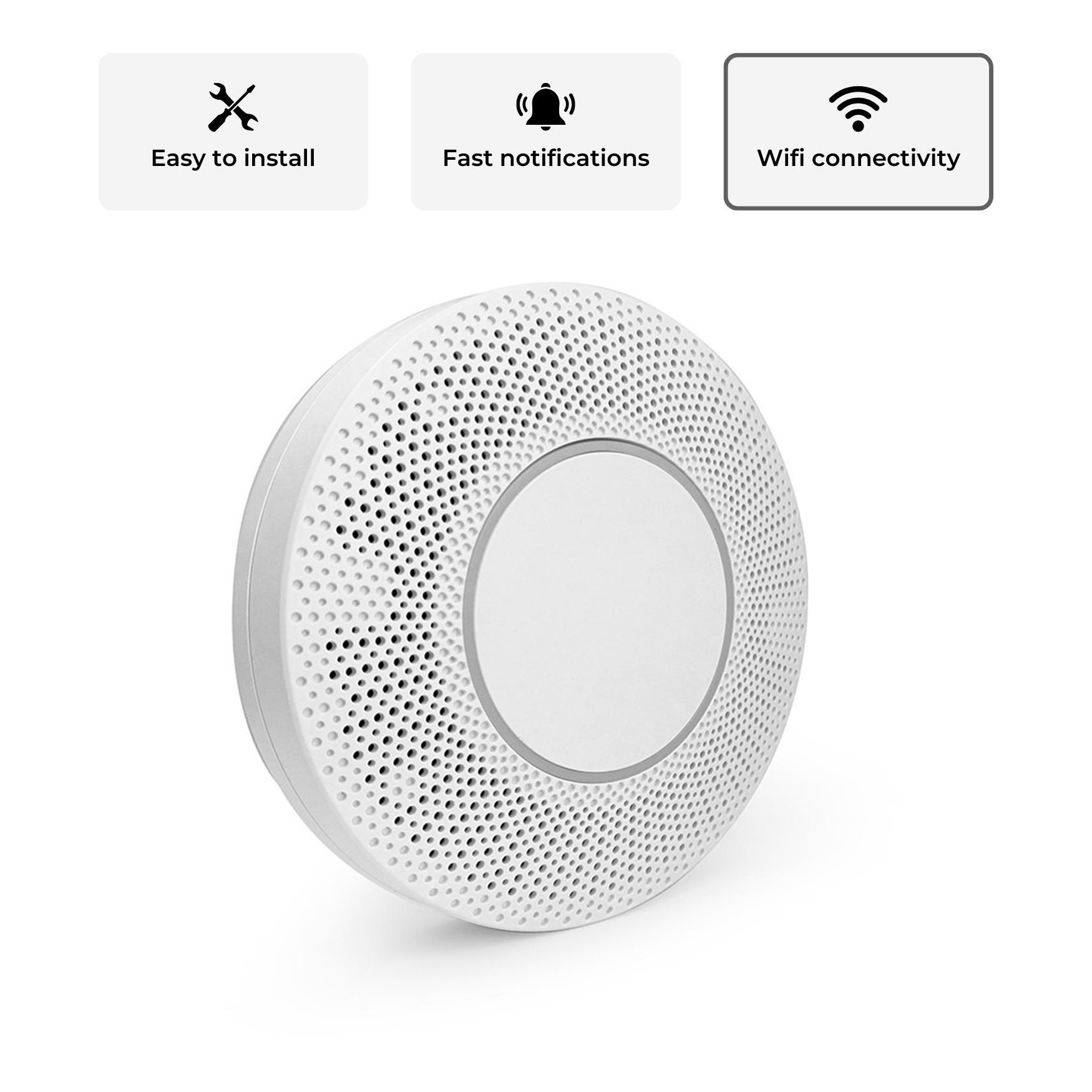
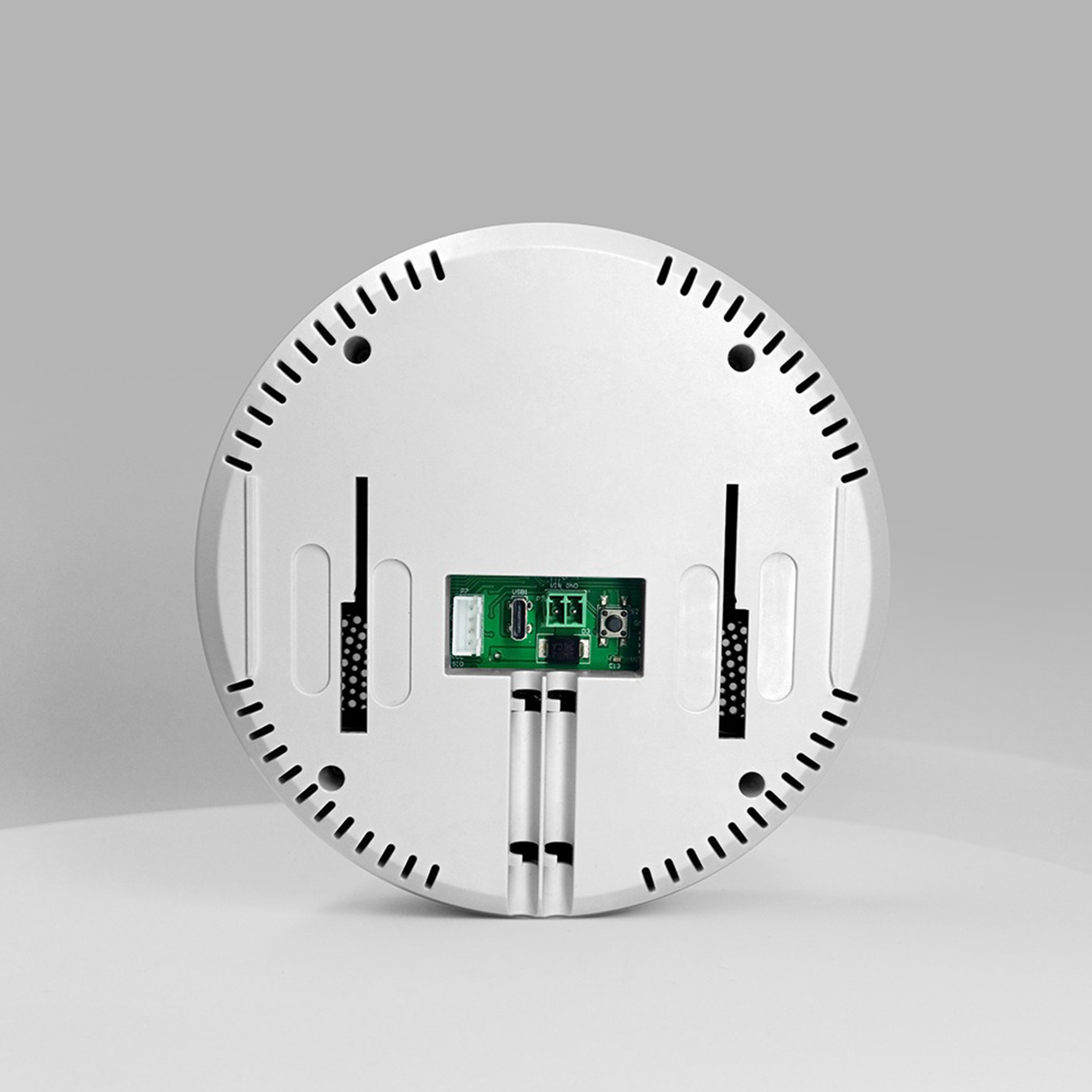
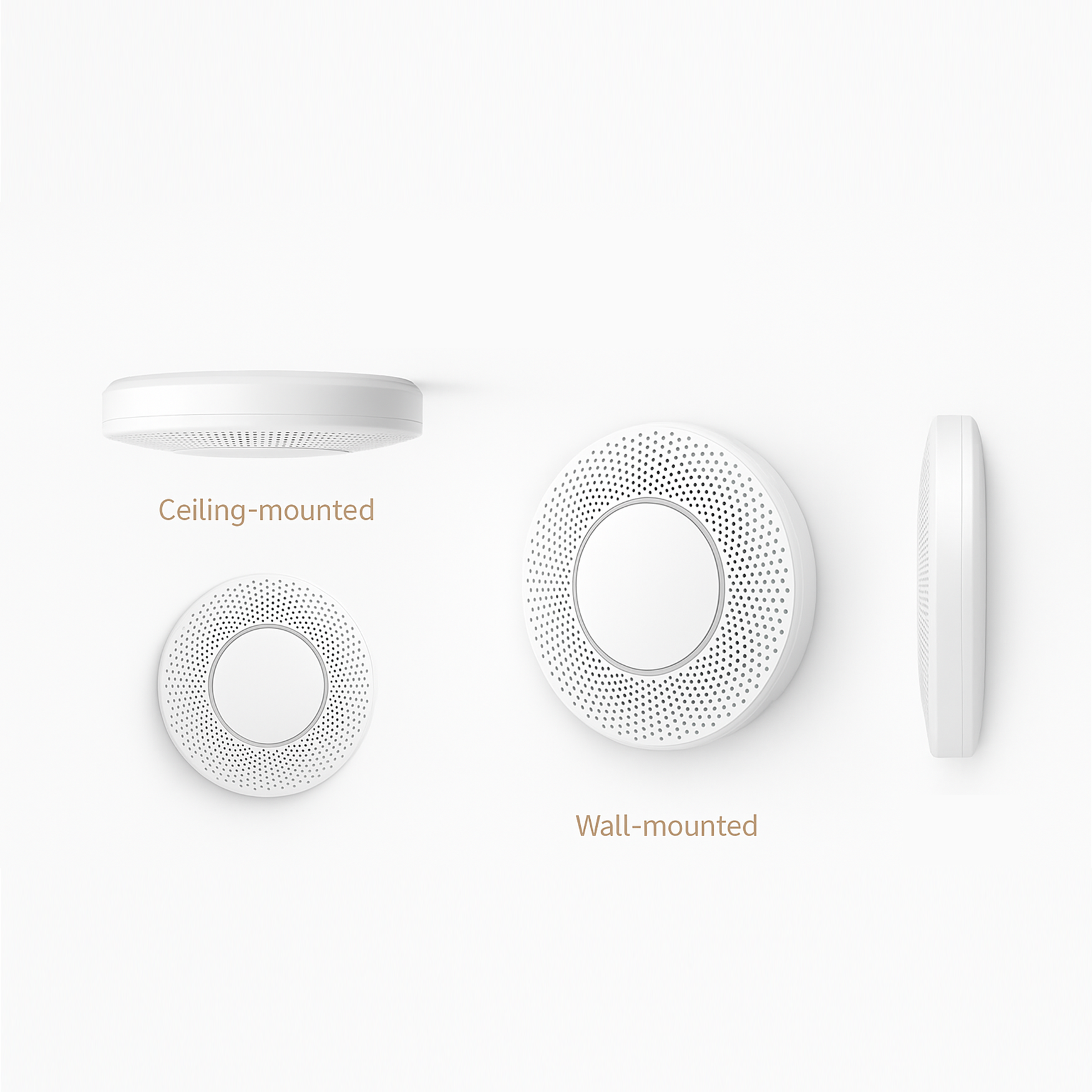
As we look towards 2026, creating safer, healthier school environments is more important than ever. We’ve explored best practices, highlighted the latest monitoring technologies, and discussed how effective strategies can make a real difference for students and staff alike. If you’re interested in seeing how these solutions work in practice and want to understand the measurable impact of advanced detection systems, you don’t have to start your journey alone. Discover real-world results and see how proactive monitoring is already transforming schools—Learn how Vape Guardian is protecting schools.




Share:
Gym Vape Detector Guide: Your 2026 Essential Handbook
The Expert Guide to Smart Facility Safety Solutions 2026