
Indoor air quality in schools is under growing scrutiny, with studies showing that 85 percent of students face exposure to particulate matter above safe levels. This concern goes beyond discomfort, as research links poor classroom air with asthma, increased absenteeism, and even lower academic performance.
This guide offers a clear roadmap for air monitoring in schools, aiming to create safe and healthy classrooms by 2026. You will learn why air quality matters, the main pollutants to watch for, the latest monitoring technologies, and how to meet evolving regulatory standards.
Through step-by-step instructions and practical strategies for ongoing improvement, this guide empowers you to take action and ensure every student and staff member breathes cleaner air.
Understanding Air Quality in Schools
Indoor air quality in schools has become a pressing issue, influencing not only student health but also their ability to learn and thrive. As schools prepare for the future, air monitoring in schools emerges as a foundational tool to address hidden risks and ensure safe learning environments. Understanding the importance of air quality, the sources of pollutants, and the consequences of inaction is the first step towards meaningful change.
The Importance of Indoor Air Quality for Children
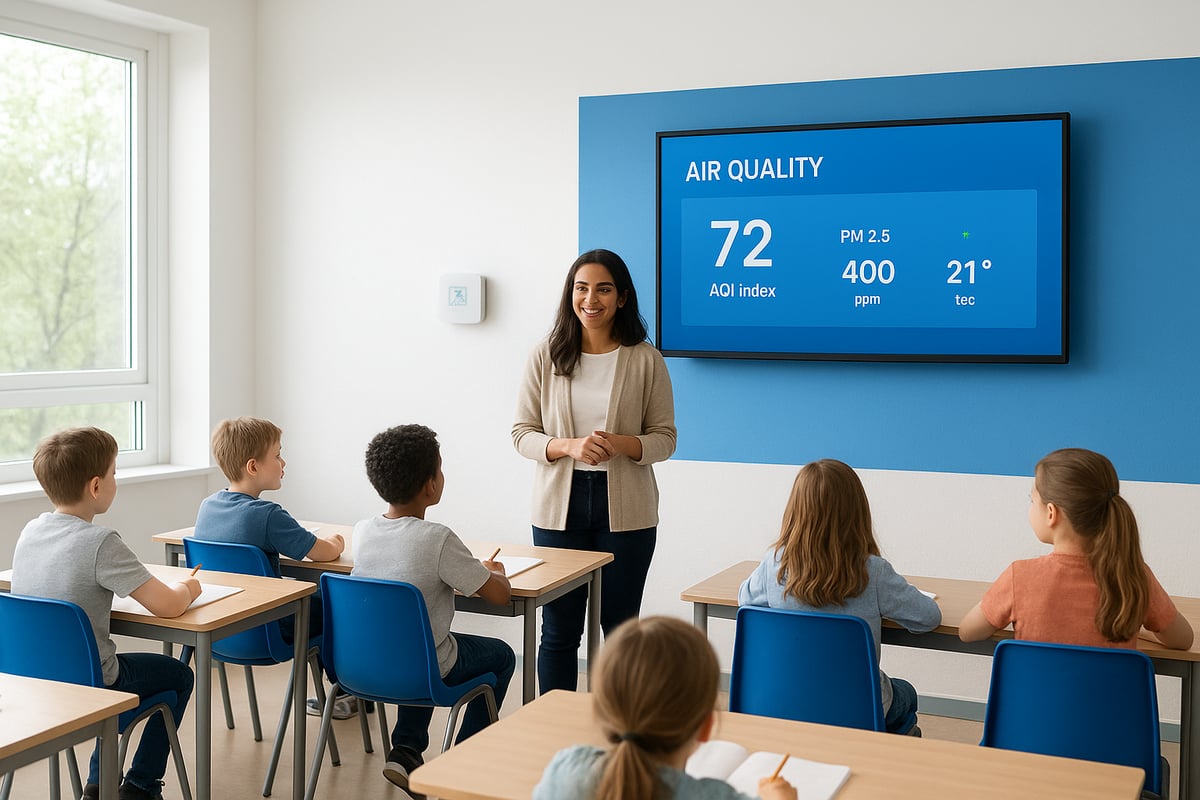
Children spend a significant portion of their day at school, often up to 35 percent of their waking hours. Their developing lungs and higher rates of activity make them uniquely vulnerable to air pollution. Scientific evidence shows that poor air quality can increase asthma rates, cause more school absences, and even lower cognitive performance. According to the World Health Organization, 93 percent of children globally are exposed to air that threatens their health. Initiatives like the UK’s SAMHE project have demonstrated that improved air monitoring in schools can lead to better respiratory health and enhanced learning outcomes for pupils.
Common Indoor and Outdoor Pollutants in Schools
Classrooms are affected by both indoor and outdoor pollutants. The most concerning are particulate matter (PM2.5 and PM10), carbon dioxide, volatile organic compounds, nitrogen dioxide, ozone, and bioaerosols. These can originate from traffic outside, cleaning products, building materials, and everyday classroom activities. Studies show that indoor PM2.5 levels in schools can range from 4 to 100 micrograms per cubic metre, while PM10 can reach up to 284 micrograms. Worryingly, 85 percent of students in the European Union are exposed to PM levels exceeding recommended limits, highlighting the urgent need for air monitoring in schools.
| Pollutant | Typical Source | Health Impact |
|---|---|---|
| PM2.5 | Traffic, dust | Respiratory, cardiovascular |
| CO2 | Occupancy | Cognitive function |
| VOCs | Cleaners, paints | Irritation, headaches |
Health and Academic Impacts of Poor Air Quality
Exposure to poor air quality has immediate and long-term effects on students. Short-term issues include more frequent respiratory symptoms, increased absenteeism, and reduced attention spans. Over time, children may develop asthma, experience slowed lung growth, and face greater cardiovascular risks. Academic outcomes are also compromised, with studies linking high carbon dioxide and particulate levels to lower test scores. As detailed in the American Lung Association's Guide on IAQ in Schools, there is a clear connection between air quality, developmental health, and academic achievement, reinforcing the critical role of air monitoring in schools.
Regulatory Standards and Guidelines
Clear standards help schools understand what “safe” air quality means. The World Health Organization’s 2021 guidelines recommend an annual mean of 5 micrograms per cubic metre for PM2.5 and 15 micrograms for PM10. While no unified European directive exists for indoor air, many countries, including the UK, are moving towards stricter requirements for schools. Staying aligned with the most current recommendations ensures that air monitoring in schools supports both compliance and the well-being of students and staff. School policies should be reviewed regularly to reflect evolving scientific understanding.
Why Monitoring is the Foundation for Safe Classrooms
Air monitoring in schools provides the data needed to make informed decisions. By tracking pollutants in real time, schools can identify risks, target interventions, and demonstrate compliance with health standards. Monitoring also supports funding applications and empowers school leaders to protect vulnerable children and staff. A data-driven approach not only improves health outcomes but also enhances educational performance, making air monitoring in schools an essential investment for the future.
Air Monitoring Technologies and Solutions for Schools
Choosing the right technology is crucial for effective air monitoring in schools. With increasing concerns over indoor air quality, schools need reliable systems that offer real-time insights, support compliance, and ensure a healthy learning environment. Let us explore the key technologies, features, and strategies that form the backbone of successful air monitoring in schools.
Types of Air Quality Monitors and Sensors
There are two main categories of air quality monitors for schools: fixed units and portable devices. Fixed monitors offer continuous coverage in key areas, while portable sensors allow flexibility for spot checks. Both can provide either real-time or periodic sampling, depending on school needs.
Key sensor types include optical particle counters for particulate matter, electrochemical sensors for gases, and NDIR sensors for CO2. Comprehensive devices like Zephyr® can measure multiple pollutants, including PM1, PM2.5, PM10, and key gases. Integration with school data platforms is essential for effective air monitoring in schools.
For a comparison of top devices suited for schools, see this Best air quality monitoring device review.
Key Features to Look for in School Air Monitoring Solutions
When evaluating solutions for air monitoring in schools, prioritise high sensitivity and accuracy to capture subtle changes. Real-time data capture ensures rapid response to air quality fluctuations. Multi-pollutant detection is vital, as classrooms face a mix of contaminants.
Ease of installation and low maintenance requirements make ongoing management practical for busy staff. Look for systems offering remote access and user friendly dashboards, supporting transparency and engagement. Compliance with standards such as MCERTS confirms reliability.
Data Management, Visualisation, and Reporting
Effective air monitoring in schools depends on robust data management. User friendly dashboards allow staff and students to visualise trends, forecast pollution, and pinpoint sources. Features such as automated reporting and public data portals increase transparency.
Trend analysis tools help identify recurring issues, supporting targeted interventions. Some platforms, like MyAir®, can overlay data with local air quality management areas for context. Data driven reporting strengthens compliance and supports funding applications.
Integration with School IT and Building Systems
Modern air monitoring in schools often requires integration with existing IT and building management systems. Compatibility with school networks and Wi Fi ensures seamless data flow. Linking sensors to HVAC and ventilation controls enables automatic adjustments for optimal air quality.
Secure data storage and privacy compliance are essential, especially when dealing with sensitive information. Scalable solutions allow expansion across multiple classrooms or sites as needs evolve.
Maintenance, Calibration, and Ongoing Support
Reliable air monitoring in schools relies on regular calibration and maintenance. Manufacturers provide schedules for calibration to ensure accuracy. Remote diagnostics and automatic firmware updates minimise downtime and reduce manual intervention.
Responsive customer support is vital for troubleshooting and training staff. Solutions like Zephyr® offer various power options and straightforward setup, making them suitable for different school environments. Ongoing support ensures sustained performance and compliance.
Cost Considerations and Funding Opportunities
Budgeting for air monitoring in schools involves balancing upfront costs with long term benefits. While initial investment can be significant, improved student health and reduced absenteeism lead to operational savings. Grants and government funding are often available for air quality projects.
Demonstrating return on investment through data, such as better attendance and fewer health incidents, supports future funding requests. Evidence based budget allocation builds a strong case for expanding monitoring programmes.
Vape Detection and Air Quality Monitoring for Schools
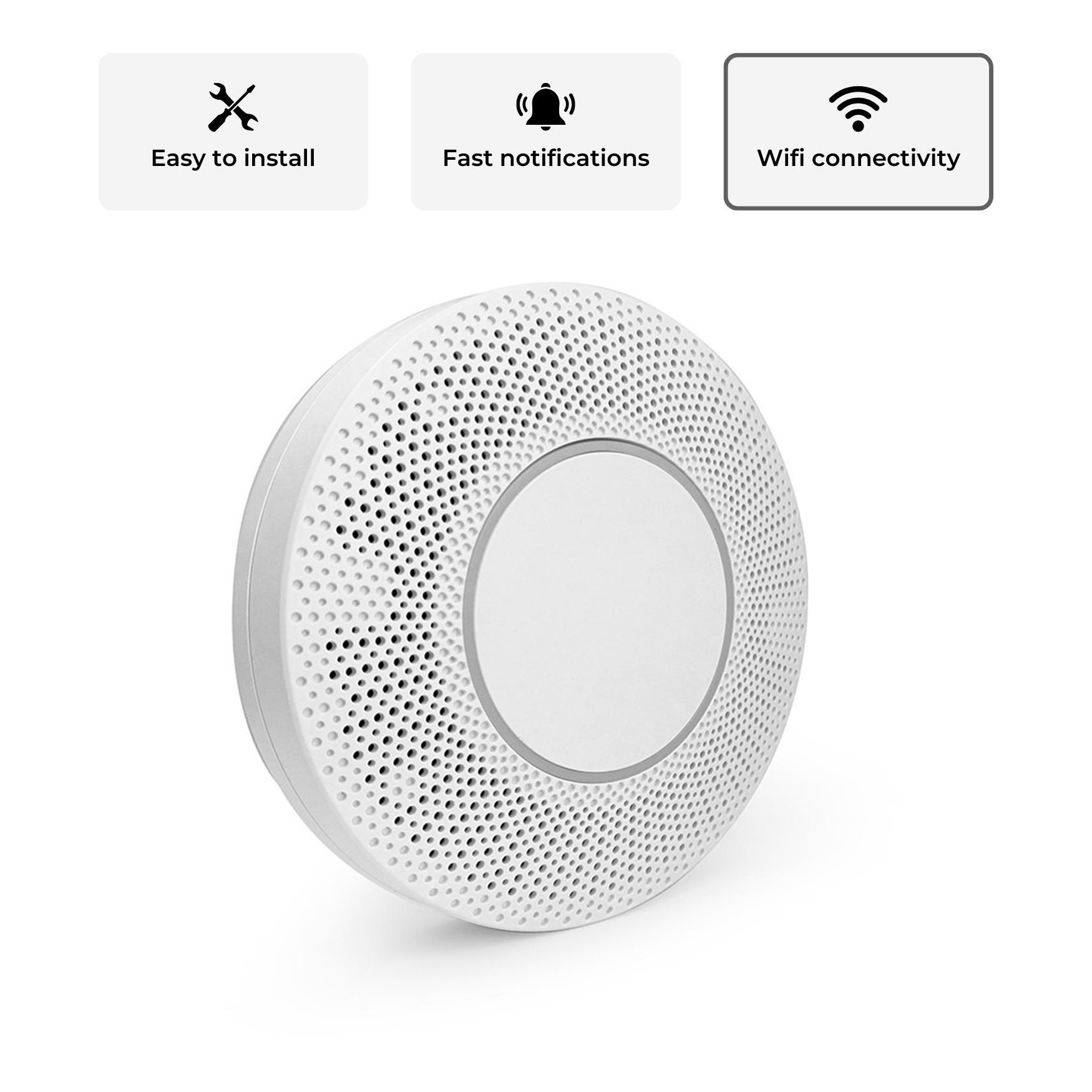
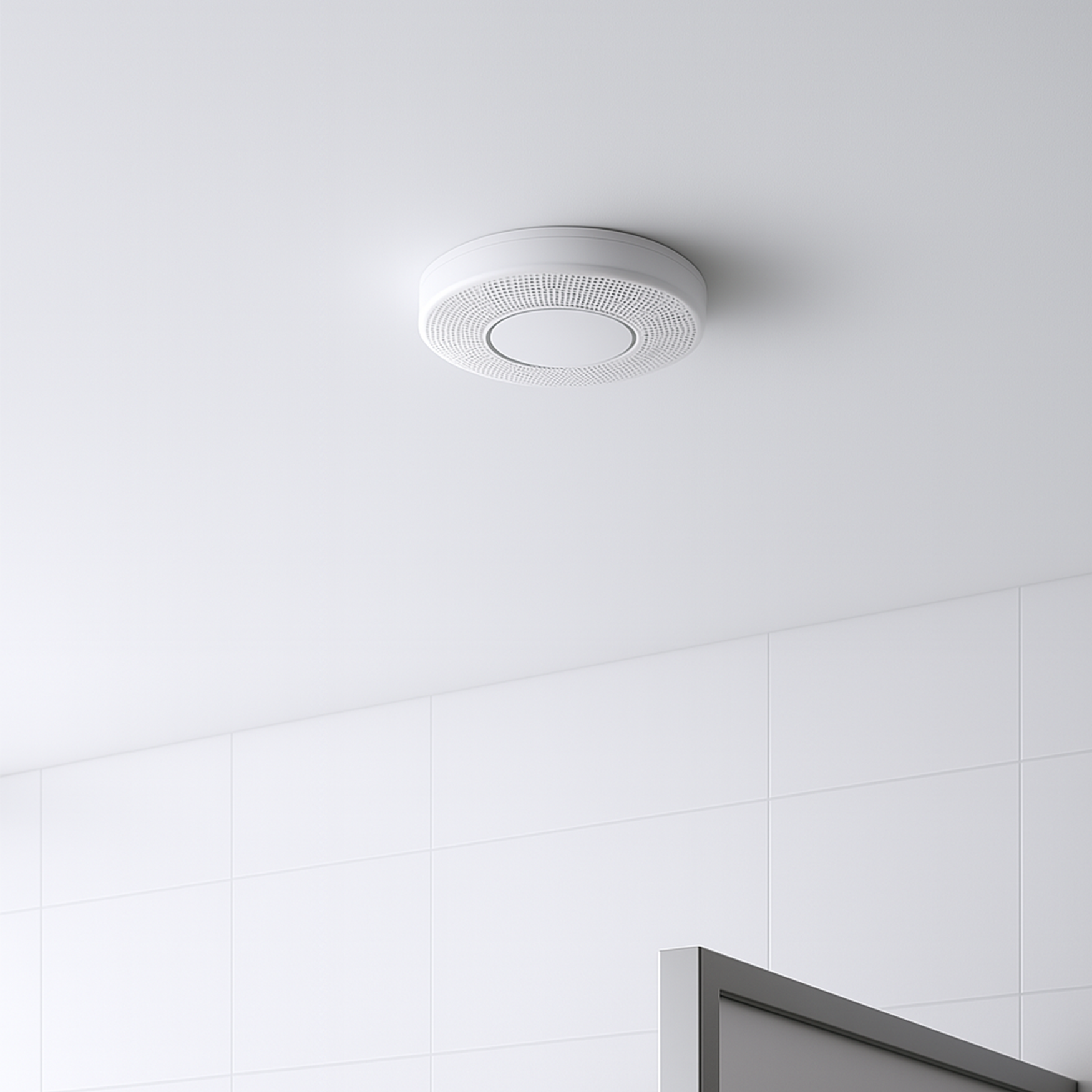
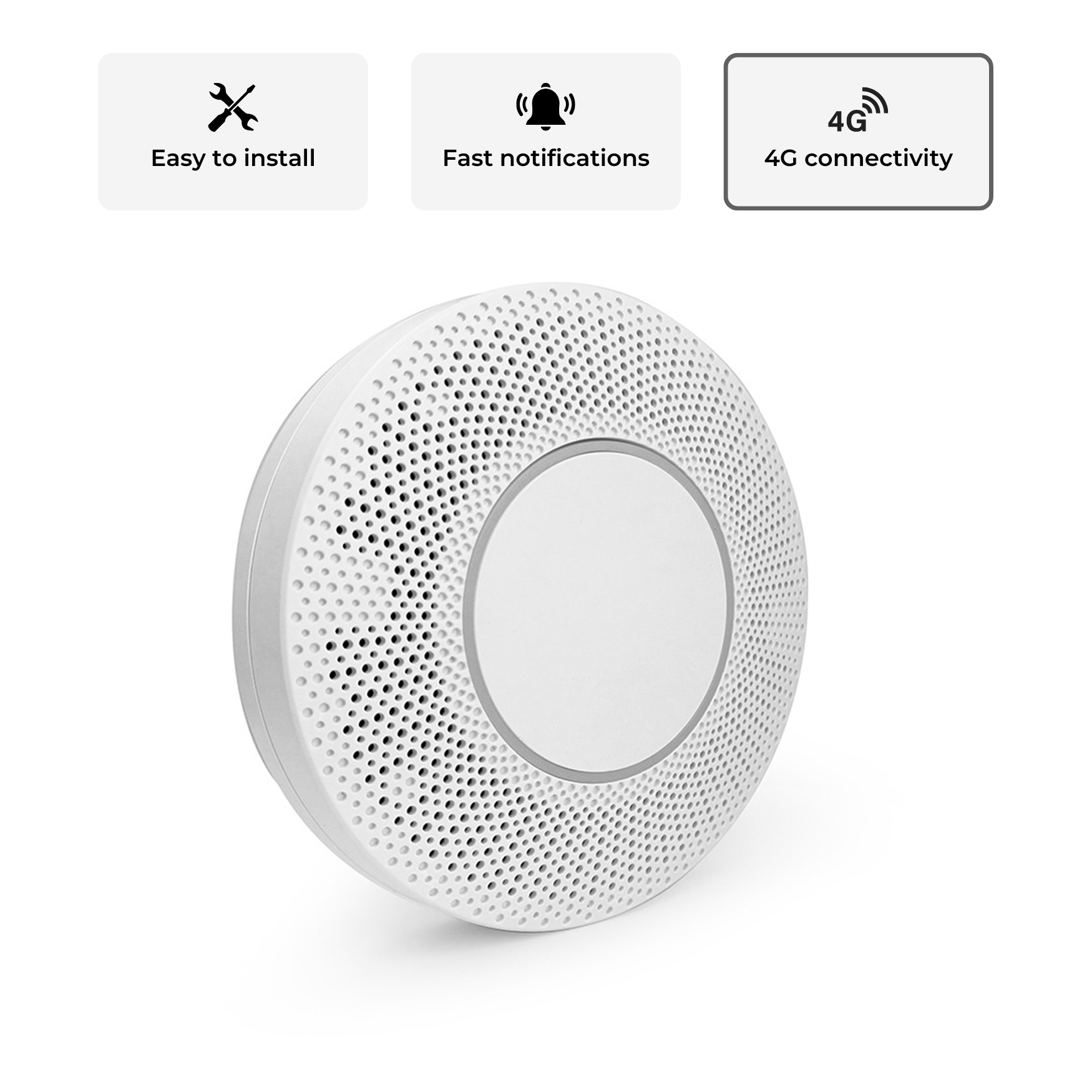
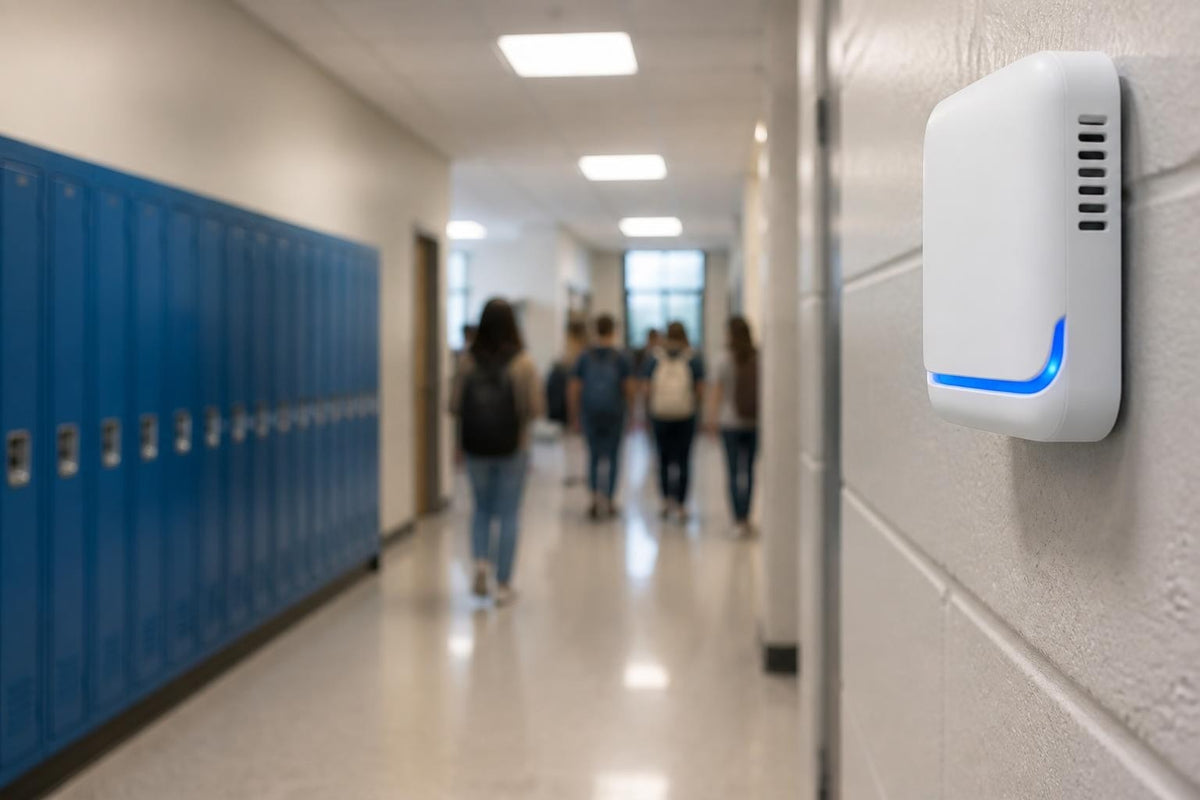
Vape Guardian offers advanced solutions for air monitoring in schools, combining vape detection and air quality measurement. Their AI powered sensors detect vape aerosols, THC, and monitor multiple pollutants, providing real time alerts and comprehensive reports.
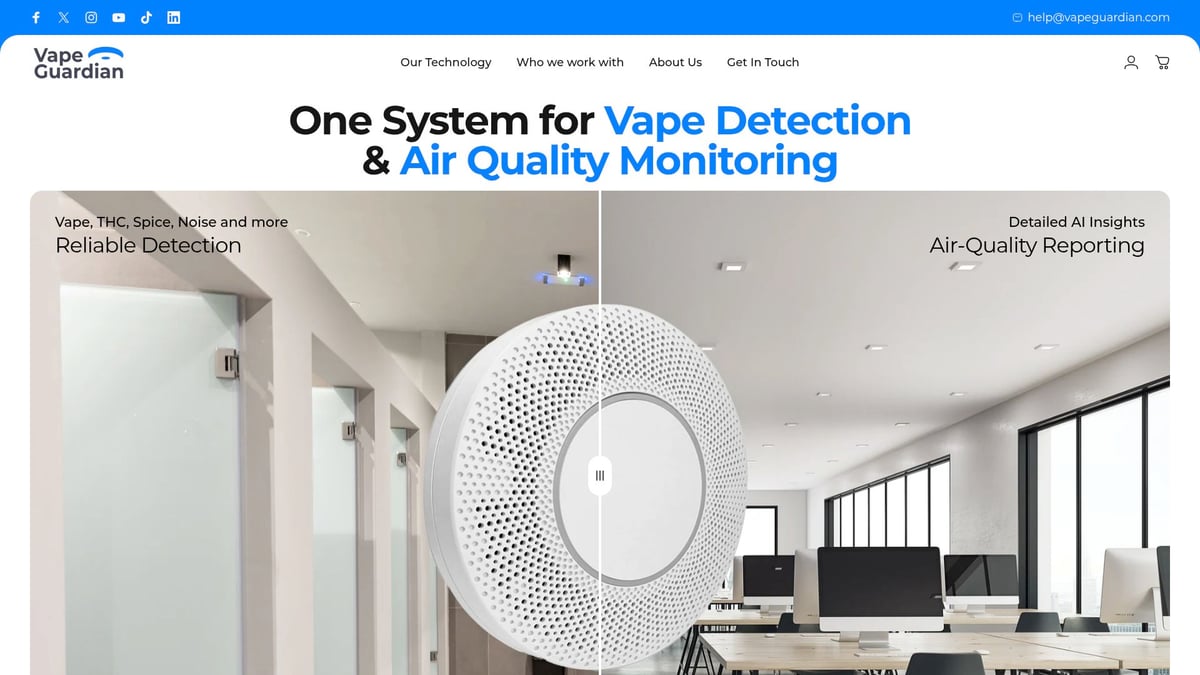
These systems help schools reduce vaping incidents by up to 95 percent, enhancing safeguarding and regulatory compliance. With free trials, dedicated UK support, and regular updates, Vape Guardian ensures ongoing effectiveness and peace of mind for school leaders.
Step-by-Step Guide to Implementing Air Monitoring in Schools
Establishing robust air monitoring in schools is a strategic process that requires careful planning, collaboration, and ongoing evaluation. Each step below guides school leaders, facilities managers, and stakeholders through the critical actions needed to ensure safe, healthy learning environments for all students by 2026.
Step 1: Assessing School Needs and Objectives
Begin by evaluating the specific requirements for air monitoring in schools. Conduct a thorough site assessment, examining classroom layouts, occupancy rates, and any known air quality issues. Identify vulnerable groups, such as students with asthma or allergies, who may be more affected by poor air conditions.
Set clear objectives for the monitoring programme. Are you aiming for compliance, health protection, or to support educational engagement? Involve all relevant stakeholders, including staff, parents, and local authorities. Reference resources like the EPA's Indoor Air Quality Tools for Schools to guide your assessment and planning process.
Step 2: Selecting Appropriate Monitoring Technology
Choose the best-fit technology to deliver effective air monitoring in schools. Consider the types of pollutants most relevant to your environment, such as particulate matter, CO2, and volatile organic compounds. Evaluate different sensor options for accuracy, reliability, and suitability for educational settings.
Assess how the technology integrates with existing infrastructure. Is remote access required? Will staff and students need to interact with data dashboards? Review supplier credentials, certifications, and case studies to ensure robust performance and support.
Step 3: Planning Installation and Deployment
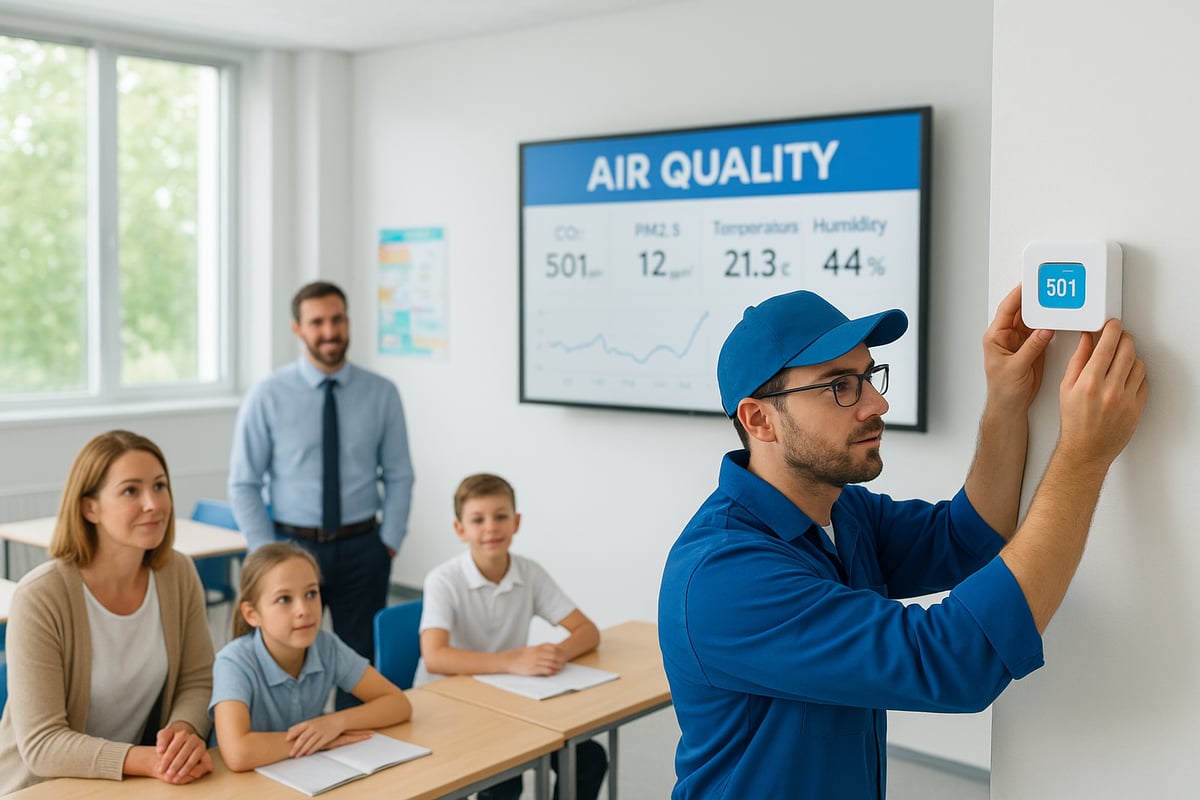
Develop a detailed plan for deploying air monitoring in schools. Map out optimal sensor locations, including classrooms, common areas, and entrances, to ensure comprehensive coverage. Schedule installation during periods that minimise disruption to teaching and learning.
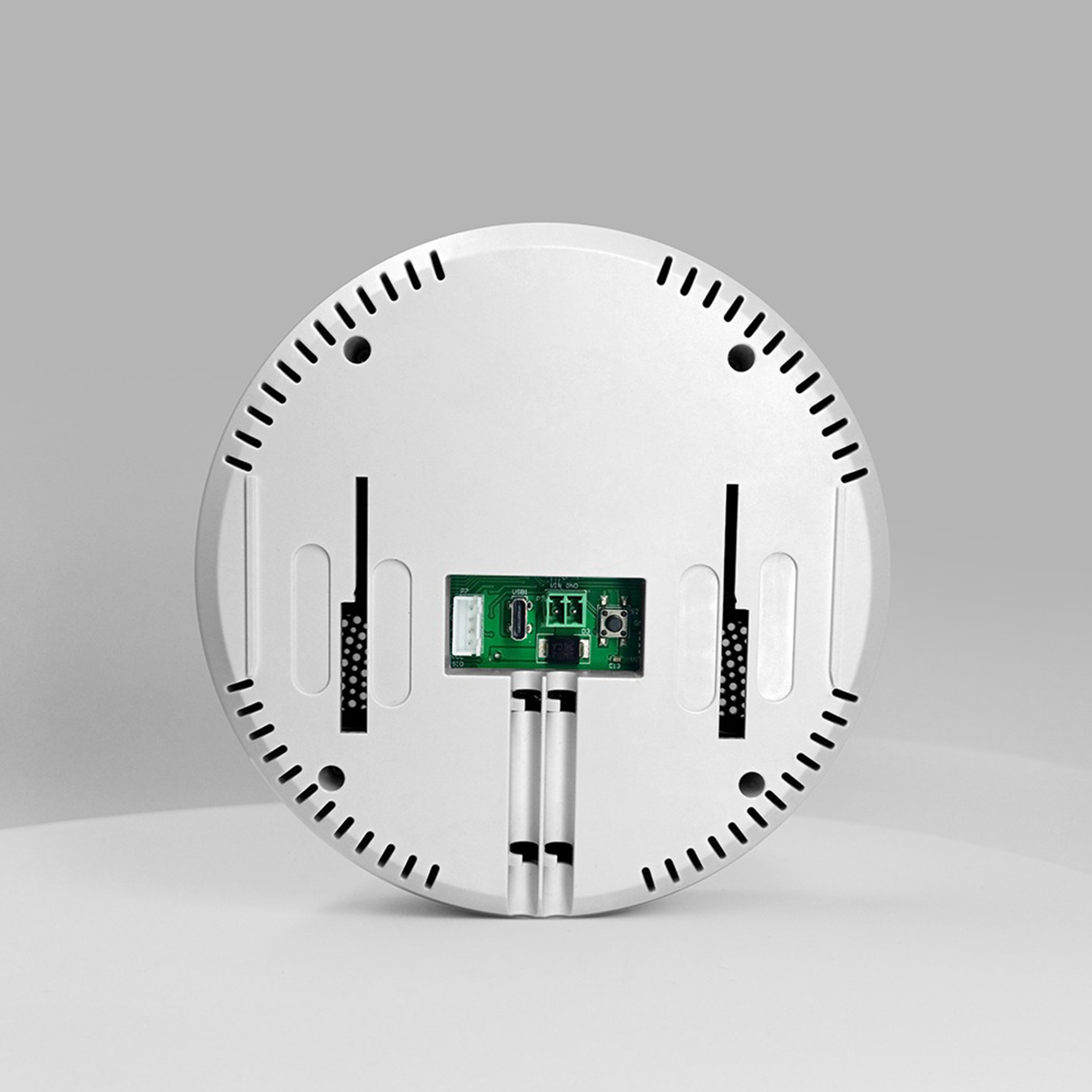
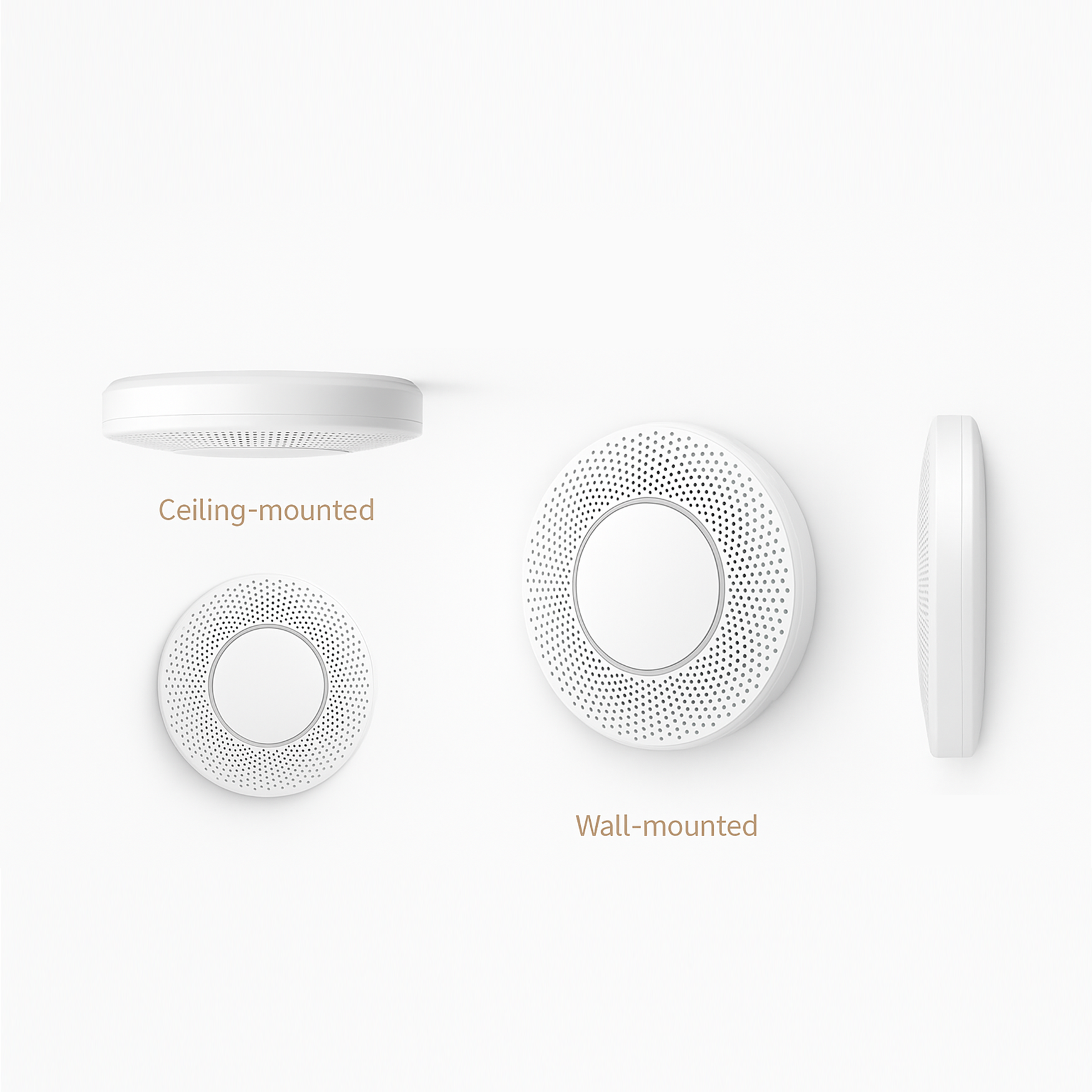
Prepare a checklist covering power supply, network connectivity, and physical mounting. Assign clear responsibilities to facilities staff and technology teams. Communicate the deployment plan to all stakeholders to maintain transparency and build trust in the process.
Step 4: Training Staff and Engaging the School Community
Effective air monitoring in schools depends on informed staff and engaged students. Provide hands-on training to staff on the operation and maintenance of monitoring systems. Organise educational sessions for students, explaining how air quality affects their health and learning.
Use data visualisation tools to make findings accessible and meaningful. Encourage student-led projects and citizen science initiatives to foster ownership and curiosity. Open communication helps build a culture of awareness and continuous improvement.
Step 5: Collecting, Analysing, and Interpreting Data
Establish automated systems for collecting and managing data from air monitoring in schools. Set up real-time alerts to highlight unusual pollution levels or trends that require attention. Establish baseline air quality metrics for each monitored area.
Incorporate contextual information such as weather, occupancy levels, and ventilation status to enhance analysis. Regularly share insights with staff, students, and parents, using clear visuals and summaries. Adjust strategies as new data emerges to ensure ongoing effectiveness.
Step 6: Responding to Air Quality Events and Alerts
Develop clear protocols for responding to alerts generated by air monitoring in schools. Actions may include increasing ventilation, adjusting classroom activities, or temporarily relocating vulnerable students. Ensure all staff understand the procedures and can act quickly when needed.
Document each event, noting the actions taken and their effectiveness. Integrate air quality response protocols with existing emergency and safeguarding plans to provide comprehensive protection for the school community.
Step 7: Reviewing, Reporting, and Continuous Improvement
Schedule regular reviews to evaluate the performance of air monitoring in schools. Generate detailed reports for governors, parents, and regulatory bodies, using data to demonstrate progress and justify future investment. Celebrate improvements in air quality and student health outcomes.
Use findings to inform policy updates, budget planning, and system upgrades. Plan for periodic expansion or enhancement of monitoring coverage as school needs evolve. Continuous improvement ensures lasting benefits for students and staff.
Strategies for Improving and Maintaining Air Quality in Schools
Creating a healthy classroom environment requires more than a one-off fix. It involves an ongoing commitment to best practice, evidence-based interventions, and community engagement. This section explores practical strategies for improving and maintaining air quality, ensuring that air monitoring in schools delivers long-term benefits for every student and staff member.
Ventilation and Filtration Solutions
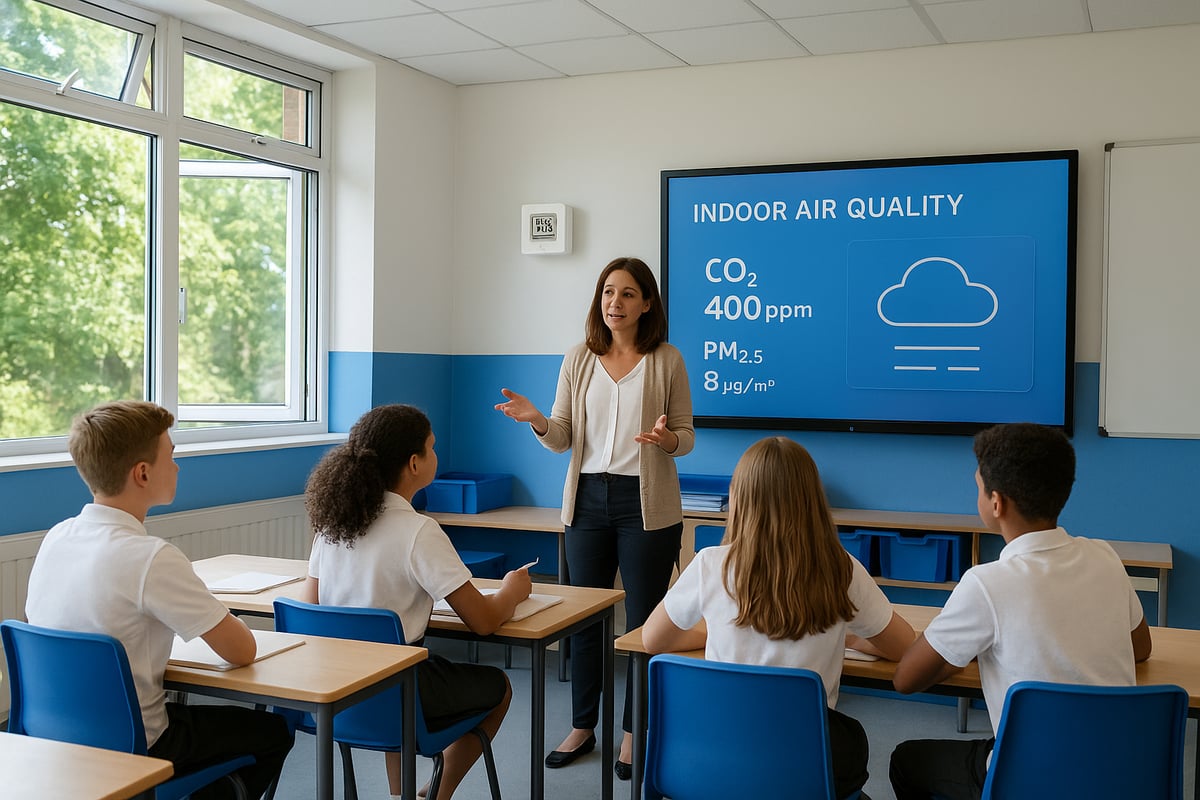
Ventilation is the backbone of indoor air quality. For air monitoring in schools to have the greatest impact, effective ventilation and filtration must be in place. Fresh air dilutes pollutants like CO2, PM2.5, and VOCs, making classrooms safer for breathing and learning.
Options include mechanical systems, natural ventilation through windows, and portable air purifiers. Smart ventilation controls can adjust airflow based on sensor data, keeping CO2 levels below 1000 ppm. High efficiency particulate air (HEPA) filters help remove fine particles. Regular maintenance is vital to ensure systems remain effective.
Schools can benefit from reviewing airflow patterns and upgrading filters where necessary. Air monitoring in schools provides the data needed to target improvements and verify results.
Source Control and Behavioural Interventions
Reducing pollution sources is a proactive way to improve air quality. Air monitoring in schools helps identify where emissions originate, from cleaning agents to building materials and classroom activities.
Schools can implement no idling zones outside to curb vehicle emissions. Indoors, switching to low emission cleaning products and managing storage of chemicals lowers VOC levels. Educating staff and students about pollution sources encourages better habits.
Vaping presents a growing challenge within schools. By integrating vape detection technology in schools, schools can identify and address vaping incidents quickly, supporting both safeguarding and compliance initiatives.
Policy Development and Compliance
Clear policies are essential for sustaining improvements. Air monitoring in schools provides the evidence needed to shape effective air quality policies, aligned with WHO, UK, and local authority guidelines.
Policies should outline ventilation standards, cleaning protocols, and response actions for pollution events. Communication is key—staff, students, and parents must understand the rules and their roles.
Regularly reviewing policies ensures they stay current with scientific recommendations. Data from air monitoring in schools supports compliance reporting and grant applications, making it easier to secure ongoing investment.
Engaging the School Community and Stakeholders
A whole-school approach transforms air quality management into a shared mission. Air monitoring in schools can become a powerful educational tool, fostering engagement across the community.
Involve students in data collection and analysis, building STEM skills and environmental awareness. Share results in assemblies, newsletters, and digital platforms to keep everyone informed.
Collaboration with local authorities, health professionals, and environmental groups amplifies impact. The SAMHE programme demonstrates how citizen science can empower over 800 UK schools to take meaningful action for cleaner air.
Responding to High Pollution Events
Real-time alerts from air monitoring in schools enable timely action during pollution spikes. Schools can modify outdoor activities, close windows, or activate air purifiers to protect vulnerable students.
Having a protocol in place ensures responses are swift and coordinated. Notifying staff and parents during severe events builds trust and transparency.
Data-driven responses ensure that interventions are effective and proportionate. Tools like EarthSense provide targeted alerts, helping schools safeguard health during high risk periods.
Measuring Impact and Showcasing Results
Ongoing measurement is crucial for demonstrating progress. Air monitoring in schools makes it possible to track improvements in air quality and student health outcomes over time.
Regular reporting to governors, parents, and funding bodies builds accountability. Sharing success stories encourages continued investment and engagement.
Schools can use air quality reports for schools to benchmark performance, identify trends, and support further funding applications. Celebrating achievements keeps momentum high and motivates the whole community to maintain healthy indoor environments.
The Future of Air Monitoring in Schools: Trends and Innovations
The landscape of air monitoring in schools is rapidly evolving, driven by technological innovation, policy shifts, and increasing awareness of health and environmental challenges. Over the next few years, schools will see significant changes in how indoor air quality is measured, managed, and integrated with broader educational and sustainability goals.
Advances in Sensor Technology and Data Analytics
New sensor technology is reshaping air monitoring in schools, making it more accessible and precise. Low cost, highly accurate sensors can now detect multiple pollutants in real time. Networks of these devices generate continuous data streams, which are analysed using artificial intelligence and machine learning.
Schools are leveraging these tools to identify pollution sources, optimise ventilation, and even predict air quality events. Integrating air monitoring in schools with building management and citywide platforms enables data sharing and smarter interventions. The SAMHE project is a prime example, empowering schools to collect and interpret air quality data at scale.
Policy and Regulatory Developments
Air monitoring in schools is increasingly shaped by evolving policy and regulatory standards. Governments and educational bodies across the UK and Europe are moving towards stricter guidelines for indoor air quality. There is growing momentum for mandatory monitoring in all new school buildings by 2026.
Post pandemic, public scrutiny and funding for digital monitoring solutions have increased. Schools must stay informed and align with best practices, such as those outlined by the National Education Association's insights on addressing IAQ in schools. Policy changes are expected to drive further investment and ensure safer learning environments.
The Role of Community Science and Student Engagement
Community science is becoming a cornerstone of air monitoring in schools. Students and teachers are now active participants, collecting data and leading awareness campaigns. This hands on approach not only improves data coverage, but also embeds air quality education into the curriculum.
Schools benefit from student engagement in STEM subjects and health initiatives. By making air monitoring in schools part of everyday learning, schools foster a culture of responsibility and environmental stewardship. Successful projects have shown that student led interventions can drive meaningful improvements and lasting change.
Integration with Broader Sustainability Initiatives
Air monitoring in schools is increasingly interconnected with wider sustainability goals. Data from air quality sensors inform decisions on energy efficiency, green infrastructure, and health programmes. Schools are using this information to support citywide clean air strategies and collaborate with local authorities.
For example, real time air quality monitoring helps schools adjust ventilation to save energy while maintaining healthy classrooms. Integrating air monitoring in schools with broader sustainability initiatives leads to more resilient, future ready learning environments.
Preparing for Emerging Challenges and Opportunities
The future presents new challenges for air monitoring in schools, including the need to address emerging pollutants like microplastics and adapt to climate change impacts. Schools will need to stay agile, adopting technologies and strategies that can respond to evolving risks.
Legal and environmental frameworks are also likely to develop, with increased expectations for transparency and accountability. For an in depth look at the legal and health considerations, see the Environmental Law Institute's overview of IAQ in schools. Proactive air monitoring in schools will be vital for building resilience and safeguarding student health in the years ahead.
As we’ve explored, ensuring safe and healthy classrooms by 2026 starts with understanding air quality challenges and implementing the right monitoring solutions. With advanced technology, real time alerts, and proven impact, you can empower your school to protect students and staff from poor air quality and vaping incidents. If you’re ready to see how a dedicated approach can make a measurable difference in your school environment, I invite you to learn how Vape Guardian is protecting schools. Let’s make safer learning spaces a reality together.


Share:
The Expert Guide to VOC and Formaldehyde Detection 2026
Gym Vape Detector Guide: Your 2026 Essential Handbook