
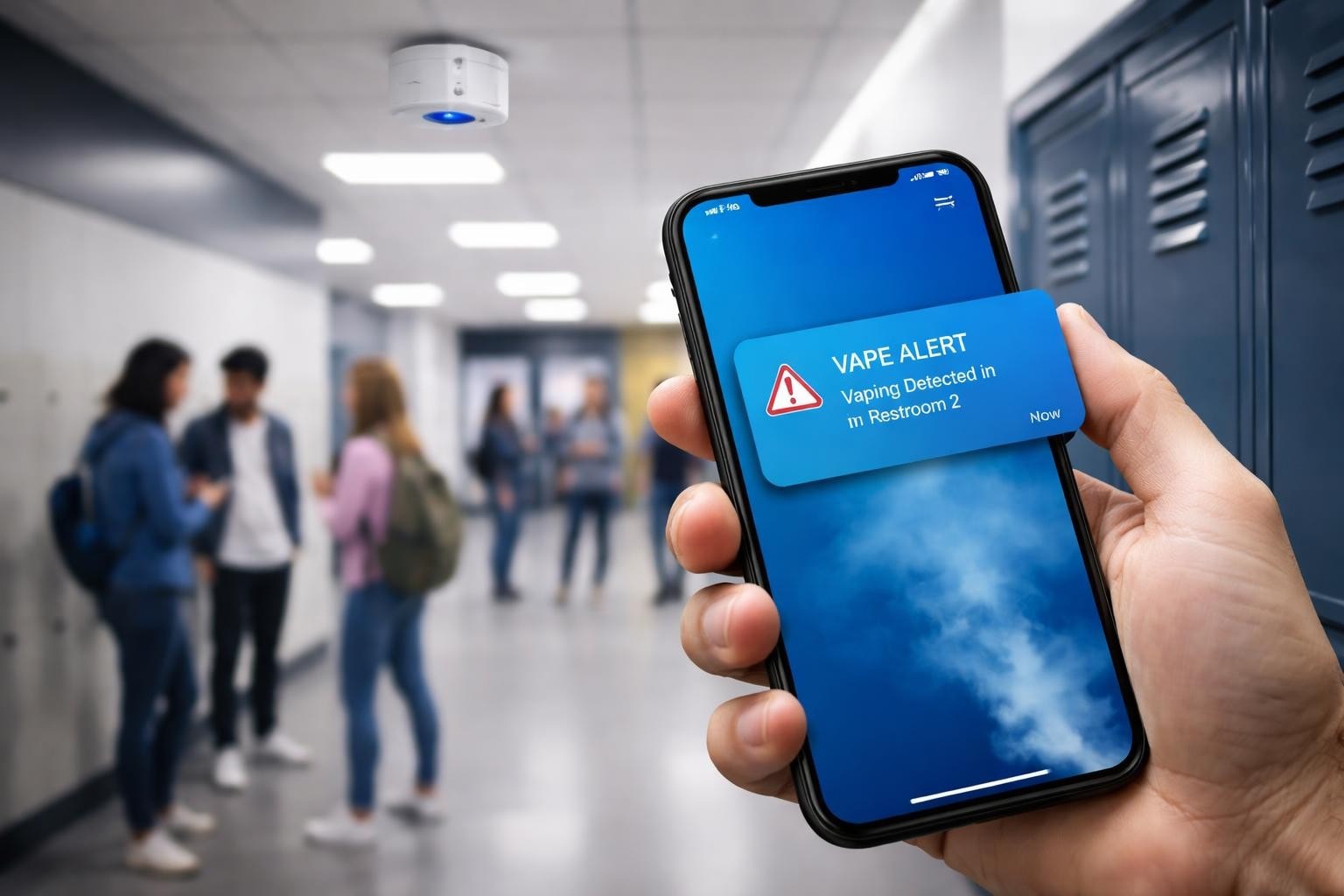
Modern vaping detection has evolved significantly beyond simple sensors that merely record incidents. The integration of mobile application technology with advanced detection systems has created a comprehensive solution that empowers facility managers, school administrators, and business owners to respond immediately to vaping incidents. A vape detector with app alerts represents this next generation of monitoring technology, combining sophisticated sensors with instant communication channels to create safer, healthier environments across various settings.
Understanding Vape Detection Technology and Mobile Integration
The fundamental principle behind any effective vape detector with app alerts lies in its dual capability: accurate detection and instant communication. These systems utilise multiple sensor types to identify vaping activity, including particulate matter sensors, volatile organic compound detectors, and humidity monitors. When these sensors detect anomalies consistent with vaping, the system triggers an immediate alert sequence that sends notifications directly to designated mobile devices.
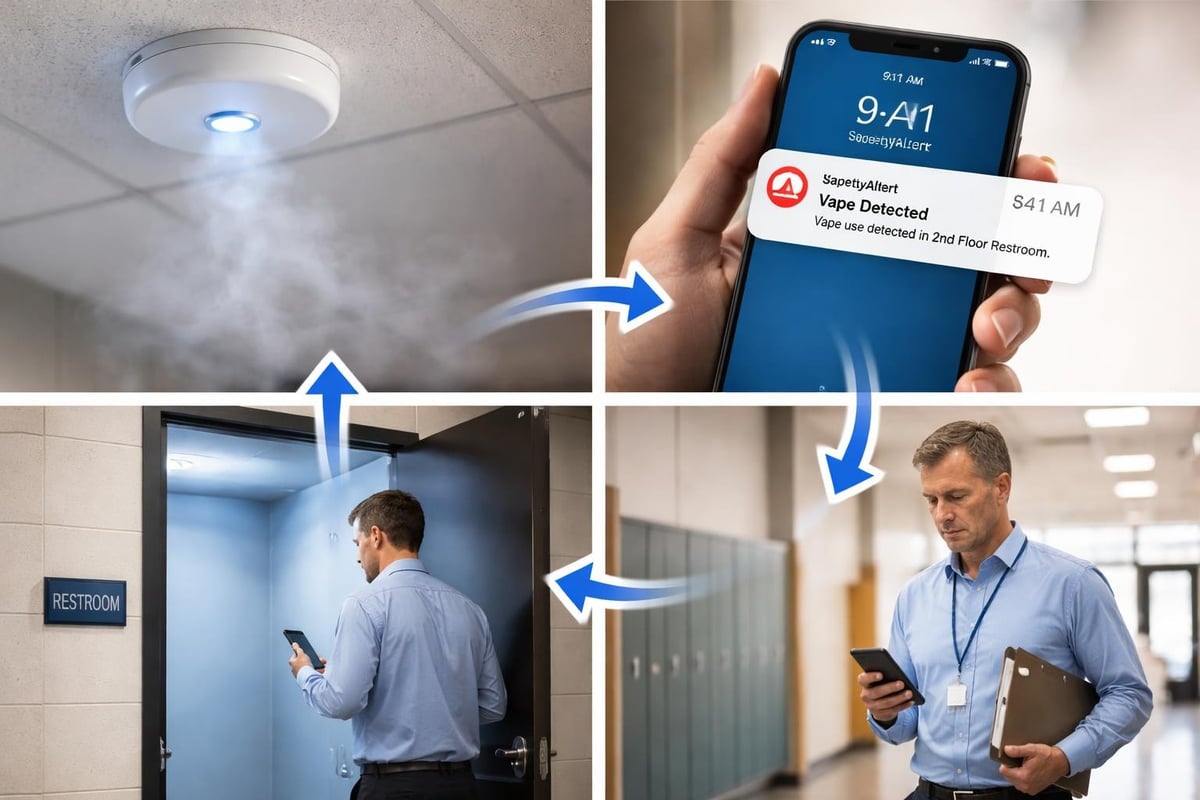
The sophistication of modern vape detection technology extends far beyond simple smoke detectors. These devices analyse air quality continuously, measuring multiple parameters simultaneously to distinguish between vaping, cooking smoke, aerosol sprays, and other airborne particles. This precision reduces false alarms whilst maintaining high sensitivity to actual vaping incidents.
How Alert Systems Function in Real Time
Real-time notification systems operate through secure cloud connectivity, ensuring that alerts reach the appropriate personnel within seconds of detection. According to industry insights on alert and notification systems, these platforms can distribute notifications through multiple channels simultaneously, including push notifications, text messages, email alerts, and dashboard updates.
The speed of notification delivery remains critical for effective intervention. When a student attempts to vape in a school bathroom or an employee violates workplace policies in an office restroom, every second counts. A vape detector with app alerts eliminates the delay inherent in periodic checking or manual reporting systems, allowing designated staff to respond whilst the incident is still occurring.
Key Features of App-Enabled Vape Detection Systems
Modern detection systems offer a comprehensive suite of features designed to maximise effectiveness and ease of use. Understanding these capabilities helps organisations select the right solution for their specific needs.
Multi-Channel Alert Distribution
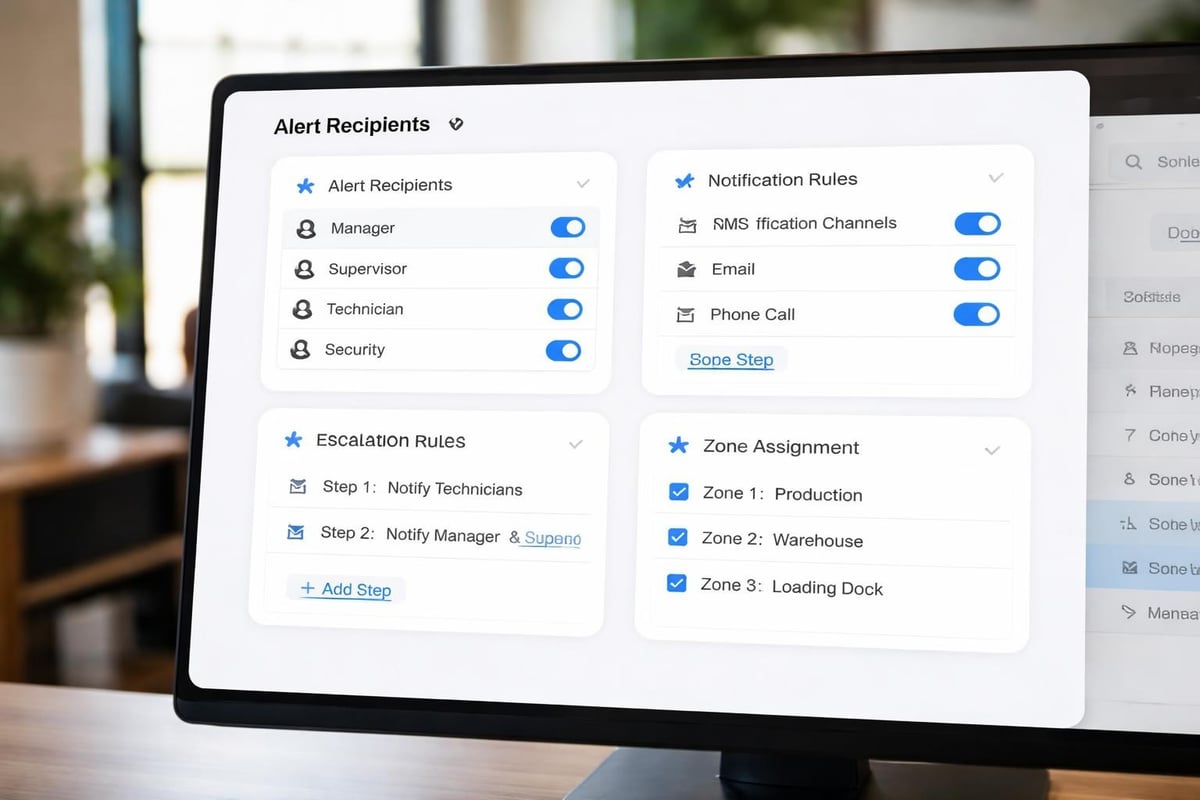
The most robust systems provide flexibility in how alerts are delivered and who receives them. Key features include:
- Customisable notification hierarchies that escalate alerts based on response time
- Zone-based alerting that notifies personnel closest to the incident location
- Scheduled notifications that adjust recipient lists based on time of day or shift patterns
- Priority filtering that distinguishes between confirmed incidents and potential false positives
- Alert acknowledgement tracking to ensure notifications are received and acted upon
This flexibility ensures that the right people receive the right information at the right time, regardless of their location within the facility.
Detailed Incident Documentation
Beyond immediate alerts, app-enabled systems create comprehensive records of each detection event. This documentation serves multiple purposes:
| Documentation Element | Purpose | Value for Organisations |
|---|---|---|
| Timestamp | Precise incident timing | Pattern identification, policy enforcement |
| Location data | Exact sensor identification | Hotspot mapping, strategic sensor placement |
| Air quality readings | Contextual environmental data | Distinguishing vaping from other sources |
| Response tracking | Staff action records | Accountability, process improvement |
| Trend analysis | Long-term pattern recognition | Policy effectiveness measurement |
These records prove invaluable for schools tackling vaping challenges, providing concrete evidence for disciplinary actions and helping administrators identify patterns that inform prevention strategies.
Practical Applications Across Different Settings
The versatility of a vape detector with app alerts makes it suitable for various environments, each with unique requirements and challenges.
Educational Institutions
Schools face particular challenges with underage vaping, especially in areas without camera coverage such as toilets and changing rooms. App-enabled detection systems allow safeguarding teams to respond immediately to bathroom incidents whilst maintaining student privacy. The Vape Detection System offers comprehensive monitoring tailored specifically for educational settings, providing real-time alerts alongside air quality monitoring to support student wellbeing and policy enforcement.
Staff members receive instant notifications when students attempt to vape in monitored areas, enabling swift intervention. This immediate response capability serves both as a deterrent and as an educational opportunity, allowing schools to address incidents promptly rather than discovering them hours or days later through traditional reporting methods.

Workplace and Office Environments
Corporate settings require discrete monitoring solutions that respect employee privacy whilst maintaining healthy air quality standards. A vape detector with app alerts allows facility managers to enforce no-vaping policies without constant physical patrols. Understanding the hidden health risks of vaping in offices underscores why many businesses are implementing these systems.
Modern workplace detection systems integrate with building management platforms, allowing seamless coordination between security teams, facilities staff, and human resources departments. This integration ensures appropriate response protocols whilst maintaining professional workplace standards.
Leisure and Hospitality Venues
Hotels, gyms, entertainment venues, and other public spaces benefit from app-enabled detection by protecting non-vaping customers and maintaining clean air environments. These settings often have multiple stakeholders requiring notifications, from on-site security to management teams and maintenance staff.
The ability to customise alert recipients based on location, time, and incident type allows these venues to maintain responsive monitoring without overwhelming staff with unnecessary notifications.
Technical Considerations for Implementation
Successful deployment of a vape detector with app alerts requires careful planning and attention to technical requirements.
Network Infrastructure and Connectivity
These systems depend on reliable internet connectivity to deliver alerts promptly. Organisations should evaluate:
- Wireless network coverage in all monitored areas, particularly bathrooms and changing rooms where cellular signals may be weak
- Network security protocols to protect sensitive alert data and maintain system integrity
- Backup connectivity options such as cellular failover to ensure continuous operation
- Bandwidth allocation for cloud communication and data transmission
- Power redundancy to maintain operation during electrical disruptions
According to expert guidance on vape detector operation, proper network configuration significantly impacts both detection accuracy and alert reliability.
User Access Management
Effective app-based systems provide granular control over who receives alerts and what actions they can take. Administrative features should include:
- Role-based access controls separating viewing permissions from configuration capabilities
- Multi-factor authentication for enhanced security
- Audit logs tracking all system access and configuration changes
- Remote management capabilities for IT teams
- Integration with existing identity management systems
These controls ensure that sensitive alert information reaches only authorised personnel whilst maintaining accountability for all system interactions.
Maximising Detection Accuracy and Minimising False Alerts
The effectiveness of any vape detector with app alerts depends heavily on its accuracy. False positives erode trust in the system, whilst missed detections undermine its purpose.
Sensor Calibration and Environmental Adaptation
Modern systems employ sophisticated algorithms to adapt to local environmental conditions. Research on the accuracy of vape detection technology demonstrates that proper calibration dramatically improves performance. Systems should automatically adjust sensitivity based on:
- Baseline air quality measurements specific to each location
- Seasonal variations affecting humidity and temperature
- Regular cleaning product usage patterns
- HVAC system operation schedules
- Typical occupancy levels and patterns
This adaptive approach reduces false alarms from legitimate activities whilst maintaining high sensitivity to actual vaping incidents.
Strategic Sensor Placement
Proper installation significantly impacts both detection accuracy and alert utility. Best practices include:
- Mounting sensors according to manufacturer specifications for optimal air flow exposure
- Avoiding locations near air vents, doors, or windows that might dilute vapour concentrations
- Positioning devices to cover all areas where vaping might occur, particularly secluded spaces
- Installing sufficient sensor density to pinpoint incident locations accurately
- Considering ceiling height and room configuration when determining coverage areas
Organisations should work with experienced installers who understand both the technology and the specific challenges of their environment.
Data Analytics and Long-Term Monitoring
Beyond immediate alerts, app-enabled detection systems generate valuable data for long-term trend analysis and policy development.
Pattern Recognition and Hotspot Identification
Comprehensive data collection reveals patterns invisible to manual monitoring. Analysis capabilities include:
| Analytics Feature | Insight Provided | Application |
|---|---|---|
| Time-based trends | Peak incident periods | Targeted supervision scheduling |
| Location clustering | High-risk areas | Resource allocation, design modifications |
| Frequency analysis | Repeat offender identification | Intervention programme targeting |
| Seasonal variations | Environmental factors | Policy adjustment timing |
| Correlation studies | Relationship to events or conditions | Prevention strategy development |
These insights transform raw alert data into actionable intelligence, enabling organisations to move from reactive incident response to proactive prevention strategies. For schools, this data proves essential when creating effective vape-free policies.
Integration with Broader Air Quality Monitoring
Many advanced systems combine vaping detection with comprehensive air quality assessment, monitoring parameters such as PM2.5 particulate levels, carbon dioxide concentrations, volatile organic compounds, and temperature/humidity readings. This holistic approach provides facilities with complete environmental awareness, supporting both vaping prevention and general health and safety objectives.
The same sensors detecting vaping activity also identify other air quality concerns, from inadequate ventilation to chemical exposure risks, maximising the return on investment whilst supporting overall occupant wellbeing.
Mobile App Interface and User Experience
The effectiveness of a vape detector with app alerts depends significantly on the quality of its mobile application interface.
Essential App Features
A well-designed mobile application should provide:
- Clear, immediate alert notifications with distinct audio and visual indicators
- Incident location mapping showing exactly which sensor detected activity
- One-touch acknowledgement allowing staff to confirm receipt and response
- Historical incident review for pattern analysis and reporting
- Real-time air quality dashboards showing current conditions across all monitored areas
- Customisable notification settings allowing users to manage alert preferences
- Offline capability for viewing historical data when connectivity is limited
The application should balance comprehensive functionality with intuitive operation, ensuring that staff can respond effectively even under time pressure.
Cross-Platform Compatibility
Organisations employ diverse device ecosystems, requiring detection apps to function seamlessly across platforms. Systems should support:
- iOS devices including iPhones and iPads
- Android smartphones and tablets across various manufacturers
- Web-based dashboards accessible from desktop computers
- Smartwatch notifications for personnel requiring hands-free alerts
- Integration with existing communication platforms and incident management systems
This flexibility ensures that all stakeholders can access alerts regardless of their preferred devices or existing technology infrastructure.
Regulatory Compliance and Privacy Considerations
Implementing a vape detector with app alerts requires careful attention to privacy regulations and organisational policies.
Data Protection and GDPR Compliance
Organisations operating in the UK must ensure their detection systems comply with GDPR requirements. Key considerations include:
- Data minimisation collecting only information necessary for legitimate monitoring purposes
- Purpose limitation using detection data solely for health, safety, and policy enforcement
- Retention policies establishing appropriate timeframes for storing incident records
- Access controls restricting data viewing to personnel with legitimate need
- Transparency informing building occupants about monitoring systems and their purpose
Properly configured systems support compliance efforts whilst effectively addressing vaping concerns. Understanding how vape detectors work in bathrooms helps organisations implement monitoring that respects privacy whilst maintaining effectiveness.
Policy Framework Development
Technology alone cannot address vaping concerns. Organisations should develop comprehensive policies that:
- Clearly define prohibited behaviours and monitoring locations
- Establish fair, consistent consequences for policy violations
- Provide support resources for individuals seeking to stop vaping
- Define appropriate response protocols for different incident types
- Balance enforcement with education and prevention
These policies should be communicated clearly to all building occupants, ensuring that monitoring serves educational and preventative purposes rather than purely punitive ones.

Cost Considerations and Return on Investment
Organisations evaluating a vape detector with app alerts must consider both initial investment and ongoing operational costs.
Total Cost of Ownership
A comprehensive cost analysis should include:
- Initial hardware purchase for sensors and associated equipment
- Installation costs including network infrastructure upgrades if required
- Subscription fees for cloud services, app access, and data storage
- Maintenance and calibration requirements over the system lifespan
- Staff training and policy development expenses
- Integration costs with existing security or building management systems
Whilst these expenses may seem substantial, they should be weighed against the costs of unaddressed vaping, including health risks, property damage, liability exposure, and the impact on organisational culture and reputation.
Measuring Effectiveness and Value
Organisations can assess return on investment through various metrics:
| Metric | Measurement Method | Expected Impact |
|---|---|---|
| Incident reduction | Compare detection rates over time | 40-70% decrease after 6-12 months |
| Response time | Average minutes from detection to staff arrival | Reduction from 30+ minutes to under 3 minutes |
| Air quality improvement | PM2.5 and VOC measurements | Measurable improvement in monitored areas |
| Policy compliance | Survey data and observation | Increased adherence to no-vaping policies |
| Cost avoidance | Reduced cleaning, maintenance, and health-related expenses | Varies by facility size and prior incident levels |
These metrics demonstrate tangible value beyond the immediate deterrent effect, supporting ongoing investment in monitoring technology.
Future Developments in Alert-Enabled Detection
The field of vape detection continues to evolve rapidly, with emerging capabilities enhancing the effectiveness of app-based systems.
Artificial Intelligence and Machine Learning
Next-generation systems employ AI algorithms to improve detection accuracy and reduce false positives. Machine learning enables:
- Adaptive learning that improves discrimination between vaping and other aerosols over time
- Predictive analytics identifying conditions likely to precede incidents
- Automated response optimisation suggesting most effective intervention strategies
- Anomaly detection flagging unusual patterns requiring investigation
- Behavioural analysis recognising individual vaping signatures for repeat offender identification
These capabilities promise to make future systems even more effective whilst reducing the burden on monitoring staff.
Enhanced Integration Capabilities
Future developments will likely see greater integration between vape detection systems and other building technologies, including access control, video management, HVAC systems, and comprehensive building analytics platforms. This convergence will enable coordinated responses that go beyond simple alerts, potentially including automated ventilation adjustments, targeted access restrictions, and comprehensive incident documentation combining multiple data sources.
The evolution towards smart building sensors represents a broader trend in facility management, positioning vape detection as one component of comprehensive environmental monitoring and occupant safety systems.
Selecting the Right System for Your Organisation
With numerous options available, organisations must evaluate solutions carefully to ensure they meet specific needs.
Critical Selection Criteria
When comparing different vape detector systems with app alerts, consider:
- Detection accuracy and false positive rates based on independent testing and user reviews
- Alert delivery speed measured from detection to notification receipt
- App functionality and user experience including interface design and feature completeness
- Scalability supporting growth from pilot installations to facility-wide deployment
- Support and service quality including installation assistance, training, and ongoing technical support
- Integration capabilities with existing systems and future technology roadmaps
- Vendor reputation and track record particularly in your specific sector
Organisations should request demonstrations, pilot installations, and references from similar facilities before committing to large-scale deployments. Resources such as those available from Vape Guardian can provide valuable guidance throughout the selection process.
Implementation Best Practices
Successful deployment requires careful planning and execution:
- Begin with pilot installations in high-priority areas to test functionality and refine procedures
- Involve key stakeholders from facilities, security, IT, and leadership in planning
- Develop clear policies and response protocols before system activation
- Train all personnel who will receive alerts or respond to incidents
- Communicate transparently with building occupants about monitoring purposes and locations
- Plan for regular system maintenance, calibration, and performance review
- Establish metrics for measuring success and mechanisms for continuous improvement
This systematic approach maximises the likelihood of achieving desired outcomes whilst minimising implementation challenges.
A vape detector with app alerts represents a powerful tool for organisations committed to maintaining healthy, policy-compliant environments in schools, workplaces, and public spaces. By combining sophisticated detection technology with instant mobile notifications, these systems enable swift, effective responses that traditional monitoring methods cannot match. Whether addressing the dangers of vaping in secondary schools or maintaining professional standards in office environments, app-enabled detection provides the real-time awareness and rapid response capability essential for modern facility management. Vape Guardian offers comprehensive solutions tailored to UK organisations, combining advanced sensor technology with reliable alert systems and dedicated support to help you create safer, healthier environments for everyone in your care.





Share:
Vape Detector with SMS Alerts: Real-Time Protection
Best Vape Detector for Schools: 2026 Buyer's Guide
8 comments
Fast delivery, secure packaging, and excellent service. Everything arrived quickly and smoothly—highly recommended!
https://klausvape.com/shop/
TEREA offers a smooth, convenient experience with a clean design and a variety of flavors to suit different preferences.
https://klausvape.com/product/terea-indonesian/erent preferences.
Sleek design, easy to use, and a premium feel. The ILUMA PRIME stands out with its modern look and convenient experience.
https://klausvape.com/product/iqos-iluma-i-prime-device/
TEREA offers a convenient heated-tobacco experience with a range of flavors and a clean, modern design
TEREA offers a sleek, convenient heated-tobacco experience with a variety of flavor options for adult users.