

The prevalence of vaping in schools has reached crisis levels across the United Kingdom, with educators and administrators facing unprecedented challenges in maintaining healthy, compliant environments. What began as isolated incidents has evolved into a persistent issue affecting student health, academic performance, and overall school culture. This comprehensive guide explores the multifaceted problem of vaping in schools, examining detection strategies, prevention approaches, policy frameworks, and technological solutions that empower educational institutions to reclaim control of their premises.
The Scale of the Vaping Crisis in Educational Settings
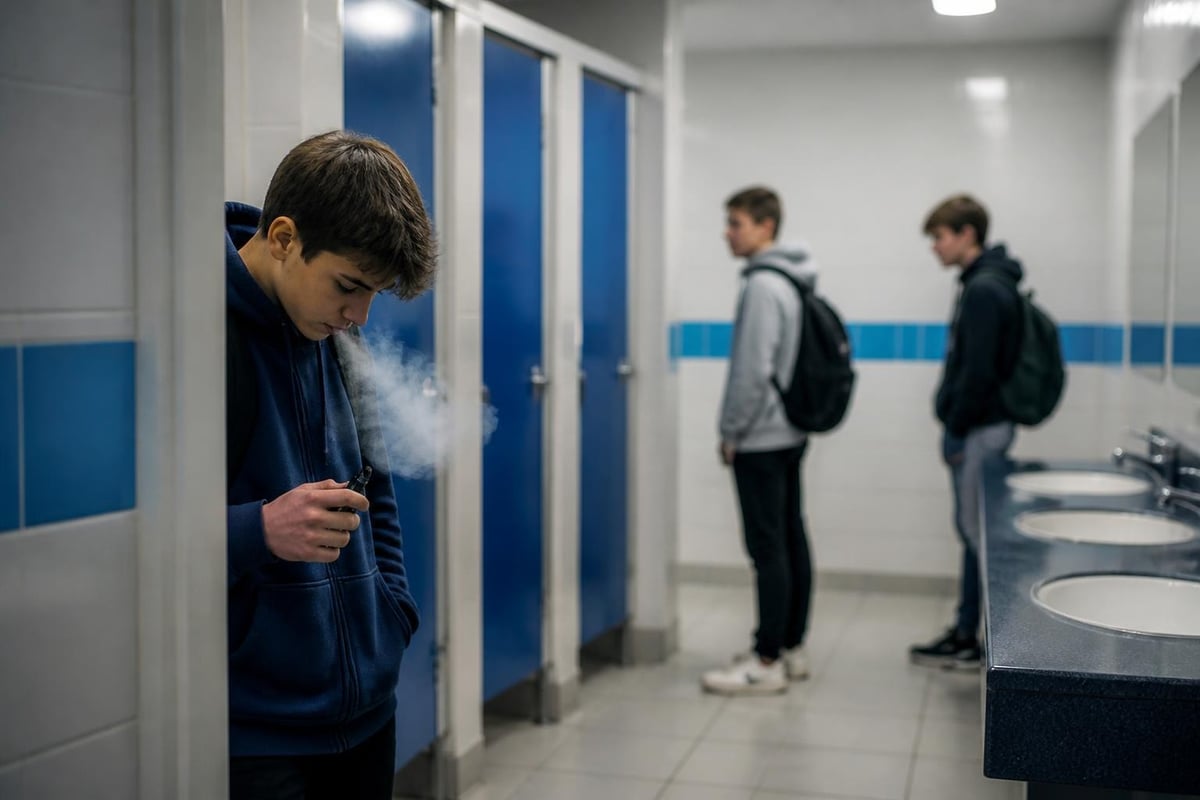
Research conducted by Truth Initiative reveals that middle and high school educators consistently describe vaping as pervasive throughout school premises. The problem extends far beyond occasional use, with students vaping in toilets, changing rooms, corridors, and even classrooms when supervision lapses.
Statistical Evidence and Trends
Current data demonstrates alarming patterns in youth vaping behaviour:
- Bathroom hotspots: Over 85% of vaping incidents occur in school toilets and changing facilities
- Peak times: Incidents concentrate during break periods, lunch hours, and transition times between lessons
- Age demographics: Usage has expanded from secondary schools into Year 7 and 8 cohorts
- Frequency: Daily or near daily use reported among a significant proportion of student vapers
The WHO's nicotine and tobacco free schools toolkit highlights that comprehensive approaches are essential for addressing this multifaceted challenge effectively.
Hidden Dangers Beyond Nicotine
Schools face additional concerns beyond traditional nicotine delivery. The detection of substances including THC and synthetic cannabinoids in vaping devices has elevated the urgency for robust monitoring systems. Understanding the hidden threat of drugs in vapes has become essential for safeguarding teams.
Detection Methods and Technological Solutions
Traditional supervision methods prove insufficient for identifying vaping in schools due to the discreet nature of modern devices and the speed at which vapour dissipates. Schools require innovative detection approaches that balance privacy concerns with safety imperatives.
Sensor Based Detection Systems
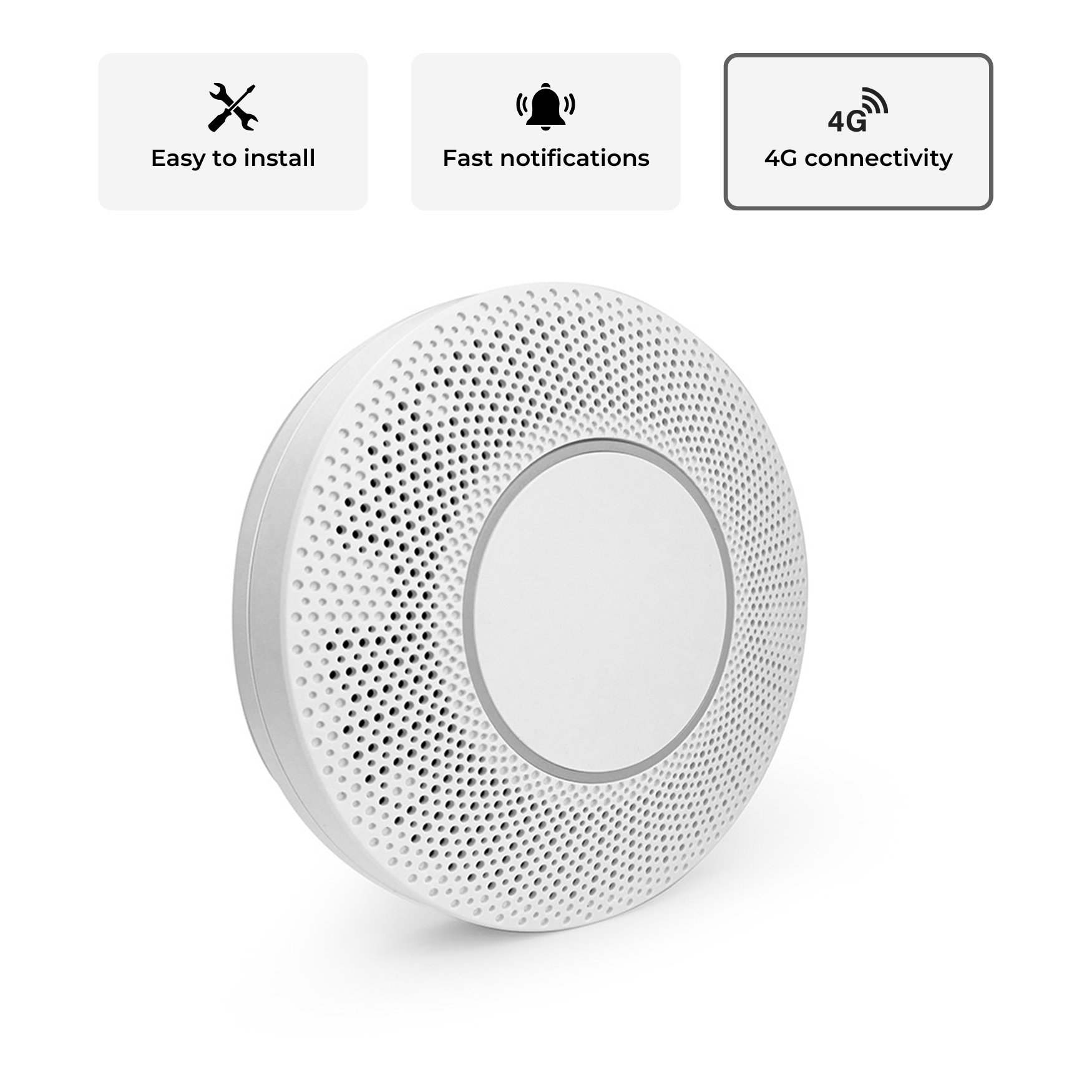
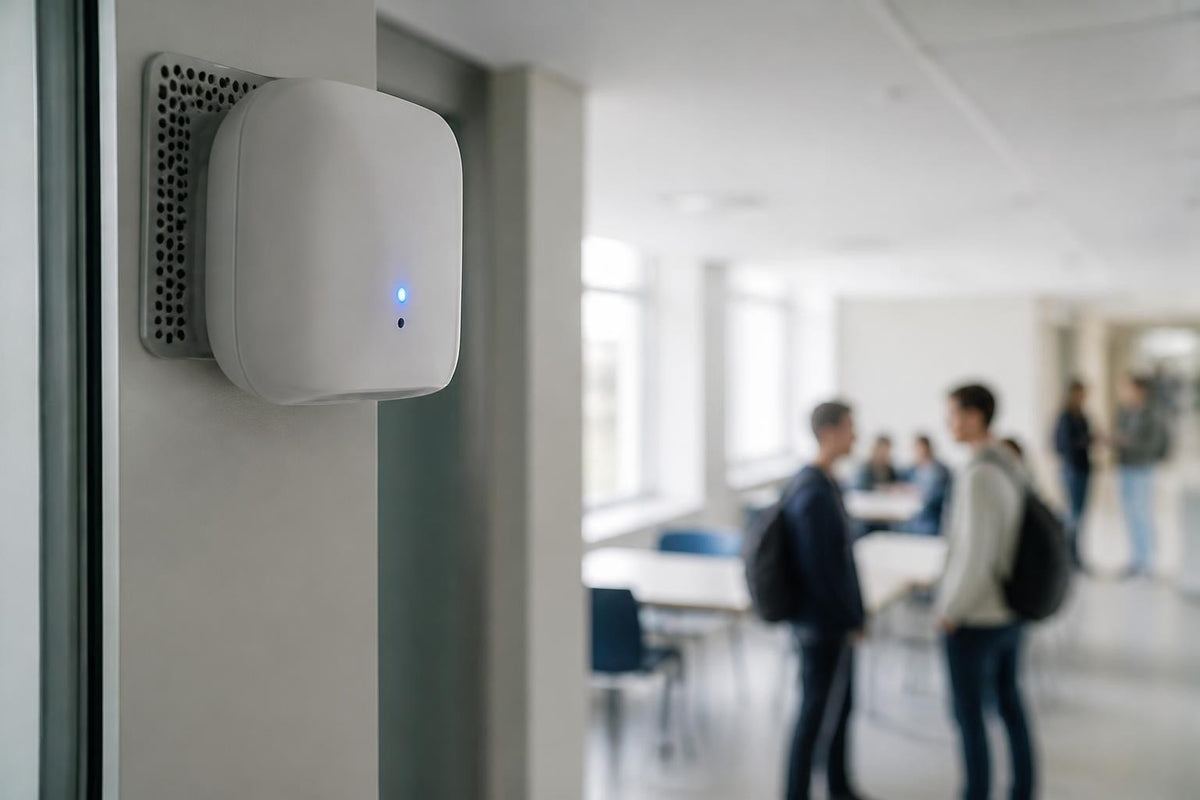
Advanced detection technology has revolutionised how schools identify and respond to vaping incidents. Modern sensors employ sophisticated algorithms to distinguish vaping aerosols from other environmental factors, providing real time alerts to designated staff members.
Key capabilities of effective detection systems:
- Identification of vaping specific particulate matter and chemical signatures
- Real time notification systems connecting to staff mobile devices
- Differentiation between vaping and other aerosol sources
- Integration with existing school management platforms
- Tamper detection and anti social behaviour monitoring
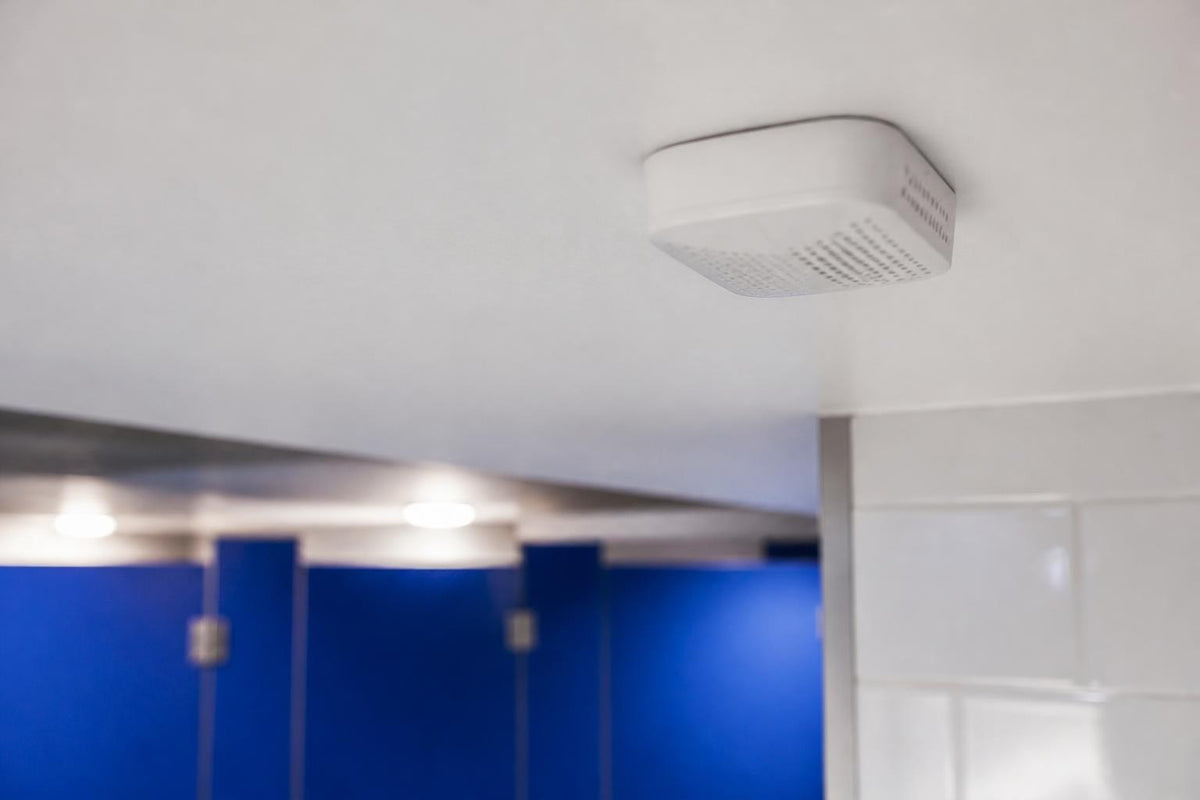
Understanding how vape detectors work in bathrooms helps schools optimise placement and maximise effectiveness whilst respecting student privacy.
Strategic Placement Considerations
| Location Type | Priority Level | Detection Effectiveness | Privacy Considerations |
|---|---|---|---|
| Student toilets | Critical | 95%+ incident capture | High compliance with privacy laws |
| Changing rooms | High | 90%+ incident capture | Camera free zones ideal for sensors |
| Corridors | Medium | 70% incident capture | Complements supervision |
| Stairwells | Medium | 65% incident capture | Limited supervision zones |
Implementing a school vape policy solution alongside technology creates a comprehensive framework for addressing vaping in schools systematically.
Evidence Based Prevention Strategies
Prevention forms the cornerstone of any successful approach to reducing vaping in schools. SAMHSA's evidence based resource emphasises that multi tiered strategies combining education, policy, and environmental modification achieve superior outcomes compared to single approach interventions.
Educational Interventions That Work
A systematic review published in Prevention Science analysed school based preventive interventions targeting e‑cigarette use, identifying characteristics of effective programmes:
- Curriculum integration: Embedding vaping education across multiple subjects rather than standalone sessions
- Peer led components: Utilising student ambassadors to deliver age appropriate messages
- Interactive formats: Moving beyond lectures to include discussions, role playing, and critical thinking exercises
- Parental involvement: Extending education beyond school gates to include family engagement
- Follow up reinforcement: Scheduling repeated touchpoints throughout academic years
- Skills development: Teaching refusal techniques and coping strategies for peer pressure
Structured programmes such as those focusing on evidence based intervention deliver measurable reductions in initiation rates when implemented consistently.

Whole School Approaches
Effective prevention of vaping in schools requires institutional commitment extending beyond individual classrooms. Whole school approaches incorporate:
- Visible leadership: Senior staff championing smoke free and vape free environments
- Consistent messaging: Aligned communication across all staff, students, and parents
- Environmental cues: Signage, assemblies, and visual reminders reinforcing policy
- Positive reinforcement: Recognition programmes celebrating compliance
- Support pathways: Clear routes to cessation support for students who vape
Policy Development and Implementation
Robust policies provide the foundation for addressing vaping in schools whilst protecting student welfare and ensuring legal compliance. Schools require carefully crafted frameworks that balance enforcement with support.
Essential Policy Components
Prohibited behaviours:
- Possession of vaping devices and related paraphernalia on school premises
- Use of vaping devices during school hours, including break times
- Distribution or sale of vaping products between students
- Vaping in proximity to school premises during arrival and departure
Graduated response framework:
- First offence: Confiscation, parental contact, educational intervention
- Second offence: Confiscation, formal meeting with parents, referral to cessation support
- Third offence: Fixed term exclusion consideration, external agency involvement
- Persistent offences: Permanent exclusion consideration in exceptional circumstances
Schools can access free vape policy templates specifically designed for educational settings.
Legal and Safeguarding Considerations
Understanding UK school vaping laws in 2026 ensures policies align with current legislation whilst protecting schools from liability. Key legal points include:
| Legal Aspect | School Obligation | Compliance Action |
|---|---|---|
| Sale to minors | Report suspected sales | Document incidents, notify trading standards |
| Duty of care | Maintain safe premises | Implement detection and prevention measures |
| Safeguarding | Identify vulnerable students | Referral pathways to support services |
| Behaviour management | Fair, consistent discipline | Clear policy, applied equitably |
Student Support and Cessation Programmes
Punitive approaches alone fail to address the underlying factors driving vaping in schools. Effective strategies incorporate compassionate support mechanisms recognising that many student vapers exhibit characteristics of nicotine dependence.
Identifying Students Who Need Support
Early identification enables timely intervention before dependence becomes entrenched. Warning signs include:
- Frequent bathroom visits during lessons
- Unexplained absences or lateness
- Possession of suspicious devices or accessories
- Changes in friendship groups or behaviour patterns
- Declining academic performance coinciding with vaping adoption
Structured Intervention Approaches
Schools benefit from implementing formalised cessation support pathways. One to one sessions with trained staff members, group support programmes, and external specialist referrals provide different intensities of intervention matched to student need.
Evidence based educational interventions delivered in accessible formats significantly improve outcomes. Programmes incorporating interactive elements, personalised feedback, and skills development demonstrate superior effectiveness compared to information only approaches.
Structured interventions designed with educational psychology input and validated through research provide schools with confidence in their support provision. These programmes address knowledge gaps, challenge misconceptions, and develop self efficacy for behaviour change.
Technology Integration and Data Utilisation
Modern approaches to managing vaping in schools leverage technology not only for detection but also for data analysis, trend identification, and intervention optimisation. Schools implementing comprehensive systems gain actionable insights that inform strategic decision making.
Real Time Response Capabilities
Speed of response significantly influences intervention effectiveness. When staff receive immediate notifications of vaping incidents, they can:
- Intervene promptly: Arriving whilst students remain in vicinity
- Gather context: Understanding which students were present
- Apply consequences: Implementing policy whilst incident remains fresh
- Deter future incidents: Demonstrating inevitability of detection

Analytics and Pattern Recognition
Sophisticated systems collect anonymised data enabling schools to identify:
- Temporal patterns: Peak incident times requiring enhanced supervision
- Location hotspots: Areas needing additional deterrence measures
- Trend analysis: Whether interventions correlate with incident reduction
- Resource allocation: Evidence based deployment of staff and technology
Schools interested in understanding vape detector costs and ROI can evaluate technology investments against measurable outcomes.
Staff Training and Capacity Building
Technology and policy prove ineffective without competent, confident staff equipped to implement approaches consistently. Comprehensive training programmes ensure all team members understand their roles in addressing vaping in schools.
Essential Training Topics
For all staff:
- Recognition of vaping devices and behaviours
- School policy overview and personal responsibilities
- Appropriate response to suspected incidents
- Safeguarding considerations and referral pathways
- Communication approaches with students and parents
For designated leads:
- Advanced device identification including concealed formats
- Investigation techniques respecting student rights
- Data interpretation from detection systems
- Coordination of multi agency responses
- Evaluation of intervention effectiveness
Building a Culture of Vigilance
Consistent staff awareness transforms school culture. When students recognise that all staff members understand vaping indicators and respond appropriately, deterrent effects multiply beyond technological detection alone.
Regular refresher training, briefings on emerging trends, and sharing of successful intervention case studies maintain awareness and motivation among staff teams.
Parental Engagement and Community Partnership
Schools cannot tackle vaping in isolation. Effective approaches incorporate parents as partners in prevention and intervention, extending the influence of school based policies into home environments.
Communication Strategies
Parents require accessible information about:
- The specific health risks associated with youth vaping
- Signs that may indicate their child is vaping
- How they can reinforce school messages at home
- Available support if their child is struggling to stop
- The role they play in prevention and early intervention
Schools implementing comprehensive approaches to helping schools tackle vaping emphasise partnership with families as a critical success factor.
Community Resources and External Partnerships
| Partner Type | Contribution | Engagement Method |
|---|---|---|
| NHS services | Cessation support, health education | Referral pathways, assemblies |
| Police | Enforcement, supplier disruption | School liaison officers, awareness sessions |
| Trading standards | Retailer compliance | Incident reporting, test purchasing |
| Youth services | Alternative activities, mentoring | Joint programming, diversionary activities |
Environmental and Behavioural Modification
Physical environment significantly influences student behaviour. Schools can modify premises to reduce opportunities for vaping whilst creating conditions that support compliance.
Design Interventions
Practical modifications that deter vaping in schools include:
- Removal of cubicle doors in non essential locations
- Installation of motion activated lighting in previously dim areas
- Improved natural surveillance through glazing modifications
- Reduction of unsupervised spaces during break periods
- Strategic positioning of staff during peak risk times
Positive Behaviour Systems
Complementing deterrent measures, positive reinforcement systems celebrate and reward compliance. Recognition programmes, privilege systems linked to smoke free behaviour, and peer acknowledgement create social norms favouring healthy choices.
Measuring Success and Continuous Improvement
Schools require frameworks for evaluating whether their approaches to vaping in schools achieve intended outcomes. Regular assessment enables refinement and optimisation of strategies.
Key Performance Indicators
Quantitative metrics:
- Total incident numbers over defined periods
- Repeat offence rates among identified students
- Participation rates in cessation support programmes
- Student survey data on perceived prevalence and attitudes
- Detection system activation frequencies and patterns
Qualitative measures:
- Staff confidence in managing incidents
- Student perception of enforcement consistency
- Parental satisfaction with school communication
- Culture shift indicators from observations
- Case study evidence of successful interventions
Data driven approaches enable schools to demonstrate accountability, justify resource allocation, and continuously enhance effectiveness.
Addressing Specific Challenges and Scenarios
Real world implementation encounters obstacles requiring adaptive problem solving. Schools benefit from anticipating common challenges and preparing evidence based responses.
Managing Student Resistance
Students may challenge policies through various means including claims of medical exemption, assertions of location ambiguity, or allegations of discriminatory enforcement. Clear policy language, consistent application, and documented procedures protect schools whilst maintaining fairness.
Balancing Privacy and Safety
Detection technologies raise legitimate privacy questions. Schools must demonstrate compliance with data protection legislation, ensure systems do not record audio or video in sensitive locations, and maintain transparency about monitoring purposes and methods.
Resource Constraints
Budget limitations affect technology adoption, staffing for supervision, and programme implementation. Prioritisation based on evidence, phased rollouts, and partnership leveraging extend available resources whilst maintaining programme integrity.
Schools exploring options can access information about how to stop vaping at school through proven steps that work within typical resource parameters.
Addressing vaping in schools demands comprehensive strategies combining detection technology, evidence based prevention, robust policy frameworks, and compassionate student support. Educational institutions that implement multi tiered approaches see measurable improvements in both incident reduction and cultural transformation. Vape Guardian provides the detection systems, real time alerts, and data analytics that empower schools to identify incidents, respond effectively, and create genuinely safe learning environments where student health takes priority.






Share:
Vaping Law UK: Complete 2026 Guide for Schools & Workplaces
Vaping Education: Building Awareness in Schools and Workplaces