
Vaping has surged across Europe, with recent studies revealing a sharp increase among young people and adults alike. This trend brings new challenges for institutions and businesses, as vape detection europe requirements become stricter and more complex.
Staying compliant is not just about following the rules. Non-compliance can lead to hefty fines, reputational harm, and risks to health and safety. Are you prepared to meet these evolving demands?
This guide will equip you with everything needed to navigate vape detection europe compliance by 2026. We will cover the latest regulations, explore cutting-edge detection technologies, outline practical compliance strategies, and provide step-by-step implementation advice. You will also discover future trends that will shape the landscape, helping you turn compliance into a competitive advantage.
The Evolving Landscape of Vape Regulations Across Europe
Vape detection europe is becoming a central topic as regulations continue to evolve across the continent. With rising concerns about public health and youth vaping, European countries are taking increasingly diverse approaches to legislation, enforcement, and compliance. Institutions and businesses must stay informed to avoid penalties and reputational damage.
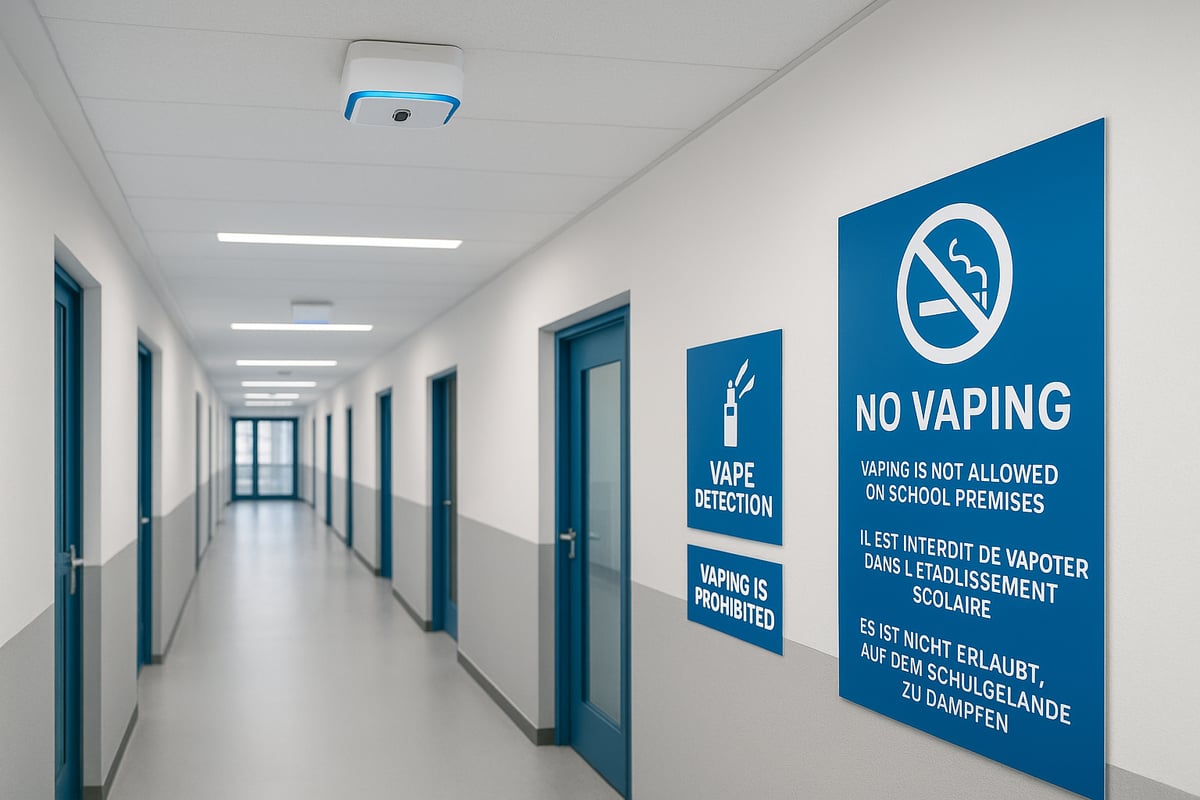
Overview of Vape Legislation by Country
Across Europe, vape detection europe compliance is shaped by a patchwork of national laws and EU directives. Each country sets its own age restrictions, indoor vaping bans, and product standards, which can lead to confusion for organisations operating in multiple territories.
| Country | Age Limit | Indoor Ban | Product Standards | Enforcement |
|---|---|---|---|---|
| UK | 18 | Yes | TPD + local | Strict |
| Germany | 18 | Yes | TPD | Moderate |
| France | 18 | Yes | TPD | Strong |
| Spain | 18 | Yes | TPD | Varies |
| Italy | 18 | Yes | TPD | Moderate |
The European Union Tobacco Products Directive (TPD) sets baseline standards on nicotine limits, packaging, and cross-border sales. However, implementation can differ significantly. For instance, the UK has recently introduced further restrictions, such as flavour bans and stricter advertising controls, which are detailed in this Vape detection regulations in the UK article.
Recent amendments to national laws include higher penalties for underage sales and expanded indoor vaping bans, especially in schools and healthcare settings. By 2026, new legislative changes are expected, particularly regarding monitoring and reporting requirements.
Compliance Challenges for Institutions and Businesses
For schools, offices, leisure venues, and public spaces, navigating vape detection europe compliance is increasingly complex. Institutions face challenges such as:
- Keeping up with country-specific regulations
- Managing different rules across borders for multinational organisations
- Implementing effective detection and response systems
High profile compliance failures have resulted in substantial fines and negative media coverage. For example, a large European retailer faced penalties after failing to prevent vaping in staff areas, while several schools have been publicly scrutinised for inadequate monitoring.
Regulatory bodies are intensifying enforcement, with compliance rates varying across sectors. According to recent data, only 65 percent of European institutions reported full compliance in 2023, while reported violations have risen by 18 percent since 2021. As vape detection europe requirements tighten, the risk of non-compliance grows.
Stakeholder Responsibilities and Liabilities
Facility managers, compliance officers, and business owners each play a critical role in achieving vape detection europe compliance. Their responsibilities include:
- Developing and enforcing robust anti-vaping policies
- Ensuring staff receive regular training
- Documenting incidents and maintaining clear records
Legal liabilities for non-compliance can be severe. Organisations may face fines of up to €10,000 per incident, as well as reputational risks that damage trust with stakeholders. Recent cases have shown that a lack of documented policies or inadequate staff training often leads to harsher penalties. Effective vape detection europe strategies depend on clear guidelines and proactive management.
Anticipated Regulatory Changes for 2026
Looking ahead, vape detection europe will be further shaped by EU-wide proposals and national initiatives. Draft legislation suggests stricter enforcement, mandatory reporting of vaping incidents, and expanded monitoring in educational and public facilities.
Industry groups are pushing for harmonised standards, while public health advocates support broader bans and real-time detection requirements. By 2026, organisations should anticipate more rigorous audits and the need for advanced compliance technology. Keeping pace with these developments will be essential for maintaining vape detection europe compliance and safeguarding reputations.
Vape Detection Technologies: Current Solutions and Innovations
Vape detection europe is rapidly evolving as organisations seek robust solutions to address vaping in indoor environments. Advanced detection technologies are now essential for maintaining compliance and ensuring safe, healthy spaces. Understanding the current landscape of vape detection europe technologies will help facilities stay ahead of regulatory demands and operational risks.
Types of Vape Detection Systems
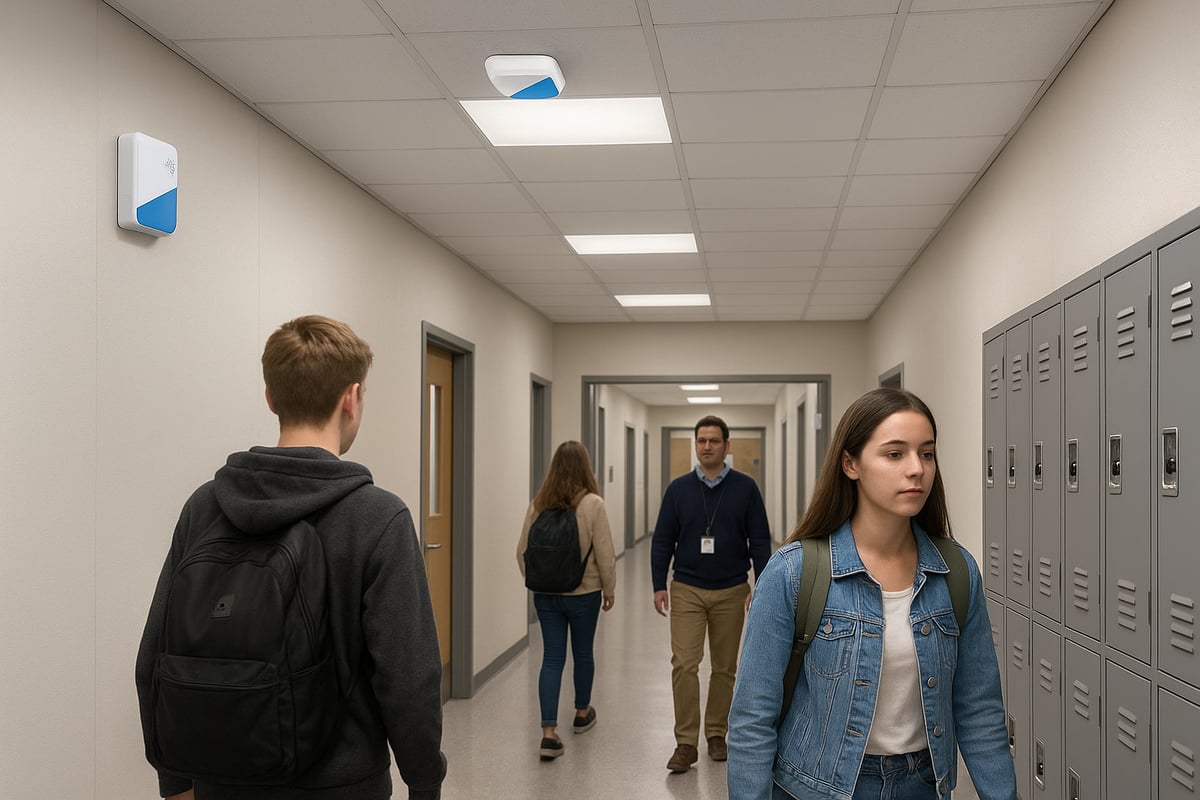
Organisations across vape detection europe can choose from several technology options, each designed for specific environments and needs. The most common systems include:
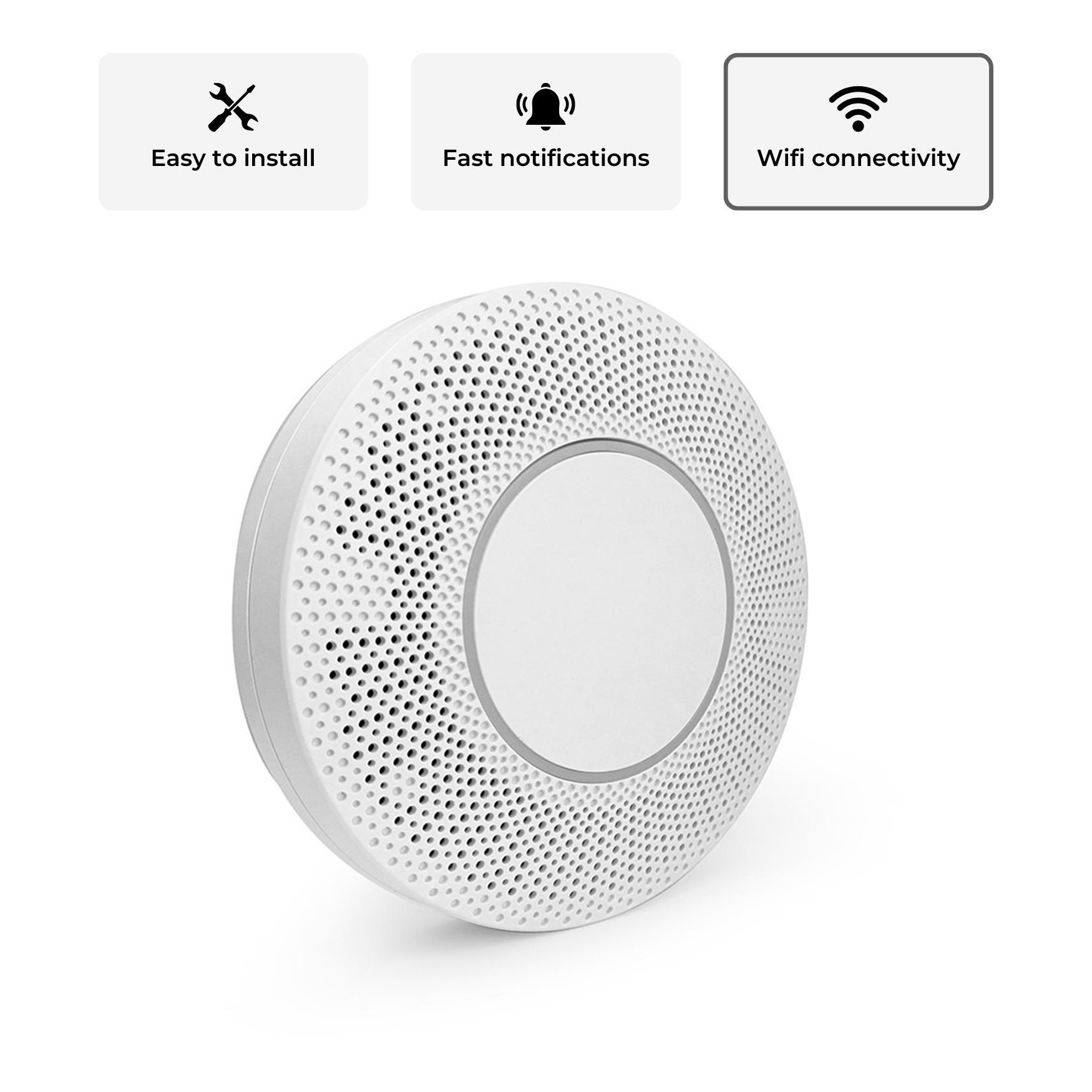
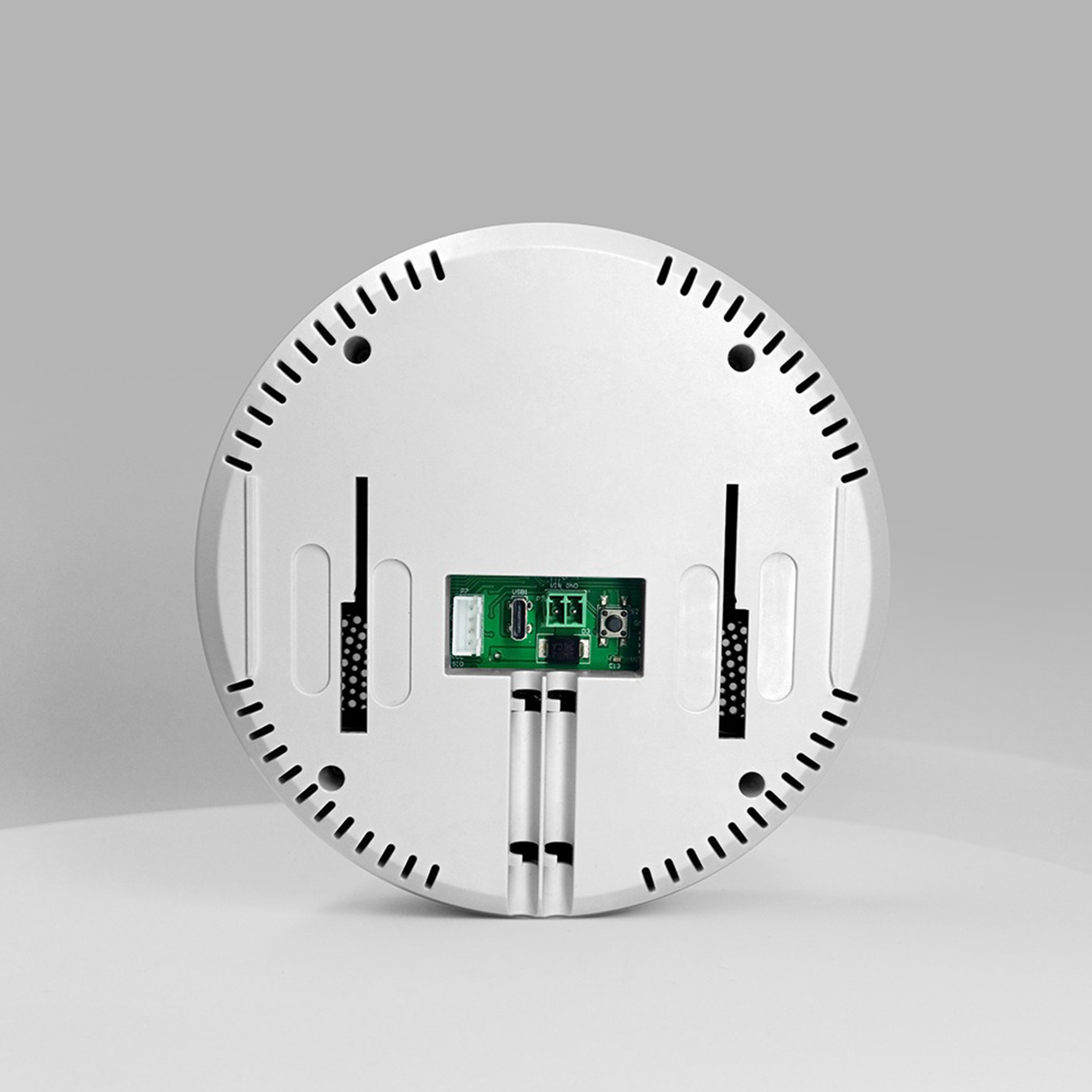
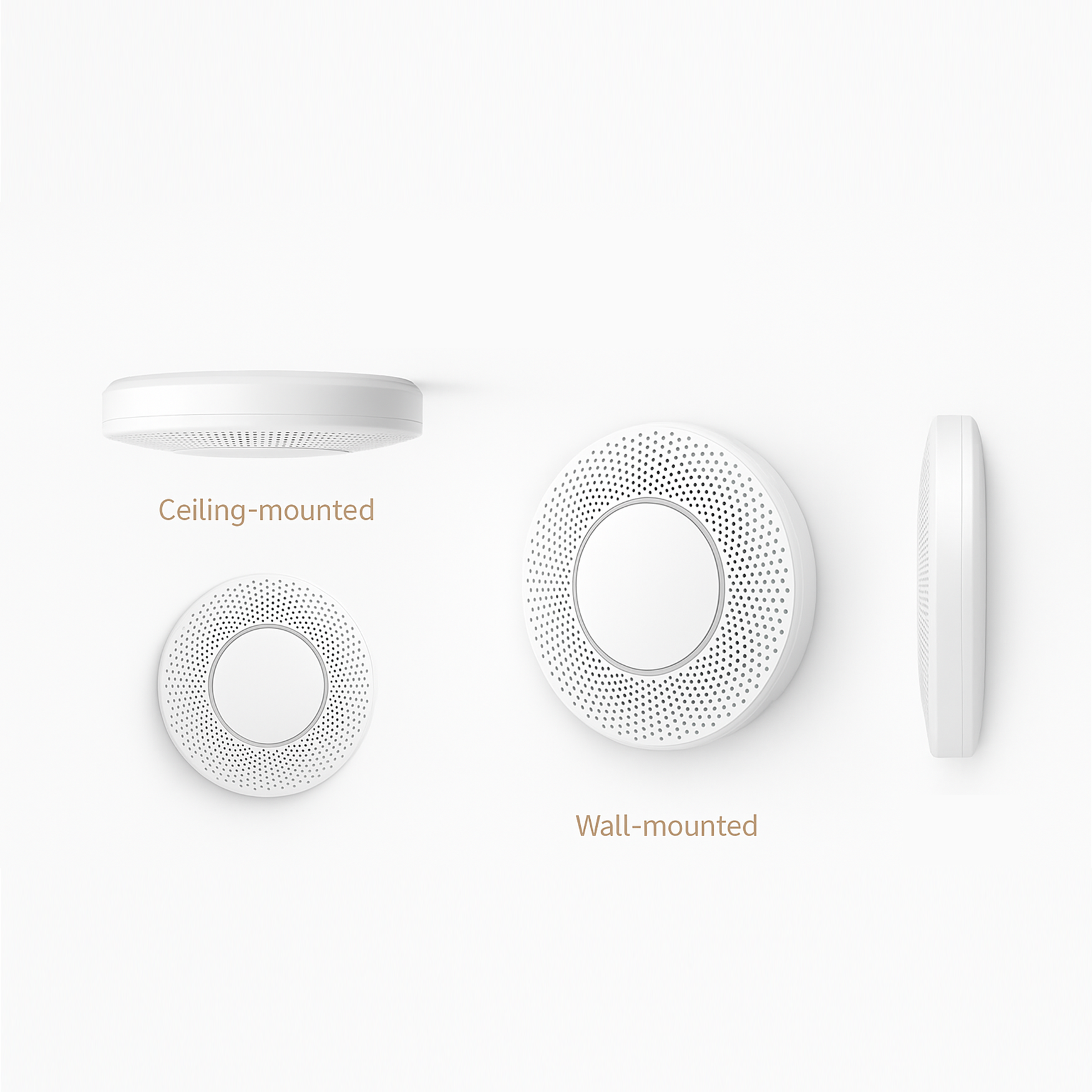
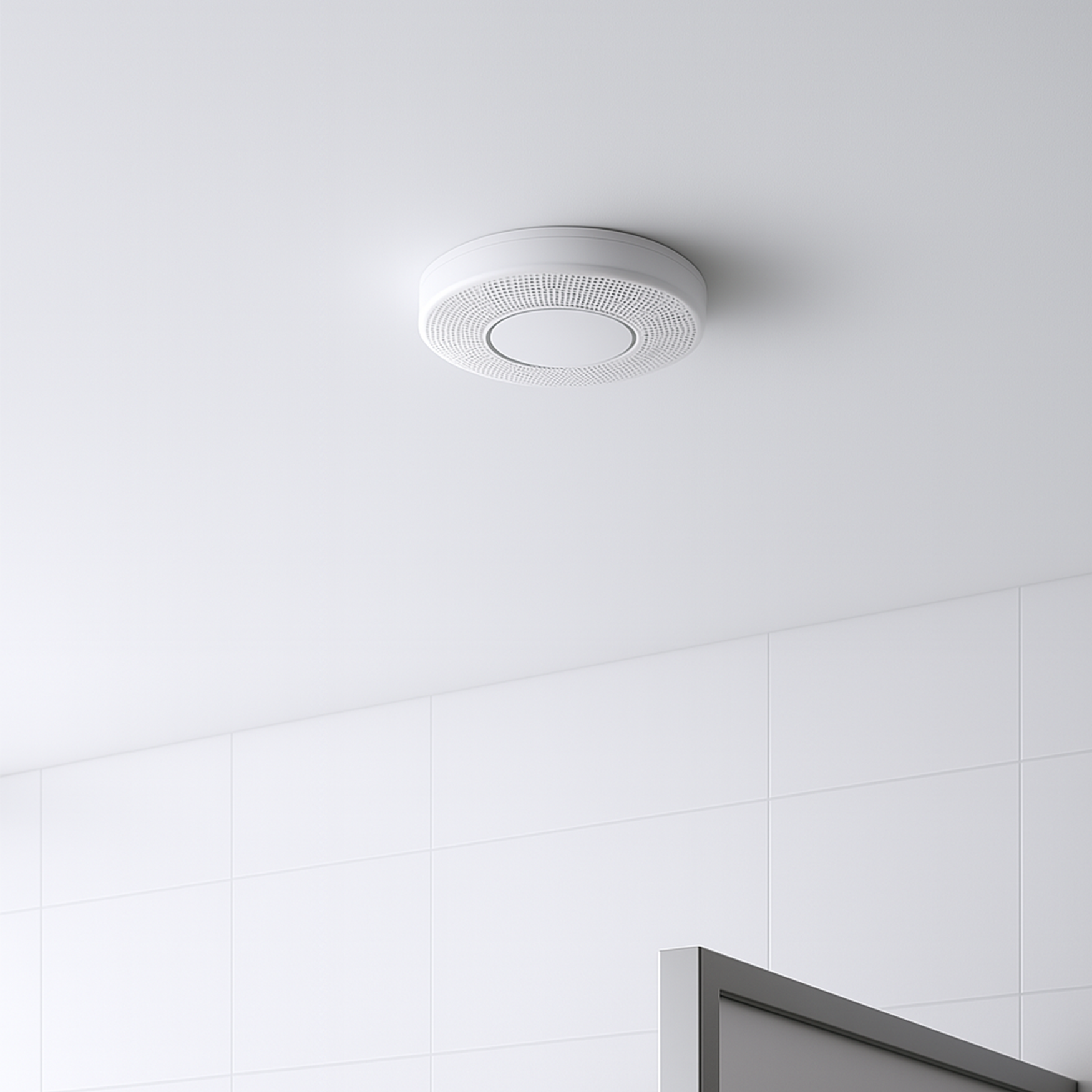
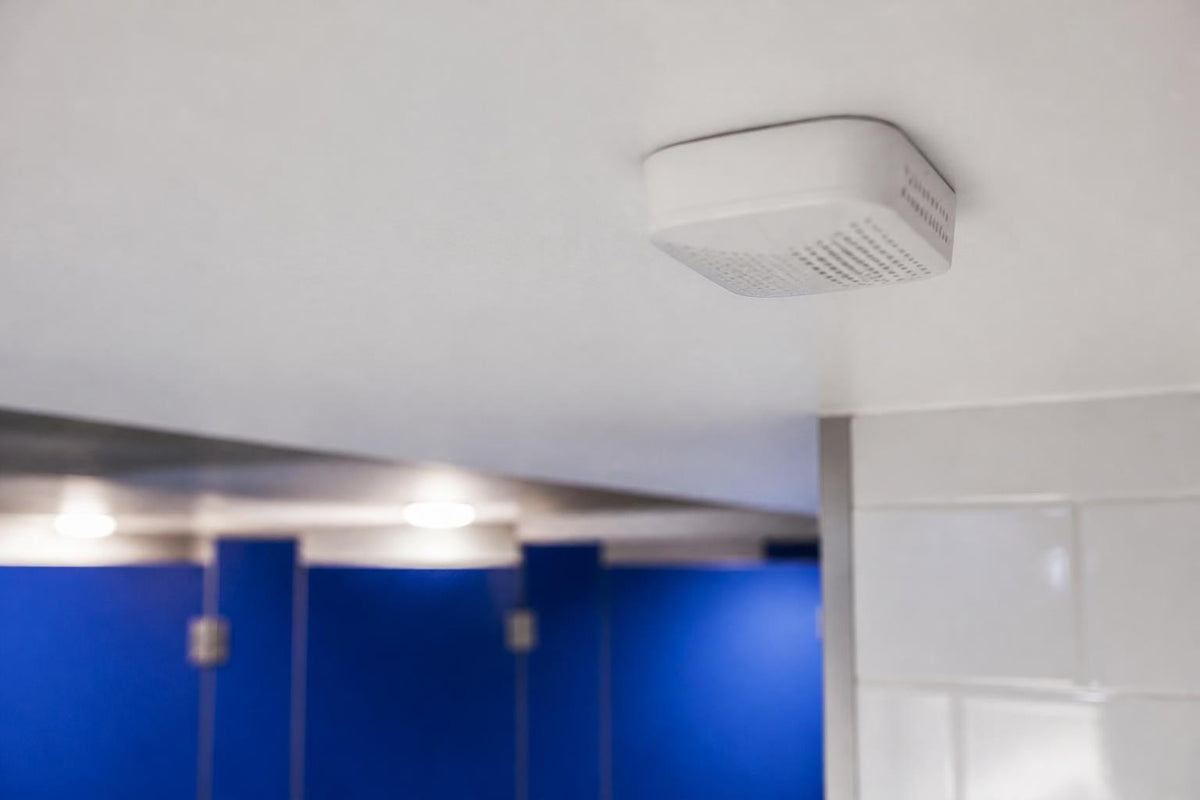
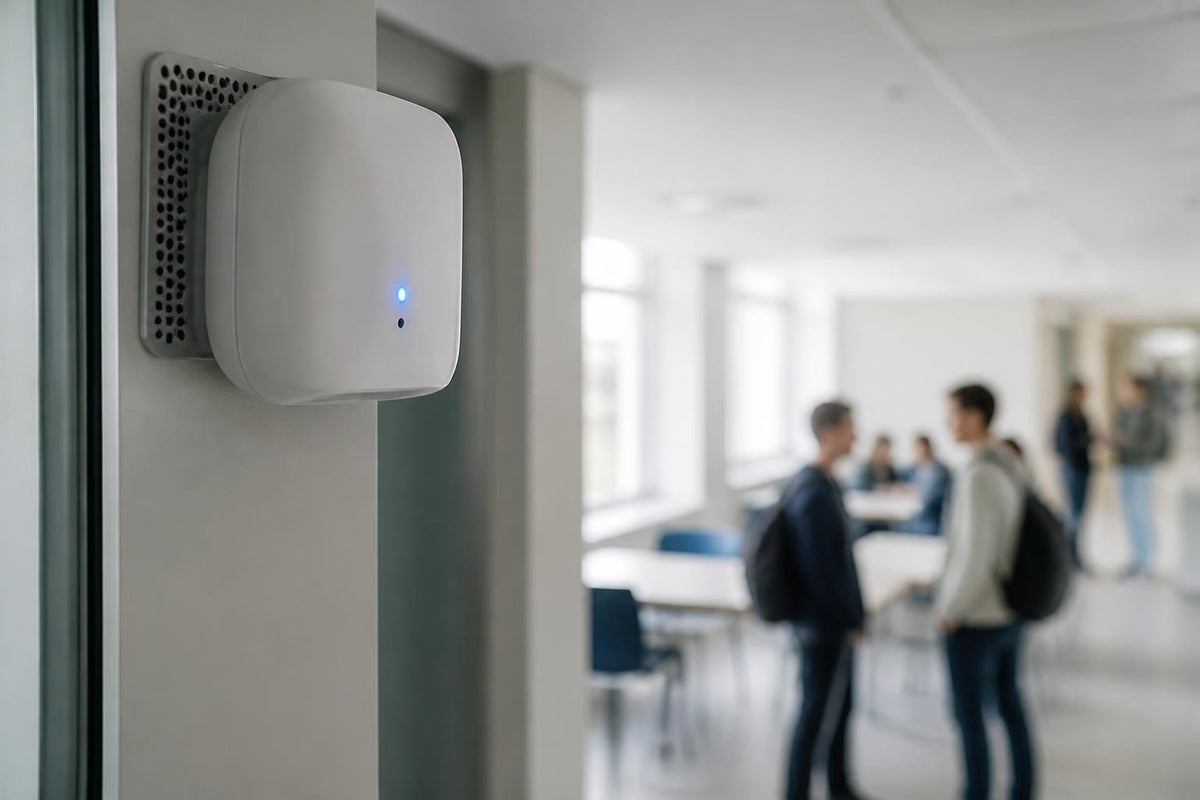
- Fixed sensors: Installed in ceilings or walls, these devices continuously monitor for vape aerosols and air quality changes. They are ideal for schools, offices, and public venues where permanent coverage is needed.
- Portable detectors: Handheld or mobile units allow staff to conduct spot checks or investigate suspected vaping incidents. These are useful for flexible deployment in large or multi-use facilities.
- Integrated air quality monitoring systems: These solutions combine vape detection with broader air quality analytics, often linking with building management systems for comprehensive oversight.
| System Type | Best Use Case | Key Benefit |
|---|---|---|
| Fixed Sensors | Schools, offices | Continuous coverage |
| Portable Detectors | Events, large campuses | Flexible investigations |
| Integrated Systems | Multi-site businesses | Centralised data and controls |
Selecting the right system depends on the specific vape detection europe challenges faced by your organisation. Fixed sensors provide ongoing monitoring, while portable options offer targeted response. Integrated systems support compliance across multiple sites, making them popular for enterprises with complex needs.
Key Features and Performance Metrics
When evaluating vape detection europe technologies, it is essential to consider the features that drive effectiveness and compliance. The most advanced systems offer:
- High sensitivity to vape aerosols, THC, nicotine, and synthetic cannabinoids.
- Real-time alerts delivered via SMS, email, or central dashboards.
- Low false positive rates, minimising unnecessary disruptions.
- Seamless integration with existing security and building management platforms.
Recent studies indicate that top-tier sensors can detect vaping events within seconds, with accuracy rates exceeding 95 percent in controlled trials. Multi-substance detection is increasingly important as vaping products diversify. Comprehensive reporting and data analytics enable organisations to track incidents, identify patterns, and demonstrate compliance to regulators.
Innovations Shaping Vape Detection in 2026
The future of vape detection europe will be shaped by rapid technological advances. Artificial intelligence is driving smarter detection algorithms that can distinguish vaping from other aerosols, reducing false alarms. Cloud-based monitoring platforms allow for remote management, instant firmware updates, and unified reporting across sites.
Predictive analytics and automated compliance reporting are becoming standard features, providing proactive insights to facility managers. For a deeper look at these trends, see Innovations in vape detection technology, which explores the latest breakthroughs and real-world applications.
Organisations embracing these innovations will be well positioned to meet regulatory requirements and protect their communities.
Vape Guardian: Advanced Vape Detection and Air Quality Monitoring
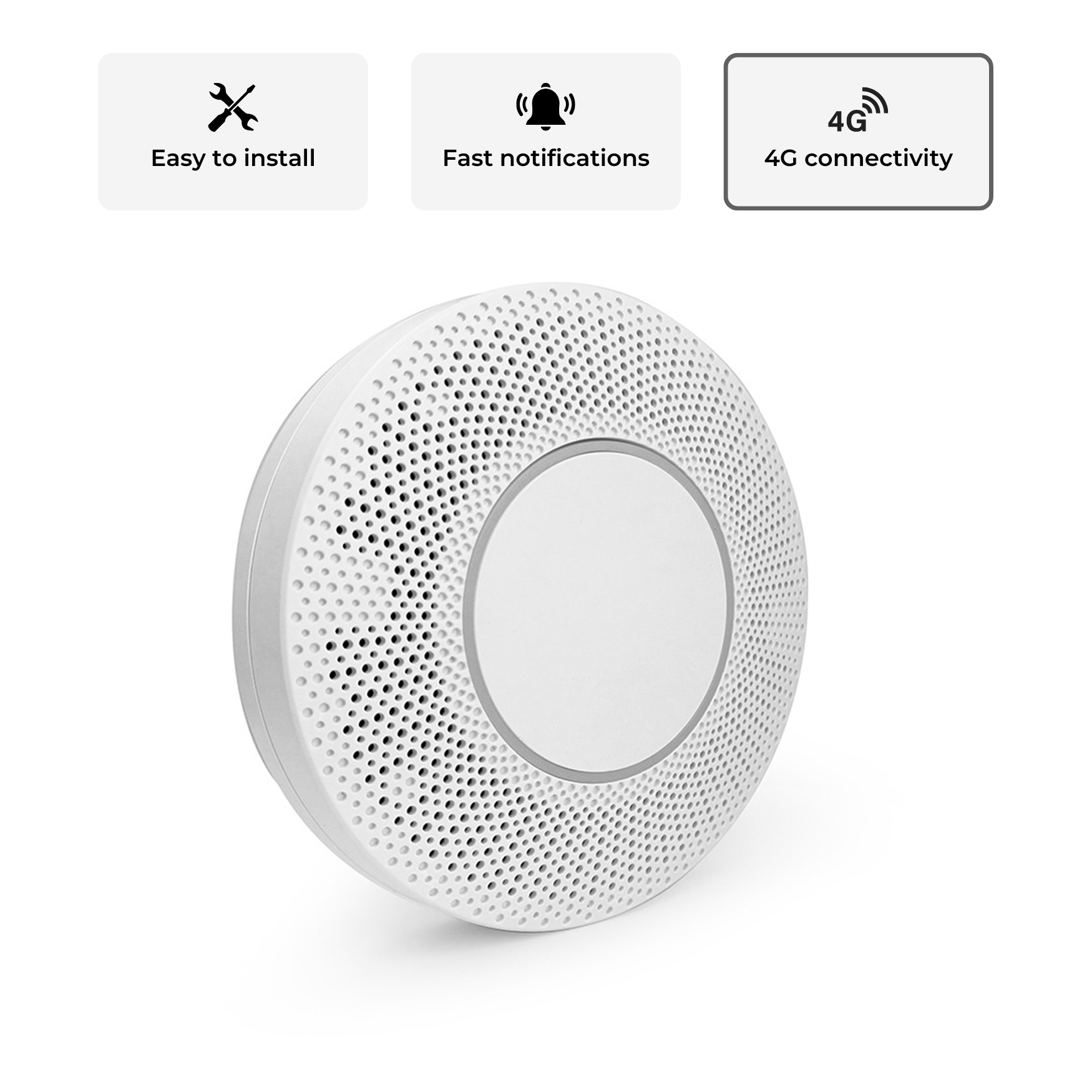
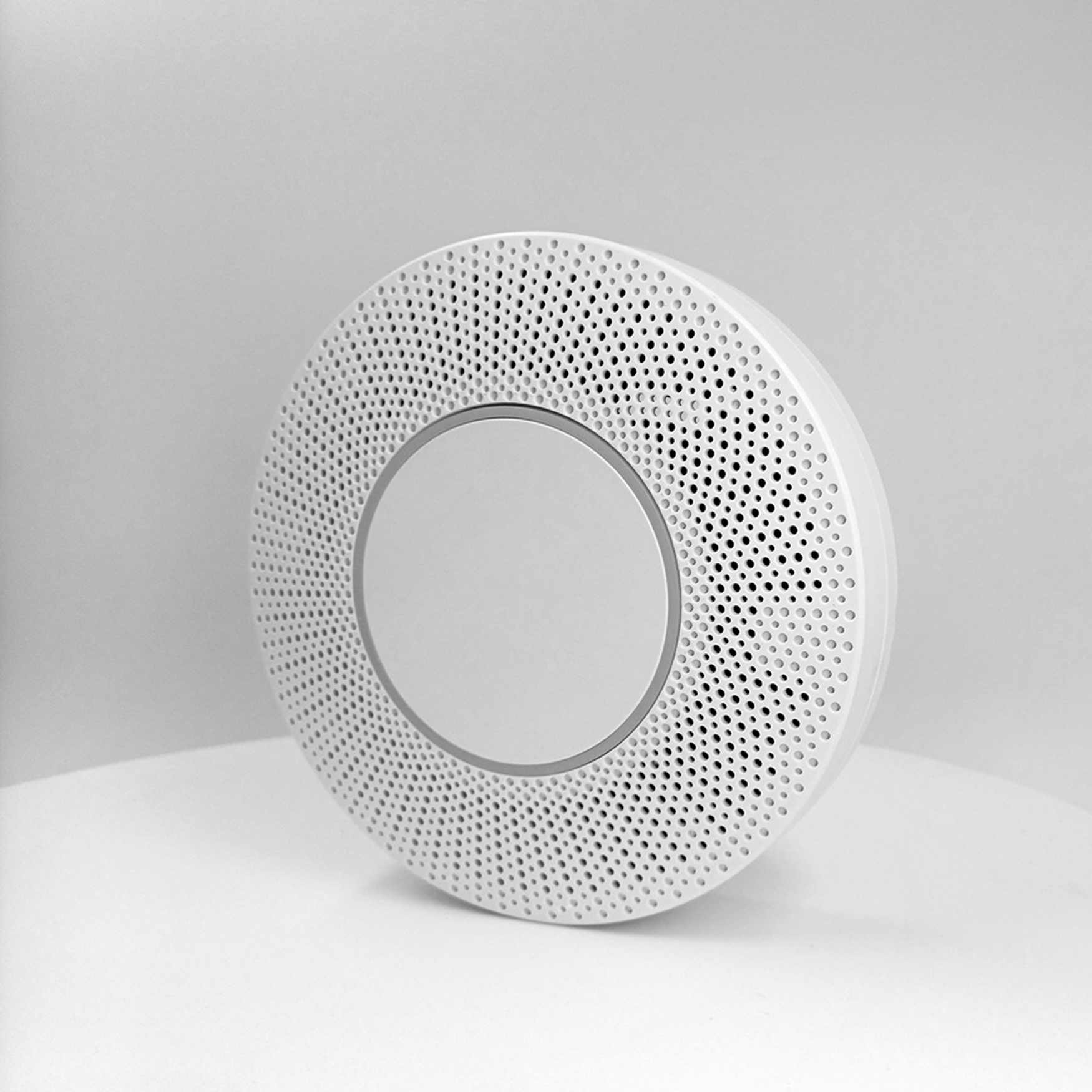
Vape Guardian is a leading provider of vape detection europe solutions, offering smart sensors that deliver real-time detection of vaping, drugs, and noise. Their systems provide instant alerts and detailed reporting, empowering schools and workplaces to respond swiftly and reduce incidents.
With proven effectiveness in diverse settings, Vape Guardian’s technology is a trusted choice for those seeking comprehensive compliance and improved air quality.
Step-by-Step Guide to Achieving Vape Detection Compliance in 2026
Achieving full compliance with vape detection europe requirements by 2026 involves a systematic approach. Institutions across the continent are facing increasing scrutiny, so following a clear and practical roadmap is crucial. Here is a detailed, step-by-step guide to help your organisation stay ahead.
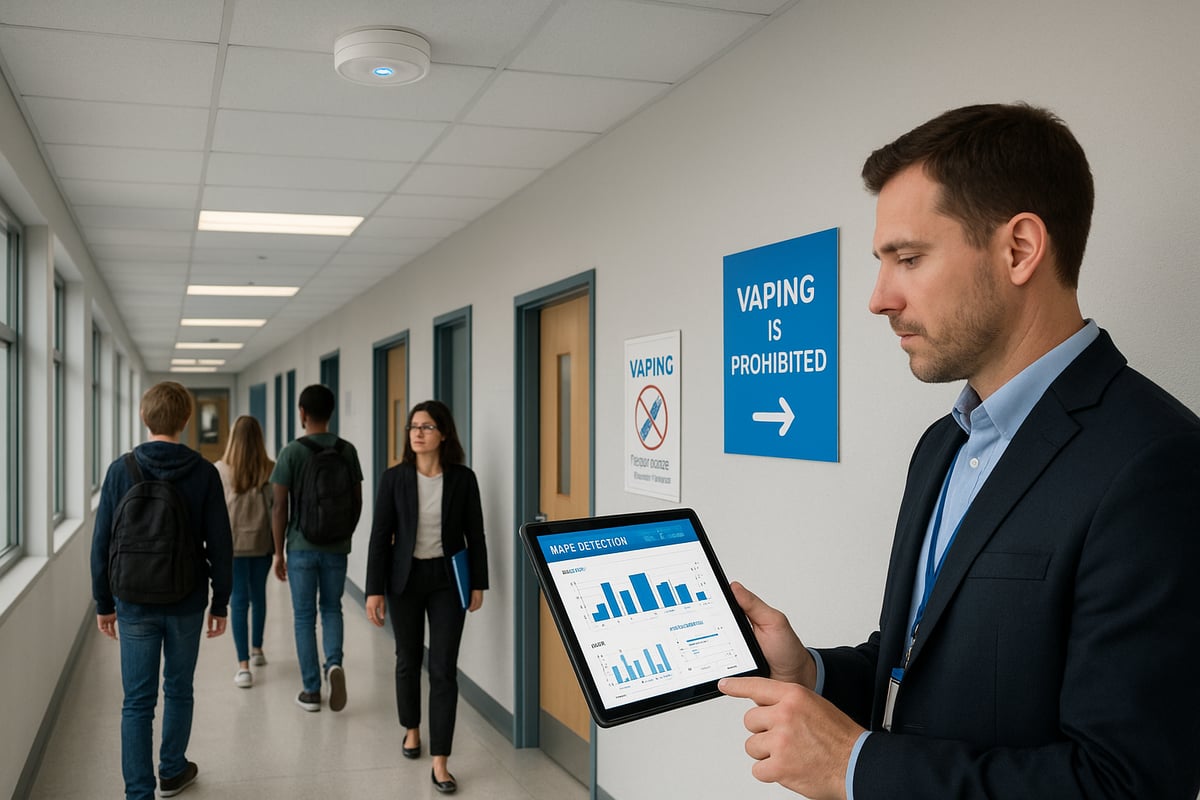
Step 1: Assess Regulatory Requirements and Organisational Needs
Start by reviewing all current vape detection europe regulations that apply to your country and sector. Pay close attention to both national laws and the evolving EU Tobacco Products Directive.
Conduct a thorough compliance gap analysis. Identify where your facility may fall short, considering specific risks for your environment. Consult legal and compliance experts to interpret complex regulations and ensure your strategy is tailored to your organisation’s needs.
Document all findings and prioritise areas that require immediate attention. This proactive approach helps you avoid costly penalties and reputational damage in the vape detection europe landscape.
Step 2: Develop and Update Vaping Policies
Once you have a clear understanding of regulations, draft or update your anti-vaping policies. Make sure policies are aligned with current vape detection europe laws and best practices.
Communicate these policies to all staff, students, and visitors using meetings, digital platforms, and visible signage. Include clear disciplinary procedures and incident reporting protocols.
Regularly review and update policies as regulations change, ensuring your organisation remains compliant within vape detection europe requirements.
Step 3: Select and Deploy Appropriate Vape Detection Technology
Choosing the right technology is central to effective vape detection europe compliance. Evaluate options based on your facility type, risk profile, and budget.
| Technology Type | Pros | Cons | Best For |
|---|---|---|---|
| Fixed Sensors | Continuous coverage, real-time alerts | Installation cost, fixed locations | Schools, offices |
| Portable Detectors | Flexible, easy to move | Limited area, manual operation | Events, inspections |
| Integrated Systems | Monitors air quality, scalable | Complexity, higher initial cost | Large venues |
Consider integration with existing security or building management systems. Review case studies of successful deployments for inspiration. For real-world examples, see European vape detection case studies.
Plan your deployment to minimise disruption. Ensure your vape detection europe solution is scalable and future proof.
Step 4: Train Staff and Raise Awareness
Effective implementation of vape detection europe strategies relies on well-informed staff. Organise comprehensive training sessions on system operation, alert response, and privacy protocols.
Use workshops, e-learning modules, and printed guides to increase awareness. Emphasise confidentiality and safeguarding, especially in educational settings.
Encourage staff to stay updated on vape detection europe developments and to report incidents promptly.
Step 5: Monitor, Report, and Respond to Incidents
Establish robust protocols for monitoring vape detection europe alerts. Assign responsibility for reviewing system notifications and investigating incidents.
Ensure incidents are reported to appropriate authorities and stakeholders in a timely manner. Use incident data to assess ongoing risks and refine your approach.
Keep clear records of all incidents, responses, and outcomes. This documentation demonstrates your vape detection europe compliance efforts during audits.
Step 6: Audit, Review, and Improve Compliance Measures
Schedule regular audits of your vape detection europe systems and policies. Use checklists, feedback forms, and performance metrics to identify strengths and areas for improvement.
Gather input from staff, students, and visitors. Their feedback can highlight practical challenges and inform future updates.
Stay informed about regulatory changes and emerging threats. Continuous improvement is key to maintaining vape detection europe compliance.
Step 7: Engage with Stakeholders and Demonstrate Compliance
Communicate your vape detection europe compliance efforts to parents, regulators, and the wider community. Prepare comprehensive documentation for inspections and audits.
Share success stories and outcomes to build trust and demonstrate your organisation’s commitment to safety and legal standards.
Overcoming Common Vape Detection and Compliance Challenges
Navigating vape detection europe presents unique challenges for institutions striving to maintain compliance and a safe environment. Addressing technical, legal, and operational hurdles is vital for sustained success.

Addressing False Positives and System Limitations
One of the primary concerns with vape detection europe is the risk of false positives. Environmental factors such as aerosols from cleaning products or steam can sometimes trigger alerts. To mitigate this, facilities should regularly calibrate their systems and adjust sensitivity settings based on the unique characteristics of each space.
Institutions can benefit from solutions designed for specific environments. For example, Vape detection for education settings highlights tailored approaches for schools, where false alarms can disrupt learning and undermine trust in the system.
Regular maintenance, software updates, and staff feedback help refine detection accuracy. By prioritising ongoing system evaluation, organisations can minimise disruptions and maintain effective monitoring.
Managing Privacy, Data Protection, and User Trust
Privacy and data protection are crucial when implementing vape detection europe. Systems must comply with GDPR, ensuring all collected data is securely stored and only accessed by authorised personnel. Clear documentation of data handling practices builds confidence among staff, students, and visitors.
Transparency is key. Inform all stakeholders about what data is collected, how it is used, and the safeguards in place. Provide clear contact points for privacy concerns and offer regular updates about policy changes.
Training staff on privacy best practices further strengthens trust. A robust privacy framework demonstrates respect for individual rights and supports a positive compliance culture.
Integrating Detection with Wider Health and Safety Initiatives
Successful vape detection europe programmes are most effective when integrated into broader health and safety strategies. By aligning detection with anti-drug policies, air quality monitoring, and safeguarding protocols, institutions create a holistic approach to wellbeing.
Collaboration between facility managers, health teams, and compliance officers ensures consistent messaging and coordinated responses to incidents. Sharing data from detection systems with wellness programmes can highlight trends and support targeted interventions.
Case studies from schools and offices show that integrated approaches not only reduce vaping incidents but also improve overall air quality and occupant satisfaction.
Ensuring Cost-Effectiveness and ROI
Cost considerations are central to vape detection europe adoption. Upfront investment in quality systems is balanced by long-term savings from reduced incidents, improved compliance, and fewer disciplinary actions. Careful selection of scalable solutions minimises future upgrade expenses.
Conducting a cost-benefit analysis helps justify spending and supports budget planning. External resources, such as the Vape Detector Market Analysis 2025-2032, offer valuable insights into market trends and pricing benchmarks.
By tracking incident reductions and compliance improvements, organisations can clearly demonstrate return on investment, making the case for ongoing funding and support.
The Future of Vape Detection and Compliance in Europe
Anticipating the future of vape detection europe is essential for organisations striving to keep pace with rapid changes. As vaping products and usage patterns evolve, so too must compliance strategies and detection technologies. The coming years will bring both challenges and opportunities for those seeking to maintain safe and compliant environments across the continent.
Emerging Trends in Vaping Behaviour and Risks
Across Europe, vaping habits are shifting, particularly among younger demographics. Disposable vapes and high-nicotine products are increasingly popular, presenting new risks for vape detection europe. Recent surveys highlight a rise in youth experimentation, with synthetic cannabinoids and novel substances also entering the market.
These trends pose significant challenges for schools and workplaces, as detection systems must adapt to identify a broader range of compounds. Data from public health agencies suggest that effective monitoring and early intervention can help curb these risks. Staying informed on these behavioural shifts is crucial for proactive compliance planning.
Predicted Advances in Detection Technology
The next generation of vape detection europe solutions will harness artificial intelligence, cloud connectivity, and predictive analytics for more precise monitoring. AI-driven sensors will distinguish between vaping, smoking, and other aerosols, reducing false positives and enhancing accuracy.
Remote management and automated compliance reporting are becoming standard features, enabling real-time oversight across multiple sites. For a comprehensive look at future innovations, Innovations in Vaping Technology 2025 explores advancements in smart detection, safety, and regulatory adaptation. Early adopters are already piloting these systems to stay ahead of compliance demands.
Regulatory Outlook and Industry Collaboration
Vape detection europe will be shaped by evolving regulations at both EU and national levels. Post-2026, new directives may tighten reporting obligations and expand monitoring requirements for public and private spaces. Collaborative efforts between technology providers, public health groups, and regulators are gaining traction.
Industry partnerships are key to developing shared compliance standards and best practices. Leaders in public health advocate for harmonised approaches, while technology firms focus on scalable, secure solutions. Keeping up with regulatory updates and participating in industry forums will be vital for all stakeholders.
Preparing for a Proactive Compliance Culture
Building a proactive culture around vape detection europe involves continuous improvement and staff engagement. Organisations should regularly review policies, update training, and embrace new technologies that address emerging threats.
Future-proofing compliance means investing in scalable systems, fostering transparent communication, and participating in professional networks. By sharing success stories and lessons learned, institutions can inspire others and strengthen their overall approach. A forward-thinking mindset ensures readiness for whatever the evolving landscape brings.
As we’ve explored, navigating vaping compliance across Europe can be complex—with shifting regulations, new risks, and evolving technologies. If you’re looking to create a safer environment and stay ahead of the 2026 changes, it’s vital to have the right detection systems and support in place. You don’t have to manage this alone. Our team understands these challenges and is ready to help you protect your building, meet compliance standards, and build trust across your organisation.
Talk to our team and protect your building today

Share:
Vaping Singapore Guide 2026: Laws, Trends & Safe Practices
7 Essential Trusted Vape Detection Brand Picks for 2026