
Recent studies reveal a sharp increase in vaping incidents across UK universities, making campus safety a growing concern. This comprehensive guide is designed for university administrators, staff, and security teams seeking effective university vape detection strategies in 2026.
Inside, you will gain insights into the evolving vaping landscape, explore the latest detection technologies, and learn step by step how to implement solutions. Discover how to integrate these tools with university policy and prepare for future trends, empowering your institution to create a safer and healthier campus environment.
The Evolving Vaping Landscape in Universities
Vaping on UK university campuses is rising at a pace that concerns health professionals and administrators alike. Recent data shows nearly 1 in 10 secondary school pupils in England currently vape, a trend continuing into higher education, according to the NHS survey on youth vaping. This surge highlights the urgent need for university vape detection strategies that can keep pace with changing student behaviours.

Health Risks and Misconceptions
While many students perceive vaping as a less harmful alternative to smoking, emerging research challenges this belief. Studies now link prolonged vaping to respiratory issues, cardiovascular risks, and potential cognitive effects. Misconceptions about the relative safety of e-cigarettes persist, making it harder for educators to communicate the need for university vape detection. Many students underestimate the addictive nature of nicotine salts found in modern vapes, which can lead to higher consumption rates and longer-term dependency.
How Students Conceal Vaping
Students have become adept at hiding vaping activities within campus environments. Compact vape pens and pod systems are often used in toilets, libraries, and residence halls, where detection is challenging. Some individuals exhale vapour into clothing or bags to minimise visible clouds. Others time their use during periods of low supervision or in crowded social settings. These concealment tactics complicate university vape detection efforts, as traditional smoke alarms are not sensitive to vapour particles and odours dissipate quickly.
Why Vaping Persists at University
Several factors contribute to the ongoing popularity of vaping among university students. Social influence plays a significant role, with peer pressure and group norms encouraging experimentation. Academic stress can drive students to seek coping mechanisms, including nicotine use. Accessibility is another concern, as vapes are readily available through local shops and online platforms. Many students also fall victim to marketing messages that downplay risks, further complicating the challenge of effective university vape detection.
Disciplinary Incidents and Campus Impact
Rising numbers of vaping-related disciplinary actions have a direct impact on campus life. Universities report increased incidents in halls of residence and shared study spaces, leading to tensions between students and staff. These incidents often require intervention from security teams and administrative hearings. The cost of managing these cases, both in time and resources, underscores the value of robust university vape detection protocols. In some cases, repeat offences have resulted in temporary suspensions or loss of accommodation privileges.
The Challenge of Monitoring Diverse Environments
Monitoring vaping in a university setting is uniquely complex. Large campuses include a variety of environments, from lecture theatres and libraries to bathrooms and outdoor spaces. Each area poses distinct challenges for university vape detection, as airflow, student density, and supervision levels vary. Traditional detection methods are insufficient in such dynamic settings. Universities must balance privacy concerns with the need to safeguard student health, often requiring a blend of technology, policy, and education.
High-Profile Cases and the Need for Action
Recent high-profile incidents at UK and international universities have brought media attention to the dangers of unchecked vaping on campus. In some cases, outbreaks of health issues or fire alarms caused by vaping have led to building evacuations and reputational damage. These events highlight the urgent need for comprehensive university vape detection strategies. Proactive measures not only protect student wellbeing but also demonstrate institutional commitment to a safe and supportive learning environment.
Vape Detection Technologies: Tools and Innovations for 2026
Vape detection technologies are evolving rapidly to meet the rising challenges faced by universities. As vaping incidents increase, university vape detection has become essential for campus safety. In this section, we explore the range of solutions, their features, effectiveness, and cost considerations to help institutions make informed choices.
Overview of Vape Detection Solutions
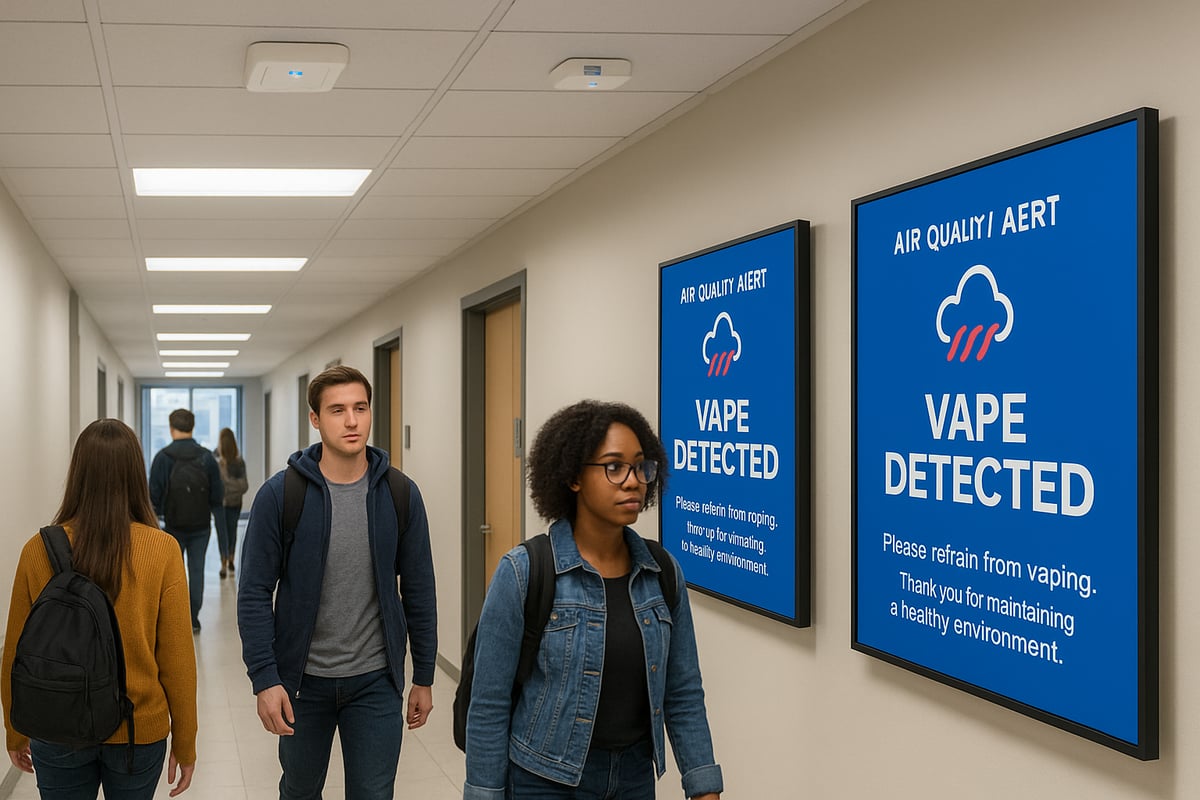
The landscape of university vape detection now encompasses a broad spectrum of technologies. Modern solutions include stand-alone vape sensors, AI-driven analytics platforms, and integrated air quality monitoring systems. Unlike traditional smoke detectors, which are designed for fire safety, vape-specific sensors are finely tuned to detect aerosolised particles and chemical signatures unique to vaping.
Recent advancements have led to real-time monitoring and automated alert systems that can notify campus security within seconds. These systems can be connected to central dashboards or mobile devices, streamlining incident response. For a deeper understanding of how these sensors function and what sets them apart from older technologies, see Smart Sensor Technology Explained.
The growing adoption of these technologies signals a shift towards proactive prevention and improved safeguarding, making university vape detection a priority for campus administrators.
Key Features and Capabilities
Choosing the right university vape detection system means evaluating several key features. High sensitivity to a range of substances is essential, as students may use various types of vapes, including those containing THC or nicotine. Advanced sensors are designed to minimise false positives, distinguishing between vaping and other environmental factors like steam or aerosol sprays.
Integration is another crucial capability. Many systems can connect with existing campus security infrastructure, enabling multi-platform alerts via email, SMS, or dedicated apps. This ensures rapid response and effective incident management.
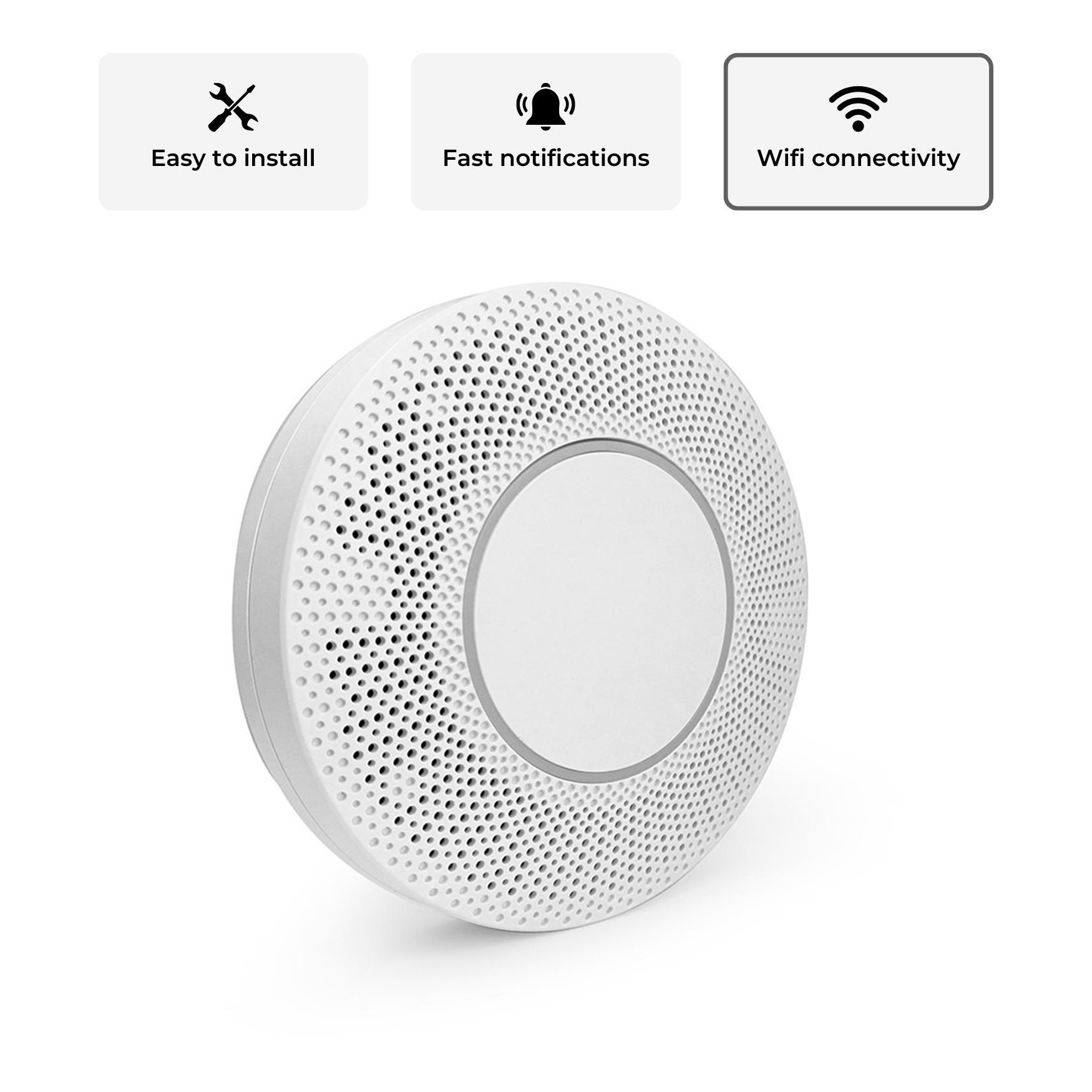
Discreet design is also important. Devices are often compact and unobtrusive, allowing for installation in sensitive areas such as toilets, halls, and libraries without drawing undue attention. Easy installation and low maintenance requirements further support the seamless adoption of university vape detection technologies.
Effectiveness and Limitations
The effectiveness of university vape detection is supported by independent studies and real-world case data. Modern sensors can achieve detection accuracy rates above 90 percent, significantly reducing vaping incidents when combined with robust response protocols.
However, certain limitations persist. Optimal device placement is critical, as poor coverage can lead to missed incidents. Regular maintenance is required to ensure long-term reliability. Some students attempt to circumvent detection by vaping in less monitored areas or tampering with devices, which highlights the need for continuous system updates and staff vigilance.
Universities that have implemented comprehensive detection solutions report notable decreases in vaping-related disciplinary actions and improved air quality. Still, ongoing adaptation is necessary to counter evolving student behaviours and maintain the effectiveness of university vape detection.
Cost Considerations and ROI
Cost is a vital factor in planning university vape detection projects. Solutions typically involve initial purchase, installation, and ongoing maintenance fees. Prices vary based on sensor type, coverage area, and integration complexity.
Despite the upfront investment, the return on investment can be substantial. Reductions in health costs, fewer disciplinary incidents, and improved student wellbeing contribute to long-term savings. Many universities choose phased rollouts, targeting high-risk zones first to maximise immediate impact.
Budget allocation strategies should align with institutional priorities. Consider leveraging government grants, health initiatives, or partnership programmes to offset costs. Ultimately, a well-planned university vape detection system delivers measurable value by fostering a safer, healthier learning environment.
Step-by-Step Guide to Implementing Vape Detection on Campus
Introducing a robust university vape detection programme requires a strategic and systematic approach. Each stage, from initial assessment to ongoing adaptation, is vital for creating a safer, healthier campus environment. This guide breaks down the implementation process into actionable steps, ensuring your university vape detection efforts are effective and sustainable.
Step 1: Assess Campus Needs and Risk Areas
Begin by conducting a thorough audit of your campus. Identify areas where vaping incidents are most likely to occur, such as student halls, toilets, libraries, and less-monitored communal spaces. Collaboration is essential, so gather feedback from staff, students, and security personnel to gain a well-rounded understanding of risk zones.
Review historical incident reports and air quality data to pinpoint locations with the highest frequency of vaping. Consider mapping these hotspots visually to support data-driven decisions. This forms the foundation of your university vape detection strategy, ensuring resources are allocated efficiently.
By prioritising high-risk areas, you set clear objectives for your detection programme and can tailor interventions to address the specific needs of your campus community.
Step 2: Select Appropriate Detection Technologies
Once risk areas are identified, evaluate the range of detection solutions available. Consider factors such as the sensitivity of sensors, compatibility with existing campus security systems, and scalability for future expansion. Look for technologies that offer real-time alerts and integration with mobile devices for rapid response.
Consult independent reviews and seek feedback from other institutions that have adopted similar systems. Vendor credentials, technical support, and warranty terms should be assessed carefully. For universities, solutions tailored to educational environments provide added value. For example, Vape Detectors for Education details options specifically designed for university vape detection needs.
Prioritise products that demonstrate a proven track record and align with your campus requirements.
Step 3: Plan Installation and Integration
Develop a phased installation plan to ensure minimal disruption to campus life. Work closely with IT and facilities management teams to streamline integration with current infrastructure. This collaborative approach reduces the risk of technical issues and supports a smooth transition.
Address privacy and legal considerations early in the process. Placement of university vape detection devices must comply with data protection regulations and respect individuals’ rights. Clear signage and communication about the presence of monitoring systems help maintain transparency.
Pilot the system in select areas before campus-wide rollout. Gather feedback and make adjustments as needed to optimise performance and ensure compliance with internal policies.
Step 4: Train Staff and Raise Awareness
Comprehensive staff training is crucial for the success of your university vape detection initiative. Security, maintenance, and administrative teams should understand how to operate detection devices, interpret alerts, and respond appropriately to incidents.
Launch targeted awareness campaigns to inform students about the new measures. Use posters, emails, and digital platforms to highlight the health risks of vaping and the importance of policy compliance. Educational resources, workshops, and peer support programmes can help foster a culture of responsibility.
Engagement from the entire university community increases the effectiveness of detection efforts and supports long-term behavioural change.
Step 5: Monitor, Respond, and Adapt
Establish clear protocols for monitoring detection alerts and responding to incidents. Assign roles and responsibilities to ensure timely action when vaping is detected. Use analytics from your university vape detection system to track trends and evaluate intervention effectiveness.
Regularly review incident data to identify emerging hotspots or patterns. Adapt strategies as needed, whether by relocating sensors, updating response protocols, or enhancing educational efforts. Continuous improvement helps maintain high standards of campus safety.
Feedback loops and open communication channels enable your team to stay ahead of evolving vaping behaviours and maintain a proactive stance.
Vape Guardian: Advanced Detection Solutions for Universities
Vape Guardian provides advanced university vape detection solutions designed for higher education environments. Their technology detects vaping, THC, and other substances in real time, delivering incident reduction rates of up to 95 percent.
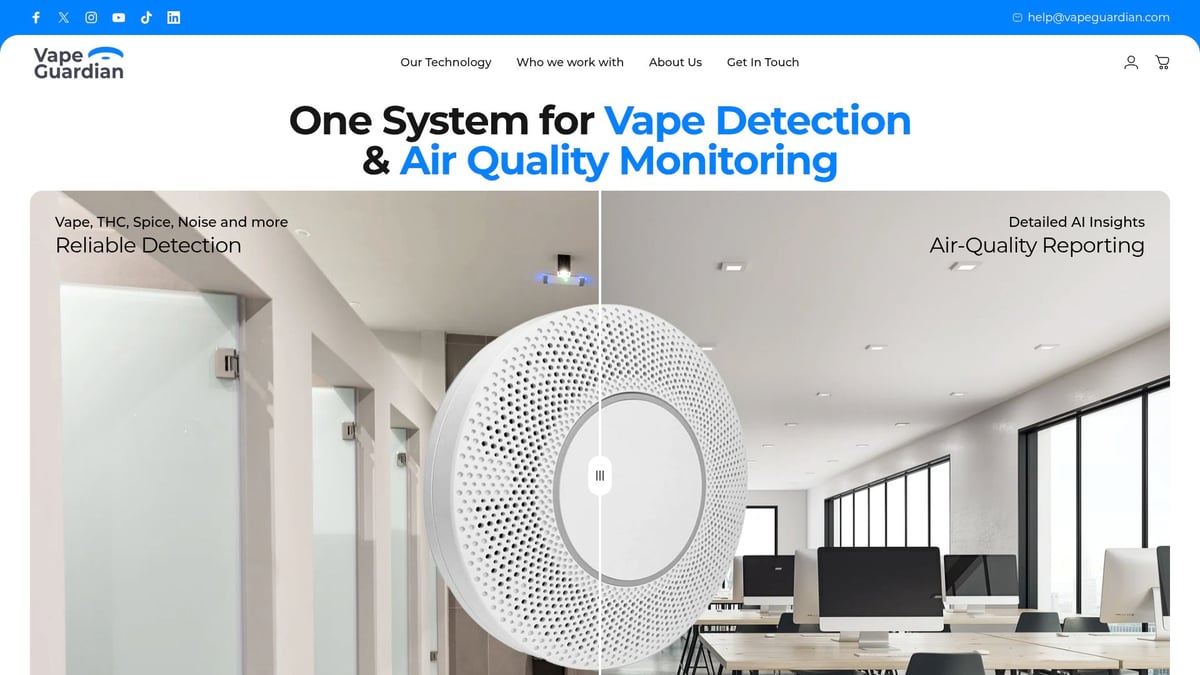
The platform features AI-powered analytics, instant alerts, and comprehensive reporting tools for administrators. Flexible installation options and a risk-free trial facilitate smooth adoption on any campus. Ongoing UK-based support and free educational resources further enhance compliance and safeguarding.
By choosing Vape Guardian, universities can confidently implement effective detection strategies, creating safer and healthier campus communities for students and staff.
Vape Detection and University Policy: Integration and Enforcement
The rapid growth of university vape detection requires a robust policy framework. As universities invest in advanced detection systems, aligning technology with institutional policy is essential for effective enforcement and fair outcomes.
Policy Integration and Detection Alignment
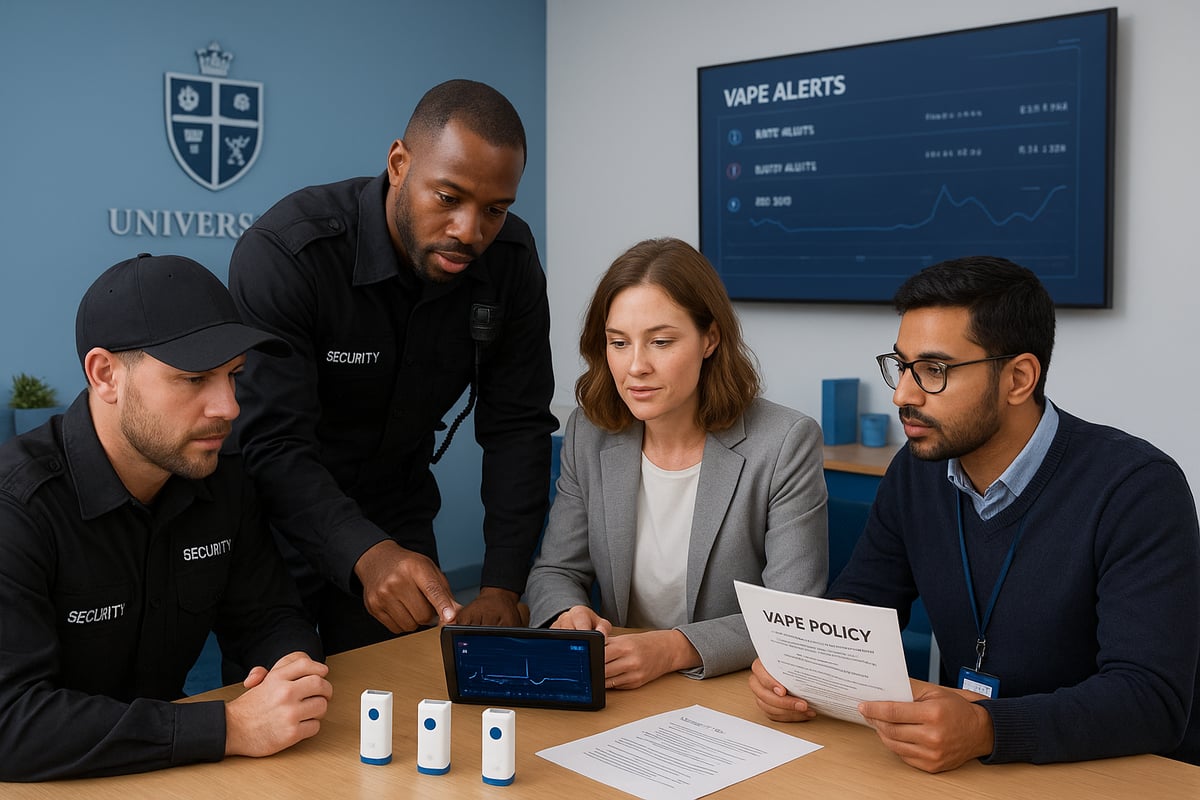
Integrating university vape detection systems into campus policy starts with a clear understanding of both the technology and institutional goals. Detection devices must support policy objectives, such as safeguarding health and promoting compliance.
A comprehensive review of existing policies helps identify areas that require updates. This ensures that new detection capabilities are reflected in rules, procedures, and student handbooks. Effective integration builds trust among staff and students, creating a consistent approach to enforcement.
Updating University Policies and Best Practices
Universities should regularly update policies to keep pace with evolving vape detection tools. This includes revising definitions of prohibited behaviours, updating disciplinary processes, and outlining the use of detection data.
Referencing resources like the Best Practice for Handling Vaping Alerts can help shape response protocols and clarify roles for staff. By incorporating industry best practices, universities set clear expectations and promote fair treatment for all members of the campus community.
Legal and Ethical Considerations
Legal and ethical factors must be central to every university vape detection strategy. Data protection laws, such as the UK GDPR, require careful management of personal data generated by detection systems.
Privacy rights must be respected, especially in sensitive areas like toilets or accommodation. Transparent communication about device placement and data use is vital. Universities should also establish regular reviews of compliance to avoid legal pitfalls and maintain community trust.
Disciplinary Procedures and Student Support
Effective university vape detection is not solely about punishment. Institutions need clear, proportionate disciplinary procedures that outline consequences for vaping violations.
Support for students is equally important. Providing access to counselling or cessation resources can help address underlying causes of vaping. This balanced approach fosters a supportive environment, reducing repeat incidents and promoting long term health.
Communication Strategies for Policy Adoption
Clear communication drives successful policy adoption. Regular updates through emails, posters, and digital platforms ensure students and staff are aware of university vape detection measures.
Workshops and Q and A sessions can address concerns and increase buy in. Involving student representatives in policy discussions helps tailor messages and improve compliance across diverse groups.
Educational Programmes and Measurable Impact
Education remains a cornerstone of effective university vape detection policy. Ongoing programmes about health risks, legal consequences, and campus rules empower students to make informed choices.
Universities that combine detection technology with targeted education report significant reductions in vaping incidents. Real world examples, such as those found in Vape Guardian Case Studies, demonstrate the positive impact of integrated policies and awareness campaigns.
A proactive, evidence based approach to policy and enforcement ensures university vape detection delivers safer campuses and healthier student communities.
Future Trends: The Next Generation of Vape Detection and Prevention
The landscape of university vape detection is set to transform dramatically as campuses look ahead to 2026 and beyond. Administrators and security teams must prepare for smarter, faster, and more personalised approaches to detection and prevention. The coming years will see new technologies, data-driven interventions, and evolving student behaviours shape the future of campus safety.
Emerging Technologies and AI Integration
Artificial intelligence is quickly becoming the backbone of university vape detection systems. In 2026, AI-powered platforms will analyse air quality data in real time, distinguishing between vapour, smoke, and harmless aerosols. Machine learning algorithms adapt to new vape products as they emerge, maintaining high detection accuracy.
Modern sensors are now capable of identifying a wider range of substances, including THC and synthetic cannabinoids. These devices are smaller, more discreet, and easier to install, making them ideal for sensitive locations like libraries or toilets.
The table below compares traditional and next-generation vape detection technologies:
| Feature | Traditional Detectors | Next-Gen AI-Integrated Devices |
|---|---|---|
| Substance Sensitivity | Limited | Multi-substance |
| Real-Time Alerts | Rare | Standard |
| Integration | Standalone | Smart campus infrastructure |
| False Positives | High | Reduced |
Integration with smart campus systems allows university vape detection to work alongside CCTV, access controls, and emergency response platforms. This interconnected approach ensures that incidents are managed swiftly and appropriately.
Data-Driven Prevention and Personalisation
Data analytics are revolutionising university vape detection by enabling targeted interventions. Advanced platforms collect anonymised data on vaping incidents, hotspot locations, and time patterns. This information helps identify at-risk groups and tailor prevention strategies to their needs.
For example, dashboards can highlight trends in specific halls or faculties, prompting focused educational campaigns. Predictive analytics may even forecast future incidents, allowing proactive measures. Personalised support, such as confidential outreach to frequent offenders, has proven effective in reducing repeat incidents.
According to the ASH report on vaping trends, a growing number of young people are experimenting with vaping, which underscores the need for data-driven responses. By leveraging these insights, university vape detection programmes can deliver measurable reductions in incidents and support overall student wellbeing.
Evolving Student Behaviours and Countermeasures
As university vape detection technologies advance, so do student tactics for evasion. Some students use smaller, odourless devices or vape in concealed locations. Social media has also played a role in spreading tips for avoiding detection, prompting security teams to stay one step ahead.
Detection platforms are responding with adaptive AI algorithms that recognise new vaping behaviours and adjust alert thresholds accordingly. Multi-sensor arrays can pinpoint the exact location of incidents, reducing the effectiveness of concealment strategies.
Research such as the UCL study on dual use of cigarettes and vapes highlights the complexity of student nicotine use. University vape detection systems must therefore remain flexible, updating protocols and educational efforts as habits evolve.
Continuous innovation is essential. By monitoring trends and refining both technology and policy, universities can create safer, healthier environments for all students.
As we’ve explored, the landscape of vaping in universities is rapidly evolving, and staying ahead requires a blend of up-to-date technology, clear policy, and a proactive approach. If you’re ready to take the next step towards a safer, healthier campus, I encourage you to talk to our team and protect your building today. We’re here to help you assess your needs, offer practical solutions, and support your university every step of the way. Let’s work together to make your campus a model for vape detection and student wellbeing.





Share:
Vape Detection Middle East Guide: Essential Insights for 2026
College Vape Detection System Guide: What to Know in 2026