
Vaping among college students has surged in recent years, with studies in the UK showing a sharp rise in use across campuses. This growing trend has led educational institutions to prioritise smarter campus safety strategies in 2026. The college vape detection system has emerged as a vital tool, helping administrators, staff, and students create healthier environments and ensure compliance with evolving regulations. In this guide, you will discover the latest technologies, key compliance factors, practical implementation steps, and real-world results. Prepare to explore how a college vape detection system can transform campus safety and foster a culture of prevention.
The Growing Challenge of Vaping on College Campuses
The surge in vaping among college students has become a complex issue for institutions worldwide. Colleges now face mounting pressure to address health, safety, and compliance risks. Understanding the scale and implications of this trend is essential for anyone considering a college vape detection system.
Prevalence of Vaping Among Students
Recent research reveals vaping has become widespread among UK and global college students. According to Youth vaping statistics in Great Britain, the highest rates are seen in those aged 16 to 24, with a notable increase in usage over recent years.
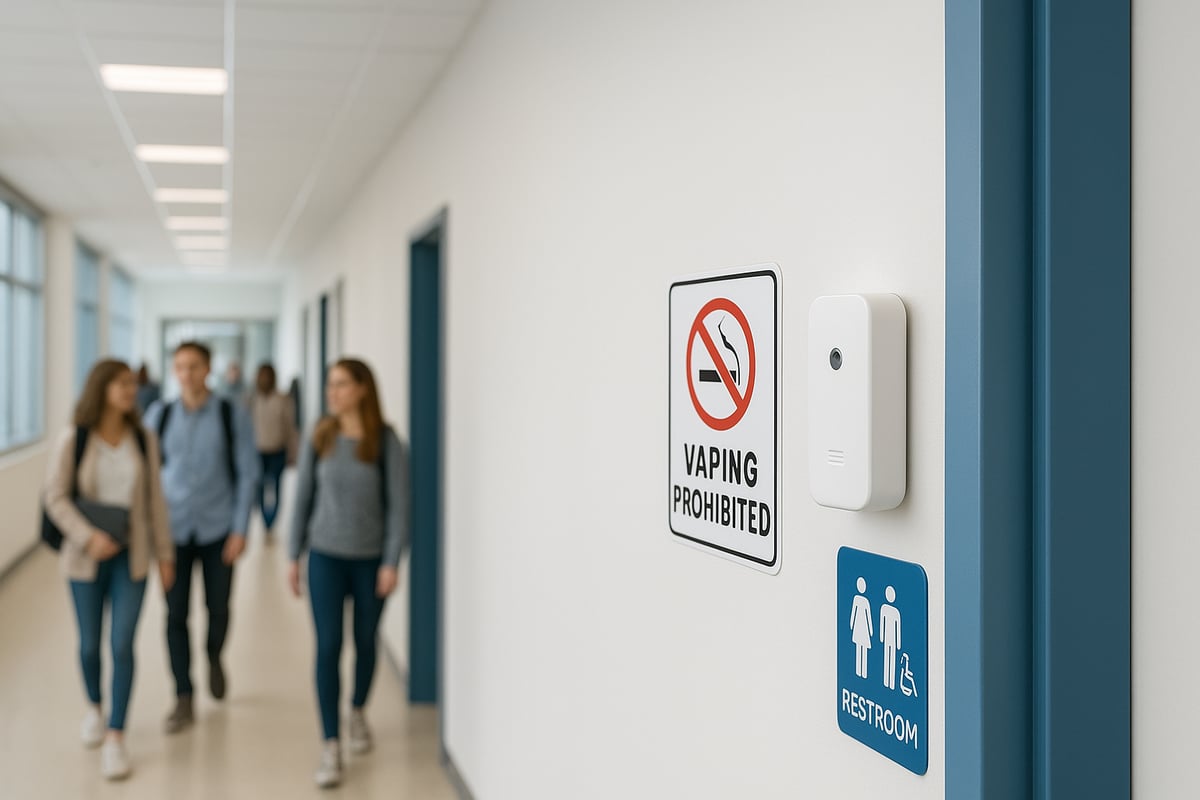
Common hotspots include toilets, halls, and dormitories, where supervision is low. These locations present unique challenges for colleges aiming to maintain a safe environment. As a result, the need for a robust college vape detection system is more urgent than ever.
Health and Safety Risks
Vaping exposes students to nicotine, THC, and other harmful substances, which can affect both users and bystanders. Second-hand vapour impacts air quality, raising concerns for those with respiratory conditions.
There is also the risk that vaping may mask the use of other illicit substances, making detection more complicated. A college vape detection system helps safeguard student health and upholds institutional duty of care.
Policy and Legal Considerations
Colleges must navigate a complex regulatory landscape. UK law bans vaping in most educational settings, while international regulations vary but are trending stricter. Institutions are required to implement clear anti-vaping policies, with disciplinary measures for violations.
Ofsted and public health authorities expect compliance and regular policy reviews. A college vape detection system plays a pivotal role in meeting both legal and institutional requirements.
Impact on Campus Life and Reputation
Vaping incidents can erode trust within the campus community. Students may feel less safe, and staff may face additional challenges in maintaining order. A poor response to vaping can damage a college’s reputation, affecting student recruitment and public perception.
By implementing a college vape detection system, institutions demonstrate commitment to a healthier, safer environment, which positively influences campus culture and external reputation.
Demand for Proactive Solutions
Demand for technology to combat vaping has surged in recent years. Colleges are investing in advanced solutions to monitor high-risk areas and respond quickly to incidents. In 2026, many institutions are piloting or expanding their use of detection systems, driven by growing expectations from students, parents, and regulators.
The adoption of a college vape detection system reflects a proactive stance, enabling colleges to stay ahead of evolving challenges and set new standards for campus safety.
How College Vape Detection Systems Work
Modern colleges face increasing challenges from vaping, prompting the need for robust, intelligent solutions. A college vape detection system provides institutions with advanced tools to identify and address vaping incidents effectively. These systems combine cutting-edge technology, real-time monitoring, and data-driven insights to create safer campus environments.
Core Technologies in Vape Detection
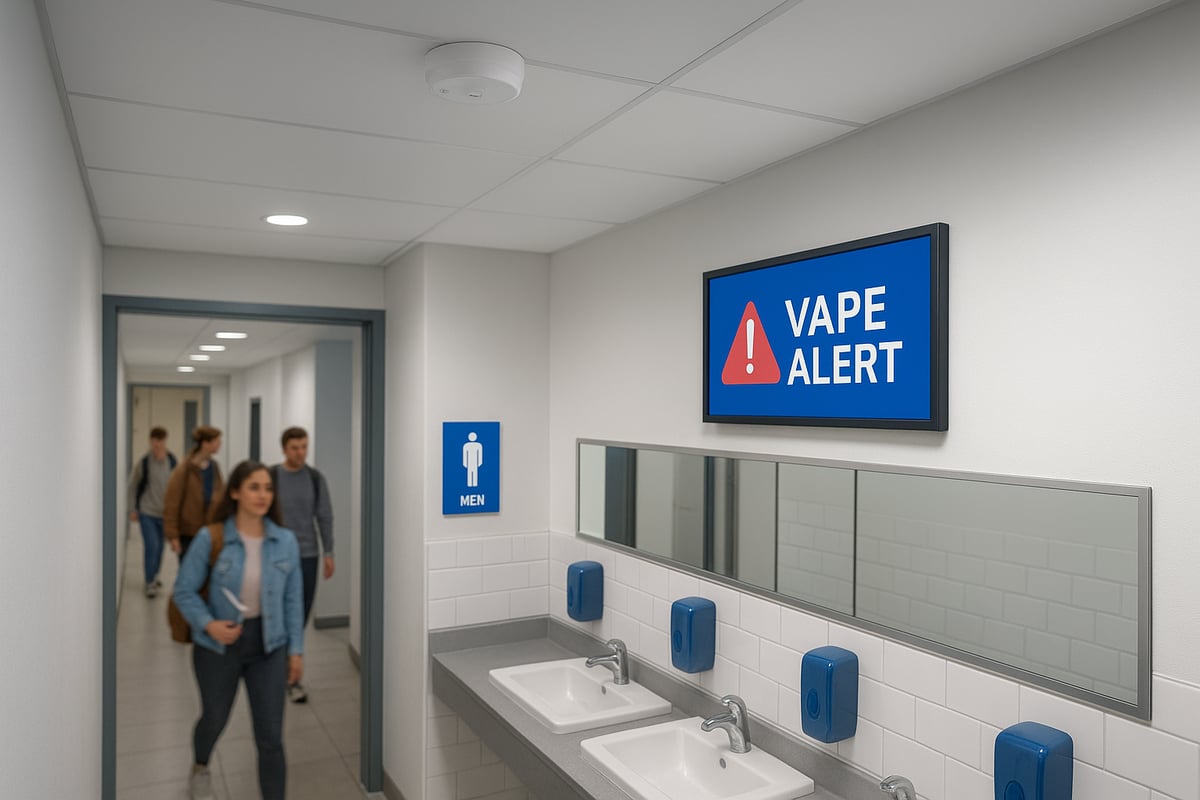
At the heart of every college vape detection system are sophisticated sensors designed to identify a range of airborne substances. These include particulate sensors that detect the fine particles produced by e-cigarettes, chemical sensors that analyse vapour composition, and AI-powered modules that interpret sensor data with high accuracy.
Multi-sensor integration is crucial for reducing false positives. By combining data from different sensor types, the system can distinguish between harmless aerosols and actual vaping events. For a detailed explanation of how these components work together, you can read Vape Detection Technology Explained.
This multi-layered approach ensures the college vape detection system reliably identifies vaping, regardless of device type or location.
Real-Time Monitoring and Alerts
A college vape detection system excels in immediate incident response. Sensors are connected to a central dashboard, providing real-time alerts to designated staff members whenever vaping is detected. Notifications are delivered via email, SMS, or secure app, ensuring prompt action.
Integration with campus security and IT networks enables coordinated responses. Security teams can monitor multiple locations simultaneously, while IT staff ensure seamless system operation. This integration streamlines enforcement and minimises the risk of missed incidents.
With a college vape detection system, staff are empowered to respond quickly, reducing the likelihood of repeated violations.
Data Analytics and Reporting
One of the key strengths of a college vape detection system is its ability to turn incident data into actionable insights. Analytics dashboards display trends, incident frequency, and hotspot locations, helping administrators identify problem areas.
Compliance reporting tools are built in, allowing colleges to generate detailed reports for internal reviews or regulatory audits. These features simplify documentation and support transparent communication with stakeholders.
By leveraging data from the college vape detection system, institutions can make informed decisions about policy and resource allocation.
Installation and Coverage
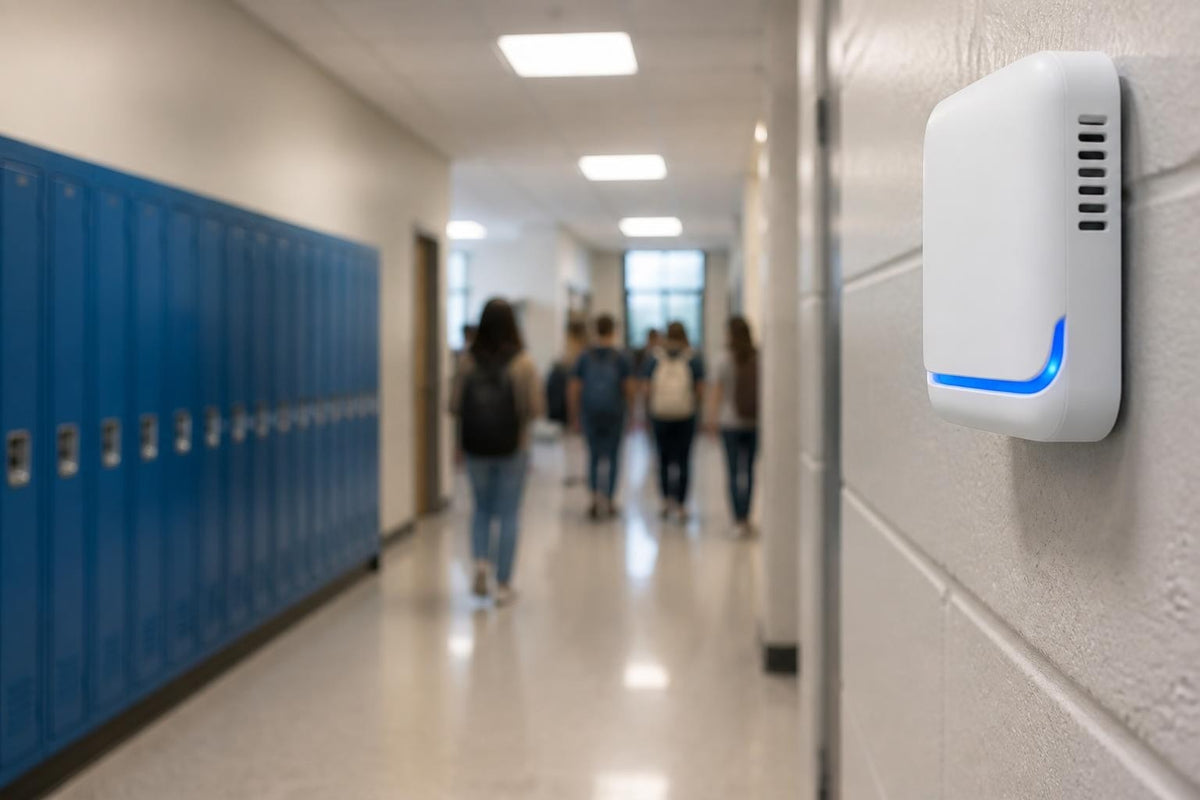
Effective deployment of a college vape detection system begins with strategic sensor placement. Typical locations include toilets, corridors, dormitories, and other high-risk areas. Proper positioning ensures comprehensive coverage and maximises detection accuracy.
Colleges can choose between wireless systems, which offer quick installation and flexibility, or wired systems, which provide consistent power and network connectivity. Power requirements are modest, with most sensors designed for low energy consumption.
An optimally installed college vape detection system delivers reliable performance across diverse campus environments.
Privacy and Ethical Considerations
A college vape detection system must balance safety with individual rights. Privacy safeguards are built into system design, ensuring that detection focuses solely on substances, not personal identification.
Data protection compliance is a priority. All information collected by the system is encrypted and stored securely, in line with GDPR and other relevant regulations. Colleges are encouraged to communicate these safeguards clearly to students and staff.
By prioritising privacy, a college vape detection system fosters trust while maintaining a secure learning environment.
Example: Vape Guardian’s Advanced Detection Solution
Vape Guardian offers a leading college vape detection system adopted by numerous UK institutions. Their solution employs real-time detection, AI-powered analytics, and multi-sensor integration for unmatched accuracy.
Educational support resources accompany the system, helping colleges educate students about vaping risks and policy compliance. Reported outcomes include a 95 percent reduction in vaping incidents within just five weeks of implementation.
With a proven track record, Vape Guardian’s college vape detection system stands as a benchmark for safety, efficiency, and positive campus culture.
Step-by-Step Guide: Implementing a Vape Detection System in 2026
Implementing a college vape detection system requires a structured approach to ensure effectiveness, compliance, and community support. The following step-by-step guide breaks down the process, helping institutions protect their environment and uphold standards.
Step 1: Assessing Campus Needs and Risks
Begin by mapping out your campus to pinpoint locations where vaping is most prevalent. Toilets, stairwells, and common rooms often present higher risks. Conduct interviews with facility managers, student representatives, and health services to gather insights about problem areas.
Use surveys and incident reports to identify trends. Understanding these patterns is crucial for tailoring your college vape detection system to the unique needs of your institution. This initial assessment forms the foundation for all subsequent steps.
Step 2: Selecting the Right Detection Solution
With your campus risks identified, evaluate available technologies for your college vape detection system. Compare sensor types such as particulate, chemical, and AI-powered options. Assess each solution for reliability, detection accuracy, and the likelihood of false alerts.
Consider integration capabilities with your existing security infrastructure. Request product demonstrations and references from other colleges. This thorough selection process ensures you invest in a system that offers both effectiveness and long-term value.
Step 3: Planning Installation and Integration
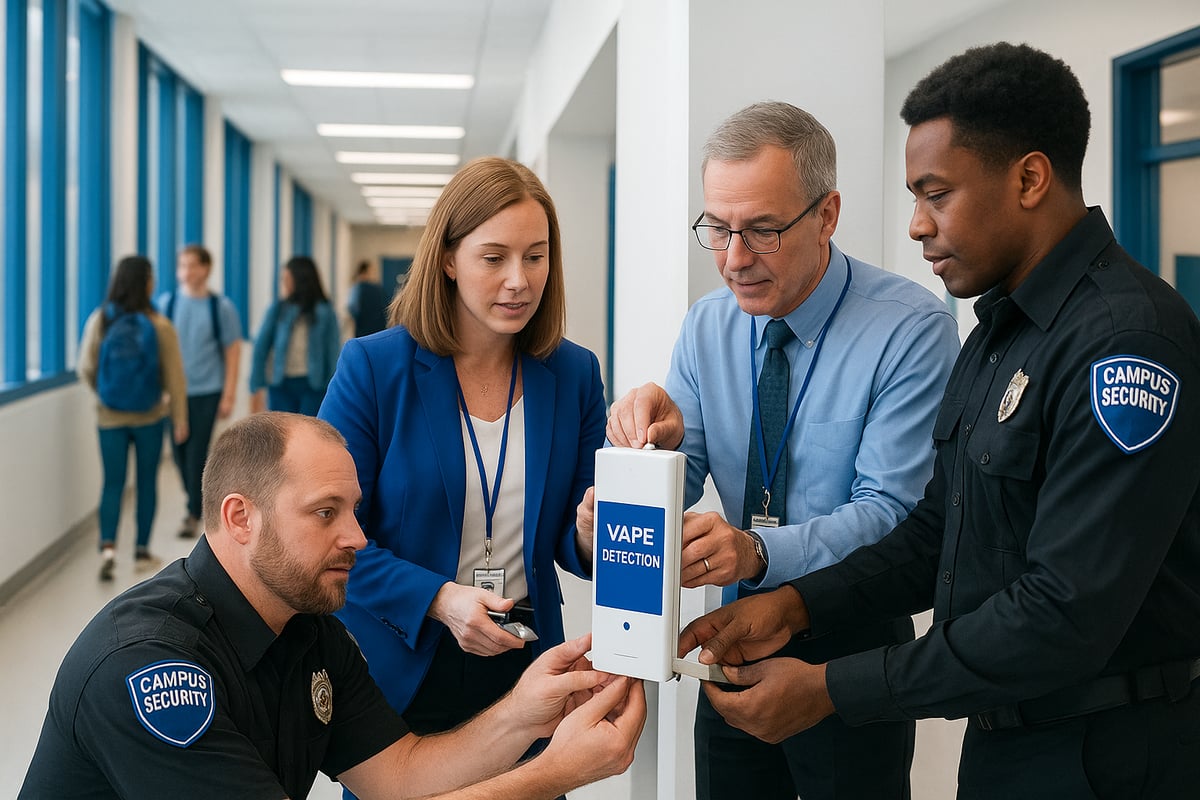
Careful planning is essential for seamless deployment of your college vape detection system. Collaborate with IT and facilities teams to map optimal sensor placements based on your risk assessment. Ensure coverage in high-priority areas like bathrooms, corridors, and student accommodation.
Decide between wired and wireless sensors, factoring in power access and future maintenance. Document the installation plan and establish a timeline. This structured approach minimises disruption and maximises system performance.
Step 4: Staff Training and Response Protocols
Investing in staff training is pivotal to the success of your college vape detection system. Develop clear, step-by-step procedures for responding to sensor alerts and managing incidents. Training should cover system operation, data interpretation, and communication with students.
Leverage best practice resources such as Best Practice for Handling Vaping Alerts to ensure your staff are prepared for a consistent, compliant response. Well-trained teams will handle alerts confidently and uphold your institution’s standards.
Step 5: Communication and Student Education
Transparency and education are key to the acceptance of a college vape detection system. Launch an awareness campaign to inform students and staff about the new measures, outlining the rationale and expected benefits for health and safety.
Provide accessible educational resources on the risks of vaping and offer support for those seeking to quit. Engaging students in dialogue fosters understanding and encourages positive behavioural change across campus.
Step 6: Monitoring, Reporting, and Compliance
Once your college vape detection system is operational, set up analytics dashboards to monitor incidents and trends in real time. Schedule regular reviews to ensure sensors are functioning and to track overall effectiveness.
Maintain clear records for compliance with Ofsted and public health guidelines. Automated reporting features will support documentation for audits and inspections, keeping your institution aligned with regulatory requirements.
Step 7: Evaluating Effectiveness and Continuous Improvement
Continual evaluation is necessary to maximise the impact of your college vape detection system. Analyse reductions in vaping incidents, gather feedback from staff and students, and monitor system performance.
Use these insights to refine policies, adjust sensor placements, and update training materials as needed. Ongoing improvement demonstrates your institution’s commitment to a safer, healthier campus environment.
Benefits and Challenges of Vape Detection Systems in Colleges
The adoption of a college vape detection system brings both immediate and long-term impacts for educational institutions. These systems promise a safer campus environment, but also introduce operational and cultural considerations that colleges must address to ensure successful implementation.
Tangible Benefits for Institutions
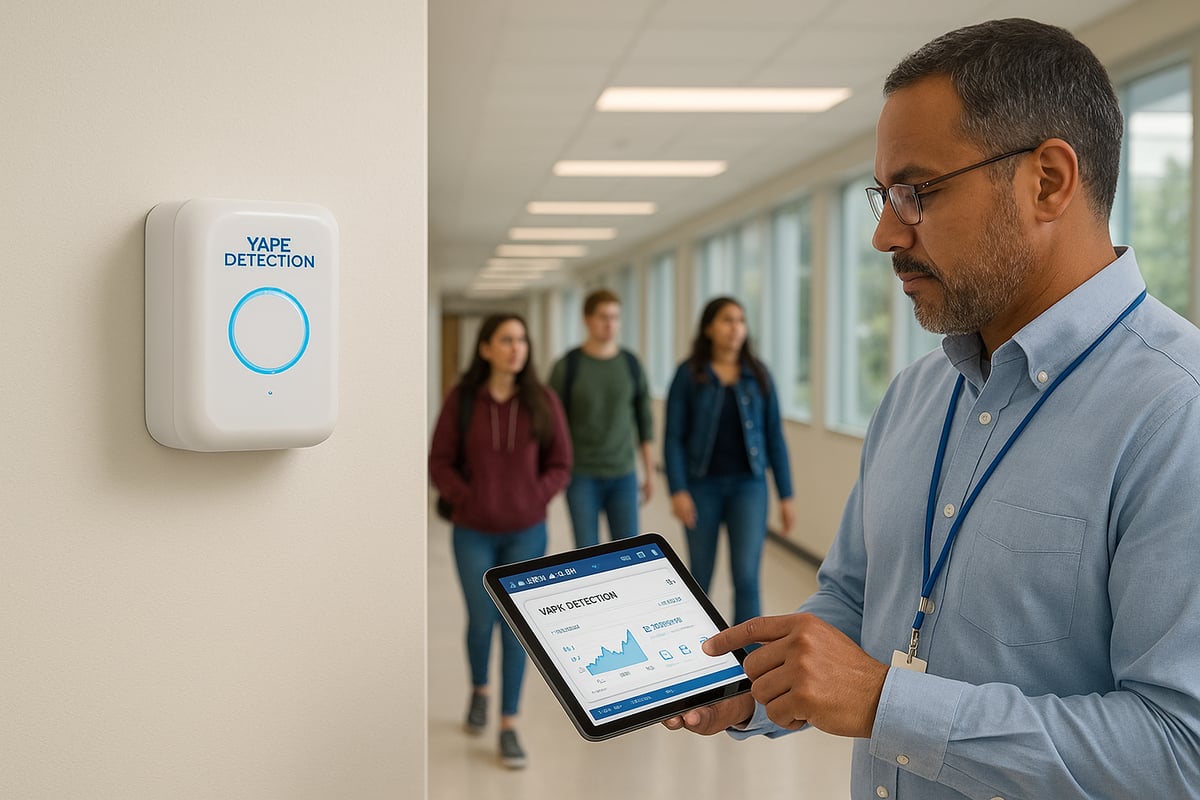
A college vape detection system offers several measurable benefits for colleges. First, these systems contribute to a significant reduction in vaping and related substance use incidents on campus. Improved air quality is another key advantage, directly impacting student health and wellbeing.
Institutions also see enhanced compliance with public health and safety regulations. With automated incident tracking and reporting, colleges can demonstrate their commitment to safeguarding students and adhering to legal standards. The resulting safer environment often leads to a more positive campus reputation and increased parent and student confidence.
Student and Staff Perspectives
Student acceptance of a college vape detection system can vary, with privacy concerns being a common topic of discussion. However, transparent communication about how these systems work—targeting substances rather than individuals—helps build trust.
Staff generally report that detection alerts make it easier to respond quickly and consistently to incidents. Proper training ensures that staff can manage alerts efficiently and interact with students in a respectful manner. Open dialogue and educational initiatives further support a culture of understanding, rather than one of surveillance.
Operational and Technical Challenges
Implementing a college vape detection system is not without challenges. False positives are a primary concern, often requiring system calibration and regular maintenance to minimise disruptions.
Integrating new detection technology with existing campus security or IT infrastructure can also be complex. Some colleges may encounter compatibility issues with legacy systems, necessitating technical support and possible upgrades. Ongoing maintenance, including sensor cleaning and software updates, is essential to maintain accuracy and reliability.
Budget and Resource Considerations
Budget planning is a crucial aspect when introducing a college vape detection system. Initial costs include hardware, installation, and integration with existing networks. Ongoing expenses may involve maintenance contracts, software licences, and staff training.
Funding options range from internal budgets to external grants focused on student health and safety. Many colleges find the return on investment compelling, with reductions in vaping incidents leading to fewer disciplinary cases and improved compliance. Careful resource allocation ensures that the system delivers long-term value without straining financial resources.
Real-World Case Studies and Data
Institutions that have implemented a college vape detection system report impressive results. For example, colleges using advanced solutions have documented sustained reductions in vaping incidents, improved air quality, and higher levels of campus safety.
Lessons learned include the importance of stakeholder engagement and ongoing system refinement. For a detailed look at practical outcomes and data from recent deployments, see these College Vape Detector Case Studies. These real-world examples provide valuable insights for colleges considering similar initiatives.
Regulatory and Compliance Factors for 2026
Colleges in 2026 face a rapidly evolving regulatory landscape when it comes to vape detection and prevention. Keeping up with shifting laws and best practices is essential for every institution deploying a college vape detection system.
Evolving UK and International Regulations
The regulatory environment for vaping in educational settings is changing quickly. In the UK, new legislation restricts e-cigarette use on campus and sets out clear expectations for colleges. EU and US regulations also require institutions to demonstrate proactive measures against vaping.
Complying with regional laws is critical for any college vape detection system. Colleges must also monitor Ofsted guidance and local public health mandates. For a detailed look at compliance-ready solutions, visit Vape Detectors for Education.
Institutions should regularly review regulatory updates to ensure their systems remain effective and lawful.
Data Protection and Privacy Laws
Any college vape detection system must adhere to strict data protection rules, particularly under GDPR. Colleges need to ensure that detection data is stored securely, access is restricted, and retention policies are clearly defined.
Privacy safeguards are fundamental. Detection systems should be configured to monitor for substances, not individuals, and avoid capturing personally identifiable information. Regular audits help verify that privacy standards are upheld.
Engaging legal and IT teams early will support compliance and maintain trust within the campus community.
Health and Safety Standards
Colleges are required to meet specific health and safety standards to protect students and staff. A college vape detection system supports compliance by enabling early intervention and improving air quality in sensitive areas.
Key standards include maintaining safe environments, reducing exposure to harmful substances, and providing clear documentation of preventative measures. Regular training for staff ensures everyone understands their roles in upholding safety requirements.
Ongoing risk assessments and system testing further reinforce health and safety commitments.
Reporting and Audit Requirements
Regulatory bodies and inspectors often request documentation of incident responses and preventative actions. A robust college vape detection system should include features for comprehensive reporting, real-time dashboards, and audit trails.
Integration with existing compliance platforms can streamline record-keeping and simplify inspections. Automated alerts and incident logs make it easier to demonstrate due diligence during audits.
By maintaining transparent records, colleges can prove regulatory compliance and build confidence among stakeholders.
The Future of Vape Detection on College Campuses
The landscape of vape detection is evolving rapidly as colleges strive to stay ahead of trends and challenges. Advanced systems are shaping a safer, healthier environment for students and staff. Here is what lies ahead for the college vape detection system in 2026 and beyond.
Technological Advancements on the Horizon
Sensor technology is advancing quickly, with next generation detectors using artificial intelligence to distinguish between vapour, smoke, and other airborne particles. These improvements promise enhanced accuracy and fewer false alerts.
Integration with smart campus infrastructure is becoming standard. For instance, systems may soon connect via NB-IoT, enabling real time data transfer and centralised management. Learn more about NB-IoT applications in educational institutions and how it supports the future of safety technology. As AI matures, the college vape detection system will offer even more predictive insights, helping colleges take proactive steps before incidents escalate.
Evolving Student Behaviours and Countermeasures
Students are becoming more resourceful, seeking new vaping devices and creative ways to avoid detection. These methods include using compact, odourless products or vaping in less monitored areas.
The college vape detection system must adapt, employing machine learning to recognise evolving patterns and counteract circumvention tactics. By analysing data trends, colleges can anticipate changes in student behaviour and adjust monitoring strategies, ensuring that detection remains effective even as challenges grow.
Expanding the Role: Air Quality and Substance Detection
Modern systems are not limited to nicotine. The college vape detection system is expanding to identify THC, synthetic drugs, and even monitor overall air quality. This shift means colleges can address a broader spectrum of safety and wellbeing concerns.
By detecting multiple substances, institutions protect against hidden risks and improve the learning environment. These enhancements support compliance with health standards and allow colleges to respond rapidly to new threats as they arise.
Building a Culture of Prevention and Support
The future is not just about enforcement. The college vape detection system will play a central role in promoting health education and supportive interventions. Colleges are working alongside health services and student leaders to create a culture that prioritises prevention.
Awareness campaigns, counselling, and transparent communication are key. By combining technology with education, colleges can help students make informed choices and foster a sense of shared responsibility for campus wellbeing.
As we look ahead to 2026, it’s clear that staying ahead of vaping trends requires more than just policies—it calls for smart, proactive solutions that truly protect your college environment. With advanced detection technology, real-time alerts, and proven results, you can foster a safer, healthier campus for everyone. If you’re ready to see how innovative systems like Vape Guardian’s can help address vaping and air quality concerns, I encourage you to learn how Vape Guardian is protecting schools. See what’s working for institutions like yours and take the next step towards lasting campus safety.





Share:
University Vape Detection Guide: Strategies and Insights 2026
Building Management Air Sensors Guide: Smarter Buildings 2026