

How quickly are detection technologies transforming our world? In just a few years, their rapid evolution has redefined safety, security, and compliance across modern environments.
Organisations now face complex challenges that demand more than traditional solutions. The multi-sensor detection platform stands out as a powerful approach, combining multiple sensor types with advanced analytics for unprecedented situational awareness.
This guide delivers your comprehensive 2026 roadmap. You will learn how to understand, select, and implement the right platform, with insights on core technologies, integration, deployment, use cases, trends, and actionable recommendations.
Ready to future-proof your organisation? Dive into this expert guide and unlock the full potential of detection innovation.
Understanding Multi-Sensor Detection Platforms
Multi-sensor detection platforms are transforming how organisations monitor safety, security, and compliance. By combining multiple sensor types, these systems deliver a holistic view of environments in real time. This section explores the definition, core technologies, benefits, data reliability, and regulatory considerations for any organisation evaluating a multi-sensor detection platform.

Defining Multi-Sensor Detection Platforms
A multi-sensor detection platform is an integrated system that uses several sensor types to capture a broad range of environmental data. These platforms combine hardware such as gas, optical, or acoustic sensors with sophisticated analytics, enabling rapid detection of safety or compliance risks.
Unlike single-sensor systems, a multi-sensor detection platform fuses data from diverse sources. This approach reduces blind spots and creates a more accurate picture of activity or hazards within a space.
Key Technologies and Sensor Types
The core of any multi-sensor detection platform is the variety of sensors it deploys. Common examples include chemical sensors for hazardous leaks, optical sensors for visual monitoring, acoustic sensors for noise detection, and air quality sensors for particulate or gas analysis.
Modern platforms often leverage AI and machine learning to interpret complex sensor data. For a deeper look at the technology behind these systems, see the Multi-Sensor Vape Detection Technology page, which explains how smart sensors and analytics combine to enhance detection accuracy.
Benefits and Applications Across Industries
A multi-sensor detection platform offers significant advantages for organisations seeking improved situational awareness. These systems enable real time monitoring, which helps teams respond quickly to incidents or compliance breaches.
Industries such as education, healthcare, manufacturing, and transportation deploy multi-sensor detection platforms to monitor air quality, detect vaping, manage infection risk, and enhance public safety. The result is improved compliance, reduced incidents, and better risk management.
Data Accuracy, Reliability, and Challenges
The effectiveness of a multi-sensor detection platform depends on data quality and reliability. Platforms use data fusion techniques to minimise false positives and provide actionable insights.
Challenges include sensor calibration, environmental interference, and data privacy concerns. Industry studies show that multi-sensor detection platforms can achieve incident reductions of over 90 percent when properly maintained and calibrated.
Regulatory and Compliance Considerations
Deploying a multi-sensor detection platform involves navigating complex regulatory requirements. Compliance with GDPR, health and safety standards, and sector-specific regulations is critical.
For example, UK schools must meet strict guidelines for vape and substance detection. A multi-sensor detection platform can automate alerts, maintain audit trails, and ensure data is handled in accordance with legal frameworks, supporting both operational goals and regulatory obligations.
Step-by-Step Roadmap to Implementing a Multi-Sensor Detection Platform
Implementing a multi-sensor detection platform requires careful planning and a structured approach. By following a clear roadmap, organisations can maximise safety, compliance, and operational efficiency. Here is a step-by-step guide to ensure successful adoption, from initial assessment to measuring ongoing impact.
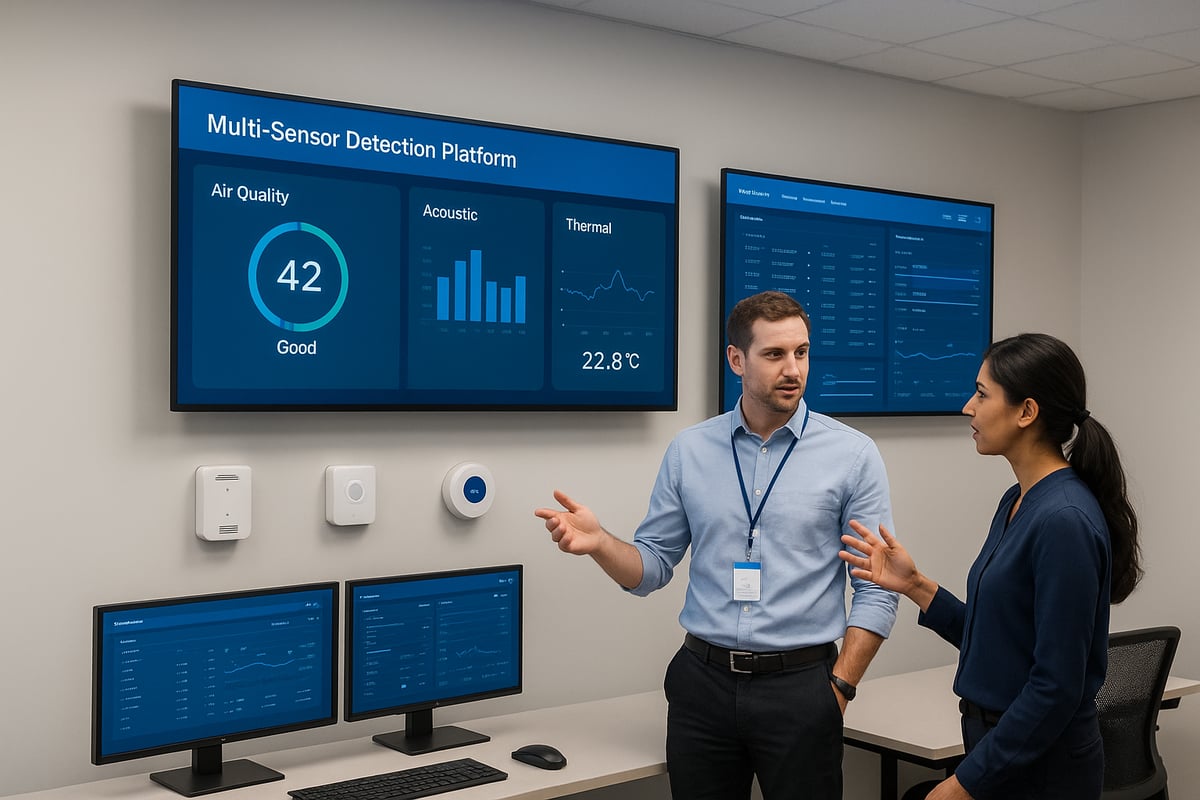
Step 1: Assess Organisational Needs and Objectives
Begin by identifying the specific risks your organisation faces. Consider compliance requirements, such as health, safety, or data privacy standards. Engage stakeholders across departments to ensure all perspectives are captured.
For example, schools often prioritise vape and drug detection to protect student wellbeing. Conducting a needs analysis helps define the goals for your multi-sensor detection platform and ensures alignment with organisational priorities. Reviewing resources like the Vape Detection in Schools Guide can offer valuable insights into sector-specific challenges and solutions.
List key actions:
- Map out regulatory and compliance obligations
- Survey stakeholders for risk perception
- Define measurable objectives for the platform
A thorough assessment sets the foundation for a successful deployment.
Step 2: Selecting the Right Platform and Technology
Choosing the most suitable multi-sensor detection platform involves evaluating sensor types, scalability, and integration capabilities. Assess whether the platform supports chemical, acoustic, optical, and air quality sensors relevant to your environment.
Vendor comparison is critical. Consider future-proofing by selecting platforms that adapt to new threats. Use a table to compare features:
| Criteria | Platform A | Platform B |
|---|---|---|
| Sensor Types | Yes | Yes |
| Scalability | High | Medium |
| Integration Options | Extensive | Limited |
| AI Analytics | Yes | No |
Due diligence ensures your investment will remain effective as risks evolve. Carefully weigh each option to ensure your multi-sensor detection platform will grow with your organisation.
Step 3: Planning Integration and Infrastructure
Once you have selected your multi-sensor detection platform, plan for seamless integration with existing IT, security, and facilities systems. Map optimal sensor placements by analysing high-risk zones, such as entrances, shared spaces, or mechanical rooms.
Check network requirements to guarantee reliable data transmission. Confirm compatibility with current infrastructure, including building management or security software.
Example actions:
- Conduct a site survey for sensor placement
- Plan network upgrades if necessary
- Coordinate with IT and facilities teams
Effective planning minimises disruption and maximises the value of your multi-sensor detection platform.
Step 4: Installation and Configuration
Prepare the site for installation by clearing sensor locations and ensuring power and connectivity are available. Follow best practices for mounting and securing sensors. Calibrate devices to local conditions, which is essential for accurate data collection.
Initial system testing should validate sensor accuracy and alert functionality. Train staff on system use, alert response protocols, and troubleshooting basic issues.
Checklist for this phase:
- Site preparation and safety checks
- Calibration of all sensors
- Staff training sessions
Proper installation and configuration are vital to realising the full benefits of your multi-sensor detection platform.
Step 5: Launch, Monitoring, and Continuous Optimisation
With installation complete, launch the multi-sensor detection platform and establish monitoring protocols. Set up automated alerts and escalation workflows to facilitate timely response.
Schedule regular maintenance and firmware updates to keep systems running smoothly. Use data-driven reviews to identify trends, tune system parameters, and address any performance gaps.
Best practices include:
- Daily system health checks
- Routine firmware and software updates
- Periodic review meetings with key users
Continuous optimisation ensures your multi-sensor detection platform remains effective as organisational needs shift.
Step 6: Measuring Impact and ROI
Finally, measure the impact of your multi-sensor detection platform by tracking key performance indicators. Monitor incident reduction rates, compliance improvements, and user satisfaction.
Collect feedback from users to identify areas for enhancement. For instance, schools have reported significant drops in vaping incidents after deploying multi-sensor platforms, demonstrating tangible ROI.
Key metrics to monitor:
- Incident frequency before and after deployment
- Compliance audit results
- User satisfaction surveys
Measuring outcomes provides evidence for ongoing investment and highlights the long-term value of your multi-sensor detection platform.
Integration and Data Management Strategies
Seamless integration and robust data management are at the heart of every successful multi-sensor detection platform. As organisations scale their detection capabilities, managing diverse data streams and maintaining system integrity become essential for reliable outcomes and compliance.
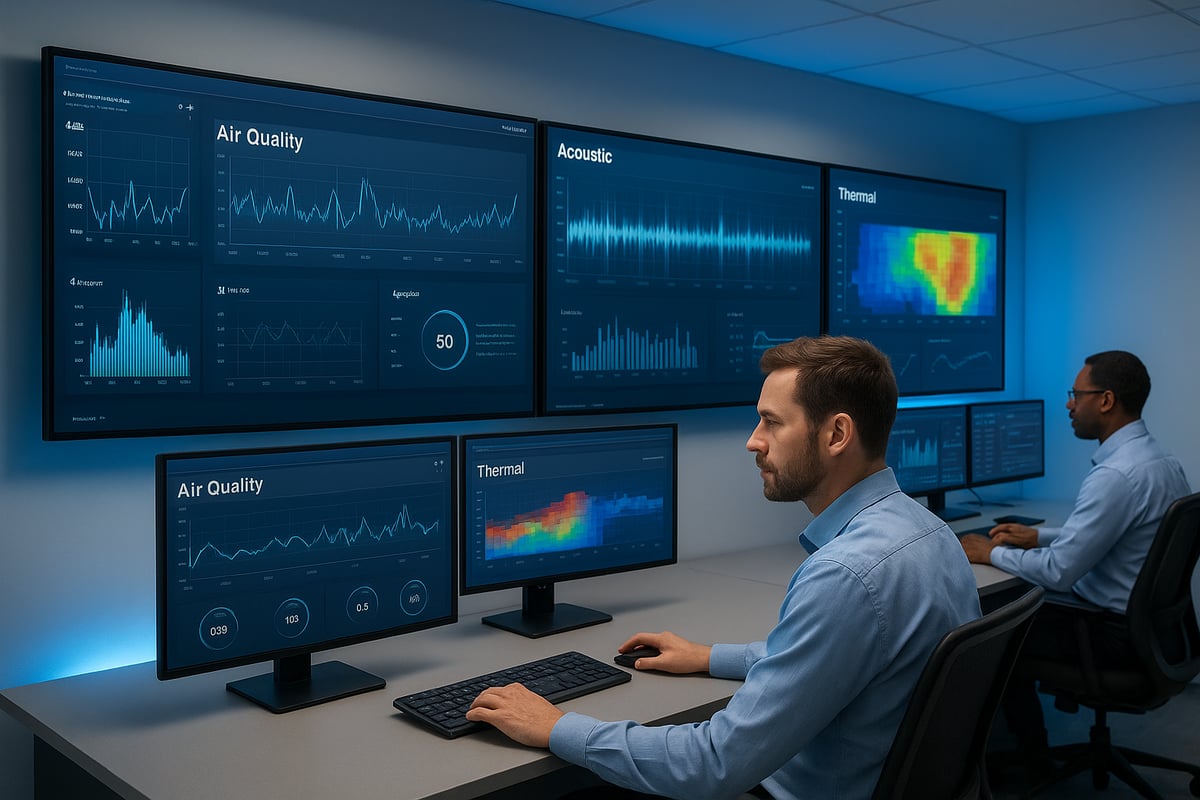
Data Fusion and Real-Time Analytics
A multi-sensor detection platform excels by combining inputs from varied sensors, creating a unified stream of actionable intelligence. Data fusion enables the system to process chemical, acoustic, and air quality data simultaneously, delivering a holistic view of the environment.
AI-driven analytics help detect subtle patterns and complex events, such as correlating elevated particulates with acoustic signals to confirm vaping incidents. For organisations seeking to enhance their environmental monitoring, understanding the types of sensors available is crucial. For a deeper dive into the core components, see Air Quality Monitoring Devices Explained.
By leveraging real-time analytics, decision-makers can respond faster to incidents and minimise risks.
Ensuring Data Security and Privacy
Protecting sensitive information is a top priority for any multi-sensor detection platform. Compliance with GDPR and similar regulations requires strong encryption, access controls, and secure data storage.
Implementing privacy-first strategies, such as anonymising data and restricting access to authorised personnel only, reduces the risk of breaches. Regular audits and security reviews are essential to identify vulnerabilities and maintain trust.
Organisations must ensure that their multi-sensor detection platform is designed with privacy in mind from the outset.
System Interoperability and Scalability
Integrating a multi-sensor detection platform with existing IT, security, and facilities infrastructure is vital for operational efficiency. APIs and cloud connectivity allow for flexible data sharing and remote management.
As organisations grow, the ability to scale detection solutions across multiple sites becomes a key consideration. Cloud-based management platforms enable centralised oversight, ensuring consistent performance and compliance.
| Integration Feature | Benefit |
|---|---|
| API Connectivity | Seamless data exchange |
| Cloud Support | Scalable deployments |
| Modular Design | Flexible expansion |
A future-ready multi-sensor detection platform supports both interoperability and growth.
Maintenance and Ongoing Support
Routine system updates and sensor calibrations are necessary to keep a multi-sensor detection platform performing at its best. Proactive maintenance, including firmware updates and diagnostics, helps prevent downtime.
Vendors often provide support models and service agreements that outline response times and escalation procedures. Remote diagnostics tools allow for quick troubleshooting without on-site visits.
Consistent maintenance ensures the multi-sensor detection platform continues to deliver accurate, reliable results.
Reporting, Compliance, and Incident Management
Automated reporting tools within a multi-sensor detection platform simplify compliance documentation and support regulatory inspections. Real-time alerts and structured escalation protocols enable rapid response to incidents.
Comprehensive audit trails track every event and system change, supporting transparency and accountability. Customisable dashboards allow users to generate compliance reports and monitor key metrics.
Effective incident management and robust reporting are central to maintaining the effectiveness and credibility of a multi-sensor detection platform.
Sector-Specific Use Cases and Success Stories
Modern industries are rapidly embracing the multi-sensor detection platform to address unique challenges, drive safety improvements, and achieve compliance targets. Let us explore how this technology is transforming key sectors with measurable results.
Education: Vape and Substance Detection in Schools
Schools face mounting pressure to curb vaping and substance use among students. The multi-sensor detection platform offers a discreet yet powerful solution for monitoring these activities. By combining chemical, particulate, and acoustic sensors, schools gain real-time alerts when vaping or illicit substances are detected.
Recent deployments have shown significant improvements in student safety. For example, schools using multi-sensor detection platform technology report up to a 95 percent reduction in vaping incidents within the first term. This supports stronger policy enforcement and reassures parents and staff alike.
Healthcare: Infection Control and Air Quality
In healthcare, maintaining clean air and preventing the spread of infection is a top priority. A multi-sensor detection platform enables continuous monitoring of airborne pathogens, gas leaks, and particulate matter in critical areas such as wards and operating theatres.
Hospitals equipped with these systems receive instant alerts about air quality issues, allowing rapid intervention. As a result, many healthcare providers have seen measurable reductions in infection risk and improved staff and patient safety through the adoption of multi-sensor detection platform solutions.
Transportation and Public Spaces
Safety and security in transportation hubs and public venues require advanced, reliable surveillance. Here, a multi-sensor detection platform can integrate acoustic, optical, and chemical sensors to detect hazards, unauthorised activity, or suspicious substances.
For instance, the TRIDENT: Tri-modal Real-time Intrusion Detection Engine demonstrates the effectiveness of multi-sensor frameworks in real-world scenarios. By integrating audio, visual, and RF data, TRIDENT enhances drone detection, helping airports and train stations prevent intrusions and maintain public safety.
Corporate and Office Environments
Modern offices benefit from a multi-sensor detection platform for both compliance and employee wellbeing. These platforms monitor air quality, detect unauthorised vaping or drug use, and help address anti-social behaviour in shared workspaces.
The result is a healthier, more productive environment. Facilities teams can respond swiftly to incidents, while organisations demonstrate a clear commitment to safety and regulatory standards by leveraging multi-sensor detection platform technology.
Manufacturing and Industrial Applications
Factories and industrial sites rely on a multi-sensor detection platform to identify gas leaks, fires, and hazardous emissions before they escalate. Early detection minimises downtime, protects the workforce, and ensures compliance with strict safety regulations.
A recent industry report revealed that factories using multi-sensor detection platform solutions have reduced unplanned shutdowns and improved incident response times, resulting in tangible operational savings and safer workplaces.
Vape Guardian: Advanced Vaping Detection Solutions
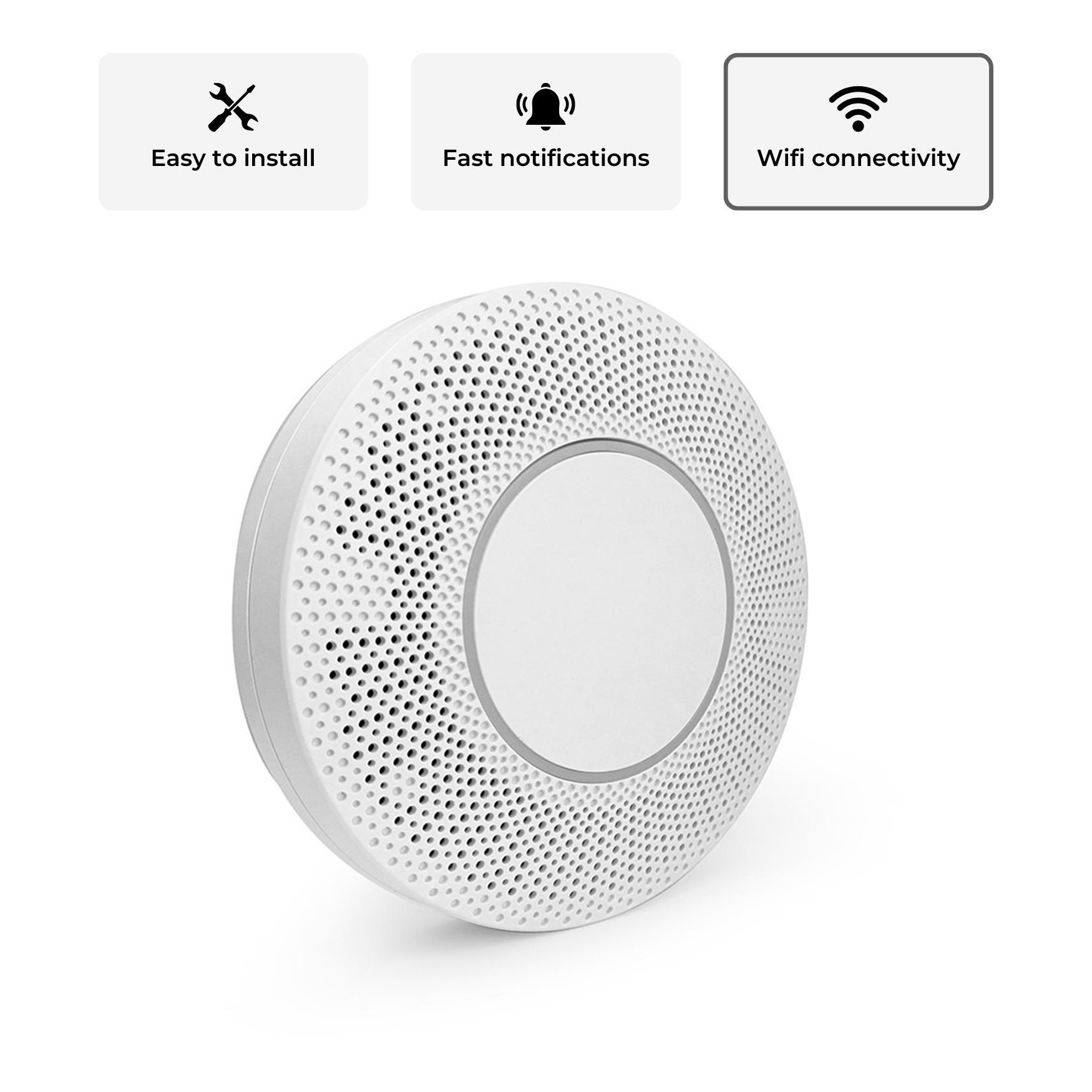
Vape Guardian is leading the way with its multi-sensor detection platform, specifically designed for schools, offices, and public venues. Their proprietary AI-driven sensors provide instant alerts for vaping and air quality issues, supporting robust compliance and safeguarding initiatives.
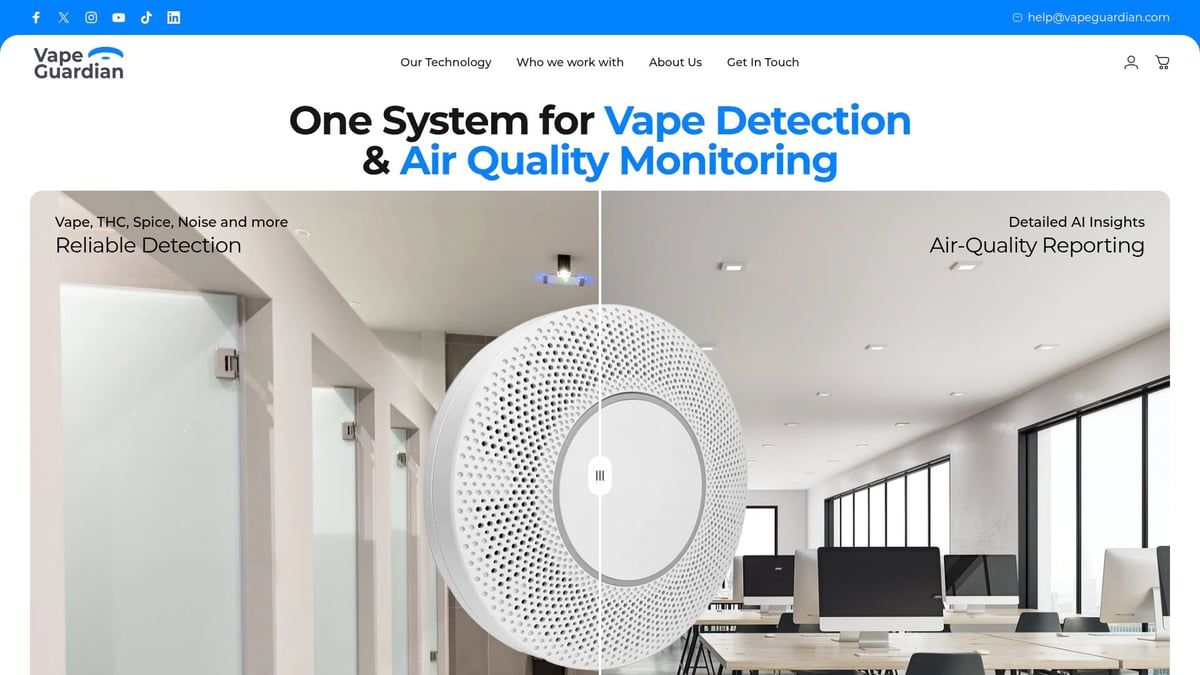
According to the Vape Guardian Impact Report 2025, organisations have achieved up to a 95 percent reduction in vaping incidents after implementing Vape Guardian solutions. The platform also offers in-depth analytics, UK-based support, and flexible options such as free trials, tailored quotes, and a 100-day money-back guarantee, making it an ideal choice for those seeking reliable, proven impact from a multi-sensor detection platform.
Future Trends and Innovations in Multi-Sensor Detection Platforms
The pace of innovation in the multi-sensor detection platform landscape is accelerating. As we look ahead to 2026, several transformative trends are set to redefine how organisations deploy and manage detection technologies. These advancements promise greater accuracy, efficiency, and adaptability across sectors.
AI and Machine Learning Advancements
Artificial intelligence and machine learning are revolutionising the multi-sensor detection platform. Predictive analytics now enable platforms to identify threats before they escalate, learning from historical data to refine detection accuracy. Self-learning systems adapt to evolving risks, reducing false positives and minimising manual intervention.
Industry forecasts suggest that by 2026, over 80 percent of new platforms will feature AI-driven analytics at their core. This shift allows for real-time anomaly detection, enabling organisations to proactively address safety and compliance challenges.
The multi-sensor detection platform will increasingly rely on machine learning algorithms to interpret vast data streams. As a result, platforms will deliver faster, more reliable alerts, directly impacting operational resilience and risk management.
Edge Computing and IoT Integration
The integration of edge computing and IoT is transforming the multi-sensor detection platform into a decentralised powerhouse. By processing data closer to the source, organisations can achieve faster response times and reduced network congestion. IoT connectivity expands coverage, linking a diverse array of sensors for comprehensive situational awareness.
A prime example is the VALISENS: Multi-Sensor System for Cooperative Automated Driving, which combines LiDARs, radars, thermal, and RGB cameras to enhance detection in automated vehicles. This approach demonstrates how distributed processing and sensor diversity empower a multi-sensor detection platform to operate efficiently in real-world environments.
Edge-enabled platforms will be especially vital in smart buildings, industrial sites, and public infrastructure, where real-time decision-making is essential.
Enhanced User Interfaces and Mobile Integration
User interface design is becoming a critical focus for the multi-sensor detection platform. Modern solutions offer intuitive dashboards, providing clear visualisations of sensor data and alerts. Mobile integration empowers users to monitor systems, receive notifications, and manage incidents from anywhere.
Customisable workflows and user-centric design ensure that staff can respond quickly, reducing incident response times. Mobile applications support remote diagnostics and maintenance, further enhancing operational efficiency.
As platforms evolve, organisations can expect seamless integration with existing communication tools, making the multi-sensor detection platform an accessible and indispensable part of daily operations.
Sustainability and Energy Efficiency
Sustainability is emerging as a core priority for every multi-sensor detection platform. Next-generation sensors are designed for low energy consumption, incorporating eco-friendly materials and smart power management. These advancements support broader organisational sustainability initiatives and help reduce operational costs.
Data shows that energy-efficient platforms can lower power usage by up to 30 percent compared to older systems. Integration with building management systems allows for optimal resource allocation, further reducing environmental impact.
As organisations increasingly prioritise green technology, the multi-sensor detection platform will play a central role in achieving energy and sustainability goals while maintaining robust detection capabilities.
Regulatory Evolution and Industry Standards
The regulatory landscape for the multi-sensor detection platform is evolving rapidly. By 2026, stricter data privacy and safety standards are expected, driving the need for unified certifications and compliance frameworks. Organisations must stay informed about changes to GDPR, health and safety directives, and sector-specific requirements.
Industry reports, such as the Sensor Technology Report 2025, highlight the push towards standardisation and interoperability across platforms. Adopting compliant solutions will be essential for audit readiness and risk mitigation.
Preparing for regulatory changes now ensures that the multi-sensor detection platform remains future-proof, secure, and aligned with best practices across industries.
As you’ve seen throughout this guide, the right multi sensor detection platform can transform how you manage safety, compliance, and air quality—whether you’re protecting students, staff, or the public. If you’re ready to take the next step and want tailored advice on deploying these solutions in your environment, our team at Vape Guardian is here to help. We combine proven technology with dedicated support to ensure your building is secure and your people are protected. Let’s start the conversation and find the best solution for your needs—Talk to our team and protect your building today.





Share:
Warehouse Air Quality Monitoring Guide: Stay Ahead in 2026
Vape Guardian School Safety Guide: Protecting Students in 2026