

Schools across the United Kingdom face an unprecedented challenge as vaping among students continues to rise, with recent data indicating that one in three teens who vape may transition to smoking. Educational institutions require robust technological solutions that not only detect vaping incidents but also support broader safeguarding objectives. Selecting the best vape detector for schools demands careful consideration of detection accuracy, ease of installation, real-time alerting capabilities, and integration with existing security infrastructure. This comprehensive guide examines the critical features, comparative advantages, and practical considerations that headteachers and safeguarding leads must evaluate when investing in vape detection technology for their educational environments.
Understanding Modern Vape Detection Technology
The evolution of vape detection systems has transformed how schools monitor student behaviour in traditionally unsupervised areas. Modern sensors employ sophisticated air quality monitoring algorithms that distinguish vaping aerosols from standard bathroom odours, humidity changes, and cleaning products.
Advanced detection capabilities include:
- Chemical particulate analysis for vaping substances
- Sound recognition for tamper alerts and bullying detection
- Air quality metrics including PM2.5 monitoring
- Temperature and humidity tracking
- Motion detection integration
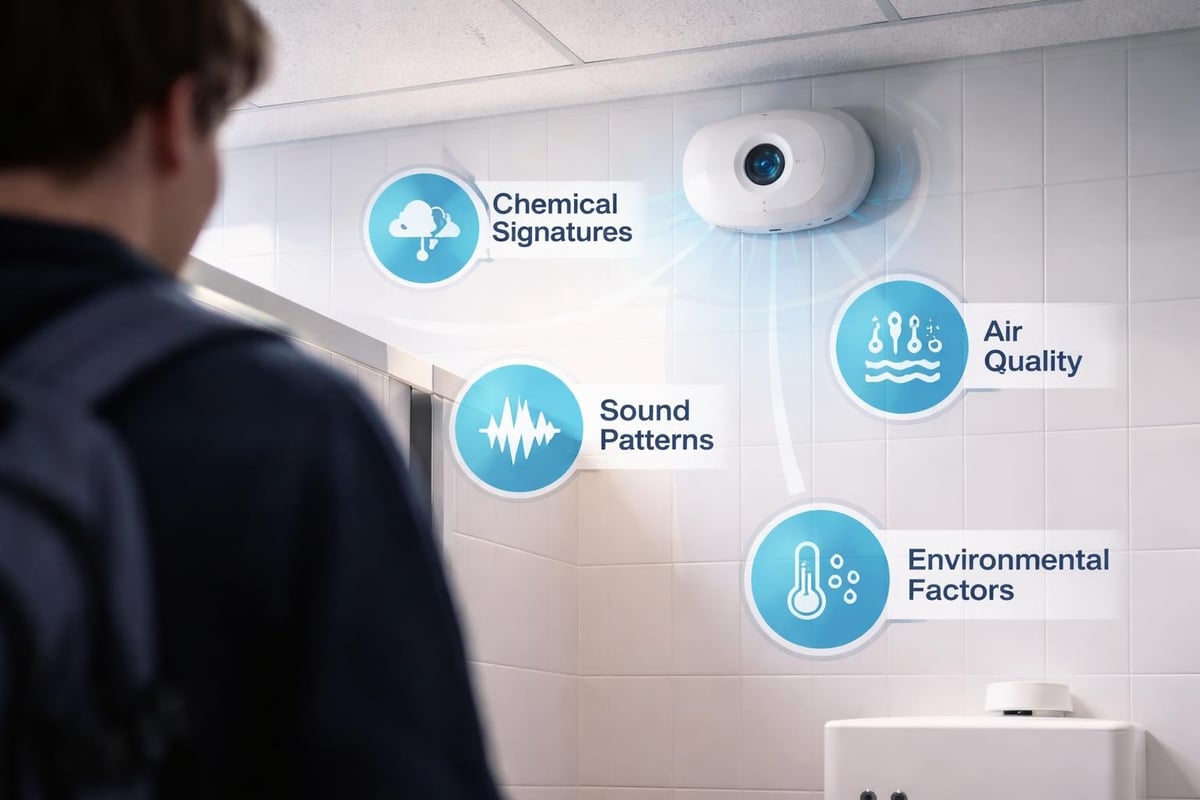
The best vape detector for schools operates as a comprehensive environmental monitoring system rather than a single-purpose device. These systems detect vaping in toilets where traditional supervision proves impractical whilst respecting student privacy by avoiding cameras.
Research from Montgomery County Public Schools demonstrates that properly implemented detection systems reduce vaping incidents by up to 70% within the first academic term. This success stems from the deterrent effect combined with rapid intervention capabilities.
Key Technical Specifications to Evaluate
When assessing different vape detection systems, technical specifications directly impact effectiveness and operational efficiency. Schools should prioritise devices offering multiple detection methods rather than relying solely on particulate sensors.
| Feature | Basic Systems | Advanced Systems | Premium Systems |
|---|---|---|---|
| Vape Detection | Chemical only | Multi-sensor | AI-enhanced |
| Alert Speed | 5-10 minutes | 1-3 minutes | Real-time |
| False Positive Rate | 15-20% | 5-10% | Under 5% |
| Additional Sensors | Limited | Moderate | Comprehensive |
| Integration Options | Standalone | Basic API | Full ecosystem |
The sensitivity calibration determines whether a device becomes a valuable asset or a source of alert fatigue. Systems with adjustable thresholds allow schools to fine-tune detection based on their specific environment and student population.
Essential Features for Educational Environments
The best vape detector for schools must address the unique challenges of educational settings, where balancing student safety with privacy concerns remains paramount. Unlike commercial or hospitality venues, schools require systems that support safeguarding protocols whilst maintaining appropriate boundaries.
Real-Time Alerting and Response Protocols
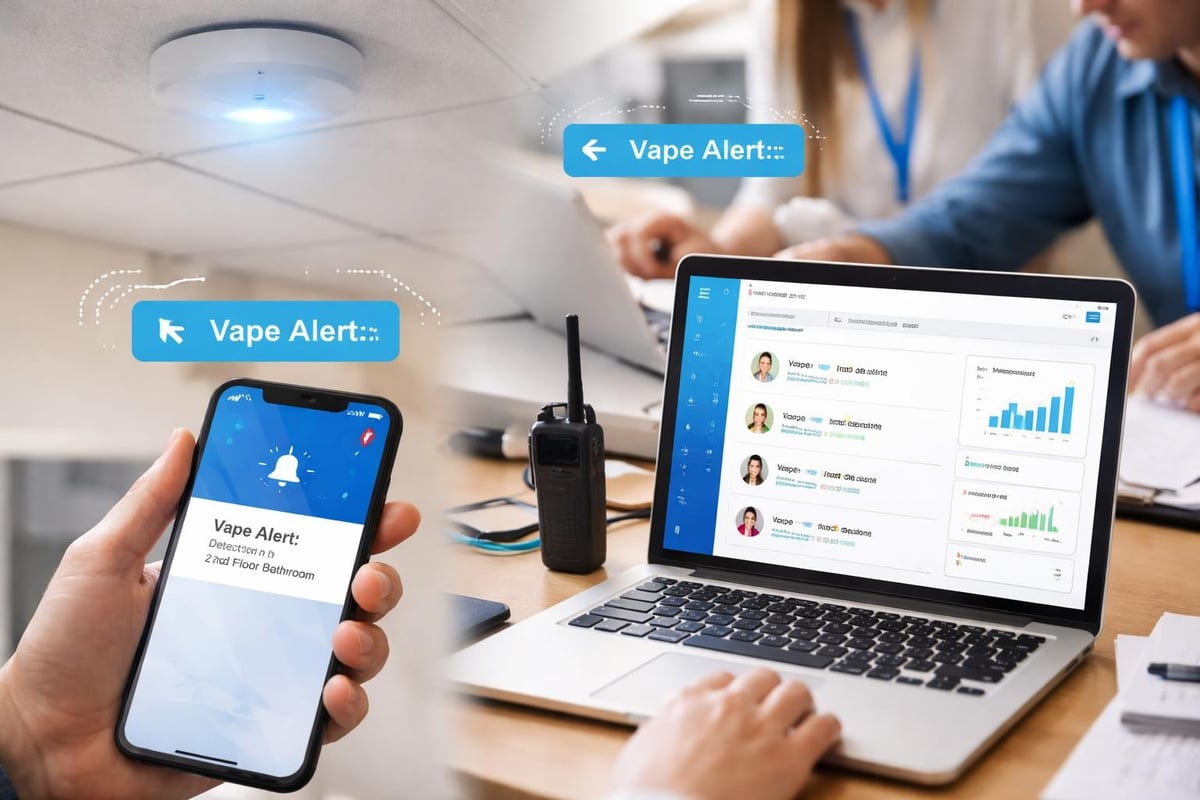
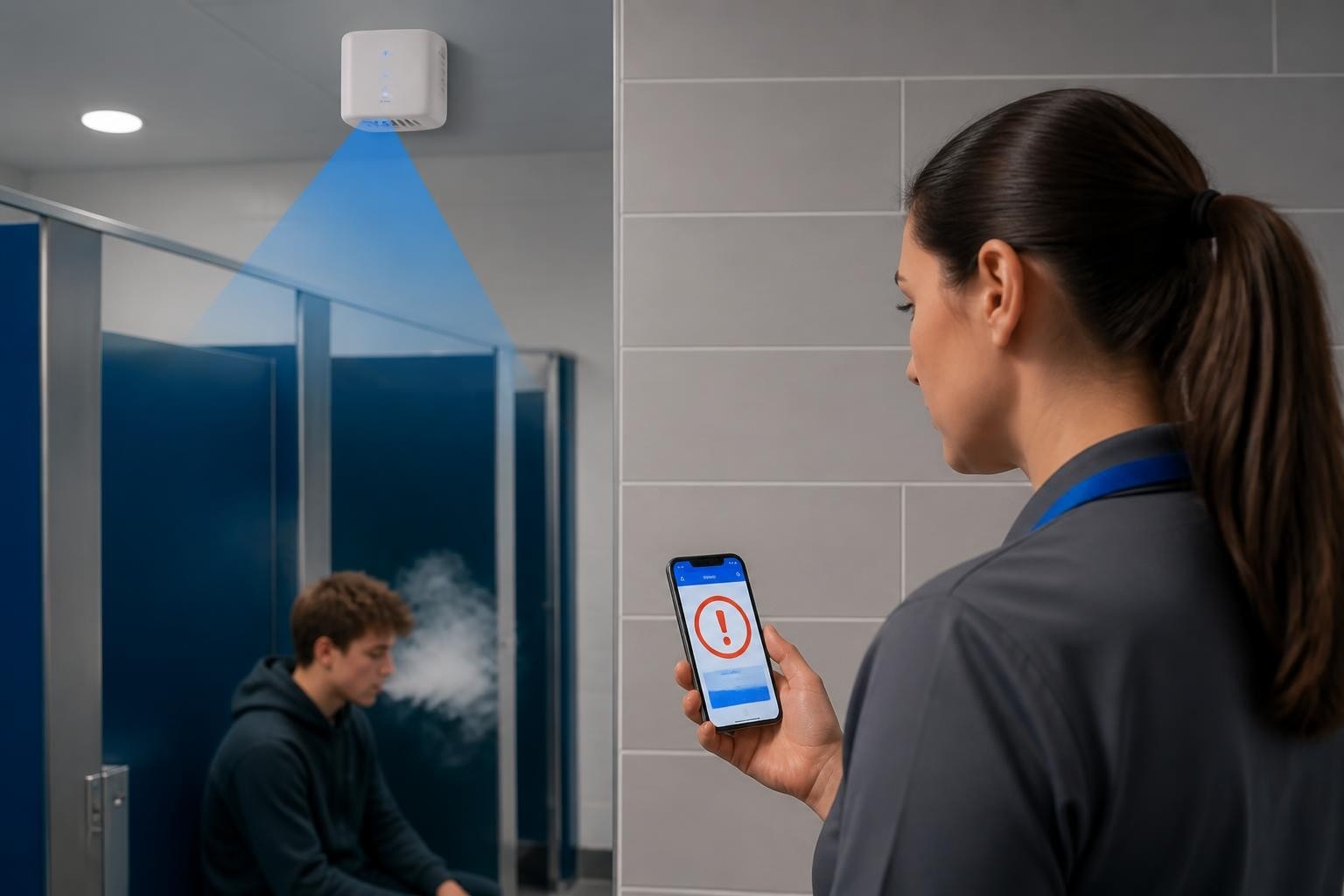
Immediate notification capabilities separate effective systems from inadequate ones. When a device detects vaping, designated staff members should receive alerts within seconds through multiple channels including mobile applications, email notifications, and integration with existing school management systems.
Effective alert systems provide:
- Specific location identification down to individual bathroom or changing room
- Timestamp documentation for incident tracking
- Severity classification to prioritise staff response
- Historical data logging for pattern analysis
- Customisable escalation protocols
Schools implementing comprehensive vape detection technology report improved response times and more consistent enforcement of vape-free policies. The ability to respond within minutes rather than discovering incidents hours later fundamentally changes the effectiveness of intervention strategies.
Integration with Existing Security Infrastructure
Standalone devices offer limited value compared to systems that integrate with schools' broader security and safeguarding frameworks. The best vape detector for schools communicates seamlessly with access control systems, behaviour management platforms, and incident reporting databases.
This integration enables schools to correlate vaping incidents with other behavioural patterns, identify high-risk periods, and allocate supervision resources more effectively. Waterbury schools' implementation of integrated detection systems demonstrates how coordinated approaches yield superior outcomes compared to isolated technological solutions.
Comparing Leading Vape Detection Systems
The marketplace offers numerous options, each with distinct advantages and limitations. Understanding these differences enables informed procurement decisions aligned with specific institutional requirements and budgetary constraints.
Hardware Quality and Durability
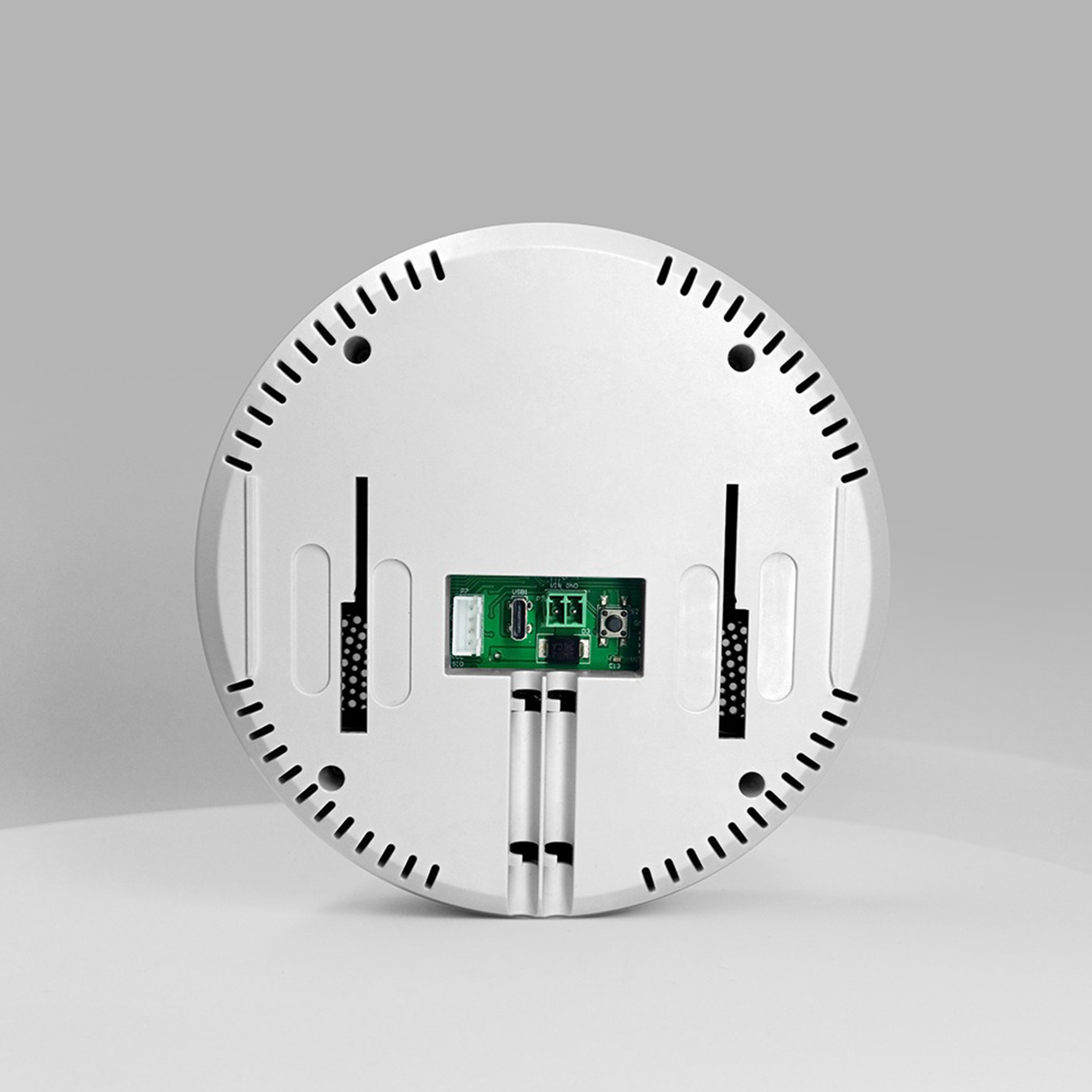
Educational environments demand robust construction capable of withstanding daily exposure to humidity, temperature fluctuations, and potential tampering. Premium systems employ industrial-grade components with IP ratings suitable for bathroom installations.
Material and construction considerations:
- Tamper-resistant housings with alert capabilities
- Moisture-sealed sensor chambers
- Vandal-resistant mounting systems
- Battery backup for power interruptions
- Temperature tolerance ranges
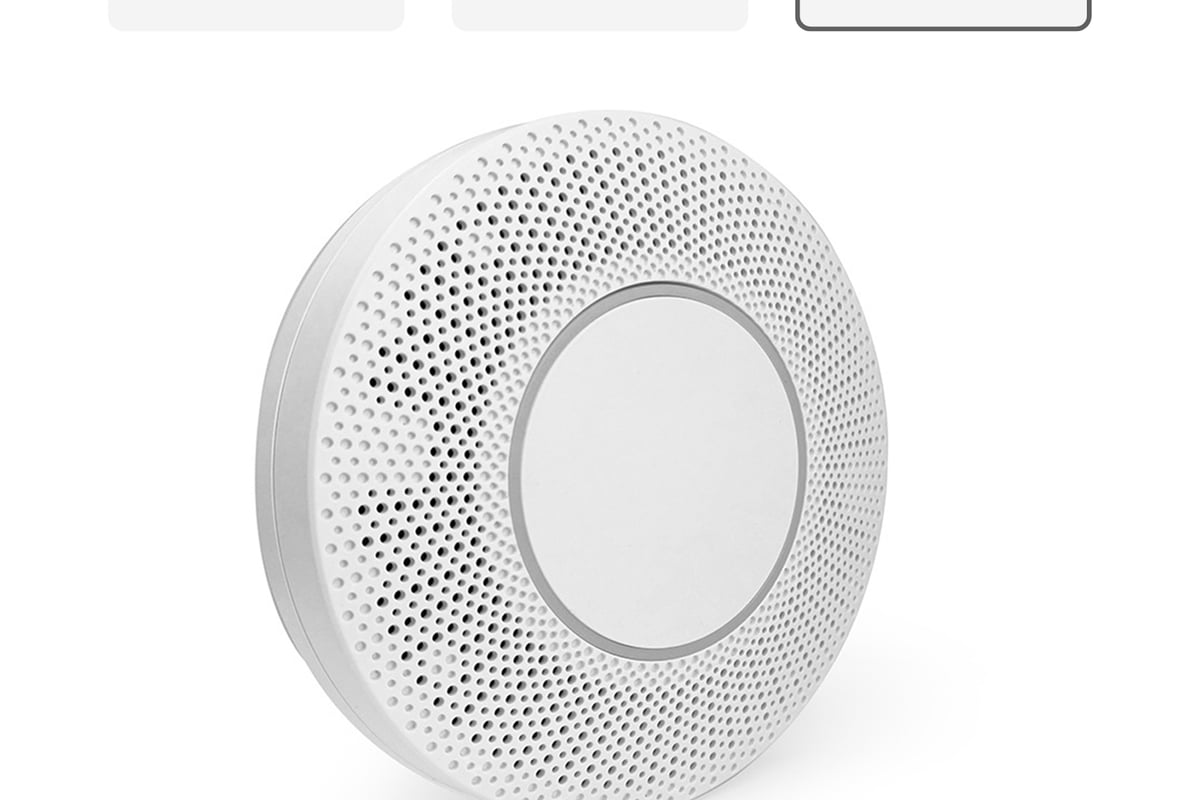
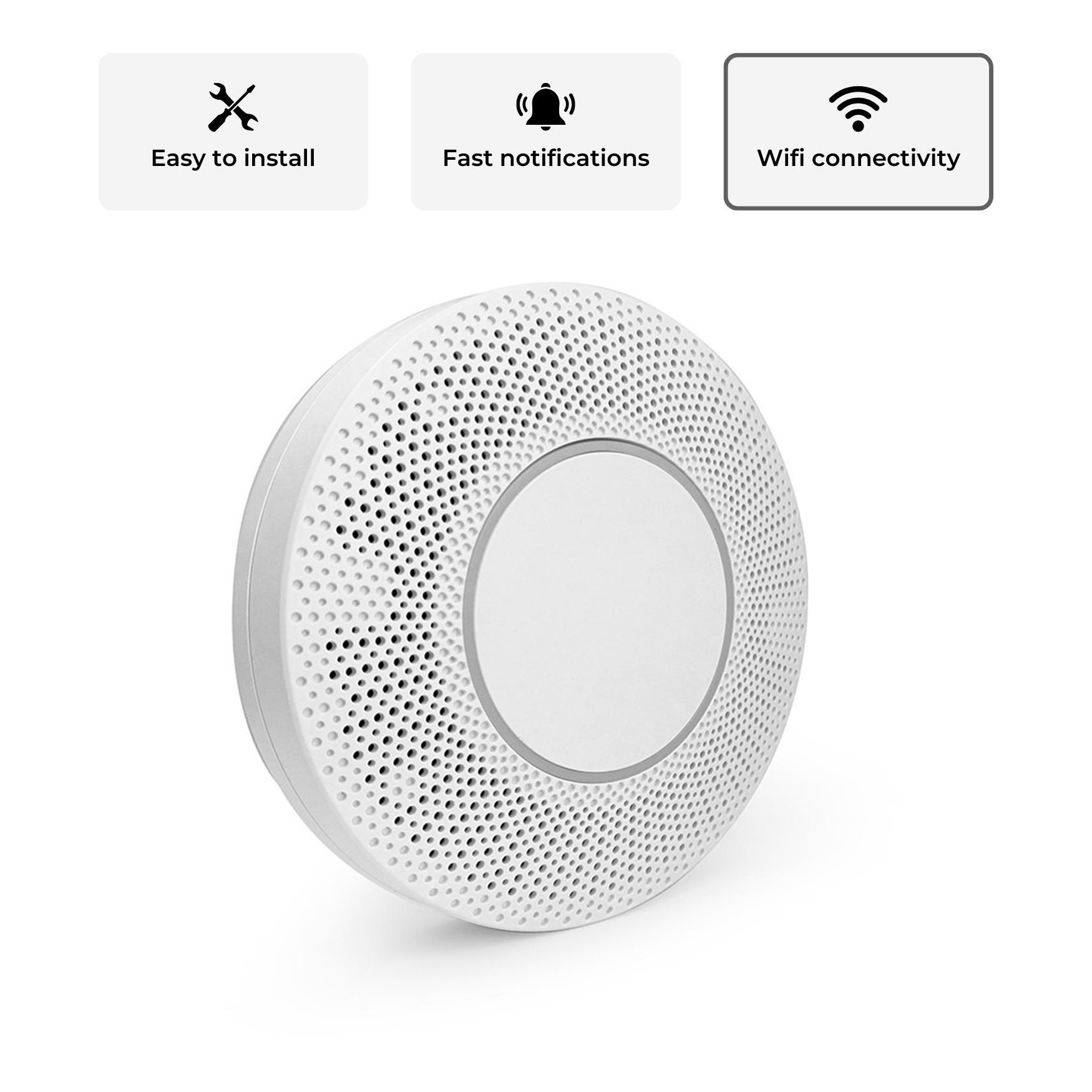
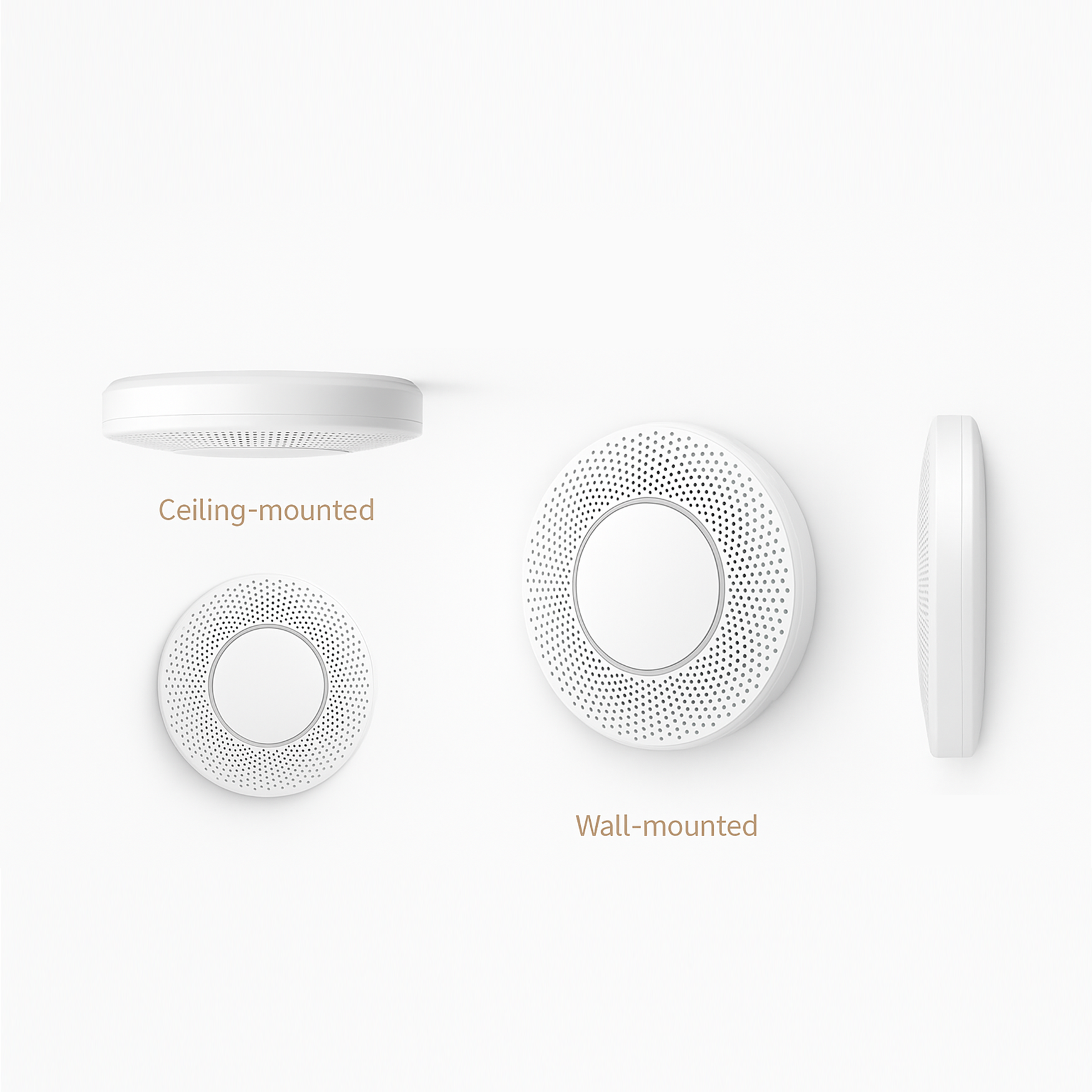
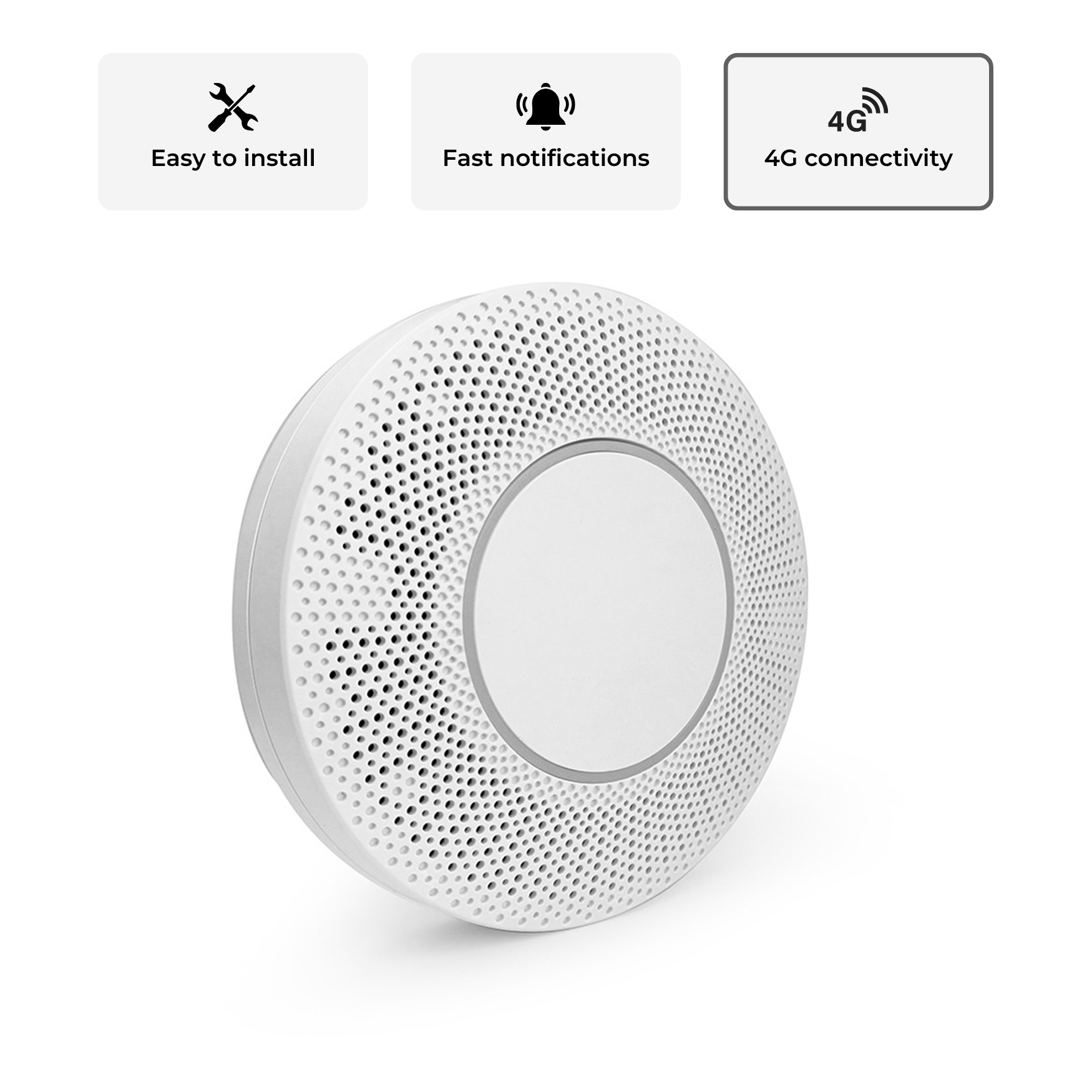
The Vape Detection System exemplifies the integration of hardware durability with sophisticated detection algorithms, offering schools a comprehensive solution that addresses vaping, drug use, and anti-social behaviour through a single platform. This unified approach reduces installation complexity whilst providing broader safeguarding coverage than vape-only systems.
Software Capabilities and User Experience
Hardware excellence means little without intuitive software that staff can operate effectively. The best vape detector for schools features cloud-based management platforms accessible from any device, enabling designated personnel to monitor multiple locations simultaneously.
| Software Feature | Importance Level | Impact on Daily Operations |
|---|---|---|
| Mobile app access | Critical | Enables immediate response from anywhere on campus |
| Custom alert routing | High | Ensures right staff receive relevant notifications |
| Incident analytics | High | Supports evidence-based policy development |
| Remote configuration | Moderate | Simplifies threshold adjustments |
| Multi-site management | Variable | Essential for academy trusts |
Schools managing vape-free policies benefit significantly from software that generates compliance reports, tracks intervention effectiveness, and documents policy enforcement for governance purposes.
Cost Analysis and Return on Investment
Financial considerations extend beyond initial hardware costs to encompass installation, ongoing maintenance, subscription fees, and staff training requirements. Understanding the total cost of ownership enables accurate budget planning and justification to governors or trustees.
Initial Investment Components
The purchase price represents only one element of total system costs. Schools must account for professional installation, network infrastructure upgrades if required, and initial configuration services.
Typical cost breakdown for a medium-sized secondary school:
- Hardware units (10-15 devices): £8,000 to £15,000
- Professional installation: £1,500 to £3,000
- Initial software licences: £1,200 to £2,400 annually
- Staff training: £500 to £1,000
- Network integration: £500 to £2,000
Detailed vape detector cost breakdowns demonstrate that whilst premium systems command higher initial investments, their lower false positive rates and superior detection accuracy often deliver better value over three to five year periods.
Long-Term Value and Measurable Benefits
Return on investment extends beyond financial metrics to encompass improved student health outcomes, reduced disciplinary incidents, and enhanced parental confidence in school safety measures. Schools addressing the growing crisis of underage vaping report measurable improvements in overall campus climate.
Quantifiable benefits include reduced vandalism in bathrooms, decreased cleaning costs from vaping residue, lower staff time spent on reactive discipline, and improved compliance with health and safety regulations. These operational efficiencies often offset system costs within two academic years.
Implementation Best Practices
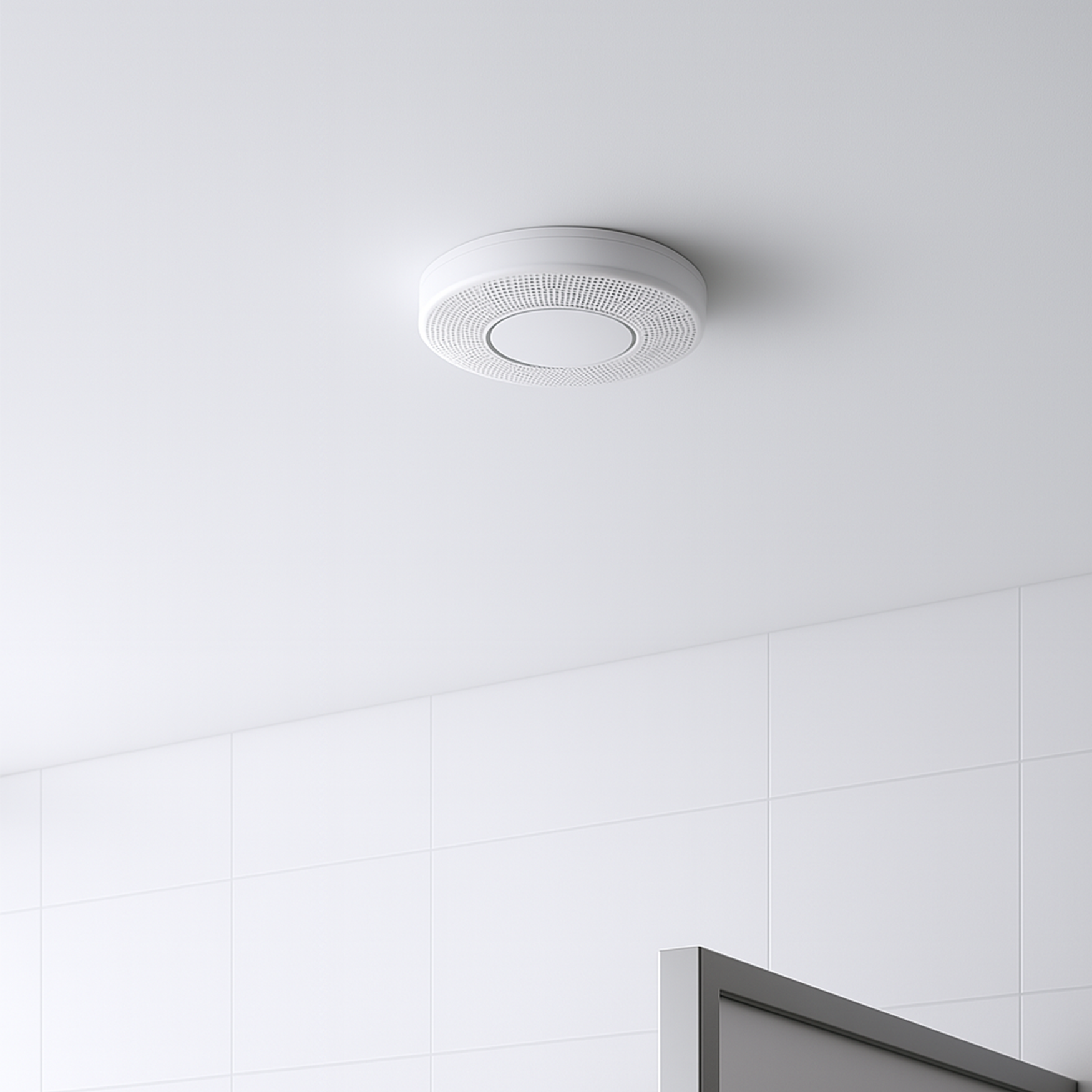
Successful deployment requires strategic planning beyond simply mounting devices on bathroom ceilings. The best vape detector for schools achieves maximum effectiveness when implemented as part of a comprehensive vaping prevention strategy.
Strategic Placement and Coverage Planning
Location selection significantly impacts detection effectiveness and cost efficiency. Schools should prioritise high-risk areas identified through incident data, staff observations, and student surveys whilst ensuring comprehensive coverage of unsupervised spaces.
Recommended placement priorities:
- All student bathroom facilities
- Changing rooms and locker areas
- Stairwells and alcoves with limited visibility
- Outdoor covered areas where students congregate
- Storage rooms and utility spaces
Evidence regarding bathroom effectiveness confirms that properly positioned sensors detect 95% or more of vaping incidents when installed according to manufacturer specifications and environmental conditions are properly calibrated.
Staff Training and Response Protocols
Technology alone cannot address vaping behaviour. Schools require clear protocols defining who responds to alerts, intervention procedures, documentation requirements, and escalation pathways for repeat offenders.
Training programmes should cover device operation, alert interpretation, appropriate student conversations, safeguarding considerations, and data privacy compliance. NPR's coverage of school implementations highlights that consistent enforcement protocols matter more than detection technology specifications.
Privacy Considerations and Legal Compliance
Educational institutions must balance safety objectives with student privacy rights and data protection obligations. The best vape detector for schools incorporates privacy-by-design principles that enable effective monitoring without unnecessary intrusion.
Data Protection and GDPR Compliance
Schools collecting data through detection systems must comply with UK GDPR requirements including lawful basis documentation, data minimisation, retention limits, and transparent privacy notices. Detection systems should collect only essential information rather than comprehensive surveillance data.
Privacy-compliant system characteristics:
- No video or audio recording capabilities
- Anonymous detection alerts without biometric identification
- Encrypted data transmission and storage
- Clear retention policies with automatic deletion
- Transparent communication with students and parents
Understanding irreversible harm warnings helps schools justify detection systems as proportionate responses to genuine health risks whilst maintaining appropriate privacy boundaries.
Communicating with Parents and Students
Transparency builds trust and enhances deterrent effects. Schools should clearly communicate detection system purposes, capabilities, and limitations through assemblies, parent newsletters, and policy documents.
Effective communication emphasises health and safety objectives rather than punitive surveillance, positions technology as one component of comprehensive support systems, and invites dialogue about vaping prevention strategies. This approach aligns with guidance from the American Heart Association on addressing youth vaping epidemics.
Maintenance Requirements and Ongoing Support
Long-term effectiveness depends on regular maintenance, software updates, and responsive technical support. Schools should evaluate vendor support capabilities as carefully as hardware specifications when selecting the best vape detector for schools.
Routine Maintenance Protocols
Detection accuracy degrades without proper maintenance. Sensors require periodic calibration, cleaning, and firmware updates to maintain optimal performance throughout their operational lifespan.
| Maintenance Task | Frequency | Estimated Time |
|---|---|---|
| Sensor cleaning | Monthly | 15 minutes per unit |
| Calibration checks | Quarterly | 30 minutes per unit |
| Firmware updates | As released | 10 minutes per unit |
| Battery replacement | Annually | 20 minutes per unit |
| Full system audit | Annually | Half day |
Schools lacking internal technical expertise should prioritise vendors offering maintenance packages or service agreements. Dearborn's implementation experience demonstrates that consistent maintenance schedules correlate strongly with sustained detection effectiveness.
Vendor Support and System Upgrades
Technology evolves rapidly, and vaping methods change as new devices enter the market. The best vape detector for schools comes from vendors committed to ongoing development, regular software updates, and responsive customer support.
Evaluate vendor stability, UK-based support availability, response time guarantees, and upgrade policies before committing to multi-year contracts. Schools benefit from partners who actively monitor vaping trends and adjust detection algorithms accordingly.
Future Trends in School Vaping Detection
The vaping detection landscape continues evolving as artificial intelligence, machine learning, and sensor miniaturisation create new capabilities. Forward-thinking schools should consider how current investments align with emerging technologies.
Artificial Intelligence and Predictive Analytics
Next-generation systems employ AI algorithms that learn from historical data to predict high-risk times and locations, reducing false positives whilst improving detection sensitivity. These systems identify patterns invisible to human administrators, enabling proactive rather than purely reactive interventions.
Emerging AI capabilities include:
- Behavioural pattern recognition across multiple data points
- Automatic threshold adjustment based on environmental conditions
- Predictive alerts for high-risk periods
- Integration with student wellbeing monitoring systems
- Natural language processing for incident report analysis
Schools investing in the best vape detector for schools should verify that chosen systems support future AI integration through software updates rather than requiring complete hardware replacement.
Expanded Detection Capabilities
Modern systems increasingly detect substances beyond traditional nicotine vaping, including THC, synthetic cannabinoids, and other drug-related aerosols. This expanded capability aligns with comprehensive approaches to addressing substance use in educational environments.
Multi-hazard detection transforms single-purpose vaping sensors into comprehensive safety platforms monitoring air quality, aggressive behaviour through sound analysis, and environmental hazards. This consolidation delivers better value whilst reducing the number of distinct systems requiring management.
Selecting the best vape detector for schools requires balancing technical capabilities, cost considerations, privacy obligations, and long-term support requirements to create safer learning environments. Schools that invest in comprehensive detection systems as part of broader safeguarding strategies achieve the most significant reductions in vaping incidents whilst supporting student wellbeing. Vape Guardian provides advanced solutions designed specifically for UK educational institutions, combining sophisticated detection technology with responsive support and competitive pricing to help schools protect students effectively. Discover how our systems can support your vape-free policy objectives and create healthier school environments.

Share:
Vape Detector With App Alerts: Real-Time Monitoring
Anti Vaping System for Schools: Complete Guide 2026