
Vaping incidents have surged by over 30 percent in UK schools and workplaces since 2024, making proactive detection critical in 2026. As vaping devices become more discreet and regulations tighten, the need for real-time vape alerts has never been greater. Organisations must act quickly to stay ahead of evolving trends and ensure compliance.
This guide explores how real-time vape alerts can help you safeguard your environment with instant notifications, advanced technology, and data-driven intervention. Discover how to implement, maintain, and future-proof your approach for a safer, healthier space in any setting.
The Evolution of Vape Detection: Why Real-Time Alerts Matter in 2026
The landscape of vaping has shifted dramatically in recent years. In 2026, the visibility and frequency of vaping in schools, offices, and public venues have become a significant concern. As vaping devices evolve, so do the challenges in detecting and managing their use.

Growing prevalence of vaping in schools, offices, and public spaces
Vaping is no longer limited to hidden corners. It is now seen in classrooms, staff rooms, retail outlets, and recreational centres. The rise in vaping among young people and adults has led to increased health risks and policy breaches. Facilities managers and school leaders are under pressure to address this trend quickly and effectively.
Limitations of traditional vape detection methods and delayed response
Traditional vape detection systems, such as manual checks or basic smoke alarms, are often ineffective. These methods fail to provide instant feedback, leading to delayed interventions and missed incidents. Without real-time vape alerts, enforcement teams cannot respond promptly, allowing issues to escalate unnoticed.
- Manual inspections are time-consuming
- Standard alarms cannot distinguish vaping from other aerosols
- Incident reporting is often reactive instead of proactive
The impact of real-time alerts on incident reduction and safety
The introduction of real-time vape alerts has transformed safety protocols. Immediate notifications enable staff to intervene before incidents escalate. Studies show that facilities equipped with modern alert systems experience a significant reduction in vaping-related breaches. Rapid action not only curbs usage but also fosters a culture of accountability.
Regulatory landscape and increasing compliance requirements in 2026
By 2026, new regulations have tightened the expectations for indoor air quality and safety. Organisations are now required to prove that they are taking active measures to detect and prevent vaping. Real-time vape alerts help institutions meet these requirements by providing documented evidence of compliance and swift response.
Case studies showcasing significant reductions in vaping incidents with real-time systems (e.g. up to 95% reduction in schools)
Schools and businesses that have adopted real-time vape alerts report dramatic improvements. For example, some educational institutions have seen vaping incidents drop by up to 95 percent within weeks of implementation. For more real-world examples and data, see these Vape Guardian case studies.
| Environment | Incident Reduction (%) | Timeframe |
|---|---|---|
| Secondary School | 95 | 4 weeks |
| Office Building | 80 | 2 months |
| Leisure Centre | 85 | 6 weeks |
Data-driven decision making: leveraging instant alerts for faster intervention
Real-time vape alerts deliver actionable data directly to facility managers and safeguarding staff. With instant access to location-specific information, leaders can make informed decisions and adjust policies as needed. This data-driven approach minimises guesswork and ensures that interventions are accurate and timely.
Examples of environments benefiting from real-time vape detection (education, leisure, retail, offices)
Various settings have seen measurable benefits from real-time vape alerts:
- Schools improve student wellbeing and policy adherence
- Offices maintain a healthier work environment
- Retailers protect customers and staff
- Leisure venues reduce liability and improve air quality
Each environment tailors the system to its unique needs, ensuring effective coverage and response.
Key arguments: necessity of immediate action, safeguarding health, and supporting policy enforcement
Immediate action is crucial for maintaining safe and compliant environments. Real-time vape alerts empower organisations to safeguard health, enforce policies, and protect reputations. By staying ahead of vaping trends, leaders demonstrate their commitment to safety and wellbeing for all occupants.
How Real-Time Vape Alerts Work: Technology and Mechanisms Explained
Understanding how real-time vape alerts operate is crucial for anyone aiming to create safer, compliant environments in 2026. These systems combine advanced hardware, intelligent software, and seamless connectivity to deliver rapid, actionable information. By leveraging modern detection and alerting technologies, organisations can respond to vaping incidents instantly, minimising risk and supporting regulatory compliance.
Core Components of Real-Time Vape Alert Systems
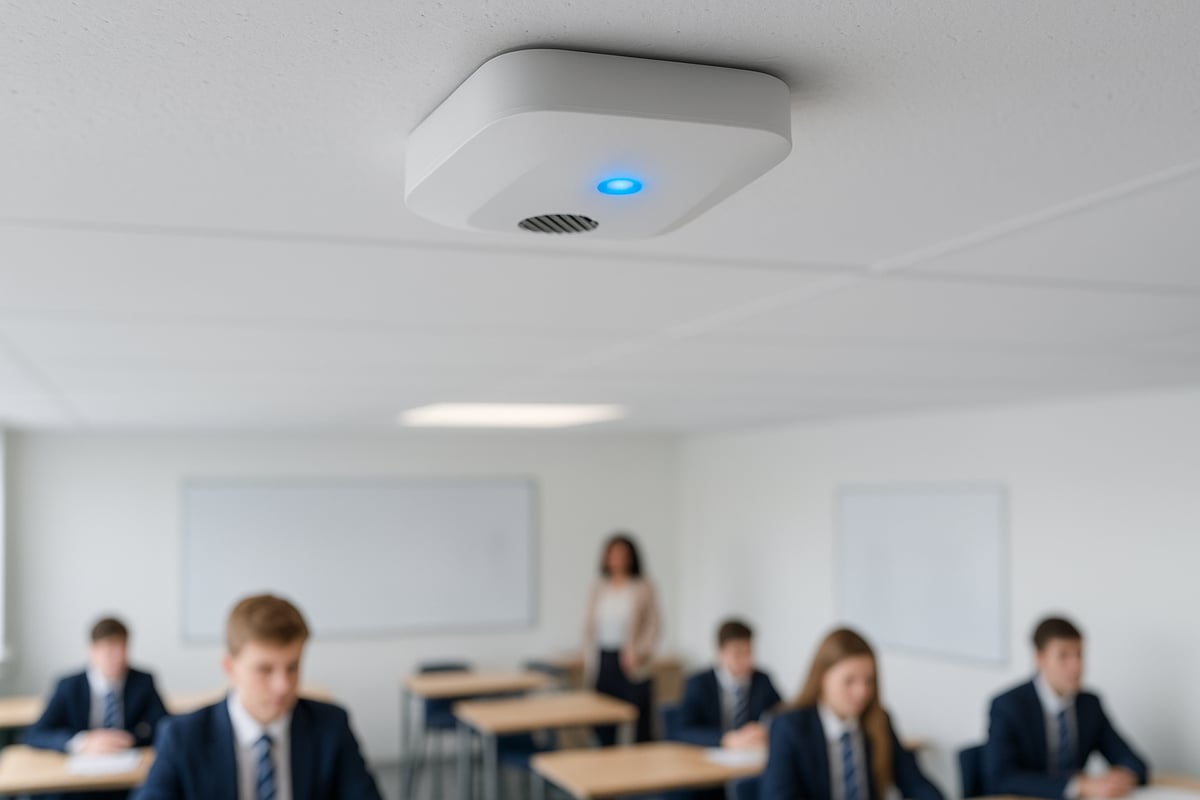
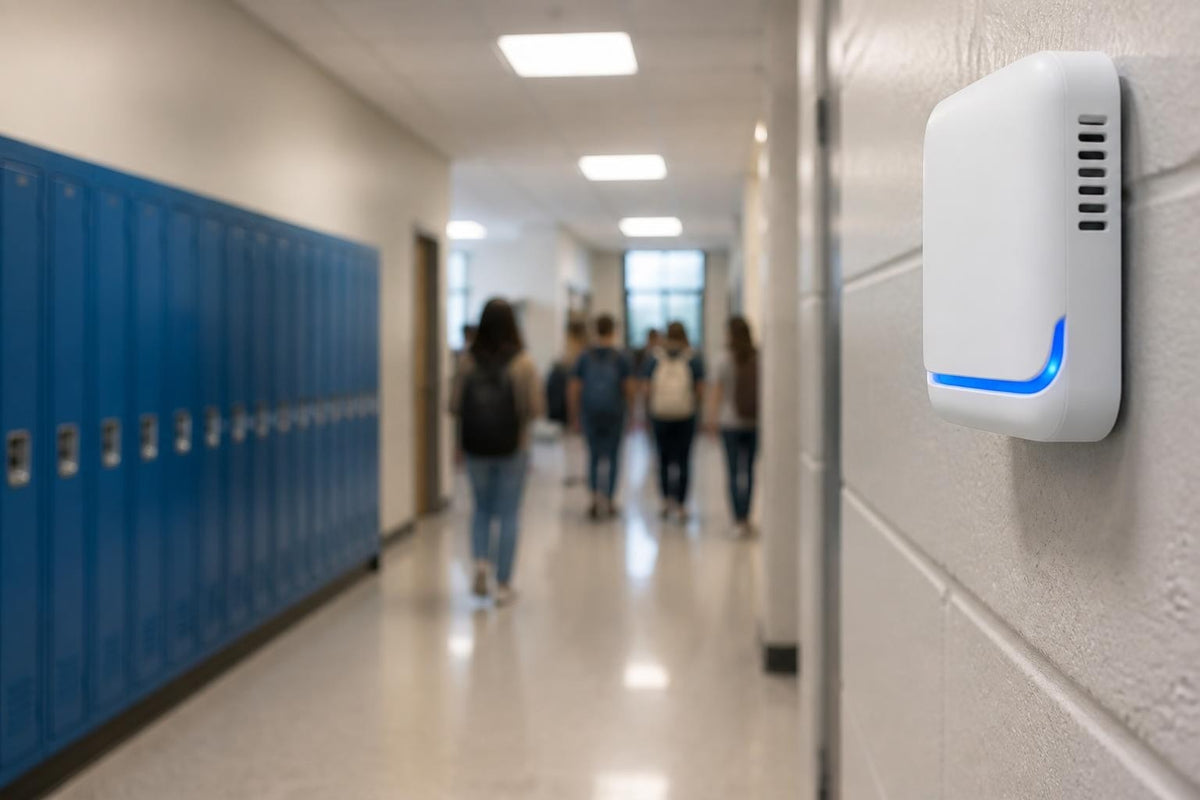
At the heart of real-time vape alerts are three essential components: sensors, connectivity modules, and notification platforms. The sensors are designed to detect specific chemical signatures associated with vaping. Connectivity modules ensure these sensors remain in constant communication with central servers or cloud platforms. Notification platforms then deliver instant alerts to designated staff, enabling a rapid response.
These components work together to provide real-time vape alerts, ensuring that organisations can act before issues escalate. The modular nature of these systems allows for flexible deployment in diverse settings, from classrooms to retail spaces.
Advanced Detection Capabilities
Modern real-time vape alerts are more than simple smoke detectors. They can identify a wide range of substances, including vape aerosols, THC, synthetic cannabinoids, and other illicit compounds. This multi-substance detection is possible thanks to sophisticated sensor arrays and finely tuned calibration.
By capturing even trace amounts of airborne particulates, real-time vape alerts deliver highly sensitive and reliable results. This capability is vital in environments where rapid detection of banned substances is critical for health and safety.
AI-Powered Analytics for Enhanced Accuracy
One of the biggest leaps forward in real-time vape alerts is the integration of AI-powered analytics. These systems analyse sensor data in real time, using machine learning algorithms to distinguish between harmless environmental changes and genuine vaping incidents.
AI reduces false positives by learning from historical data and adapting to each environment. This means staff are only alerted when a true vaping event occurs, saving time and reducing unnecessary disruptions. Enhanced detection accuracy is foundational to the effectiveness of real-time vape alerts.
Multi-Channel Notification Platforms
Once a vaping incident is detected, real-time vape alerts leverage multiple notification channels to ensure the right people are informed instantly. Alerts can be sent through mobile apps, email notifications, on-site audio or visual alarms, and direct integration with facility management systems.
This multi-channel approach guarantees that no alert goes unnoticed, regardless of the size or complexity of the organisation. By providing real-time vape alerts through diverse platforms, response times are dramatically improved.
Seamless Installation and Maintenance
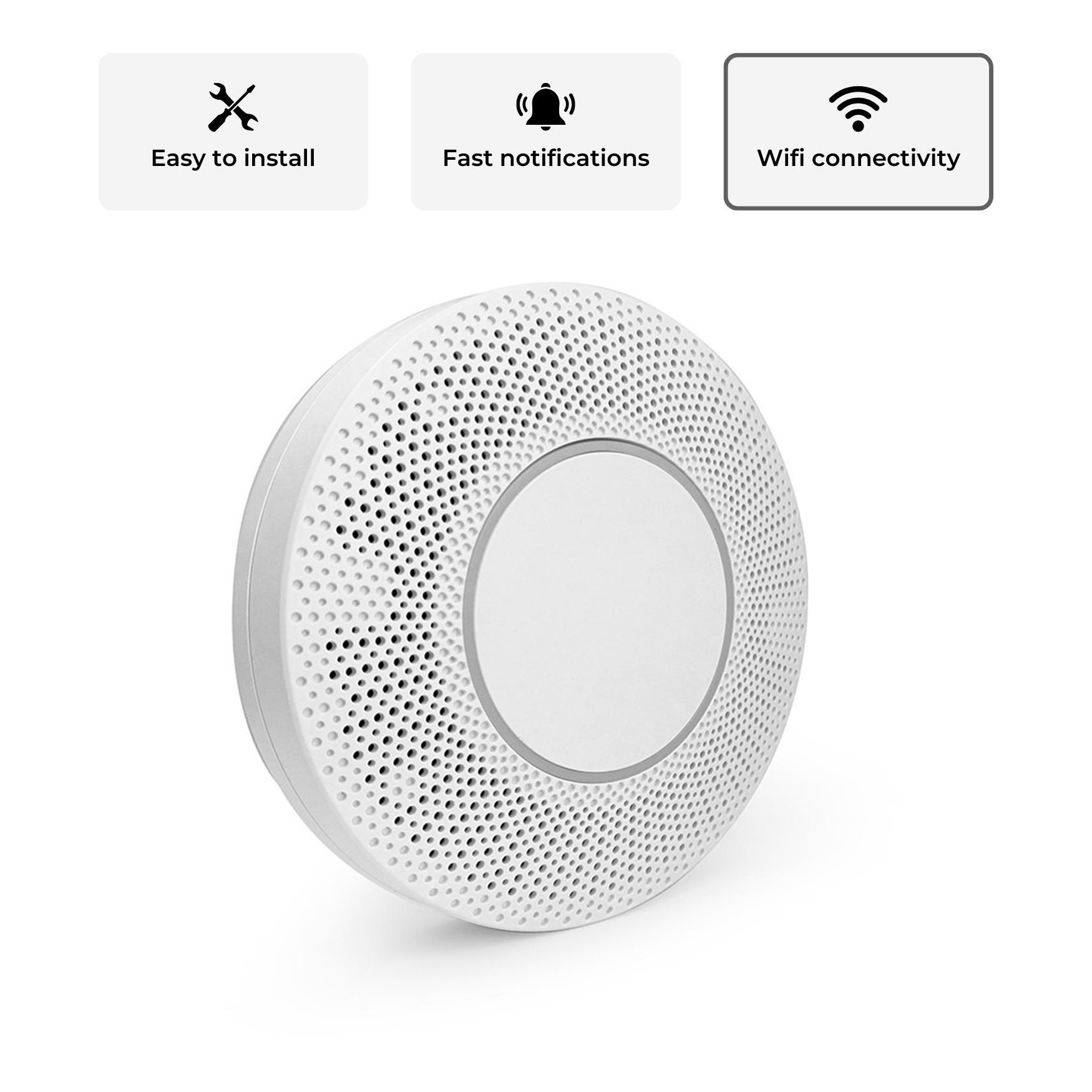
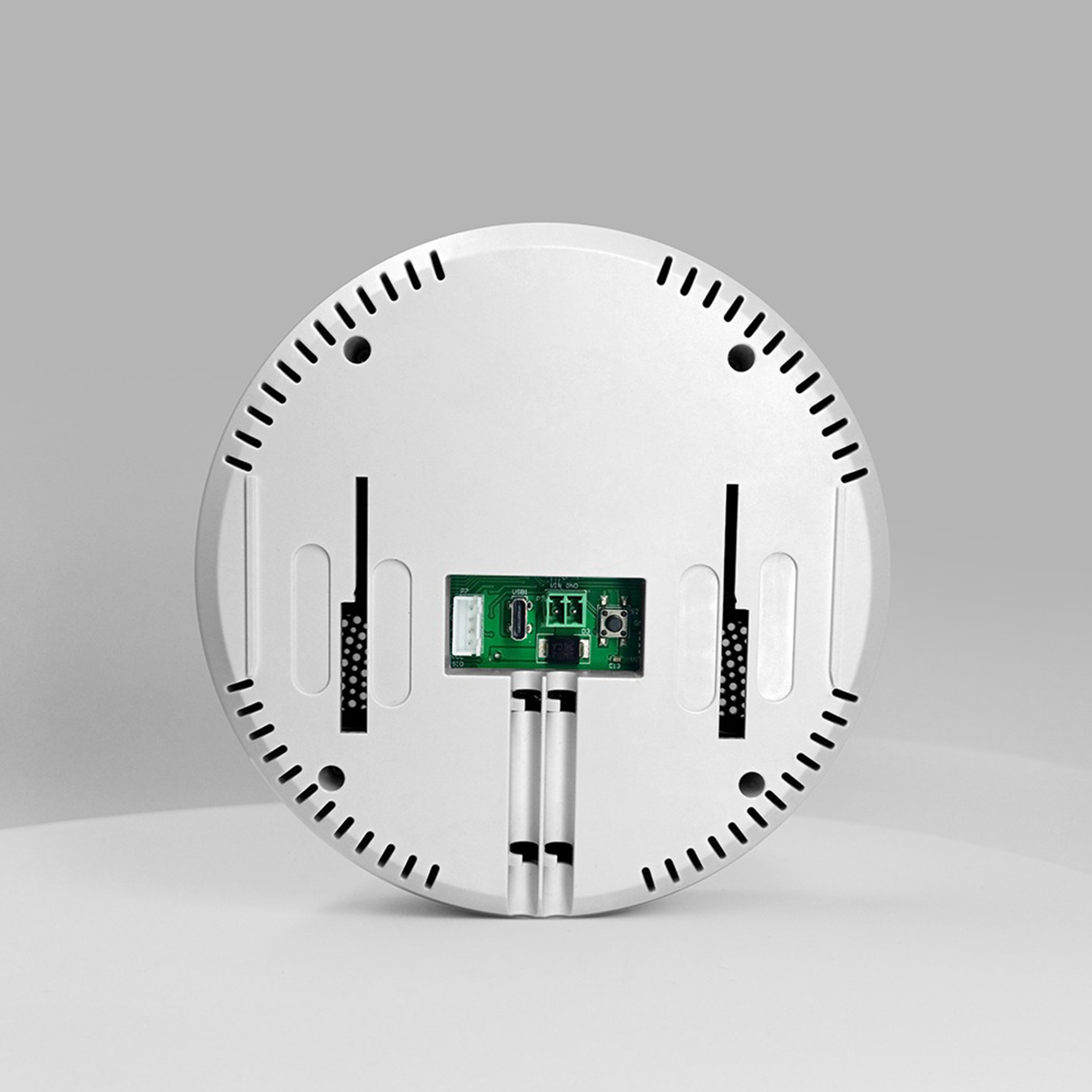
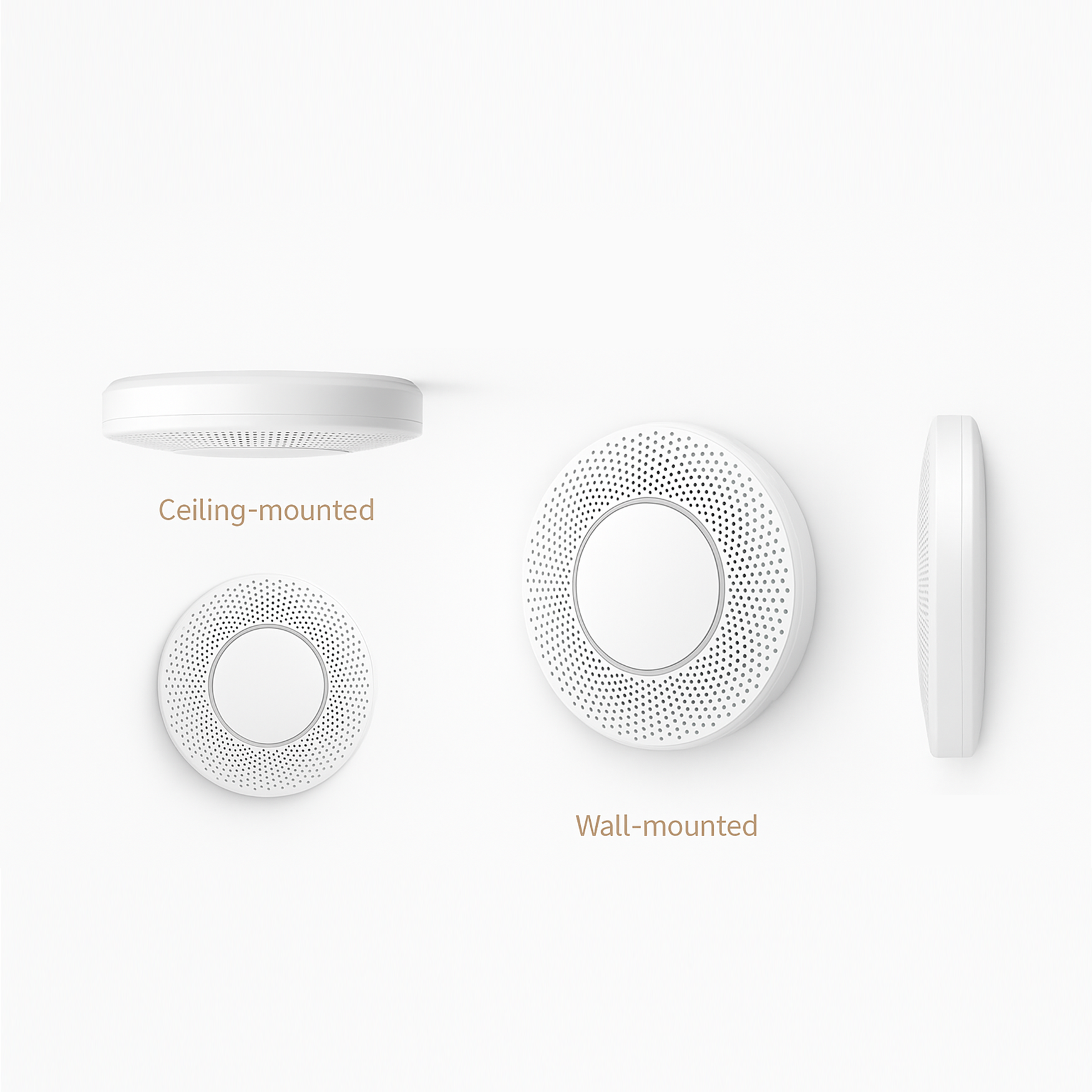
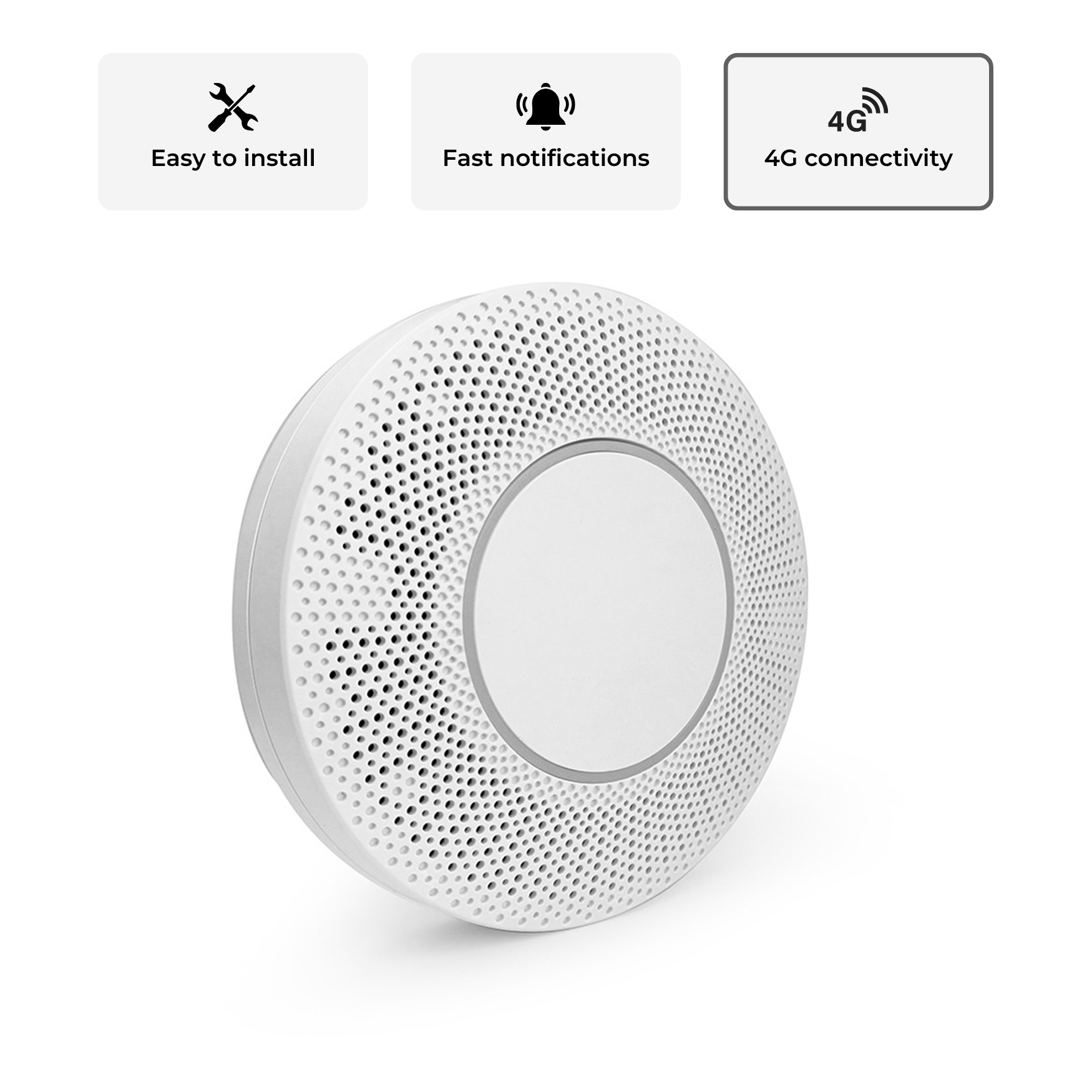
Ease of installation is a defining feature of modern real-time vape alerts. Most systems are designed for plug-and-play deployment, with sensors that can be mounted on ceilings or walls and connected to existing IT infrastructure. Wireless connectivity options further simplify setup.
Maintenance is typically minimal, with remote diagnostics and software updates delivered automatically. This ensures real-time vape alerts remain operational and up to date, even in large or multi-site organisations.
Privacy and Security Considerations
With the increasing use of real-time vape alerts, data privacy and security have become top priorities. These systems collect and transmit sensitive information, so robust encryption and strict access controls are essential.
Organisations must ensure that all data captured by real-time vape alerts is processed in compliance with relevant privacy regulations. Features such as anonymised reporting and audit logs help maintain trust and transparency, especially in environments with young people or vulnerable individuals.
Technology Comparison Table
Selecting the right real-time vape alerts system involves comparing key features such as detection range, substance identification, and integration capabilities. Below is a summary table illustrating how different systems measure up:
| Feature | System A | System B | System C |
|---|---|---|---|
| Vape Aerosol Detection | Yes | Yes | Yes |
| THC Detection | Yes | No | Yes |
| AI Analytics | Advanced | Basic | Advanced |
| Notification Channels | Multi-channel | Email only | Multi-channel |
| Installation | Plug and play | Wired only | Plug and play |
For a comprehensive breakdown of leading technologies and their effectiveness, visit the Comparison guide: Vape Guardian vs competitors.
Real-World Success Stories
Real-time vape alerts have already demonstrated significant impact in various environments. For example, schools using these systems have reported up to 95 percent reductions in vaping incidents within weeks of installation. In retail and office settings, real-time vape alerts have helped enforce policies discreetly without disrupting normal operations.
By providing instant, actionable information, these systems prevent escalation and support a culture of safety and compliance. The proven effectiveness of real-time vape alerts makes them an essential tool for any organisation facing vaping challenges.
Step-by-Step Guide: Implementing Real-Time Vape Alerts in Your Organisation
Implementing real-time vape alerts in your organisation requires a structured approach. By breaking the process into clear steps, you can maximise the system’s effectiveness and ensure ongoing compliance. Below is a comprehensive guide to help you create a safer, vape-free environment.
Assessing your environment: identifying high risk areas and monitoring needs
Begin by evaluating your facility to identify areas at the greatest risk for vaping incidents. Common hotspots include restrooms, changing rooms, stairwells, and secluded corridors. In educational settings, consider student gathering points and less supervised spaces.
Map out these areas and prioritise them for sensor placement. The effectiveness of real-time vape alerts depends on accurately targeting locations where vaping is most likely to occur. Consult with staff or occupants to gain insights on incident patterns and blind spots.
Review past incident reports, if available, to inform your risk assessment. A thorough understanding of your environment ensures the alert system delivers maximum value.
Selecting the right vape alert system: evaluation criteria and feature checklist
Choosing the right system is critical for successful implementation. Look for solutions that offer multi substance detection, robust connectivity, and seamless integration with your existing infrastructure.
Key features to consider:
- Real-time vape alerts with minimal latency
- Detection of aerosols, THC, and synthetic cannabinoids
- AI analytics to reduce false positives
- Notification options (mobile, email, on site)
- Reporting and analytics dashboard
- Data privacy and security compliance
- Easy installation and ongoing support
Use a table to compare vendor offerings:
| Feature | Vendor A | Vendor B | Vendor C |
|---|---|---|---|
| Real-time alerts | Yes | Yes | Yes |
| Multi substance | Yes | No | Yes |
| AI analytics | Yes | Yes | No |
| Mobile notifications | Yes | Yes | Yes |
| UK support | Yes | No | No |
Assess your budget and future scalability needs. The right real-time vape alerts solution should fit both your current requirements and longer term goals.
Installation process: preparing the site, deploying sensors, and system integration
Once you have selected a system, plan the installation process carefully. Begin by preparing the chosen sites, ensuring ceilings or walls are accessible for sensor mounting.
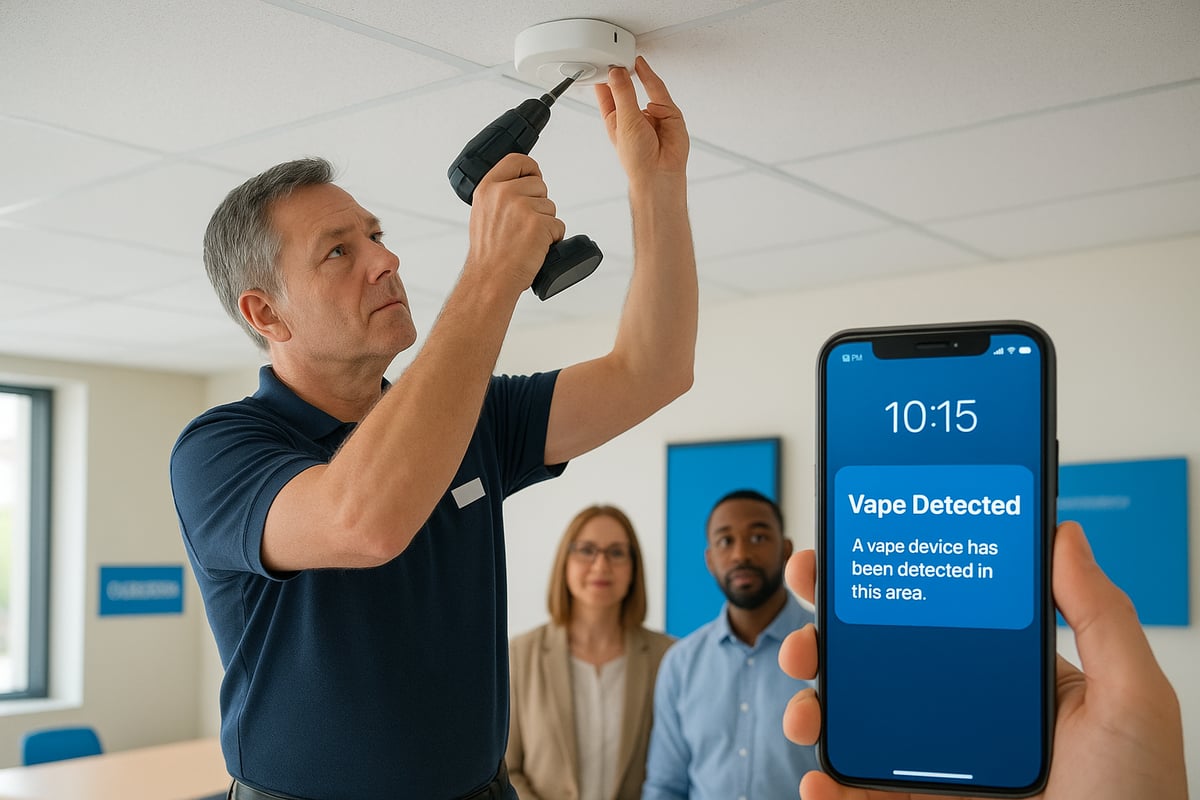
Coordinate with IT or facilities teams to check power supply, internet connectivity, and compatibility with any building management systems. Install sensors according to manufacturer guidelines, spacing them to cover all high risk areas effectively.
Integrate the system with your organisation’s notification platforms and reporting tools. Test each sensor’s detection capability before full deployment to confirm optimal performance.
Configuring notifications and response protocols for staff and administrators
Set up notification channels so that key personnel receive instant alerts when vaping is detected. Options typically include mobile apps, SMS, email, and onsite alarms. Define clear response protocols, including who is responsible for investigating and how incidents are logged.
Refer to Best practice for handling vaping alerts for detailed guidance on designing response workflows and ensuring timely action. Real-time vape alerts are most effective when paired with a robust procedure for addressing incidents as they happen.
Document these protocols and share them with all relevant staff to maintain consistency and accountability.
Staff training and awareness: ensuring effective use and rapid response
Effective implementation requires comprehensive training. Educate staff on how the real-time vape alerts system works, how to interpret notifications, and the correct steps to follow when an incident occurs.
Provide hands on demonstrations and written resources. Encourage questions to address any uncertainties. Reinforce the importance of prompt action, and remind staff of the organisation’s commitment to a healthy, compliant environment.
Regular refresher sessions keep everyone updated on system updates and policy changes. Well trained staff are key to maximising the benefits of real-time vape alerts.
Ongoing monitoring: reviewing incident data, adjusting thresholds, and system maintenance
Continuous monitoring ensures your system remains effective over time. Review incident data regularly to identify trends, repeat offenders, or new hotspots. Use analytics tools to adjust detection thresholds and notification settings based on evolving needs.
Schedule routine maintenance checks for all sensors, including software updates and hardware inspections. Address technical issues promptly to prevent lapses in coverage.
Ongoing analysis and adjustment help you stay ahead of changing vaping behaviours and maintain the integrity of your real-time vape alerts.
Engaging stakeholders: communicating goals and progress with staff, students, or occupants
Transparent communication builds trust and support for your vaping prevention strategy. Share your goals for deploying real-time vape alerts with all stakeholders, including staff, students, or building occupants.
Host information sessions or send regular updates about system performance and impact. Use feedback channels to address concerns or suggestions.
Highlighting positive outcomes, such as reductions in incidents or improved air quality, reinforces the value of your efforts and encourages ongoing cooperation.
Measuring impact: tracking reductions in incidents and improvements in air quality
Establish clear metrics to evaluate the success of your implementation. Track the number of vaping incidents before and after deployment, and monitor improvements in indoor air quality.
Prepare regular reports for leadership or regulatory bodies to demonstrate compliance and progress. Use these insights to inform future decisions, such as expanding coverage or refining protocols.
Measuring outcomes ensures your real-time vape alerts programme delivers measurable benefits and supports a safer, healthier environment.
Compliance, Privacy, and Ethical Considerations for Vape Alert Systems
Ensuring compliance, privacy, and ethical standards is central to the successful deployment of real-time vape alerts. As these systems become more widespread, organisations must navigate a complex landscape of legal obligations, data protection requirements, and public scrutiny.
Legal Requirements and Reporting Obligations
By 2026, legislation governing vape detection has become more robust. Organisations using real-time vape alerts must adhere to laws that mandate prompt reporting of vaping incidents, especially in educational and commercial environments. These regulations require accurate record-keeping, transparent notification protocols, and clear responsibilities for incident response.
Considerations include:
- Documenting each alert and response for audit trails
- Notifying relevant authorities or guardians in accordance with local policies
- Ensuring that all staff are aware of their legal duties
Failing to follow these requirements can result in penalties, reputational risks, and, most importantly, a loss of trust from those the organisation aims to protect.
Privacy, Data Handling, and Transparency
The deployment of real-time vape alerts raises significant questions about privacy. As these systems often collect data on location, timing, and frequency of incidents, it is vital to handle information responsibly. Under GDPR and related UK regulations, organisations must secure explicit consent where required, minimise data collection, and ensure secure storage.
Common privacy measures include:
- Anonymising incident data where possible
- Limiting access to sensitive information to authorised personnel
- Regularly reviewing data retention policies
Transparency is equally important. Communicating the purpose and scope of real-time vape alerts to staff, students, or the public helps address concerns and fosters trust. Some privacy advocates have raised questions about the expansion of such technologies in schools, as highlighted in the Unproven Vape Detection Tech Expands Surveillance in Schools, Threatening Privacy article, making it crucial to balance safety with individual rights.
Policies, Compliance, and Best Practice
To ensure compliance with both UK and international requirements, organisations should develop clear policies for the use of real-time vape alerts. These policies must reflect GDPR principles, safeguarding obligations, and any sector-specific regulations. Best practices include creating incident response procedures, providing regular staff training, and conducting routine audits of system use.
A summary of compliance priorities is shown below:
| Compliance Area | Key Actions | Example Practice |
|---|---|---|
| Legal Reporting | Notify authorities, maintain records | Automated alert logs |
| Data Privacy | Anonymise, limit access, secure storage | Encrypted databases |
| User Transparency | Inform stakeholders, provide opt-out options | Parent and staff briefings |
| Ethical Deployment | Regular audits, stakeholder feedback | Annual privacy impact assessments |
Educational settings are leading the way in compliant adoption of real-time vape alerts. For instance, Vape detectors for education environments demonstrate how tailored solutions can support safeguarding policies while respecting privacy.
Addressing Stakeholder Concerns
Open dialogue with staff, students, and the public is essential when implementing real-time vape alerts. Addressing questions about surveillance, data use, and ethical boundaries helps prevent misunderstandings and resistance. Organisations should provide clear points of contact for feedback and ensure regular reviews of their approach.
Ethical Recommendations
Ultimately, the ethical deployment of real-time vape alerts depends on a commitment to transparency, fairness, and respect for individual rights. By following legal requirements, prioritising privacy, and engaging stakeholders, organisations can create safer, more supportive environments while upholding the highest standards of trust.
Future Trends: The Next Generation of Real-Time Vape Alerts
The landscape of real-time vape alerts is evolving rapidly as we approach 2026. Organisations are facing new challenges, from sophisticated vaping devices to shifting regulations. To stay ahead, it is crucial to understand the technologies, strategies, and market forces that will shape the next wave of vape detection.
Emerging Technologies Driving Real-Time Vape Alerts
Artificial intelligence is at the core of the latest real-time vape alerts. AI-powered analytics are enabling sensors to distinguish vape aerosols from harmless vapour, reducing false alarms. Machine learning models are being trained on vast data sets, allowing systems to detect not only nicotine but also THC and novel synthetic substances.
IoT integration is another major trend. Vape detection devices now link with cloud platforms and smart building systems, providing instant alerts and enabling location-based analytics. Predictive analytics are emerging, allowing organisations to anticipate vaping incidents before they escalate. For a deeper look at how smart devices are transforming the vaping landscape, see 2026 Cannabis Vape Trends You Need to Watch.
Expanding Detection and Integration with Smart Environments
Next generation real-time vape alerts go beyond simple detection. Multi-sensor fusion, where sensors combine air quality, audio, and occupancy data, is becoming standard. This approach supports behavioural analytics, helping identify patterns of misuse and hotspots within facilities.
Integration with broader building management and security systems is another key development. Real-time vape alerts now trigger automated ventilation, access controls, or CCTV review, creating a holistic safeguarding environment. These integrations help organisations respond instantly while maintaining a seamless user experience for staff and occupants.
The Future Regulatory and Market Landscape
The regulatory environment for real-time vape alerts is tightening, especially in education, healthcare, and commercial sectors. New compliance requirements focus on data security, user consent, and transparent reporting. Organisations must ensure systems are GDPR compliant and align with safeguarding frameworks.
Market research shows significant growth in the adoption of vape detection solutions worldwide. According to the Vape Detection Sensors Market Research Report 2033, demand is driven by stricter regulations, rising awareness of health risks, and technological innovation. Forecasts predict that real-time vape alerts will become a standard feature in smart buildings, with adoption rates rising sharply through 2026 and beyond.
Preparing for the Next Generation: Insights and Innovations
Pilot programmes in UK schools and offices are already delivering measurable results, with incident reductions of up to 95 percent. These innovations are shaping best practices for deployment, from remote monitoring to detailed analytics dashboards.
Experts recommend that organisations remain agile and proactive. Staying informed about emerging substances, regulatory changes, and new system capabilities will ensure real-time vape alerts continue to deliver value. By investing in scalable, future-ready solutions, facilities can protect health, maintain compliance, and create safer environments for everyone.
As we've explored, staying ahead of vaping trends and ensuring compliance in 2026 means embracing smarter, real time solutions. With instant alerts and advanced detection, you can create safer spaces for everyone in your care—whether that's a school, office, or leisure venue. If you're curious about the technology behind these systems or want to ensure your environment is fully protected, I encourage you to learn more about how it works. You'll discover how simple it can be to take action and make a real difference in air quality and wellbeing.




Share:
Vape Detector Pricing UK Guide: Insights for 2026
Vape Guardian Reseller Program Guide: Your 2026 Success Toolkit