
Air quality is quickly becoming a defining factor in the success of modern commercial environments. As 2026 approaches, organisations are facing stricter standards, new health risks, and growing expectations from stakeholders.
This guide aims to break down every essential aspect of the commercial air monitoring system, offering insights that help demystify complex choices and provide clear steps for compliance, well-being, and efficient operations.
You will discover the latest trends, system types, practical implementation steps, regulatory requirements, and upcoming innovations. Ready to turn air quality into a competitive advantage? Let us guide your next move.
The Evolving Need for Commercial Air Monitoring in 2026
As we approach 2026, the necessity for a robust commercial air monitoring system in workplaces is more critical than ever. Heightened awareness of indoor air quality is reshaping how organisations protect health, comply with regulations, and manage operational risks.
Rising Health and Safety Standards in Commercial Spaces
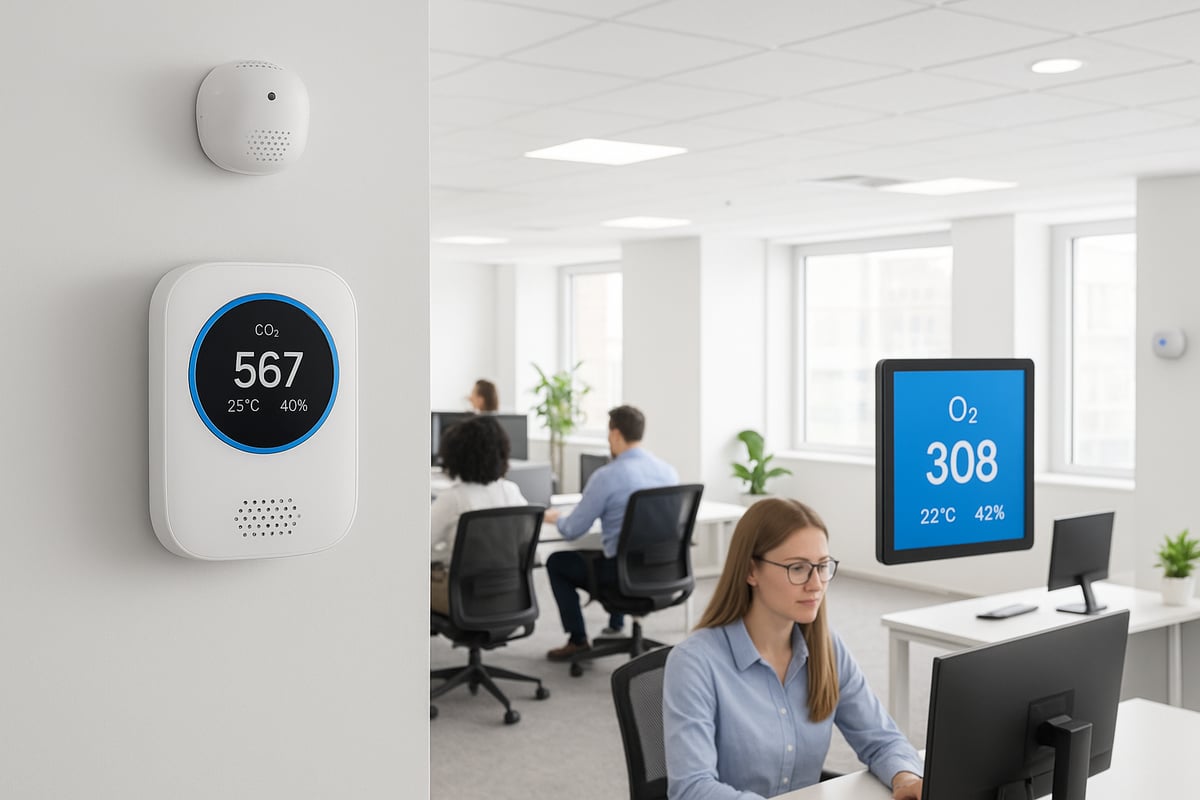
New regulations and public health guidelines are pushing organisations to invest in commercial air monitoring system upgrades. Post-pandemic, the spotlight is firmly on indoor air quality, with businesses seeking to mitigate airborne health risks.
According to the Building Engineering Services Association, 72 percent of UK businesses plan to enhance their air quality systems by 2026. This shift is not just about compliance but also about creating safer, healthier work environments. If you want to understand practical approaches in office settings, see this guide on office air quality monitoring.
Impact of Poor Air Quality on Business Operations
Neglecting air quality can result in significant productivity loss. High levels of carbon dioxide, for example, have been linked to increased absenteeism and reduced cognitive performance among employees.
A commercial air monitoring system helps identify problem areas before they impact staff health and operational efficiency. The cost of ignoring air quality can escalate quickly, affecting both direct medical costs and indirect losses from reduced output.
Industry-Specific Drivers
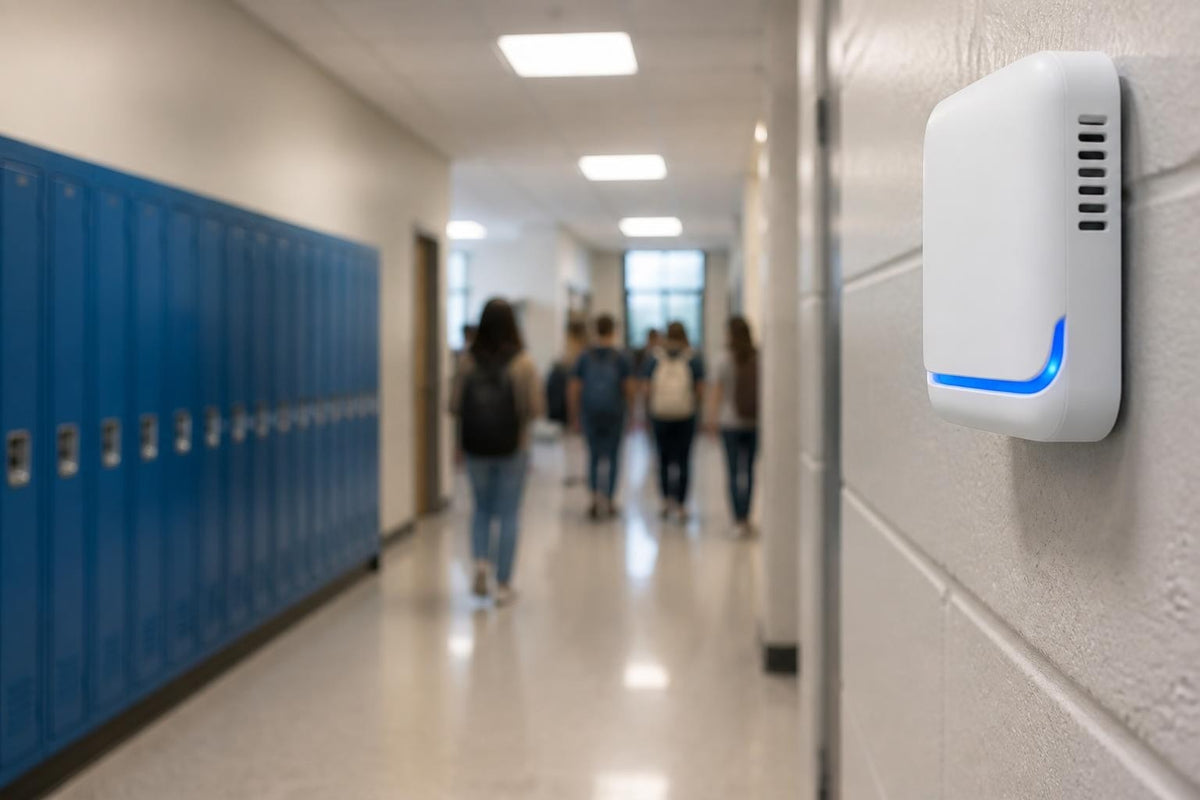
Different sectors face unique pressures. Retail outlets, educational institutions, hospitality venues, and healthcare facilities all have tailored requirements for air quality monitoring. For instance, schools are now implementing commercial air monitoring system solutions to comply with government mandates and safeguard student wellbeing.
A notable case is the rapid adoption of air monitoring in schools, where compliance with Department for Education guidelines is non-negotiable.
Stakeholder Expectations and ESG Pressures
Environmental, Social, and Governance (ESG) reporting is reshaping business priorities. Investors, clients, and the public expect transparent environmental data, making a commercial air monitoring system essential for listed companies.
ESG frameworks increasingly require verifiable air quality metrics, making proactive monitoring a strategic investment.
Insurance and Liability Considerations
Insurers are beginning to reward organisations with lower premiums for adopting a commercial air monitoring system. Proactive monitoring reduces the risk of legal exposure due to negligence.
Failing to monitor air quality could lead to legal claims, particularly if staff or visitors suffer health issues linked to poor indoor environments.
Competitive Advantage and Brand Reputation
Organisations are differentiating themselves by promoting clean air initiatives. Retailers and hospitality venues use their commercial air monitoring system as a selling point, attracting customers who value health and transparency.
Some businesses have seen measurable increases in footfall and customer loyalty after publicising their clean air strategies and results.
Types of Commercial Air Monitoring Systems
Understanding the full range of options available is essential when selecting a commercial air monitoring system. Each system type offers unique features and benefits for different environments, helping organisations maintain compliance, support health, and drive operational efficiency.
Fixed vs Portable Systems
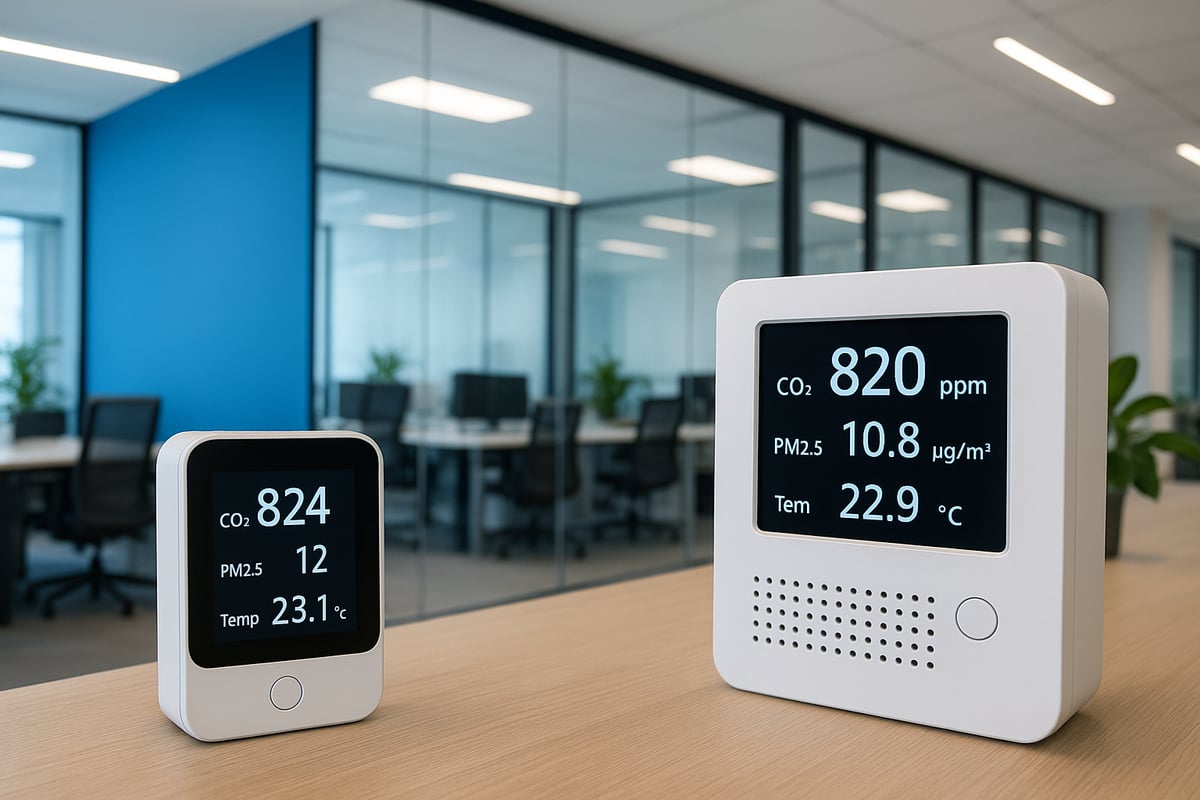
A commercial air monitoring system typically falls into one of two categories: fixed or portable. Fixed systems are permanently installed, making them ideal for continuous monitoring in offices, schools, and hospitals. These systems provide ongoing data and support automatic controls.
Portable systems, on the other hand, offer flexibility for temporary events, spot checks, or areas where air quality concerns are not constant. For example, event venues might use portable monitors to assess conditions during large gatherings.
Choosing between fixed and portable solutions depends on factors such as coverage area, frequency of use, and the need for integration with other building systems. Scalability is another consideration, as fixed systems are better suited for large-scale, permanent installations, while portable units are more adaptable for changing requirements. The right commercial air monitoring system ensures both compliance and adaptability.
Key Technologies and Sensor Types
The effectiveness of any commercial air monitoring system relies on the quality and variety of sensors it employs. Most modern systems include:
- Gas sensors for CO2, VOCs, and nitrogen dioxide
- Particulate matter sensors for PM2.5 and PM10
- Humidity and temperature sensors
Recent industry data shows that 85 percent of new systems integrate multi-sensor arrays, providing a comprehensive view of indoor air quality. Advanced sensors enable businesses to track multiple parameters simultaneously, supporting faster responses to air quality issues.
For a detailed overview of sensor technologies relevant to commercial air monitoring system design, see the Indoor air quality sensors guide.
Smart and Connected Solutions
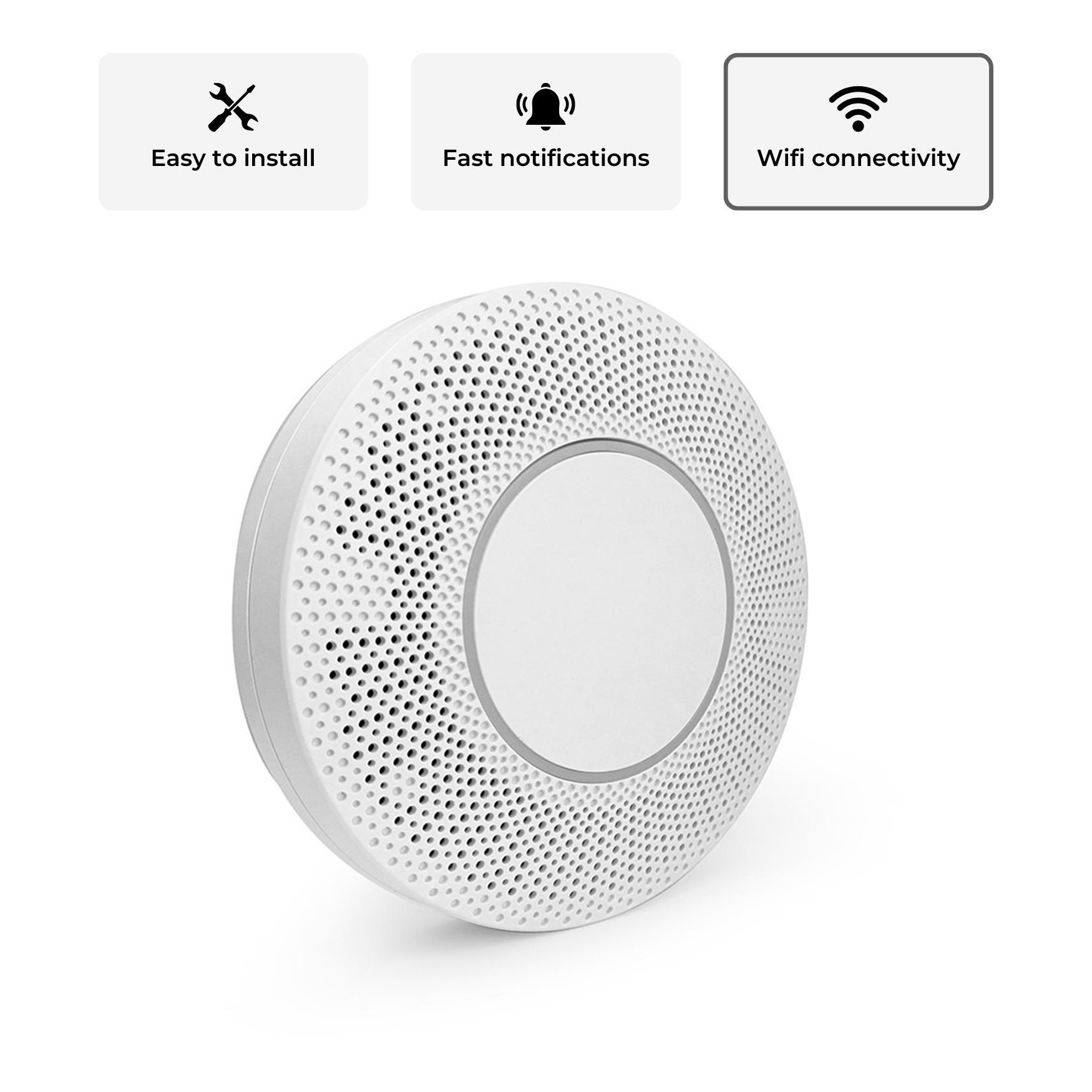
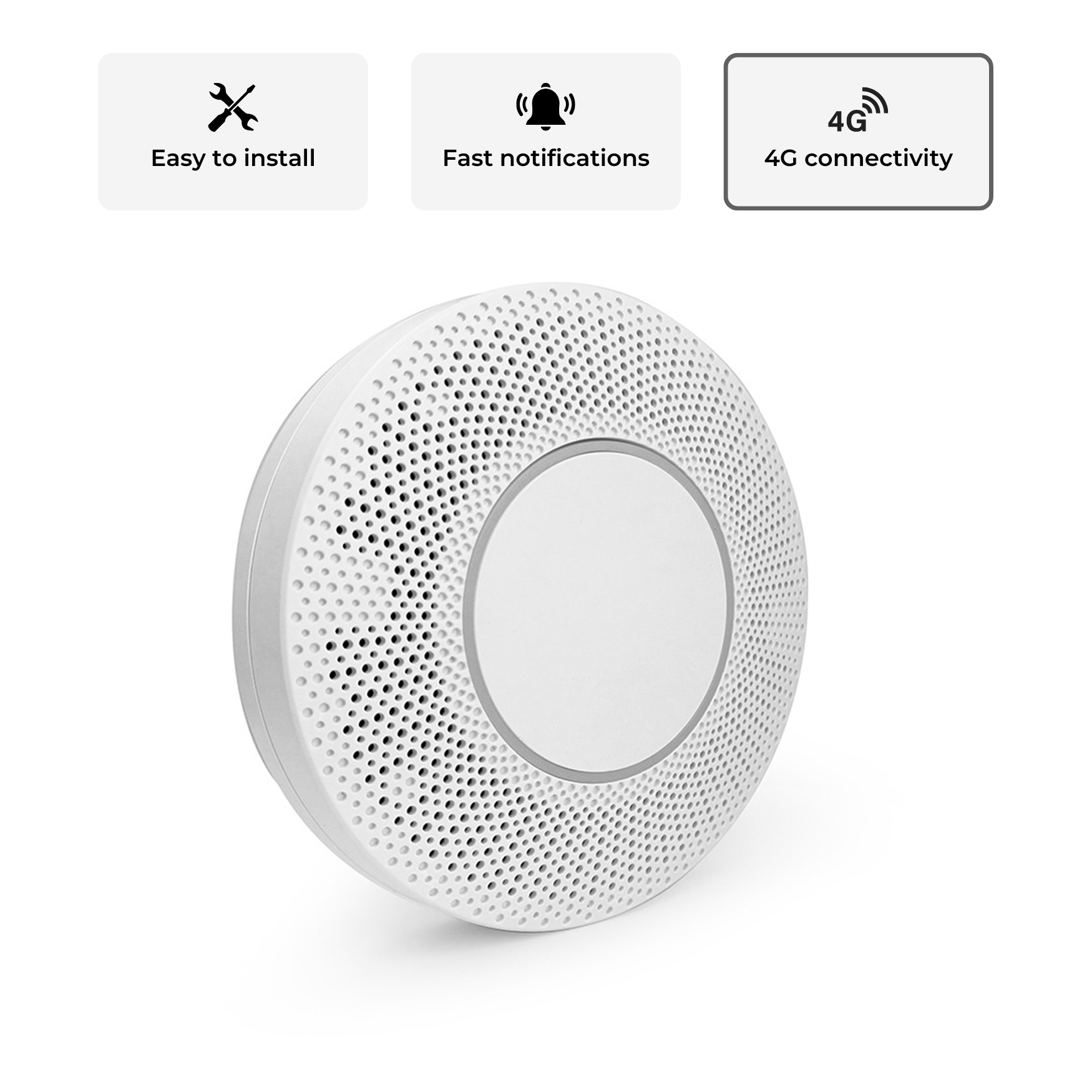
Modern commercial air monitoring system solutions increasingly feature smart, connected technologies. IoT-enabled monitors transmit real-time data to cloud dashboards, allowing facilities teams to track metrics remotely.
These systems send instant alerts when air quality deviates from set thresholds, enabling swift interventions. Remote management tools support multi-site organisations, offering centralised visibility and control.
With advancements in connectivity, these solutions help businesses stay proactive, ensuring healthier indoor environments and reducing manual oversight. Integration with mobile apps further enhances user engagement and response times.
Integration with Building Management Systems (BMS)
Many organisations maximise the value of their commercial air monitoring system by integrating it with their Building Management System. This integration streamlines data flow, enabling automated HVAC adjustments based on real-time air quality data.
For instance, hotels can reduce energy costs by automatically adjusting ventilation when sensors detect a drop in occupancy or improved air quality. Automated responses ensure optimal indoor conditions while minimising energy waste.
Seamless BMS integration also supports regulatory compliance by maintaining consistent air quality records, which are vital during audits and inspections.
Industry-Specific Solutions
A tailored commercial air monitoring system meets the unique needs of various sectors. In healthcare, systems focus on infection control and compliance with hygiene standards. Educational settings increasingly adopt vaping detection, safeguarding student health and meeting government mandates.
Retail and hospitality environments benefit from custom monitoring setups that address high-traffic areas, helping maintain a positive customer experience. By selecting solutions designed for their industry, organisations can better manage specific risks and demonstrate their commitment to wellbeing.
Cost and Maintenance Considerations
The cost of a commercial air monitoring system includes upfront hardware, installation, and ongoing maintenance. Service contracts often cover calibration and technical support, which are essential for reliable data.
Organisations should weigh initial investment against long-term savings from improved health, energy efficiency, and reduced absenteeism. An accurate ROI calculation considers both tangible and intangible benefits.
Regular maintenance ensures sensors remain accurate, supporting compliance and operational goals. Choosing a system with strong vendor support can simplify upkeep and troubleshooting.
Step-by-Step Guide to Implementing a Commercial Air Monitoring System
Ensuring a healthy and compliant workplace starts with a robust commercial air monitoring system. The following step-by-step approach will help your organisation navigate the process from initial assessment through to ongoing optimisation. Use this guide to achieve operational efficiency, meet legal requirements, and safeguard staff wellbeing.

Assessing Organisational Needs and Objectives
Begin by clarifying the main drivers for deploying a commercial air monitoring system. Identify compliance obligations, health and safety requirements, and operational priorities. Engage stakeholders from facilities, HR, and IT to understand expectations and define clear goals.
Conduct a risk assessment to pinpoint areas where air quality poses the greatest health or legal risk. This process ensures the commercial air monitoring system will deliver measurable results and gain internal support.
Site Survey and Environmental Analysis
Next, carry out a thorough site survey to map out environmental conditions and identify air quality hotspots. Focus on high occupancy zones, entrances, kitchens, and restrooms, since these are common sources of pollutants.
Use this analysis to determine optimal sensor placement. A well-mapped environment ensures your commercial air monitoring system captures accurate and actionable data across all critical areas.
Selecting the Right System and Vendor
Choosing the most suitable commercial air monitoring system involves evaluating sensor types, scalability, integration options, and vendor support. Assess whether fixed or portable solutions best fit your premises and operational needs.
It is also wise to look for third party certifications and request client references. For a deeper understanding of system features and considerations, explore this air quality monitoring system explained resource, which outlines essential aspects for effective decision making.
| Feature | Importance | Questions to Ask |
|---|---|---|
| Sensor Types | Critical | What pollutants are detected? |
| Integration | Essential | Can it link with BMS or HVAC? |
| Support | High | What is the SLA for support? |
Installation and Initial Calibration
Prepare the site for installation by clearing sensor locations and ensuring safe access. Install hardware according to the vendor’s guidelines, paying close attention to recommended heights and distances.
Initial calibration is crucial for data accuracy. Follow the manufacturer’s protocols and schedule periodic re-calibration so your commercial air monitoring system delivers reliable results from day one.
System Integration and Data Connectivity
Integrate your commercial air monitoring system with existing building management, HVAC, or security systems for seamless data flow. Secure data transmission is vital, so work with IT to ensure compliance with privacy standards.
Real time dashboards and remote monitoring features help facilities teams respond swiftly to air quality incidents, maximising the value of your investment.
Staff Training and User Onboarding
Train facilities and maintenance staff to operate, interpret, and maintain the commercial air monitoring system. Effective onboarding includes:
- Understanding alert protocols
- Regular system checks
- Responding to incidents
Empowering your team ensures the system is used proactively and issues are addressed quickly, supporting a culture of safety and compliance.
Ongoing Maintenance, Calibration, and Support
Establish a maintenance schedule for sensor cleaning, recalibration, and software updates. Regular preventative care extends the life and accuracy of your commercial air monitoring system.
Leverage vendor support for troubleshooting and keep detailed records of maintenance activities. This approach reduces downtime and ensures continuous system reliability.
Continuous Improvement and Data Review
Use analytics and trend reports from the commercial air monitoring system to optimise ventilation, identify recurring issues, and improve energy use. Review data regularly with stakeholders to adapt strategies and demonstrate compliance.
Continuous improvement not only enhances air quality but also supports a healthier, more productive workplace.
Regulatory Compliance and Standards for 2026
Navigating regulatory compliance for a commercial air monitoring system is essential as UK and EU standards evolve. With 2026 on the horizon, organisations must stay ahead of changing rules, data requirements, and best practices. This section unpacks the frameworks and obligations shaping compliance, equipping you with the knowledge to make informed decisions.
Key UK and EU Regulations Impacting Air Monitoring
Regulatory frameworks for a commercial air monitoring system are expanding rapidly. The Workplace Regulations and the UK Clean Air Strategy remain pivotal, but new amendments are expected by 2026. The Environmental Improvement Plan 2025 outlines updates to air quality targets, public engagement, and enforcement, directly influencing compliance standards.
EU directives, such as the Ambient Air Quality Directive, are also tightening. Organisations must monitor particulate matter, CO2, and volatile organic compounds to meet both regional and local benchmarks. ISO standards like ISO 16000 for indoor air quality are increasingly referenced in procurement and audits.
Industry-Specific Compliance Requirements
Each sector faces unique standards for a commercial air monitoring system. In education, schools must adhere to Department for Education guidance, focusing on CO2 thresholds and safeguarding against pollutants. Healthcare settings are governed by CQC and NHS requirements, targeting infection control and continuous monitoring.
Retail and hospitality must demonstrate proactive air quality management, often as part of broader health and safety obligations. Demonstrating compliance is not only about meeting legal mandates, but also about protecting occupants and reputation. Many businesses are investing in tailored solutions to address these sector-specific demands.
Data Privacy and Security Obligations
A commercial air monitoring system generates sensitive environmental data, bringing data privacy to the forefront. The General Data Protection Regulation (GDPR) requires secure collection, transmission, and storage of personal or potentially identifiable information.
Organisations must implement robust cybersecurity measures, including encrypted data channels and restricted access controls. Data retention policies should define how long air quality records are kept. Regular audits and staff training reinforce compliance, helping to prevent breaches and maintain trust with stakeholders.
Certification and Accreditation of Monitoring Systems
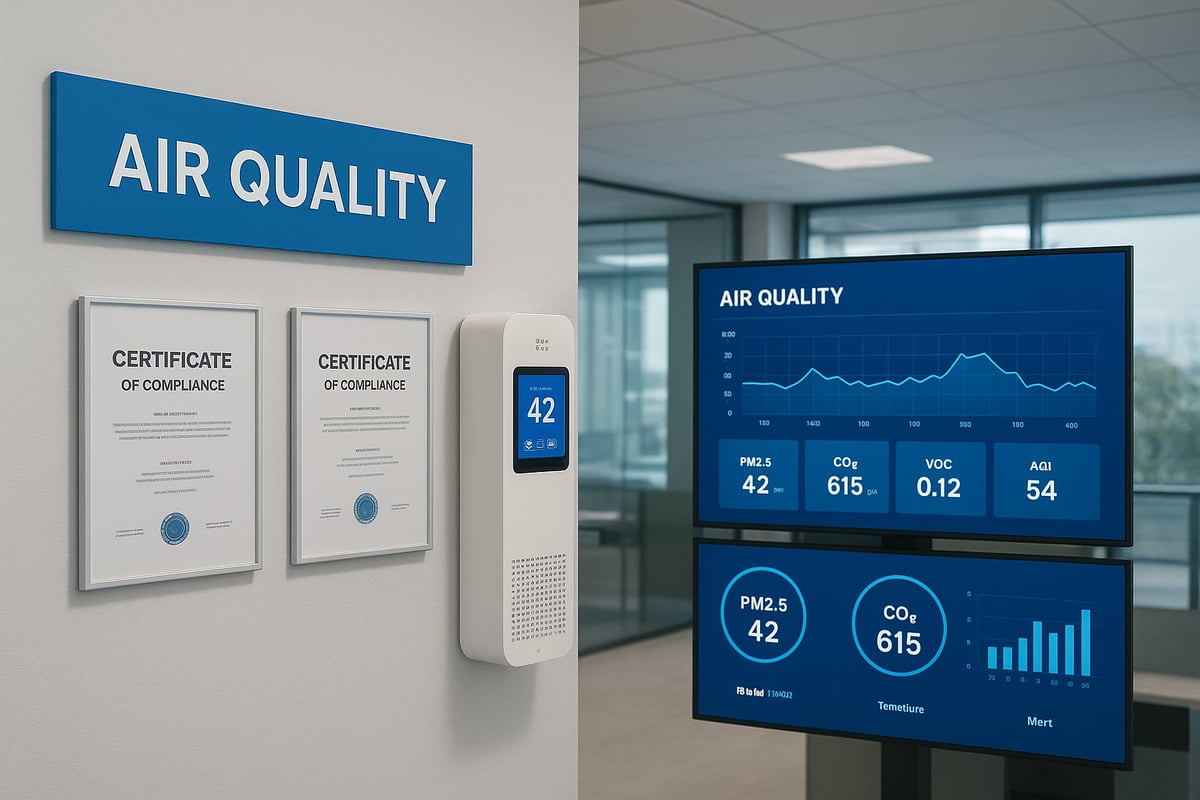
Certification ensures a commercial air monitoring system meets quality and safety benchmarks. CE marking and UKCA certification are mandatory for most equipment in the UK. Third-party validation, such as from BESA or independent laboratories, adds credibility.
Vendors should provide proof of compliance for all hardware and software components. Procurement teams are advised to request documentation and references when selecting systems. This due diligence reduces risk and streamlines regulatory inspections.
Reporting and Documentation
Accurate reporting is a cornerstone of compliance for any commercial air monitoring system. Organisations must maintain audit trails for all monitoring activities, calibration events, and incident responses. Digital reporting platforms are gaining popularity, enabling easy retrieval of compliance records during inspections.
Some sectors, such as healthcare, require detailed logs for infection control audits. Insurers and regulators often request documented evidence of air quality management. Investing in automated reporting tools can simplify these processes and reduce administrative burden.
Technological Innovations Shaping Air Monitoring by 2026
In 2026, the landscape of commercial air monitoring system technology is evolving rapidly. Emerging innovations are redefining how organisations manage air quality, with smart analytics, sensor advancements, and seamless integration at the forefront. These developments not only enhance compliance and safety but also offer practical benefits for operational efficiency.
AI and Machine Learning for Predictive Analytics
Artificial intelligence is transforming the commercial air monitoring system. Predictive analytics powered by machine learning can detect anomalies in air quality data, providing alerts before issues escalate. For instance, these systems can forecast HVAC malfunctions by analysing patterns in sensor readings.
With algorithms that learn from historical data, facilities teams can proactively respond to potential risks. This shift reduces downtime, improves occupant health, and streamlines maintenance routines. The integration of AI not only enhances accuracy but also enables automated decision making, which is crucial for large-scale commercial air monitoring system deployments.
Explore how edge AI solutions are advancing air monitoring by reviewing the Advancing Air Quality Monitoring with TinyML study, which highlights real-time ozone prediction using cost-effective devices.
Advanced Sensor Technologies
Sensor technology is at the heart of every commercial air monitoring system. Recent advancements include miniaturised sensors capable of detecting multiple gases and particulates with remarkable sensitivity. These sensors can now identify pollutants such as CO2, volatile organic compounds, and PM2.5 at lower concentrations than ever before.
A standout innovation is the use of digital holography and deep learning, which enables highly accurate particle analysis. For a deeper look into this breakthrough, see the Holographic Air-quality Monitor Study, which demonstrates how holographic imaging and AI can elevate air quality monitoring in commercial settings.
These improvements allow organisations to deploy compact, integrated systems that offer comprehensive data with minimal maintenance requirements.
IoT and Cloud Integration
The commercial air monitoring system now benefits from seamless IoT and cloud connectivity. Smart sensors send real-time data to cloud platforms, making it accessible from any location. Facilities managers can view dashboards, receive alerts, and generate compliance reports without being on site.
Cloud integration supports multi-site management, which is essential for organisations with distributed properties. IoT connectivity also enables remote diagnostics and updates, reducing the need for manual intervention. This technological leap enhances both flexibility and responsiveness in air quality management.
Integration with Smart Building Ecosystems
Modern commercial air monitoring system solutions are increasingly integrated with smart building management platforms. These integrations allow for automated HVAC adjustments based on live air quality data, optimising both comfort and energy use.
For example, a system can trigger increased ventilation when CO2 levels rise in a meeting room or reduce airflow during periods of low occupancy. This approach not only maintains regulatory compliance but can also lower operational costs by ensuring resources are used efficiently.
By connecting with lighting, security, and occupancy controls, the air monitoring system becomes a central component of a truly intelligent building ecosystem.
User Experience and Accessibility
User experience is a priority for the next generation of commercial air monitoring system technology. Interfaces are becoming more intuitive, with clear visualisations and simple controls. Features such as voice commands and mobile access make it easier for staff to interact with the system.
Accessibility enhancements ensure that air quality data can be reviewed and acted upon by all relevant stakeholders, regardless of technical expertise. In healthcare environments, for instance, touchless controls and clear alerts support infection control protocols. These improvements drive adoption and empower users to make informed decisions quickly.
Future Outlook: Trends and Challenges in Commercial Air Monitoring
As commercial air monitoring system adoption accelerates, the future is defined by shifting workplace expectations, regulatory momentum, and rapid innovation. Organisations must anticipate these changes to maintain compliance, protect reputation, and deliver healthier environments for all stakeholders.
Growing Demand for Healthier Workspaces
Employee well-being is now a top business priority, making the commercial air monitoring system an essential element in workplace design. Organisations seek to achieve wellness certifications, such as WELL and Fitwel, to attract and retain talent. Many businesses are investing in continuous air quality monitoring to demonstrate commitment to staff health and safety. This shift not only satisfies workforce expectations but also supports productivity and reduces absenteeism.
Evolving Regulatory Landscape
The regulatory environment for the commercial air monitoring system is evolving rapidly. Governments are considering stricter indoor air quality mandates, influenced by recent public health concerns. By 2026, companies may face new standards for pollutant thresholds, data transparency, and reporting. Anticipated harmonisation of standards across the UK and EU will require businesses to stay proactive and adapt their monitoring strategies to remain compliant.
Challenges: Cost, Complexity, and Data Management
Despite clear benefits, adopting a commercial air monitoring system presents challenges. Small and medium-sized enterprises often struggle with upfront costs, complex integration, and managing large volumes of data. Decision-makers must choose scalable solutions that balance cost with performance. The industry is also focusing on tools to turn raw data into actionable insights, a topic explored in the Air Quality Monitoring Systems Industry Outlook.
The Role of ESG and Sustainability
Environmental, social, and governance (ESG) strategies are driving demand for the commercial air monitoring system. Transparent air quality data is increasingly linked to sustainability reporting and investor trust. Businesses are leveraging monitoring systems to support broader sustainability goals, from reducing carbon footprints to meeting stakeholder expectations for responsible operations. ESG alignment enhances brand value and competitive positioning.
Opportunities for Innovation and Collaboration
The future of the commercial air monitoring system lies in innovation and partnership. Collaboration between technology providers, facility managers, and regulators is fostering smarter solutions and greater data sharing. Emerging trends include crowdsourced air quality data and integration with broader environmental monitoring system overview platforms. These developments will empower organisations to deliver safer, more sustainable spaces, while driving industry-wide progress.
As we look ahead to 2026, the need for robust air monitoring in commercial spaces has never been clearer. Whether you’re aiming to boost compliance, improve health outcomes, or streamline operations, having the right system in place makes all the difference. With innovative solutions like Vape Guardian’s advanced vaping detection and real-time air quality alerts, you can stay ahead of evolving regulations and protect your building with confidence. If you’re ready to take the next step towards a safer and more compliant environment, talk to our team and protect your building today.


Share:
7 Game-Changing Best Vape Detection For Schools in 2026
Top 7 Most Reliable Vape Detector Choices for 2026