
Vaping has become a serious problem in UK schools, with recent reports showing a sharp rise in use among teenagers. The impact on student health and school safety is urgent, demanding immediate attention from educators and parents. This essential guide for 2026 delivers practical, evidence-based steps on how to stop vaping in schools. Explore the latest vaping trends, learn to spot early warning signs, discover proven policies, and find out how to engage students and parents. Take action now with practical strategies designed to create a safer, vaping-free environment for every pupil.
Understanding the Vaping Crisis in Schools
The vaping crisis in UK schools is escalating rapidly, with more students engaging in this risky behaviour each year. To truly grasp how to stop vaping in schools, it is essential to look at recent trends, health impacts, evolving devices, legal frameworks, and the underlying social factors driving this epidemic.

The Rise of Vaping Among Students
Recent data show a sharp increase in vaping among secondary school pupils. According to the NHS survey on youth vaping, nearly one in ten students currently vape, a significant jump from previous years. Flavoured products, peer influence, and viral social media trends make vaping particularly appealing to teenagers. Unlike traditional smoking, vaping now outpaces tobacco use in schools, creating new challenges for educators who want to know how to stop vaping in schools. Understanding these trends is the first step in addressing the problem.
Health Risks and Academic Impact
Vaping is far from harmless. Short-term effects include coughing, throat irritation, and headaches, while long-term risks may involve lung damage and impaired cognitive development. Schools are reporting higher rates of absenteeism and disciplinary cases linked to vaping incidents. There is growing evidence that vaping can reduce concentration, affecting learning and classroom behaviour. For school leaders considering how to stop vaping in schools, recognising the academic and health toll is crucial for motivating action.
Vaping Devices and Concealment Tactics
Modern vape devices are designed to be discreet, often resembling everyday objects such as USB sticks or pens. Students use clever concealment tactics to hide their devices from staff, making detection a constant challenge. The sophistication of these products is increasing, with some brands specifically targeting youth.
| Device Type | Common Disguise | Detection Difficulty |
|---|---|---|
| Pod Systems | USB sticks | High |
| Vape Pens | Regular pens | Medium |
| Disposable Vapes | Small gadgets | High |
To effectively learn how to stop vaping in schools, staff must stay informed about these evolving tactics.
Legal and Regulatory Landscape for 2026
UK law has responded to the youth vaping crisis with stricter regulations, including the ban on single-use vapes and tighter advertising controls. Schools have updated policies to reflect these changes, but enforcement remains difficult. Regulatory loopholes and the constant emergence of new products challenge even the most vigilant staff. A clear understanding of the current legal environment is essential for those seeking how to stop vaping in schools, as policy and practice must work hand in hand.
Social and Psychological Factors
Vaping is often driven by stress, anxiety, and the desire to fit in with peers. Students report that vaping helps them cope with academic pressure or social challenges, while teachers see group dynamics reinforcing the habit. Testimonials from both groups reveal a pattern: students who feel isolated or anxious are more likely to start vaping. To truly address how to stop vaping in schools, it is vital to tackle the social and emotional roots of the problem and build a supportive environment.
Early Detection and Intervention Strategies
Early detection is fundamental in the battle for how to stop vaping in schools. With vaping devices becoming more discreet and student tactics more sophisticated, schools must stay vigilant. A proactive approach not only safeguards student health but also supports a positive learning environment.

Recognising Signs of Vaping
Recognising the early warning signs is the first step in how to stop vaping in schools. Staff and parents should be alert to physical, behavioural, and environmental cues.
- Sweet or unusual scents in classrooms or corridors
- Sudden, frequent trips to the toilet or secluded areas
- Discovery of unfamiliar devices resembling USB sticks, pens, or key fobs
These signs often go unnoticed unless staff are specifically trained to spot them. A vigilant community that shares observations can disrupt vaping habits before they take root.
Staff Training and Awareness Programmes
Regular staff training is essential for how to stop vaping in schools. Continuous Professional Development (CPD) should cover the latest vaping trends, device identification, and intervention methods.
A successful example comes from a London academy that reduced vaping incidents by 40 percent after termly CPD sessions. Training includes:
- Identifying new vape products and concealment methods
- Practising intervention conversations with students
- Understanding safeguarding responsibilities
For a deeper dive into practical strategies, see Helping Schools Tackle Vaping, which provides actionable steps and resources for school staff.
Screening and Incident Reporting Protocols
Clear protocols ensure that every suspected vaping incident is handled consistently. Establishing an anonymous reporting system encourages students and staff to share concerns without fear of retribution.
Steps for effective incident reporting:
- Provide a simple online or paper-based reporting form
- Assign safeguarding leads to review and act on reports promptly
- Maintain confidentiality while ensuring appropriate intervention
This structure builds trust and supports a transparent culture, which is critical for how to stop vaping in schools.
Collaboration with School Nurses and Health Professionals
Integrating health professionals strengthens how to stop vaping in schools by providing timely support to students in need. School nurses can offer:
- Drop-in clinics for nicotine cessation advice
- Early assessment and referral to specialist services
- Health education sessions tailored to student needs
Collaboration ensures no student falls through the cracks, especially when early intervention can prevent escalation.
Parental Engagement in Early Detection
Parents play a vital role in how to stop vaping in schools. Schools should empower parents with knowledge and effective communication tools.
Effective strategies include:
- Sending home information about vaping warning signs
- Offering templates for discussing vaping openly with children
- Hosting information evenings to address concerns and answer questions
Open dialogue between home and school builds a united front against vaping.
Leveraging Technology for Detection
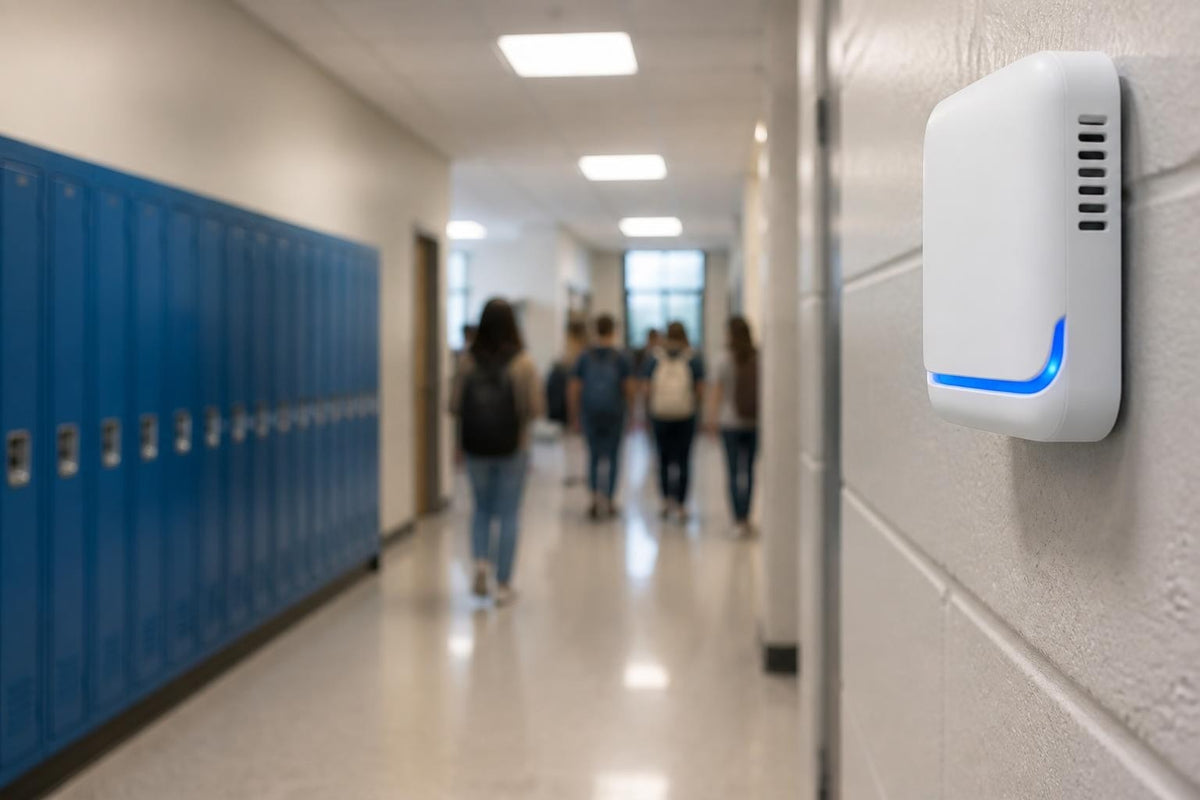
Technology is a game-changer for how to stop vaping in schools. Advanced vape detection sensors and air quality monitors can identify vaping incidents in real time, even in hidden corners.
Schools report significant reductions in incidents after installing these systems. Real-time alerts enable immediate intervention, minimising disruption and reinforcing school policies.
Combining technology with education and staff vigilance creates a robust defence, making it increasingly difficult for vaping to go undetected.
Building and Enforcing Effective School Policies
Creating a robust framework is essential for any school looking at how to stop vaping in schools. Effective policies provide clarity, support, and a consistent approach to a growing challenge. By focusing on best practice, schools can protect student wellbeing and uphold the highest standards of behaviour.
Developing a Comprehensive Anti-Vaping Policy
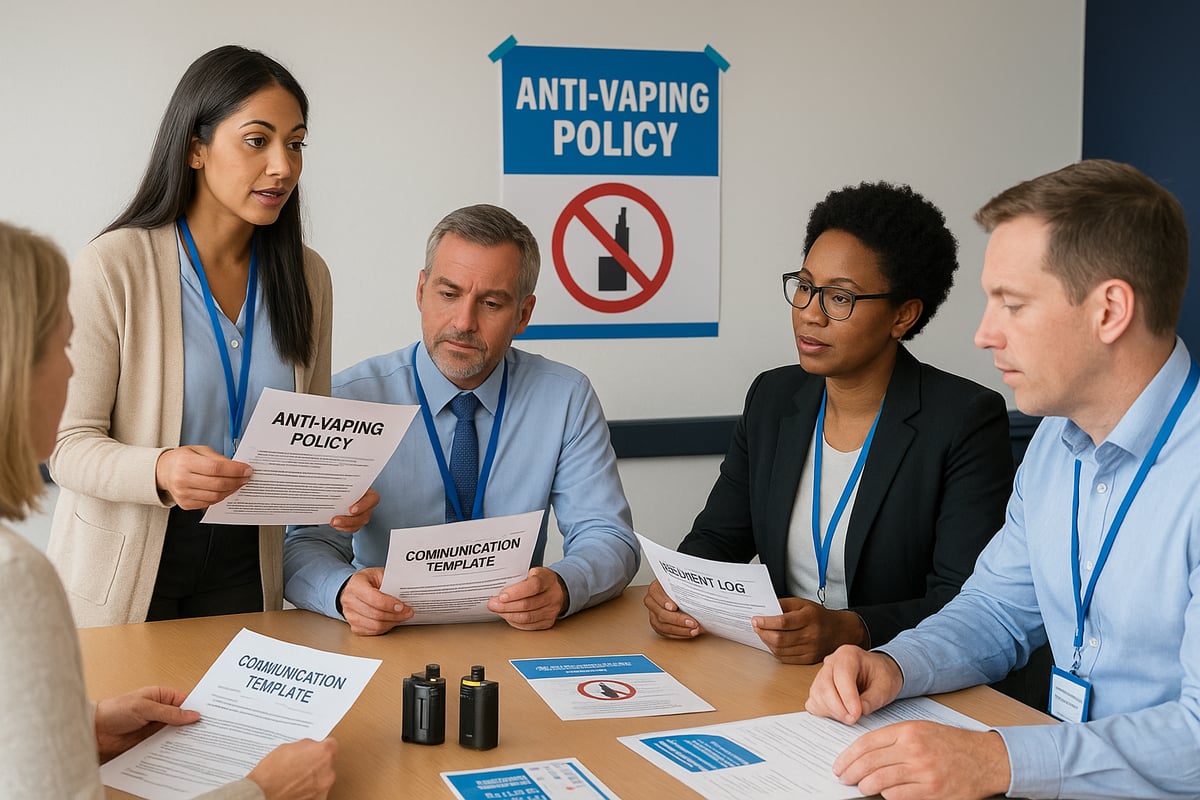
To address how to stop vaping in schools, leaders must first define a clear and comprehensive anti-vaping policy. This document should outline what constitutes vaping, specify prohibited areas, set out consequences, and detail support pathways for students caught vaping. Drawing on guidance from Ofsted-rated 'Outstanding' schools, effective policies are specific, accessible, and regularly updated.
A well-structured policy often includes clear definitions, examples of prohibited behaviours, and practical steps for prevention. For instance, referencing Dangers of Vaping in Secondary Schools can help staff and governors understand the serious health implications, ensuring the policy is rooted in evidence. The inclusion of support pathways, such as access to school counsellors, demonstrates a commitment to student welfare as well as discipline.
Consistent Enforcement and Consequence Systems
Enforcement is central to how to stop vaping in schools. Staff must apply consequences fairly and consistently, avoiding confusion or perceived favouritism. Schools should balance discipline with education, using restorative justice approaches where possible. For example, instead of automatic exclusion, some schools require attendance at educational workshops.
A clear consequence system supports a culture of accountability. This might include confiscation of devices, parental meetings, or temporary loss of privileges. Data from schools show that consistent enforcement reduces repeat incidents and builds trust in the policy among students and staff.
Student Involvement in Policy Creation
Genuine progress in how to stop vaping in schools often comes when students are involved in shaping the rules. By engaging student councils and peer leaders, schools can ensure that policies reflect real-life challenges and student perspectives. This involvement increases buy-in and encourages positive peer influence.
Case studies highlight how student-led campaigns, peer mentoring, and anonymous suggestion boxes all contribute to lower vaping rates. When students feel heard, they are more likely to support and uphold anti-vaping initiatives.
Staff and Parent Communication
Open, ongoing communication is key to how to stop vaping in schools. Regular updates through assemblies, newsletters, and digital platforms keep everyone informed and reinforce expectations. Schools might use templates for letters home, posters in communal areas, and parent information evenings to ensure the message is clear.
Effective communication also involves listening. Providing opportunities for staff and parents to ask questions or raise concerns helps build a sense of shared responsibility. Consistent messaging makes it easier for families to support the school's anti-vaping stance at home.
Integration with Wider Health and Behaviour Policies
Successful schools view anti-vaping policies as part of a broader approach to health and behaviour. Aligning policies with safeguarding, mental health, and substance misuse strategies supports a whole-school ethos and strengthens intervention pathways.
Examples include integrating vaping education into PSHE lessons, linking with pastoral care teams, and referring at-risk students to external support. This holistic approach ensures that how to stop vaping in schools is not an isolated effort but embedded in everyday practice.
Monitoring, Evaluation, and Policy Review
Continuous improvement is vital for how to stop vaping in schools. Schools should set clear, measurable targets and collect data on incidents, interventions, and outcomes. Regular policy reviews, informed by feedback from staff, students, and parents, allow leaders to refine their approach.
A simple checklist can help:
- Review incident data each term
- Gather feedback through surveys
- Update policy documents as needed
This cycle of monitoring and evaluation ensures policies remain effective, relevant, and responsive to emerging trends.
Engaging Students and Parents in Prevention
Preventing student vaping requires a united school community. To truly address how to stop vaping in schools, educators, parents, and pupils must work together on proactive, evidence-based strategies. Building trust and open dialogue is the foundation for lasting change.

Delivering Evidence-Based Vaping Education
Comprehensive education is critical in the fight to stop vaping in schools. Schools should update their PSHE curriculum to include the latest research, interactive lessons, and real-life scenarios. Using trusted resources, such as the Vaping Education Hub for Schools, ensures lessons are both accurate and engaging.
Effective programmes blend facts with practical skills, like refusal techniques and myth-busting activities. Inviting guest speakers or health professionals can also reinforce key messages. By making education relevant and relatable, schools empower students to make informed decisions and understand how to stop vaping in schools.
Empowering Student Voice and Peer Support
Peer influence is a powerful tool in prevention. Training students as mentors or peer supporters gives them the knowledge to help classmates resist vaping pressures. Student-led campaigns, such as poster competitions or awareness assemblies, amplify youth voices and encourage responsibility.
Involving students in shaping school policies or delivering presentations builds confidence and community spirit. When young people take ownership, they become advocates for how to stop vaping in schools among their peers.
Parental Workshops and Information Evenings
Parents play a vital role in reinforcing anti-vaping messages at home. Hosting workshops and information evenings helps to bridge school-home communication. Sessions should cover the risks of vaping, warning signs, and practical ways families can support their children.
A sample agenda might include myth-busting discussions, Q&A with experts, and real stories from affected families. Feedback from schools shows parents feel more equipped to talk about how to stop vaping in schools after attending these events.
Addressing Social Media and Influencer Impact
Social media platforms like TikTok and Instagram often promote vaping as trendy or harmless. Teaching media literacy enables students to critically assess online content and resist misleading messages.
Schools can run digital citizenship workshops, analyse influencer tactics, and encourage students to create their own positive campaigns. By understanding the online landscape, pupils are better protected and can help shape the narrative on how to stop vaping in schools.
Supporting At-Risk Groups
Some students are more vulnerable to vaping due to stress, mental health issues, SEND needs, or social factors. Early identification is crucial. Staff should receive training to spot risks and offer tailored support.
Collaboration with school nurses, counsellors, and external specialists ensures targeted interventions are available. Providing safe spaces and individual guidance directly supports those most at risk and is central to how to stop vaping in schools.
Creating a Culture of Openness and Support
A supportive school ethos encourages students to ask questions and seek help without fear of judgement. Introducing anonymous Q&A boxes, digital helplines, and regular feedback sessions fosters honest dialogue.
Celebrating students who make positive choices and sharing success stories motivates others. Sustained prevention relies on a whole-school culture where everyone feels responsible for how to stop vaping in schools.
Step-by-Step Guide to Reducing Vaping in Schools
Tackling the challenge of how to stop vaping in schools requires a systematic and evidence-driven approach. This step-by-step guide brings together proven strategies to help schools reduce incidents, support students, and foster a healthier environment.
Step 1: Audit and Assess Current Situation
Begin by gathering accurate data on vaping prevalence and attitudes in your school. Anonymous surveys allow students to express their views honestly, giving staff a clear picture of the current landscape.
Map out areas where vaping incidents most commonly occur, such as toilets, stairwells, or secluded outdoor spaces. Review previous incident reports and use external data, like the youth vaping statistics in Great Britain, to benchmark your school's situation.
By making this your foundation, you establish the baseline needed for how to stop vaping in schools effectively.
Step 2: Staff and Student Training
Equip all staff with up-to-date knowledge about vaping devices, warning signs, and intervention strategies. Regular CPD sessions and training workshops for both staff and students are vital.
Interactive student assemblies and peer-to-peer activities can demystify the subject and encourage open dialogue. When everyone knows what to look for and how to act, the pathway to how to stop vaping in schools becomes clearer.
Step 3: Policy Implementation and Communication
Update your school's anti-vaping policy to reflect current legislation and trends. Ensure the policy is accessible, unambiguous, and widely communicated.
Consistent enforcement is key. Use assemblies, newsletters, and digital platforms to keep everyone informed. Transparent communication is essential for how to stop vaping in schools and build trust among students, staff, and parents.
Step 4: Install Detection and Monitoring Systems
Deploying technology is a powerful tool in the fight against vaping. Invest in vape detection sensors and air quality monitors for high-risk areas.
Solutions such as Vape Detection Solutions for Education offer real-time alerts and detailed incident data, allowing staff to respond swiftly and minimise disruption. This proactive step is a cornerstone of how to stop vaping in schools and maintain a safe environment.
Step 5: Launch Prevention and Support Programmes
Prevention programmes are most effective when they combine education with robust support. Establish peer mentoring, targeted workshops, and access to counselling or cessation resources.
By making these services visible and accessible, schools create an environment where students feel empowered to make positive choices. These initiatives are critical to how to stop vaping in schools and reduce the risk of reoffending.
Step 6: Engage Parents and Community Partners
Parental and community involvement strengthens every anti-vaping initiative. Host regular information evenings, share practical resources, and communicate openly with families about emerging trends and support options.
Collaboration with local health services and youth organisations extends your reach and ensures a holistic approach to how to stop vaping in schools.
Step 7: Review, Evaluate, and Adapt
Regularly review incident data, feedback from students, and overall outcomes. Use this information to refine your strategies and celebrate progress.
Continuous improvement ensures your school's response to vaping remains effective and relevant as trends and challenges evolve.
Creating a Supportive and Vaping-Free School Culture
Building a supportive and vaping-free school culture is a crucial step in any strategy on how to stop vaping in schools. When the whole community works together, schools can create an environment that discourages vaping and supports healthy choices for every student.
Leadership Commitment and Whole-School Approach
Strong leadership is the foundation of how to stop vaping in schools. Headteachers and governors play a vital role in setting the tone, providing clear direction, and ensuring everyone understands the importance of a vaping-free environment.
Successful schools often:
- Appoint dedicated safeguarding leads focused on anti-vaping efforts
- Regularly review and update policies with staff and student input
- Involve governors in monitoring progress and supporting initiatives
When leaders champion these priorities, staff, students, and parents are more likely to follow their example and remain engaged.
Positive Behaviour Reinforcement
Rewarding positive choices is an effective element in how to stop vaping in schools. Recognition can motivate students to make healthy decisions and feel proud of their achievements.
Examples include:
- Certificates for vape-free milestones
- House points or reward schemes for participation in prevention programmes
- Public acknowledgement during assemblies or through newsletters
These systems foster a sense of community and encourage students to take ownership of their wellbeing, reinforcing the message that vaping is not tolerated.
Student Wellbeing and Mental Health Support
Prioritising wellbeing is essential for any comprehensive approach to how to stop vaping in schools. Vaping is often linked to stress, anxiety, or peer pressure, so schools must address these underlying issues.
Effective strategies involve:
- Integrating vaping prevention into wider mental health and wellbeing programmes
- Providing access to school counsellors or mindfulness sessions
- Using up-to-date research, such as the 10-year study on youth vaping, to inform support and education
By creating safe spaces for students to discuss challenges and seek help, schools can reduce the appeal of vaping and support long-term health.
Celebrating Success and Sharing Best Practice
Recognising achievements is a motivating part of how to stop vaping in schools. Celebrating progress, whether through reduced incidents or successful student campaigns, helps maintain enthusiasm and momentum.
Ways to celebrate include:
- Showcasing stories in school bulletins or local media
- Hosting awards or themed events for vape-free achievements
- Participating in local or national anti-vaping campaigns
Sharing best practice with other schools also strengthens networks and raises standards across the wider community.
Sustaining Change Over Time
Lasting cultural change is critical to how to stop vaping in schools. Embedding anti-vaping messages into daily routines, policies, and ethos ensures consistency year after year.
Key actions involve:
- Ongoing professional development for staff
- Regular student feedback to adapt strategies
- Aligning with national initiatives, such as the UK bans single-use vapes, to reinforce school efforts
By committing to continuous improvement and involving the whole community, schools can create a healthy environment where students thrive.
As you’ve seen throughout this guide, tackling vaping in schools requires more than just policies and awareness—it’s about creating a culture of safety, early intervention, and wellbeing for every student. Leveraging smart technology can make a real difference, helping you detect incidents early and keep your school environment healthier and safer. If you’re ready to see how practical solutions work in real classrooms and want to support your safeguarding goals, I encourage you to learn how Vape Guardian is protecting schools. Together, we can take meaningful steps towards a vape-free future for your students.








Share:
Vape Detection for International Schools: The 2026 Expert Guide
Partner With Vape Guardian: Your Essential Guide 2026