

Vaping safeguarding training for schools equips every member of staff to recognise vaping, respond consistently to incidents and support pupils who use vapes, rather than simply punishing them. The best programmes combine staff briefings, a clear policy, practical detection in problem areas and education for pupils.
The scale of the issue explains why this training now sits alongside other safeguarding priorities. In England's 2023 survey, 9% of pupils in school years 7 to 11 reported current e-cigarette use, unchanged from 2021 and up from 6% in 2018. A quarter of the 13,387 pupils surveyed across 185 schools had ever used an e-cigarette. For headteachers and safeguarding leads, that means vaping is a daily reality in toilets, changing rooms and quiet corners, and staff need the confidence to deal with it.
Why Vaping Is a Safeguarding Issue, Not Only a Behaviour Issue
Vaping belongs within safeguarding because it involves under 18s accessing a nicotine product that should never have reached them, often through unsafe or illicit routes. UK government guidance states that nicotine vapes should only be sold to people aged 18 and over, so a pupil who vapes has obtained a nicotine product that should not have been sold to them, whether through an illegal sale, a proxy purchase or a peer.
This framing changes how staff think about the problem. A pupil who vapes may be dependent on nicotine, may be experiencing anxiety or peer pressure, or may be vaping substances other than nicotine. Training should help staff ask why a pupil is vaping before deciding how to respond.
Several risks sit behind the headline figures:
- Nicotine dependence, which can show up as irritability, poor concentration and repeated absences from lessons to vape.
- Illicit or unregulated devices, whose contents are unknown and may include substances such as THC or synthetic cannabinoids.
- Exploitation, where older peers or adults supply vapes and may draw young people into wider criminal or antisocial activity.
- Health and wellbeing effects, including the impact on pupils who are exposed to second hand aerosol in enclosed spaces.
Vape Guardian's own guidance on the health risks of youth vaping is a useful briefing resource for staff who need to explain these concerns to parents and pupils.
What Staff Need to Know: Core Training Content
Effective vaping safeguarding training for schools covers a small set of practical topics that every adult on site can apply the same day. Whole staff sessions work best when they are short, scenario based and repeated at least annually, with refreshers for new starters.
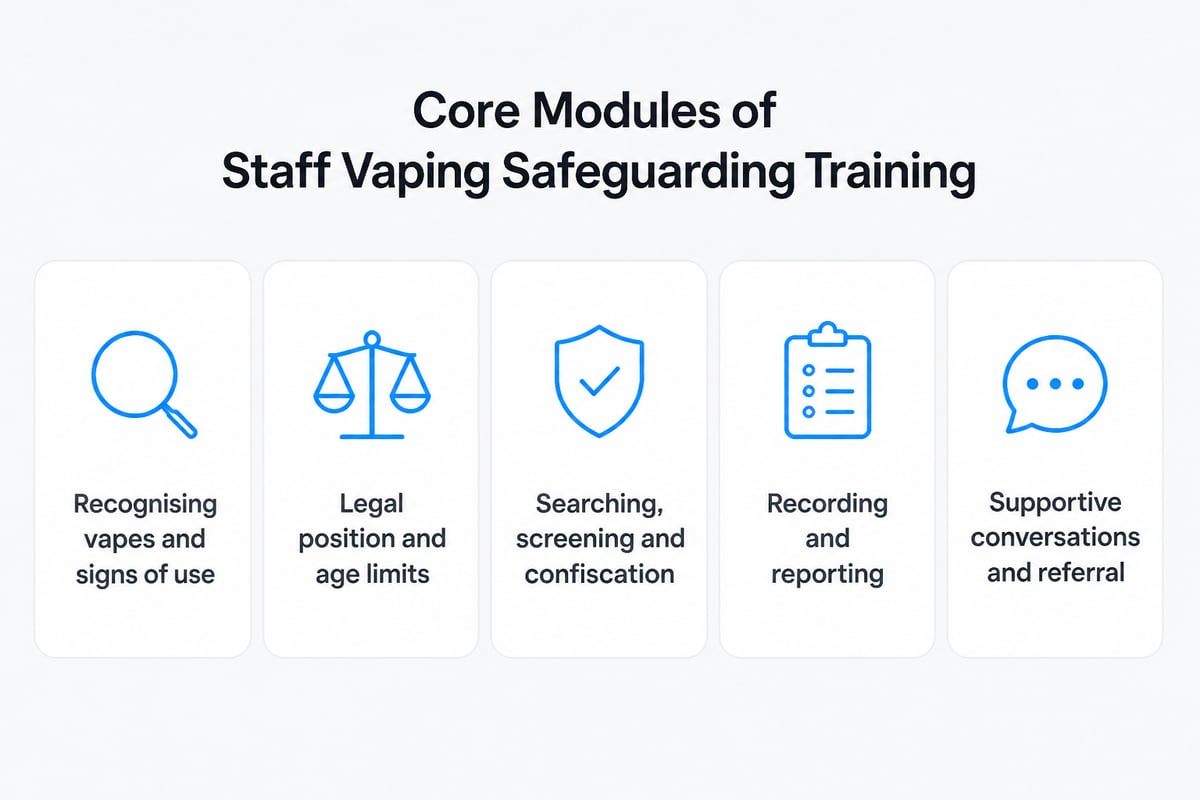
A well structured session usually includes the following elements.
- Recognising vapes and signs of use. Modern devices are small, brightly coloured and disguised as highlighters or USB drives. Staff should know what they look like, how to spot lingering scents and what behavioural signs to watch for, such as frequent toilet requests or pupils congregating in the same corner.
- The legal and policy position. Staff should understand the age of sale, the school's own vaping policy and what powers they have. Training should explain the difference between a pupil possessing a nicotine vape and one possessing a suspected illegal substance.
- Searching, screening and confiscation. Staff need clarity on who may search, when a witness is required, how to record what is found and how to store items safely. Unclear procedures lead to inconsistent responses and avoidable complaints.
- Recording and reporting. Every incident should be logged in the same format so that patterns are visible. A consistent log is the single most useful tool for a safeguarding lead reviewing hotspots and repeat behaviour.
- Supportive conversations. Staff should practise asking open questions, avoiding blame and signposting pupils towards quitting support.
For leads drafting or revising the underlying document, a vaping policy for schools provides a sensible starting structure that training can then bring to life.
Responding to Incidents: A Consistent Staff Protocol
A consistent protocol means every incident is handled the same way regardless of which member of staff finds the pupil. Inconsistency is the main source of pupil frustration and parental complaint, so training should rehearse the same short sequence until it becomes routine.
The sequence below suits most secondary schools and colleges:
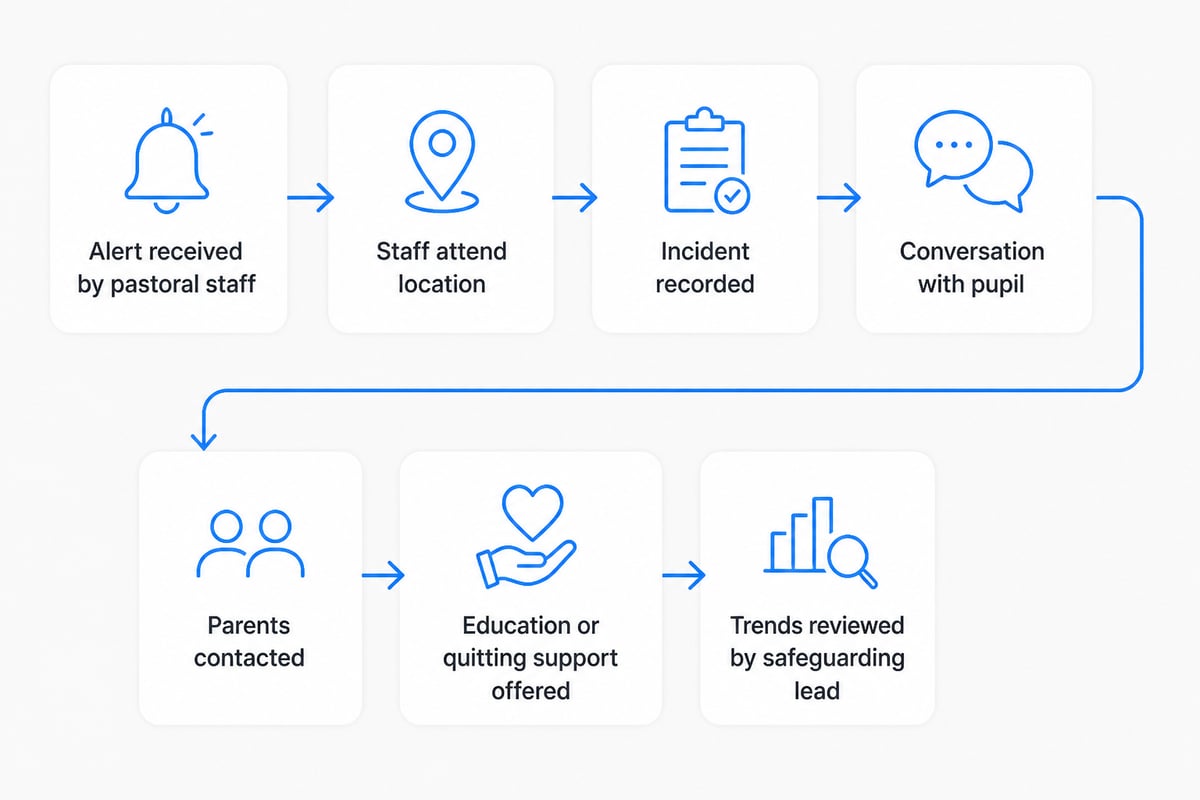
- Ensure the pupil is safe and not unwell. Some pupils react badly to nicotine, and staff should know when to call a first aider.
- Request that the device is handed over, following the school's confiscation procedure.
- Record the incident, including time, location and any device details.
- Store the item securely and dispose of it in line with local guidance, taking particular care with batteries and liquids.
- Inform the designated safeguarding lead if there are wider concerns, such as suspected supply or possible drug involvement.
- Contact parents or carers, and agree the follow up that will support the pupil.
The final step matters as much as the first. Pupils who are simply sent home tend to return to the same behaviour, whereas a planned follow up conversation gives staff the chance to identify dependence early.
Training Staff to Use Evidence From Detection
Vaping safeguarding training for schools should also cover how staff act on information from detection technology. Most incidents happen where there are no adults, in toilets and secluded areas, so staff rarely catch pupils in the act without some form of alert.
Detectors change the nature of staff work. Instead of patrolling blindly, a pastoral team can respond within minutes to a specific location, which makes interventions more timely and fair. Training should cover who receives alerts, who responds, how a response is recorded and how privacy is respected in sensitive areas such as toilets.
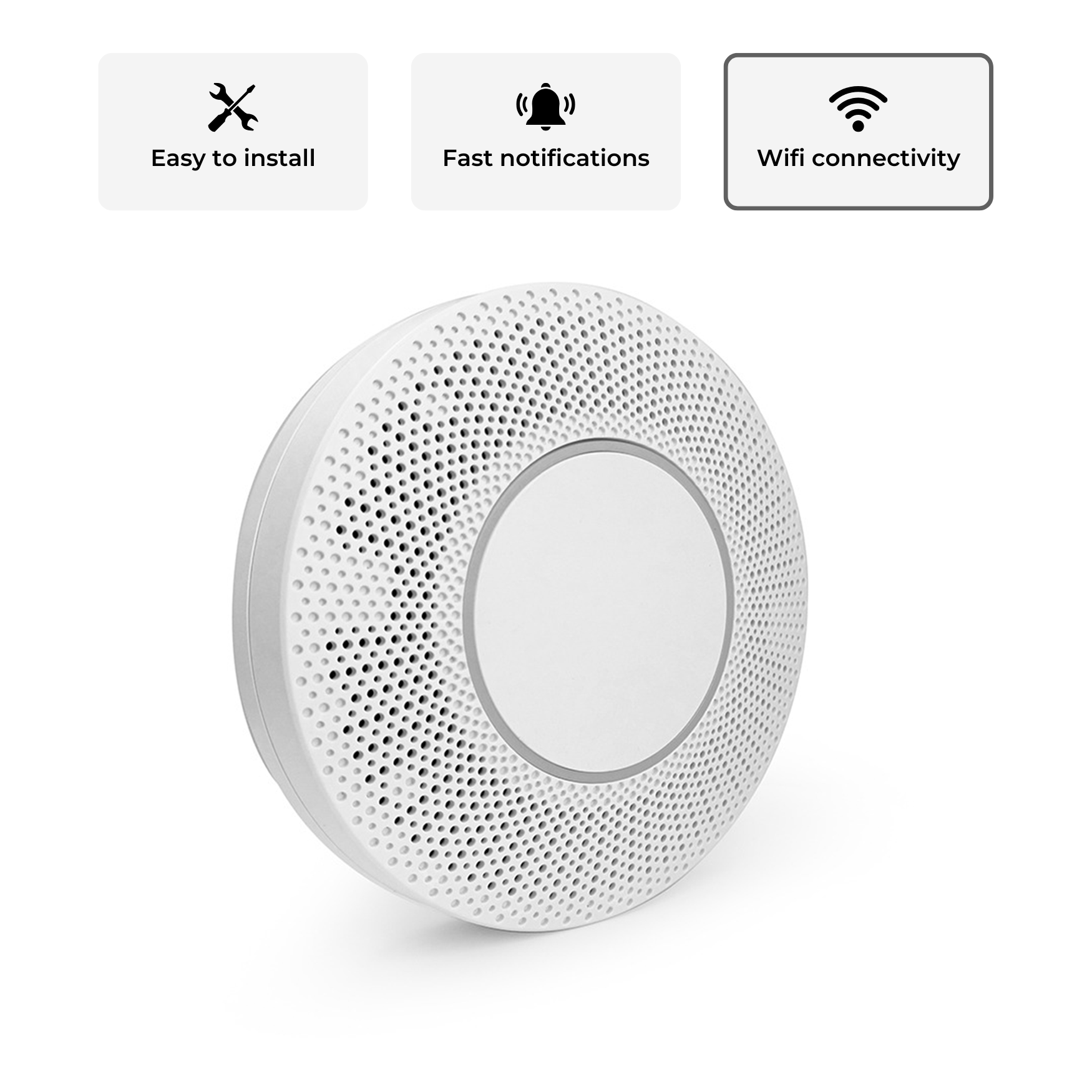
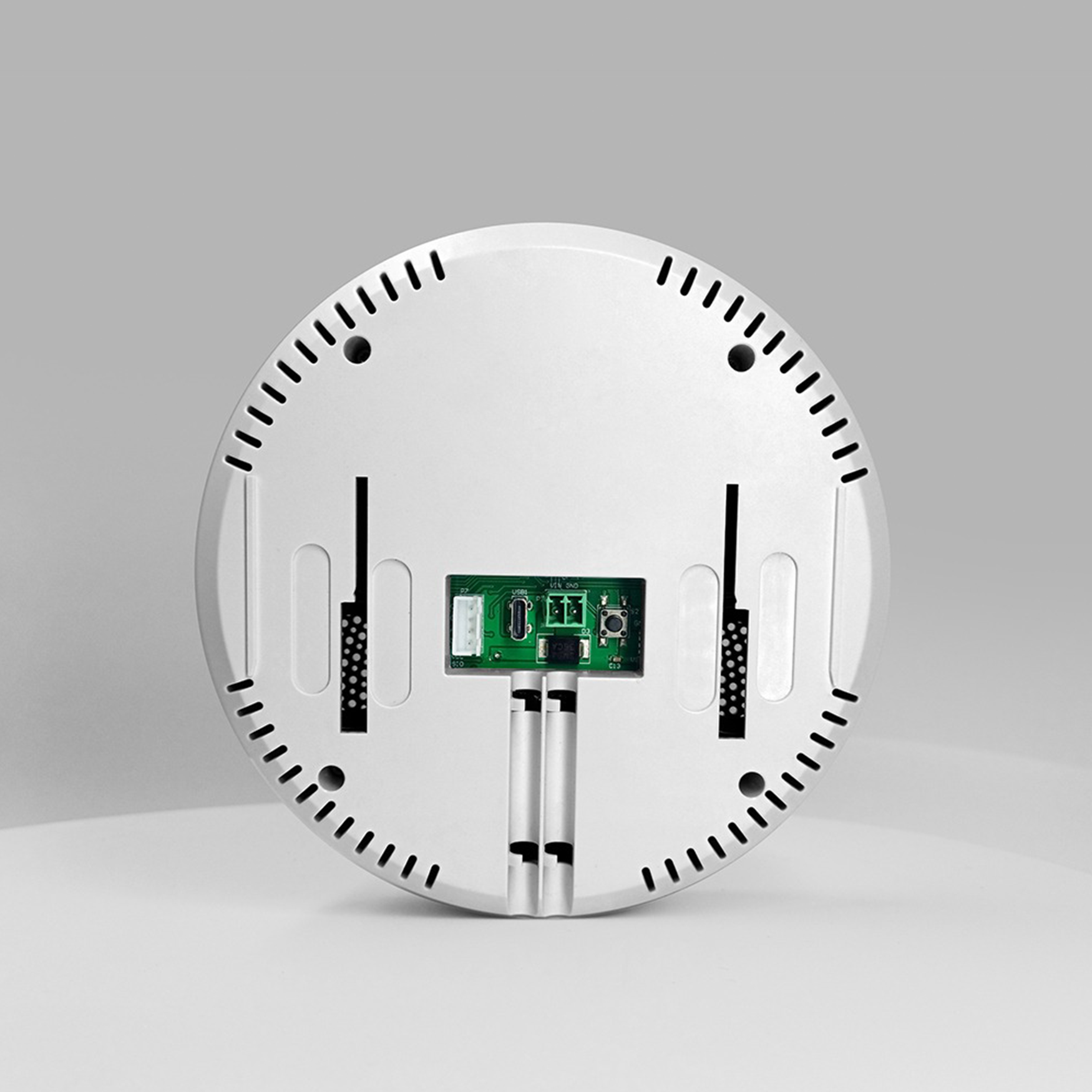
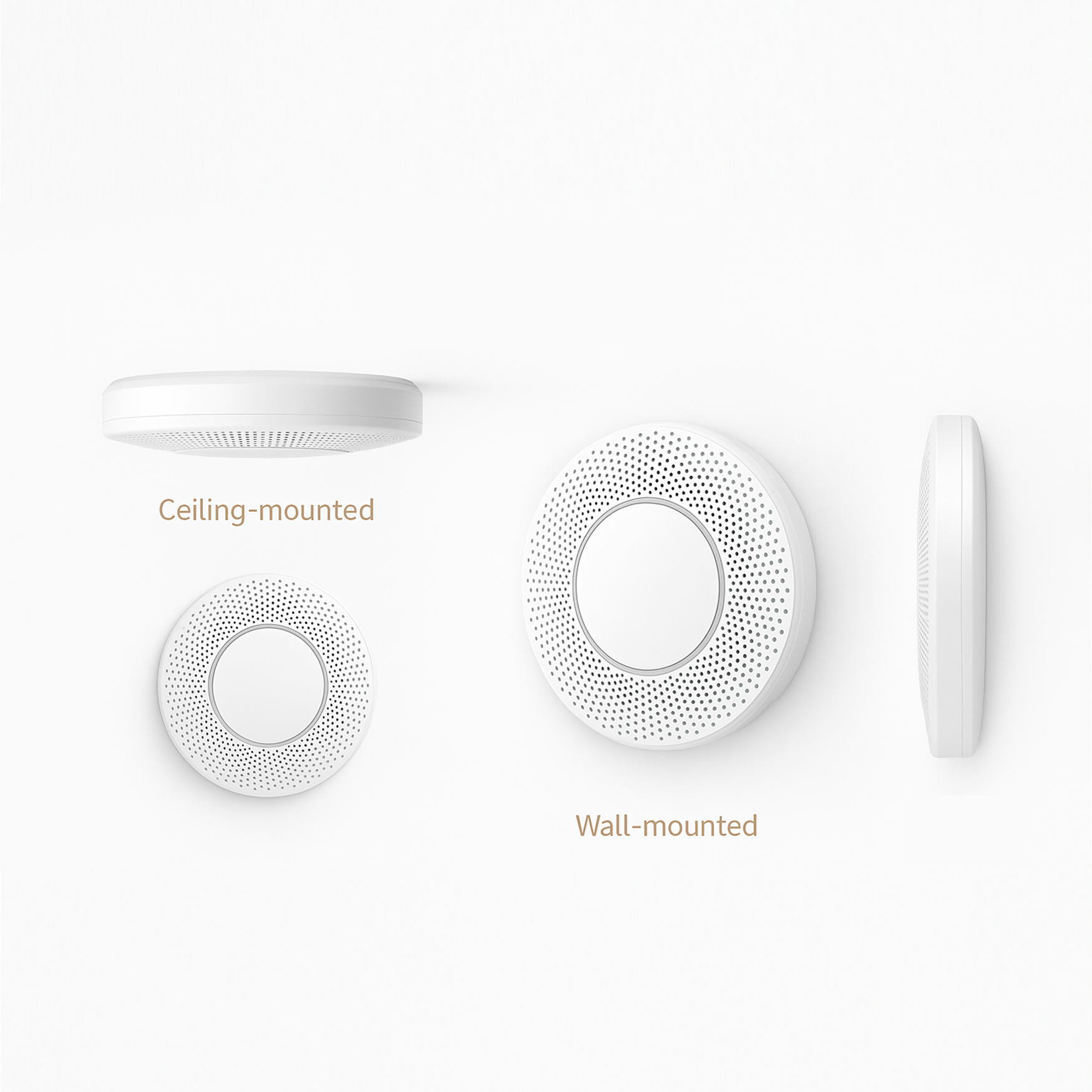
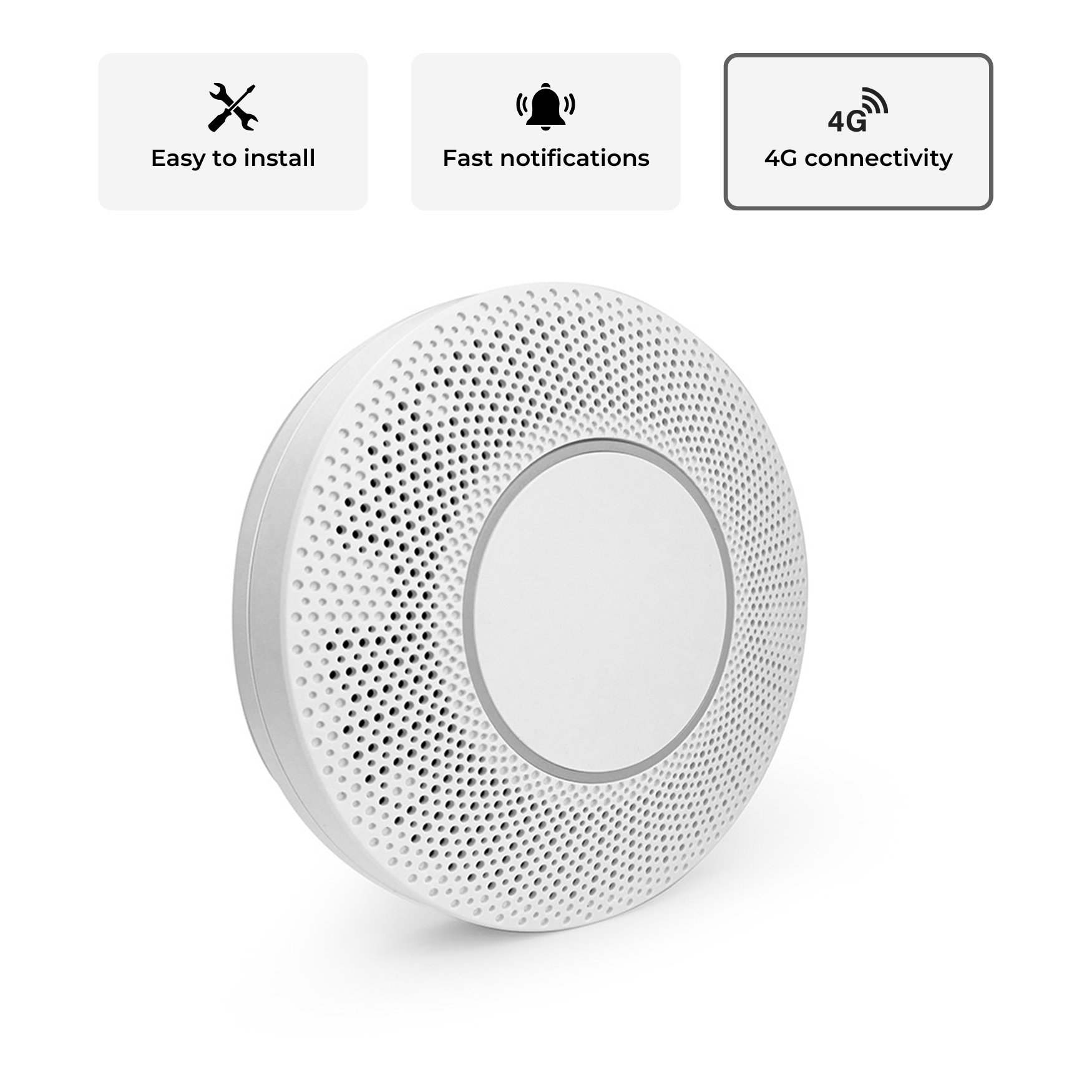
Vape Guardian sensors detect vaping, THC, Spice, over occupancy, loud noise and cigarettes without cameras, which suits spaces where cameras are never appropriate. Its 10 point detection formula is designed to identify vaping accurately and avoid false positives, and the sensors are supplied with 'No Vaping' signage and unlimited notifications to unlimited staff. Across 2,400 installed sensors, the company reports 96% alert accuracy, and schools report that vaping incidents halve within two weeks and are almost eliminated by week five. At Seaham High School, vaping in toilets has fallen substantially since alarms were installed.
Our guides to vaping detection for schools and safeguarding technology for schools explain how detection fits alongside the human response that training provides. Detection identifies where and when vaping occurs. Staff training determines what happens next.
Education and Rehabilitation as an Alternative to Exclusion
Pupil education and rehabilitation should sit at the heart of any programme, because exclusion removes a young person from the very environment where support is available. Fixed term exclusions for vaping can deepen disengagement, and they do nothing about nicotine dependence.
Staff training is more effective when it includes a clear, supportive route for pupils caught vaping. That route might include a restorative conversation, a referral to the school nurse or local stop smoking service, and a structured educational course.
This is where Vape Guardian Education fits. It is a 35 minute student vaping intervention course with 6 lessons and quizzes, designed with LifeLab at the University of Southampton. Schools can assign it to pupils found vaping as an educational alternative to exclusion, giving them accurate information about nicotine, marketing tactics and how to quit, while giving staff a consistent, documented response.
Combining detection with education creates a complete loop. Sensors show where the problem is concentrated, training equips staff to respond fairly, and a course like this gives pupils a constructive next step. Vape Guardian's vaping education hub for schools brings together further resources for teaching teams.

Building Vaping Awareness Into the Whole School Approach
Training is most effective when it forms part of a whole school approach rather than a single INSET session. Pupils, parents and governors all need to hear the same message, and the curriculum should reinforce what staff say in corridors.
Practical steps include:
- Mapping vaping content to PSHE and relationships and health education, so that pupils hear accurate information at each key stage.
- Briefing governors and trustees on incident trends, so that policy decisions are informed by data.
- Sharing a short parent leaflet or newsletter item explaining the school's position and the support on offer.
- Involving pupil voice, such as student councils or peer mentors, so that messaging is credible.
- Working with the local school nursing team, public health partners and police liaison where supply is suspected.
The wider public health picture supports this joined up effort. ASH's overview of its 2025 adult and youth survey findings describes progress that has stalled, which reinforces the need for schools to act consistently rather than wait for national measures. The 2025 ASH youth survey, run annually by YouGov, included young people aged 11 to 18 in Great Britain, with fieldwork from 14 March to 24 April 2025. It remains a useful reference when explaining the trend to governors.
Planning and Measuring Your Training Programme
A training programme only improves outcomes if it is planned, scheduled and reviewed against clear measures. Treat it as a cycle rather than a one off event, and assign ownership to a named senior leader.
| Stage | Action | Typical owner |
|---|---|---|
| Audit | Review incident logs, hotspots and current staff confidence | Safeguarding lead |
| Train | Deliver whole staff briefing plus role specific sessions for pastoral teams and site staff | Headteacher and safeguarding lead |
| Equip | Confirm detection, signage, confiscation kits and recording forms are in place | Site manager |
| Educate | Assign pupil courses and PSHE content | Head of PSHE |
| Review | Compare incident data each half term and adjust | Senior leadership team |
Useful indicators to track include the number of incidents per week, the proportion logged within 24 hours, repeat offender rates, and staff confidence levels in short pulse surveys. Sensor data adds an objective layer, since alert timing shows exactly when and where vaping peaks.
Site managers deserve a place in the training too. They often notice early signs of vaping, such as discarded devices or damaged ceiling tiles, and they are usually the first to see tampering with equipment. A short, targeted session for site and cleaning teams pays off quickly.
Questions Leaders Ask About Vaping Training
How often should staff receive vaping safeguarding training?
Whole staff training should take place at least annually, with a briefing for new starters during induction. Short termly updates work well when incident data shows a change in pattern or when new products appear in school.
Should training include teaching staff and support staff?
Yes. Midday supervisors, teaching assistants, cleaners and site teams often encounter vaping before anyone else, so they need the same core protocol as teachers and pastoral leaders.
Can detection technology replace staff training?
No. Detection identifies where and when vaping occurs, but trained staff decide how to respond fairly and supportively. Our guide to anti vaping technology for schools outlines how the two work together.
What if our school suspects pupils are vaping cannabis or other drugs?
Staff should follow the school's drug related procedures and involve the designated safeguarding lead promptly. Training should make clear that suspected illegal substances trigger a different pathway from nicotine vapes, including possible police and local authority involvement.
Is there a confirmed national ban on vaping indoors?
There is no confirmed national ban on vaping indoors at the time of writing. Schools should continue to rely on their own policies and on-site rules.
Your next step is to review the last term's vaping incident log and identify the two or three locations where most incidents occur, then use that picture to plan your staff training session. If you would like to see how detection can support that plan, Vape Guardian offers UK designed sensors backed by a dedicated support team and a 100 day money back guarantee, and you can get a quote or book a 15 minute call to discuss your site. Pair detection with Vape Guardian Education so that every pupil who is caught vaping is offered education and support rather than exclusion.





Share:
PSHE Lessons on Vaping: A Teacher's Guide for Schools
How to Help a Student Quit Vaping: A Practical Guide