

Alternatives to exclusion for vaping centre on education, pastoral support and reliable detection, so that a pupil caught vaping is helped to stop rather than removed from school. Exclusion removes a young person from the very structures that can support them, and it rarely addresses nicotine dependence. A graduated response, backed by evidence that a pupil was actually vaping, keeps pupils in lessons and still holds a firm line.
The scale of the issue explains why schools are looking for something more effective. ASH reports that in 2025, 19% of 11 to 17 year olds in Great Britain had tried vaping, an estimated 1.1 million young people, and that this level has been similar since 2023. The government's own evidence page cites the same survey and reports that one in five 11 to 17 year olds in England had tried vaping. With figures like these, a policy built on exclusion alone would remove a significant share of a year group.
Why exclusion is a weak response to vaping
Exclusion is a weak response because it punishes the behaviour without treating its cause, which is usually nicotine dependence combined with peer pressure.
A suspension also carries practical costs for the school. Under DfE guidance, schools must arrange suitable full time education from the sixth school day when a suspension exceeds five school days, for pupils of compulsory school age, as set out in the guide for parents on school behaviour and exclusion. Short suspensions still mean lost learning, a reintegration meeting and extra administration.
There are four common problems with relying on exclusion:
- It does not address dependence. A pupil who is nicotine dependent will often vape at home during the suspension and return with the same habit.
- It can push behaviour out of sight. Pupils learn to avoid detection rather than to stop.
- It disconnects pupils from support. Pastoral teams, school nurses and trusted adults are all at school.
- It is inconsistent in practice. Without reliable evidence, sanctions fall unevenly on those who are caught rather than those who are vaping.
None of this means vaping should go unchallenged. The government advises children never to vape and says nicotine vapes should only be sold to people aged 18 or older. The aim is a response that changes behaviour, and a consequence the pupil learns from.
What are the main alternatives to exclusion for vaping?
The main alternatives to exclusion for vaping are structured education, restorative conversations, targeted pastoral support, cessation signposting and consistent detection that makes enforcement fair.
The table below compares the options on what each does and the staff time it needs.
| Alternative | What it achieves | Staff time needed |
|---|---|---|
| Education course | Builds understanding of nicotine and vaping harms | Low, mostly pupil led |
| Restorative conversation | Repairs trust and explores why the pupil vapes | Medium, one to one |
| Pastoral support plan | Tackles underlying stress, anxiety or peer pressure | Medium to high |
| Cessation signposting | Gives dependent pupils a route to stop | Low, referral based |
| Parental engagement | Aligns home and school messages | Low to medium |
| Detection in vape hotspots | Provides evidence and deters repeat incidents | Low once installed |
Most schools combine several of these. The sections below look at each in turn, starting with education, because it addresses the knowledge gap that many young people have about nicotine.
Using education as a consequence
Education works as a consequence when it is completed in place of, or alongside, a short sanction, and when the content is specific enough to change how a pupil thinks about vaping.
Vape Guardian Education is a 35 minute student vaping intervention course with six lessons and quizzes, designed with LifeLab at the University of Southampton. A pupil can complete it independently, which keeps the burden off teaching staff while giving the pupil something constructive to do. Because it pairs with detection, a school can offer rehabilitation and education alongside enforcement, and can show families that the response was supportive as well as firm.
Schools can also draw on free material. The DHSC published a three session KS3 form time resource on 15 August 2024 that covers social pressures, vaping's impact and the effects of nicotine on the adolescent brain. Using it for whole year groups reduces the sense that individual pupils are being singled out.
Vape Guardian also maintains a vaping education hub for schools that brings together teaching resources in one place.
Restorative conversations and pastoral support
A restorative conversation is a structured, non punitive discussion in which the pupil explains what happened, considers who was affected and agrees next steps.
The first conversation should establish why the pupil vapes. Common reasons include stress, a sibling or friend who vapes, curiosity, and genuine dependence. Each calls for a different response. A pupil vaping to cope with anxiety needs mental health support. A pupil vaping because their friendship group does needs help with peer pressure and, in some cases, a change in seating or supervision at break times.
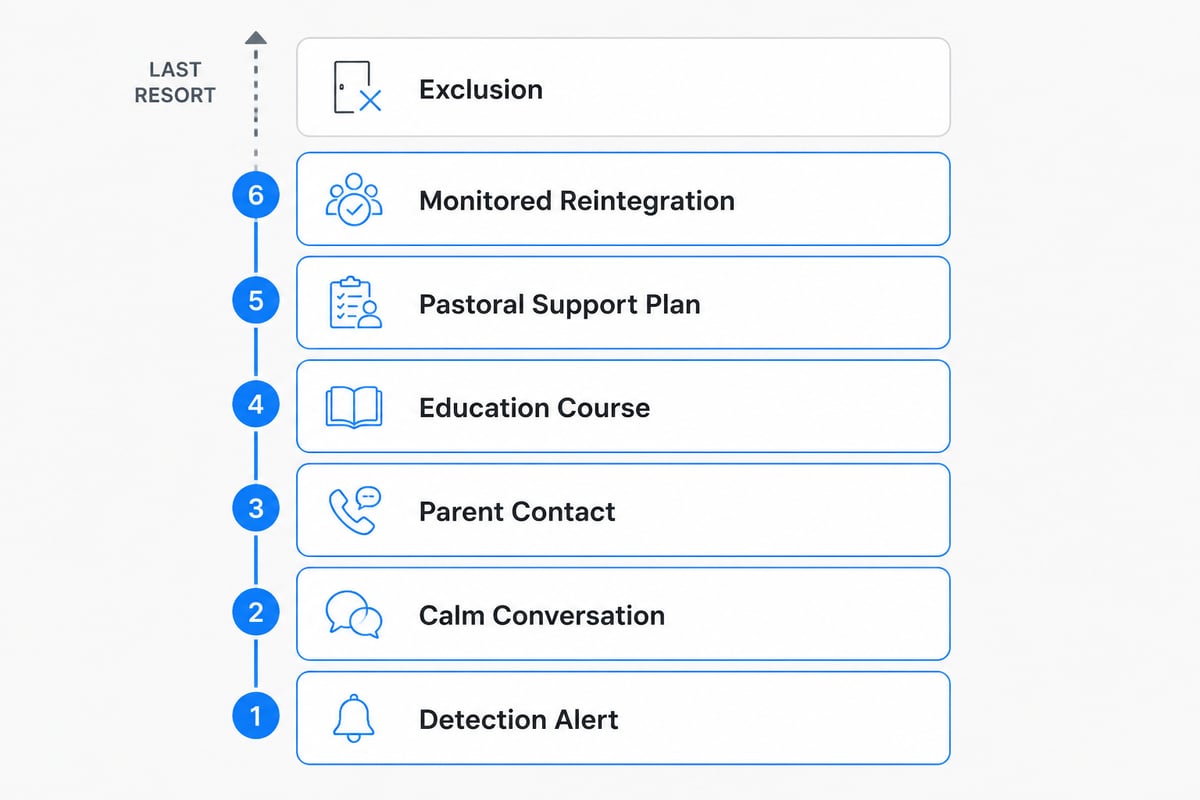
A practical sequence for a first incident looks like this:
- Speak to the pupil privately and calmly, without an audience.
- Record the incident factually, including how it was detected.
- Hold a restorative conversation within a day or two.
- Contact parents or carers and explain the support on offer.
- Assign an education course and agree a short review date.
- Check in with the pupil after two weeks and again after half a term.
For repeat incidents, bring in the safeguarding lead and consider whether nicotine dependence needs a referral. Local authority resources can help here. Wigan Council's vaping and smoking page is an example of the school facing prevention and support information that councils collect, and your own authority may offer something similar.
Is it normal for a 13 year old to be vaping?
It is not unusual for a 13 year old to have tried vaping, but it is not something to dismiss, because nicotine is addictive and the government advises children never to vape.
The survey figures above show that trying a vape by the end of secondary school is common, yet "common" is not the same as harmless. At 13, a pupil is still developing, and the DHSC resource noted earlier specifically addresses the effect of nicotine on the adolescent brain. The right response is a calm conversation, curiosity about why they tried it, and a clear message about the risks, rather than alarm or punishment.
Parents often ask whether one experiment means dependence. It does not, but regular use, vaping before school or irritability when unable to vape are signs that support beyond education may be needed. A school nurse or GP can advise on stopping, and the pastoral team can monitor progress.

How can schools reduce vaping?
Schools reduce vaping most reliably by combining a clear policy, visible consistency, education and detection in the places where pupils vape unseen.
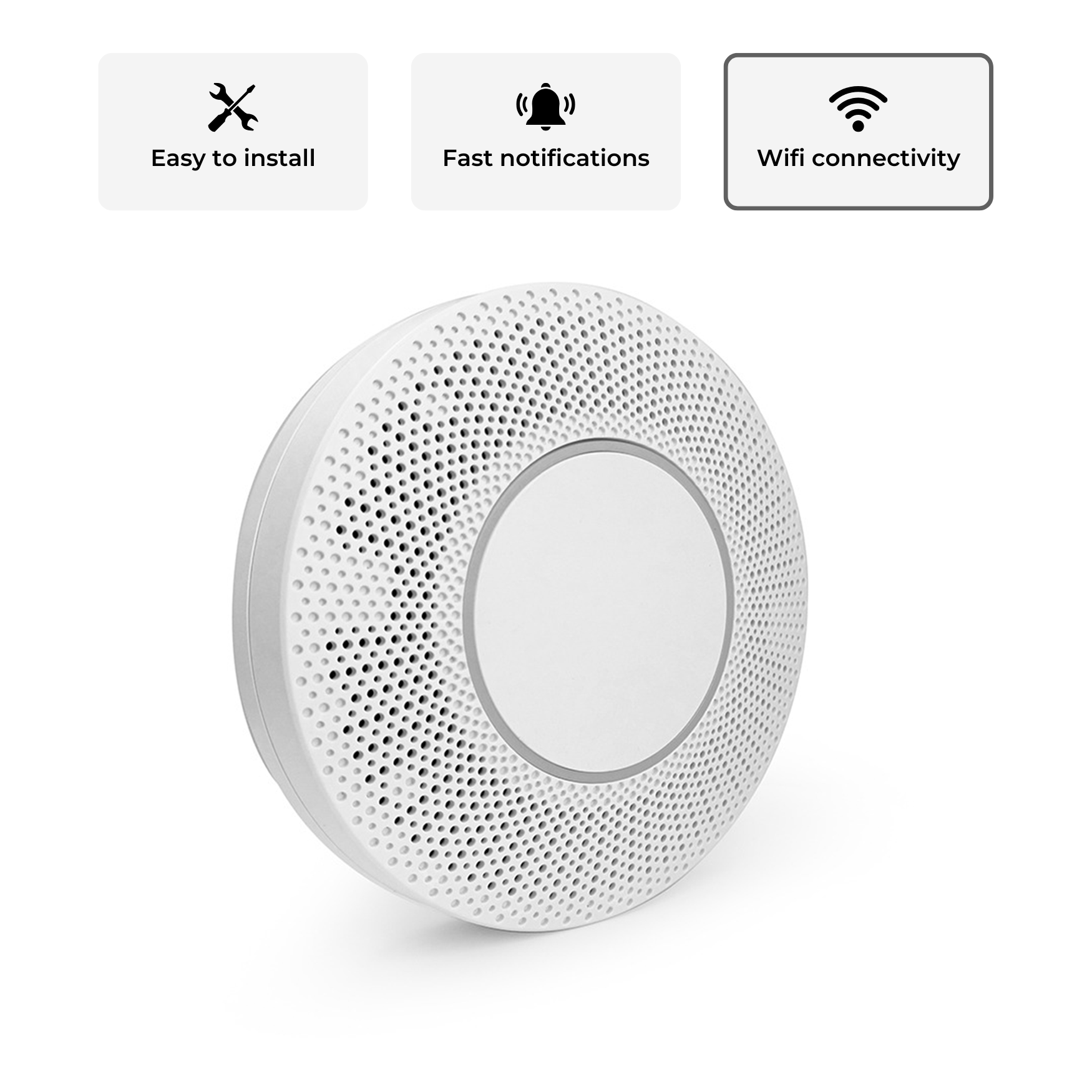
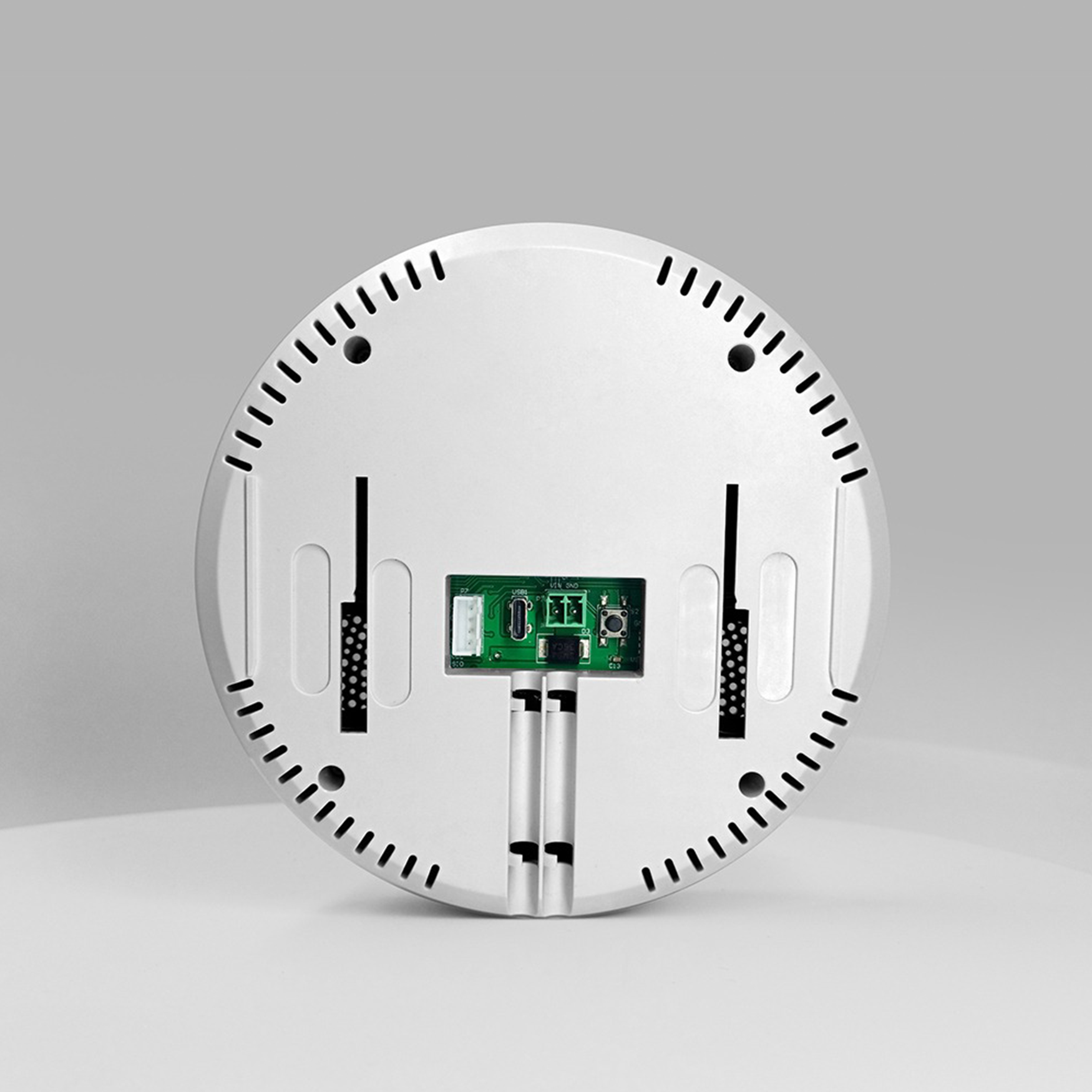
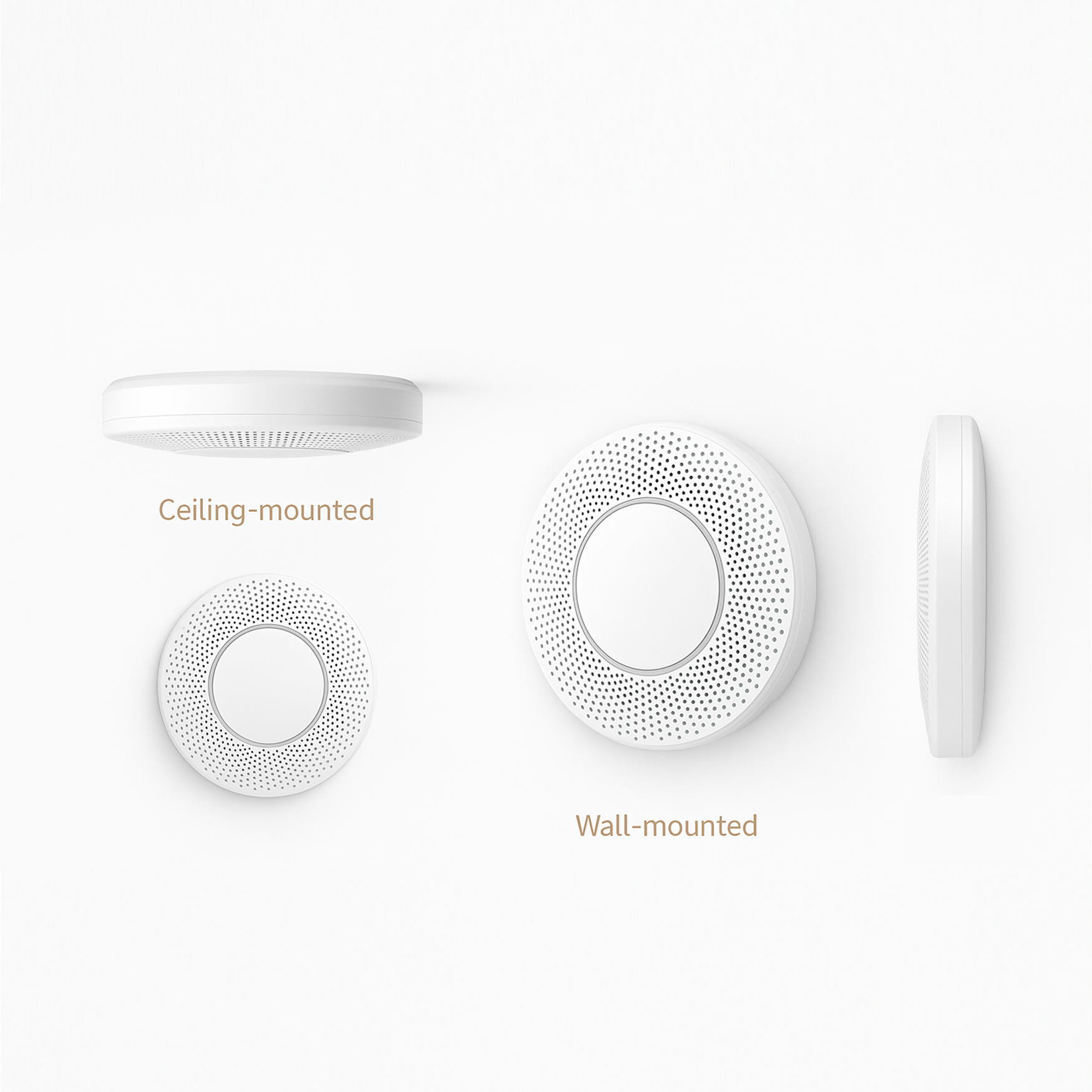
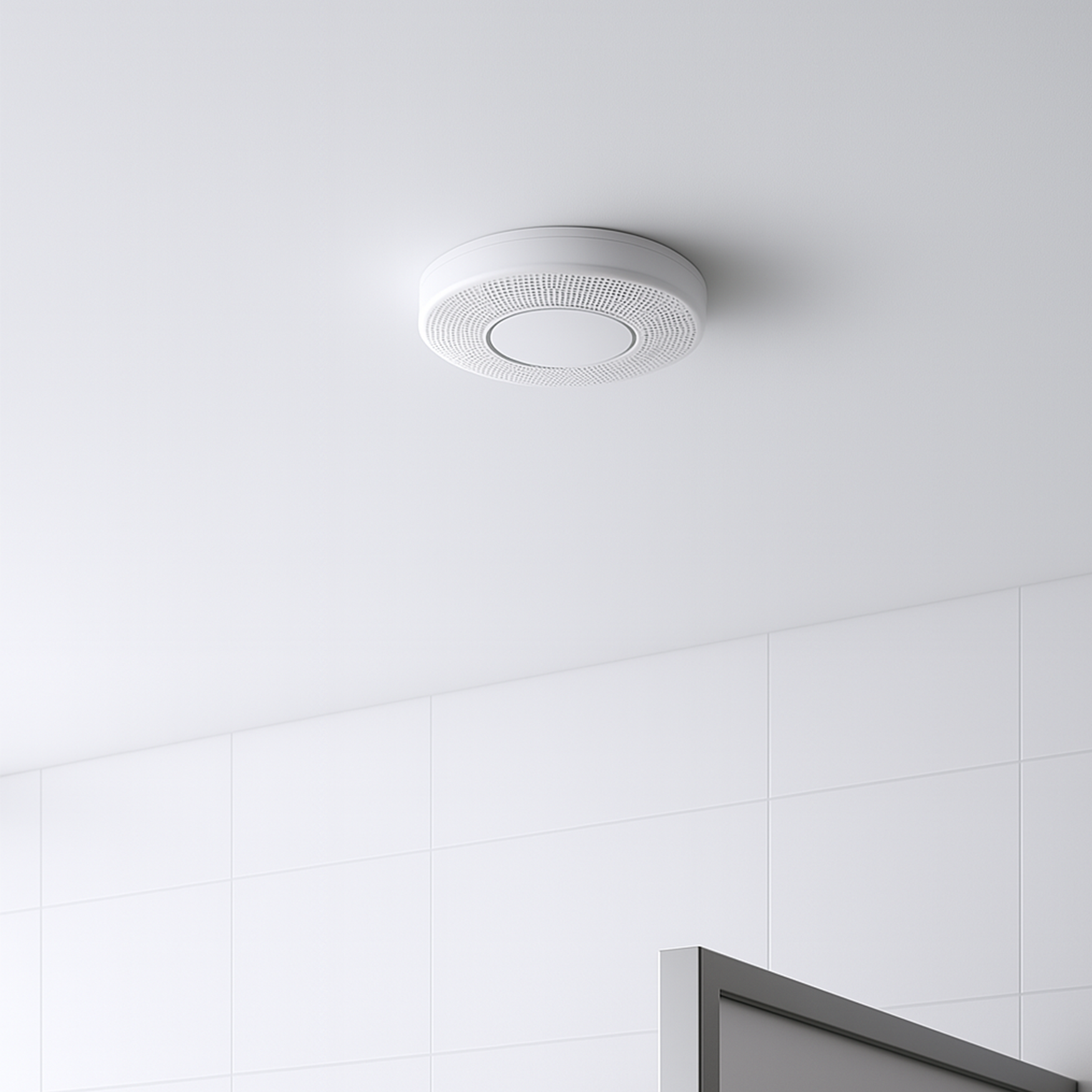
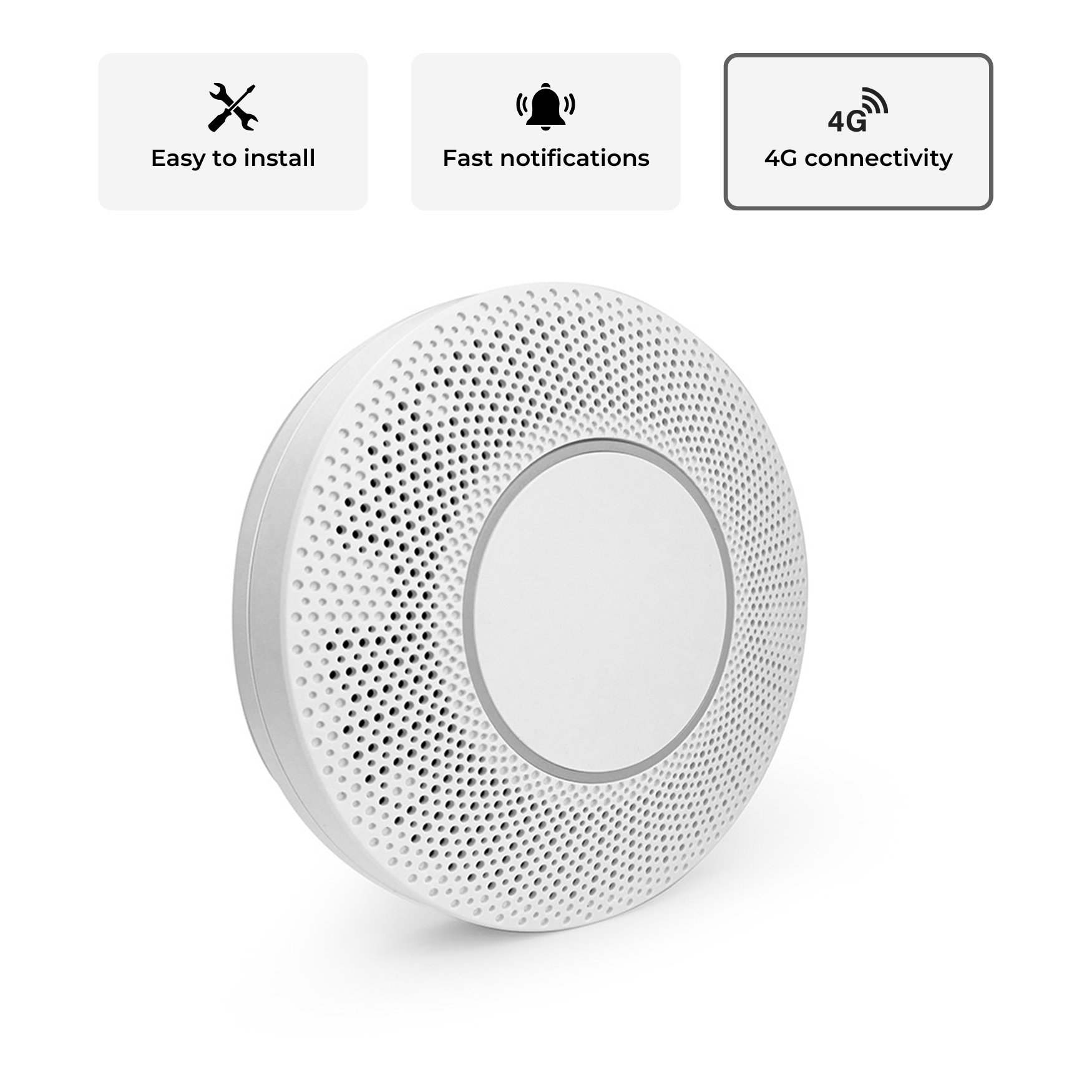
Toilets, changing rooms and secluded corners are where most incidents occur, and they are also where staff cannot be present. Detection fills that gap without cameras. Vape Guardian sensors detect vaping, THC, Spice, over occupancy, loud noise and cigarettes without cameras, and use a 10 point detection formula designed to identify vaping accurately and avoid false positives. Sensors are supplied with "No Vaping" signage and unlimited notifications to unlimited staff, so the right people hear about an incident quickly.
The results schools report are worth setting against the cost of repeated suspensions. Vape Guardian's schools report vaping incidents halving within two weeks and almost eliminated by week five. At Seaham High School, vaping in toilets is down around 95% since alarms were installed. Across the network, 2,400 sensors are installed, generating 14,540 weekly alerts at 96% alert accuracy.
The reason this matters for exclusion is fairness. When staff can point to a verified alert at a specific time and place, a proportionate response is easier to defend, and pupils see that the rules apply to everyone rather than only to those who happen to be caught.

Building a policy that does not rely on exclusion
A policy that does not rely on exclusion states the expected behaviour, lists the graduated steps and explains when a harder sanction applies.
Include these elements:
- A clear statement of purpose. Explain that the school is protecting health and that its first response is support.
- Defined stages. Set out what happens at the first, second and third incident.
- Roles. Name who investigates, who contacts parents and who runs reintegration.
- Criteria for escalation. State when behaviour, such as supplying vapes to others, moves to a more serious response.
- A review cycle. Revisit the policy termly using incident data.
Check the current DfE guidance on suspensions and permanent exclusions before finalising any wording about legal duties, because responsibilities for headteachers, governing bodies and local authorities are set there. For policy drafting support, Vape Guardian has a guide to vaping policy for schools, and a page on best practice for handling vaping alerts that helps staff respond consistently once an alert arrives.
A note on the wider legal picture. Schools should not wait for legislation to act, since the government's plans on vape free places are still developing and your own site rules already apply. Your own site rules already apply today.
What does vape free mean for a school?
A vape free school is one where vaping is not permitted anywhere on site, including toilets and outdoor areas, and where that expectation is enforced consistently and supported by education.
The phrase describes an environment rather than a legal status. It does not mean no pupil has ever vaped. It means the school has a visible rule, a reliable way to know when the rule is broken, and a supportive route for those who struggle. Signage, communication to parents and consistent staff responses all contribute, and so does detection that confirms where problems are occurring.
For schools that want to understand how sensors work in practice, Vape Guardian's guide to vaping detectors for bathrooms explains placement and what to expect.
Measuring whether your approach is working
Measure success by tracking incident numbers, repeat rates and pupil outcomes, rather than counting sanctions issued.
Useful indicators include:
- Weekly alert volumes by location, which show whether vaping is declining and where it is moving
- The proportion of pupils with a second incident after completing the education course
- Attendance and behaviour records for pupils who have been through the process
- Pupil and parent feedback on whether the response felt fair
Review the data each half term with the safeguarding lead and pastoral team. If alerts drop in the toilets but rise elsewhere, adjust supervision or sensor placement. If repeat incidents persist for a small group, those pupils likely need cessation support or a deeper pastoral plan rather than a repeat of the same intervention. Vape Guardian's UK support team can help interpret patterns, and firmware updates are sent over the air at no added cost.
FAQ
What can schools do instead of vaping to help pupils quit?
Schools can offer an education course, a restorative conversation and referral to a school nurse or GP for cessation support. Pairing these with a short review period helps a pupil stay on track. Involving parents or carers early makes the message consistent between school and home.
Do alternatives to exclusion mean vaping goes unpunished?
No. A proportionate response can still include a consequence, such as a detention, loss of a privilege or a required course. The difference is that the consequence is designed to change behaviour and keep the pupil in school, with exclusion reserved for serious or repeated cases such as supplying others.
How quickly can a school see a reduction in vaping?
It varies by site, but schools using Vape Guardian report incidents halving within two weeks and almost eliminated by week five. Results depend on consistent follow up, clear signage and a policy that pupils understand.
Start by reviewing your last term's vaping incidents and asking how many ended in suspension without any follow up support, then draft a graduated response that fits your site. Vape Guardian can support that work with detection that reduces incidents and with Vape Guardian Education, a six lesson course that gives pupils a constructive route back. If you would like to see how sensors would work in your toilets and secluded areas, you can get a quote or book a 15 minute call with the team, and a money back guarantee means you can judge the results for yourself.



Share:
Vaping Education Programme for Schools: A Practical Guide
Vaping Intervention Course for Students: A School Guide