

A vaping education programme for schools is a structured set of lessons, staff training, parent communication and follow-up support that helps pupils understand the health risks of nicotine and gives those already vaping a route to stop. The strongest programmes pair clear teaching with a consistent policy and a supportive response to incidents, rather than relying on warnings or exclusion alone.
This guide sets out how to design one, what content to include at each age group, how to involve families, and how to judge whether it is working. It is written for headteachers, pastoral leads, PSHE coordinators and safeguarding teams in UK schools.
What a Vaping Education Programme Should Achieve
A well designed programme should reduce uptake, correct misconceptions and help pupils who already vape to stop, all within a policy that staff apply consistently.
Those three aims need different tools. Prevention work targets pupils who have not started. Correction targets the widespread belief that vaping is harmless because it is "only vapour". Cessation support targets pupils whose use has already become habitual or dependent.
Before choosing materials, agree measurable goals with your governors or trust. Useful targets include:
- A reduction in reported vaping incidents on site over a full academic year
- An increase in pupil knowledge, measured by a short quiz before and after lessons
- A higher proportion of staff who feel confident handling a disclosure or an incident
- A growing number of pupils referred for support rather than sanctioned
Without defined goals, a programme tends to become a single assembly and a leaflet, which rarely changes behaviour.
Building the Curriculum: What to Teach and When
Effective content is age appropriate, factual and delivered over several sessions rather than in a single event.
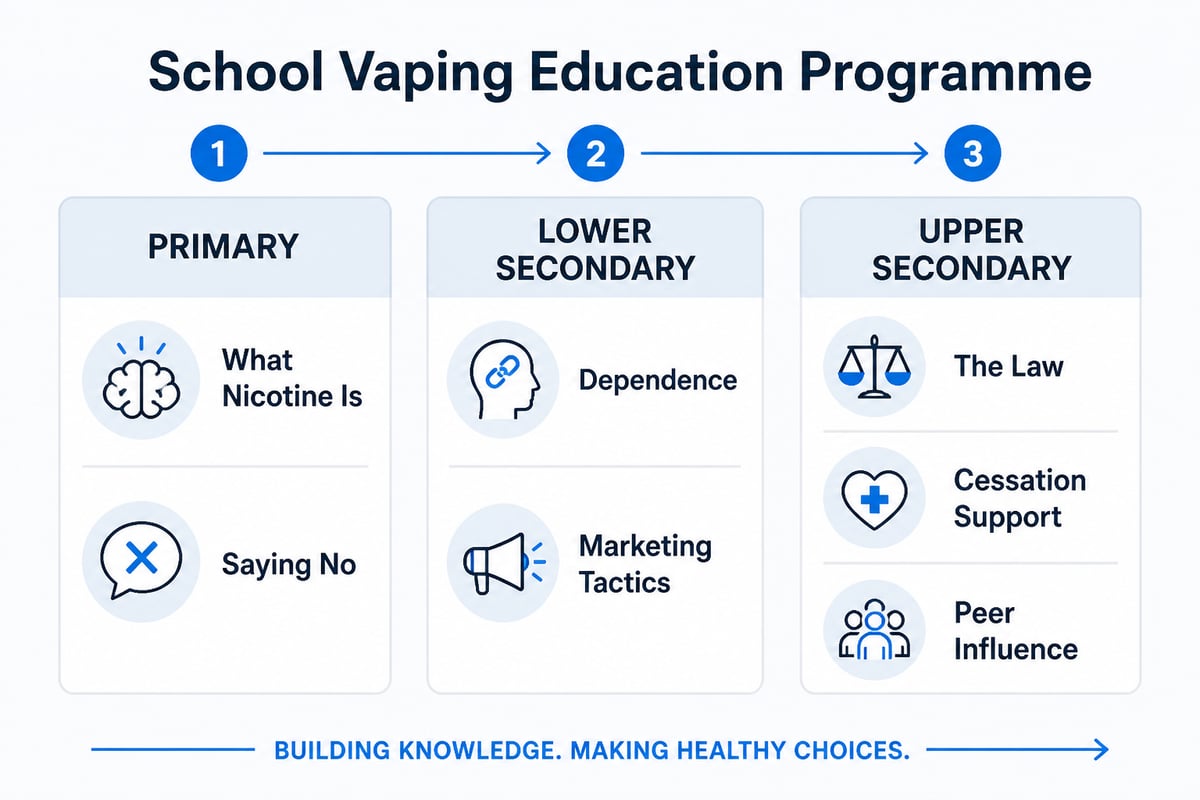
Primary pupils benefit from short, simple lessons on what nicotine is, why products are age restricted and how to say no. Secondary pupils need more detail on dependence, the chemistry of e-liquids, marketing tactics aimed at young people, and the legal position on buying vapes under 18.
Core topics for every key stage
Whatever the age group, a sound programme covers:
- What vapes contain and how nicotine affects a developing brain
- How dependence develops, including cravings and mood changes
- How marketing, flavours and social media normalise use
- Refusal skills and how to handle peer pressure
- Where to find help, in school and beyond
Learning from structured models
Published programmes can show what good structure looks like. In the United States, for example, Ohio lists CATCH My Breath as a no cost, evidence based programme for grades 5 to 12 built from four 30 minute lessons. The same state also lists You and Me, Together Vape-Free as a no cost curriculum with six lessons of about 50 minutes for middle and high school pupils and two lessons of similar length for elementary school. These are US resources and not designed for the UK curriculum, but their shape is instructive: short, repeatable sessions with clear learning outcomes.
Choosing Between Delivery Formats
The right format depends on your timetable, staffing and the level of need among your pupils.
Most schools combine several approaches. The table below compares the common options.
| Format | Typical time | Best for | Main limitation |
|---|---|---|---|
| PSHE lessons | Weekly or termly slots | Whole cohort prevention | Depends on teacher confidence |
| Assemblies | 15 to 30 minutes | Raising awareness quickly | Little room for discussion |
| Tutor time activities | 10 to 20 minutes | Reinforcing key messages | Variable quality between tutors |
| Online courses | 30 to 45 minutes | Targeted intervention, flexible delivery | Needs follow-up conversation |
| External speakers | One session | Credibility with older pupils | Cost and limited repetition |
Free presentations are also available. The US Know the Risks youth guide to e-cigarettes is listed as a free presentation for ages 11 to 18, with an estimated delivery time of 45 minutes.
Education Alongside Detection: A Supportive Response
Education works best when detection is used to open a conversation and not simply to issue a sanction.
Exclusion can do little for a pupil who is dependent on nicotine. A suspension removes the pupil from the environment where support is available and often leaves the underlying habit unchanged. A more effective model identifies the behaviour early, responds consistently and directs the pupil to education and cessation support.
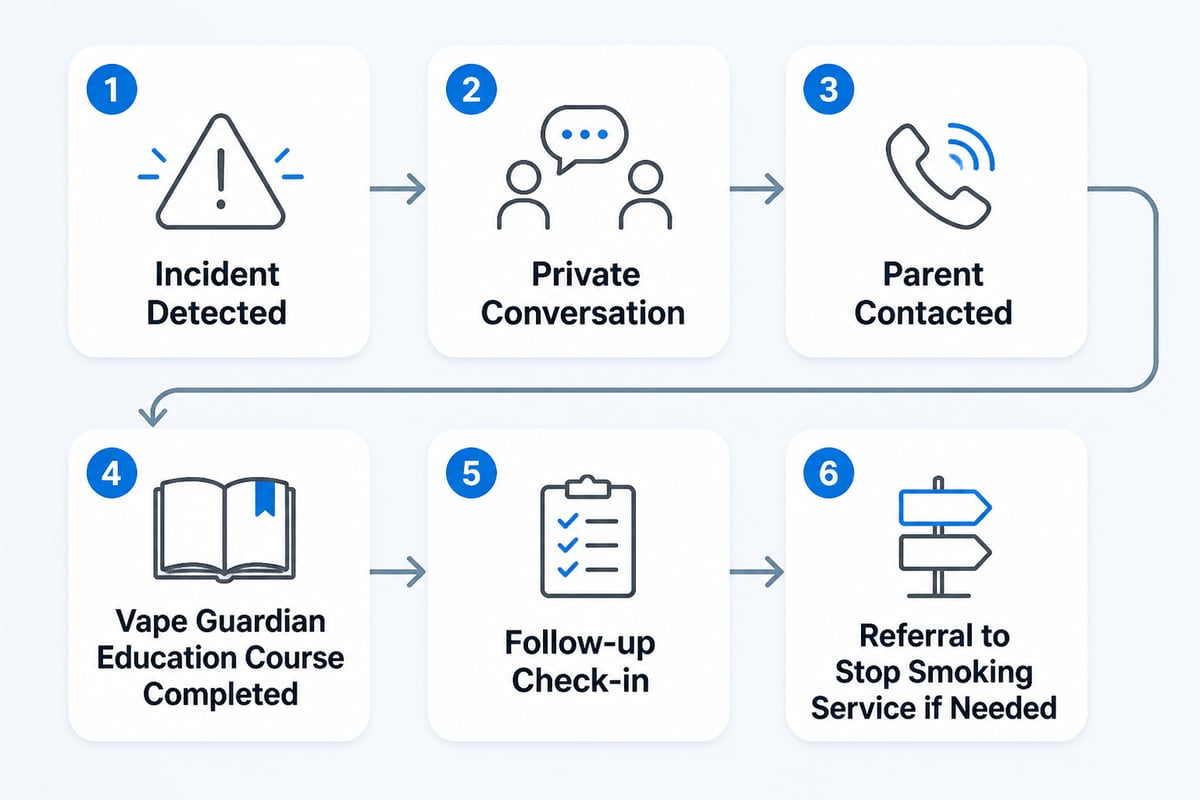
This is the thinking behind Vape Guardian Education, a 35 minute student vaping intervention course with six lessons and quizzes, designed with LifeLab at the University of Southampton. Schools can use Vape Guardian Education as a rehabilitative alternative to exclusion: a pupil caught vaping completes the course, answers the quizzes and has a follow-up conversation with a member of pastoral staff. The emphasis is on understanding and rehabilitation, with the aim that the pupil stops vaping and not simply that they avoid detection. Schools looking for a structured option can read our guide to a vaping intervention course for students, which explains what such a course should cover.
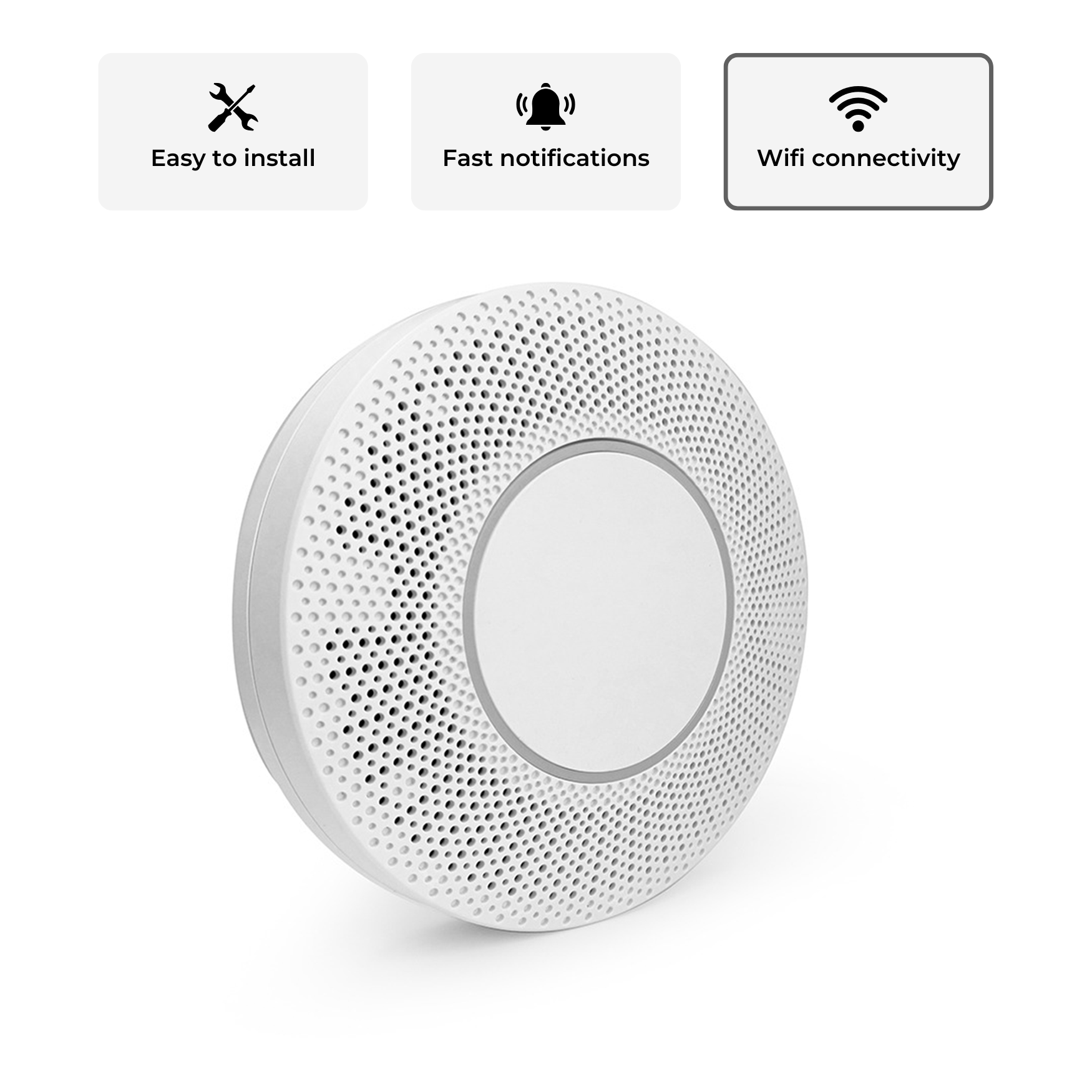
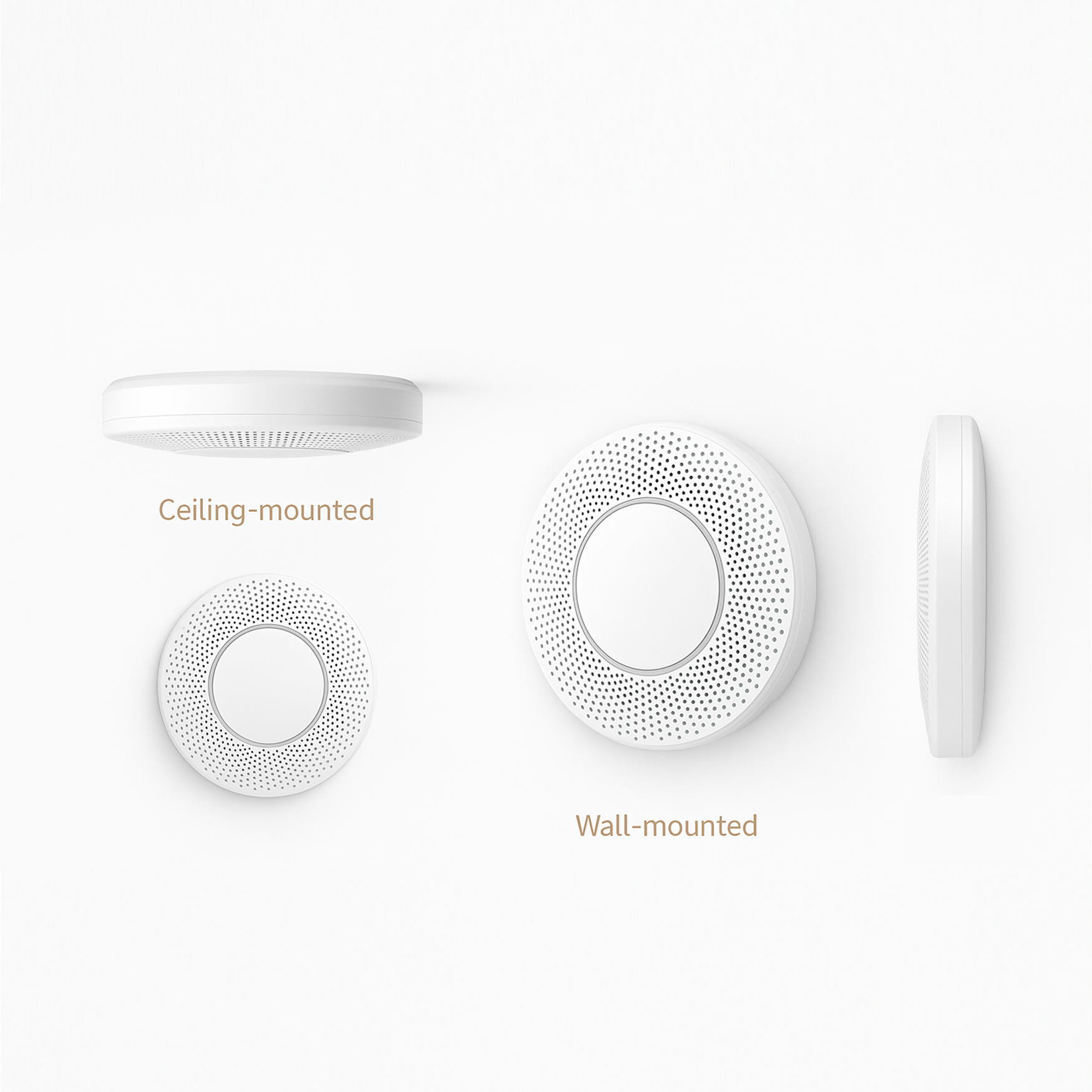
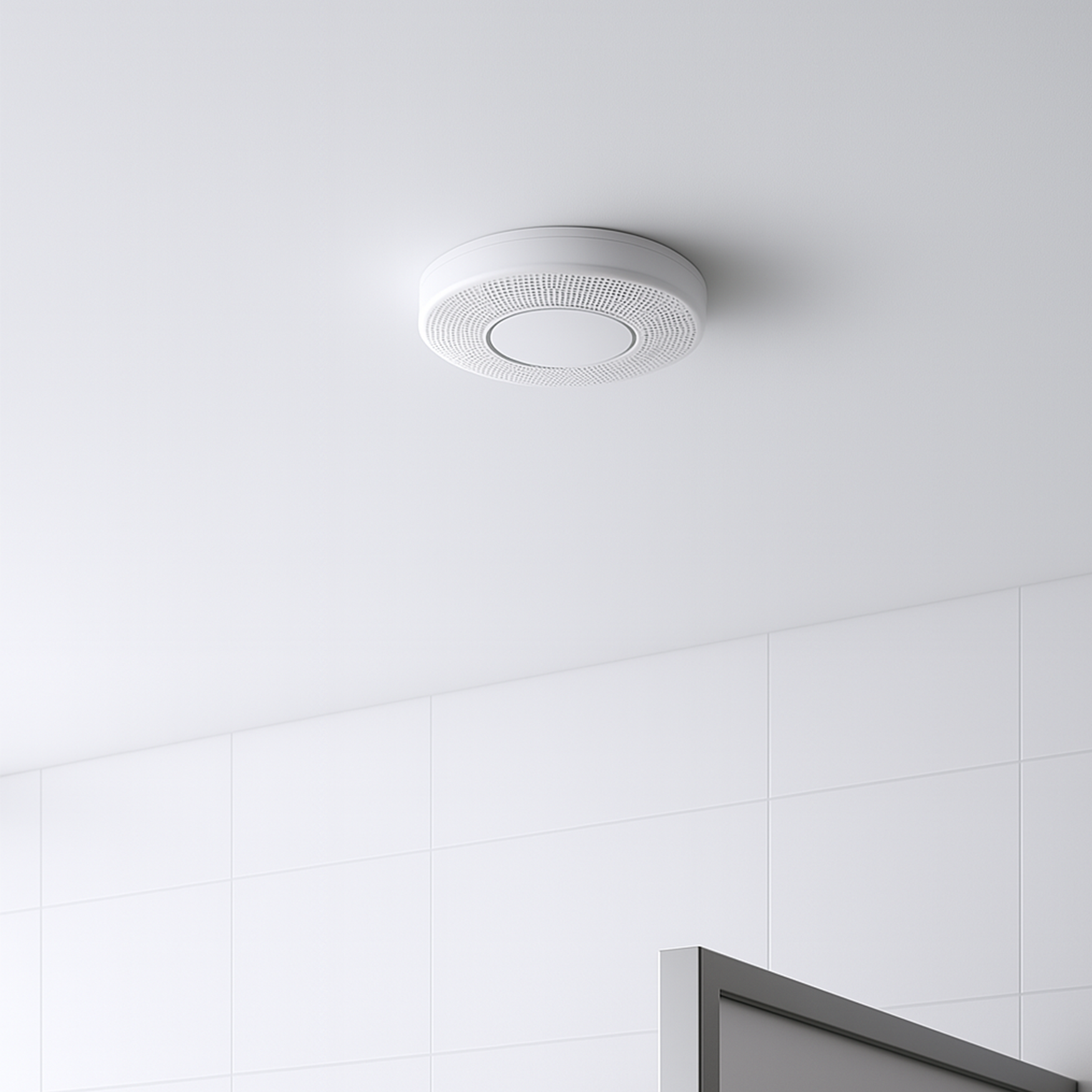
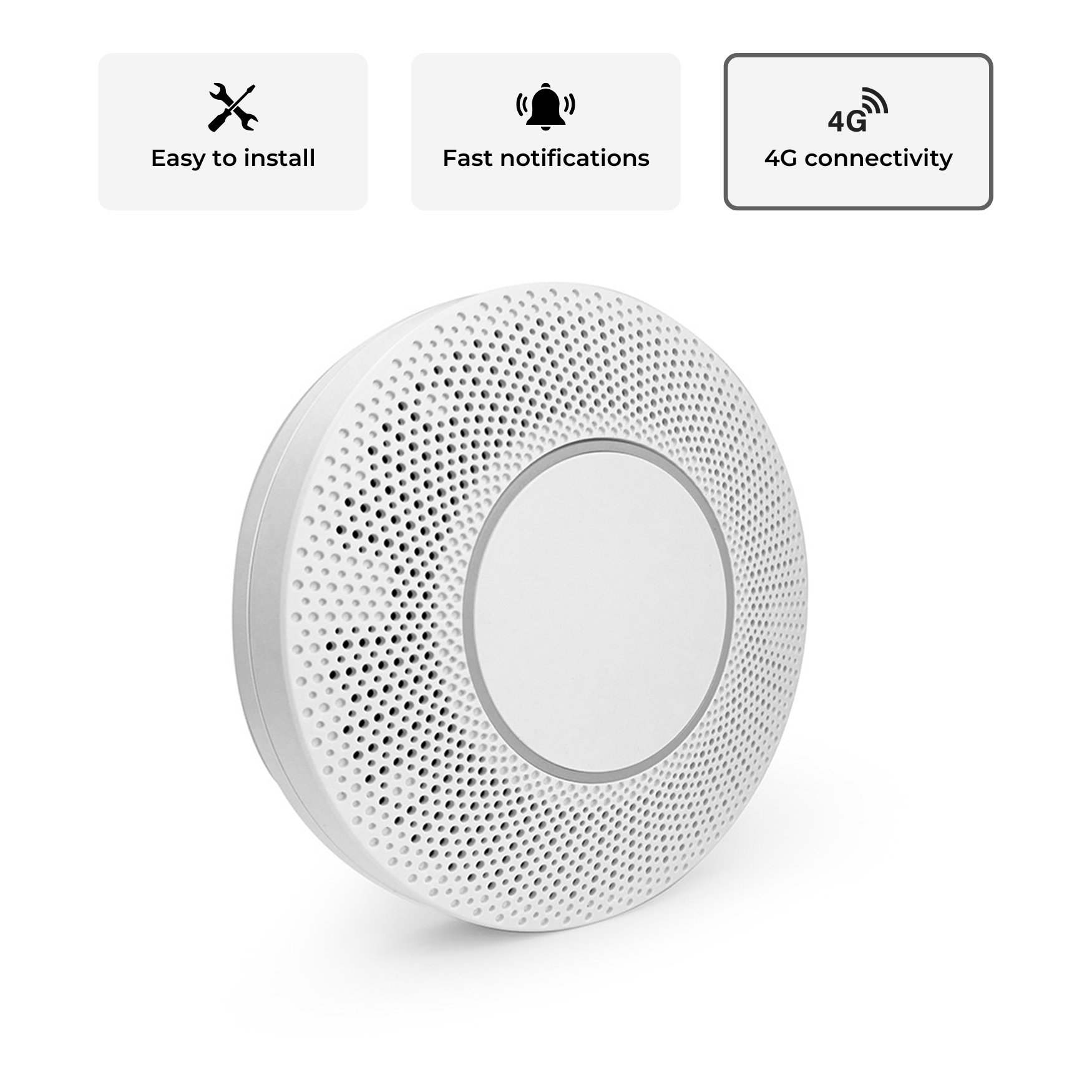
Pairing this with air quality monitoring gives staff accurate information about where and when vaping occurs, so interventions can be targeted. Bathrooms are a common location for vaping, and our overview of vaping detectors for bathrooms explains how sensors can alert staff in real time without cameras or intrusive measures. For a wider view of how detection fits into school life, see our guide on how to stop vaping in schools.
Aligning the Programme With School Policy
Pupils respond to consistency, so the programme must match a written policy that every member of staff understands and applies in the same way.
Policy gaps undermine teaching. If one teacher issues a detention for a first offence and another offers support, pupils quickly learn which adults to avoid. A clear tiered response removes that ambiguity.
A practical structure often looks like this:
- First incident: a private conversation, parental contact and referral to an education course
- Repeat incident: a structured support plan with pastoral oversight and agreed targets
- Persistent use: involvement of the school nurse or local stop smoking service
- Supply to others: treated as a more serious disciplinary matter
Our vaping policy for schools article walks through how to draft and communicate a policy of this kind.
On the legislative picture, schools should avoid assuming new rules are already in force. The Tobacco and Vapes Act gives government powers to make certain indoor places vape free, but policies should not assume a specific start date or confirmed indoor ban. Policies should therefore rest on your existing duty of care, safeguarding responsibilities and school rules, and be reviewed as guidance develops.

Involving Parents and Staff
A programme that reaches only pupils leaves out the two groups who most influence daily behaviour: families and the adults on site.
Iowa's school guidance in the US recommends reviewing tobacco and nicotine free policies, promoting health messaging, educating parents and updating curriculum on the harms of nicotine and e-cigarette use. The same four strands translate well to a UK setting.
Equipping parents
Many parents are unsure what a vape looks like, how to start the conversation or what signs to watch for. Consider a short evening session or a newsletter insert covering:
- How to recognise disposable vapes, which are often small, colourful and easy to hide
- Calm opening questions that avoid accusation
- Where to find support if a child wants to stop
- What the school will do if an incident occurs
Free printable resources can help. The FDA's print and download materials cover vaping risks and can be adapted to local context.
Training staff
Staff do not need to be health experts, but they do need clear guidance on three points: how to respond to a disclosure, how to handle a suspected incident without escalating it, and when to involve the designated safeguarding lead. A 30 minute briefing each term, with a short written protocol, is usually sufficient.
Making Pupil Voice Part of the Programme
Programmes that include pupil input are more credible, because young people tend to trust peers more than adults on subjects they associate with social pressure.
Consider forming a small group of pupils from different year groups to review materials, suggest realistic scenarios and help design posters or short videos. Older pupils can act as mentors in tutor time, sharing why they chose not to vape or how they stopped.
Anonymous surveys are also valuable. A short termly questionnaire asking whether pupils have tried vaping, where they see it happen and what would help them stop gives you data that incident logs cannot. Combine this with sensor data to spot gaps between what pupils report and what is occurring on site.
A further point worth building in is the role of ambient air data. Because sensors record patterns by time and location, you can see whether vaping peaks at lunch, between lessons or after school. That insight lets you place staff presence, adjust timetables for supervised breaks and target lessons at the year groups most affected. It also helps to show governors that the programme is producing measurable change, which supports continued funding.
Measuring Whether the Programme Works
Measurement should combine knowledge, behaviour and wellbeing indicators, reviewed at least once a term.
Useful measures include:
- Incident numbers: total vaping alerts or reports, compared month on month
- Repeat rate: the proportion of pupils involved in more than one incident
- Course completion: how many referred pupils finish an education course and pass the quizzes
- Pupil survey results: self-reported use and attitudes
- Staff confidence: a brief poll before and after training
Treat a rise in reported incidents carefully. In the first term after introducing detection, numbers often increase because previously hidden behaviour becomes visible. The more meaningful trend is the repeat rate and the number of pupils who stop after completing support.
For official materials to support lesson planning, the FDA's educator hub collects classroom lessons and student activities that can be adapted for UK use, while the federal vaping prevention conversation resources offer cross curricular ideas, infographics and videos.
A Termly Plan for Rolling Out Your Programme
A phased approach makes the programme manageable for busy staff and gives time to adjust before the next cohort.
Autumn term: review your policy, brief staff, send a parent communication and deliver the first round of lessons. Install or review air quality monitoring so you have baseline data.
Spring term: reinforce messages in tutor time, run a pupil survey and begin referring pupils to an education course where needed. Review incident data against the baseline.
Summer term: evaluate results, gather pupil and parent feedback and update materials for the next academic year. Share a short summary with governors.
Repeat the cycle each year, refreshing content so older pupils do not meet the same material twice. Our vaping education hub for schools brings together further resources for each stage of this plan.
Frequently Asked Questions
At what age should a vaping education programme begin?
Most schools introduce age appropriate content in upper primary, around ages 9 to 11, focusing on what nicotine is and how to refuse. Detailed content on dependence and the law is better suited to secondary pupils.
Should pupils caught vaping be excluded?
Exclusion rarely addresses dependence and removes pupils from the support available in school. A tiered response that prioritises education, parental involvement and cessation support, with firmer measures reserved for persistent use or supply, is usually more effective.
How long should a vaping lesson or course last?
Sessions of 30 to 50 minutes suit most timetables, and several shorter sessions generally outperform a single long one. Intervention courses can be completed in a single sitting or spread across a week.
Can detection technology replace education?
No. Sensors tell staff that vaping is happening and where, but they do not change attitudes. Detection and education work best together, with alerts prompting a supportive conversation and a course of study.
Start by reviewing your current vaping policy against the tiered response described above, and note where staff currently apply it differently. Then explore Vape Guardian Education as a rehabilitative alternative to exclusion, and consider how real time detection could give your pastoral team accurate information to act on. To discuss what would suit your school, get a quote or book a 15 minute call with the team at Vape Guardian.




Share:
UK Vaping Law: Regulations, Compliance & Detection 2026
Alternatives to Vaping Exclusion: A Practical Guide for UK Schools