

The landscape of vaping in the United Kingdom has undergone significant transformation since electronic cigarettes first appeared in British high streets. Understanding current vaping statistics UK data is essential for policymakers, educational institutions, businesses, and public health professionals who need accurate insights to make informed decisions. This comprehensive analysis examines the latest prevalence figures, demographic patterns, regulatory developments, and market dynamics that define vaping in Britain today.
Current Vaping Prevalence Among UK Adults
The most recent data reveals substantial shifts in how British adults engage with vaping products. According to comprehensive survey data from Action on Smoking and Health, approximately 5.8 million adults in Great Britain now use e-cigarettes, representing roughly 11% of the adult population. This figure marks a notable increase from previous years, demonstrating the continued growth trajectory of vaping adoption.
Key adult prevalence findings include:
- Current vapers represent 11% of British adults aged 18 and over
- Former smokers who now vape exclusively account for approximately 60% of vapers
- Dual users (those who both smoke and vape) comprise roughly 30% of the vaping population
- Never smokers who vape remain below 1% of adult vapers
Demographic Patterns in Adult Vaping
Vaping statistics UK data shows distinct demographic variations across age groups, socioeconomic backgrounds, and geographical regions. The highest prevalence occurs among adults aged 25 to 34, followed closely by the 35 to 44 age bracket. Interestingly, vaping rates decline significantly in populations over 65, suggesting generational differences in adoption patterns.
Regional variations also emerge in the data. Northern England and Wales show slightly higher vaping rates compared to the South East and Scotland. Urban areas generally report higher prevalence than rural communities, potentially reflecting greater product availability and accessibility through retail channels.

Youth Vaping Trends and School Environments
Perhaps the most concerning aspect of vaping statistics UK professionals monitor involves youth uptake rates. Recent surveys indicate that approximately 7.6% of children aged 11 to 17 have tried vaping, with around 4% reporting current use. These figures represent a doubling of youth vaping rates over the past four years, raising significant concerns among educators and health authorities.
Schools across Britain face mounting challenges as vaping in colleges and secondary schools becomes increasingly prevalent. The discrete nature of vaping devices, combined with appealing flavours and social media influence, creates a perfect storm for youth adoption.
| Age Group | Ever Tried Vaping | Current Users | Weekly Users |
|---|---|---|---|
| 11-12 years | 2.1% | 0.4% | 0.2% |
| 13-14 years | 5.8% | 2.3% | 1.1% |
| 15-16 years | 12.4% | 6.7% | 3.8% |
| 17 years | 18.2% | 9.1% | 5.4% |
Factors Driving Youth Uptake
Multiple interconnected factors contribute to rising youth vaping rates. Disposable devices, which entered the UK market in force around 2021, offer low barrier entry points with no initial investment beyond the device cost. Their bright colours, compact designs, and sweet flavours appeal specifically to younger demographics.
Social influence plays a substantial role. Peer pressure and the normalisation of vaping in social settings create environments where experimentation feels acceptable. Many young people perceive vaping as harmless, underestimating potential health implications and addiction risks associated with nicotine consumption.
Educational institutions require robust strategies to address these trends. Detection technology has become increasingly important for schools seeking to monitor and prevent vaping incidents in toilets, changing rooms, and other unsupervised areas.
The UK Vaping Market and Economic Impact
The vaping industry represents a significant economic sector within Britain. The Government's analysis of the vaping market estimates the sector's annual value exceeds £1.3 billion, with steady year on year growth despite increasing regulatory scrutiny.
Market composition includes:
- Specialist vape shops accounting for approximately 35% of sales
- Convenience stores and newsagents representing 30%
- Supermarkets contributing 20%
- Online retailers making up 15%
Disposable devices now dominate market share, comprising over 60% of all vaping product sales in 2026. This shift from refillable tank systems and pod devices reflects consumer preference for convenience despite higher long term costs and environmental concerns.
The rapid expansion of retail outlets presents challenges for enforcement authorities. Many establishments selling vaping products lack proper age verification processes, contributing to youth access problems that vaping statistics UK researchers continue to document.

Health Implications and Public Perception
Understanding the health dimensions of vaping remains crucial for interpreting vaping statistics UK accurately. The Royal College of Physicians' evidence review maintains that vaping is substantially less harmful than smoking traditional cigarettes, estimating the risk at approximately 5% of tobacco smoking's harm profile.
However, this comparative safety applies primarily to adult smokers switching to vaping as a cessation tool. For never smokers, particularly young people, any nicotine exposure carries risks including addiction, potential impacts on brain development, and unknown long term health effects.
Public Perception Gaps
Surveys reveal significant public misunderstanding about vaping's relative risks. Approximately 40% of British adults believe vaping is equally or more harmful than smoking, a misconception that may prevent some smokers from switching to less harmful alternatives. This perception gap highlights the need for clearer public health messaging that acknowledges both vaping's harm reduction potential and its risks for non smokers.
Cancer Research UK's analysis provides valuable context on ongoing research into vaping's cellular effects, emphasising the importance of continued scientific investigation as the evidence base develops.
Regulatory Framework and Legislative Changes
The regulatory environment surrounding vaping has intensified significantly, fundamentally shaping current vaping statistics UK trends. The Tobacco and Vapes Bill introduced in 2024 represents the most comprehensive legislative action on vaping to date, with implementation continuing through 2026.
Key regulatory measures include:
- Restrictions on vape flavours appealing to children
- Plain packaging requirements for vaping products
- Enhanced retailer licensing and compliance obligations
- Restrictions on vaping product displays and promotions
- Increased penalties for age restricted sales violations
These regulations aim to reduce youth appeal whilst maintaining access for adult smokers seeking cessation alternatives. Early data suggests these measures are beginning to impact youth uptake rates, though sustained monitoring remains necessary.
Understanding UK vaping laws is essential for businesses, educational institutions, and leisure facilities implementing vaping policies. Compliance requirements extend beyond simple age verification to encompass product standards, advertising restrictions, and premises based regulations.
Enforcement Challenges
Despite strengthened legislation, enforcement remains inconsistent across local authorities. Trading standards departments face resource constraints that limit inspection capacity, particularly for the thousands of small retailers now selling vaping products. This enforcement gap contributes to ongoing youth access problems documented in vaping statistics UK researchers compile.
Vaping Cessation and Smoking Reduction Impact
One of the most positive aspects of vaping statistics UK data involves smoking cessation outcomes. The Office for National Statistics smoking habits bulletin demonstrates continued decline in smoking prevalence, with e-cigarettes playing a substantial role in this public health success.
Current data indicates:
- Approximately 2.7 million ex-smokers now use vaping as their primary nicotine source
- Vaping represents the most popular cessation aid, used by approximately 30% of quit attempts
- Success rates for vaping assisted cessation exceed traditional nicotine replacement therapy
- Smoking prevalence has declined to historic lows, partly attributed to vaping availability
| Cessation Method | Usage Rate | 12 Month Success Rate |
|---|---|---|
| Vaping | 30% | 18-22% |
| Nicotine patches | 18% | 12-15% |
| Prescription medication | 12% | 14-18% |
| Cold turkey | 25% | 5-8% |
| Behavioural support only | 15% | 10-13% |
Long Term Switching Patterns
Vaping statistics UK researchers track reveal interesting patterns among those who switch from smoking. Most successful quitters maintain vaping for at least six months before attempting to reduce or cease nicotine consumption entirely. A significant proportion, approximately 40%, continue vaping long term rather than achieving complete nicotine abstinence.
This sustained use raises questions about optimal public health messaging. Should the goal be complete cessation of all nicotine products, or is harm reduction through sustained vaping preferable to potential relapse to smoking?
Workplace and Public Space Vaping Policies
Organisational responses to vaping create another dimension in vaping statistics UK data collection. Approximately 78% of UK workplaces now have explicit vaping policies, though approaches vary considerably. Some organisations treat vaping identically to smoking, requiring designated outdoor areas. Others permit vaping in specific indoor locations whilst prohibiting it in shared spaces.
Offices implementing vaping policies face unique challenges balancing employee autonomy with creating comfortable environments for all staff. The absence of comprehensive legislation governing vaping in workplaces leaves policy development to individual employers.
Common workplace policy approaches include:
- Complete prohibition matching smoking restrictions (45% of workplaces)
- Designated vaping areas separate from smoking zones (32%)
- Indoor vaping in private offices only (15%)
- No explicit policy, handled case by case (8%)
Public transport, healthcare facilities, and leisure and retail environments increasingly adopt restrictive vaping policies. These decisions often reflect concerns about normalising vaping behaviour, particularly around young people, rather than direct health risks from secondhand vapour exposure.

Detection Technology and Compliance Monitoring
As vaping becomes more prevalent and policies more restrictive, detection technology gains importance for organisations needing to enforce vaping prohibitions effectively. Traditional smoke detectors cannot reliably identify vaping, creating enforcement challenges in toilets, changing rooms, and other unsupervised spaces.
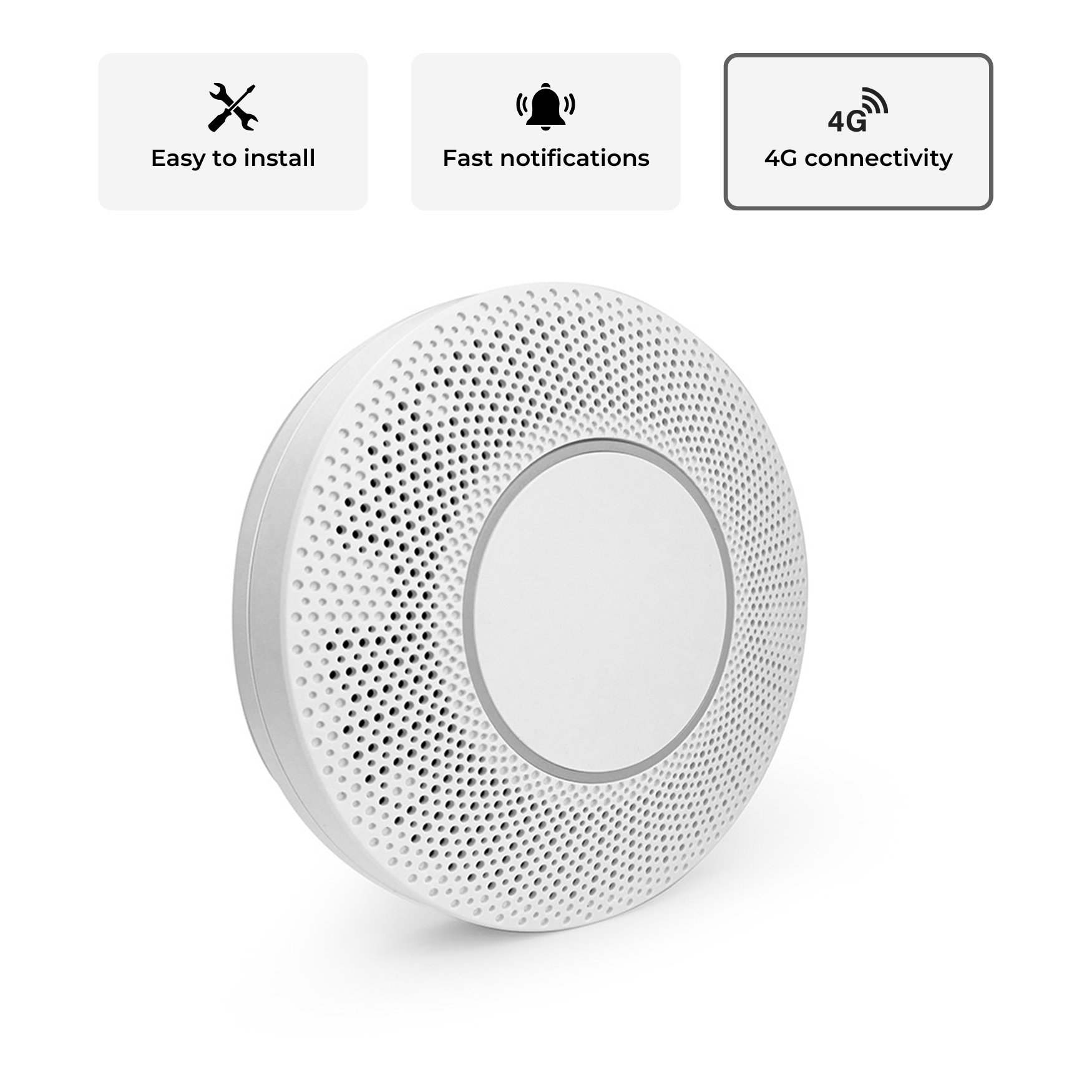
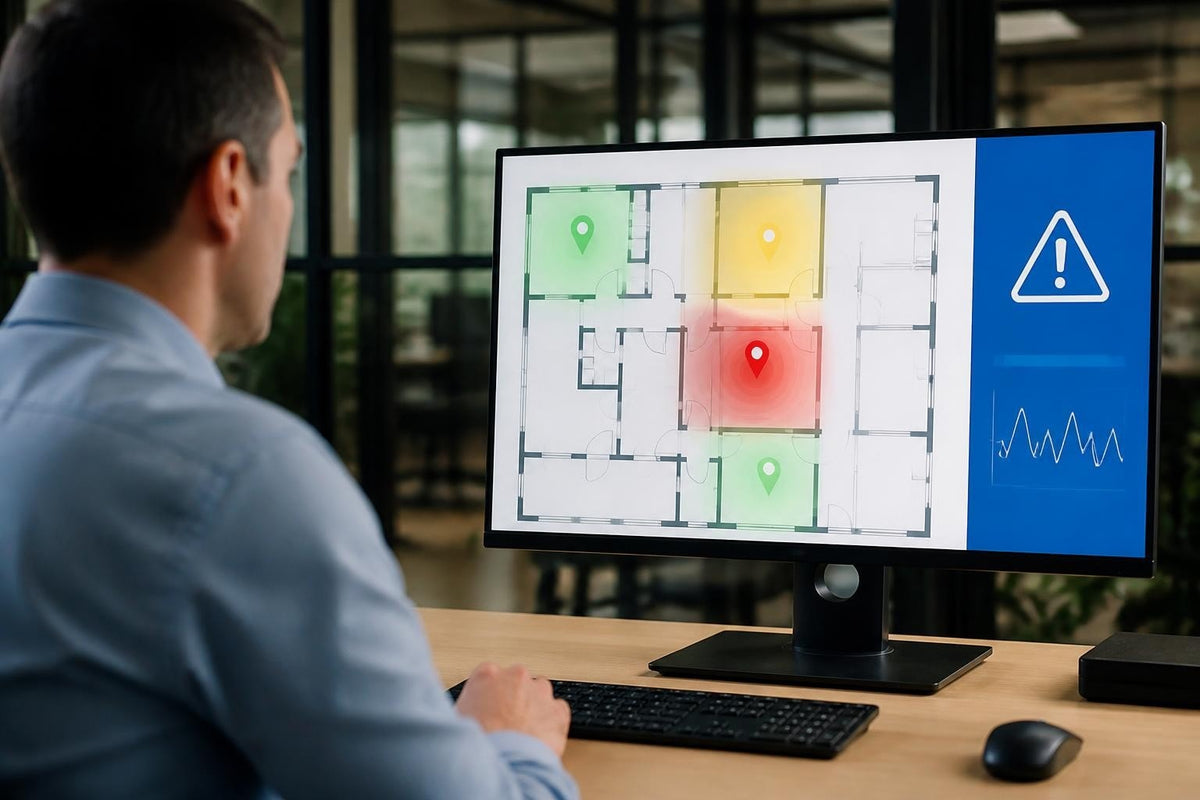
Modern detection systems address this gap through specialised sensors capable of identifying vaping aerosols distinct from other airborne particles. These technologies provide real time alerts, enabling rapid response to policy violations whilst creating deterrent effects that reduce incident frequency.
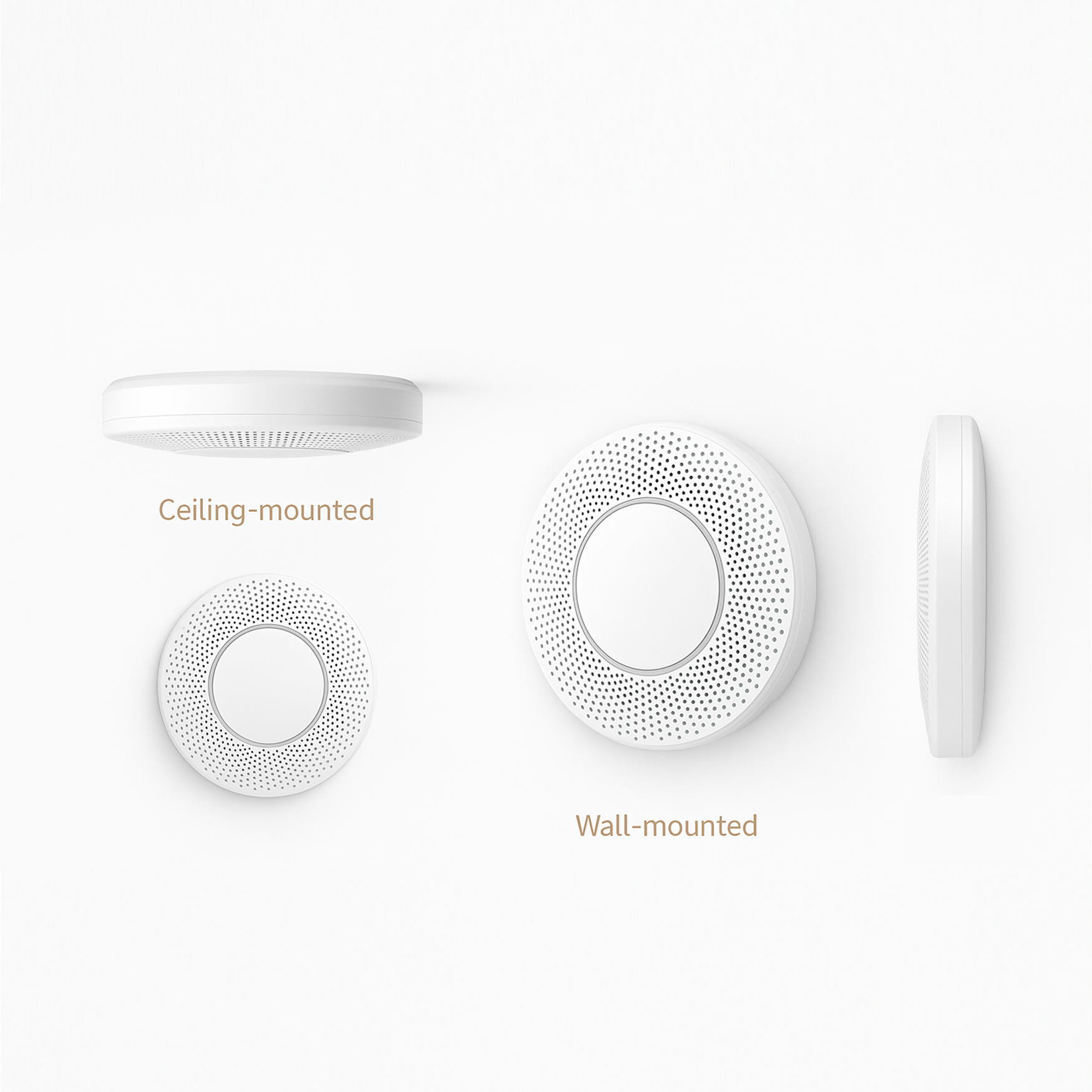
Educational institutions represent the primary market for vaping detection technology, though adoption is spreading to healthcare facilities, office buildings, and public venues. The Vape Detection System combines particulate sensors with advanced algorithms to distinguish vaping from other sources of airborne particles, reducing false alarms whilst maintaining detection accuracy.

Implementation of detection technology correlates with measurable reductions in vaping incidents. Schools reporting consistent sensor deployment in high risk areas document 60-75% decreases in vaping violations within the first academic term, demonstrating technology's effectiveness as part of comprehensive prevention strategies.
Future Trends and Emerging Patterns
Projecting future vaping statistics UK trends requires examining current trajectories and regulatory momentum. Several developments will likely shape the landscape over the coming years:
Anticipated developments include:
- Further regulatory tightening on product marketing and availability
- Increased taxation potentially matching tobacco duty structures
- Growing adoption of detection technology in educational and commercial settings
- Continued evolution of cessation support integrating vaping appropriately
- Enhanced enforcement capacity as resources adapt to market scale
The disposable device market faces particular scrutiny due to environmental concerns and youth appeal. Potential regulatory action could include outright bans on disposable products, forcing market shifts back toward refillable systems with lower youth uptake rates.
Youth vaping trends present the most uncertain projections. Current regulatory interventions may reduce uptake rates if effectively enforced, or young people may adapt by accessing products through alternative channels. Sustained monitoring and adaptive policy responses will prove essential.
International Comparisons and UK Positioning
Placing vaping statistics UK within international context reveals Britain's unique regulatory position. The UK maintains relatively liberal vaping regulations compared to many nations whilst implementing youth focused restrictions more aggressively than countries like the United States.
European neighbours exhibit varied approaches. France imposes stricter marketing limitations but permits similar product availability. Nordic countries generally restrict vaping more severely, treating it similarly to tobacco products. Australia recently reversed course from prescription only access toward regulated retail availability, partly influenced by UK evidence.
These international variations create natural experiments allowing researchers to assess policy effectiveness. Early evidence suggests Britain's balanced approach, permitting adult access whilst restricting youth appeal, may offer an optimal public health framework. However, rising youth uptake rates challenge this assessment, driving ongoing policy refinement.
Data Collection Methodologies and Limitations
Understanding vaping statistics UK requires appreciation of underlying data collection methodologies and their inherent limitations. Most prevalence estimates derive from survey data, introducing potential response biases and sampling limitations. Self reported vaping status may undercount actual usage, particularly among young people concerned about admitting prohibited behaviour.
Definitional challenges also affect data consistency. "Current vaping" may mean daily use in some surveys but any use within the past month in others. "Regular vaping" lacks standardised definition, complicating trend analysis across different data sources.
Key methodological considerations include:
- Survey timing and seasonal variations in reported behaviour
- Sample representativeness across demographic groups
- Question wording impacts on response patterns
- Social desirability bias in self reporting
- Differences between school based and household surveys
Researchers continuously refine methodologies to address these limitations, improving data quality and comparability. However, readers should interpret vaping statistics UK with appropriate caution, recognising figures represent best estimates rather than absolute certainty.
Economic Impacts Beyond Direct Sales
The vaping industry's economic footprint extends beyond direct product sales to encompass employment, tax revenues, and related sectors. Approximately 23,000 people work directly in vaping retail and manufacturing across the UK, with additional employment in distribution, marketing, and regulatory compliance roles.
Tax revenues from vaping products reached approximately £340 million in 2025, primarily through VAT on product sales. This figure substantially trails tobacco duty revenues exceeding £10 billion annually, creating fiscal pressures as smoking prevalence declines. Treasury officials consider enhanced vaping taxation to offset revenue losses, though concerns about incentivising continued smoking temper these discussions.
Healthcare cost implications present complex calculations. Vaping's role in smoking cessation generates substantial health system savings through reduced smoking related disease. However, unknown long term health impacts and youth nicotine addiction treatment costs create offsetting expenditures that remain difficult to quantify accurately.
Vaping statistics UK data reveals a complex public health landscape where adult cessation benefits coexist with troubling youth uptake trends, requiring nuanced policy responses and effective enforcement mechanisms. Whether you manage an educational institution, workplace, or leisure facility, understanding these statistics empowers better policy decisions and implementation strategies. Vape Guardian provides advanced detection and monitoring solutions that help organisations enforce vaping policies effectively whilst supporting broader compliance and safety objectives through real time alerts and comprehensive air quality monitoring.






Share:
Vape Detector vs Smoke Detector: Key Differences
Workplace Vaping Policy: A Complete UK Employer Guide