

A vaping intervention course for students is a short, structured programme that teaches pupils caught vaping about nicotine dependence, the real health effects and how to stop, offered as an educational alternative to exclusion. The most effective approach combines this education with reliable detection, so that incidents are identified quickly and every pupil is directed toward support rather than simply punished.
For headteachers and safeguarding leads, the practical question is how to put such a course into operation: who it is for, what it should contain, how it fits with your behaviour policy and how you measure whether it works. This guide answers each of those points in turn.
What a Vaping Intervention Course for Students Should Achieve
A good course changes a pupil's understanding of nicotine and gives them the skills to stop, rather than only delivering a warning. It should be short enough to complete in a single sitting, specific enough to be credible to teenagers and practical enough that a pastoral team can run it without specialist training.
The core aims are consistent across the better programmes:
- Explain how nicotine dependence develops and why vapes are designed to be easy to use repeatedly
- Correct common misconceptions, such as the belief that vaping is harmless or that flavours make it safe
- Help students recognise their own triggers and the social pressure that sustains use
- Offer realistic strategies for cutting down and stopping
- Signpost confidential support, including the school nurse, GP and local stop smoking services
The scale of the issue explains why schools are acting. The CDC reports that 1.63 million US middle and high school students (5.9%) currently used e-cigarettes in 2024, with rates of 3.5% in middle school and 7.8% in high school. UK figures differ, but use tends to rise through secondary school, and toilets and secluded corners of a site are common places for vaping.
Why Education Works Better Than Exclusion Alone
Exclusion removes a pupil from the building but does nothing to address the dependence that caused the behaviour. A pupil who is nicotine dependent and sent home for a day will usually return still dependent, now more disengaged and with lost learning time.
Education treats vaping as a health and safeguarding concern. This does not mean abandoning sanctions. It means pairing a proportionate consequence with a route to change. The American Lung Association describes its INDEPTH programme as an alternative to suspension for students caught using tobacco or vaping at school, one that addresses nicotine dependence and motivates students to quit. The principle transfers directly to UK schools.
There are three practical advantages for your leadership team:
- Better outcomes for pupils. A student who understands dependence is more likely to seek help than one who simply learns to hide.
- Stronger relationships. Pupils who feel supported are more willing to tell staff about vaping among their peers.
- A defensible policy. A graduated response with an educational component sits comfortably within safeguarding duties and is easy to explain to parents.
What to Look for in a Course
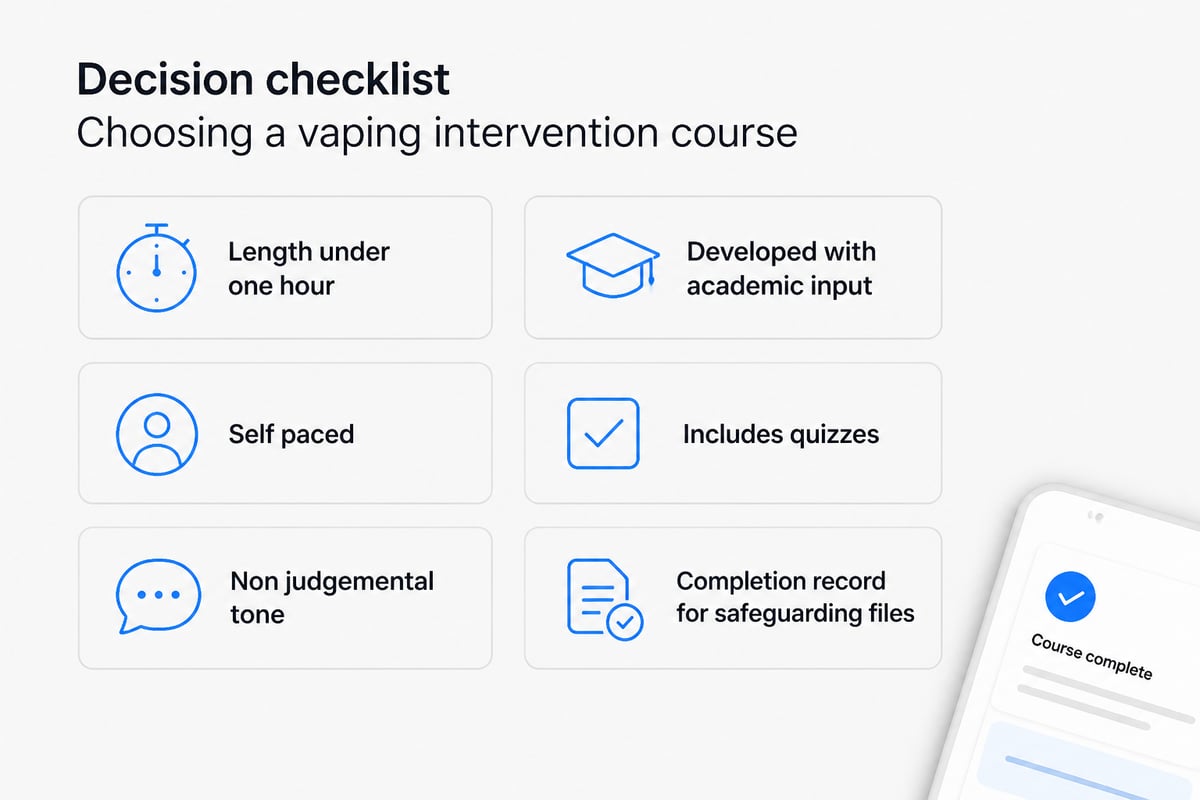
The right course is evidence informed, age appropriate and light on staff time. Before you commit, check each programme against the criteria below.
| Criterion | What good looks like |
|---|---|
| Length | Short enough to finish in one session, ideally under an hour |
| Content design | Developed with academic or public health input |
| Format | Self paced, so a pupil can complete it without a facilitator |
| Assessment | Quizzes or checkpoints that confirm understanding |
| Tone | Non judgemental and honest, not scare tactics |
| Reporting | A simple record that the pupil completed it |
Programmes aimed at older teenagers often use facilitator led group sessions. The American Lung Association's Not On Tobacco programme is designed for teens aged 14 to 19 and uses interactive sessions to support voluntary behaviour change. Group formats can work well but require trained staff and timetabled space, which many schools find difficult to sustain. A self paced online course removes that barrier.
A Ready Made Option: Vape Guardian Education
For schools that want a course without building one from scratch, Vape Guardian Education is a 35 minute student vaping intervention course made up of six lessons with quizzes, designed with LifeLab at the University of Southampton. It is built to be used as a rehabilitation and education route alongside, or instead of, exclusion, so that pupils learn why they vape and how to stop rather than simply being removed from lessons.
Its short format suits the realities of a school day. A pastoral lead can assign it after an incident, a pupil can complete it in a single supervised sitting, and the quizzes give you evidence that the material was understood. Because it was developed with an academic partner, it also gives you a credible answer when parents ask what the school is doing beyond sanctions.
How to Run the Course Within Your Behaviour Policy
The course works best when it is written into your behaviour and substance policy as a defined step, so that every pupil is treated consistently. A clear process also protects staff from accusations of inconsistency.
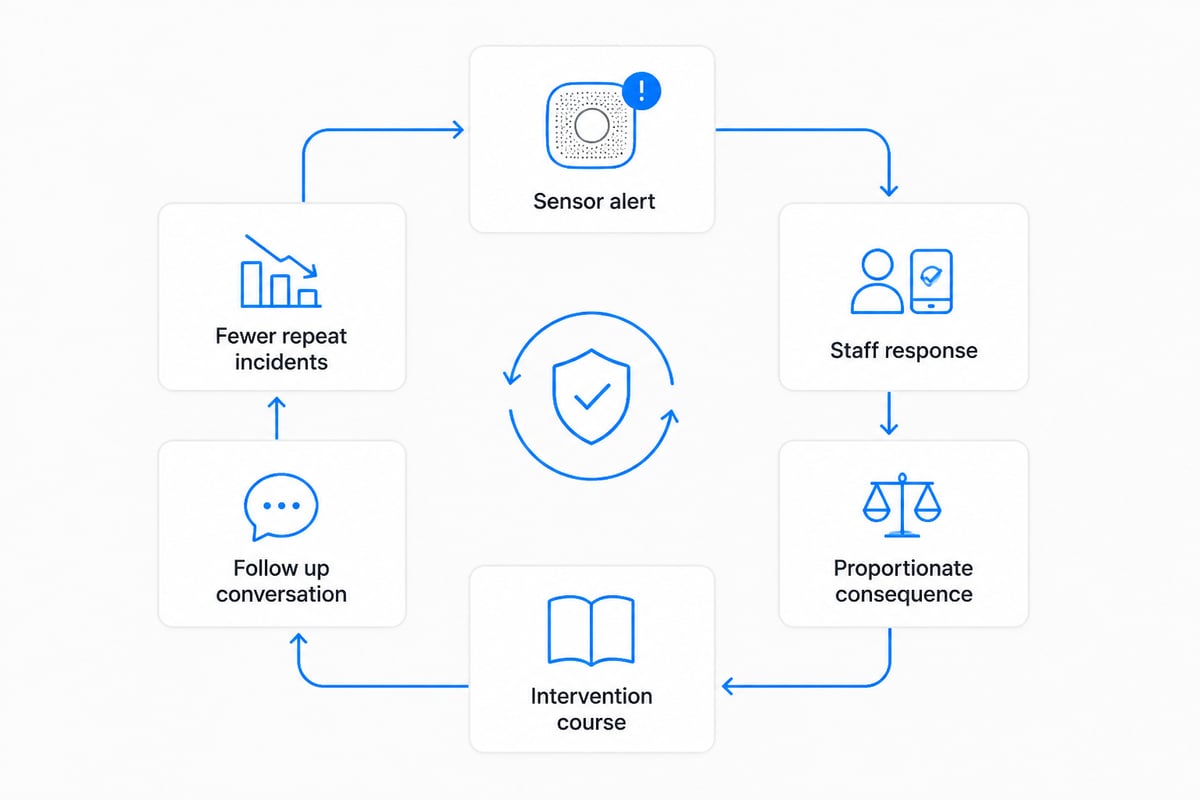
A workable sequence looks like this:
- Identify the incident. Staff or detection alerts flag vaping in a toilet, stairwell or changing room.
- Speak to the pupil. A calm conversation establishes what happened and whether the pupil is dependent.
- Apply a proportionate consequence. This might be a short internal sanction, a parental call or a restorative conversation.
- Assign the course. The pupil completes the vaping intervention course in a supervised setting.
- Follow up. A pastoral lead checks in after two to four weeks and signposts cessation support if needed.
- Escalate only if necessary. Repeat incidents or supply to other pupils trigger a more serious response.
If you are reviewing your wording, the guide to writing a vaping policy for schools covers the points a policy should address. It is also worth being precise about the law. The Tobacco and Vapes Act gives government powers to make certain indoor places vape free, but no start date has been set, so your policy should rest on your own site rules and safeguarding duties rather than on any confirmed national ban.
Involving Parents and Carers
Parents are most cooperative when the school frames the course as support rather than accusation. A short letter that explains what the course covers, how long it takes and why the school has chosen it tends to prompt questions rather than complaints.
Give parents something practical to do. Suggest that they ask their child what they learned, avoid confrontation and contact their GP or a local stop smoking service if the pupil wants to quit. The American Lung Association maintains an overview of teen cessation options, including facilitator led and online programmes and resources for families, which gives useful background on what support looks like even though some details are specific to the United States.

Training Staff to Support Pupils Who Want to Stop
Staff do not need clinical expertise, but they do need confidence in having the conversation. The most useful training covers how to open a non judgemental discussion, how to recognise signs of dependence such as irritability, frequent toilet requests and difficulty concentrating, and where to refer.
The American Lung Association offers a free, one hour ACT to Address Youth Cessation course for school personnel, health professionals and community members who support young people who use tobacco, including those who vape. The material is aimed at a US audience, but its structure shows how brief, focused staff training can be.
A sensible minimum for a UK school is a short briefing for pastoral staff, a named safeguarding lead for vaping concerns and a clear referral route to the school nurse or local services.
Pairing Education With Detection
Education reduces demand, but detection reduces opportunity, and the two are far more effective together. A course cannot help a pupil who is never identified, and detection alone does nothing to address why a pupil is vaping.
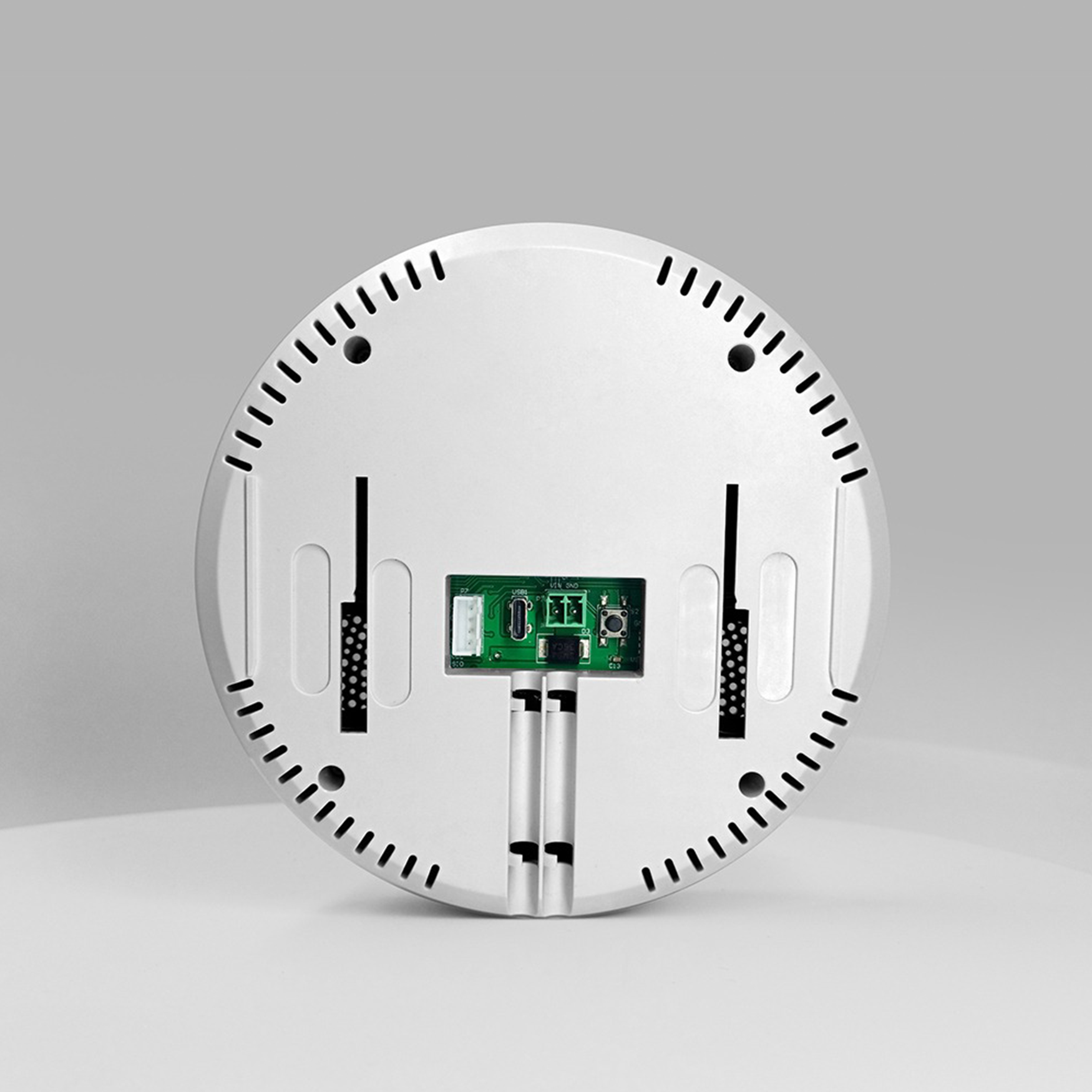
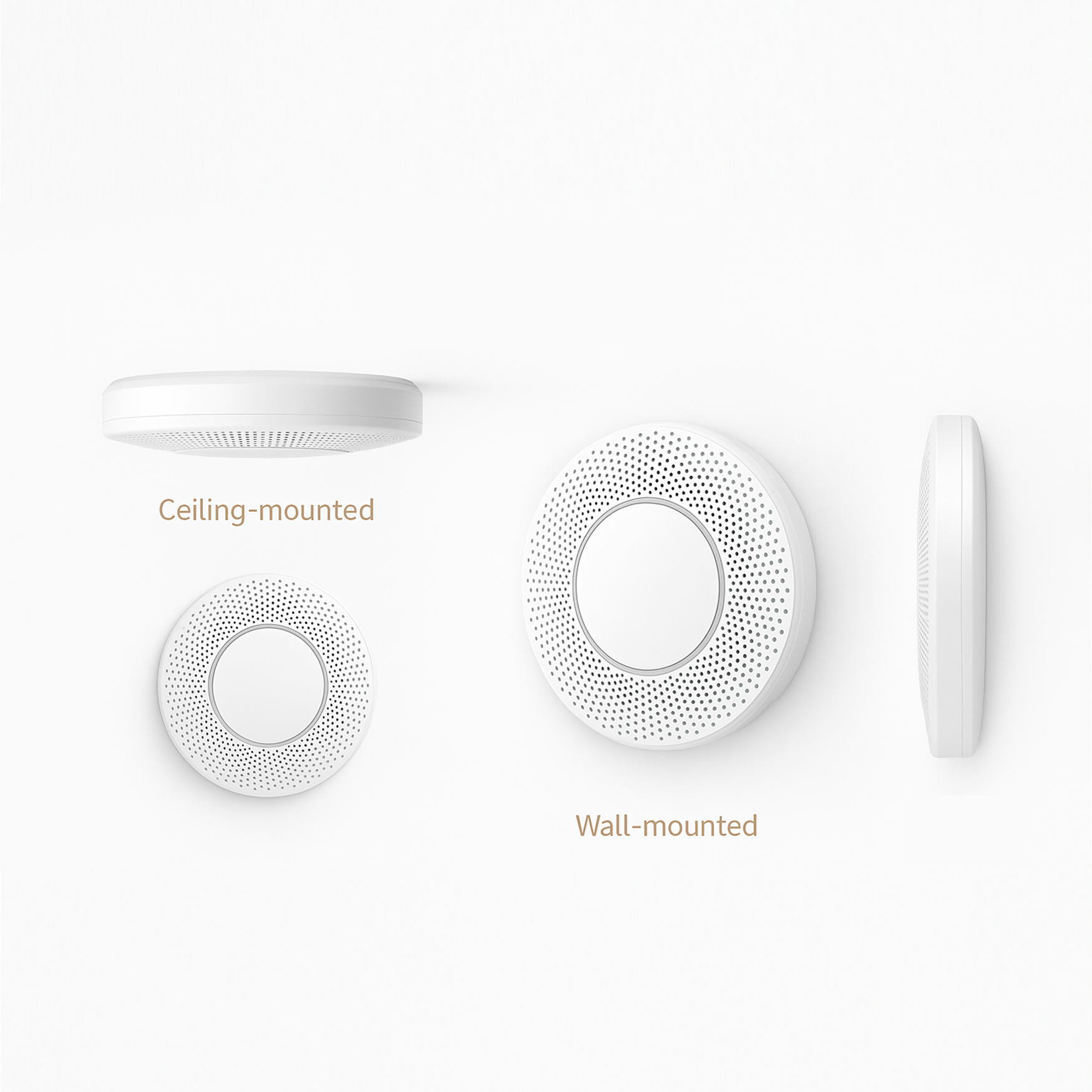
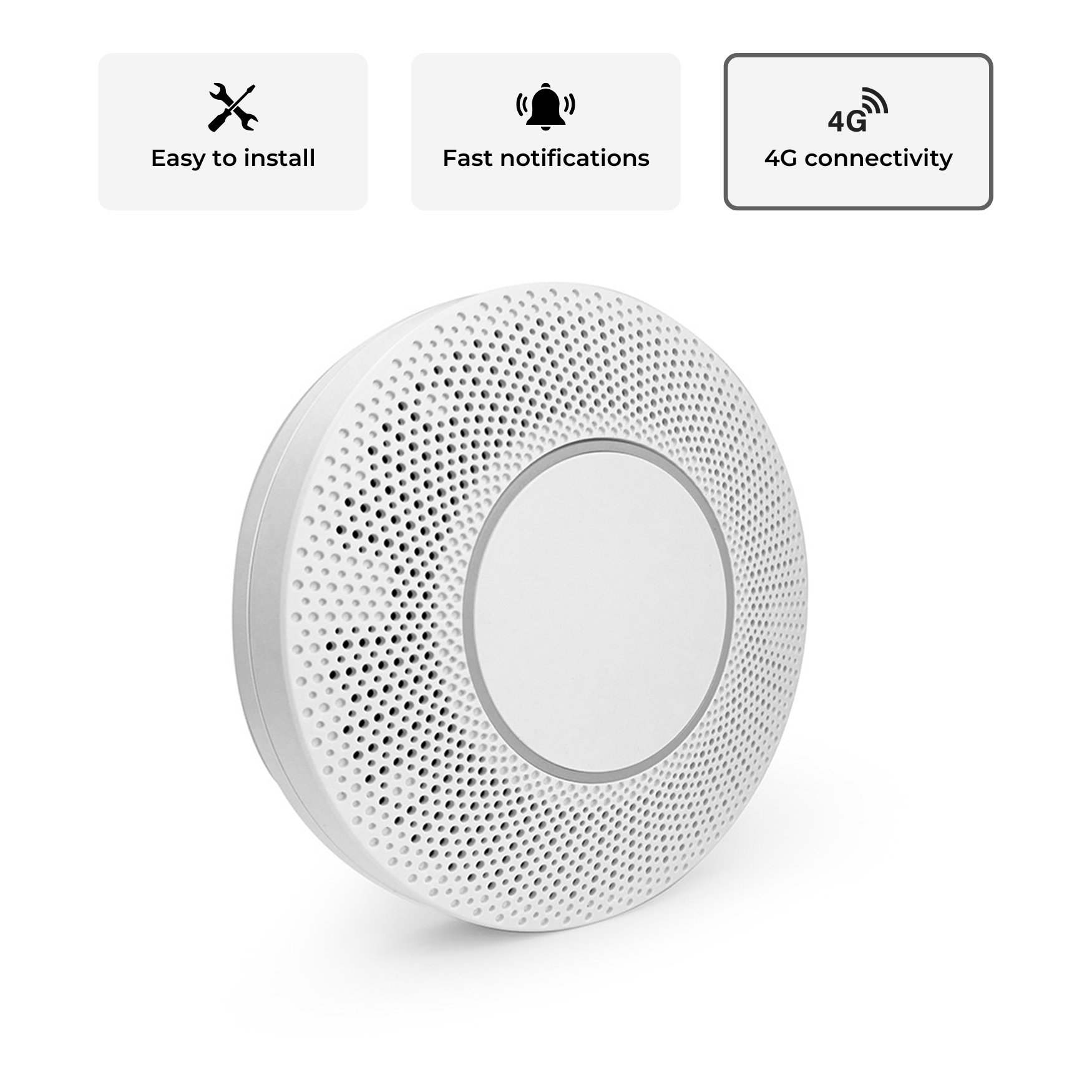
Toilets and secluded areas are the hardest places to supervise without intrusive measures. Staff cannot be everywhere, and cameras are inappropriate in washrooms. Sensor based detection solves this by alerting staff in real time without recording anyone. Vape Guardian sensors detect vaping, THC, Spice, over occupancy, loud noise and cigarettes without cameras. Sensors alert staff in real time so the right people are told the moment an incident occurs.
The results reported by schools are significant. Schools report vaping incidents halving within two weeks and almost eliminated by week five. At Seaham High School, vaping in toilets is down around 95% since alarms were installed. Across the network, Vape Guardian has 2,400 sensors installed with 96% alert accuracy. For more on how this works in practice, see the guide to stopping students vaping.
Measuring Whether the Programme Is Working
You can only judge a programme by tracking a small set of measures before and after introduction. Without a baseline, any improvement is anecdotal and any problem is invisible.
Useful measures include:
- Incident numbers by location. Weekly counts of vaping alerts or staff reports for each toilet block and secluded area
- Repeat offenders. The proportion of pupils involved in more than one incident
- Course completion. How many assigned pupils completed the course and passed the quizzes
- Pastoral follow up. The number of pupils who asked for cessation support
- Pupil voice. Short anonymous surveys on perceived vaping levels and attitudes
Review these termly with governors. A falling repeat offender rate is the clearest sign that education is changing behaviour rather than simply pushing it out of sight. Detection data supplies the incident side of this picture, and the CDC's youth tobacco use statistics offer a useful benchmark for how national patterns shift over time.
Common Pitfalls to Avoid
Most failures come from inconsistency or tone rather than from the course content. A few points are worth fixing before launch:
- Using the course as a one off lecture. It needs a follow up conversation to stick.
- Relying on fear. Teenagers disengage quickly from exaggerated warnings, so accuracy matters more than shock.
- Applying it unevenly. If some year groups or pupils are treated differently, trust erodes.
- Ignoring the environment. If toilets remain unmonitored, the course is fighting against easy opportunity.
- Forgetting the wider picture. Vaping can be a route into smoking for some young people, which is why early intervention matters, as covered in this piece on vaping as a gateway to smoking.
Frequently Asked Questions
Should a vaping intervention course replace sanctions?
It should sit alongside proportionate sanctions rather than replace them entirely. The aim is to offer an educational route that reduces the need for repeated or lengthy exclusion, particularly for first incidents and pupils showing signs of dependence.
Who should complete the course?
Pupils found vaping on site are the main group, but some schools also offer it to pupils who self refer or who are concerned about a friend. Offering a voluntary route encourages honesty and can bring hidden use to light.
How long does a typical course take?
Short self paced courses can be completed in around half an hour to an hour. Facilitator led programmes usually run over several sessions and need staff time and timetabled space.
Does detection make the course unnecessary?
No. Detection tells you where and when vaping occurs, while education addresses why. Schools that combine the two tend to see fewer repeat incidents than those relying on one measure alone.
Start by agreeing a written process for how a pupil moves from an incident to a supported intervention, and trial Vape Guardian Education as the educational step. To catch incidents quickly in toilets and secluded areas without cameras, get a quote or book a 15 minute call with Vape Guardian, where the UK support team can talk through your site and answer any questions.





Share:
Alternatives to Vaping Exclusion: A Practical Guide for UK Schools
PSHE Lessons on Vaping: A Teacher's Guide for Schools