

Vape detection student accommodation means installing sensors that identify vape aerosol, and in some systems other substances, in toilets, corridors and residential areas, then alerting staff in real time so they can respond. For headteachers, safeguarding leads and site managers at schools and colleges with boarding or residential provision, it is the most reliable way to deal with vaping in places where supervision is limited.
The scale of the problem explains the interest. In England's 2023 survey of secondary pupils, 9% reported current e-cigarette use, unchanged from 2021 and up from 6% in 2018. The England survey of secondary pupils covered a large sample of pupils across many schools. This guide sets out how detection works, where it matters most, how to avoid false alarms and how to combine technology with education.
How Is Vaping Detected in Student Accommodation?
Vaping is detected by sensors that monitor the air for the particulates and chemical signatures produced by e-cigarette aerosol, then trigger an alert when a defined threshold is crossed.
Unlike a conventional smoke alarm, which responds to combustion particles, a dedicated vape sensor is tuned to the much finer, denser aerosol that vaping produces. Vapour can disperse in seconds, so a standard fire detector often sees nothing at all. This is why smoke detection alone does not solve the problem, a point covered in more detail in this guide to cigarette smoke detection.
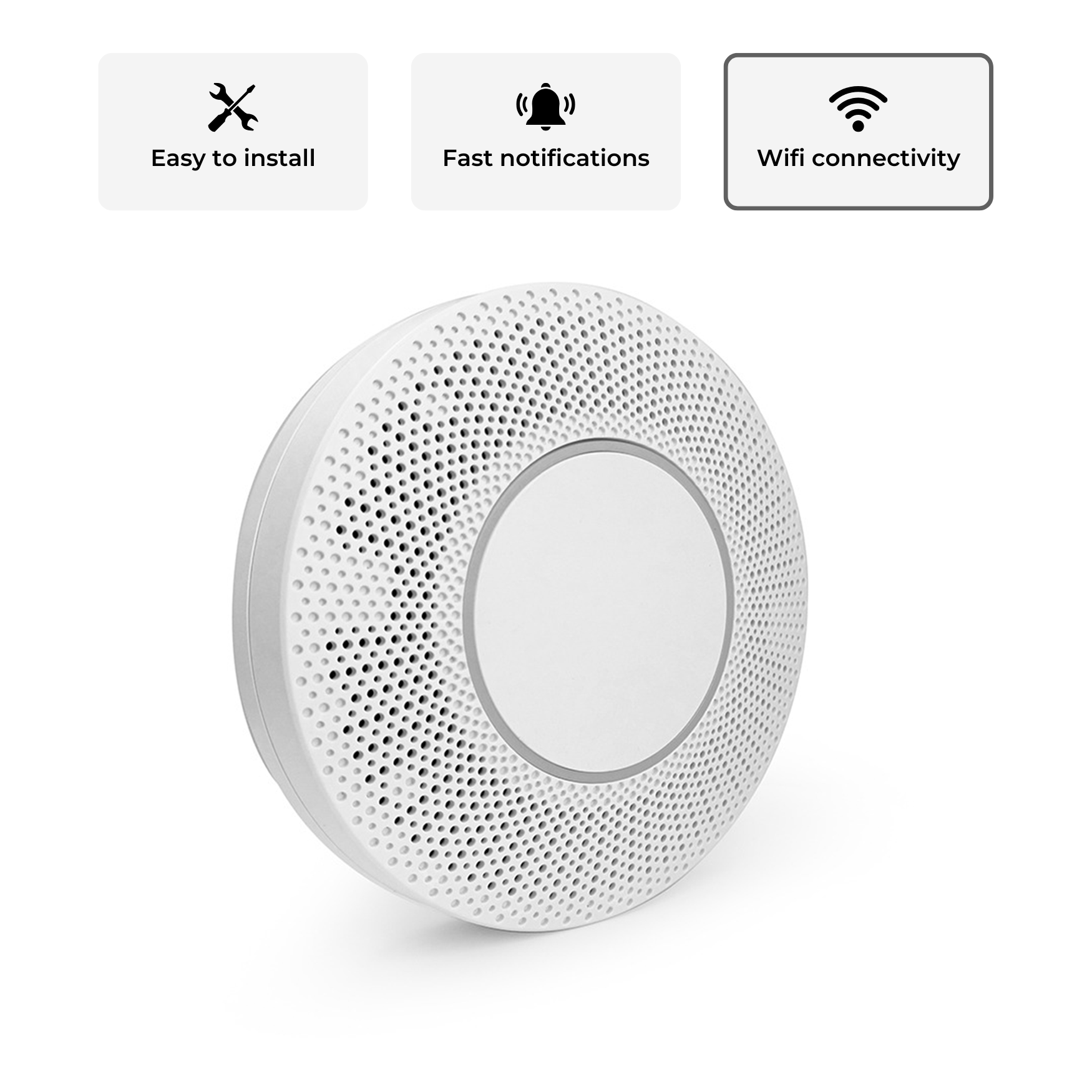
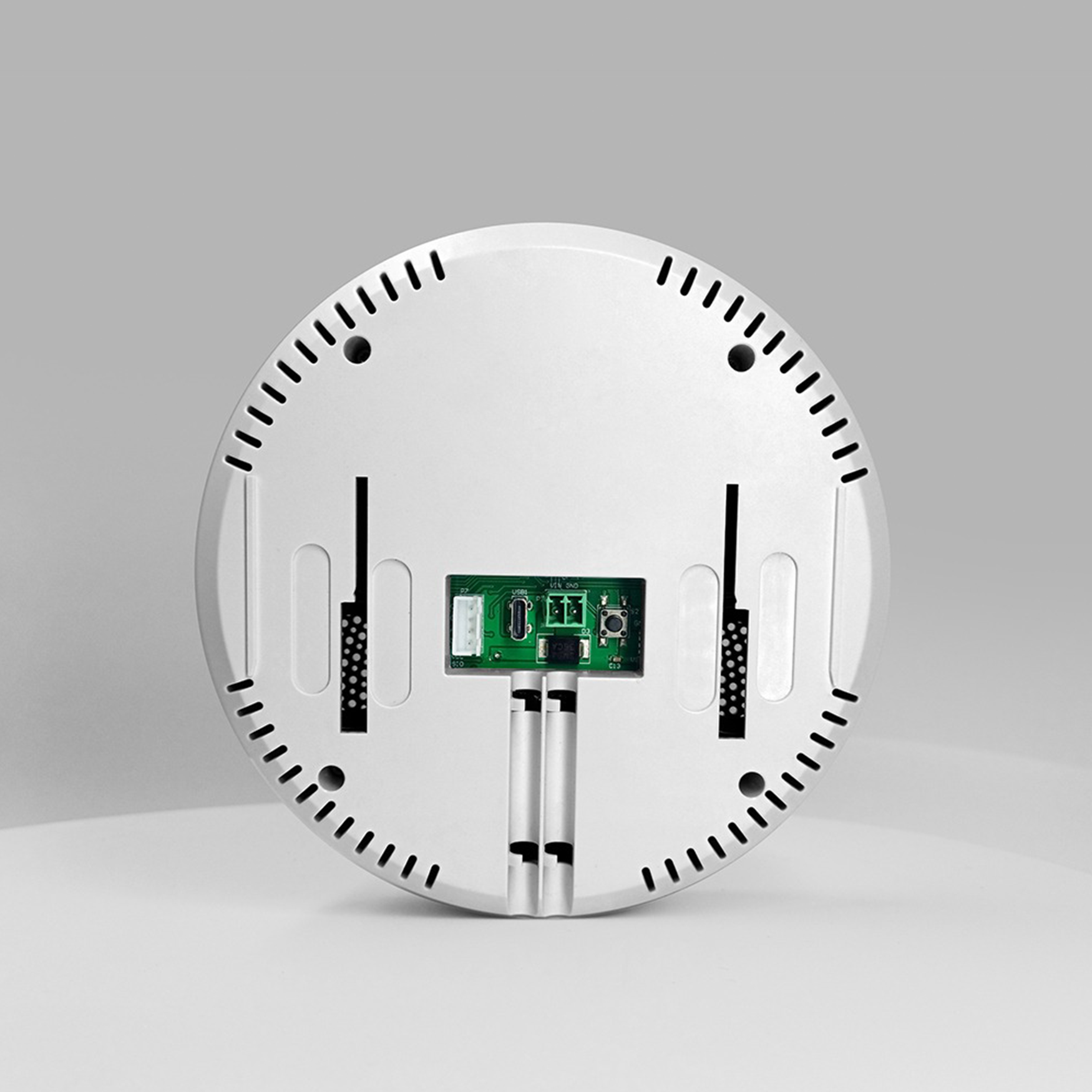
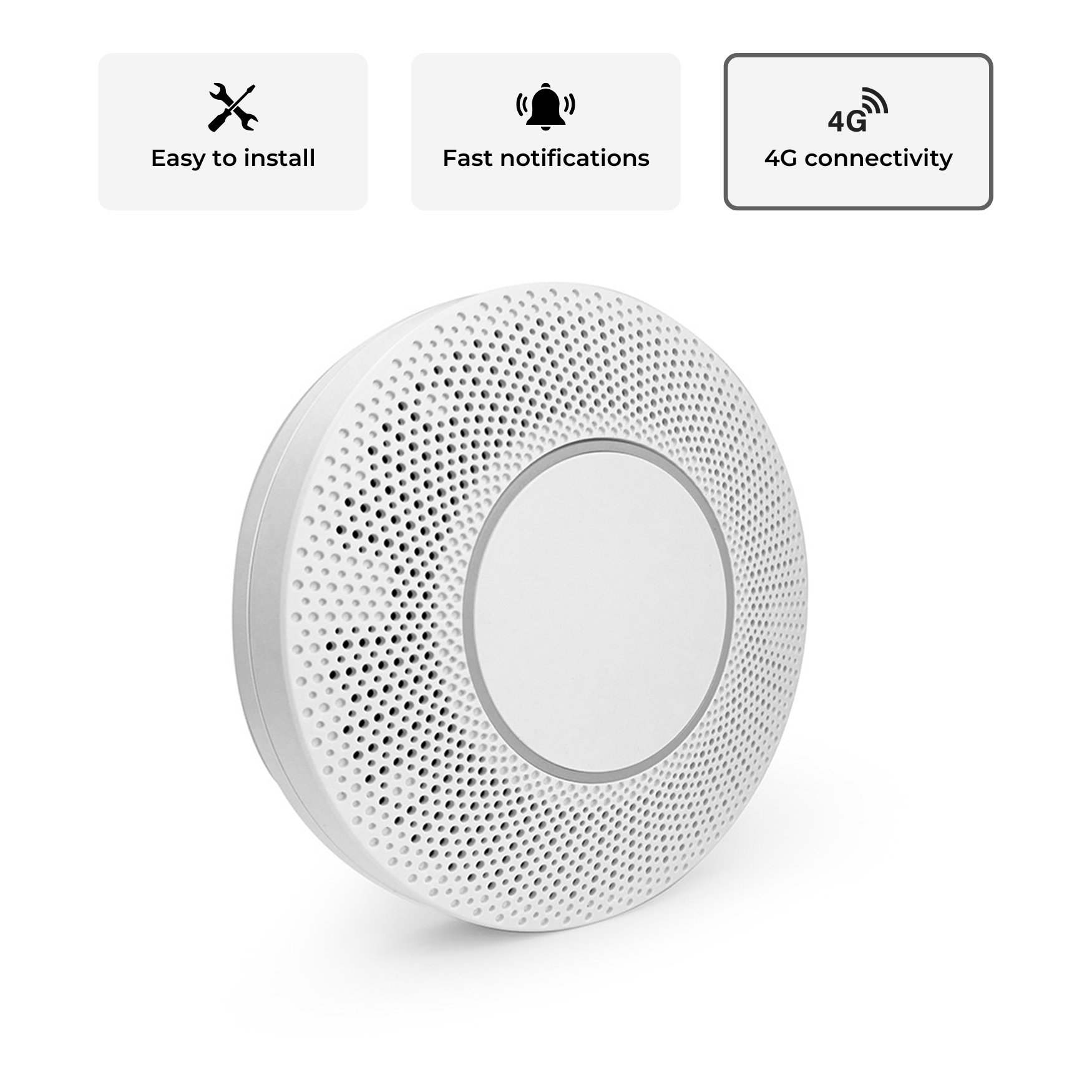
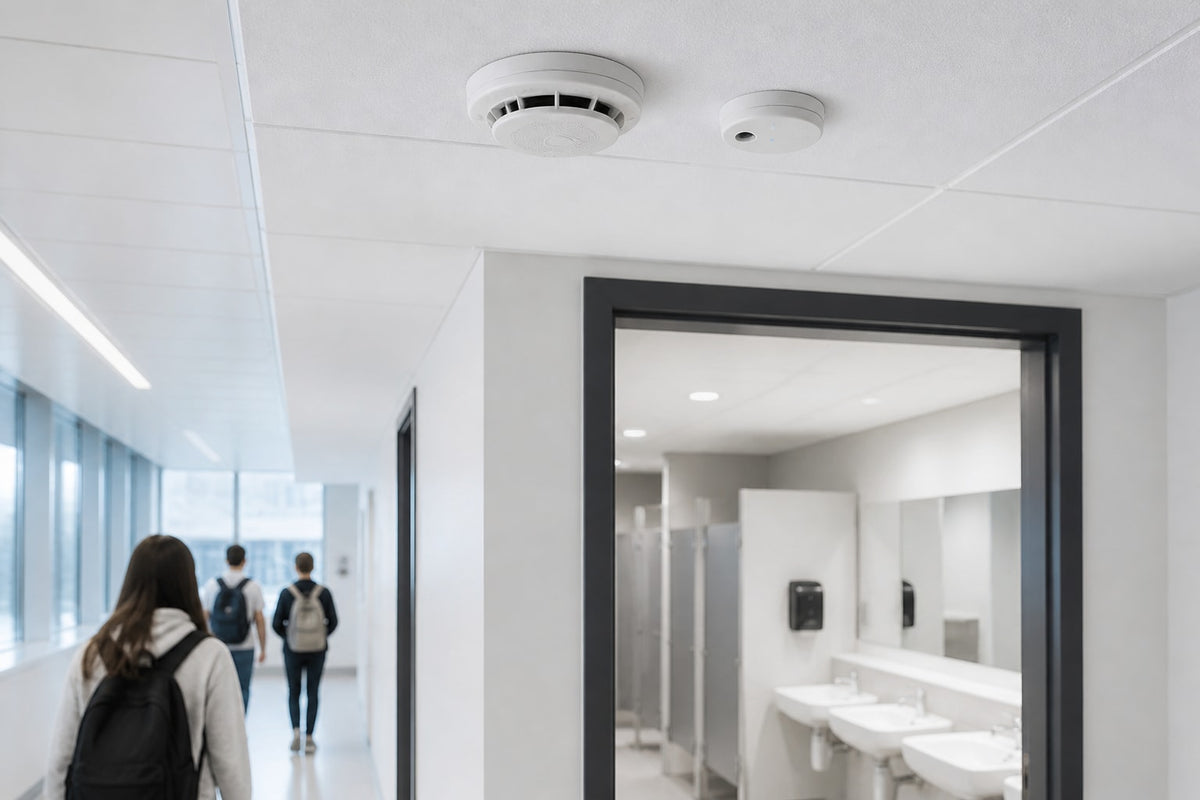
Modern systems typically combine several readings rather than relying on one. Vape Guardian's 10 point detection formula, for example, is designed to identify vaping accurately and avoid false positives. The sensors also detect THC, Spice, cigarettes, over occupancy and loud noise, all without cameras. That camera free approach matters in toilets and residential spaces, where privacy and safeguarding obligations rule out visual monitoring.
For a wider view of the underlying science, see this overview of vape detection technology.
Why Student Accommodation Is Harder to Supervise
Residential and secluded areas are difficult to supervise because staff cannot be present in every toilet, stairwell, common room or bedroom corridor at every hour.
Several features of student accommodation make vaping more likely and harder to stop:
- Private or semi private spaces. Toilets, shower blocks and corridors have no natural supervision.
- Out of hours use. Evenings and weekends see fewer staff on site.
- Peer influence. Vaping spreads quickly through friendship groups in shared living spaces.
- Rising use among young adults. UCL analysis of 132,252 adults found vaping among 18 to 24 year olds in England rose from 9% in May 2021 to 29% in May 2023.
The same UCL research programme estimated that, as of April 2024, around one million adults in England who had never regularly smoked were vaping, a large increase on earlier years. For sixth form colleges and further education settings, this means many students arrive already vaping, often with no history of smoking.
Where to Place Sensors for Maximum Effect
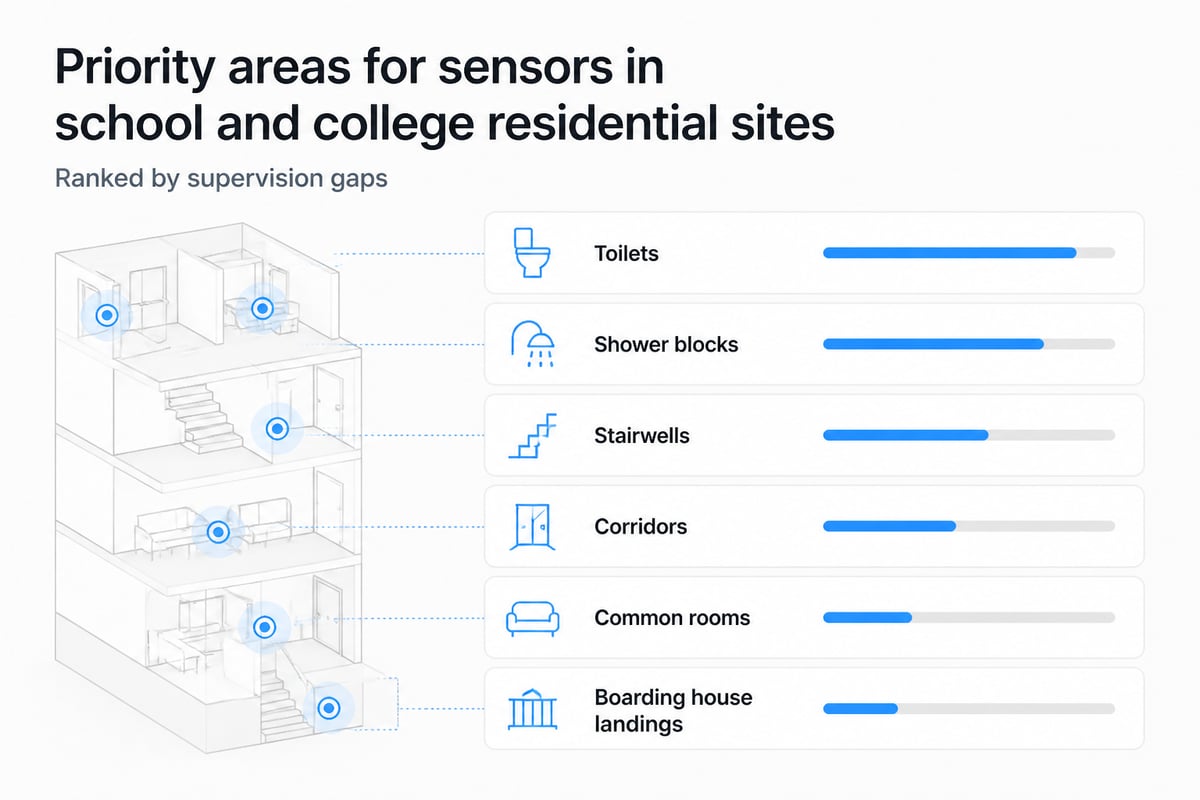
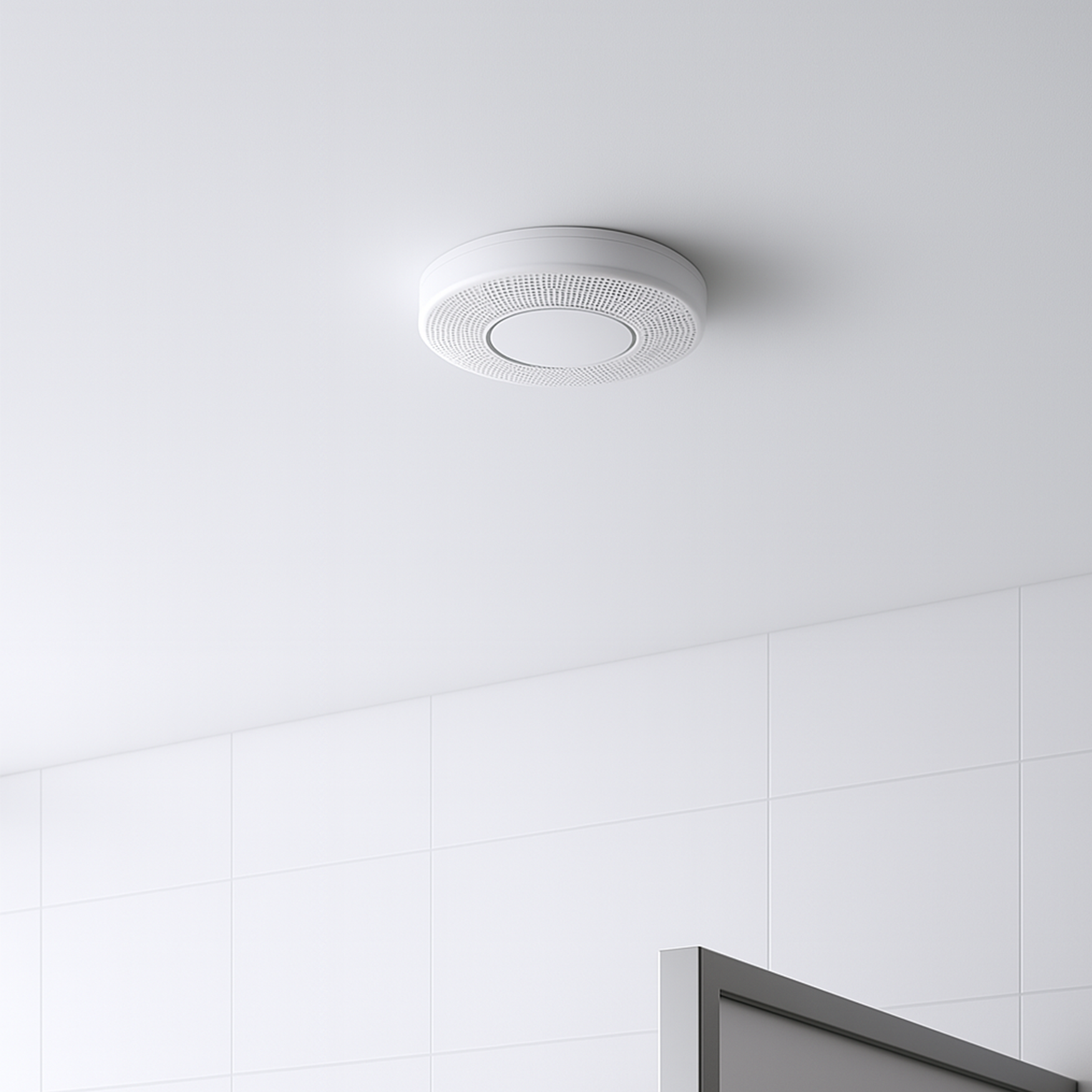
Sensors work best in the enclosed, low supervision spaces where vaping actually happens, with toilets as the first priority and corridors, stairwells and common rooms following.
A practical placement approach runs in this order:
- Toilets and washrooms. These account for most incidents in schools and colleges. Our guide to vape detection for bathrooms covers positioning in detail.
- Shower and changing blocks. Steam and aerosol sprays need a system designed to distinguish them from vape aerosol.
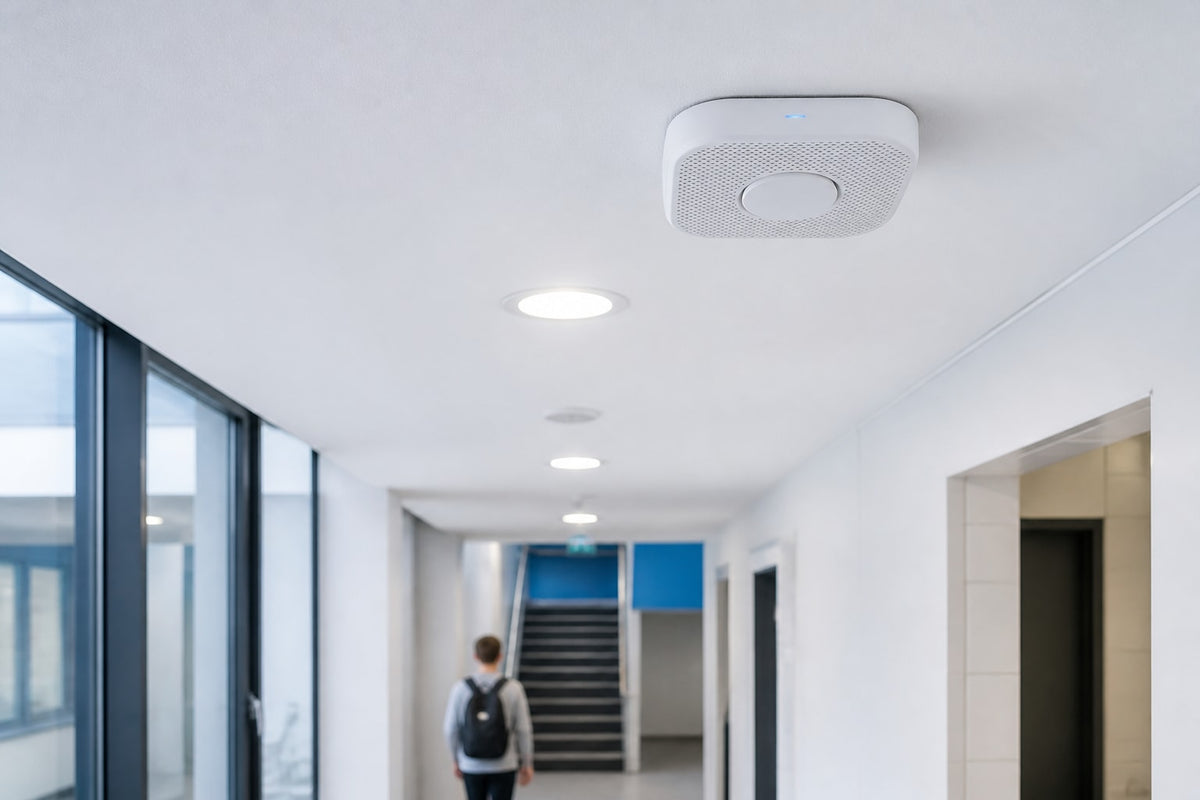
- Residential corridors and stairwells. These catch vaping that moves out of toilets once pupils learn where sensors are.
- Common rooms and study areas. Useful where incidents cluster in the evening.
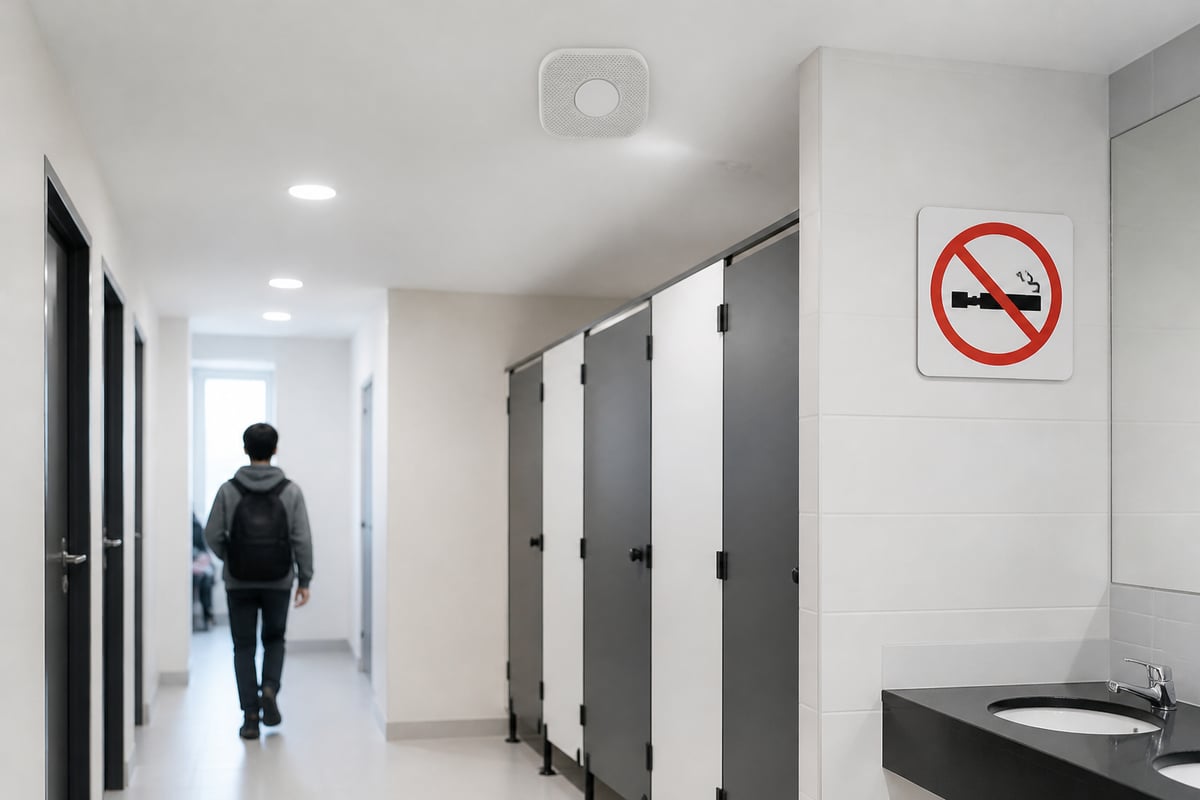
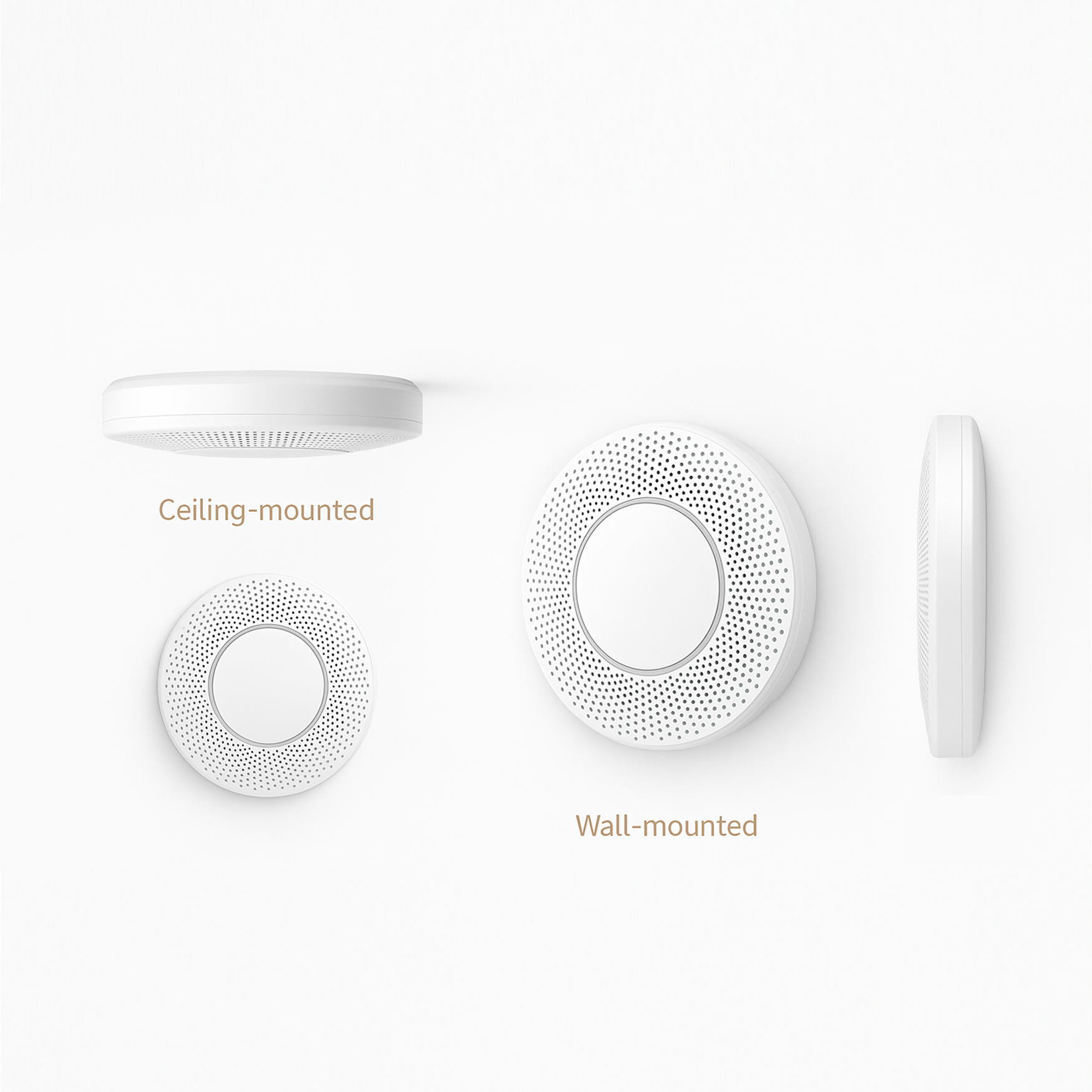
Visible signage deters on its own. Vape Guardian sensors are supplied with 'No Vaping' signage, and a clear policy displayed alongside it sets expectations before any incident occurs. For install planning, the vape detection installation guide walks through the practical steps.
Choosing Vape Detection Student Accommodation Systems
When choosing vape detection student accommodation systems, judge each option on accuracy, alerting, privacy, ongoing cost and the quality of UK based support.
Use these criteria as a checklist:
- Accuracy and false alarm rate. Ask for evidence, not claims. Repeated false alerts erode staff confidence quickly.
- Real time notifications. Alerts must reach the right staff by the channels they actually use.
- No cameras or audio recording. Essential in toilets and residential settings.
- Detection beyond vaping. THC, Spice and over occupancy detection help with wider safeguarding concerns.
- Maintenance and updates. Firmware that updates over the air removes the burden from site teams.
- Support and warranty. A UK team who understand both hardware and vaping behaviour is worth having.
Vape Guardian's sensors come with unlimited notifications to unlimited staff, over the air firmware updates at no added cost and a 100 day money back guarantee. The hardware and software are designed and built in the UK, and the system is used by a range of organisations in several countries.
The Vape Detection System combines vape, drug and anti social behaviour detection in one hardware and software platform, which suits sites that want a single view across multiple buildings.
What Results Can a School or College Expect?
Vape Guardian's customer schools report that vaping incidents can fall quickly after installation, though results depend on site layout, policy and follow through.
One example is Seaham High School, which reports that vaping in its toilets has fallen substantially since alarms were installed. The pattern is consistent with what happens when pupils know detection is in place and consequences are applied fairly: the behaviour displaces, then declines.
The early weeks of a rollout tend to look different from the later ones. Alert numbers are often highest in the first fortnight, because students are testing whether the sensors are live. Staff should expect that peak and avoid reading it as a sign the system is failing. A fall in alerts after the first month is the figure to track, and it is most useful when compared by location, so you can see whether vaping has moved from one washroom block to another rather than stopped. If it has moved, the answer is usually an additional sensor or a change in supervision, not a change of product.
Detection alone does not change attitudes, which is why many sites pair it with a structured response. Results hold best where the policy is published, signage is visible and sanctions or support are applied consistently by every member of staff. Further reading on outcomes is available in the guides to stopping students vaping and student vaping detectors.

Pairing Detection with Education and Rehabilitation
Detection identifies where and when vaping happens, but education and rehabilitation address why students vape and help them stop, which is a more durable outcome than exclusion.
Many students vape because of nicotine dependence, stress or peer pressure. Suspension may remove them from the building without changing the behaviour, and it can widen the gap between a young person and the support they need. A better approach treats each alert as a safeguarding conversation.
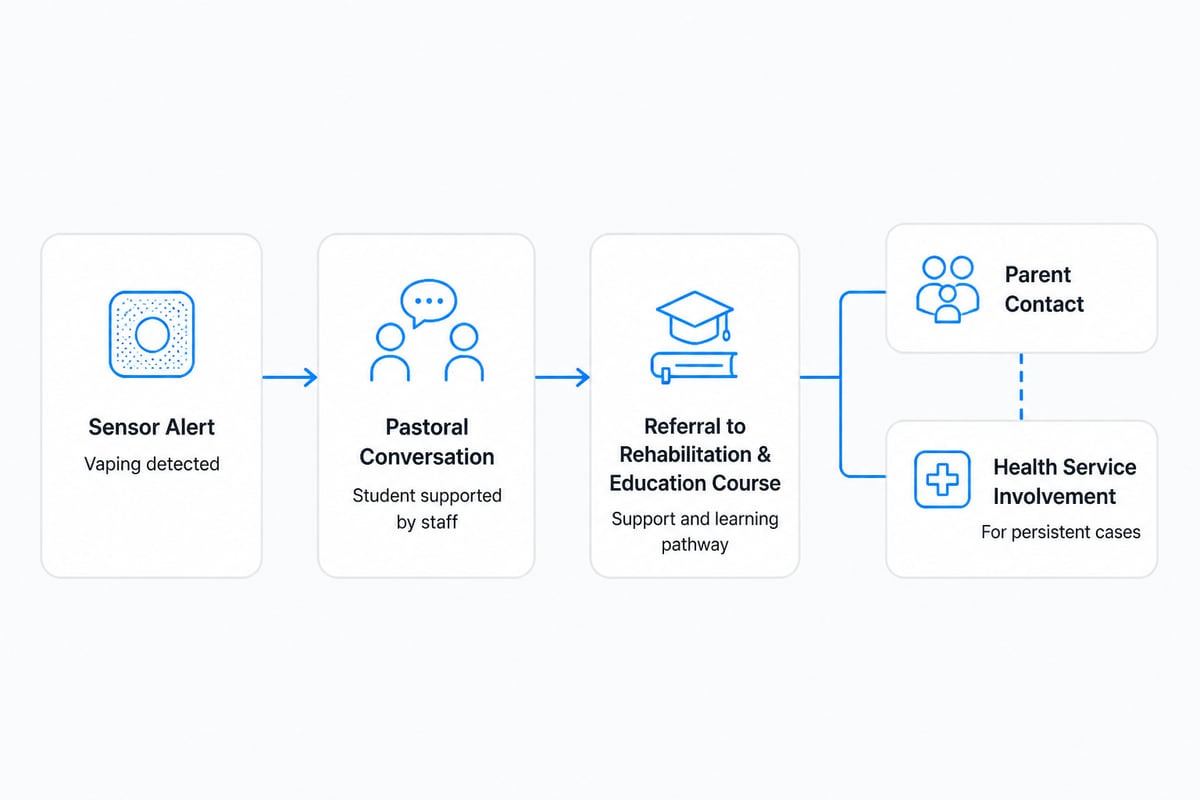
Vape Guardian Education is a student vaping course built around rehabilitation and education. Used alongside detection, it gives schools and colleges a constructive alternative to exclusion: sensors flag the incident, and the course helps the student understand nicotine dependence and build the habits to quit. A sensible response ladder might look like this:
- First alert: pastoral conversation and information on health effects.
- Repeat incidents: referral to the Vape Guardian Education course and parent or carer contact.
- Persistent cases: involvement of the school nurse or local stop smoking service.
For safeguarding leads, this framing supports both policy compliance and student welfare, and it creates a clear record of proportionate action.
Policy, Privacy and the Legal Picture
Schools and colleges should set out vaping rules in their behaviour and safeguarding policies, tell students and parents that sensors are in use and confirm that no cameras or audio recording are involved.
On the legal position, the Tobacco and Vapes Act gives government powers to make certain indoor places vape free, but no start date has been set, so sites should not wait for legislation before acting. Existing duties around pupil welfare, health and safety and safeguarding already justify a clear vaping policy today.
Good practice includes:
- Publishing the policy to students, parents and carers.
- Placing 'No Vaping' signage at sensor locations.
- Defining who receives alerts and how quickly they are expected to respond.
- Logging incidents consistently to spot patterns by time and location.
- Reviewing data termly with the senior leadership team.
Communication deserves as much attention as the wording of the policy itself. A short letter or portal notice to parents, an assembly or induction session for new residents, and a line in the boarding handbook explaining that sensors monitor air conditions rather than people will answer most questions before they are asked. It also helps to state plainly what happens after an alert, including the supportive route through Vape Guardian Education, so families see a proportionate process rather than an automatic sanction.
Camera free detection simplifies the privacy discussion, because the system records air conditions rather than people. Where a site is unsure how its data protection or safeguarding obligations apply, the school's data protection officer and governing body should review the arrangements before installation.
Handling Alerts Without Overloading Staff
A workable alert process names who responds, sets a target response time and uses incident data to move from reactive checking to planned prevention.
Alert fatigue is a common reason systems fall out of use. Avoid it by routing notifications to the staff best placed to act, such as the duty pastoral lead or boarding house parent, rather than to every adult on site. Because notifications are unlimited in number and recipients, you can tailor groups by building and time of day without cost implications.
Consider how this works across a typical day. Daytime alerts from teaching blocks might go to the pastoral team, while evening alerts from a boarding house landing go to the member of staff on duty. Weekend alerts might reach a small named group. Each group should know the expected response time and what to do on arrival: a calm conversation, a note of the time and location, and a log entry that feeds into the termly review. Writing this down in a one page protocol means a new member of staff can follow it from their first shift.
Trends matter as much as individual alerts. If incidents peak at lunchtime in one block, extra supervision or a timetable change may solve more than repeated interventions. For multi building sites, a cloud platform that shows all locations together makes this analysis far easier, as explained in the guide to a multi site vape detection system.
FAQ
Is it safe to vape inside the house or a residential building?
Vaping indoors exposes others to secondhand aerosol that contains nicotine and other chemicals, so most schools and colleges prohibit it in all buildings. In shared accommodation it also affects air quality for non vaping residents.
Is 1 puff of vape a day bad?
Nicotine is addictive even at low levels of use, and occasional puffing can develop into regular dependence, particularly in teenagers and young adults. Education programmes focus on helping students understand this early, before habits form.
Is vaping at work a sackable offence?
Staff who vape in prohibited areas can face disciplinary action under an employer's policy, with dismissal possible in serious or repeated cases. Schools and colleges should make the rules for staff as clear as those for pupils.
Start by mapping the toilets, corridors and common areas on your site where vaping is most likely, then use that list to scope a pilot. Vape Guardian can support that planning with a Vape Detection System built and supported in the UK, and you can get a quote or book a 15 minute call with Vape Guardian to discuss how detection and education can work together on your site.

Share:
Vape Detectors for Hotels: A Guide to Choosing One
False Fire Alarms Caused by Vaping: A Guide for Venues