

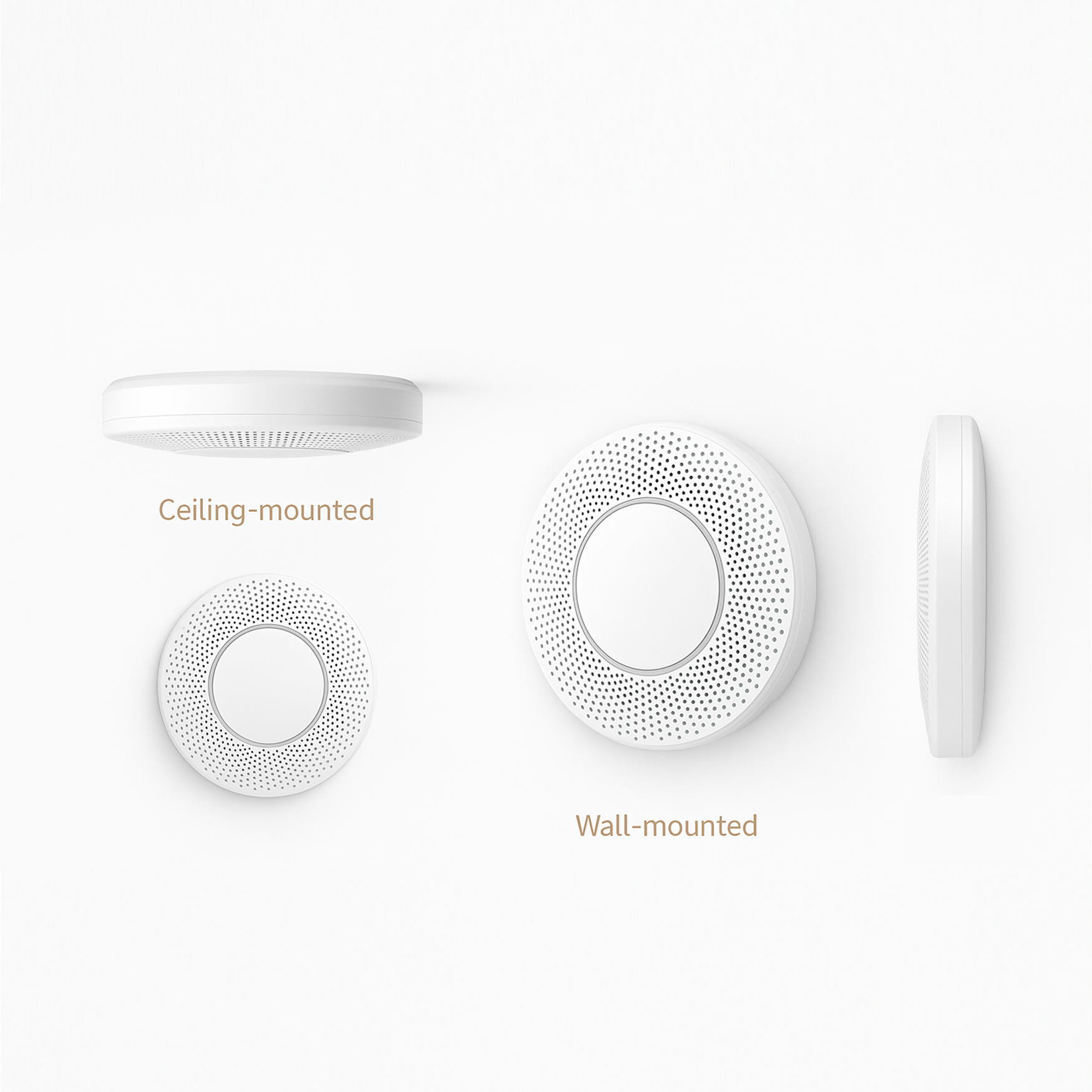
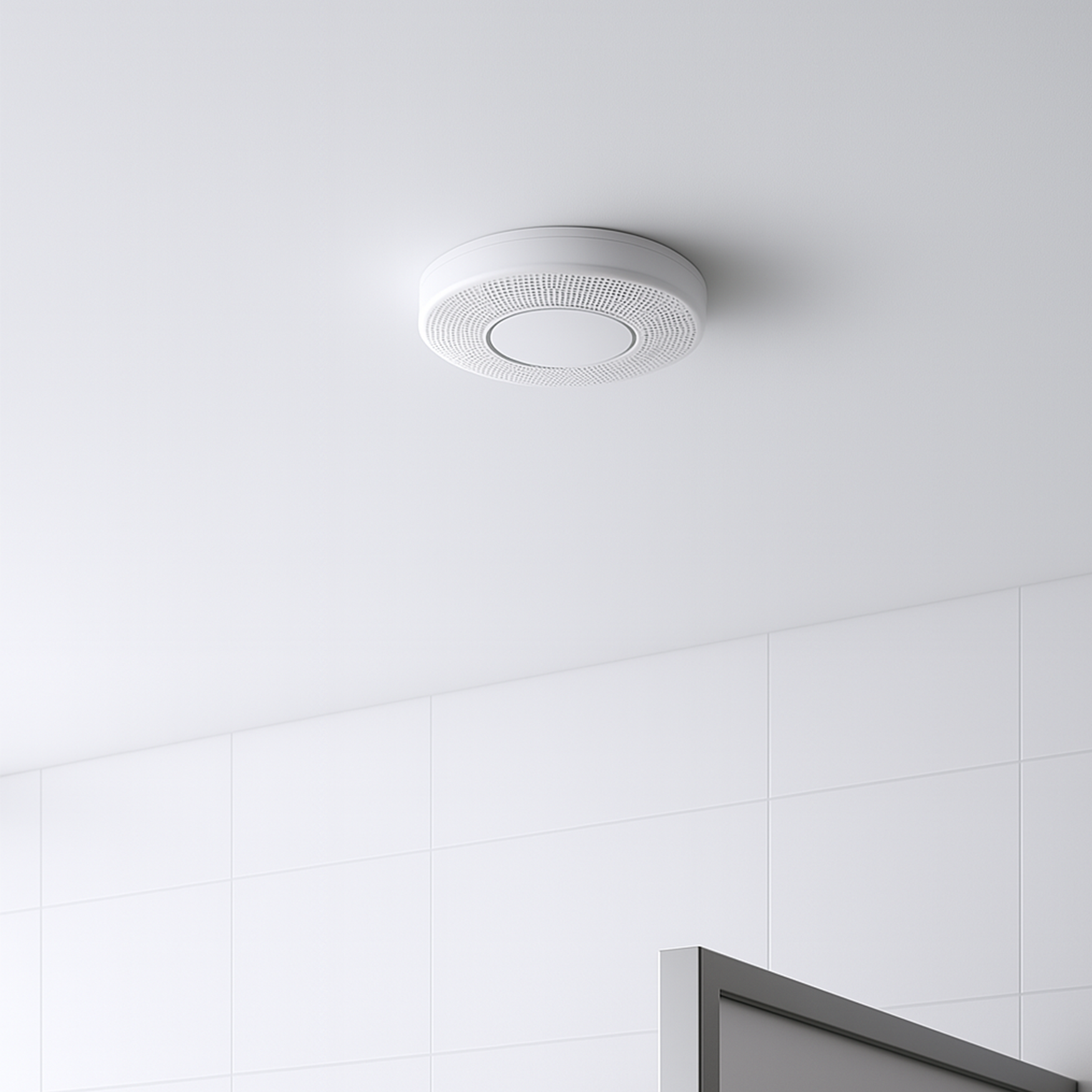
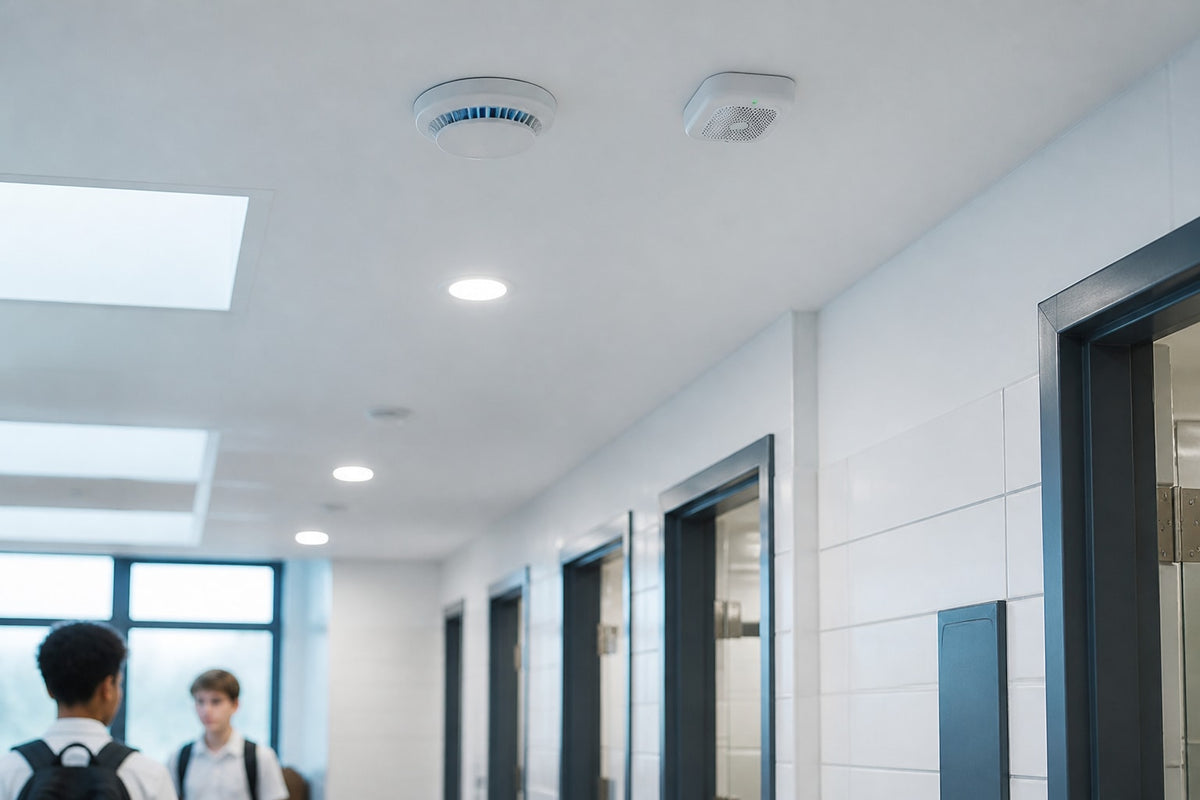
Vape sensors for schools are ceiling or wall mounted devices that detect aerosol and chemical changes in the air, then alert staff within seconds so they can respond in toilets, stairwells and other unsupervised areas. The best choice depends on what else you want the device to monitor, how your network is set up and how much you can spend on hardware and software over several years.
The scale of the problem explains the demand. NHS England reported that 9% of pupils aged 11 to 15 in England vaped frequently in 2023. A teacher survey submitted to Parliament found that pupils gathering in toilets to vape during the school day was a commonly reported problem. Staff cannot supervise every cubicle, which is why detection technology has become a practical safeguarding tool.
Side-by-Side Comparison of Vape Sensors for Schools
The table below summarises the detectors covered in this article. Prices are approximate where shown; where a price is not shown, it is supplied on request.
| Detector | Connection | Main strengths | Best suited to |
|---|---|---|---|
| HALO Smart Sensor (Motorola Solutions) | Ethernet | Vape and THC alerts, occupancy and air quality | Sites wanting one multi-purpose device |
| Verkada SV23 | Power over Ethernet | Vape index, air quality, motion and noise | Schools already on the Verkada platform |
| Triton 3D Sense (Triton Sensors) | Quote required | Privacy-conscious detection with behavioural alerts | Sites prioritising privacy |
| FlySense (Soter Technologies) | Power over Ethernet | Sound, motion, acceleration and proximity sensing | Sites wanting sound anomaly alerts |
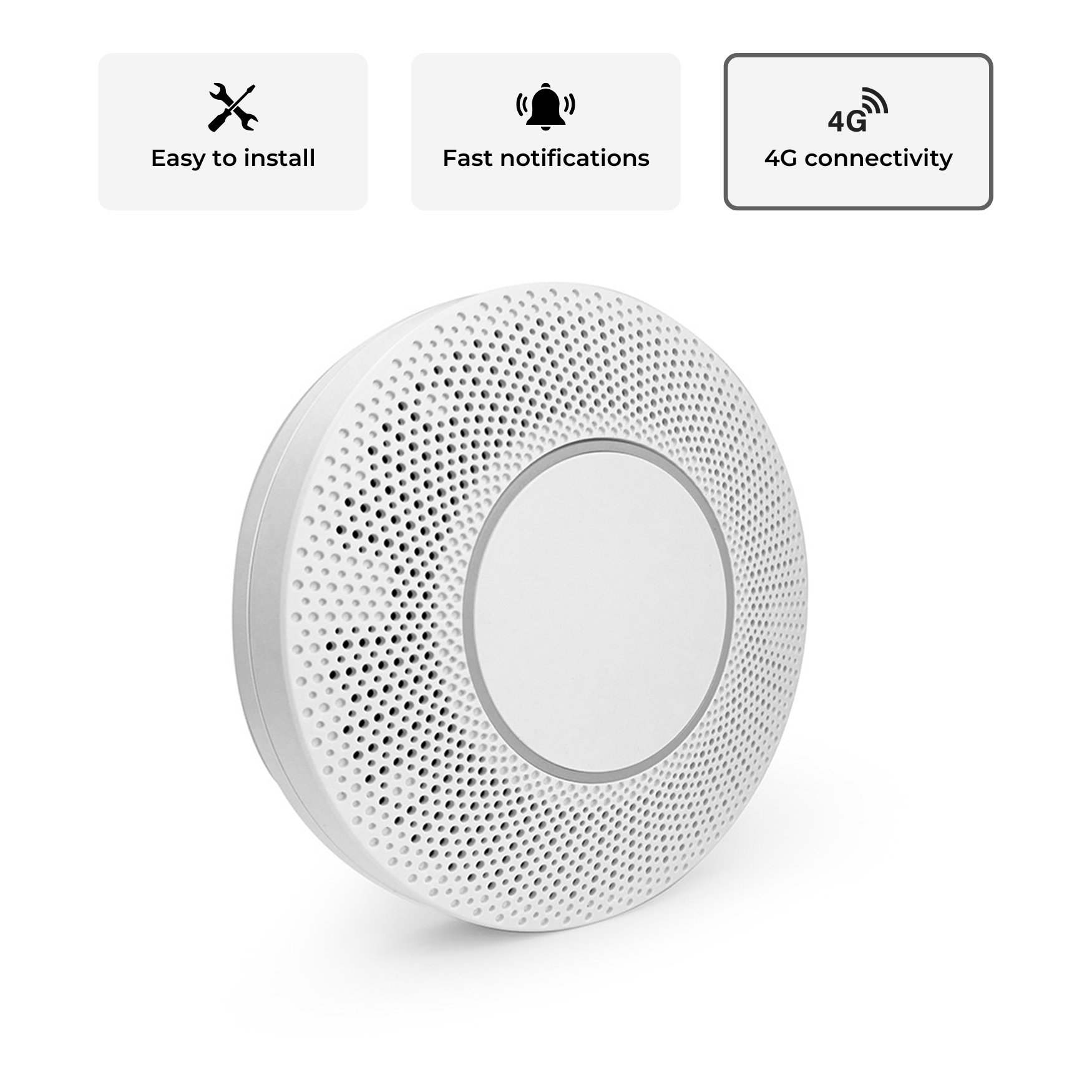
| Vape Guardian sensors | Wi-Fi, 4G or PoE with Wi-Fi fallback | Vaping, THC, Spice, cigarettes, over-occupancy and loud noise, no cameras | Schools wanting UK-built, lower cost hardware and local support |
What a School Vape Detector Needs to Do
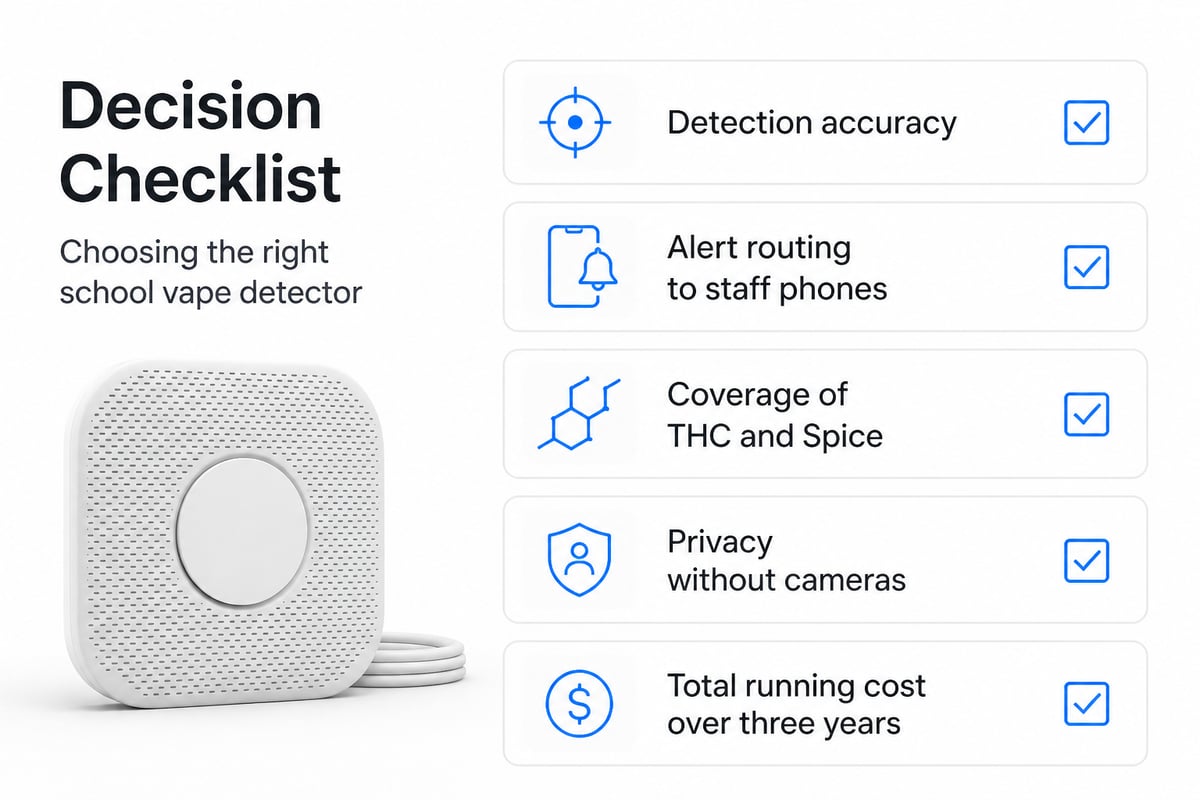
A good detector identifies vaping reliably, alerts the right people quickly and does so without cameras or microphones that record speech. Before comparing models, agree your minimum requirements.
- Detection accuracy: the device should separate vape aerosol from deodorant, steam and aerosol sprays.
- Alert routing: notifications should reach the pastoral team and site staff on their phones, not only a dashboard nobody watches.
- Coverage of other behaviours: THC, Spice, loud noise and over-occupancy matter in toilets where bullying or drug use can occur.
- Privacy: no cameras and no audio recording keep you clear of difficult conversations with parents and governors.
- Running cost: hardware is only part of the bill. Software licences and connectivity recur annually.
For a wider view of how detection fits into a safeguarding approach, see this guide to safeguarding technology for schools.
HALO Smart Sensor
The HALO Smart Sensor from Motorola Solutions is a multi-purpose device that detects vaping and THC vaping alongside occupancy monitoring and air quality measurements. It connects by Ethernet, and the listed model supports powering two units from a single cable run, which can reduce cabling work in a block of toilets.
It is listed at £1,076.40 ex VAT per unit. That makes it one of the more expensive options per sensor, so it suits schools that value the added occupancy and air quality data and have a budget to match.
Verkada SV23
The Verkada SV23 is a Power over Ethernet environmental sensor with a vape index, air quality indicators, motion and noise monitoring. A UK retailer, The Safety Centre, lists it at £1,074.95 each when buying five, and states that the first year's software licence is included.
The SV23 makes most sense where a school already runs Verkada systems and wants one management platform. Without existing Verkada infrastructure, you would be adopting a new ecosystem purely for toilet monitoring, so check what the licence costs after year one before committing.
Triton 3D Sense
Triton 3D Sense, from Triton Sensors, is positioned around privacy-conscious detection with additional behavioural alerts. No price is shown publicly, so schools need to request a quote through a partner.
It is worth shortlisting if governors or parents have raised concerns about surveillance in washrooms and you want a clear explanation of what the device does and does not capture. Ask the partner to put that explanation in writing, covering which signals are sensed, where the data is stored and who can view alerts. That document can then be shared with your data protection lead and used in parent communications.
Behavioural alerts suit areas where the concern goes beyond vaping, such as bullying in an unsupervised toilet block. Establish what those alerts look like in practice and how they are routed to staff. As with any quote-only product, ask for the full three-year cost, including licences and support, before you compare it against priced options. Request a site survey as part of the quote, so the number of units is based on your toilet layout and not on an estimate.
FlySense
FlySense, from Soter Technologies, is powered over Ethernet and draws 4 W. Its listed operating temperature range is 0 to 37.8°C, and it includes sound, motion, acceleration and proximity sensors alongside vape detection.
The sound anomaly monitoring is the distinguishing feature, which may help in areas where shouting, fighting or banging is a concern. Check that the temperature range suits unheated outbuildings or sports changing areas, since the upper and lower limits are narrower than some sites experience.

Vape Guardian Wi-Fi, 4G and PoE Sensors
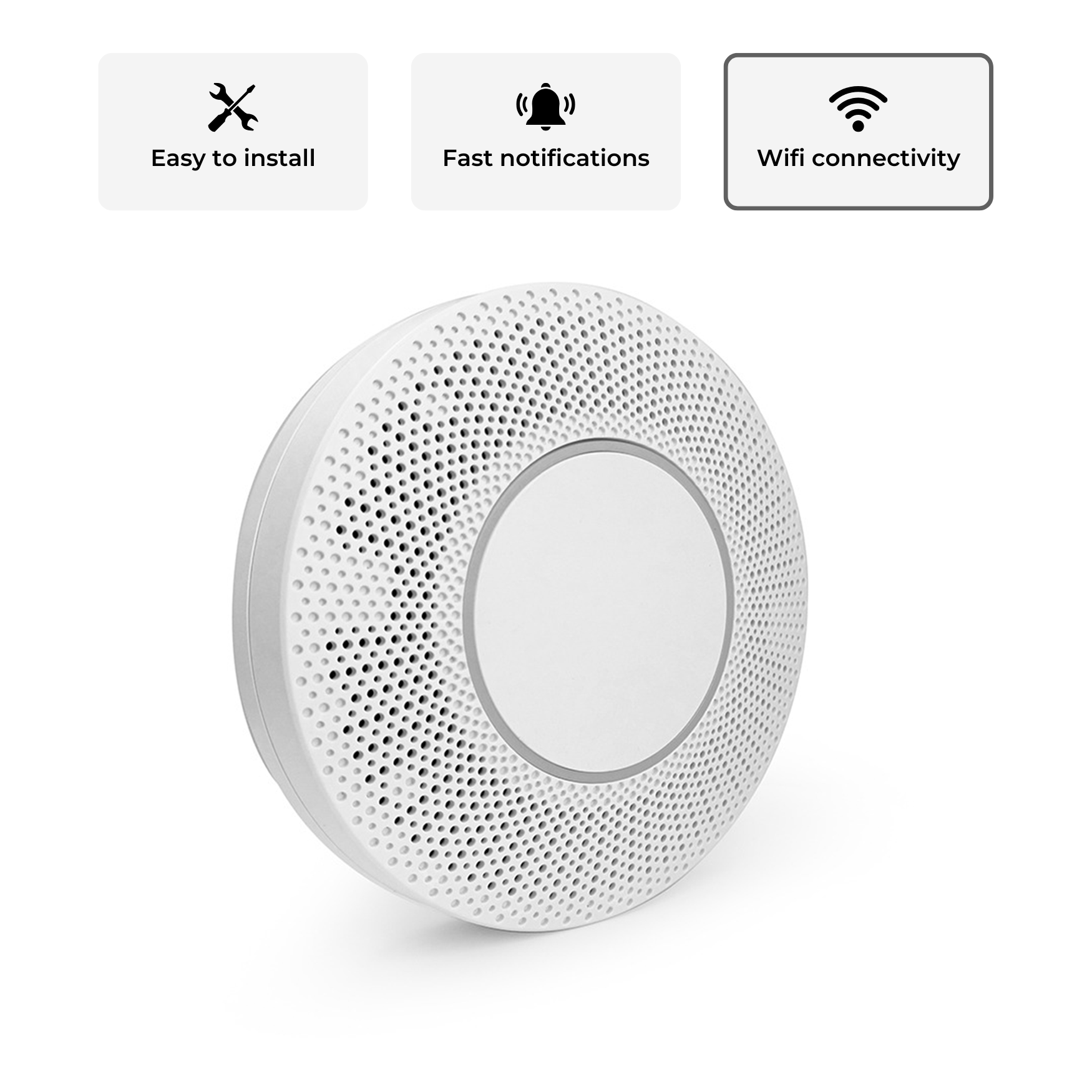
Vape Guardian is a UK company whose hardware and software are designed and built in-house. Its sensors detect vaping, THC, Spice, cigarettes, over-occupancy and loud noise without cameras, using a 10-point detection formula intended to identify vaping accurately and avoid false positives. The company reports 96% alert accuracy across 2,400 installed sensors.
There are two connection routes, both described on the Vape Guardian sensors collection page:
- Wi-Fi and 4G sensors: £249 each, plus software at £19.99 per month. 4G units add £3 per month per sensor for connectivity, which helps in older buildings where Wi-Fi is patchy.
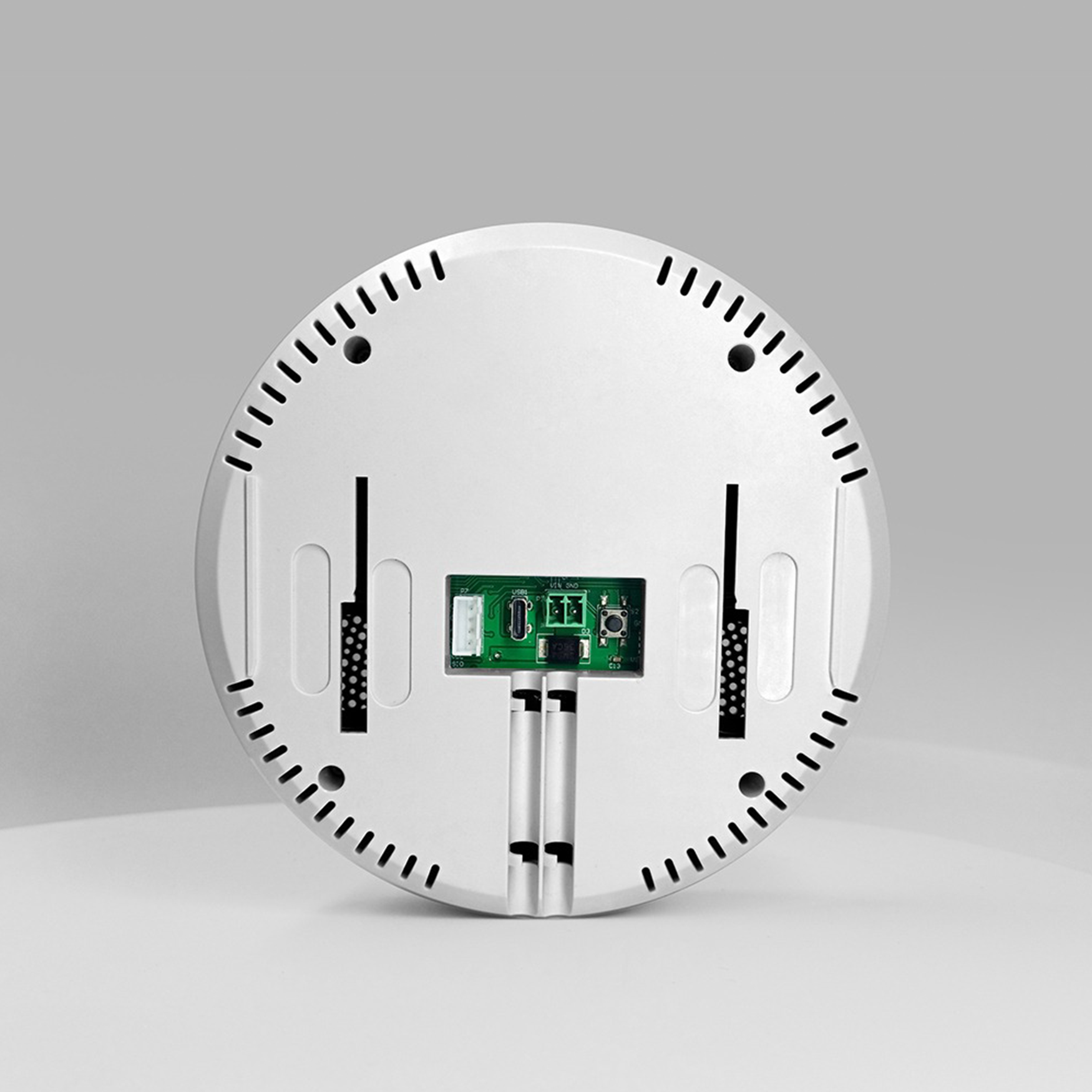
- PoE sensor: £249 each, with software at £19.99 per month, using Power over Ethernet with Wi-Fi fallback.
Sensors are supplied with "No Vaping" signage and unlimited notifications to unlimited staff, so the alert does not depend on a small number of licensed users. Firmware updates are sent over the air at no added cost, and a UK support team of software, hardware and vaping specialists is available. A 100-day money-back guarantee applies if you are not satisfied.
Vape Guardian reports that schools have seen vaping incidents halve within two weeks, and Seaham High School reports vaping in toilets down around 95% since its alarms were installed. For the cost side, the vape detector cost breakdown for schools sets out how to calculate return over several years.
Comparing Cost Over Three Years
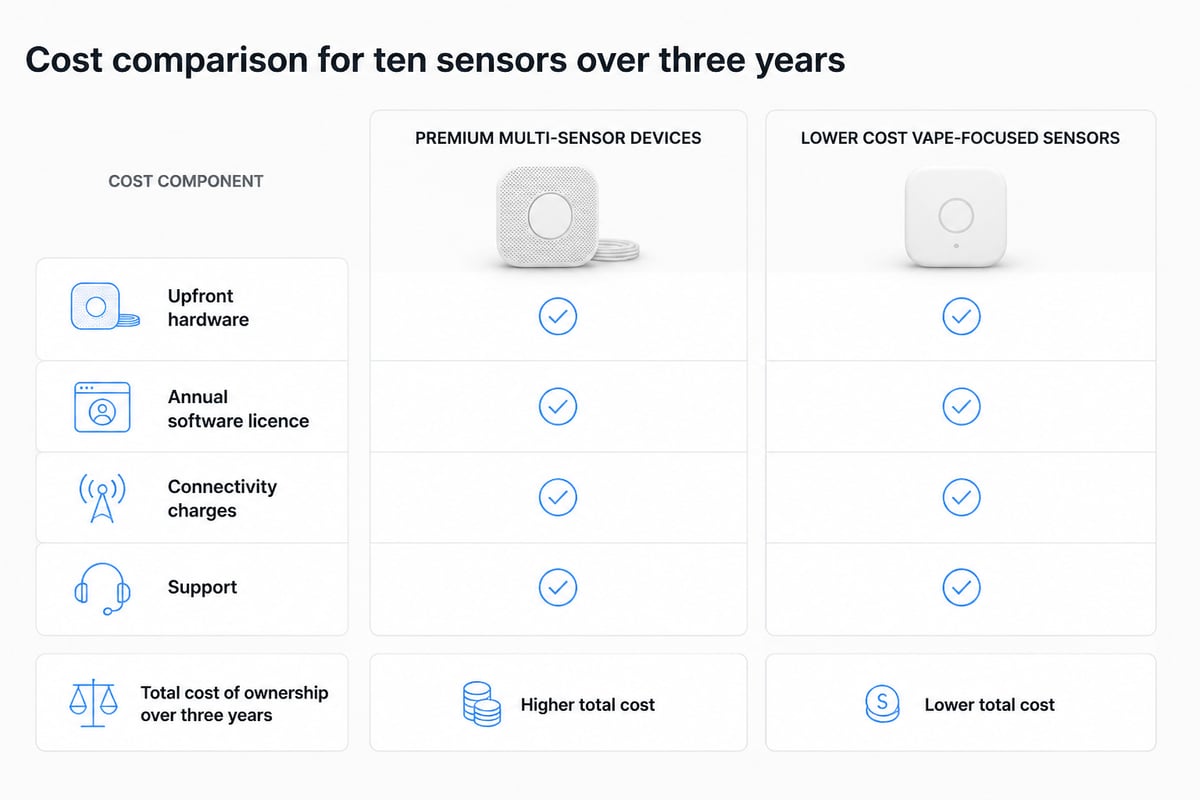
Hardware price alone misleads, because licences, connectivity and support recur every year. As a worked illustration using the approximate figures above, take a school fitting ten sensors.
- Vape Guardian PoE or Wi-Fi: ten sensors at £249 is £2,490, plus software at £19.99 per month, roughly £240 per year.
- Verkada SV23: ten sensors at £1,074.95 is about £10,750, with licence costs after the first year to be confirmed with the supplier.
- HALO Smart Sensor: ten units at £1,076.40 ex VAT is about £10,764, with software terms to be confirmed.
Triton and FlySense pricing is quote based, so request a three-year total. The gap in upfront cost is substantial, so decide whether the extra environmental data from premium devices justifies several times the hardware outlay.
Installation, Networks and Power
Network readiness often decides which detector is practical. Ethernet and PoE devices such as the HALO, Verkada SV23 and FlySense need cabling to each location, which may mean working with your IT team and contractors, particularly in older toilet blocks with limited ceiling access.
Wi-Fi and 4G options reduce that work. A 4G sensor does not rely on the school network at all, which also avoids asking IT to open firewall rules or manage extra devices. Before ordering, walk the toilet blocks with your site manager and note the following:
- Ceiling height and material.
- Distance to the nearest network point or power source.
- Wi-Fi signal strength inside the cubicle area.
- Whether any areas, such as outbuildings, have a different temperature range.
Alerts, False Positives and Student Behaviour
Alert quality determines whether staff trust the system. If detectors trigger on deodorant or steam, staff stop responding and the investment is wasted. Ask every supplier how they separate vape aerosol from other airborne particles, how sensitivity can be adjusted by room and how quickly notifications reach phones.
Pupils will test a new system. Some will try covering a sensor or vaping in a different location, so put detectors in every likely area, including changing rooms, stairwells and secluded corners, and position them away from direct airflow from extractor fans.
The teacher survey submitted to Parliament also found that some respondents reported students vaping in lessons, so consider classrooms and corridors as well as toilets when planning coverage.
Pairing Detection With Education
Detection tells you where and when vaping happens, but it does not address why a pupil is vaping or how to help them stop. Exclusion alone often removes a young person from the very support they need.
Vape Guardian Education, the student vaping course at vapeguardian.education, focuses on rehabilitation and education as an alternative to exclusion. Pairing alerts with a structured course lets pastoral teams respond to an incident with support rather than only a sanction. The vape detection and education for schools article explains how the two approaches work together.
A clear policy also matters. The Tobacco and Vapes Act gives government powers to make some indoor places vape-free, but no start date has been set, so schools should not wait for legislation to act. A written policy that explains how alerts are handled and what support follows is a sensible foundation, and this free vape-free policy template is a useful starting point.
Which Detector Suits Which School
The right detector depends on your priorities, infrastructure and budget.
- Choose the HALO Smart Sensor if you want occupancy and air quality data from the same device and can fund premium hardware.
- Choose the Verkada SV23 if your school already uses Verkada and wants a single platform, remembering to confirm licence costs after year one.
- Choose Triton 3D Sense if privacy messaging is your leading concern and you are comfortable requesting a quote.
- Choose FlySense if sound anomaly monitoring matters and your rooms fall within its 0 to 37.8°C operating range.
- Choose Vape Guardian sensors if you want vape focused detection that also covers THC, Spice and cigarettes at a lower per sensor cost, with UK support, flexible Wi-Fi, 4G or PoE connection and no cameras. The Vape Guardian sensors collection lists the current options.
For a broader look at what schools should expect from a system, the guide to vaping detection for schools covers placement and response planning in more depth.
Start by listing the toilets, changing rooms and stairwells where pupils vape most often, then note the network and power options at each location, as that list will shape any quote you receive. Vape Guardian can then recommend whether the Wi-Fi, 4G or PoE sensors suit those spaces, and you can pair them with Vape Guardian Education for a support led response. To discuss your site, get a quote or book a 15-minute call with Vape Guardian.


Share:
Can Smoke Detectors Detect Vape? What Actually Sets Them Off