

A vape detector for FE colleges is a ceiling mounted sensor that identifies vapour in toilets, stairwells and other unsupervised areas, then sends a real time alert to staff so they can respond quickly and without cameras. For colleges that need to stop students vaping in secluded spaces, it gives safeguarding teams evidence of where and when incidents happen, which patrols and policy alone rarely provide.
This guide explains how detectors work, where to fit them, what to look for when comparing systems and how to combine detection with education so that students are supported rather than simply excluded.
Why vaping is a growing concern for FE colleges
Vaping has become a routine safeguarding and site management issue because prevalence among young people has risen sharply and colleges contain large, open sites with many unsupervised spaces.
The figures give useful context. In England's 2023 survey, Surveys of young people in England show current e-cigarette use has risen since 2018, and a substantial share of young people have tried e-cigarettes. An estimated number of children aged 11 to 17 in Great Britain who regularly vape has risen in recent years, according to official figures. Among the wider population, a UCL study of people aged 16 and over found that vaping prevalence rose sharply between 2022 and 2024 before levelling off through January 2025.
The ban on single use vapes, which took effect on 1 June 2025, has changed the products in circulation but has not removed the behaviour. Students now tend to carry refillable devices, and these are just as easy to conceal.
FE colleges face particular challenges:
- Learners range from 16 to adult, so a single policy must work across mixed age groups.
- Sites are often spread across several buildings, annexes and outdoor spaces.
- Free periods and flexible timetables mean fewer natural moments for staff to supervise.
- Washrooms, stairwells and secluded corners are the most common places for vaping.
A note on regulation: the Tobacco and Vapes Act gives government powers to make indoor places vape free, but no start date has been set. Colleges should not wait for legislation. Your own policy, supported by signage and detection, is what changes behaviour on site today.
How a vape detector works
A vape detector works by sampling the air continuously and recognising the chemical and particle signature of aerosol from e-cigarettes, then alerting named staff when a threshold is met.
Most systems rely on a combination of sensing methods rather than one. Particle sensors pick up the dense aerosol cloud that vaping produces, while gas and chemical sensors respond to compounds found in vapour. Combining several readings reduces the chance of a hairspray, deodorant or steam from a shower triggering a false alarm.
Vape Guardian uses a detection formula designed to identify vaping accurately and avoid false positives. Its sensors detect vaping, THC, Spice, cigarettes, over occupancy and loud noise without cameras, which matters in washrooms and changing areas where recording is never appropriate.
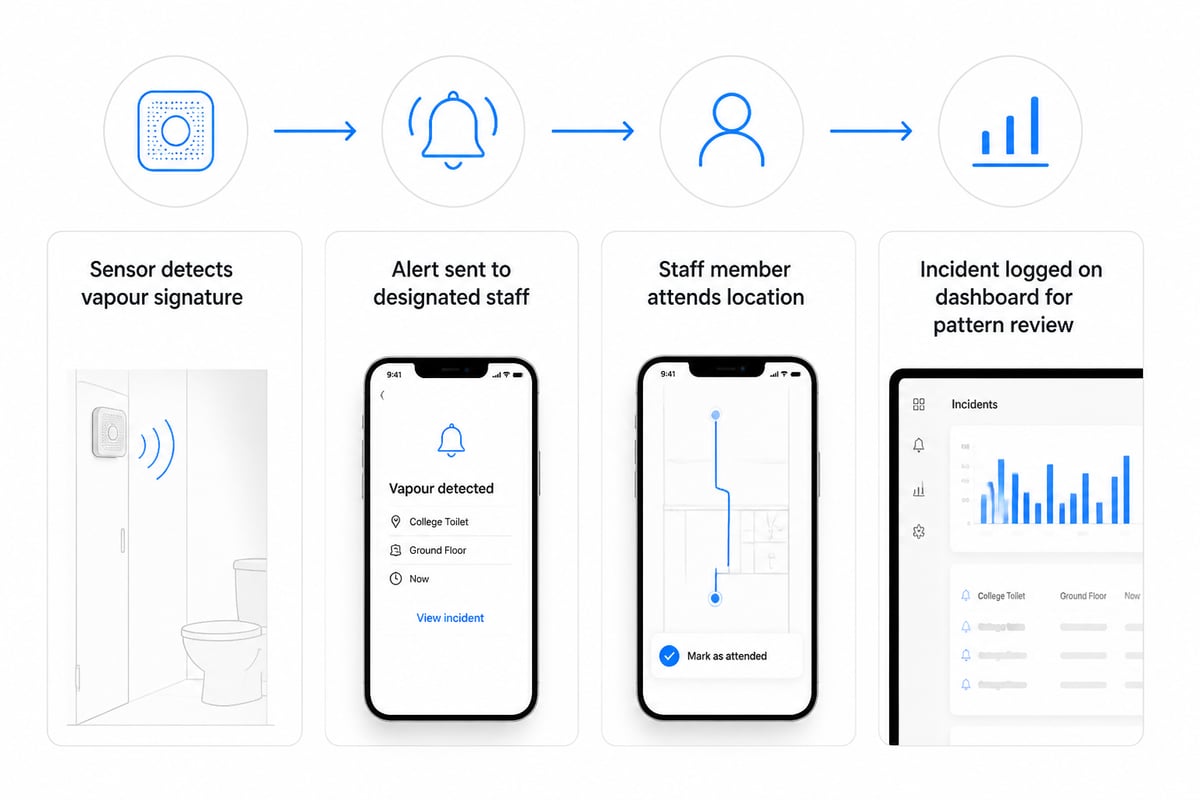
Once the sensor registers an event, the sequence is typically as follows:
- The sensor identifies the signature and logs the event with a time and location.
- An alert is sent to designated staff by app, email or text.
- A member of staff attends the location.
- The event is recorded on a dashboard so patterns can be reviewed.
The dashboard step deserves attention. Over a term, the data shows which washrooms, which times of day and which days attract most incidents. That lets a safeguarding lead deploy staff where they are needed rather than guessing.
What does a school or college vape detector look like?
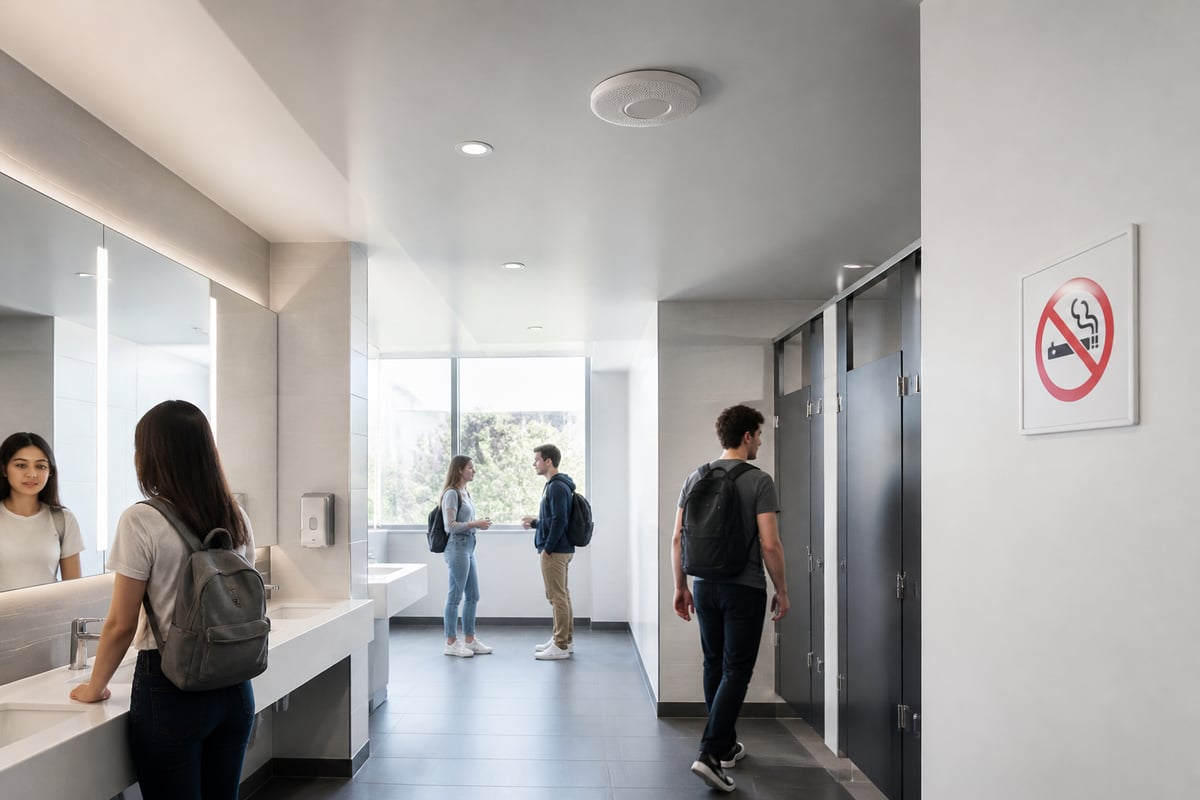
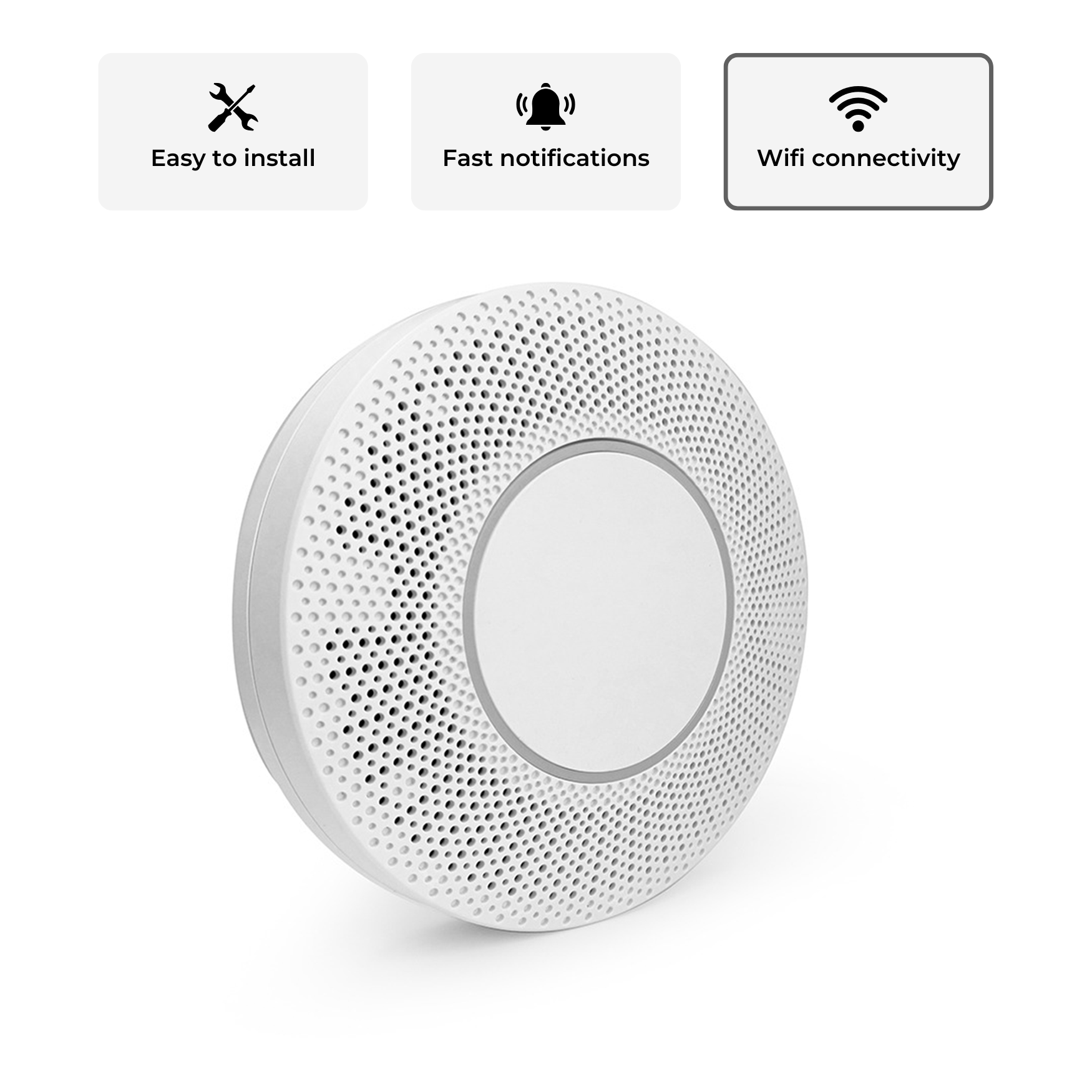
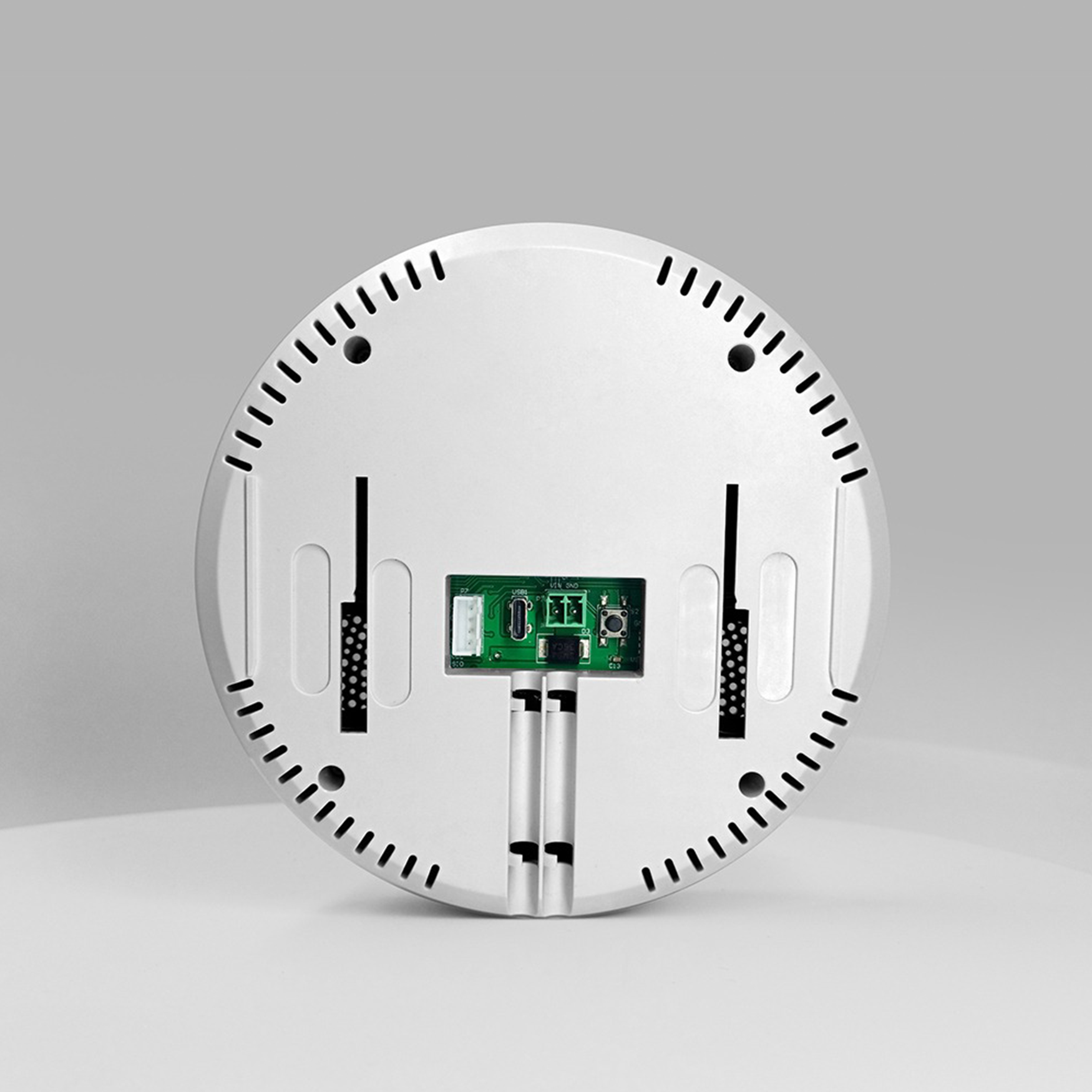
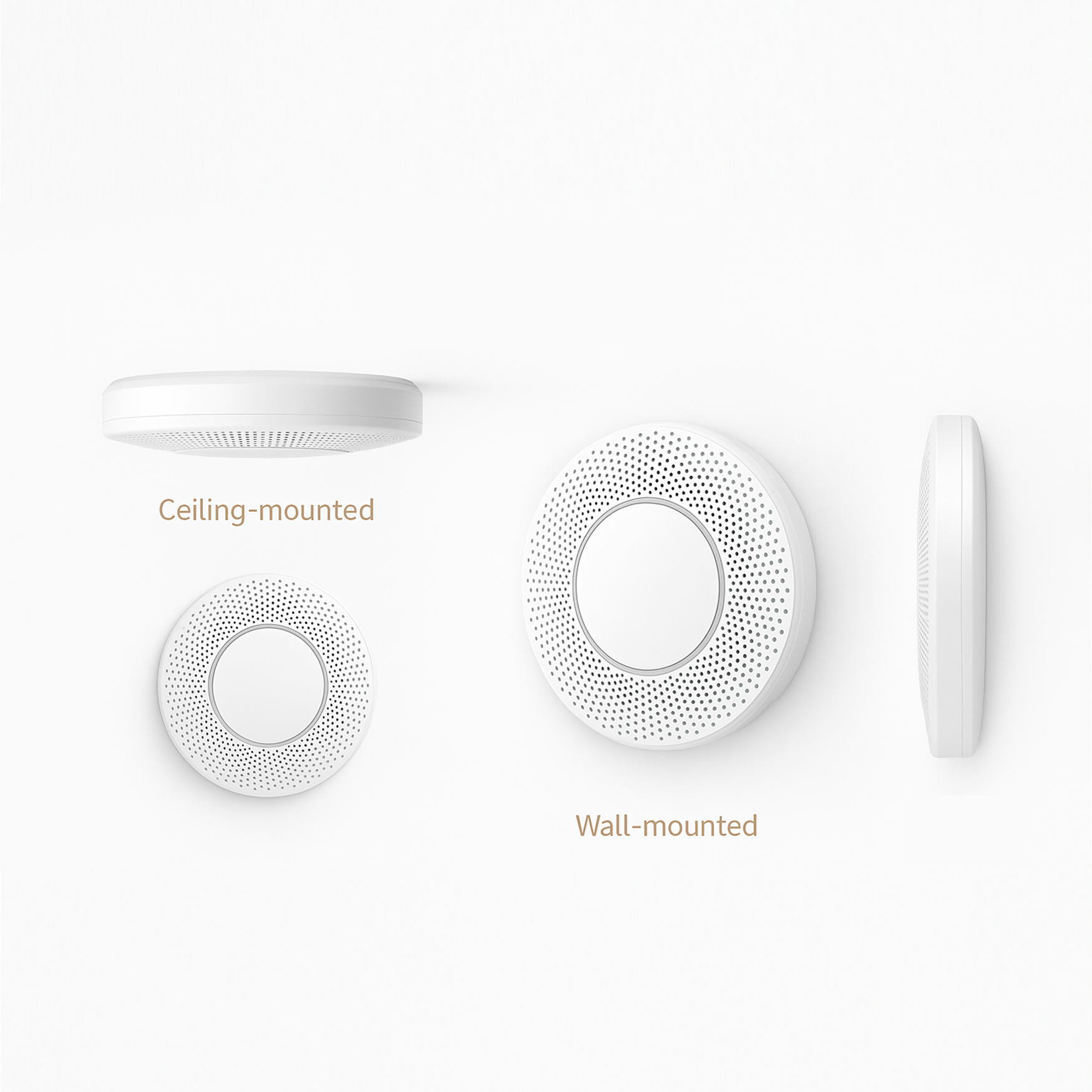
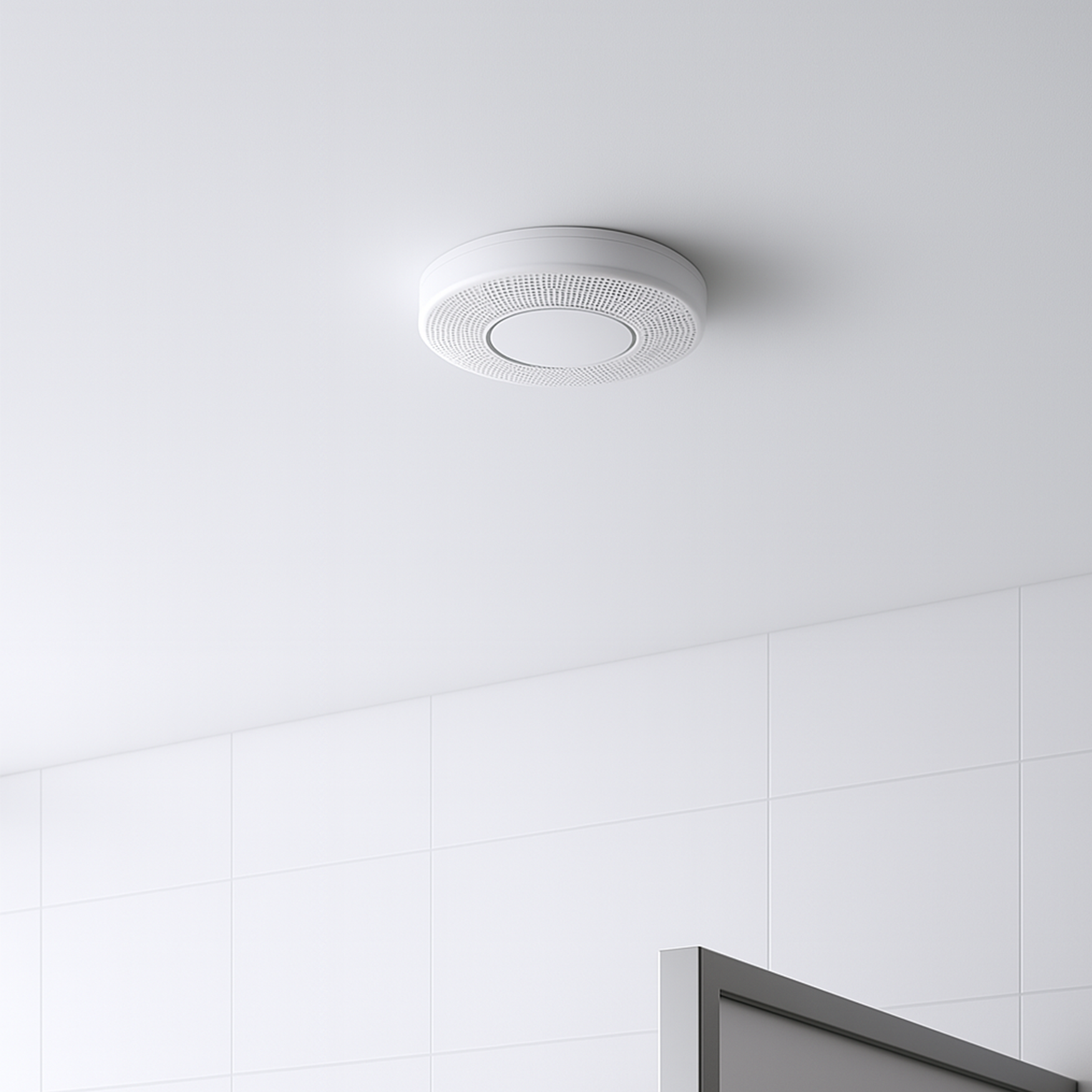
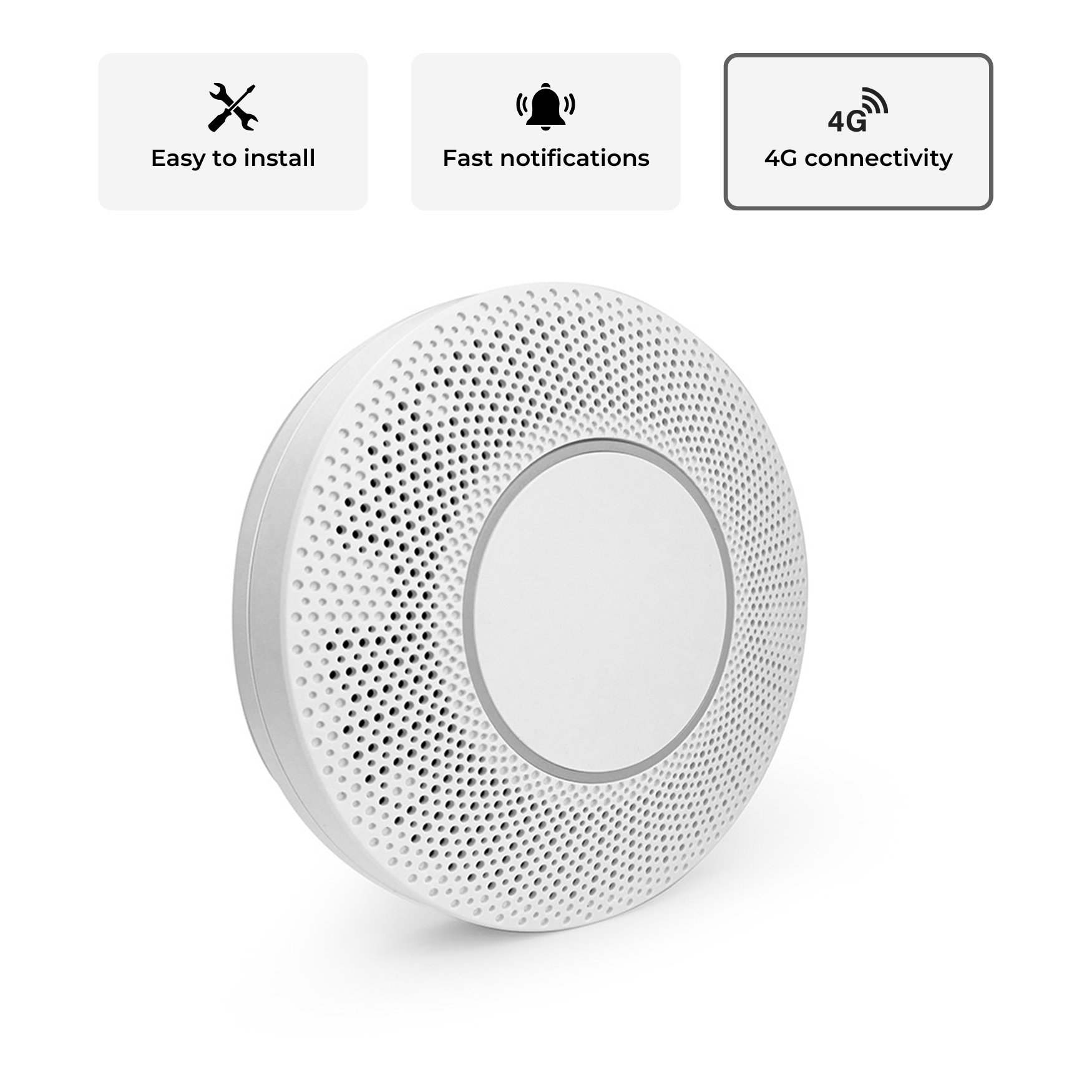
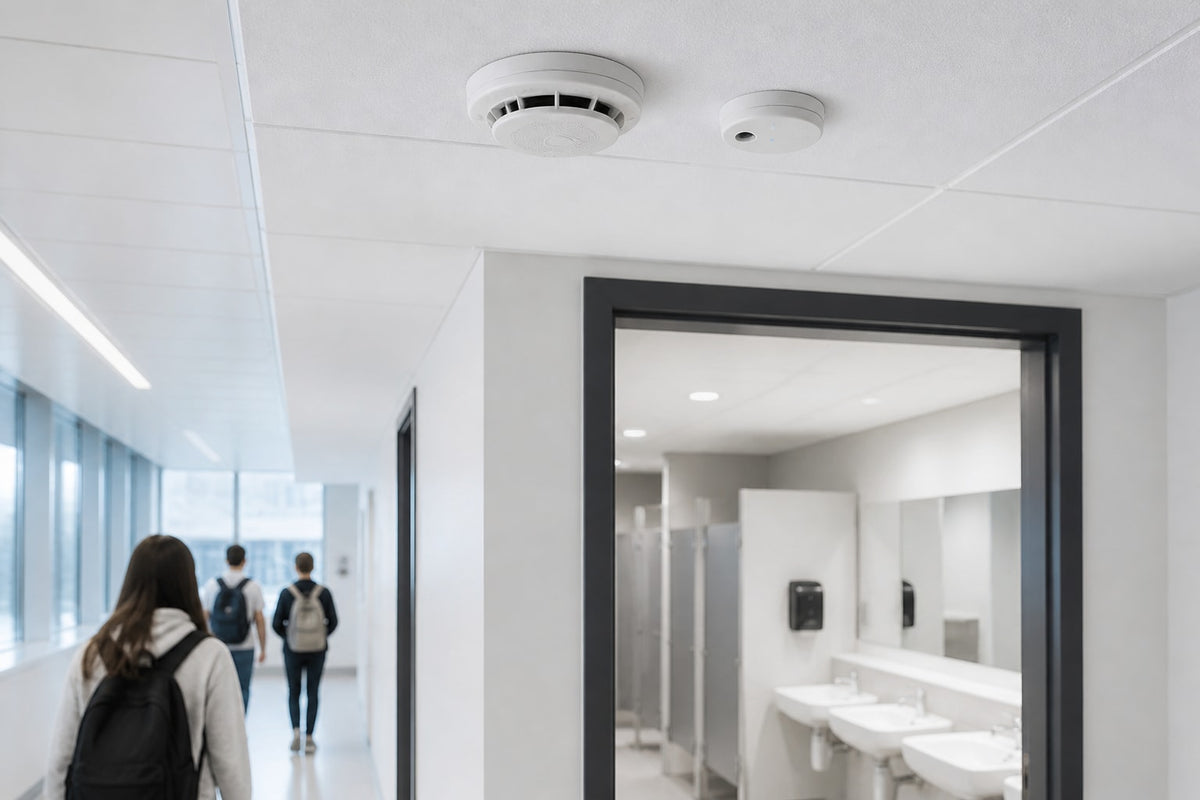
A school or college vape detector looks like a small, plain unit about the size of a smoke alarm, mounted on the ceiling or high on a wall, with vents or grilles to draw in air and a small status light.
Typical visible features include:
- Vents or grilles that allow air to reach the internal sensors.
- A slim, low profile casing that blends with ceiling fittings.
- An indicator light showing power or connection status.
- No camera or lens, which is the key difference from CCTV and the reason sensors can be used in washrooms.
Students often assume a sensor is a standard smoke alarm. Clear signage prevents confusion and strengthens deterrence. Vape Guardian sensors are supplied with 'No Vaping' signage, so the message is visible from the first day.
Where to place sensors across an FE campus
Sensors should go first in student washrooms, then in other enclosed or low supervision spaces where incidents are reported or suspected.
Good placement follows the pattern of use rather than an even spread across the site. A practical order of priority is:
- Student toilets and washrooms, where most vaping occurs.
- Stairwells and corridors away from reception and staffrooms.
- Changing rooms and sports facilities, where over occupancy and noise alerts can also be useful.
- Study pods, break out areas and library corners that are hidden from main sightlines.
- Accommodation or residential blocks, if your college has them.
Mount sensors away from extractor fans, open windows and doors, because strong airflow dilutes vapour before it reaches the unit. If you are unsure about a particular space, the evidence base is covered in do vape detectors work in bathrooms, and Vape Guardian's team can advise on positioning for your layout.
Choosing a vape detector for FE colleges: what to compare
The best vape detector for FE colleges is the one that detects accurately, alerts the right people quickly and keeps running costs predictable, so compare systems against those criteria rather than headline price.
A short checklist helps procurement teams stay consistent:
- Detection accuracy and false positive handling. Ask for accuracy data, not just claims.
- Camera free operation. Essential for privacy in washrooms.
- Alert flexibility. Can you notify several staff, across several sites, without per user fees?
- Software updates. Are firmware updates included or charged?
- Wider detection. Does it cover THC, Spice and cigarettes as well as nicotine vapes?
- UK support. Can you speak to specialists who understand education settings?
- Contract terms. Look for a money back period that lets you test in real conditions.
Vape Guardian's published figures are useful reference points: thousands of sensors installed, tens of thousands of weekly alerts and high alert accuracy, with customers in hundreds of organisations across 27 countries. Sensors come with unlimited notifications to unlimited staff, over the air firmware updates at no added cost and a 100 day money back guarantee. Hardware and software are designed and built in house in the UK.
Our Vape Detection System brings the sensor hardware and the alerting software together, detecting vaping, drug use and anti social behaviour in one platform.
For wider reading on selection, our guide to the best vape detector for schools sets out the questions to ask suppliers.
How much do vape alarms cost?
Vape alarm costs depend on the number of sensors, the software plan and any support or installation arrangements, so the only reliable figure is a quote based on your site plan.
Rather than comparing unit prices alone, budget across the full life of the system:
- Hardware per sensor, multiplied by the number of priority locations.
- Software or subscription costs, if any.
- Installation and any electrical or network requirements.
- Support and firmware updates.
- Replacement or expansion as the system proves its value.
A phased approach is common. Start with the highest risk washrooms, review the data after a term and extend coverage where it is needed. A breakdown of how to think about return on investment is given in this vape detector cost breakdown for schools, and the UK pricing overview covers typical cost factors. For exact figures, contact Vape Guardian for a quote.

What results can a college realistically expect?
Colleges can expect a measurable fall in incidents within weeks when detection is paired with clear signage and a consistent response.
Schools using Vape Guardian report vaping incidents falling substantially within a few weeks. At Seaham High School, vaping in toilets has fallen significantly since alarms were installed. These are school results rather than FE specific figures, but the mechanism is the same: students learn that vaping in a sensor covered area leads to a prompt, predictable response, so the behaviour moves away or stops.
Results depend on follow through. A sensor that alerts staff who never attend will lose its deterrent effect within days. Agree who responds, how quickly and what happens next before the first sensor goes live.
Detection alone is not enough: pair it with education
Detection tells you where vaping happens, but education and rehabilitation address why it happens, and a college that offers both is far more likely to see lasting change.
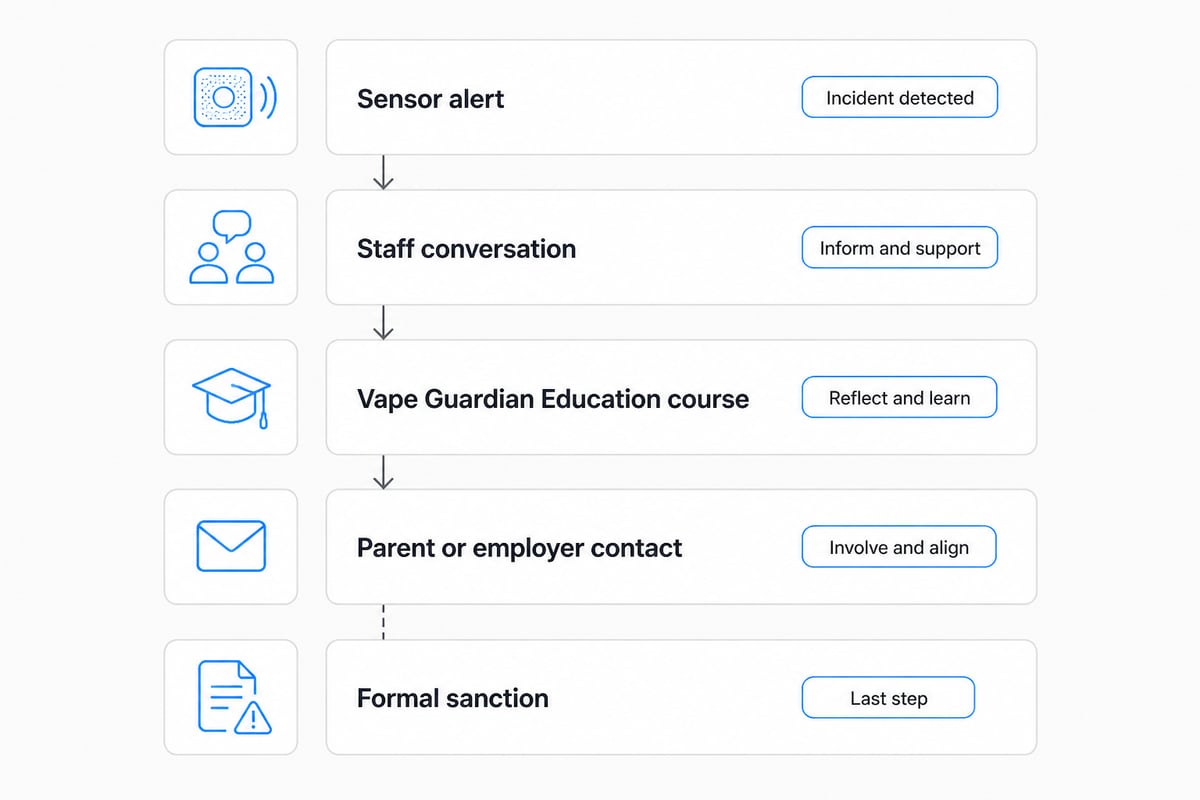
Many learners vape because of nicotine dependence, stress or peer habits. Exclusion removes a student from learning without tackling any of that, and it often moves the behaviour elsewhere. A more effective model treats a first or second incident as a safeguarding and health conversation.
Vape Guardian Education is a student vaping course designed for this purpose. It gives colleges a structured alternative to exclusion, with a focus on rehabilitation and education so that students understand the health effects, recognise dependence and are supported to stop. Using it alongside detection means an alert leads to a constructive next step, not only a sanction.
For colleges building a policy around this approach, the free vape free policy template for safeguarding leads is a practical starting point.
Setting up a response process that works
A response process works when every alert has a named owner, a target response time and a recorded outcome.
A simple five step plan covers most colleges:
- Name responders. Assign staff for each building and each time of day, including breaks.
- Set a response standard. Decide how quickly someone should attend an alert.
- Define outcomes. Agree what happens at a first, second and repeat incident, including referral to education support.
- Communicate openly. Tell students and staff that sensors are in use, what they detect and that they do not record images or audio of people.
- Review monthly. Use dashboard data to adjust patrols, signage and placement.
Transparency matters for trust. Make clear in your student handbook and induction that sensors are camera free and aimed at air quality and behaviour, not at individuals.
Planning for installation and rollout
A smooth rollout starts with a short site survey, a priority list of locations and a plan to brief staff and students before the sensors go live.
Practical points to settle early include power and connectivity in each location, who will receive alerts and how signage will be displayed. Because Vape Guardian pushes firmware updates over the air, there is no need to revisit sensors for software changes. If you operate across several campuses, standardise your response process so that students experience the same expectations everywhere.
Consider timing as well. Installing at the start of a term, with a clear message in induction week, tends to set norms more effectively than introducing sensors midway through the year.
FAQ
Is there such a thing as a vape detector?
Yes. Vape detectors are purpose built sensors that identify the aerosol and chemical signature of e-cigarette vapour and alert staff in real time. They differ from smoke detectors, which are designed to respond to combustion and often miss vapour.
Is it safe to vape inside the house?
Vaping indoors releases aerosol that other people in the room can breathe in, and long term effects of that exposure are still being studied. In a college setting the question is simpler, because your own policy and signage can make indoor vaping a clear rule breach today.
Can a vape detector tell the difference between vapour and steam or aerosol sprays?
Well designed systems combine several sensing methods to separate vaping from everyday sources such as steam or deodorant.
Your next step is to list the five washrooms or stairwells where vaping is most often reported and request a site specific recommendation for them. Vape Guardian can help you plan coverage with its UK support team, and you can get a quote or book a 15 minute call to discuss your campus, your response process and how detection can sit alongside Vape Guardian Education.


Share:
Snub Quit Vaping App: How to Stop Vaping for Good