

A Snub quit vaping app is a phone based tool that helps someone stop vaping by tracking vape free days, logging cravings and offering encouragement during withdrawal. An app can support a quit attempt, but it works best alongside human support, a clear plan and, for young people, an environment that makes vaping harder to sustain.
For headteachers, safeguarding leads and site managers, the question is rarely about one pupil's phone. It is about how a school helps pupils who are already dependent on nicotine while keeping toilets and secluded areas free from vaping. This article explains what quit apps can and cannot do, how nicotine withdrawal presents, and how a school can combine education, support and detection.
What does a quit vaping app actually do?
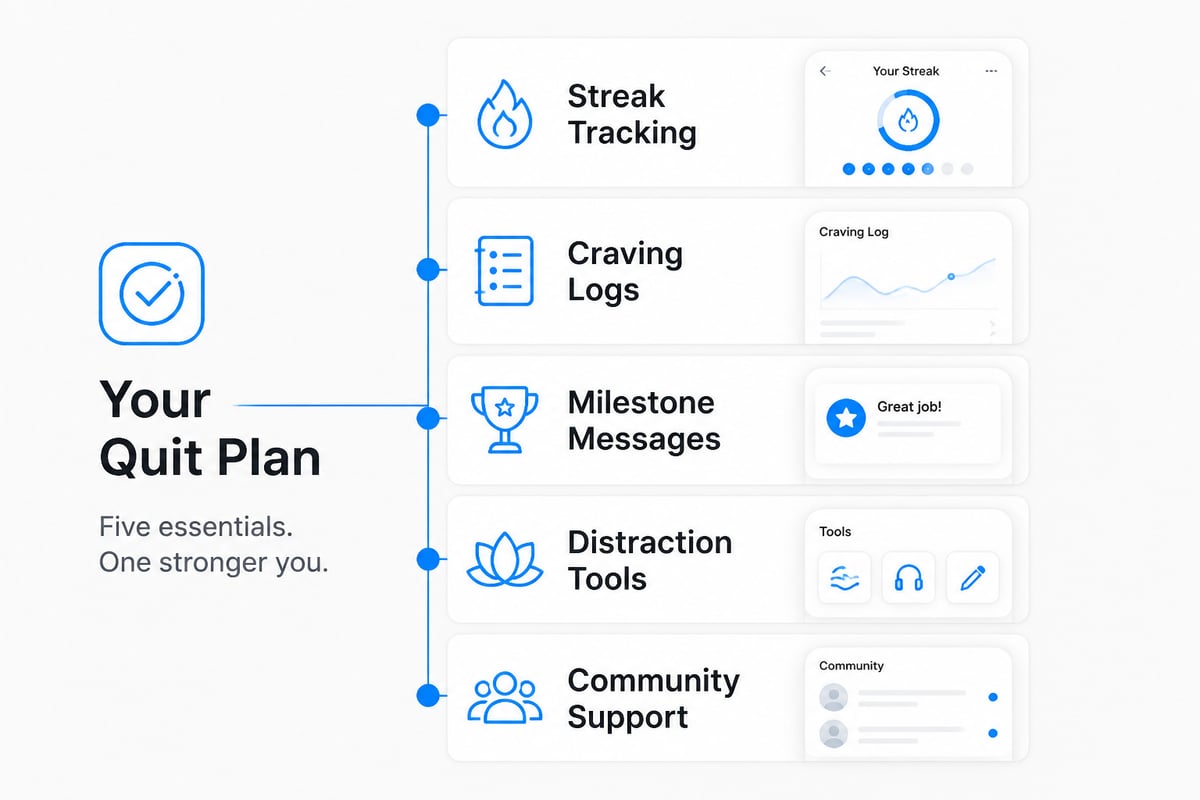
A quit vaping app gives a person structure: a running count of days without vaping, a place to record cravings, and prompts to keep going when motivation dips. Most share a similar set of features:
- Streak tracking showing time since the last vape and money saved.
- Craving logs that record triggers such as stress, boredom or being with friends who vape.
- Milestone messages that mark progress at set intervals.
- Distraction tools, such as breathing exercises or short games, for use when a craving peaks.
- Community or chat features in some apps, which connect users who are quitting at the same time.
These tools address habit and motivation. They do not address nicotine dependence directly, which is why apps are best treated as one part of a plan rather than the plan itself.
Is the Snub quit vaping app enough on its own?
The Snub quit vaping app, like any similar app, is unlikely to be enough on its own for a pupil with an established nicotine habit. Apps can build awareness and reward consistency, but they cannot ease physical withdrawal or change the settings in which a young person vapes.
There are three common gaps. First, an app relies on the user opening it, which is hardest at exactly the moment a craving arrives. Second, a streak counter can feel punishing after a slip, and some users abandon the attempt entirely. Third, an app has no view of the school day, where the pressure to vape often comes from peers in toilets and corridors.
For that reason, schools should present any app as an optional aid, not a solution. A conversation with a trusted adult, a referral to local support and consistent expectations around the site all carry more weight than a download.
What withdrawal feels like and how long it lasts
Nicotine withdrawal after quitting vaping can cause cravings, irritability or low mood, difficulty concentrating, increased hunger and trouble sleeping, according to NHS Better Health. Staff who understand these symptoms are better placed to respond with patience rather than sanction.
In a school context, withdrawal can look like behaviour problems. A pupil who is restless in lessons, short tempered at break or struggling to focus may be experiencing nicotine withdrawal rather than defiance. Recognising this helps pastoral teams decide whether a conversation about support is more appropriate than a purely disciplinary response.
Practical adjustments can help while symptoms are at their most noticeable:
- Agree a named member of staff the pupil can speak to when cravings are strong.
- Allow short, supervised breaks if concentration is poor.
- Encourage regular meals and water, as hunger and irritability often rise together.
- Check in on sleep, which can be disrupted and affects behaviour the following day.
How to quit smoking with vapes: gradual or all at once?
There are two broad ways to stop vaping, and the NHS describes both. Someone who prefers a gradual approach can lower the nicotine strength of their e-liquid, increase the time between vaping sessions and create vape free places or times, as set out by NHS Better Health.
For someone who prefers to stop in one step, the NHS advises speaking to a pharmacist or stop smoking adviser about switching to a suitable nicotine replacement therapy product. These are available as patches, gum, sprays and lozenges, which provide smaller doses of nicotine to help ease cravings, as explained on the NHS guide to stop smoking products.
Age restrictions and suitability differ between products, so a school should not recommend specific treatments itself. The right step is to direct pupils and parents to a GP, pharmacist or local stop smoking service. NHS inform also sets out the potential harms of vaping and alternatives such as nicotine replacement therapy for those who need them.
Which free products and services can help someone quit?
Several free resources can support a quit attempt, and most do not require a smartphone. Useful options include:
- NHS stop smoking services, accessed through a GP or pharmacy, which offer advice and, where appropriate, nicotine replacement products.
- Free text and chat support. Smokefree.gov offers SmokefreeTXT, available by texting QUIT to 47848, and online chat through the National Cancer Institute's LiveHelp service. These are US services, so UK pupils should be directed to NHS routes first.
- School pastoral support, including a trusted adult, a school nurse or a counsellor.
- Free tracking apps, which can complement the above for pupils who like to see progress.
A school can keep a short, current list of these routes in the pastoral office or on the safeguarding page of its website. The aim is to make the first step easy for a pupil who is unsure where to turn.
Why education and rehabilitation matter more than exclusion
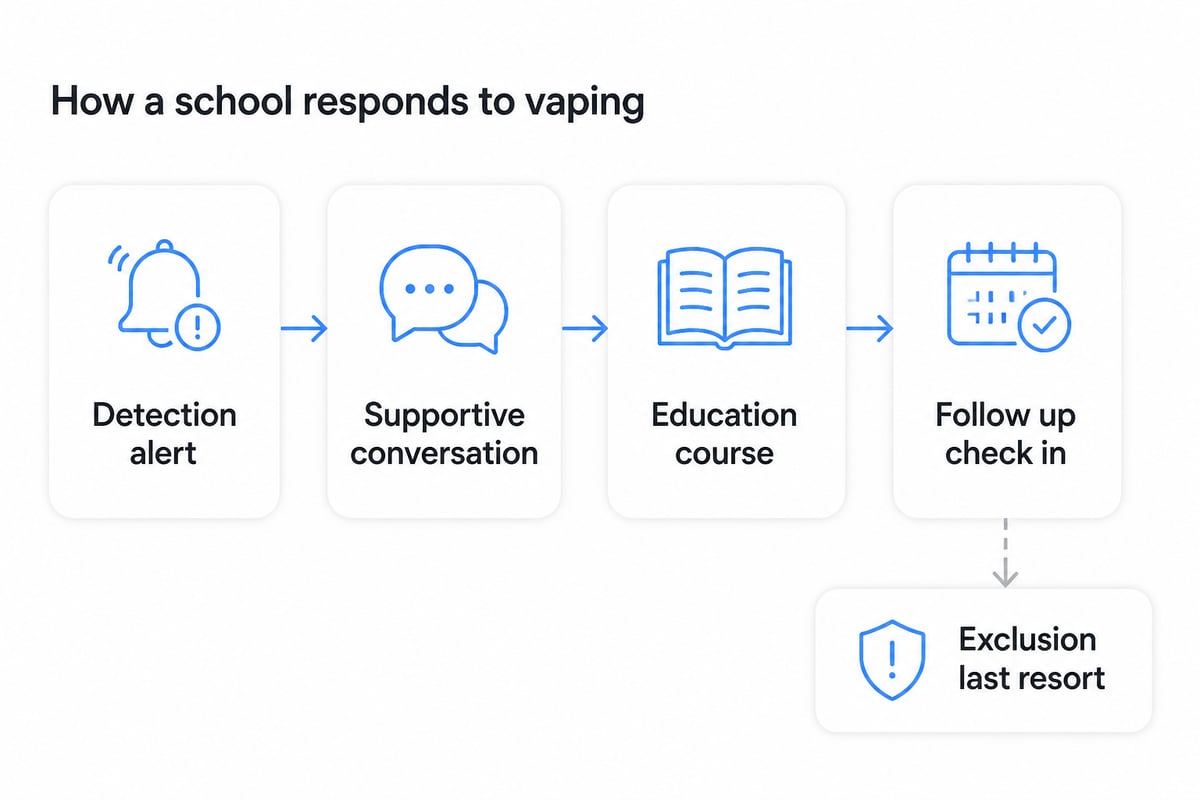
Exclusion removes a pupil from the setting where support is available, and it rarely addresses nicotine dependence. A pupil who is suspended for vaping may return with the same habit and less goodwill towards the school.
An approach built on education and rehabilitation tends to serve both the pupil and the wider school. This is where Vape Guardian Education fits. It is a 35 minute student vaping intervention course with six lessons and quizzes, designed with LifeLab at the University of Southampton. Schools can use it as a constructive alternative to exclusion, giving pupils accurate information about nicotine and a structured way to reflect on their choices.
Our guidance on how to help a student quit vaping covers the pastoral side in more detail, including how to open the conversation without shaming the pupil.
Can lungs heal after 3 years of vaping?
The evidence on long term recovery after vaping is still developing, and no school should promise pupils a specific outcome. Stopping vaping removes ongoing exposure to the substances inhaled, which is the first step towards any recovery, and many people report breathing more easily within weeks of stopping.
Staff should avoid making medical claims. If a pupil or parent is worried about their breathing or has symptoms such as a persistent cough, they should be directed to a GP. Our overview of the dangers of vaping in secondary school sets out the health concerns schools can discuss in assemblies and lessons.

Why apps cannot fix the places where pupils vape
Even a pupil who is motivated to quit faces the same environment every day. If toilets and secluded areas remain easy places to vape, the temptation stays present, and so does the pressure from peers who continue.
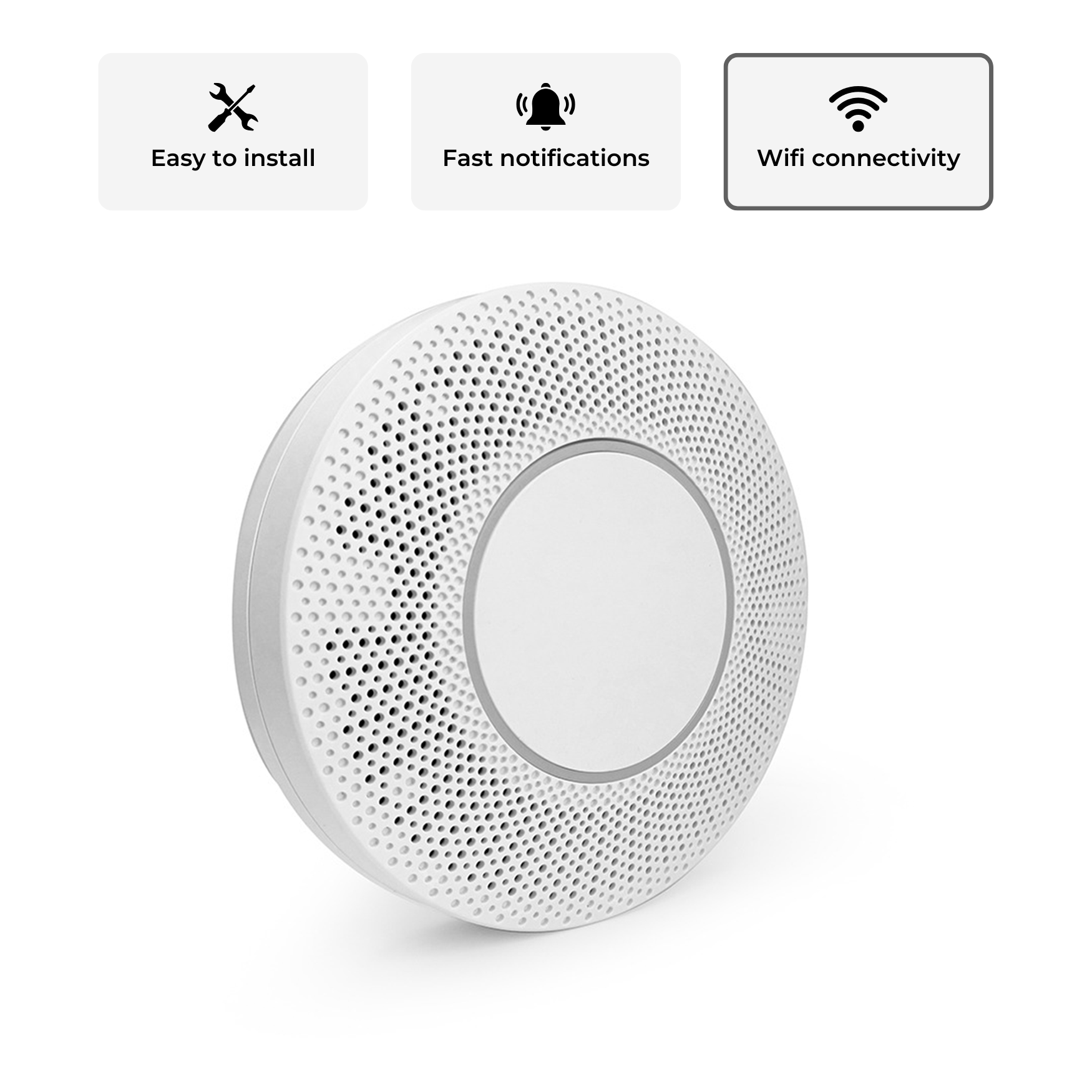
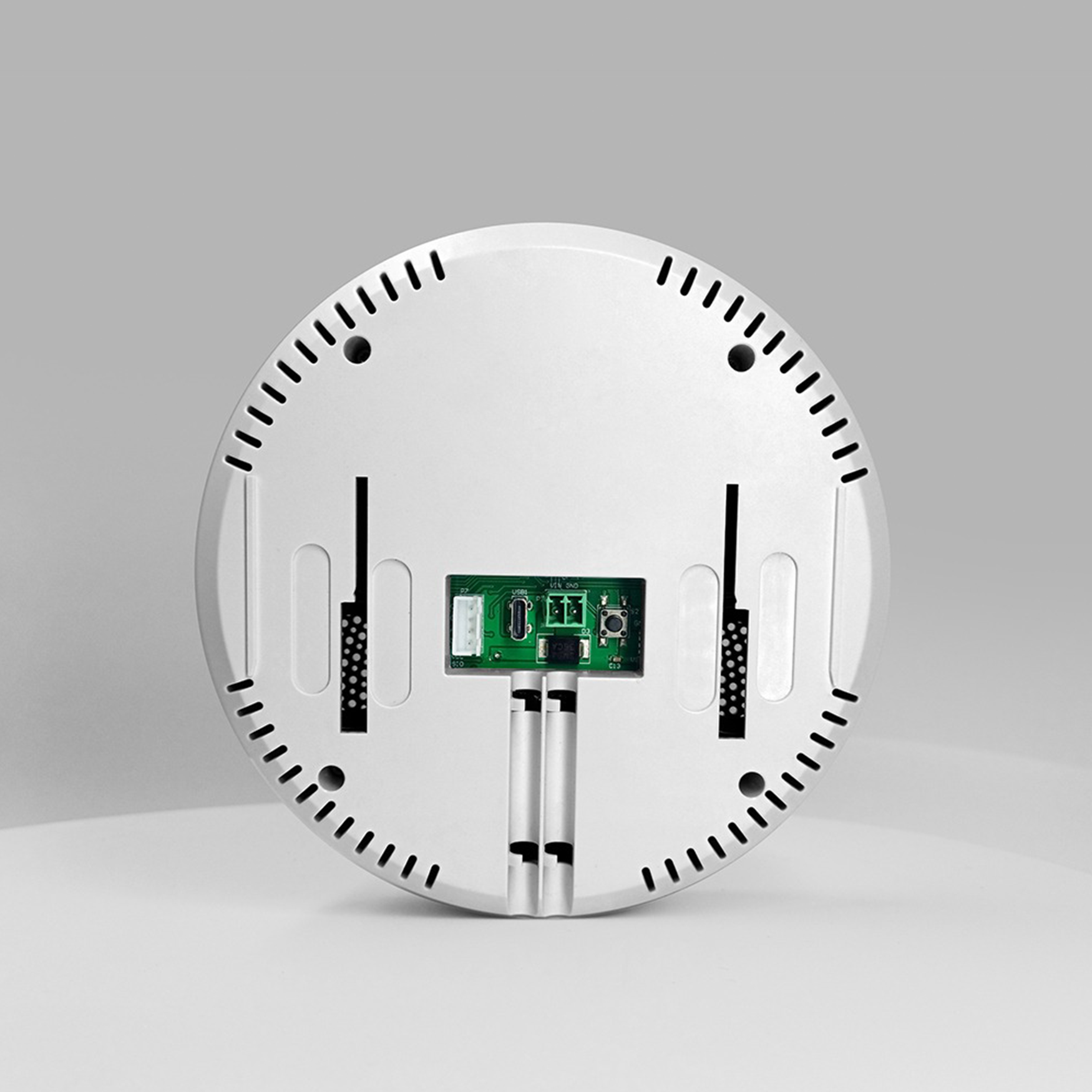
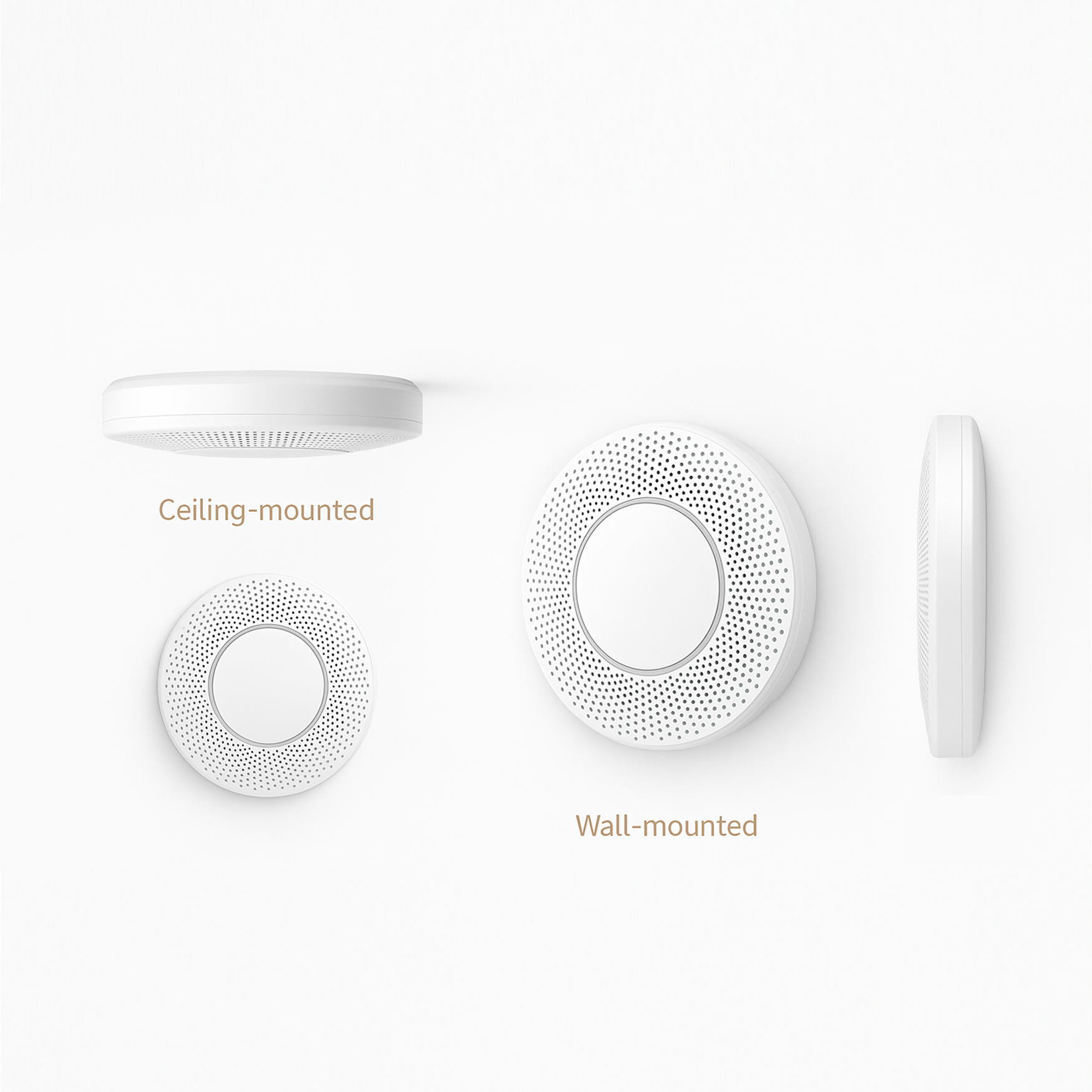
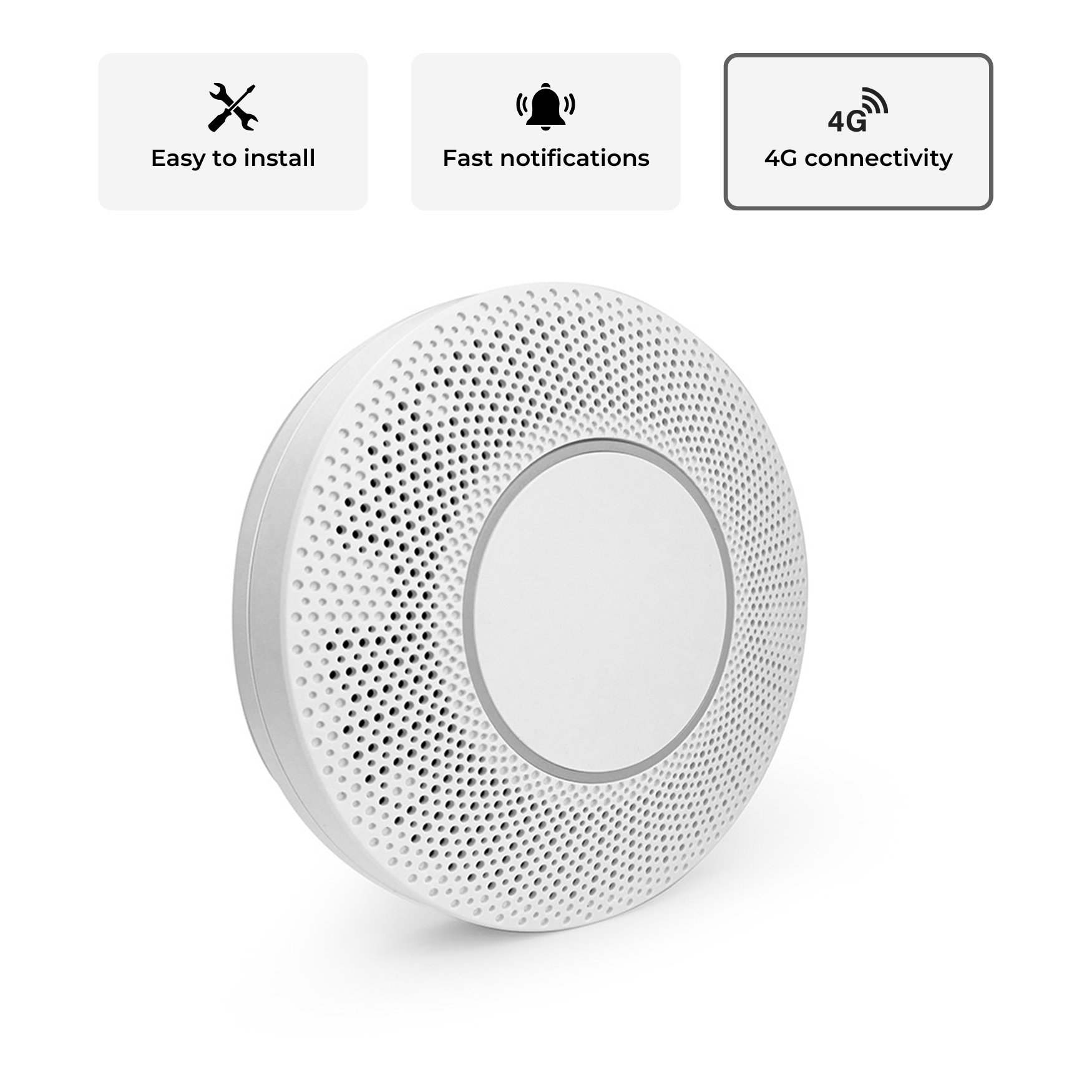
Detection changes that. A vape sensor alerts staff in real time when vaping occurs, which allows an adult to attend quickly and have a supportive conversation rather than relying on suspicion. Vape Guardian uses a 10 point detection formula designed to identify vaping accurately and avoid false positives, and detects vaping, THC, Spice, over occupancy, loud noise and cigarettes without cameras. That last point matters in toilets and changing areas, where privacy is essential.
Results from schools are encouraging. Schools using Vape Guardian have reported vaping incidents halved within two weeks and almost eliminated by week five. At Seaham High School, vaping in toilets has fallen since alarms were installed. Vape Guardian sensors are installed in hundreds of organisations across 27 countries.
For a closer look at how this works in practice, see our guide to vaping in school toilets.
How a school can combine support and detection
A joined up approach treats vaping as both a behaviour and a health issue. The following steps give leaders a workable sequence:
- Set clear expectations. Publish a vaping policy that explains both the rules and the support available.
- Detect reliably. Install sensors in toilets and secluded areas so staff can respond promptly and fairly.
- Respond supportively. Offer a pastoral conversation first, with consequences proportionate to the situation.
- Educate. Use a structured course so pupils understand nicotine dependence and the risks of vaping.
- Signpost. Give pupils and parents the details of NHS stop smoking services and local support.
- Review. Look at alert patterns by location and time to see where pressure is highest.
Our article on how to stop vaping at school expands on these steps, and the guide to UK school vaping laws helps leaders keep policy aligned with current requirements. It is worth remembering that the Tobacco and Vapes Act only gives government powers to make indoor places vape free, and no start date has been set, so schools should rely on their own policies rather than anticipated legislation.
What is the best vape quitting app?
There is no single best vape quitting app, because the right choice depends on what motivates the person using it. Some pupils respond to streaks and savings, others prefer community support, and others do better with a short text service or a conversation with an adult.
When advising pupils, suggest they choose an app that is simple to use, does not collect unnecessary personal data and has clear information about how it handles privacy. Check that the content is accurate and does not make unsupported health claims. Above all, remind them that an app is a supplement to support from people, not a replacement for it.
FAQ
Do quit vaping apps work for teenagers?
They can help some teenagers by making progress visible and giving them something to do during a craving. They work best alongside support from a trusted adult, a pharmacist or a stop smoking service, because an app cannot treat nicotine dependence directly.
Should a school recommend a specific quit vaping app?
A school can suggest apps as an optional aid, but it should avoid endorsing one as a treatment. The safer approach is to signpost NHS services and pastoral support, and let pupils choose a tracking app if they find it useful.
How can staff support a pupil who is trying to quit?
Staff can name a trusted adult, allow short breaks when cravings are strong and avoid punishing a pupil for withdrawal symptoms such as irritability. Consistent, calm responses make it more likely that a pupil will keep asking for help.
Start by reviewing where vaping happens on your site, because toilets and secluded areas will tell you where pupils face the most pressure to continue. Vape Guardian pairs real time detection with a supportive approach, and its UK support team of software, hardware and vaping specialists can help you plan coverage, with a 100 day money back guarantee if you are not satisfied. Pupils who are caught can then be offered Vape Guardian Education as a constructive alternative to exclusion. To see how it would work in your school, get a quote or book a 15 minute call with the team.




Share:
False Fire Alarms Caused by Vaping: A Guide for Venues