
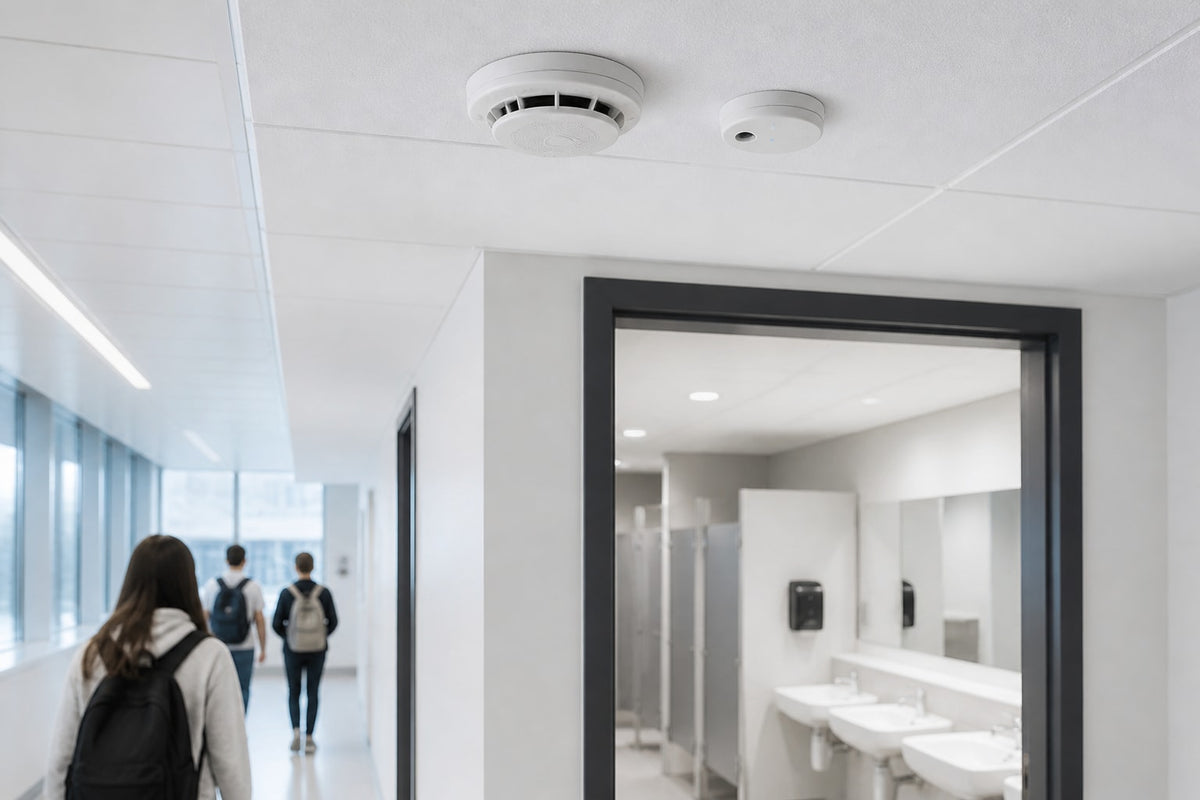
Vaping can trigger a fire alarm, particularly where an aerosol cloud reaches an optical or ionisation smoke detector in a small, poorly ventilated space such as a school toilet or a store room. False fire alarms caused by vaping lead to evacuations, lost teaching time and call-outs, and they are avoidable once you understand why they happen and where to look.
Can Vaping Set Off a Fire Alarm?
Yes, vaping can set off a fire alarm, although it does not do so every time. Whether a detector activates depends on how dense the vapour is, how close the person is to the sensor, how much air movement there is and what type of detector is fitted.
Fire Rescue Victoria lists smoke and fumes from cigarettes and vaping among the common causes of false alarms, and defines a smoking or vaping activation as smoke or vapour detected by the alarm system. In other words, the fire service treats vapour as a recognised nuisance trigger, not an unusual one.
Vape aerosol is not smoke. It is a cloud of fine liquid droplets, often propylene glycol and vegetable glycerine, and it contains no combustion particles. A detector, however, does not distinguish between particles by origin. It responds to what enters its sensing chamber, and a dense cloud exhaled directly beneath a detector can look very much like early smoke.
Why Some Detectors React and Others Do Not
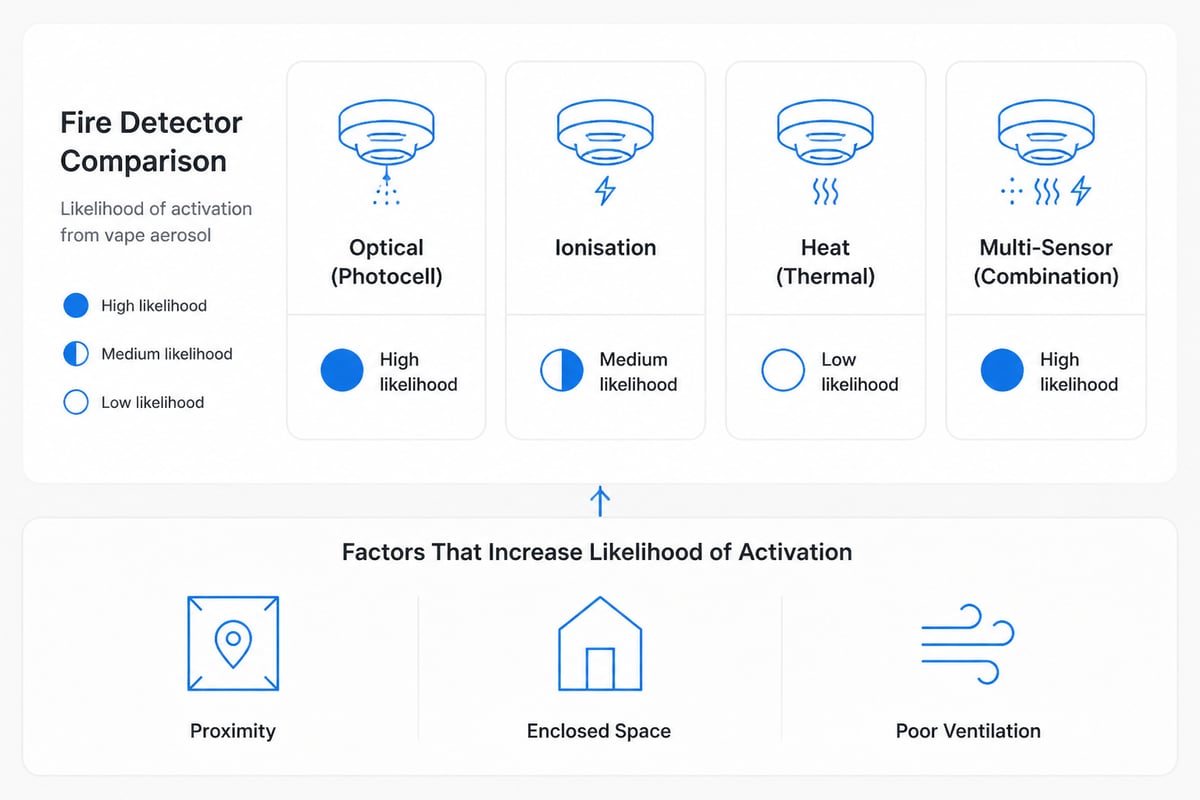
Detector type is the biggest single factor in whether vapour causes an alarm. Different technologies respond to different particle sizes and densities.
| Detector type | How it senses | Vulnerability to vapour |
|---|---|---|
| Optical (photoelectric) | Light scattering by particles in a chamber | Higher, as dense aerosol scatters light |
| Ionisation | Disruption of a small electrical current by particles | Moderate, varies with particle size |
| Heat | Temperature rise or rate of rise | Low, vapour rarely changes room temperature |
| Multi-sensor | Combines optical, heat and sometimes carbon monoxide | Lower, depending on how the logic is set |
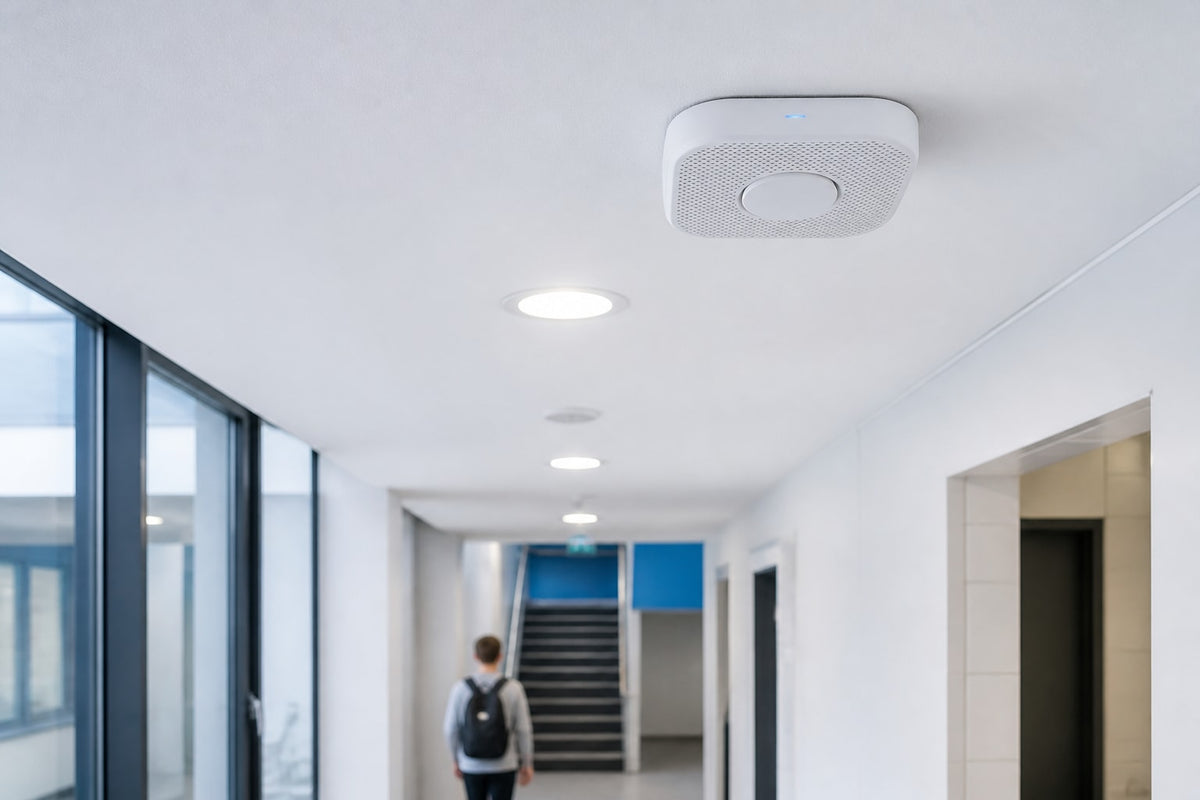
Optical detectors are the type most often found in corridors and toilets, and they are the most commonly affected by dense aerosol. Heat detectors are far less likely to activate, which is why they are often specified in kitchens and other areas where false alarms from steam or cooking are a problem.
Three conditions raise the risk considerably:
- Proximity: exhaling directly towards or beneath the detector head.
- Enclosed space: cubicles, store rooms and plant rooms hold vapour at high density.
- Poor ventilation: without extraction, a cloud lingers long enough to reach the sensor.
Pupils who vape in toilets often choose cubicles for exactly these reasons, which is one reason toilet blocks can be a common source of unexplained activations in schools.
What Can Trigger a False Fire Alarm in a School or Venue?
Vaping is one cause among several, and identifying the real source of each activation matters before you change anything. The usual categories are:
- Environmental causes: steam from showers or kitchens, dust from building work, aerosol sprays and cooking fumes.
- Human activity: smoking, vaping, burnt toast, candles or smoke effects in performance spaces.
- Equipment faults: dirty or ageing detectors, faulty wiring or a damaged control panel.
- Malicious activation: break glass call points pressed deliberately.
- System design issues: detectors fitted in unsuitable locations or set to the wrong sensitivity.
Keeping a record is the most practical way to separate these. Kent Fire and Rescue Service advises recording alarm incidents in the system logbook and analysing recurring times and locations to help identify patterns and causes. For a school, that might reveal that activations cluster at break and lunch in one toilet block. For a cinema or leisure venue, it might show peaks during evening screenings or events.
If the same detector triggers on the same days at the same times, the cause is usually behavioural, not technical.
The Wider Cost of False Fire Alarms Caused by Vaping
False fire alarms caused by vaping carry costs that extend well beyond the alarm itself. Each activation can mean a full evacuation, a roll call, loss of lesson or trading time, and a fire service attendance if the alarm is monitored.
For schools, the consequences include:
- Repeated disruption to lessons and examinations.
- Staff time spent on evacuations, roll calls and investigation.
- Risk to pupils during repeated evacuations, when attention to real alarms can decline.
- A safeguarding concern, because the underlying behaviour is underage vaping.
For cinemas, retailers, offices and leisure venues, the costs are lost revenue, customer complaints, staff time and in some cases fire service charges for repeated unwanted attendances. Repeated nuisance alarms can also lead to the system being disabled or ignored, which is the most serious outcome of all, because it weakens the protection the system exists to provide.
Venues with amplified sound face a further point. The London Fire Brigade advises licensed venues to make sure alarms can be heard in noisy clubs, pubs and bars, with measures such as automatically shutting down sound systems on activation, or clear alert procedures where that is not possible. Cheshire Fire and Rescue Service similarly says risk assessments should address how occupants will hear the alarm over music and how they will escape. A nuisance alarm in such a setting still needs a safe, orderly response, so the procedure has to be right even when the cause turns out to be vapour.

How to Stop Vape Setting Off a Fire Alarm
The most effective approach is to address the behaviour, the environment and the equipment together, not to rely on any one of them. Fire Rescue Victoria recommends educating occupants, clearly marking no vaping areas, improving security and ventilation, and consulting a fire engineer or maintenance professional about detector type, settings or placement.
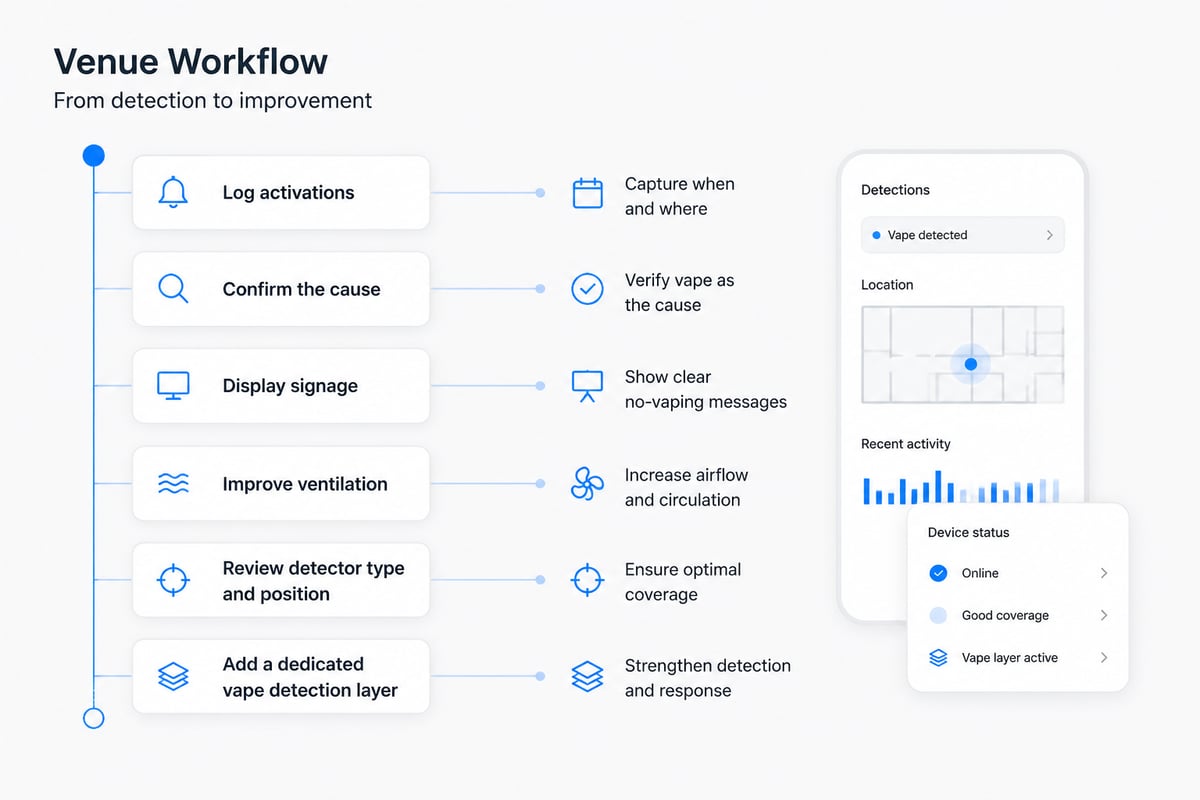
A practical order of work looks like this:
- Log every activation. Record date, time, location and cause so patterns become visible.
- Confirm the cause. Check the area immediately after each alarm for signs of vapour, residue or the person responsible.
- Display clear signage. Make it plain that vaping is prohibited and explain the consequences.
- Improve ventilation. Extraction in toilets and enclosed rooms reduces how long vapour lingers.
- Review detector selection and position. A competent fire alarm engineer can advise on detector type, sensitivity and placement.
- Add a vape specific layer. Detection built for vapour identifies the behaviour without involving the fire system.
Two things should be avoided. First, never cover, bag or disable a fire detector to stop false activations; this is dangerous and, in most premises, a breach of fire safety duties. Second, do not retune sensitivity without a competent person's advice, because a detector made less sensitive to vapour is also slower to respond to a real fire.
Why Fire Detectors Are the Wrong Tool for Vape Detection
A fire alarm is built to protect life from fire, not to monitor vaping, and asking it to do both produces poor results at either. Fire detectors are deliberately simple and conservative. They cannot tell you who vaped, whether the cause was vapour or smoke, or whether the same location is being used repeatedly.
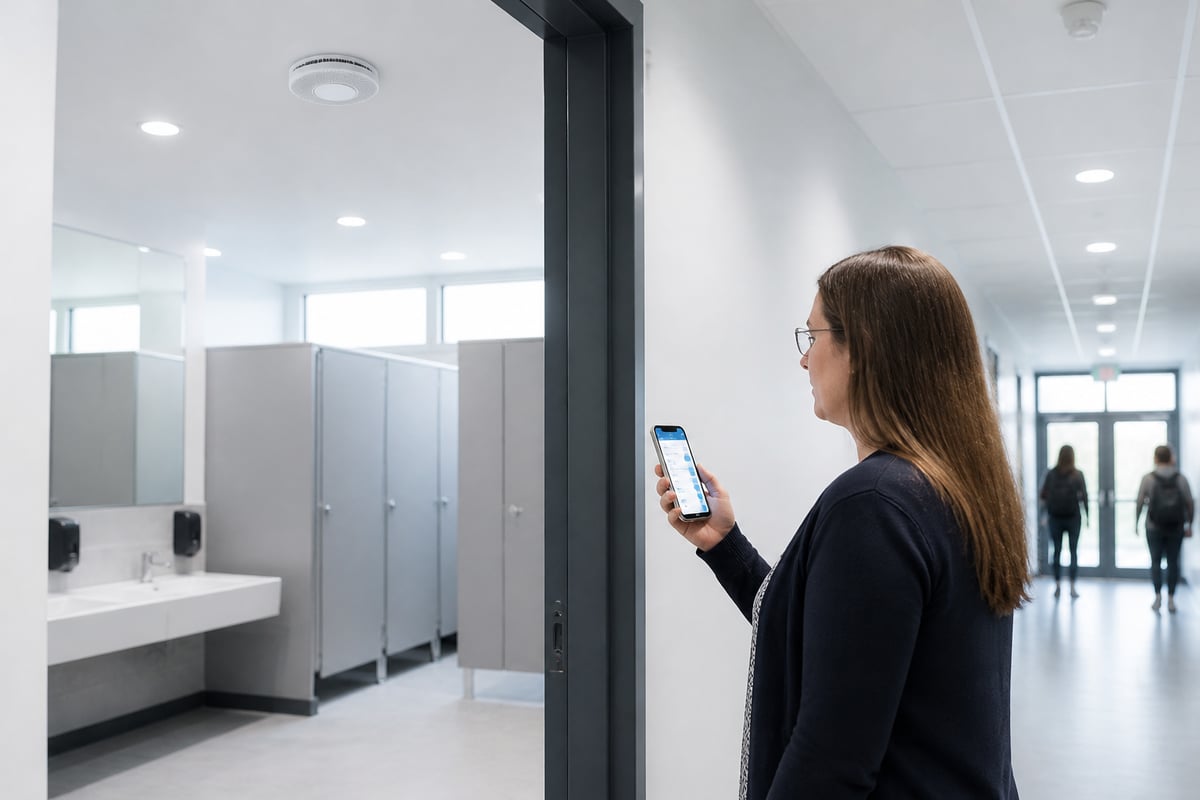
A vape specific sensor works differently. It sits alongside the fire system as a separate layer, so a vaping event produces a targeted alert to staff instead of a building evacuation. This keeps the fire alarm available for genuine emergencies and gives site teams the information to respond to the behaviour itself.
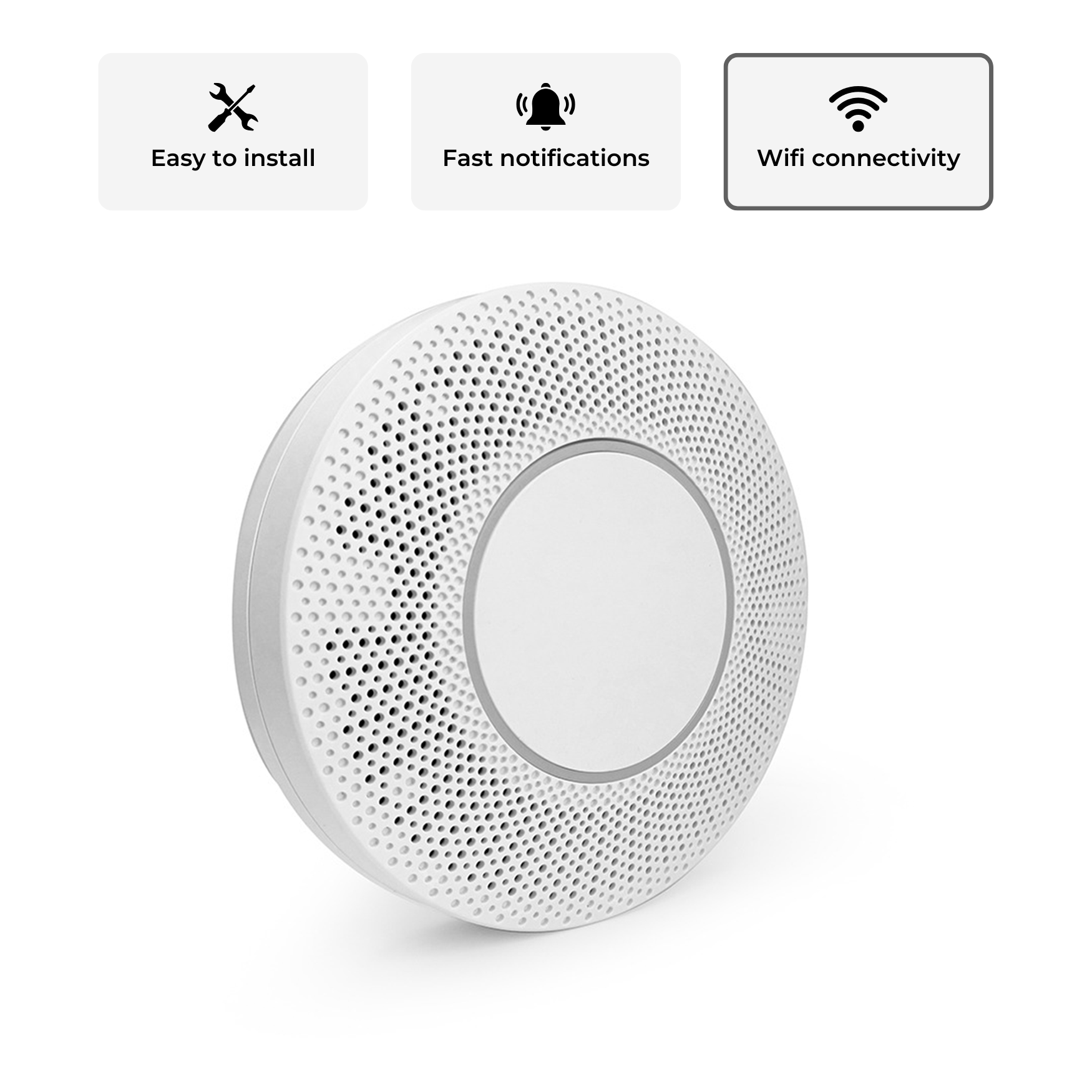
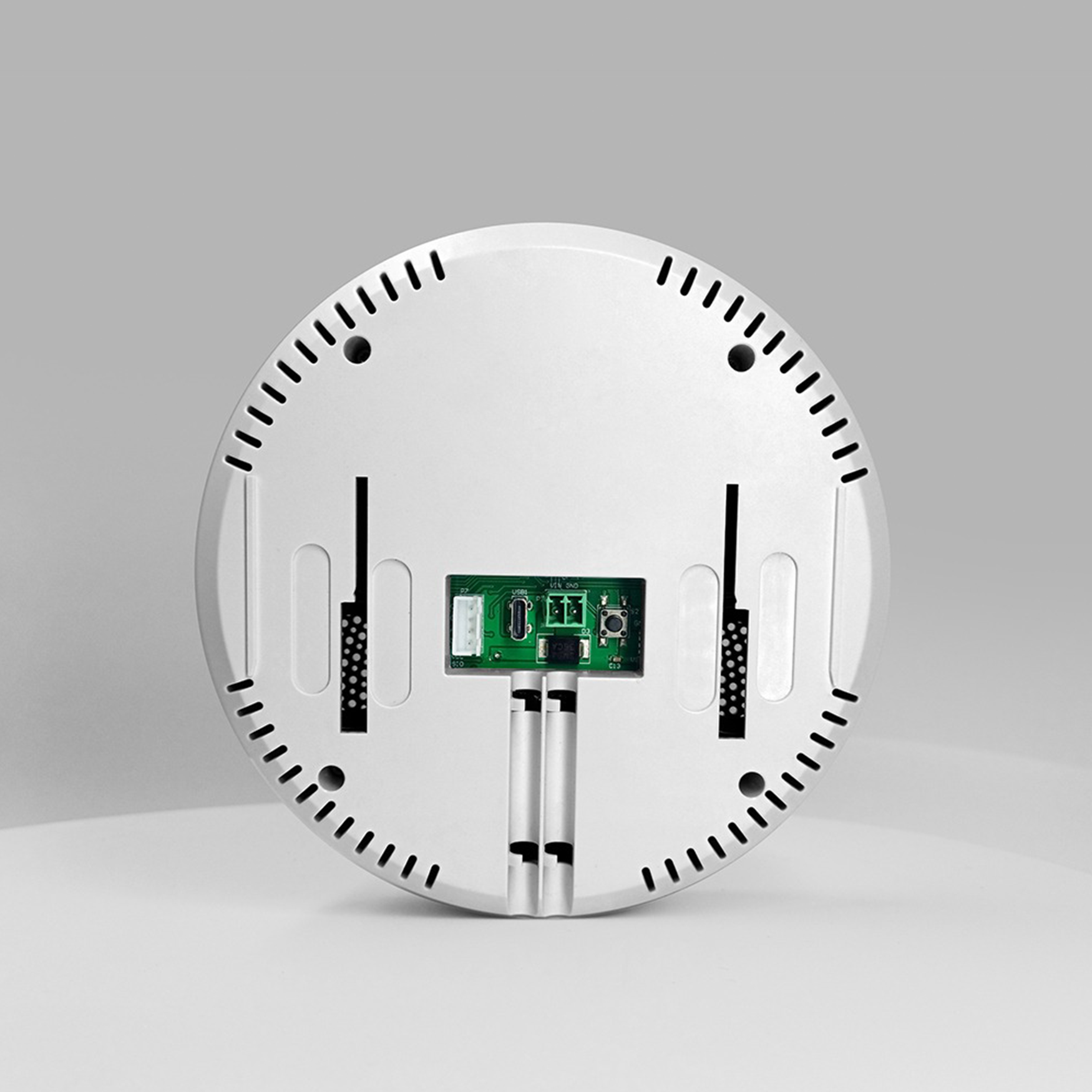
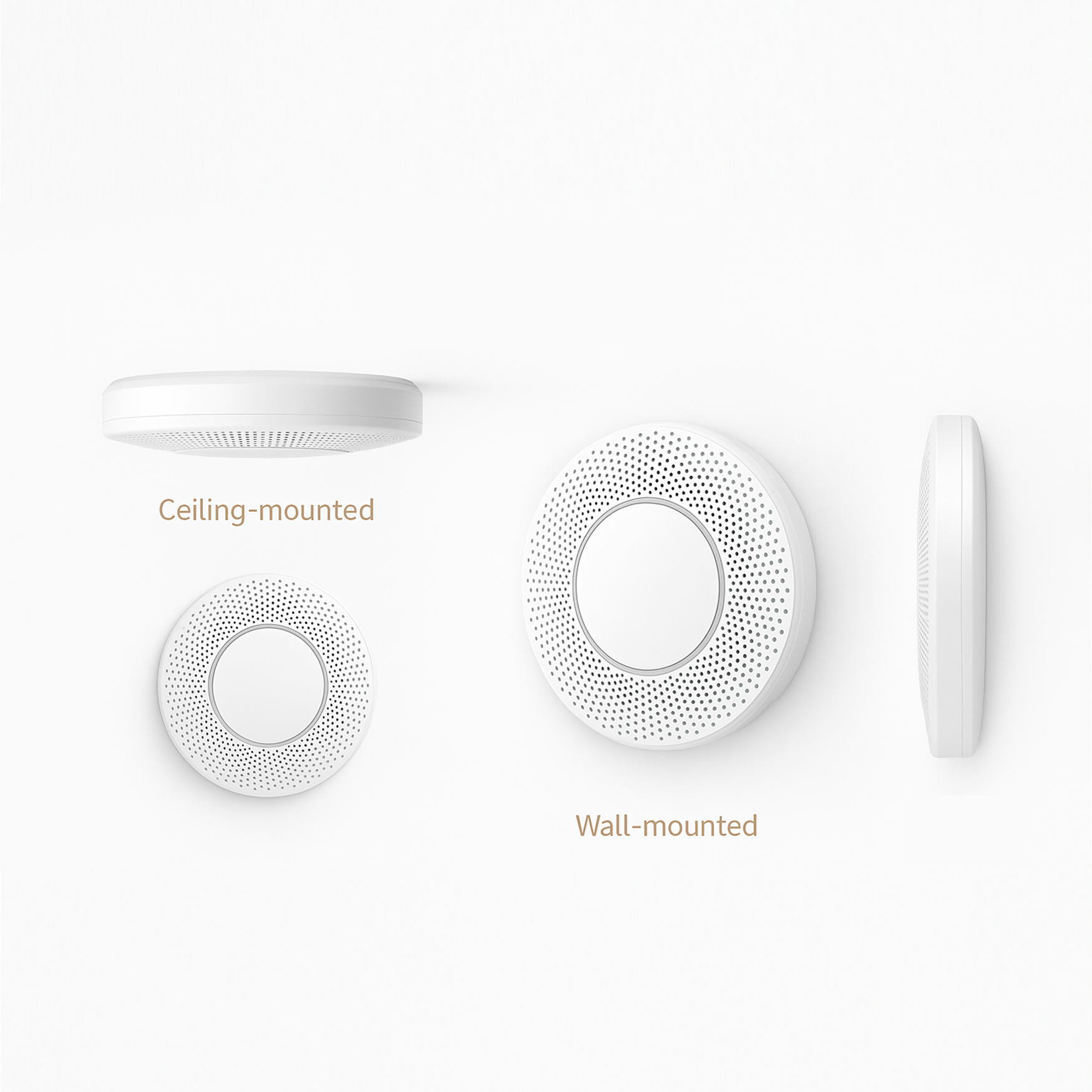
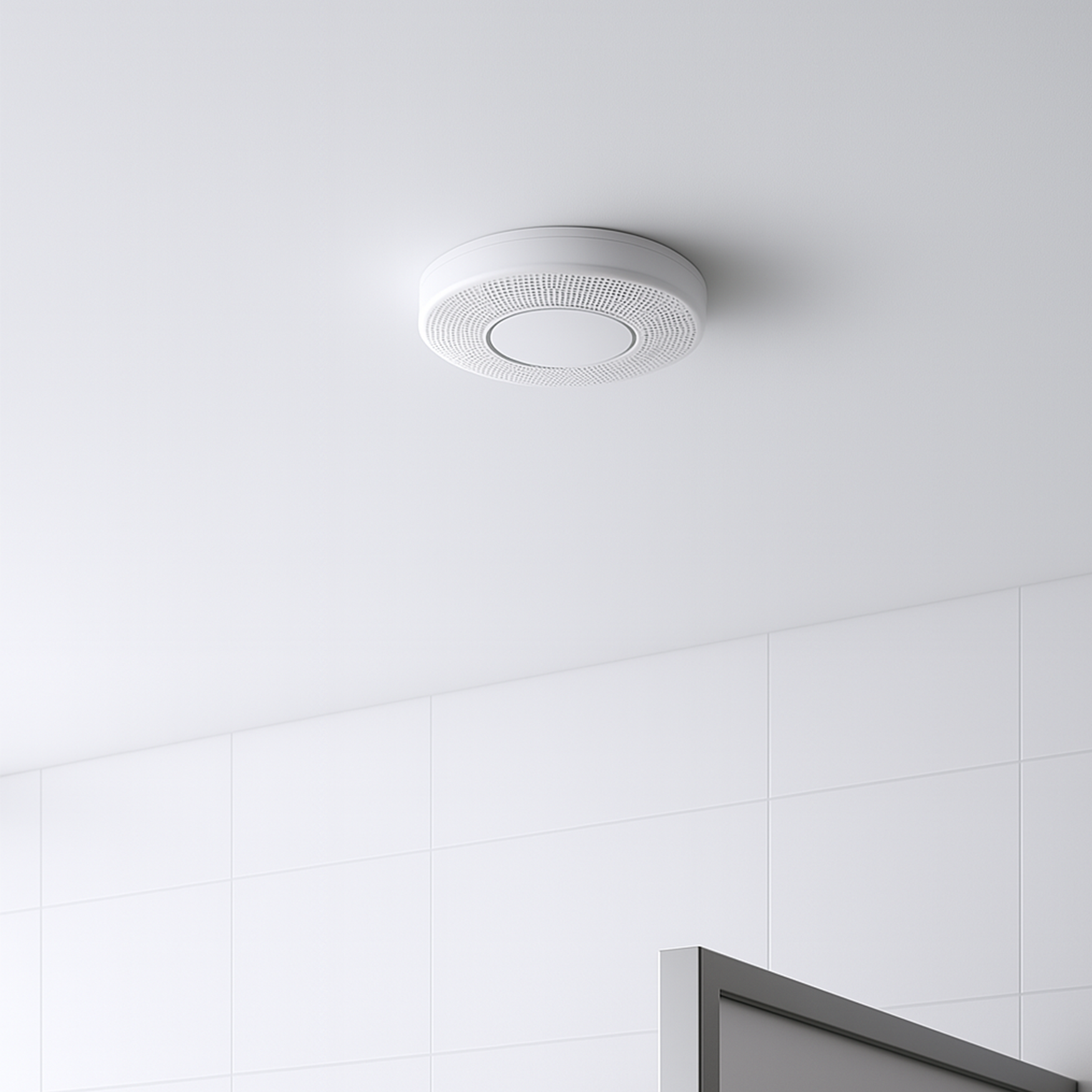
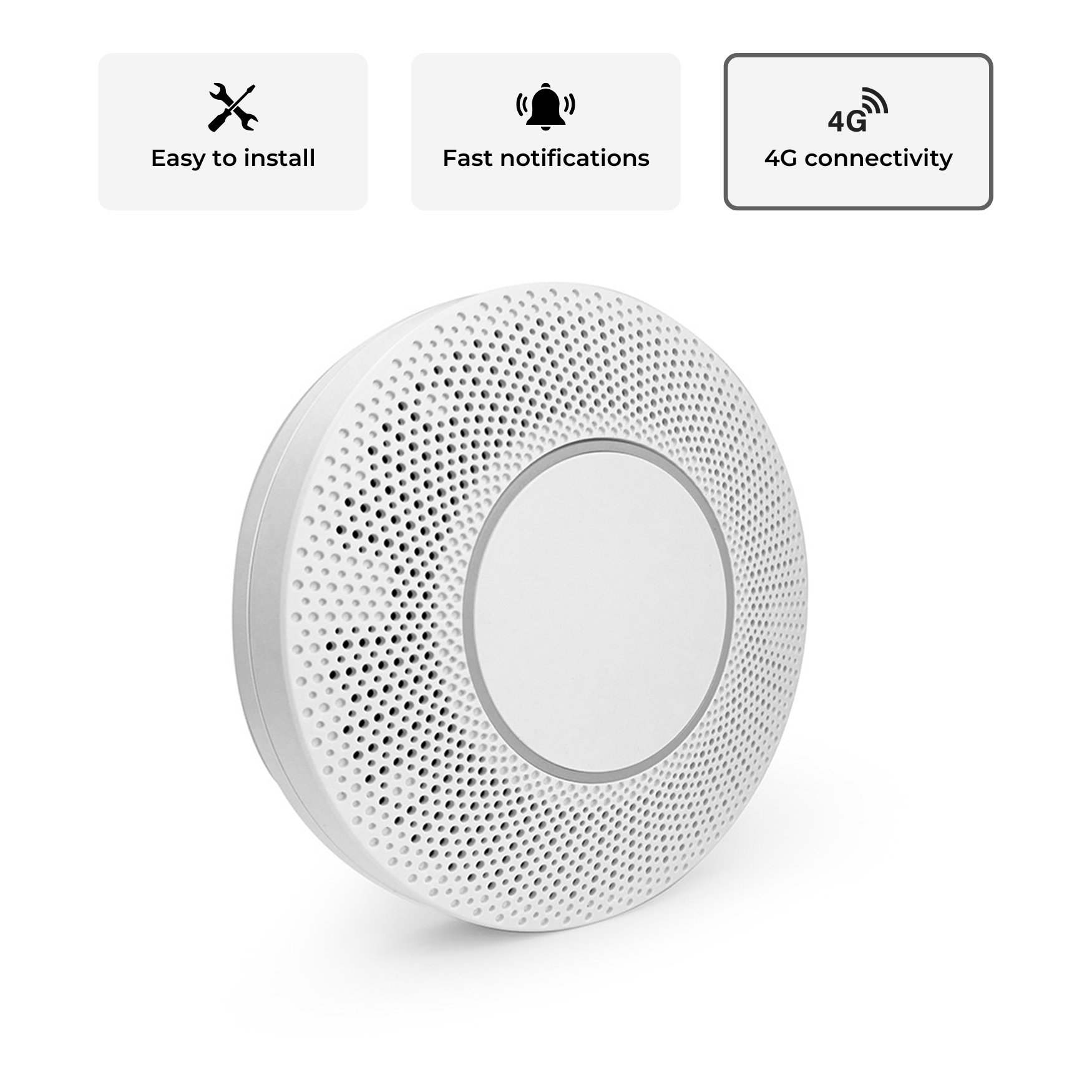
The Vape Detection System from Vape Guardian is designed for this purpose. It detects vaping, THC, Spice, over-occupancy, loud noise and cigarettes without cameras, which matters in toilets and changing areas where cameras are inappropriate. Its 10-point detection formula is built to identify vaping accurately and avoid false positives, and the zero false alarms approach is explained in more detail on the Vape Guardian blog. Sensors are supplied with 'No Vaping' signage and unlimited notifications to unlimited staff, and firmware updates are sent over the air at no added cost.
Vape Guardian's own figures include 96% alert accuracy, and it reports that schools have seen vaping incidents fall after installation. The company has installed 2,400 sensors, handles 14,540 weekly alerts and is trusted by hundreds of organisations in 27 countries.
Responding When an Alarm Has Already Sounded
When an alarm sounds, treat it as real until proven otherwise, because the fire alarm cannot know the cause. Evacuate, check the area only once it is declared safe and let the responsible person confirm the source before resetting the panel.
After the event, follow a short review routine:
- Record the cause and location in the logbook.
- Check whether the same area has had previous activations.
- Speak to the pupil or customer involved and apply your policy consistently.
- Report repeated unexplained activations to your fire alarm maintenance provider.
For schools, the behaviour itself deserves a considered response. Exclusion removes the pupil from the setting without addressing why they vape, and nicotine dependence is often a factor. Vape Guardian Education, at vapeguardian.education, is a student vaping course that stresses rehabilitation and education alongside detection, giving schools an alternative to exclusion. Pairing detection with education means the same incident that triggers an alert can lead to a supportive conversation instead of a repeated cycle of sanctions.
Staff should also be clear about the legal background. The Tobacco and Vapes Act gives government powers to make indoor places vape free, but no start date has been set, so policy today rests on your own site rules. Our summary of UK vaping law covers the current position, and for schools, the guidance on how to stop vaping in schools sets out practical steps.
FAQ
Can smoke from a vape make a fire alarm go off?
Yes. Vape aerosol is not combustion smoke, but a dense cloud in a small, unventilated space can enter a detector and register as particles. Optical detectors are the type most commonly affected.
Is it safe to cover a detector to stop vaping setting it off?
No. Covering or disabling a detector leaves the space unprotected and is likely to breach fire safety duties. Use a separate vape sensor and speak to a fire alarm engineer about detector type and placement instead.
Will a vape detector replace my fire alarm?
No. A vape detector works as a separate layer and does not replace the fire alarm, which must remain in place and fully functional. Its role is to alert staff to vaping so the fire system is not used for that purpose.
Start this week by pulling your alarm logbook and mapping every activation by location and time, since that record will show whether vapour is the real cause. If it points to toilets or secluded areas, a dedicated sensor lets you deal with the behaviour without disturbing the fire system, and the Vape Detection System is designed for exactly that. Vape Guardian offers a 100-day money-back guarantee and a UK support team of software, hardware and vaping specialists, so you can get a quote or book a 15-minute call with Vape Guardian to discuss your site.


Share:
Vape Detection for Student Accommodation: A Guide