
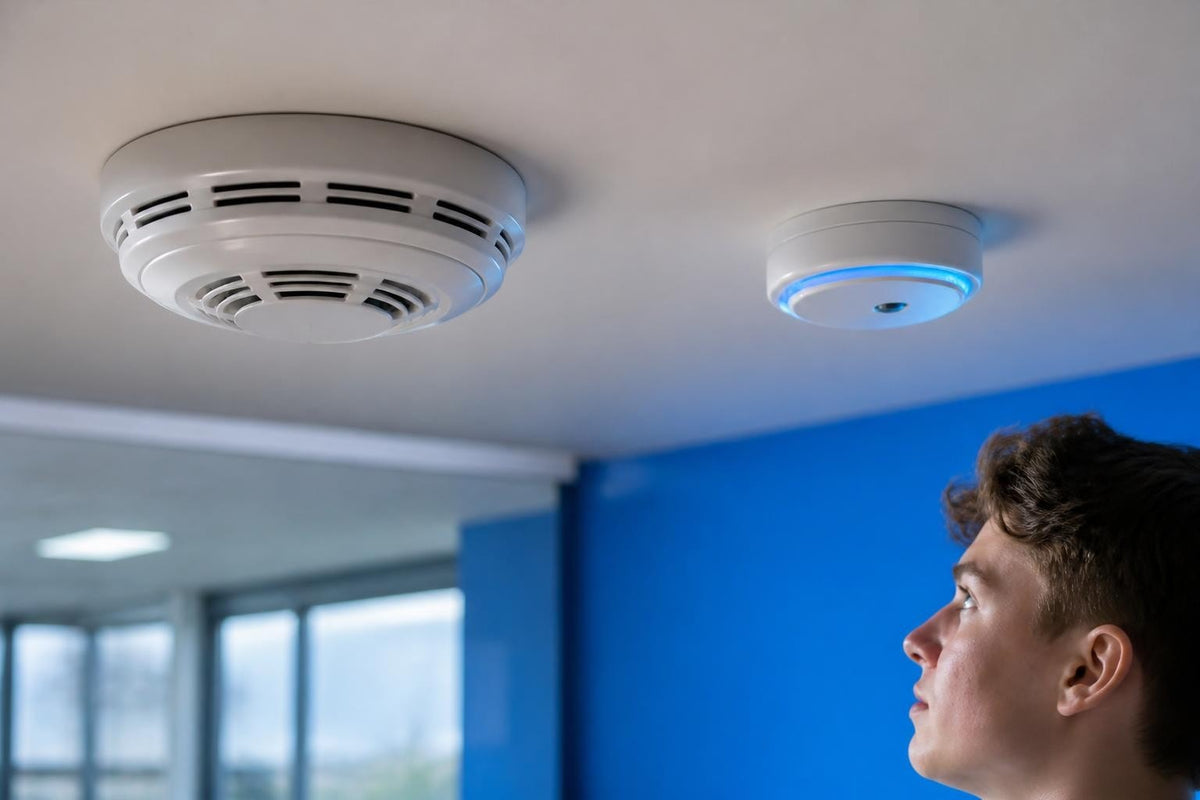
The question of vape detector vs smoke detector has become increasingly urgent for facilities managers, headteachers, and business owners across the UK. As vaping rates climb, particularly among young people, traditional smoke detection systems reveal their limitations. Whilst smoke detectors excel at identifying combustion and fire hazards, they were never designed to address the unique challenges of vaping aerosols, drug use, or anti-social behaviour. Understanding the fundamental differences between these two technologies is essential for anyone responsible for creating safer, healthier indoor environments in 2026.
How Traditional Smoke Detectors Work
Traditional smoke detectors rely on well established principles to identify combustion byproducts. These devices fall into three main categories: ionization detectors, photoelectric detectors, and dual sensor units combining both technologies.
Ionization Detection Technology
Ionization smoke detectors contain a small amount of radioactive material positioned between two electrically charged plates. This arrangement creates an ionization chamber where air molecules become charged particles. When smoke from combustion enters the chamber, it disrupts the current flow between the plates, triggering an alarm.
Key characteristics:
- Responds quickly to fast flaming fires
- Detects smaller combustion particles effectively
- Less expensive to manufacture
- May produce false alarms from cooking steam or aerosols
Photoelectric Detection Systems
Photoelectric detectors use a light source and a light sensor positioned at right angles. In normal conditions, the light beam travels in a straight line and doesn't reach the sensor. When smoke particles enter the chamber, they scatter the light, redirecting it towards the sensor and activating the alarm.
These systems prove particularly effective at detecting:
- Smoldering fires that produce larger smoke particles
- Fires with heavy smoke production before visible flames
- Slower burning materials common in residential and office environments
Understanding Vape Detection Technology
The vape detector vs smoke detector comparison becomes stark when examining how purpose built vape sensors function. Modern vape detection technology employs sophisticated environmental monitoring far beyond simple particle detection.
Multi Sensor Arrays
Advanced vape detectors integrate multiple sensor types to create comprehensive environmental profiles. These arrays typically include:
| Sensor Type | Detection Target | Purpose |
|---|---|---|
| Particulate matter sensors | PM2.5 and PM10 aerosols | Identifies vapour clouds and air quality changes |
| VOC sensors | Volatile organic compounds | Detects chemicals in vaping liquids and other substances |
| Temperature sensors | Ambient temperature changes | Monitors environmental conditions |
| Humidity sensors | Moisture level fluctuations | Identifies vapour release patterns |
| Sound sensors | Audio anomalies | Detects bullying, fighting, or other disturbances |
This multi layered approach allows vape detectors to distinguish between normal environmental changes and specific vaping events. The technology can identify patterns consistent with vaping whilst avoiding false positives from everyday activities.
Chemical Signature Recognition
Unlike smoke detectors that simply respond to particle presence, vape sensors analyze chemical signatures. They detect propylene glycol and vegetable glycerin, the base compounds in virtually all vaping liquids. This specificity proves crucial in the vape detector vs smoke detector discussion.
The sensors also identify substances beyond nicotine, including drugs concealed in vapes, addressing broader safety concerns in schools and workplaces.
Critical Differences in Detection Capabilities
When evaluating vape detector vs smoke detector performance, several fundamental distinctions emerge that make traditional smoke detection inadequate for addressing vaping concerns.
Particle Size and Composition
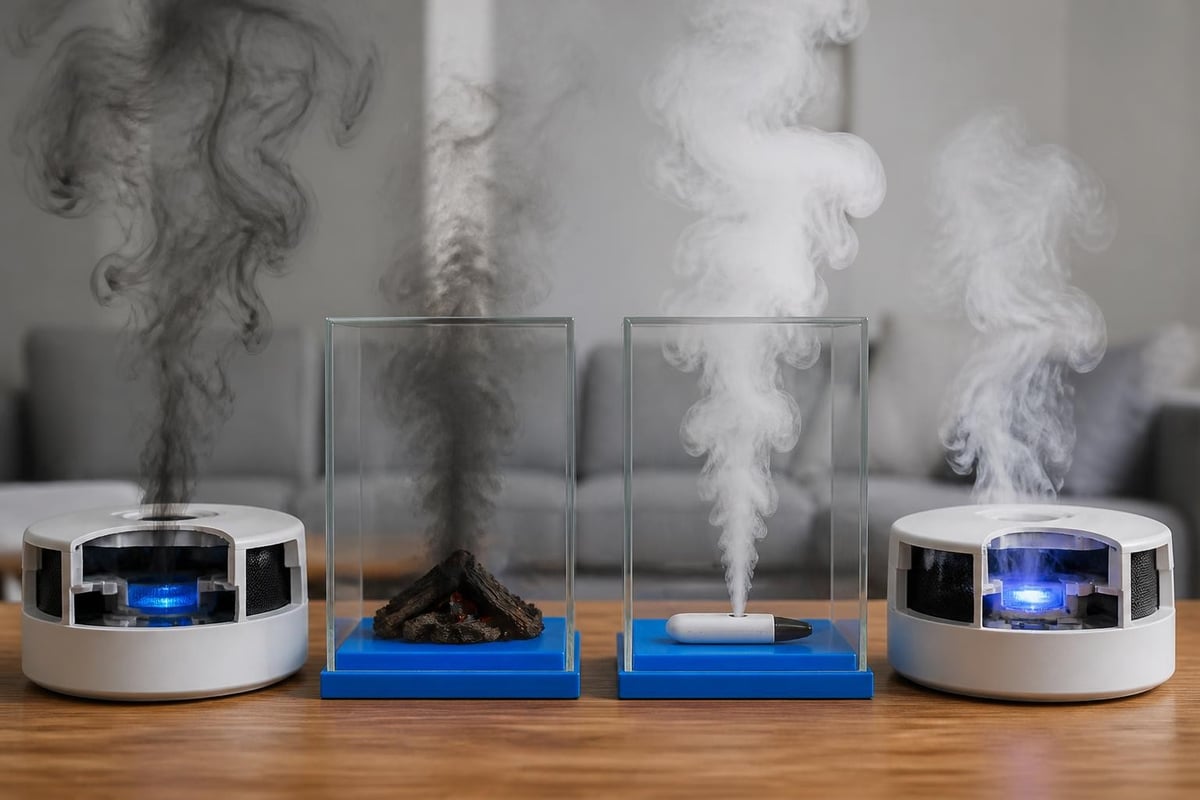
Smoke from combustion and vapour from electronic cigarettes differ dramatically in particle characteristics:
Combustion smoke particles:
- Range from 0.01 to 10 micrometers
- Contain carbon, tar, and numerous toxic compounds
- Remain airborne for extended periods
- Create visible clouds with distinct odours
Vaping aerosol particles:
- Typically smaller and more uniform in size
- Consist primarily of propylene glycol, vegetable glycerin, and flavourings
- Dissipate more rapidly than smoke
- May produce less visible clouds depending on device and technique
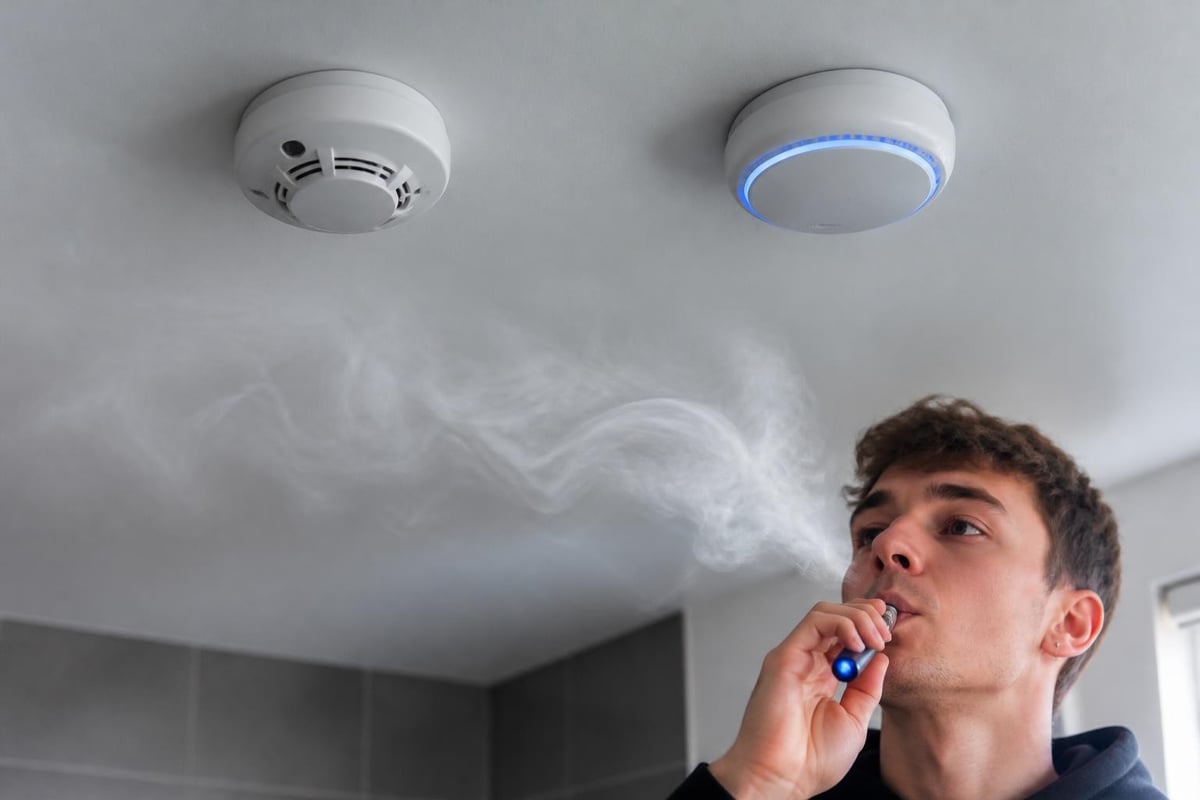
These compositional differences explain why smoke detectors often fail to identify vaping consistently. The aerosol particles may not trigger ionization chamber disruptions or scatter light in photoelectric sensors the same way combustion byproducts do.
Response Time and Sensitivity
Traditional smoke detectors prioritize fire safety, requiring sufficient particle concentration before triggering alarms. This design choice prevents nuisance alarms but creates a significant gap when monitoring for vaping.
Vape detectors operate with far greater sensitivity to specific chemical signatures. They can identify vaping events within seconds, even when aerosol dissipation has already begun. This rapid response proves essential in school bathroom monitoring where students often attempt brief, concealed usage.
Installation and Coverage Considerations
The vape detector vs smoke detector comparison extends beyond detection capabilities to practical deployment factors that affect real world effectiveness.
Optimal Placement Requirements
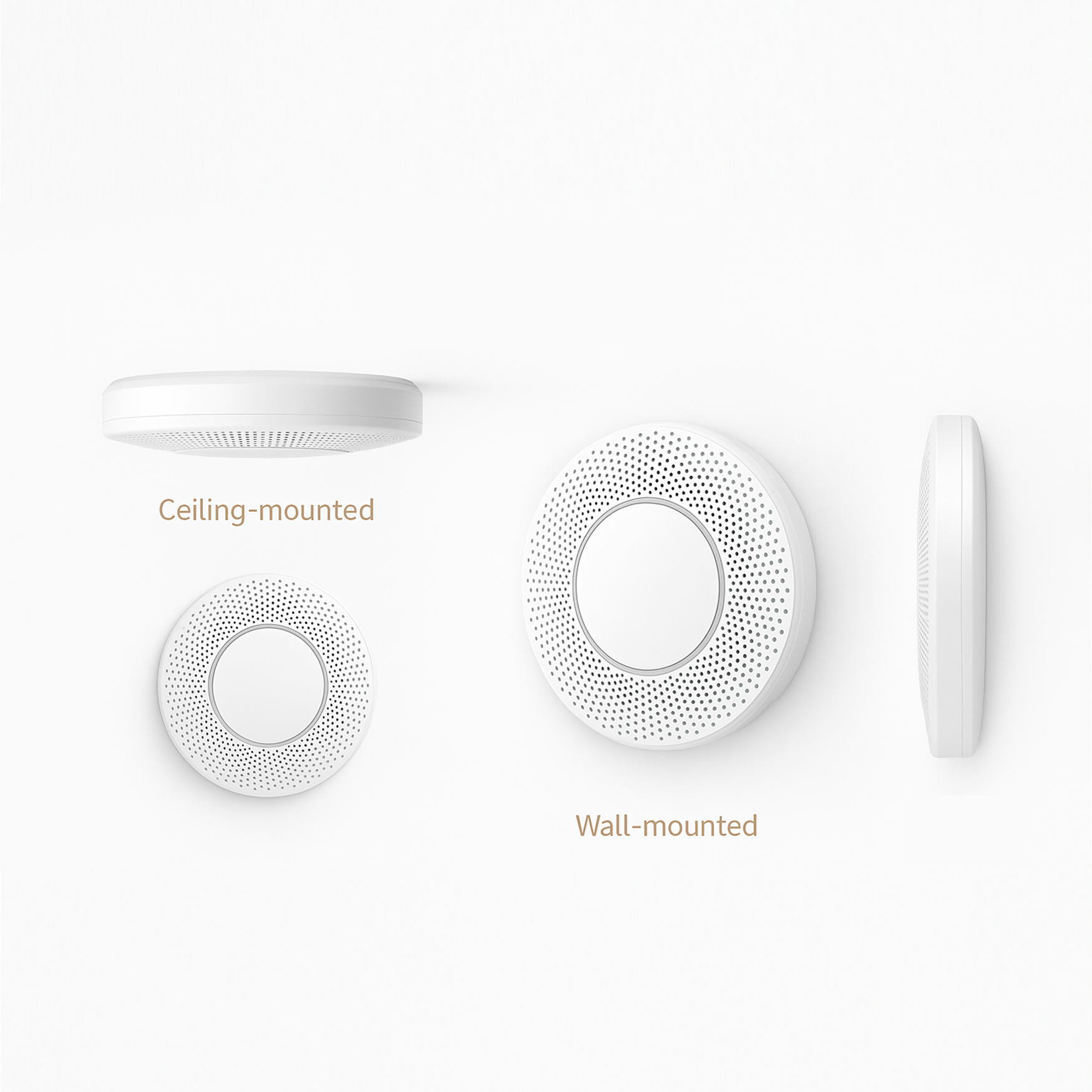
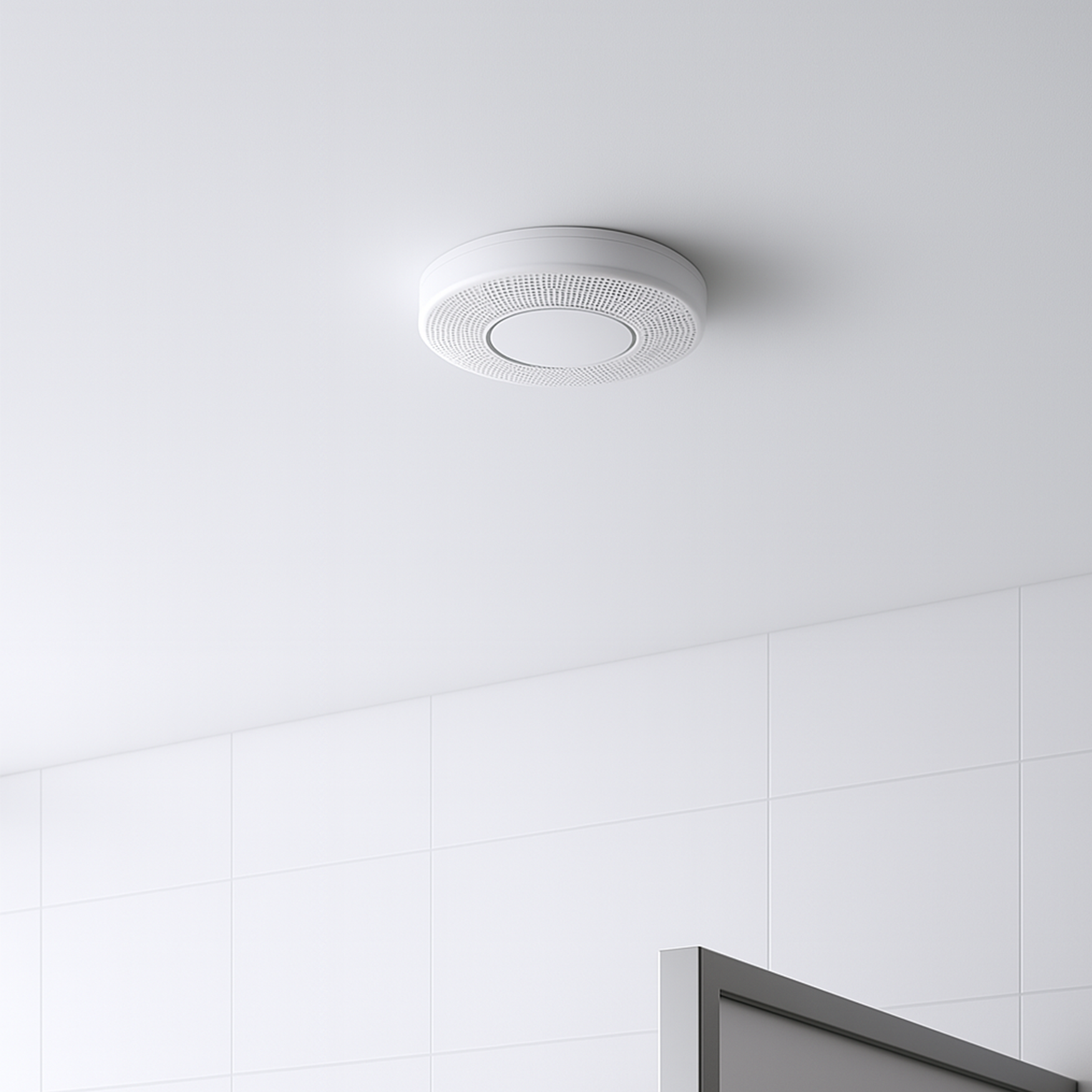
Smoke detectors follow building codes that specify ceiling mounting positions based on room dimensions and fire safety requirements. These regulations prioritize smoke rising from ground level fires.
Vape detectors require strategic placement based on different criteria:
- High risk area identification – bathrooms, changing rooms, secluded corridors
- Air flow patterns – considering ventilation systems and natural circulation
- Privacy compliance – avoiding spaces where visual monitoring would be inappropriate
- Connectivity requirements – ensuring network access for real time alerts
Schools implementing comprehensive monitoring often need more vape sensors than smoke detectors to cover vulnerable spaces effectively. The cost implications require careful budget planning and ROI analysis.
Network Integration and Alerts
Traditional smoke detectors typically function as standalone units or connect to basic fire alarm panels. When activated, they produce local audible alerts and may trigger building wide evacuation systems.
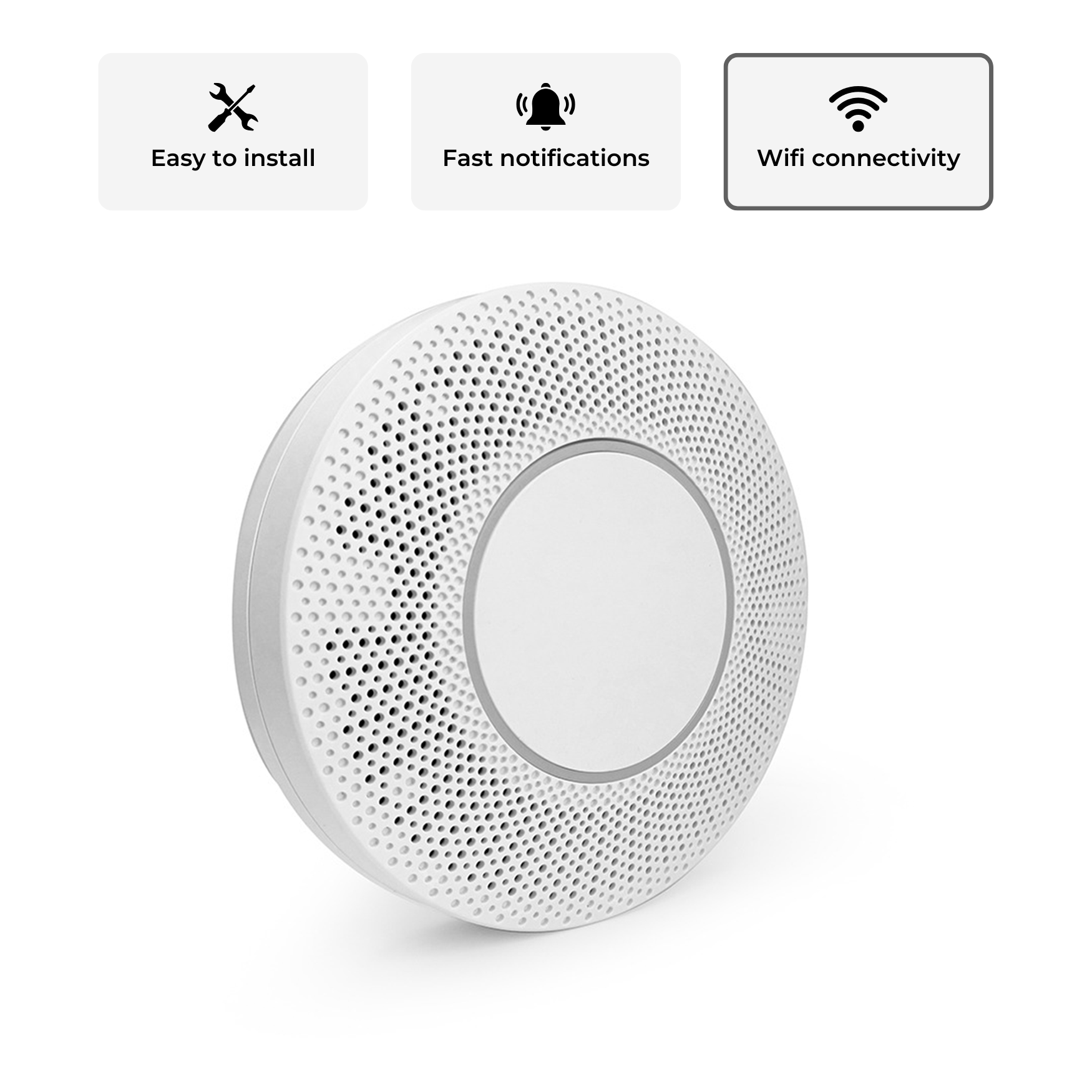
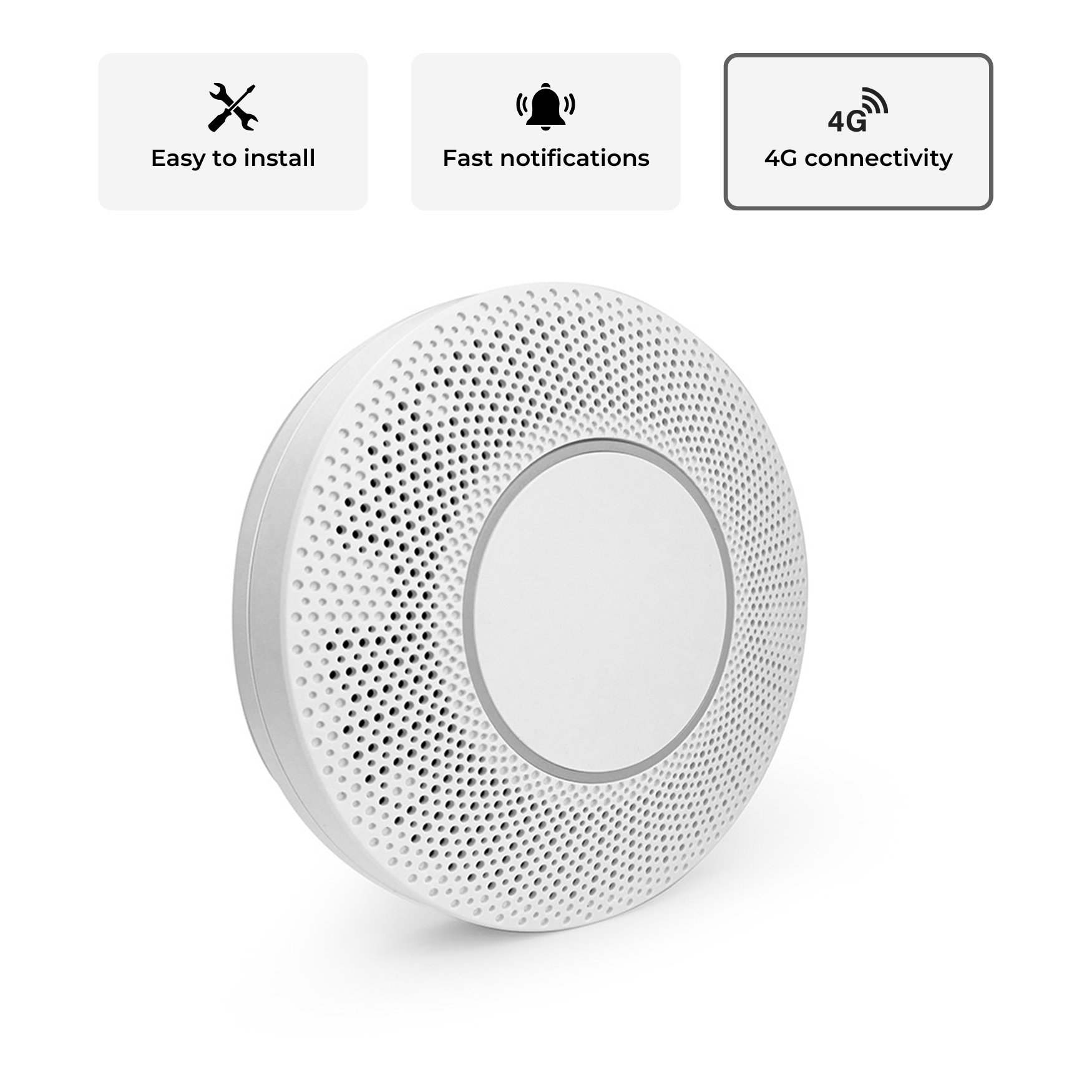
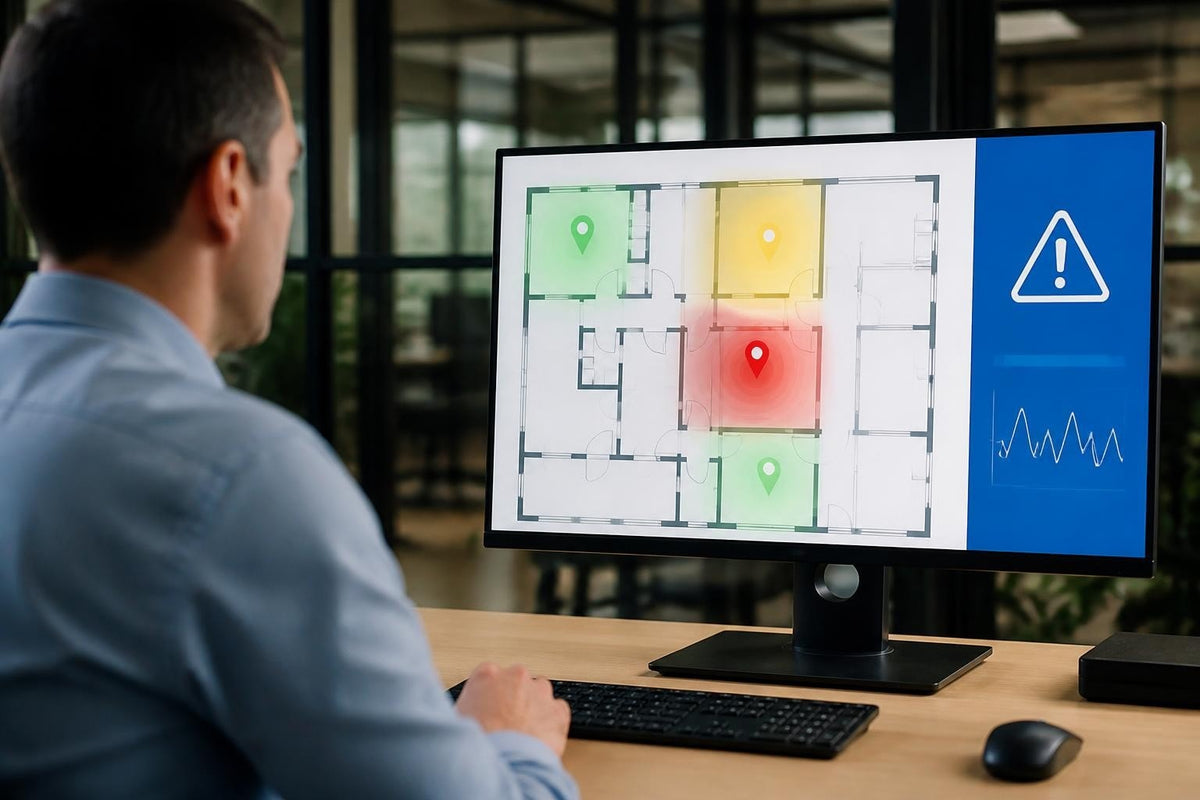
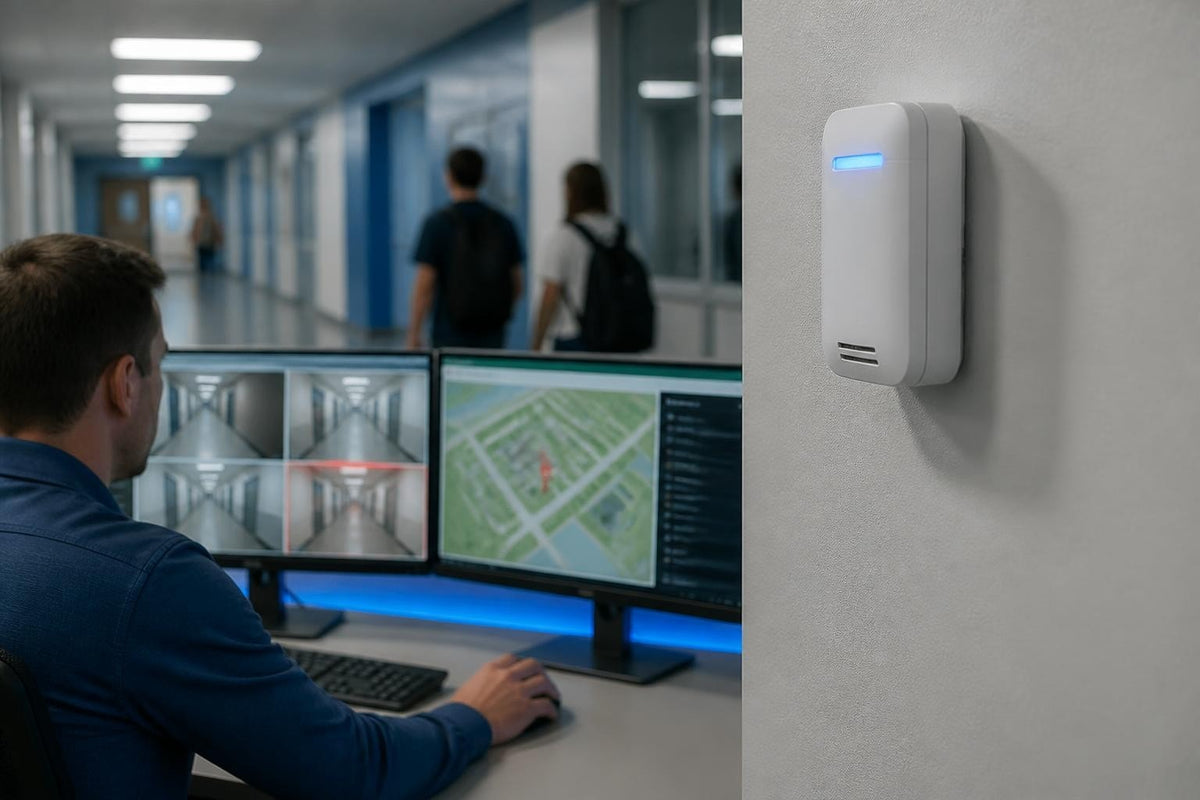
Modern vape detection systems operate as networked IoT devices with sophisticated alert capabilities. The Vape Detection System exemplifies this approach, offering real time notifications to designated staff members via mobile apps, email, or SMS. Administrators receive immediate alerts specifying the exact sensor location, incident time, and detection type, enabling rapid, discrete response without disrupting the entire facility.

This integration transforms detection from a simple alarm into an actionable intelligence system that supports intervention programmes and compliance monitoring.
Regulatory and Compliance Frameworks
Understanding the vape detector vs smoke detector distinction requires examining the different regulatory landscapes governing each technology.
Fire Safety Regulations
Smoke detector requirements stem from comprehensive fire safety legislation. In the UK, the Regulatory Reform (Fire Safety) Order 2005 mandates appropriate fire detection systems in nearly all non domestic premises. Building regulations specify detector types, quantities, and placement based on occupancy and building characteristics.
These requirements remain mandatory regardless of vaping concerns. Facilities cannot replace smoke detectors with vape sensors, as they serve fundamentally different safety purposes.
Vaping Policy Enforcement
Vaping regulations and institutional policies create separate compliance requirements. The UK's evolving vaping laws restrict sales to minors and advertising but generally permit adult use in many settings.
However, individual institutions maintain authority to prohibit vaping on their premises. Schools developing vape free policies require enforcement mechanisms beyond traditional disciplinary measures. Recent Congressional attention to school vape detection in the United States reflects growing policy maker recognition that specialized technology plays a role in youth protection efforts.
Healthcare facilities face particularly stringent requirements. Smoke control guidance for medical environments addresses both fire safety and indoor air quality, creating scenarios where both smoke and vape detection contribute to comprehensive safety strategies.
Privacy and Surveillance Concerns
The vape detector vs smoke detector debate intersects with important privacy considerations that facilities must address when implementing monitoring technology.
Data Collection and Storage
Smoke detectors collect virtually no data beyond activation events. They represent passive safety devices with minimal privacy implications.
Vape detection systems gather environmental data continuously, creating records of air quality changes, potential vaping events, and in some cases, audio information. Privacy advocates have raised concerns about surveillance expansion in educational settings, particularly regarding:
- Data retention policies and duration
- Access controls limiting who can review detection records
- Potential for scope creep into general behaviour monitoring
- Student rights in spaces traditionally affording some privacy
Responsible implementation requires clear policies addressing these concerns. Transparency with students, parents, and employees about what sensors detect, how data is used, and privacy protections proves essential for ethical deployment.
Balancing Safety and Rights
Educational institutions must weigh student safety against privacy rights. Many schools have found that real world deployments reduce vaping incidents substantially, but implementation requires careful communication about monitoring purposes and limitations.
Best practices include:
- Installing sensors only in areas with no expectation of privacy
- Using detection data solely for policy enforcement, not general surveillance
- Implementing graduated response protocols that prioritize education over punishment
- Regularly reviewing data collection practices to ensure necessity and proportionality
Cost Benefit Analysis
Examining vape detector vs smoke detector economics reveals different value propositions for each technology.
Initial Investment Comparison
| System Component | Smoke Detector | Vape Detector |
|---|---|---|
| Hardware unit cost | £15 to £80 | £200 to £300 |
| Installation labour | 30 to 60 minutes | 60 to 90 minutes |
| Network infrastructure | Minimal (standalone) | May require upgrades |
| Software licensing | None | £15 to £25 monthly per unit |
| Ongoing connectivity | None | £0 to £5 monthly (if cellular) |
The higher upfront cost of vape detection technology requires justification through measurable benefits beyond simple device comparison.
Return on Investment Factors
Institutions evaluate vape detector ROI based on multiple factors:
Measurable outcomes:
- Reduction in vaping incidents and related disciplinary time
- Decreased maintenance costs from vaping damage to facilities
- Improved air quality and associated health benefits
- Enhanced compliance with institutional policies
Intangible benefits:
- Deterrent effect reducing overall vaping attempts
- Support for student intervention programmes that address root causes
- Demonstrable commitment to student welfare and health
- Data driven insights for policy refinement
Schools tackling vaping challenges report that detection technology serves as one component of comprehensive strategies, working alongside education, policy enforcement, and support services.
Operational Limitations and Maintenance
The vape detector vs smoke detector comparison must acknowledge practical limitations affecting long term effectiveness.
Smoke Detector Constraints
Traditional smoke detectors face well documented operational challenges:
- Sensitivity to environmental factors – steam, dust, and aerosols can trigger false alarms
- Limited vaping detection – inconsistent response to vapour clouds depending on concentration and detector type
- No data capabilities – unable to log events or provide actionable intelligence
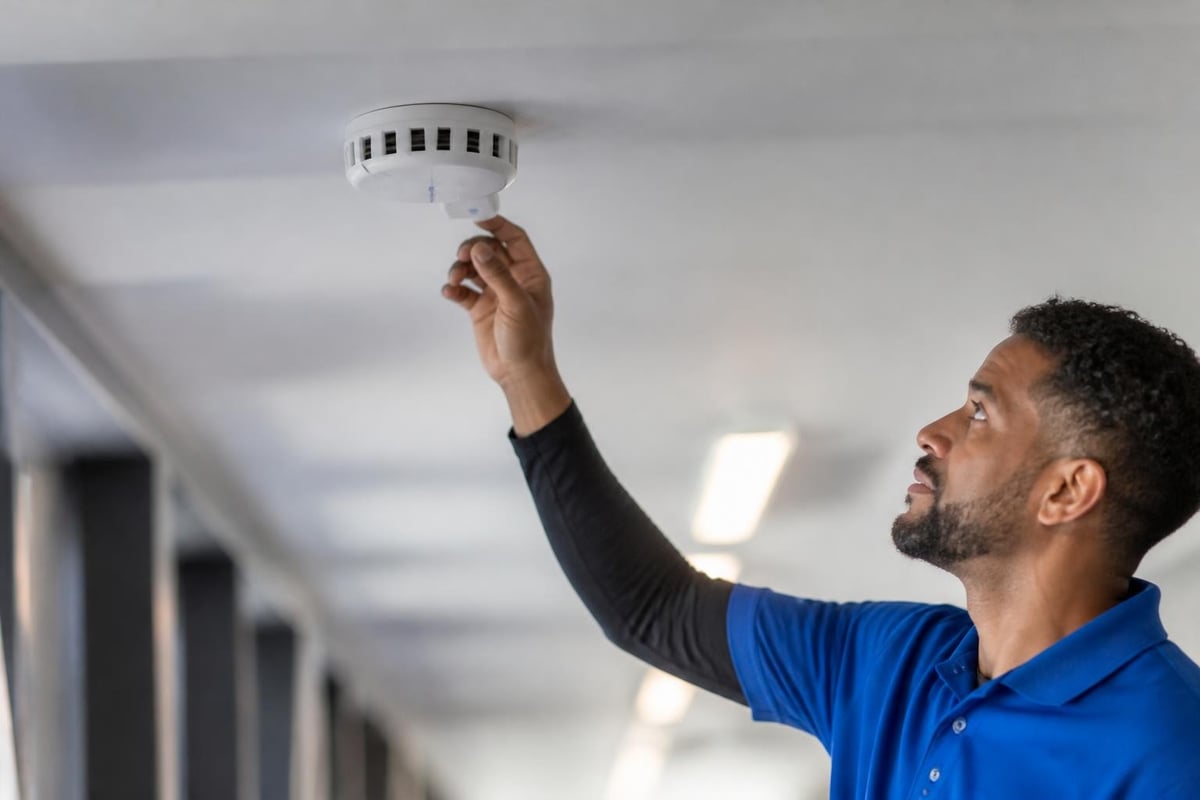
- Manual testing requirements – periodic verification needed to ensure function
These limitations don't diminish smoke detectors' primary fire safety role but confirm their inadequacy for vaping monitoring.
Vape Detector Maintenance Needs
Sophisticated vape detection systems require different maintenance approaches:
- Regular calibration – sensors need periodic recalibration for accuracy
- Software updates – firmware improvements and security patches
- Network monitoring – ensuring continuous connectivity and alert delivery
- Battery management – for wireless or backup power systems
- Cleaning protocols – keeping sensors clear of dust and debris
Some facilities worry these requirements create excessive burden. However, modern systems increasingly offer remote monitoring and automated diagnostics, reducing on site maintenance demands.
Integration with Broader Safety Strategies
Effective facilities management recognizes that the vape detector vs smoke detector question represents a false choice. Both technologies serve complementary roles in comprehensive safety programmes.
Layered Protection Approaches
Forward thinking institutions implement multiple detection layers:
Fire safety foundation:
- Code compliant smoke detector coverage throughout buildings
- Regular testing and maintenance according to manufacturer specifications
- Integration with alarm systems and emergency response protocols
Air quality monitoring:
- Vape detection in high risk areas like bathrooms and changing rooms
- Broader air quality sensors monitoring PM2.5 levels and ventilation effectiveness
- Chemical sensors for maintenance areas and laboratories
Behavioural safety:
- Sound detection for bullying, fighting, or emergency situations
- Video surveillance in appropriate public areas
- Access control systems managing secure zones
This integrated approach recognizes that creating safer environments requires addressing multiple threat vectors simultaneously.
Data Driven Decision Making
The intelligence gathered from networked vape detection systems enables continuous improvement. Facilities managers can:
- Identify patterns in vaping incidents by time, location, and frequency
- Allocate supervision resources to high incident areas
- Evaluate intervention programme effectiveness through incident reduction metrics
- Generate reports demonstrating compliance with institutional policies
Traditional smoke detectors provide none of these analytical capabilities, highlighting another key distinction in the vape detector vs smoke detector comparison.
Real World Performance and Effectiveness
Theoretical capabilities matter less than practical results when evaluating vape detector vs smoke detector performance in actual deployment scenarios.
School Implementation Results
Educational institutions report varied outcomes based on implementation quality. Successful programmes share common elements:
- Clear communication with students about monitoring purposes
- Swift, consistent response to detection alerts
- Integration with educational interventions rather than purely punitive measures
- Regular system maintenance and optimization
Schools addressing underage vaping find that detection technology works best as part of holistic strategies including policy development, student education, and parental engagement.
Workplace Applications
Businesses implementing vape detection pursue different objectives than educational settings. Commercial facilities focus on:
- Policy compliance in smoke free and vape free environments
- Air quality maintenance for employee health and comfort
- Reducing cleaning and maintenance costs from vaping residue
- Demonstrating duty of care for employee wellbeing
Creating vape free workplaces requires addressing the cultural and practical aspects alongside technology deployment.
Technology Evolution and Future Developments
The vape detector vs smoke detector landscape continues evolving as both technologies advance and vaping behaviours change.
Emerging Detection Capabilities
Next generation vape sensors incorporate:
- Machine learning algorithms improving detection accuracy over time
- Expanded chemical libraries identifying new vaping substances and formulations
- Enhanced sound analysis distinguishing specific anti-social behaviours
- Integration with building management systems for automated ventilation responses
- Predictive analytics identifying potential incident patterns before they escalate
These developments widen the performance gap between purpose built vape detection and traditional smoke sensing technology.
Regulatory Trajectory
As UK vaping regulations evolve, detection requirements may shift. Potential future developments include:
- Standardized accuracy testing for vape detection systems
- Guidelines for appropriate deployment in educational settings
- Data protection frameworks specific to health monitoring technology
- Integration of detection capabilities into building code requirements for certain facility types
Facilities planning long term safety strategies should consider these potential regulatory changes when evaluating vape detector vs smoke detector investments.
Making the Right Choice for Your Facility
Determining whether to implement vape detection alongside existing smoke detection requires assessing your specific situation against clear criteria.
Decision Framework
Consider dedicated vape detection when:
- Vaping violations occur regularly despite existing policies
- Student or employee health concerns relate to secondhand vapour exposure
- Bathroom or secluded area monitoring proves difficult through supervision alone
- Data driven insights would support policy development and resource allocation
- Budget allows for upfront investment and ongoing subscription costs
Traditional smoke detection suffices when:
- Vaping incidents remain minimal or non existent
- Primary concern focuses solely on fire safety compliance
- Budget constraints prevent specialized system investment
- Facility type and usage patterns don't create high risk vaping scenarios
Implementation Best Practices
For facilities deploying vape detection:
- Conduct needs assessment – identify high risk areas and incident patterns
- Develop clear policies – establish expectations and consequences before deployment
- Communicate transparently – inform all stakeholders about monitoring and its purposes
- Train response staff – ensure personnel understand alert protocols and intervention approaches
- Monitor and optimize – review detection data regularly and adjust placement or settings as needed
- Integrate with education – use detection as part of comprehensive prevention strategies
These steps maximize effectiveness whilst addressing privacy and ethical implementation concerns.
The vape detector vs smoke detector comparison reveals two fundamentally different technologies serving distinct but complementary safety purposes. Whilst traditional smoke detectors remain essential for fire protection, they lack the sensitivity and intelligence required to address modern vaping challenges effectively. Purpose built vape detection systems offer the chemical specificity, real time alerting, and data analytics that schools, businesses, and other facilities need to enforce vaping policies and protect indoor air quality. Vape Guardian delivers advanced detection solutions designed specifically for UK institutions, combining reliable sensors with dedicated support to help you create healthier, safer environments whether in schools, offices, or leisure spaces.


Share:
Vape Detector Cost: Complete 2026 UK Pricing Guide
Vaping Statistics UK: 2026 Data and Trends Analysis