

A good vapeguardianeducation student vaping course teaches pupils how nicotine affects the developing brain, how dependence forms, how to resist peer pressure and where to find help to stop, in short lessons that sit within a school's wider vaping policy. The strongest programmes treat education and rehabilitation as the first response, and reserve exclusion for situations where nothing else has worked.
For headteachers and safeguarding leads, the practical question is what to include, how long it should take and how it fits alongside the detection and enforcement measures already in place. The sections below set out a content framework you can use to judge any programme, including the one Vape Guardian offers.
Why Schools Need a Vaping Course, Not Just a Policy
A written policy tells pupils what is prohibited, whereas a course explains why, and that distinction affects whether behaviour changes or simply moves out of sight.
The scale of the issue is well documented. In the United States, the CDC reports that 1.63 million middle and high school students (5.9%) reported current e-cigarette use in 2024, with rates of 3.5% in middle school and 7.8% in high school. The same source notes that among students who had ever tried e-cigarettes, a substantial share reported current use. That second figure matters most for schools: a large share of those who experiment go on to use regularly, which is why early, accurate education carries so much weight.
UK data differs in detail, but the pattern is familiar to most pastoral teams. Pupils try a vape through a friend, a borrowed device or an offer in the toilets, and some develop a dependence they did not intend. A course gives staff a structured way to intervene before that point, and a consistent message to give pupils who have already started.
What a Student Vaping Course Should Cover
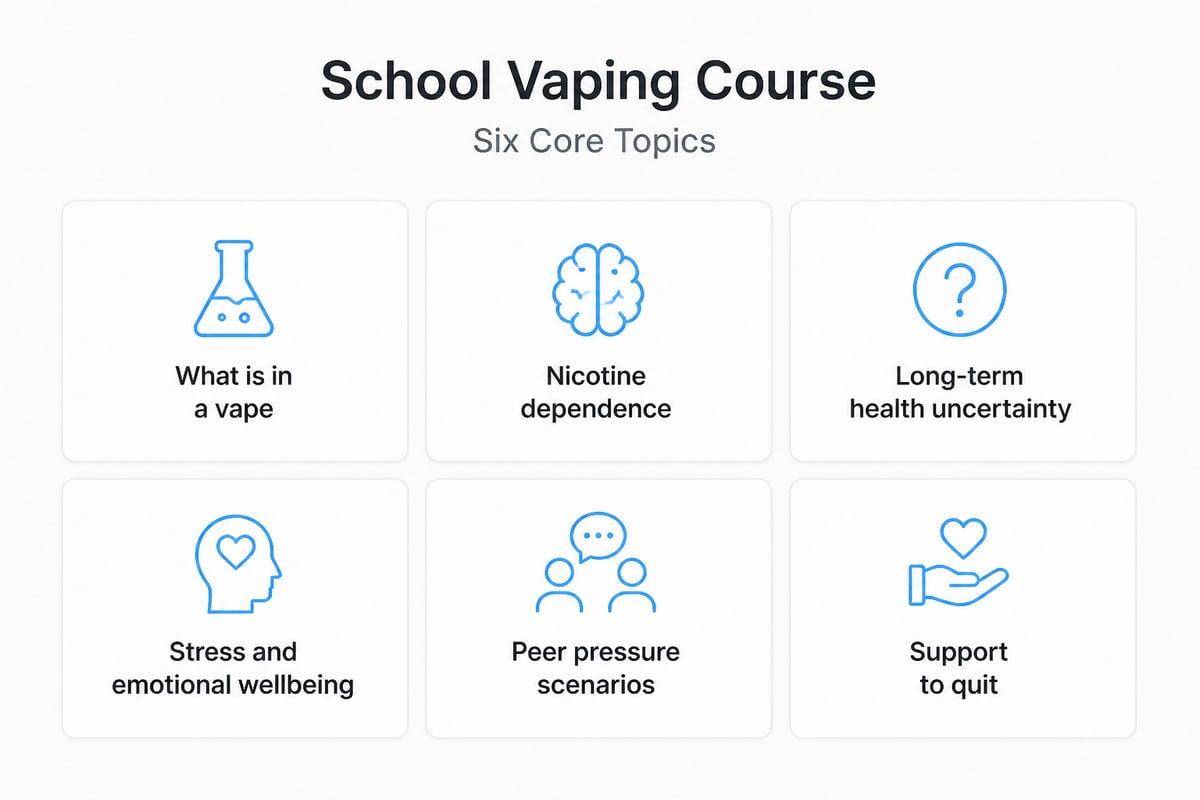
An effective course covers six areas: what vapes contain, nicotine dependence, wider health uncertainty, stress and emotional wellbeing, peer pressure, and support to quit. Together they move pupils from information to practical decisions.
- What is in a vape. Pupils should understand that vapour is not harmless water vapour. It carries nicotine, flavourings, solvents and, in some illicit products, other substances.
- Nicotine and dependence. The course should explain how cravings build and why quitting is harder than most teenagers expect.
- Health and long-term uncertainty. Honest teaching acknowledges that long-term effects of vaping are not yet fully known, and avoids exaggerated claims that pupils can quickly disprove.
- Stress and emotional wellbeing. Many young people vape to manage anxiety or boredom, so lessons should offer alternative coping strategies.
- Peer pressure and social norms. Pupils need rehearsed responses for real situations, not abstract advice.
- Support and quitting. Every pupil should leave the course knowing exactly who to speak to and what help is available.
Teaching the Nicotine Dependence Cycle
Pupils respond best to a simple model of dependence they can recognise in their own behaviour: try, use, crave, repeat.
The first stage is trying, usually prompted by curiosity or a friend. The second is regular use, when the brain begins to associate nicotine with relief or reward. The third is craving, when pupils feel irritable or distracted without a vape, which is often when they start slipping out of lessons. The fourth is repetition, where use continues to avoid discomfort rather than to gain pleasure.
Teachers should link this directly to the developing brain. Adolescence is a period of heightened sensitivity to nicotine, and early exposure can make dependence develop faster. Explaining this without scaremongering helps pupils see dependence as a biological process, not a personal failing, which makes them more willing to ask for help.
Using Scenarios and Role Play to Build Refusal Skills
Scenario based learning is the most reliable way to turn knowledge into behaviour, because pupils practise decisions before they face them.
Useful scenarios for secondary pupils include:
- A friend offers a vape in the toilets between lessons.
- A pupil is asked to hold or hide a device for an older student.
- Someone says they only vape when stressed and that it is no big deal.
- A pupil admits they want to stop and does not know how to start.
The last scenario deserves particular attention. Pupils who want to quit often fear punishment more than they fear nicotine, and a course that shows a safe route to ask for support removes a significant barrier. Truth Initiative's free digital curriculum for middle and high school students takes a similar approach, covering nicotine and cannabis vaping, real-world scenarios and quitting resources. It reports that more than 1.8 million students have used its free Vaping: Know the truth digital learning experience.
Myths Versus Facts: Correcting What Pupils Believe
A myths and facts exercise works because it begins with what pupils already believe and replaces it with accurate information.
Common pupil beliefs include that vaping is just flavoured water, that it is completely safe because it is not smoking, and that you cannot become addicted if you only vape socially. Each can be addressed calmly with evidence.
The most useful framing separates two audiences. For an adult who already smokes, switching to a regulated vape may reduce harm. For a child or a non smoker, there is no benefit and a real risk of dependence. Pupils generally accept this distinction because it is honest, and it avoids the credibility problem that arises when teaching treats all vaping as equally dangerous.
Rehabilitation and Education as an Alternative to Exclusion
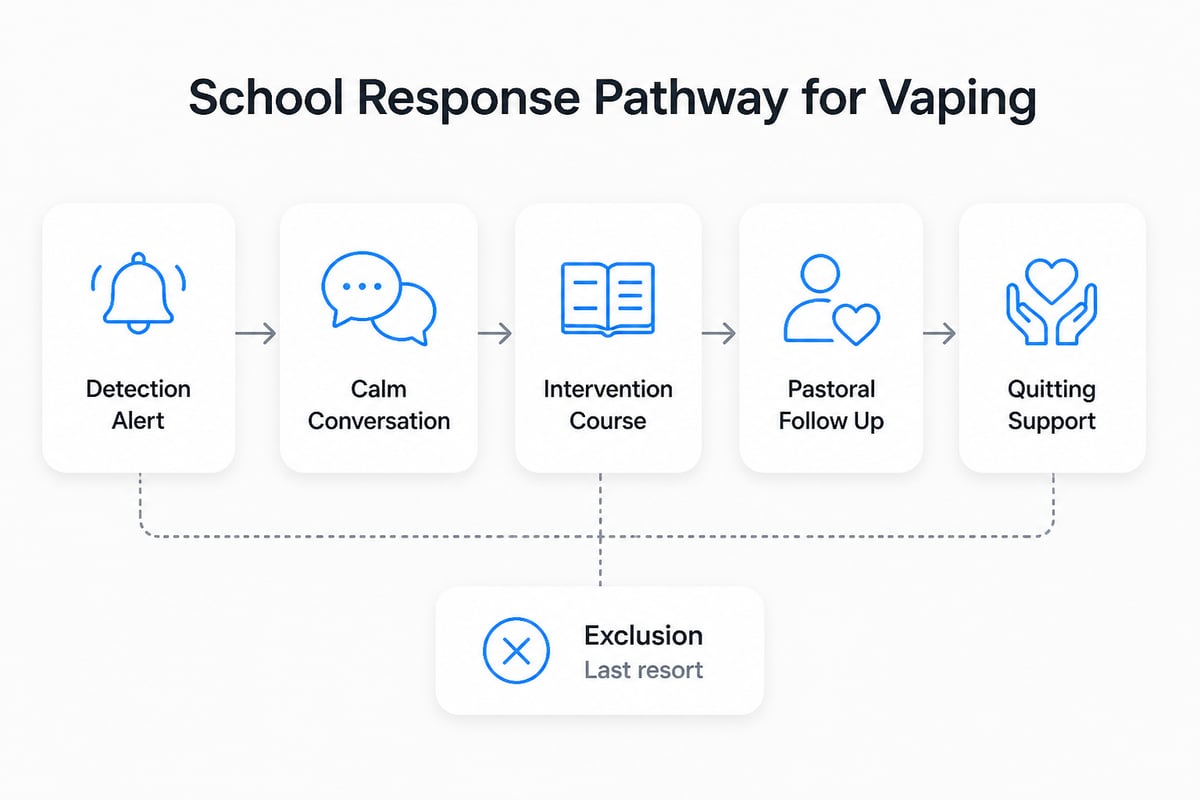
Schools get better outcomes when a vaping incident triggers education and support first, because exclusion removes pupils from the very adults and resources that could help them.
A pupil caught vaping is often a pupil who has developed a dependence. Sending them home for a day addresses the breach of rules but not the cravings, and many return to the same behaviour with the same toilet cubicle in mind. A structured course gives pastoral teams a consistent, proportionate response. It lets a head of year say: this behaviour is not acceptable, and here is how we will help you stop.
This is where Vape Guardian Education fits. It is a 35 minute student vaping intervention course with six lessons and quizzes, designed with LifeLab at the University of Southampton. The short format makes it practical to assign after an incident or to run with a year group as prevention. For more on how intervention courses work in practice, Vape Guardian's guide to a vaping intervention course for students sets out the thinking behind this approach.
Pairing a Vaping Course With Detection
Education changes attitudes over weeks and months, while detection changes behaviour in the places where vaping actually happens, so the two work best together.
Most vaping in schools takes place in toilets and secluded corners, where staff cannot be present. Without a way to know when and where it is occurring, a course can feel disconnected from reality, and pupils may conclude that rules are not enforced. Detection closes that gap by giving staff real time alerts so they can respond quickly and consistently.
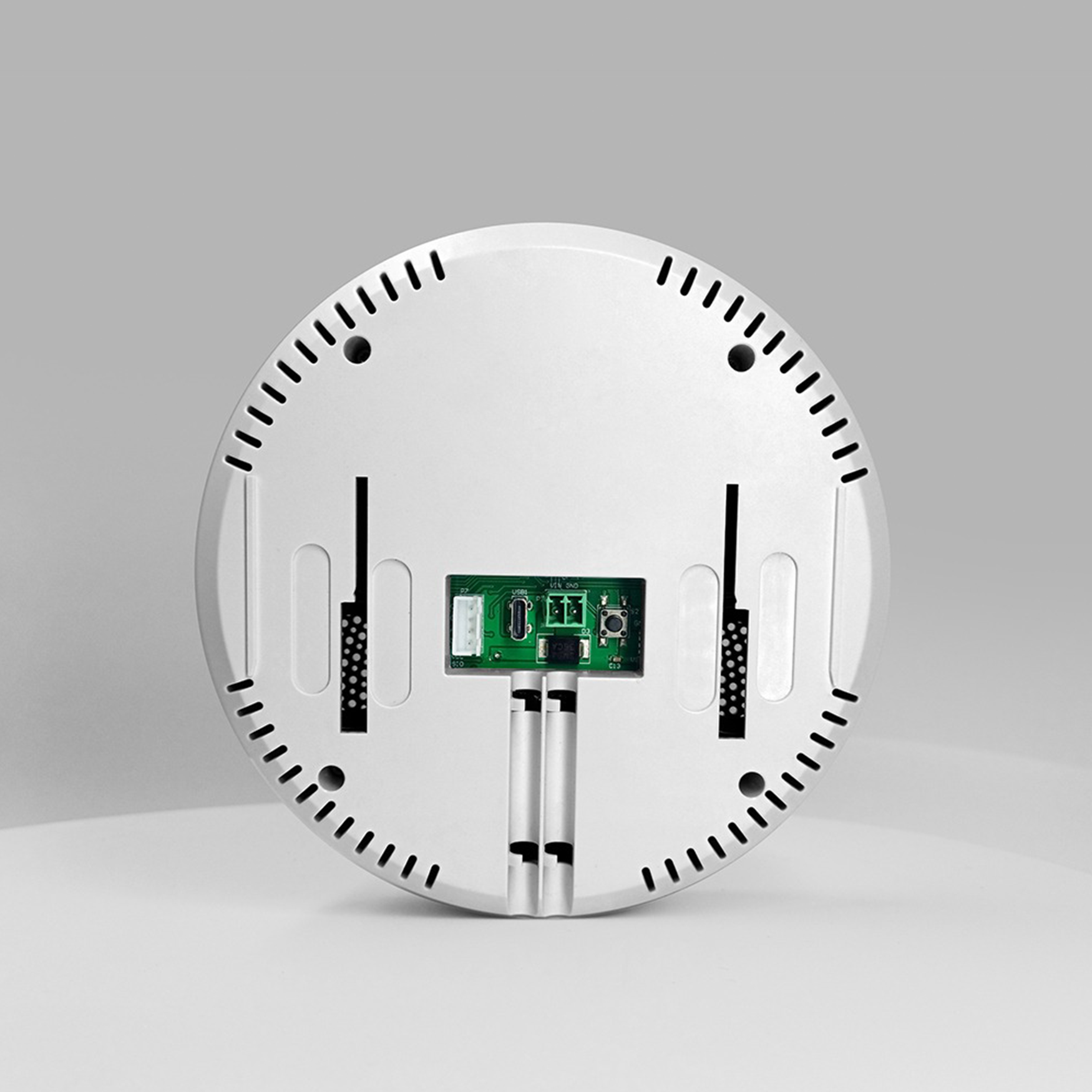
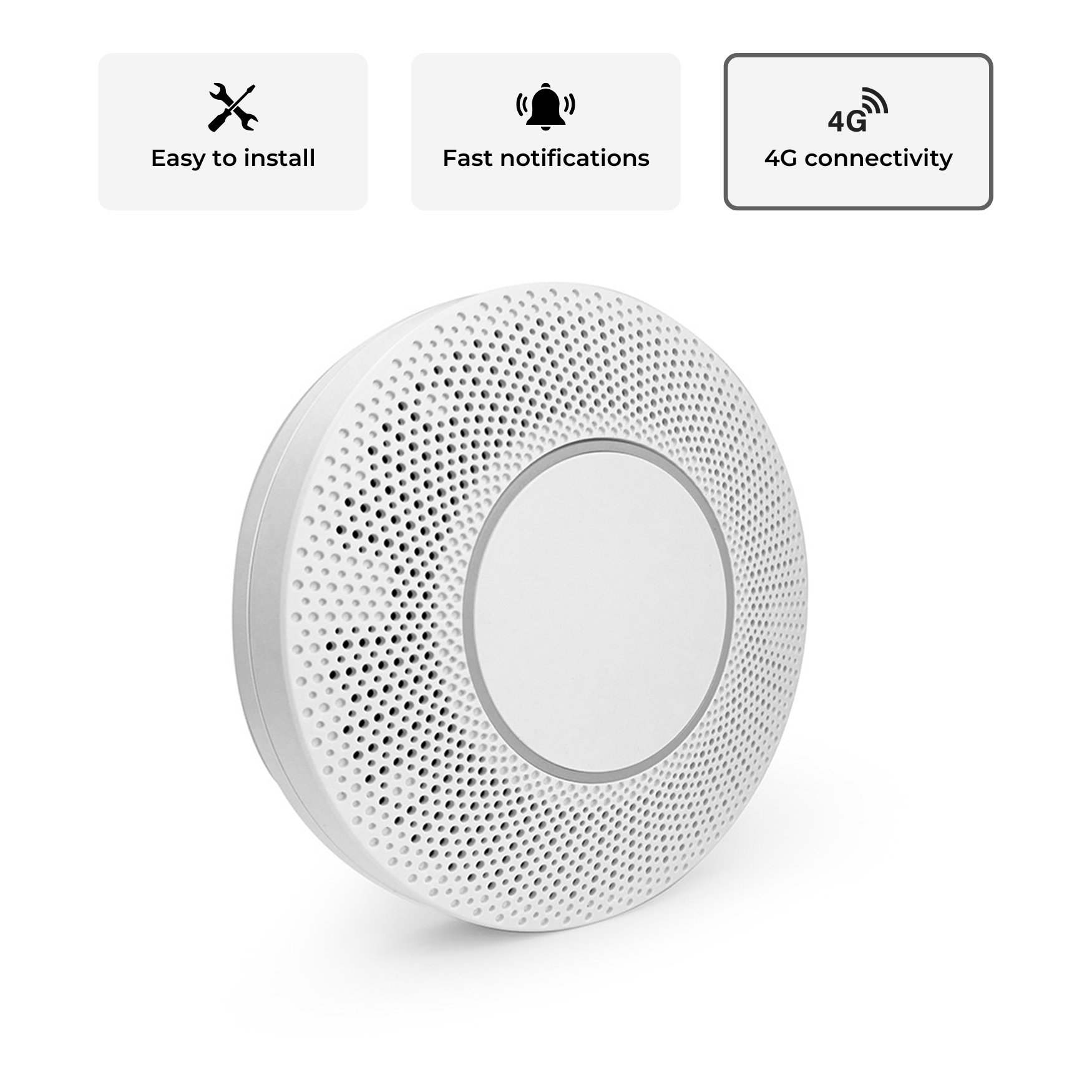
Vape Guardian sensors detect vaping and other activity without cameras, which is relevant for privacy conscious settings such as toilets. The company reports 96% alert accuracy and 2,400 sensors installed. Schools using the system report that vaping incidents have fallen sharply, with some seeing incidents halved within two weeks. At Seaham High School, vaping in toilets has fallen substantially since alarms were installed.
Alerts matter most when they lead somewhere constructive. A notification should prompt a prompt, calm response from staff, followed by the offer of education and support, not a purely punitive sequence. You can read more about the reasoning in Vape Guardian's piece on how to stop students vaping and its guide to vaping detection for schools.
Involving Staff and Parents
A course delivers more when staff and parents share its language, because pupils hear consistent messages at school and at home.
Staff training should cover how to spot signs of nicotine dependence, how to open a conversation without confrontation and how to refer pupils for support. Truth Initiative's educator focus group report discusses school responses, prevention education and support for students who vape. Its findings reflect what many UK pastoral teams describe: educators want practical tools and a clear route for supporting pupils, not only sanctions.
For parents, a short briefing or letter explaining what pupils are being taught, and what to do if a child is vaping, builds trust. It also avoids the situation where a family first hears about the issue through a disciplinary notice.
Keeping Your Approach Aligned With UK Law
Any course should reflect the current legal position accurately, because pupils and parents quickly notice inconsistencies.
In England, the sale of vapes to anyone under 18 is illegal. Schools should check the current position on indoor vaping restrictions before telling pupils or parents what applies. Your school's own rules remain the operative framework. Vape Guardian's overview of UK school vaping laws and what headteachers need to know is a useful reference when updating policy.
How to Judge Whether a Course Is Fit for Your School
Before adopting any programme, check it against a short set of practical criteria.
| Question | What a good answer looks like |
|---|---|
| Is the content evidence informed? | Developed with an academic or health partner and honest about what is not yet known |
| Is it age appropriate? | Uses realistic scenarios pupils recognise, without exaggeration |
| Is it a manageable length? | Short enough to run in a tutor period or as a post incident intervention |
| Does it include assessment? | Quizzes or reflection that show whether pupils understood |
| Does it offer a route to quit? | Clear signposting to support, not only warnings |
| Does it fit your policy? | Supports a graduated response rather than automatic exclusion |
If a programme meets most of these, it is likely to be useful. If it relies heavily on fear, offers no route to support or cannot be delivered within your timetable, it is less likely to change behaviour.

Measuring Whether the Course Is Working
You can judge effectiveness through a small number of measures reviewed each term.
- Incident data: the number and location of vaping incidents, ideally drawn from detection alerts so the figures are objective.
- Repeat incidents: whether pupils who completed the course are involved in fewer further incidents.
- Pupil feedback: short surveys on whether lessons felt honest and useful.
- Referrals for support: a rise in pupils asking for help to stop is often a positive sign, not a negative one.
- Staff confidence: whether pastoral staff feel better equipped to hold conversations about vaping.
Reviewing these together gives a balanced picture. A fall in incidents alone could mean pupils have simply become better at hiding, whereas a fall in incidents alongside more referrals and positive feedback suggests that culture is genuinely shifting.
Start by mapping where and when vaping is happening in your school, then decide which pupils would benefit from prevention teaching and which need intervention after an incident. Vape Guardian Education gives you a structured, 35 minute option for the second group, and Vape Guardian can support the detection side, so you can get a quote or book a call to see how both fit your site.







Share:
How to Help a Student Quit Vaping: A Practical Guide
Vape Detection and Education for Schools: A Practical Guide