
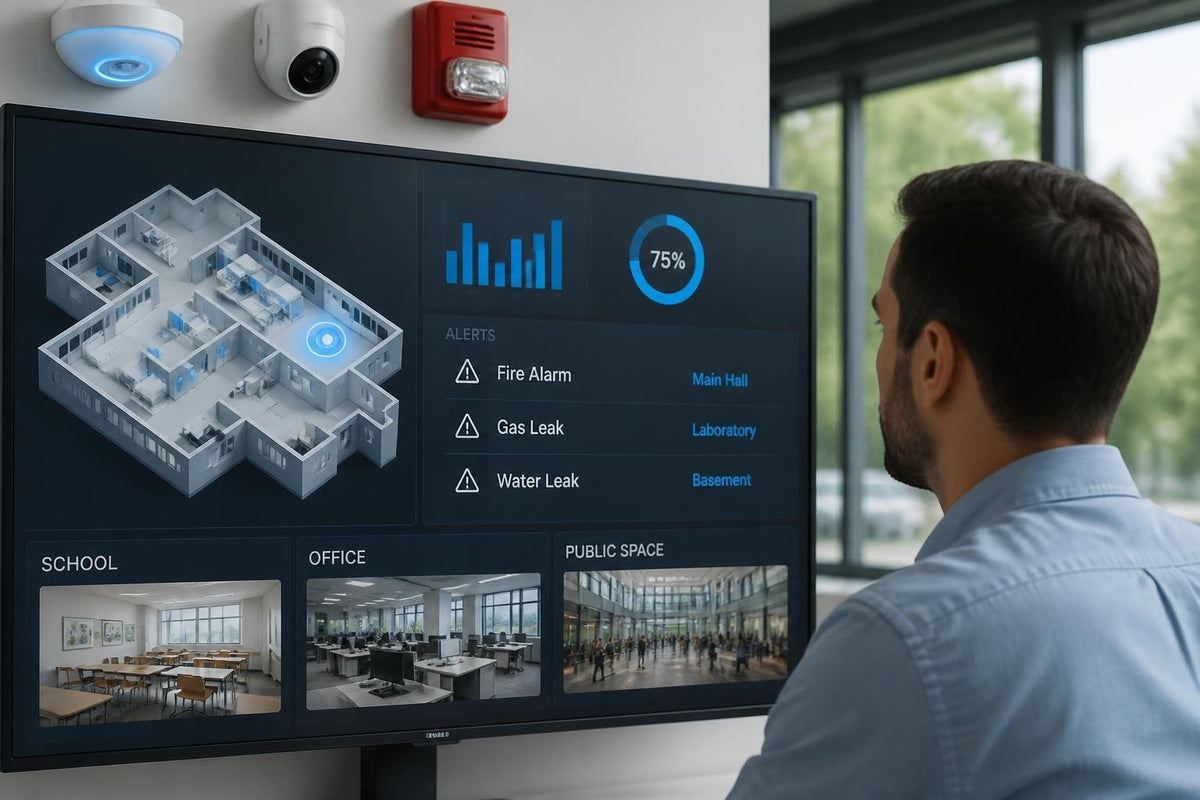
Modern facilities face unprecedented safety challenges, from unauthorised vaping and drug use to air quality concerns and security breaches. Building safety automation has emerged as the cornerstone solution for organisations seeking proactive protection rather than reactive responses. By integrating intelligent sensors, real-time monitoring platforms and automated alert systems, facility managers can create environments that detect risks before they escalate into serious incidents. This technological evolution represents far more than simple detection; it encompasses comprehensive environmental oversight, regulatory compliance support and data-driven decision making that transforms how we approach building security and occupant wellbeing.
Understanding Building Safety Automation Fundamentals
Building safety automation refers to integrated systems that monitor, detect and respond to environmental and behavioural risks within physical spaces without constant human intervention. These systems combine hardware sensors, software analytics and communication protocols to create responsive safety networks.
The core components work in concert to provide comprehensive coverage:
- Intelligent sensors that detect specific substances, behaviours or environmental anomalies
- Cloud-based platforms that aggregate data and trigger automated responses
- Real-time alert systems that notify designated personnel immediately
- Analytics dashboards that reveal patterns and support compliance reporting
- Integration capabilities that connect with existing building management systems
Unlike legacy security approaches that rely solely on cameras or periodic inspections, building safety automation operates continuously. The technology monitors environmental conditions 24 hours per day, identifying risks that human observation might miss.
The Evolution of Safety Technology in Buildings
Traditional building safety relied on manual inspections, occasional audits and reactive measures after incidents occurred. This approach left significant gaps in coverage and often discovered problems only after they had caused harm.
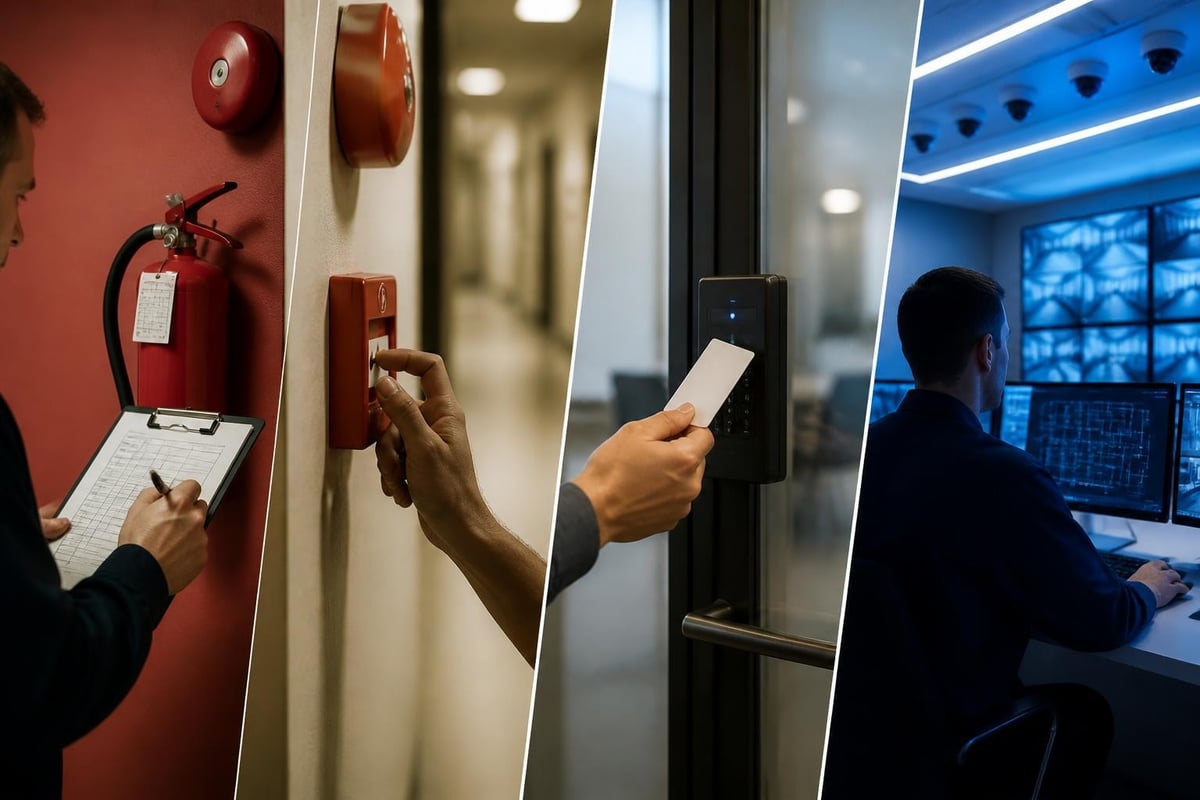
The shift towards automation began with basic fire detection systems in the mid-20th century. Over subsequent decades, technology expanded to include intrusion detection, access control and environmental monitoring. Today's building safety automation represents a quantum leap beyond these earlier systems.
Modern solutions leverage machine learning algorithms, IoT connectivity and advanced chemical detection to identify risks with unprecedented accuracy. The fundamentals of control and interoperability established by organisations like ASHRAE provide the technical foundation for these integrated systems.
Key Applications Across Different Environments
Building safety automation serves diverse facility types, each with unique requirements and risk profiles. Educational institutions, commercial offices, leisure facilities and public spaces all benefit from tailored automation approaches.
Educational Facilities and Student Wellbeing
Schools face particular challenges with vaping, drug use and anti-social behaviour occurring in unsupervised areas like toilets and changing rooms. Building safety automation addresses these issues through discreet monitoring that respects privacy whilst protecting students.
Vape detection systems for education have become essential tools for safeguarding teams and senior leadership. These systems detect vaping incidents in real-time, enabling staff to intervene immediately rather than discovering evidence hours or days later.
The benefits extend beyond simple detection:
| Advantage | Impact |
|---|---|
| Immediate alerts | Staff respond within seconds of incidents |
| Pattern analysis | Identify hotspots and peak risk times |
| Compliance documentation | Automated records support policy enforcement |
| Deterrent effect | Visible sensors discourage prohibited behaviours |
Schools implementing building safety automation report significant reductions in vaping incidents, often seeing 60-70% decreases within the first term of deployment.
Commercial Office Environments
Office buildings require building safety automation to ensure employee wellbeing, regulatory compliance and asset protection. Modern workplaces monitor air quality, detect prohibited substances and track environmental conditions that affect productivity and health.
Office building safety solutions focus on creating healthy work environments whilst addressing specific risks like smoking in prohibited areas or substance misuse in facilities. These systems integrate seamlessly with existing building management platforms, providing centralised oversight across multiple floors or locations.
Air quality monitoring proves particularly valuable in post-pandemic workplaces, where ventilation effectiveness and contaminant detection directly impact employee health and confidence.
Leisure and Retail Spaces
Public-facing venues face unique safety challenges with high visitor volumes, diverse user groups and complex regulatory requirements. Building safety automation helps leisure and retail facilities maintain safe, compliant environments whilst preserving positive customer experiences.
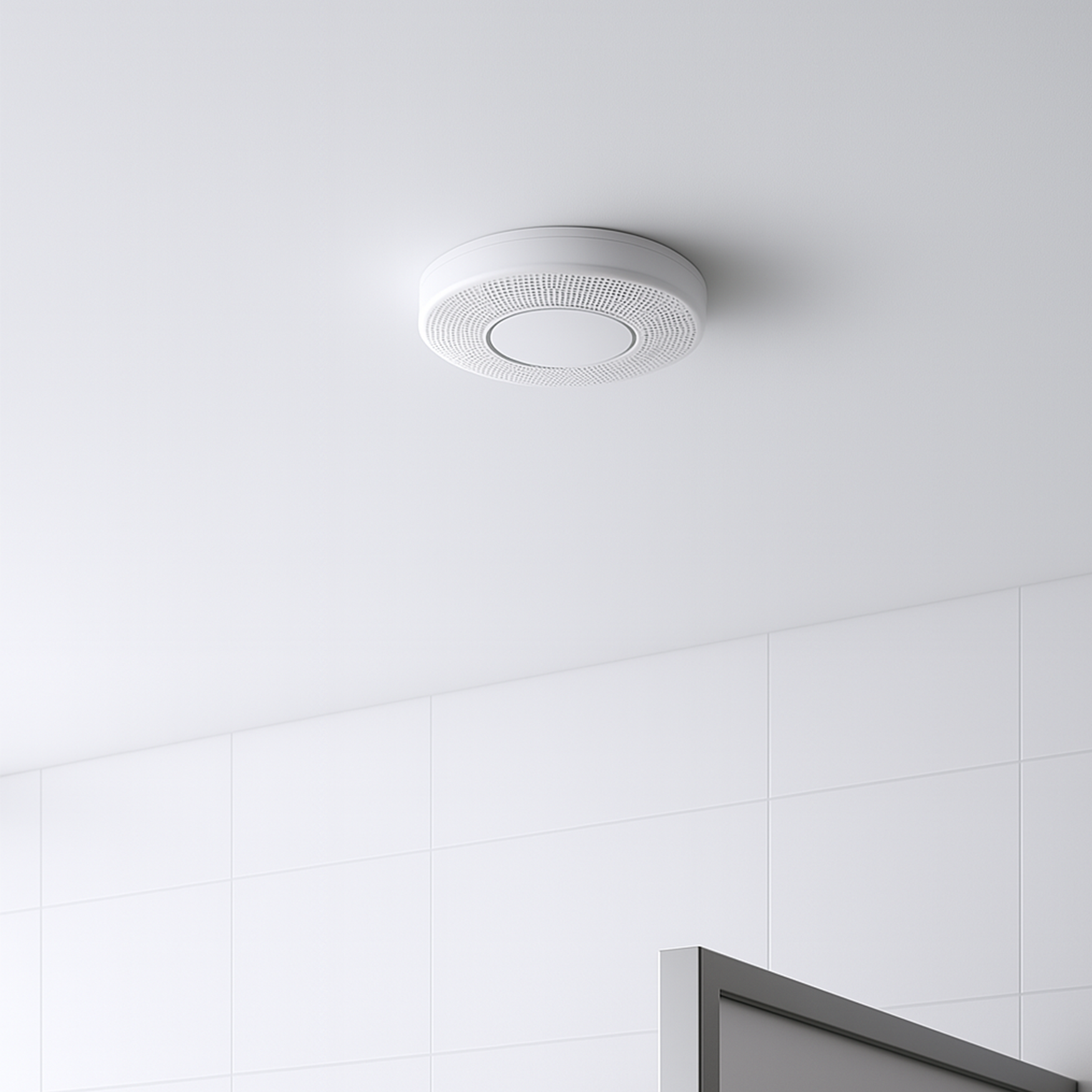
Detection systems in toilets, changing rooms and other semi-private areas protect vulnerable visitors whilst discouraging prohibited activities. Automated alerts enable security teams to respond discretely without disrupting legitimate facility use.
Technical Architecture and System Integration
Effective building safety automation requires thoughtful system design that balances coverage, reliability and ease of management. The technical architecture determines how well the solution performs under real-world conditions.
Sensor Technology and Deployment
Modern safety sensors employ multiple detection methods to identify specific risks with high accuracy. Chemical sensors detect vaping substances, drugs and other airborne contaminants. Acoustic sensors identify unusual sounds that may indicate vandalism or distress. Environmental sensors track temperature, humidity and air quality parameters.
Deployment considerations include:
- Coverage mapping to identify all high-risk areas requiring monitoring
- Sensor placement optimised for detection effectiveness and discretion
- Power and connectivity infrastructure supporting reliable operation
- Redundancy planning ensuring continued operation if individual sensors fail
- Maintenance access allowing straightforward servicing and updates
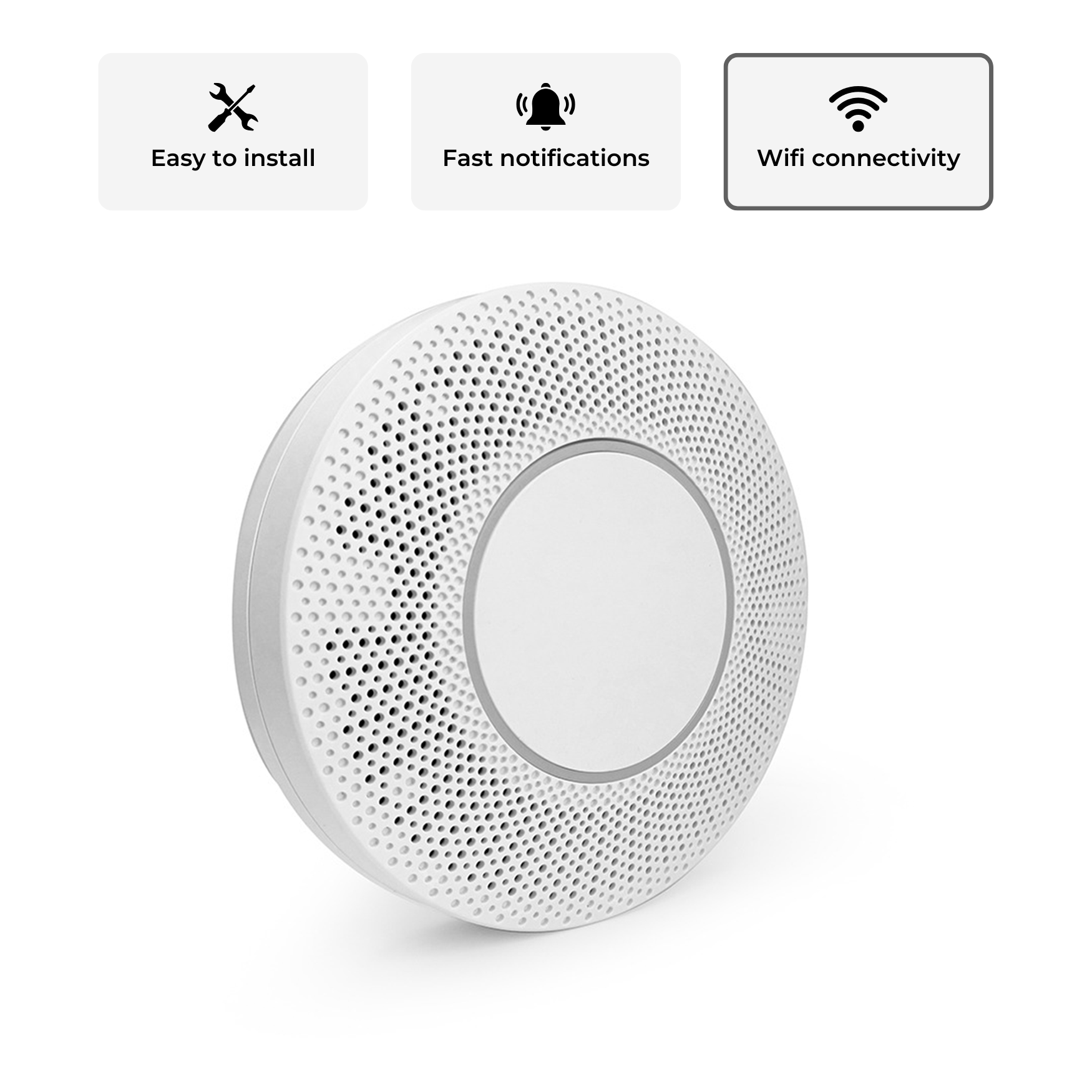
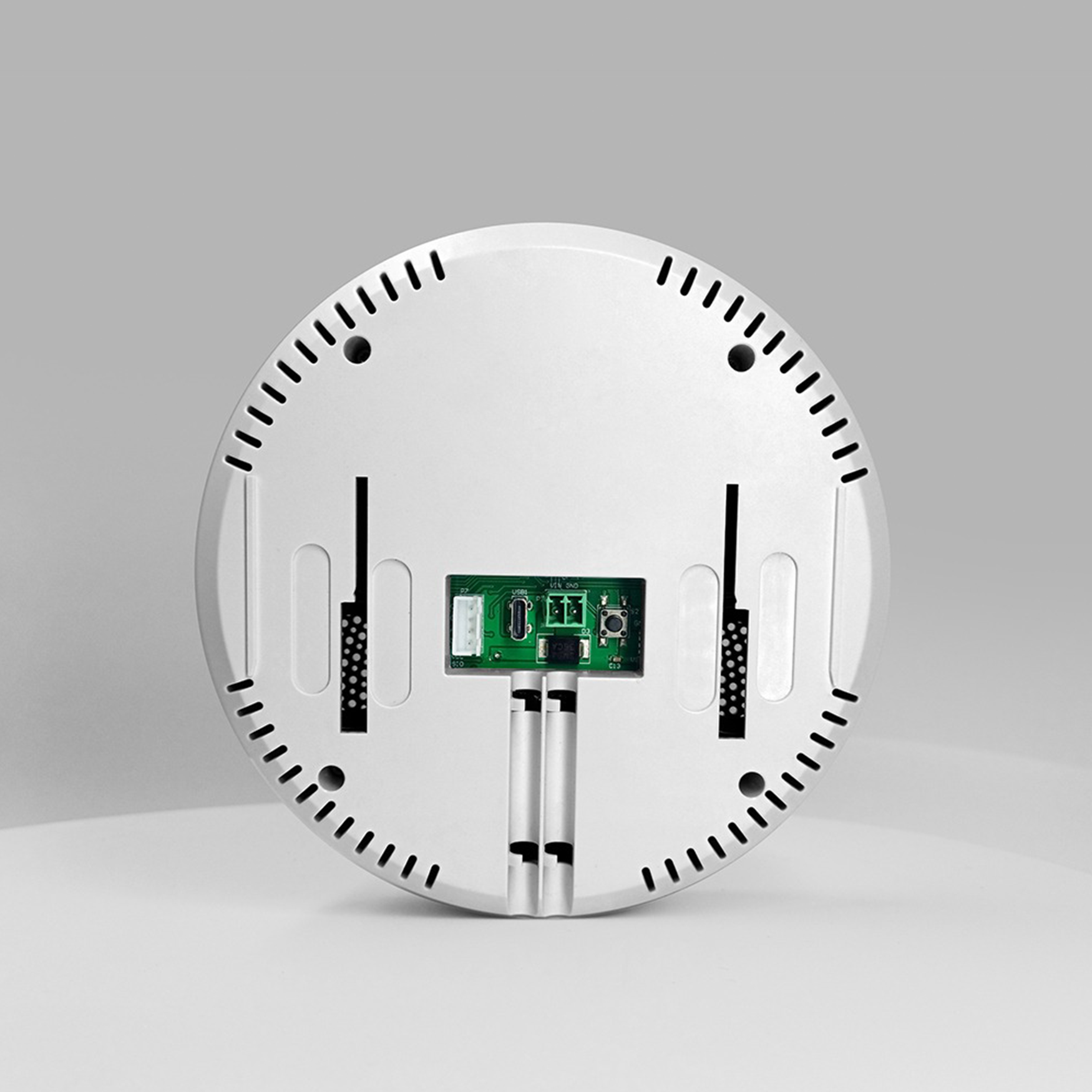
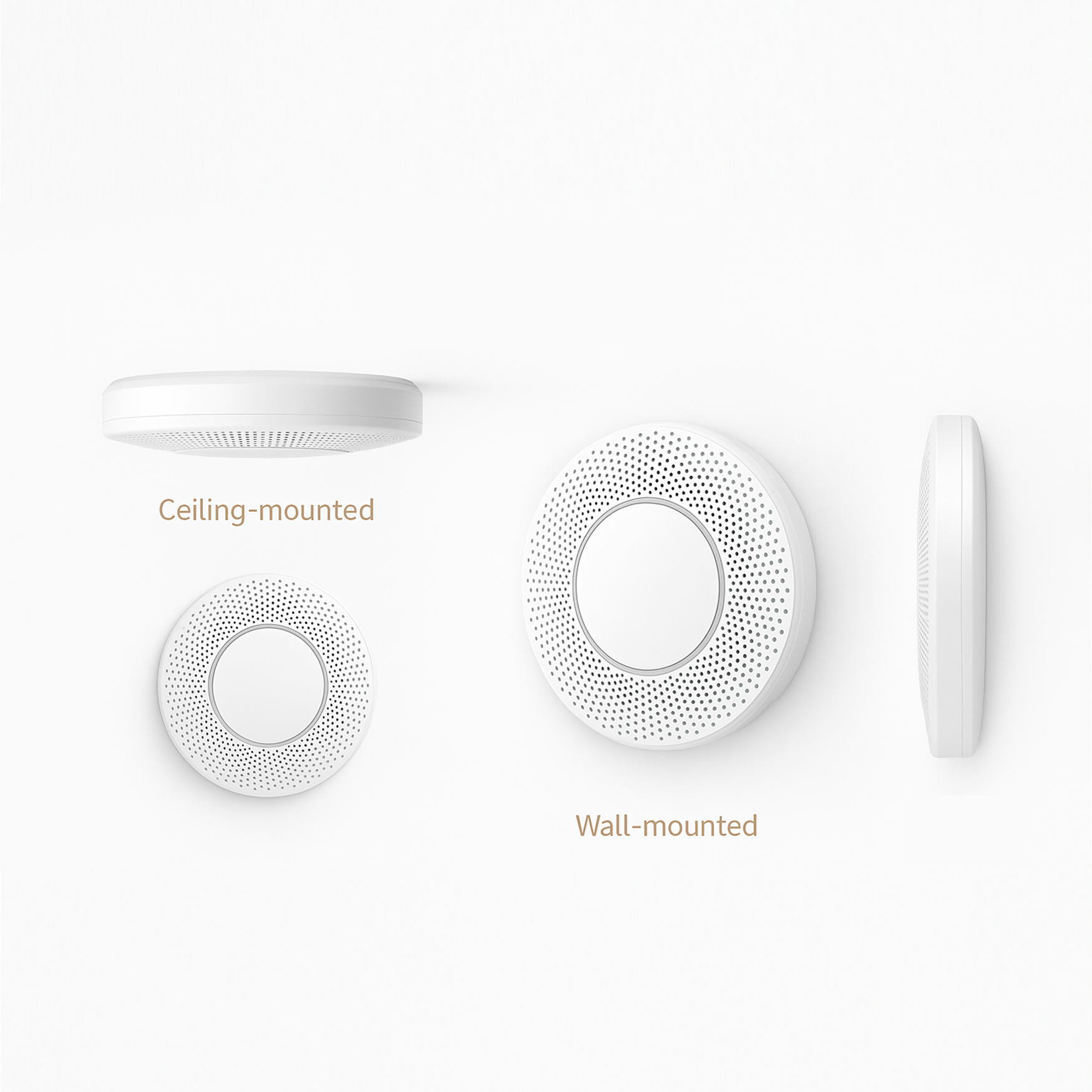
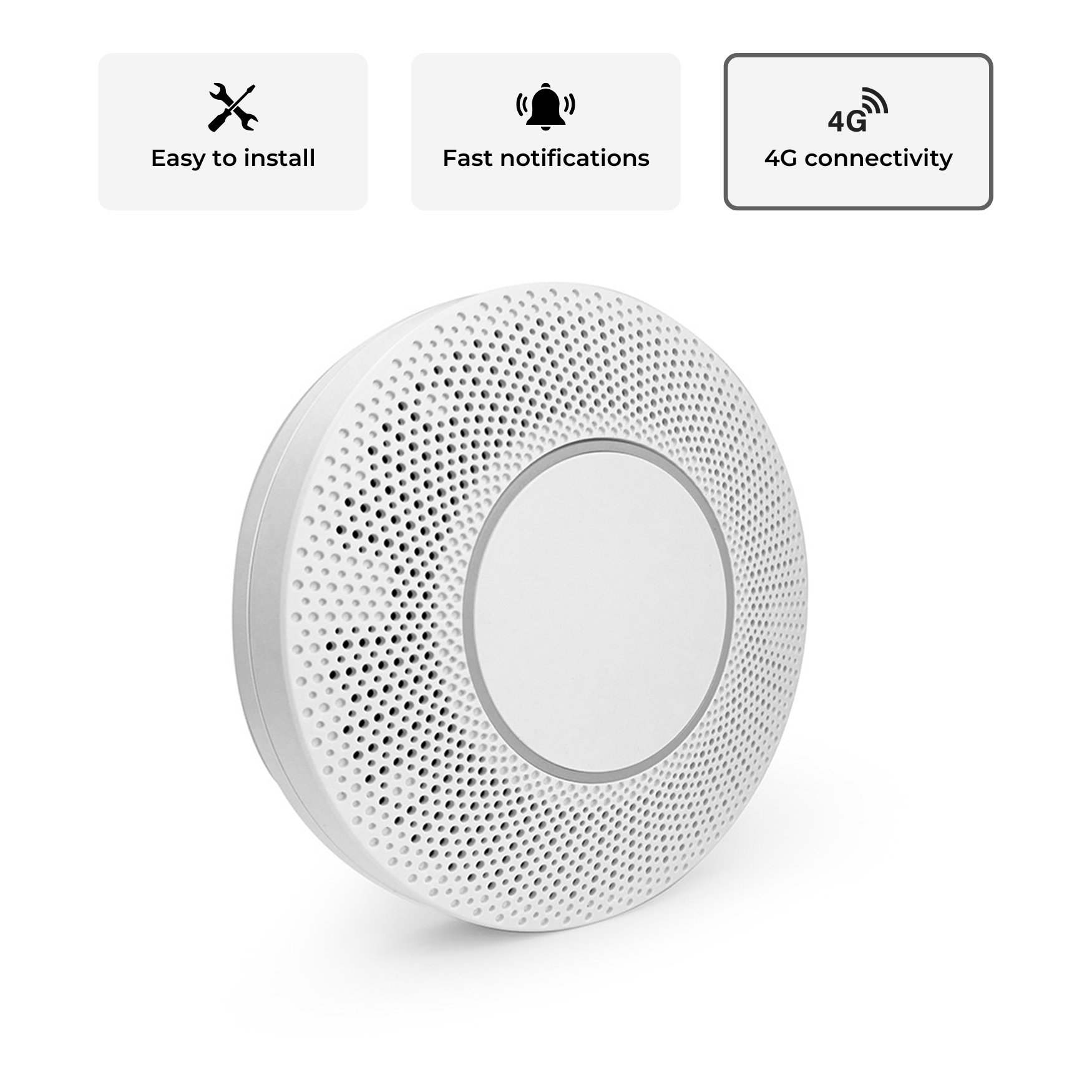
The Vape Detection System exemplifies advanced sensor design, combining vape detection with drug and anti-social behaviour monitoring in a single integrated unit. This multi-function approach reduces installation complexity whilst providing comprehensive protection.

Network Infrastructure Requirements
Building safety automation depends on robust networking that ensures reliable data transmission and remote management. Modern systems support multiple connectivity options to accommodate different facility infrastructure.
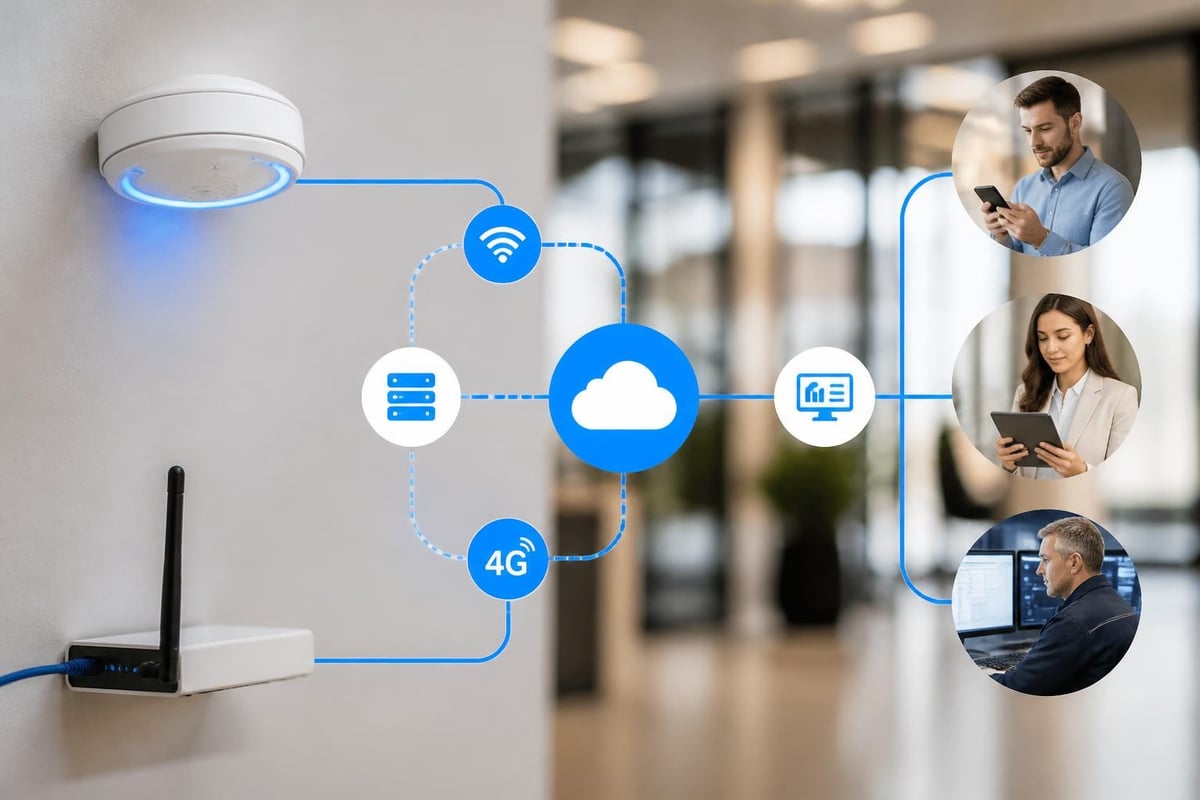
Power over Ethernet (PoE) solutions provide both power and data connectivity through a single cable, simplifying installation in buildings with structured cabling. Wi-Fi enabled sensors offer flexibility in heritage buildings or spaces where cable installation proves difficult. 4G cellular connectivity ensures operation even if local networks fail.
Understanding network and connectivity options helps facilities select the most appropriate architecture for their specific requirements and constraints.
Data Integration and Analytics
The true power of building safety automation emerges when sensor data feeds into analytics platforms that reveal patterns, trends and actionable insights. Integration with existing building management systems creates unified oversight across all safety and environmental parameters.
Cloud-based platforms aggregate data from distributed sensors, applying machine learning algorithms to distinguish genuine threats from false positives. This intelligence reduces alert fatigue whilst ensuring critical incidents receive immediate attention.
| Integration Type | Benefit | Implementation Complexity |
|---|---|---|
| Building Management System (BMS) | Unified facilities oversight | Medium to High |
| Access Control | Correlate incidents with entry/exit | Medium |
| CCTV Systems | Visual verification of alerts | Low to Medium |
| Incident Management | Automated documentation | Low |
| HR/Student Systems | Link incidents to individuals | High (privacy considerations) |
The GSA's P100 Facilities Standards provide comprehensive guidance on BAS requirements and integration best practices for government buildings, offering valuable reference material for any large-scale deployment.
Cybersecurity and System Protection
Building safety automation systems constitute critical infrastructure that requires robust protection against cyber threats. As these systems increasingly connect to networks and cloud platforms, they present potential attack vectors that malicious actors might exploit.
Securing Building Automation Control Systems
The convergence of information technology and operational technology in building safety automation creates new security challenges. Unlike traditional IT systems, building automation must maintain continuous operation whilst implementing security controls.
Essential security measures include:
- Network segmentation isolating safety systems from general IT networks
- Encrypted communications protecting data in transit
- Strong authentication requiring verified credentials for system access
- Regular security updates addressing newly discovered vulnerabilities
- Audit logging tracking all system access and configuration changes
The NIST guidance on Building Automation & Control System cybersecurity offers practical, government-backed recommendations specifically tailored to these unique operational environments.
Privacy Considerations and Data Protection
Building safety automation systems collect sensitive information about building occupants and their activities. Responsible deployment requires careful attention to privacy rights and data protection regulations.
Sensor placement should focus on detecting prohibited activities without capturing private information unnecessarily. Chemical and acoustic detection technologies offer advantages over visual monitoring in sensitive areas like toilets and changing rooms, identifying concerning behaviours without revealing personal details.
Data retention policies should specify how long information remains stored and under what circumstances it may be accessed. Automated deletion of routine data whilst preserving incident records strikes an appropriate balance between operational needs and privacy protection.
Compliance and Regulatory Considerations
Building safety automation must align with relevant regulatory frameworks governing fire safety, building codes, accessibility requirements and industry-specific standards. These regulations vary by jurisdiction, building type and occupancy classification.
Fire and Life Safety Standards
Integration with fire detection and emergency notification systems requires careful attention to established codes and standards. The NFPA 72 standard for fire alarm and emergency communications defines requirements for systems that protect life and property.
Building safety automation systems should complement rather than interfere with code-required fire safety equipment. Sensor placement must not obstruct sprinkler heads, smoke detectors or emergency exit signage. Alert systems should integrate with emergency notification protocols to ensure coordinated responses during critical incidents.
The NFPA Research Foundation's examination of smart features in buildings highlights both opportunities and risks associated with automation, providing valuable guidance for safety-critical implementations.
Educational Sector Compliance
Schools deploying building safety automation must ensure systems support safeguarding obligations whilst respecting student privacy and dignity. Detection systems should form part of comprehensive behaviour management policies that emphasise education and support rather than purely punitive responses.
Transparency with students, parents and staff about monitoring systems helps build trust and understanding. Clear policies explaining what the technology detects, how alerts are handled and what consequences follow incidents ensure consistent, fair implementation.
Implementation Strategy and Best Practices
Successful building safety automation deployment requires systematic planning, stakeholder engagement and phased rollout. Organisations that invest adequate time in preparation achieve better outcomes with fewer disruptions.
Assessment and Planning
Implementation begins with comprehensive risk assessment identifying specific threats the organisation faces and areas requiring enhanced monitoring. This assessment should involve facilities management, security personnel, safeguarding leads and other relevant stakeholders.
Planning steps include:
- Documenting current safety challenges and incident patterns
- Identifying high-risk locations and peak risk periods
- Evaluating existing infrastructure and integration opportunities
- Establishing success metrics and performance targets
- Developing policies governing system use and incident response
Engaging end users early in the process builds buy-in and helps identify practical considerations that technical teams might overlook.
Phased Deployment Approach
Large-scale building safety automation projects benefit from phased implementation that allows learning and adjustment before full deployment. Starting with pilot installations in high-priority areas provides valuable experience whilst limiting initial investment and disruption.
| Phase | Activities | Duration |
|---|---|---|
| Phase 1: Pilot | Deploy in 2-3 high-risk areas | 1-2 months |
| Phase 2: Evaluation | Assess performance, adjust policies | 1 month |
| Phase 3: Expansion | Roll out to additional locations | 2-4 months |
| Phase 4: Optimisation | Refine detection parameters, response procedures | Ongoing |
This staged approach allows organisations to demonstrate value to stakeholders, refine response procedures and build staff confidence with the technology before committing to comprehensive coverage.
Staff Training and Change Management
Technology alone cannot create safer buildings. Staff must understand how systems work, when to respond to alerts and how to handle incidents appropriately.
Training programmes should cover technical operation, incident response protocols and legal considerations around privacy and proportionate action. Role-specific training ensures different team members understand their particular responsibilities within the overall safety framework.
Understanding best practices for handling vaping alerts helps staff respond effectively whilst maintaining positive relationships with building occupants.

Emerging Technologies and Future Trends
Building safety automation continues to evolve rapidly as new technologies mature and user requirements become more sophisticated. Organisations planning deployments should consider emerging capabilities that may influence long-term system architecture.
Artificial Intelligence and Machine Learning
AI-powered analytics are transforming how building safety automation systems distinguish genuine threats from benign activities. Machine learning algorithms trained on thousands of incidents develop increasingly accurate detection models that reduce false positives whilst identifying subtle patterns human observers might miss.
The IEEE working group's taxonomy for smart buildings examines how AI integration affects safety-relevant design choices and service architectures. These frameworks help organisations implement intelligent systems responsibly.
Predictive analytics represent the next frontier, using historical data and environmental factors to forecast when and where incidents are likely to occur. This capability enables pre-emptive interventions and optimised resource allocation.
Advanced Sensor Fusion
Next-generation building safety automation combines multiple sensor types to create comprehensive situational awareness. Rather than deploying separate systems for vaping detection, air quality monitoring and acoustic analysis, integrated platforms correlate data across all modalities.
This fusion approach provides richer context for incident assessment. A vaping alert accompanied by elevated carbon monoxide readings and unusual acoustic signatures paints a more complete picture than any single data point could provide.
Research like NIST's work on detecting thermal risks demonstrates how multi-modal sensing and machine learning create new capabilities for operational safety and risk detection in building environments.
Edge Computing and Local Processing
Privacy concerns and network reliability requirements are driving increased adoption of edge computing in building safety automation. Rather than transmitting all sensor data to cloud platforms for analysis, edge devices perform initial processing locally.
This architecture offers several advantages:
- Reduced network bandwidth requirements
- Faster response times for critical alerts
- Continued operation during network outages
- Enhanced privacy through local data processing
- Lower cloud computing and storage costs
Edge-cloud hybrid models combine local processing for time-sensitive decisions with cloud analytics for pattern recognition and long-term trend analysis.
Measuring Success and Continuous Improvement
Building safety automation delivers maximum value when organisations systematically measure performance and refine their approach based on operational experience.
Key Performance Indicators
Establishing clear metrics allows objective assessment of system effectiveness and return on investment. Relevant KPIs vary by organisation type and specific safety objectives.
Common performance metrics include:
- Incident detection rate compared to manual discovery
- False positive frequency and causes
- Average response time from alert to staff intervention
- Reduction in total incidents over baseline periods
- Compliance documentation completeness
- User satisfaction scores from staff and building occupants
Tracking these indicators over time reveals trends and highlights opportunities for optimisation.
Feedback Loops and System Refinement
Continuous improvement requires structured feedback from all system stakeholders. Staff responding to alerts provide valuable insights about detection accuracy, appropriate response procedures and training needs. Building occupants offer perspectives on whether systems feel intrusive or create perceptions of enhanced safety.
Regular review meetings should examine recent incidents, identify any detection gaps and adjust sensor placement or sensitivity parameters as needed. This iterative refinement ensures building safety automation evolves alongside changing risk profiles and facility uses.
Vendor Selection and Partnership Considerations
Choosing the right building safety automation provider significantly impacts long-term success. Beyond technical capabilities, factors like support quality, upgrade paths and company stability deserve careful evaluation.
Evaluating Technical Capabilities
Prospective vendors should demonstrate proven detection accuracy in environments similar to your facility. Request case studies, reference customers and opportunities to observe systems in operation before committing to deployment.
Technical evaluation should cover:
- Detection accuracy and false positive rates
- Connectivity options and network requirements
- Integration capabilities with existing systems
- Scalability to accommodate future expansion
- User interface design and ease of management
Just as professional gate repair services ensure physical access control systems operate reliably, building safety automation providers must demonstrate the technical expertise and responsive support required for mission-critical safety systems. Similarly, organisations seeking automatic gate repair in commercial environments expect the same reliability standards that should apply to all building safety infrastructure.
Support and Service Commitments
Building safety automation constitutes critical infrastructure requiring responsive support when issues arise. Evaluate vendor support capabilities including response time commitments, technical expertise availability and training resources.
Subscription models that include ongoing software updates, technical support and sensor replacement provide predictable costs whilst ensuring systems remain current. Understanding total cost of ownership over multi-year periods helps compare solutions accurately.
Building Safety Automation in Specialised Environments
Certain facility types present unique requirements that demand specialised building safety automation approaches. Aviation facilities, healthcare settings and high-security environments each require careful adaptation of standard methodologies.
Aviation and Transport Facilities
Airports, rail stations and other transport hubs face distinctive challenges with high transient populations, complex layouts and stringent security requirements. Aviation-specific safety solutions must integrate with existing security infrastructure whilst accommodating diverse user groups and accessibility requirements.
Detection systems in transport facilities require particularly low false positive rates given the volume of legitimate activity occurring continuously. Advanced algorithms and multi-modal sensing help distinguish genuine threats from the countless benign activities in busy public spaces.
Multi-Site Deployments
Organisations operating multiple facilities benefit from centralised building safety automation platforms that provide unified oversight whilst accommodating site-specific requirements. Multi-academy trusts exemplify this challenge, requiring consistent safeguarding approaches across diverse school buildings with varying architectures and risk profiles.
Cloud-based management platforms enable central teams to monitor all sites simultaneously whilst delegating day-to-day incident response to local staff. Standardised policies and procedures ensure consistent approaches whilst allowing appropriate local adaptation.
Building safety automation represents a fundamental shift from reactive incident response to proactive risk management, delivering measurable improvements in occupant safety, regulatory compliance and operational efficiency. By combining intelligent sensors with sophisticated analytics and automated alerts, organisations create environments that identify and address risks before they escalate into serious incidents. Whether protecting students in educational settings, ensuring employee wellbeing in offices or maintaining safe public spaces, the right technology deployment transforms how facilities approach their duty of care. Vape Guardian provides advanced detection solutions specifically designed for challenging environments where traditional monitoring falls short, offering UK-based organisations the reliable technology and dedicated support needed to create demonstrably safer spaces for everyone.



Share:
How to Stop Vaping in School Toilets: A Complete Guide