
Vaping in secondary schools has become one of the most pressing safeguarding challenges facing educators, designated safeguarding leads, and senior leadership teams across the United Kingdom. What began as a niche trend has evolved into a widespread concern, with young people increasingly exposed to nicotine addiction and associated health risks. Schools are now tasked with balancing detection and enforcement with education and rehabilitation, seeking solutions that protect students whilst supporting their wellbeing and development.
Understanding the Scale of Vaping in Secondary Schools
The prevalence of vaping in secondary schools has risen sharply over recent years, with data suggesting that a significant proportion of young people have tried e-cigarettes by age 16. The World Health Organization has highlighted the particular vulnerability of youth to nicotine addiction, noting that adolescent brains are still developing and particularly susceptible to the addictive properties of nicotine. This developmental vulnerability makes vaping in secondary schools not merely a disciplinary matter but a serious public health concern.
Research from educational institutions reveals that vaping incidents are concentrated in specific locations within school grounds, particularly toilets, changing rooms, and secluded outdoor areas. Students often perceive vaping as less harmful than traditional smoking, a misconception that contributes to uptake rates. Furthermore, the discreet nature of modern vaping devices and the wide variety of flavours marketed to young people have compounded the challenge.
Key Statistics and Trends
Schools across England, Scotland, Wales, and Northern Ireland report similar patterns in vaping behaviour amongst secondary students:
- Experimentation typically begins in Year 7 or Year 8, with regular use developing by Year 9
- Social influence and peer pressure are primary drivers of initial uptake
- Many students underestimate the nicotine content and addictive potential of disposable vapes
- Vaping incidents cluster around transition times: break periods, lunchtime, and immediately after school
The broader context includes aggressive marketing by manufacturers, availability through retail outlets near schools, and the challenge of enforcing age verification for online purchases. Schools find themselves on the frontline of a public health issue that extends far beyond the classroom.

Safeguarding and Health Implications
Vaping in secondary schools presents multiple safeguarding concerns that extend beyond immediate disciplinary considerations. Nicotine addiction can affect concentration, memory, and learning capacity, potentially impacting academic performance and long term educational outcomes. Students who vape regularly may experience mood swings, increased anxiety, and sleep disturbances, all of which can compromise their wellbeing and engagement with school life.
The physical health risks associated with youth vaping are still being researched, but evidence suggests potential impacts on lung development, cardiovascular health, and respiratory function. Schools have a duty of care to protect students from these harms, which requires a multifaceted approach combining prevention, detection, and support.
Creating a Comprehensive Response Framework
Effective management of vaping in secondary schools requires integration across multiple school functions:
| Response Element | Key Actions | Responsible Roles |
|---|---|---|
| Prevention | Curriculum integration, assemblies, peer education | Teachers, PSHE leads, external partners |
| Detection | Monitoring, technology deployment, staff vigilance | DSLs, site managers, leadership teams |
| Intervention | Individual support, behaviour contracts, rehabilitation | Pastoral staff, counsellors, external services |
| Partnership | Parent engagement, local authority liaison, health services | Headteacher, governors, community links |
Schools that implement coordinated approaches report better outcomes than those relying solely on punitive measures. The Scottish Government guidance on responding to substance use emphasises proportionate, supportive responses that prioritise young people's welfare whilst maintaining clear boundaries and expectations.
Detection Technology and Monitoring Solutions
Traditional methods of detecting vaping in secondary schools rely heavily on staff observation, student reports, and the physical discovery of devices. Whilst these approaches remain important, they are often reactive and can miss the majority of incidents occurring in unsupervised spaces. This limitation has driven growing interest in technological solutions designed specifically for educational environments.
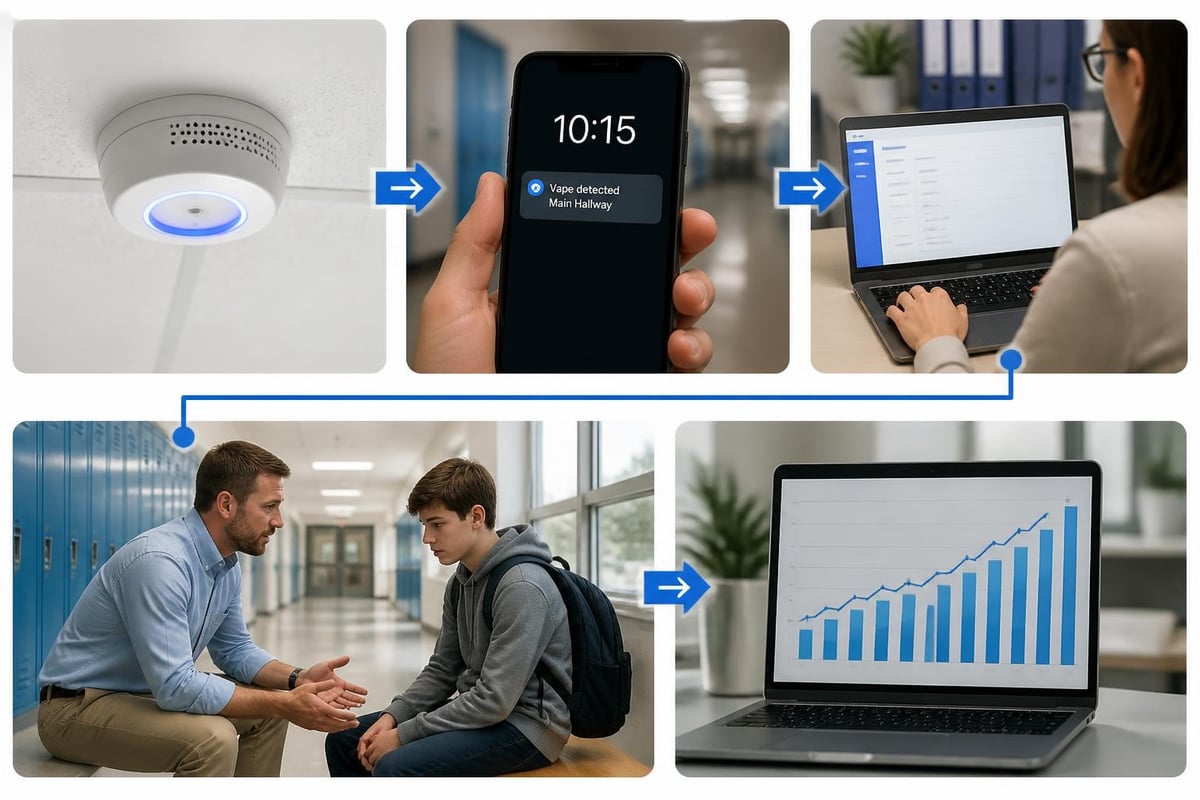
Modern vape detection systems utilise advanced sensors capable of identifying specific chemical signatures associated with vaping products, including THC and other substances. These systems provide real-time alerts to designated staff members, enabling rapid response and creating a deterrent effect. When students know that vaping can be detected immediately, behaviour patterns often shift.
Schools implementing vape detection sensors report significant reductions in incidents within washrooms and other monitored areas. The technology works alongside existing safeguarding frameworks, providing objective data that can inform both individual interventions and whole school policy development.
Implementation Considerations
Successfully deploying detection technology requires careful planning and stakeholder engagement:
- Site assessment: Identify high-risk locations based on incident data and building layout
- Network infrastructure: Ensure reliable connectivity for real-time alerts and data transmission
- Staff training: Prepare response teams to handle alerts appropriately and consistently
- Student communication: Explain the technology transparently as part of safeguarding measures
- Data management: Establish clear protocols for storing and using detection information
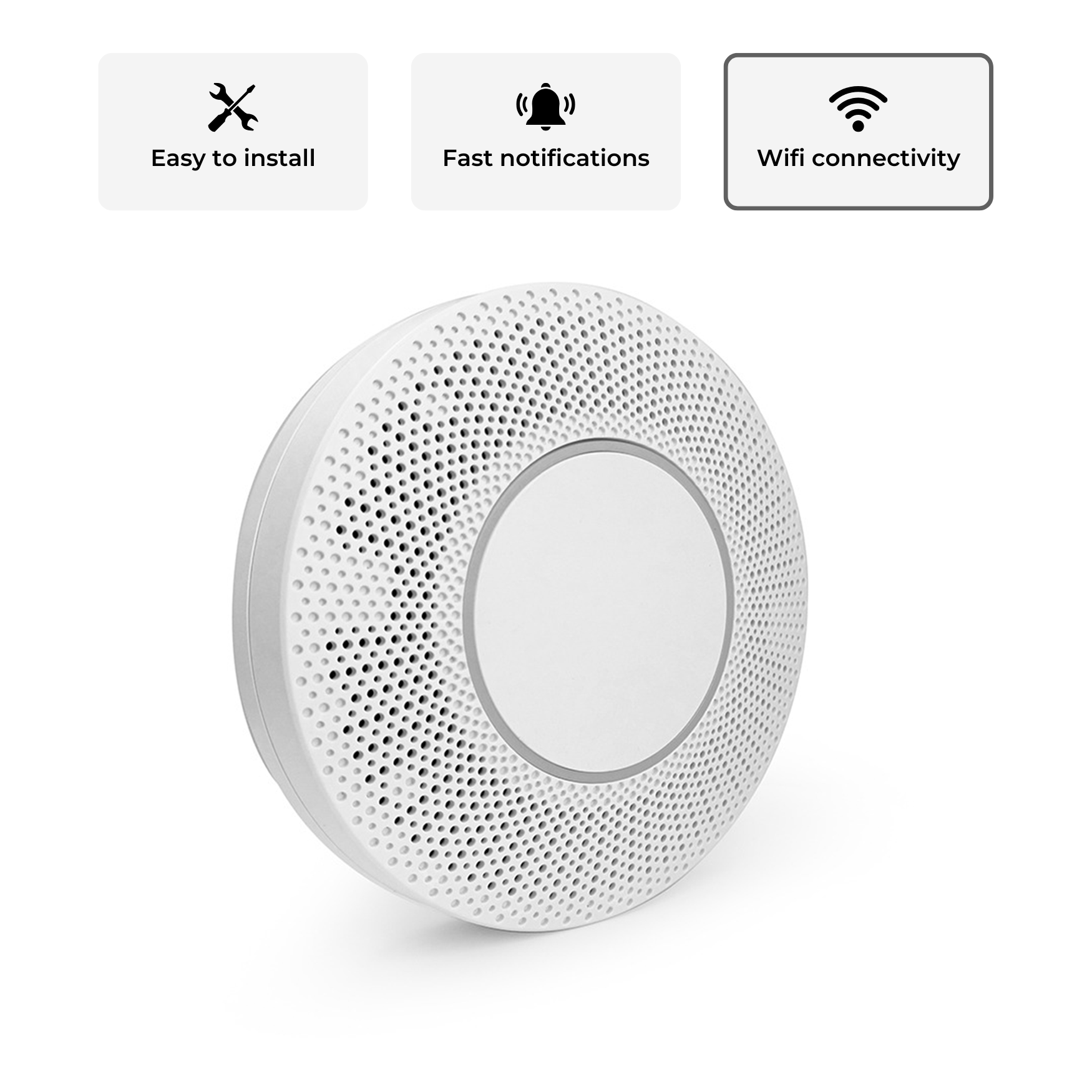
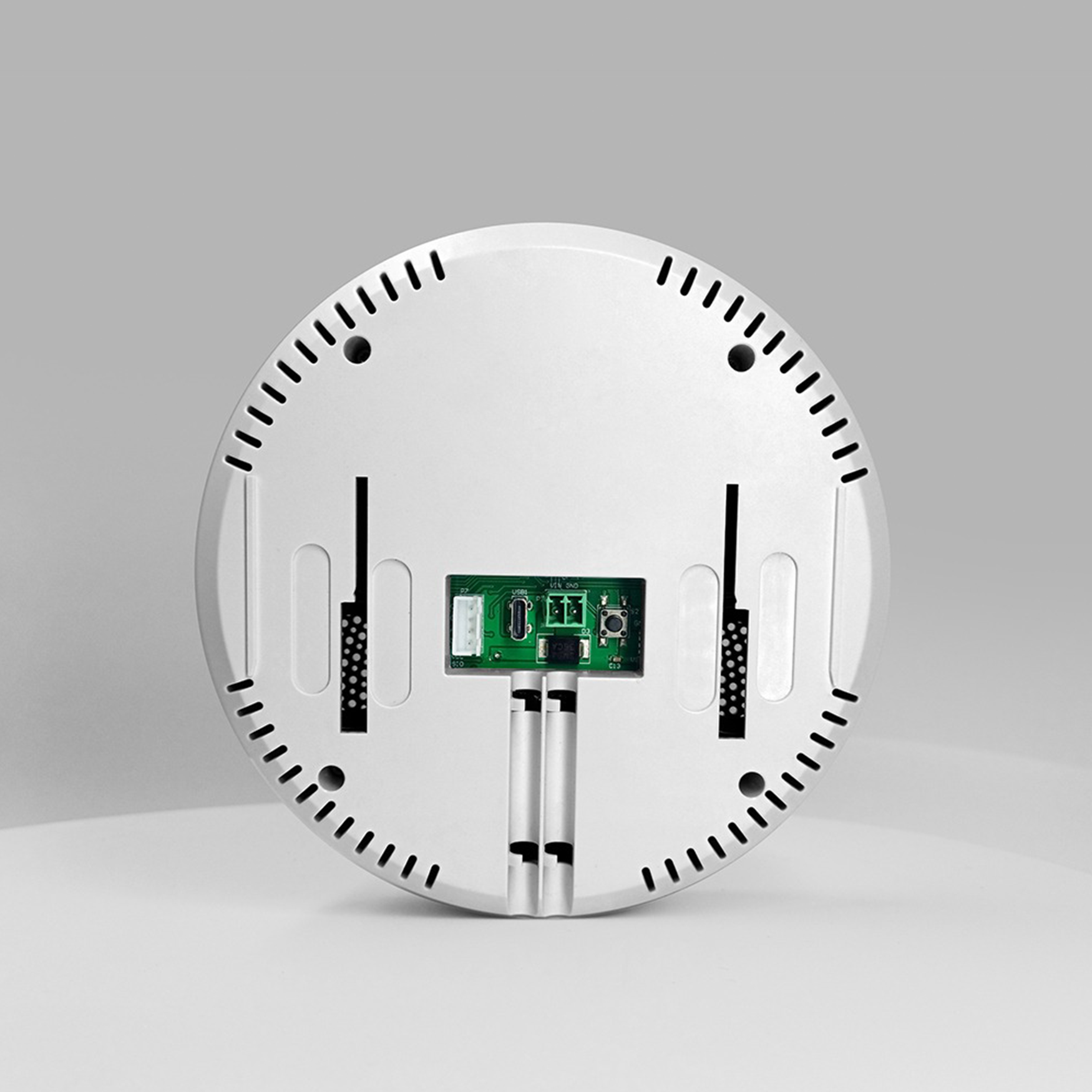
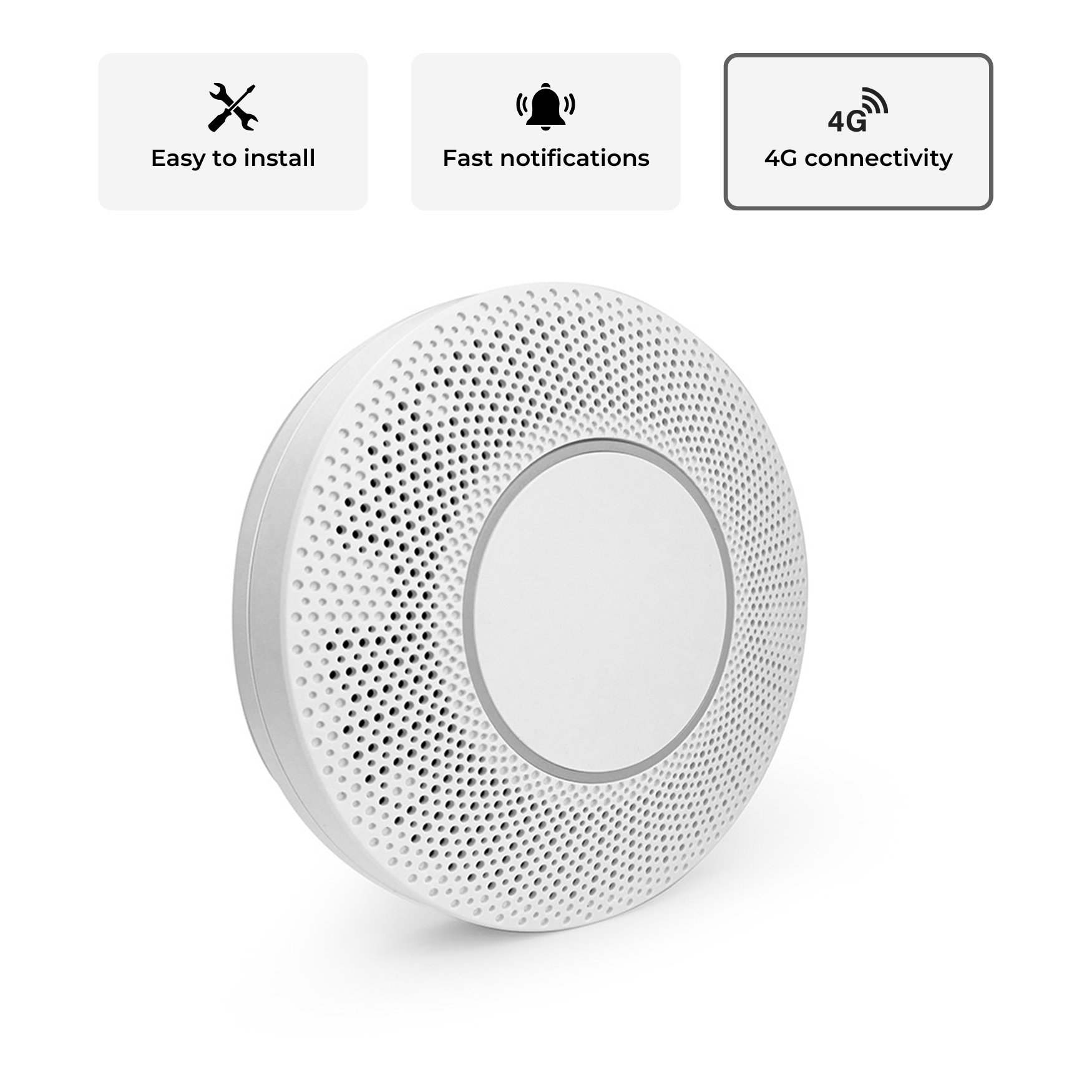
Schools should consider their specific circumstances, including building design, student population size, and existing ICT infrastructure. The network and connectivity requirements for detection systems vary depending on sensor type, with options including Power over Ethernet, Wi-Fi, and 4G connectivity to suit different installation scenarios.
Educational Interventions and Rehabilitation
Whilst detection technology provides valuable monitoring capabilities, addressing vaping in secondary schools ultimately requires changing attitudes, knowledge, and behaviour amongst young people. Punitive approaches alone seldom achieve lasting change, particularly when dealing with addiction and peer influenced behaviour. Progressive schools are increasingly adopting rehabilitation and education models that complement their enforcement strategies.
Evidence based interventions help students understand the genuine health risks associated with vaping, develop strategies to resist peer pressure, and access support for nicotine dependency. The Vape Guardian Education programme exemplifies this approach, offering a structured 35 minute student vaping intervention course developed in partnership with LifeLab at the University of Southampton. This curriculum provides six lessons with integrated quizzes, covering health impacts, industry marketing tactics, and practical strategies for quitting or avoiding uptake.
Designing Effective Educational Responses
Schools implementing comprehensive vaping education report improved student engagement and reduced repeat incidents:
- Universal prevention: Integrate vaping awareness into PSHE curriculum for all year groups
- Targeted intervention: Provide intensive support for students identified through detection or observation
- Peer education: Train student ambassadors to deliver age appropriate messages to their peers
- Parent engagement: Offer information sessions helping families recognise signs and support young people
- Ongoing support: Establish quit support groups and counselling for students with nicotine dependency
The American Academy of Pediatrics e-cigarette curriculum provides additional resources that schools can adapt, offering evidence based materials suitable for various age groups and educational contexts. By combining detection with education, schools create an environment where students understand both the monitoring in place and the genuine reasons behind it.
Policy Development and Whole School Approaches
Effectively managing vaping in secondary schools requires clear, consistently applied policies that are understood by students, staff, parents, and governors. UK government guidance on e-cigarettes and vaping provides a regulatory framework, but individual schools must develop specific policies reflecting their context and values.
Best practice policies address prevention, detection, consequences, and support in integrated fashion. They set clear expectations about where and when vaping is prohibited, specify how incidents will be investigated and recorded, outline graduated consequences for first and repeat offences, and identify support pathways for students struggling with nicotine addiction.
Essential Policy Components
Prohibition and Expectations
Schools should clearly state that vaping is prohibited on school premises, during school hours, and at school sponsored activities. This prohibition typically extends to possession of vaping devices and related products, not merely their use. Communication of these expectations should occur through student handbooks, parent information, assembly presentations, and visible signage.
Detection and Investigation Procedures
Policies must specify how suspected vaping incidents will be investigated, including the role of detection technology, witness statements, and physical searches where appropriate. Staff need clarity about their powers and responsibilities, whilst students require understanding of the process they will encounter if suspected of vaping.
Consequences and Sanctions
Graduated response frameworks typically include:
- First offence: Confiscation, parent contact, educational intervention
- Second offence: Internal isolation, formal behaviour contract, intensive support programme
- Persistent offences: Fixed term exclusion consideration, external agency referral, targeted intervention
Importantly, many schools now emphasise rehabilitation over exclusion, recognising that permanent exclusion often exacerbates the circumstances leading to substance use. The focus shifts towards breaking the pattern through understanding and support.
Support Pathways
Policies should identify available support for students, including access to school counselling, external cessation services, and health professionals. Schools can signpost young people towards NHS stop smoking services, many of which now address vaping cessation specifically.
Staff Training and Capacity Building
Managing vaping in secondary schools effectively depends heavily on staff confidence, knowledge, and consistency. Teachers, teaching assistants, lunchtime supervisors, site staff, and leadership teams all play distinct but interconnected roles in prevention, detection, and response. Without adequate training, even the most sophisticated policies and technologies will underdeliver.
Professional development should address both the factual understanding of vaping products and health impacts, and the practical skills required for conversations with young people about substance use. Staff need to distinguish between different types of devices, recognise signs of nicotine withdrawal or dependency, and respond to disclosures with appropriate balance of concern and boundary setting.
Role Specific Training Needs
Different staff members require tailored preparation reflecting their responsibilities:
- Designated safeguarding leads: Advanced understanding of addiction, risk assessment frameworks, multi-agency working
- Pastoral staff: Motivational interviewing techniques, cessation support strategies, family engagement skills
- Teaching staff: Curriculum delivery confidence, classroom management of vaping discussions, appropriate disclosure responses
- Site and facilities teams: Technology operation, alert response protocols, evidence gathering procedures
- Senior leaders: Policy development expertise, governor liaison, strategic planning, budget allocation
Resources available through Vape Guardian's education hub provide role specific guidance for headteachers, governors, finance managers, and other key personnel. This differentiated approach ensures that each stakeholder can contribute effectively to the whole school response.
Measuring Impact and Continuous Improvement
Schools investing resources in addressing vaping in secondary schools rightly expect to see measurable improvements in both incident rates and student wellbeing outcomes. Establishing baseline data before implementing new approaches, then tracking changes over time, enables evidence based refinement of strategies and demonstrates return on investment to governors and stakeholders.
Key Performance Indicators
Effective monitoring frameworks typically track multiple metrics:
| Metric Category | Specific Indicators | Data Sources |
|---|---|---|
| Incident rates | Number of detected vaping episodes, location patterns, time patterns | Detection systems, staff reports, behaviour logs |
| Student knowledge | Pre and post intervention assessment scores, attitude surveys | Educational programme data, PSHE assessments |
| Intervention outcomes | Repeat offence rates, engagement with support services, quit success rates | Pastoral records, external service feedback |
| Whole school climate | Student perception surveys, parent feedback, staff confidence ratings | Anonymous surveys, parent forums, staff questionnaires |
Schools should analyse trends over academic terms and years, looking for seasonal patterns, year group differences, and the impact of specific interventions. Data gathered from vape detection technology can reveal insights about peak incident times, effectiveness of deterrent messaging, and optimal sensor placement.
Engaging Parents and Wider Communities
Vaping in secondary schools cannot be addressed by schools alone. Young people's behaviour is influenced by family attitudes, community norms, local retail environments, and wider cultural messages. Effective responses therefore extend beyond school gates, engaging parents as partners and working with local authorities to address availability and enforcement issues.
Parent engagement begins with clear communication about school policies, the reasons behind them, and how families can reinforce messages at home. Many parents lack awareness of how prevalent vaping has become amongst young people or underestimate the health risks. Schools can provide information sessions, written resources, and signposting to support services.
Building Partnerships
Collaborative approaches involve multiple stakeholders:
- Local authorities: Coordinated policy development, trading standards enforcement, public health campaigns
- Police and community safety teams: Retail compliance checks, substance awareness programmes, school liaison
- Health services: Cessation support, health education resources, data sharing on youth health trends
- Parent organisations: Peer support networks, awareness raising, representation in policy development
- Local businesses: Responsible retailing agreements, age verification systems, community engagement
Truth Initiative research on educator perspectives highlights the importance of these partnerships, demonstrating that schools achieving the best outcomes consistently work in collaboration rather than isolation. Multi-agency approaches allow schools to address supply side factors whilst managing demand through education and enforcement.
Technology Integration and Building Safety Automation
Forward thinking schools are integrating vape detection within broader building safety and automation strategies. Rather than treating vaping monitoring as standalone technology, these institutions connect detection systems with fire alarms, access control, environmental monitoring, and other digital infrastructure. This integration creates efficiencies and enables more sophisticated responses to incidents.
Modern sensors detect not only vaping but also other concerning behaviours including aggressive noise patterns, unusual temperature changes, and air quality issues. When an incident is detected, automated protocols can lock relevant doors, activate recording systems, alert designated staff via mobile apps, and log events for review. This level of integration supports both immediate response and longer term analysis.
Schools interested in building safety automation should consider their technology roadmap holistically, ensuring that investments in vape detection complement rather than duplicate existing systems. Compatibility with school management information systems, integration with existing networks, and scalability for future needs should inform procurement decisions.
Balancing Privacy and Safeguarding
Deploying monitoring technology in schools inevitably raises questions about privacy, surveillance, and the appropriate balance between safeguarding and student rights. These concerns require thoughtful consideration and transparent communication with all stakeholders. Schools must demonstrate that vaping detection technology is proportionate, necessary, and deployed with appropriate safeguards.
Best practice includes consulting with students, parents, staff, and governors before implementation, clearly explaining what will be monitored and why. Technology should be targeted at specific high risk areas rather than deployed universally throughout school buildings. Washrooms and changing areas require particular sensitivity, with detection systems positioned to monitor air quality without visual surveillance capabilities.
Data protection considerations include secure storage of incident logs, clear retention periods, appropriate access controls, and compliance with GDPR requirements. Schools should develop privacy impact assessments documenting how they have minimised intrusion whilst achieving legitimate safeguarding objectives.
Vaping in secondary schools demands coordinated, evidence based responses combining detection technology, educational intervention, clear policy frameworks, and partnership working. Schools that invest in comprehensive approaches report meaningful reductions in incidents whilst better supporting students struggling with nicotine dependency. Vape Guardian provides the detection systems, educational resources, and expert guidance that enable schools to create safer, healthier environments where young people can thrive. Get a quote or book a 15 minute call to discover how advanced vape detection technology can support your school's safeguarding strategy.





Share:
Building Safety Automation: Complete Guide for 2026