

The rise in vaping across the United Kingdom has prompted organisations to seek effective monitoring solutions. From schools grappling with underage use to businesses maintaining smoke free policies, vape detectors UK installations have become a critical component of health and safety strategies. These sophisticated devices offer real time detection of vaping substances, enabling swift intervention and supporting compliance with workplace and educational safeguarding requirements. Understanding the technology, deployment options, and regulatory context helps organisations make informed decisions about protecting their environments.
Understanding Vape Detection Technology in the UK
Vape detectors represent a significant advancement in environmental monitoring, utilising sensor arrays that identify specific chemical signatures associated with vaping products. Unlike traditional smoke detectors that respond to combustion particles, these devices detect the aerosol compounds released by electronic cigarettes and vaping devices.
How Vape Detectors UK Systems Identify Vaping Activity
Modern vape detection systems employ multiple sensing technologies simultaneously. Particulate matter sensors measure the concentration and size distribution of aerosol particles suspended in the air, whilst volatile organic compound (VOC) sensors identify the chemical markers present in e-liquid vapour. Advanced algorithms analyse these data streams in combination, reducing false positives from sources like aerosol sprays or perfumes.
The detection process operates continuously, establishing baseline air quality readings for each monitored location. When the system identifies anomalous patterns consistent with vaping, it triggers alerts through multiple channels. Most installations support:
- Instant notifications via mobile applications
- Email alerts to designated staff members
- Integration with building management systems
- Local audible or visual warnings (optional)
- Detailed logging with timestamp and location data
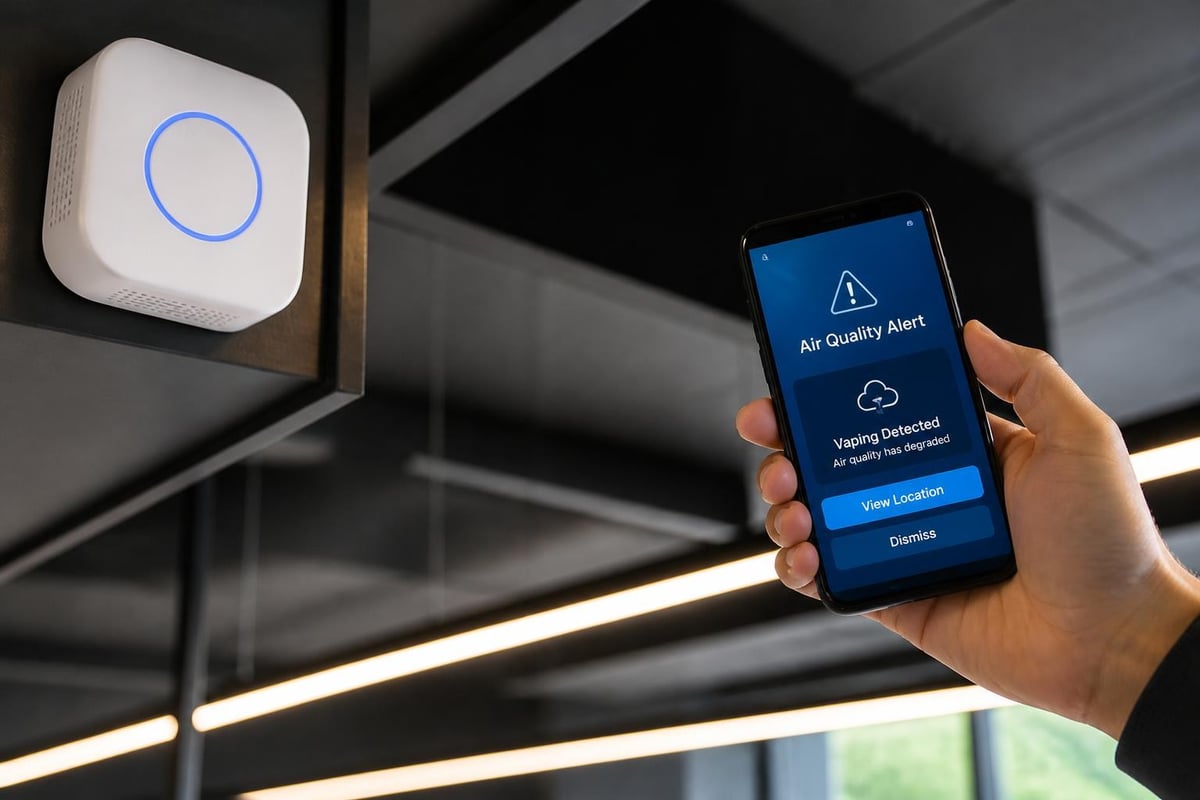
Temperature and humidity sensors add contextual data, helping distinguish between vaping and other environmental changes. This multi-sensor approach achieves detection accuracy rates exceeding 95% in controlled deployments, according to independent testing.
Chemical Signatures and Detection Capabilities
E-cigarette aerosols contain propylene glycol, vegetable glycerin, nicotine (in most cases), and various flavouring compounds. Each of these substances has distinct chemical properties that vape detectors UK installations monitor. The devices measure concentrations in parts per million, establishing thresholds that trigger alerts when exceeded.
Beyond vaping detection, many systems incorporate sensors for other substances and behaviours. Cannabis detection capabilities identify THC vapour signatures, whilst audio sensors can detect shouting or aggressive language, supporting broader anti-social behaviour monitoring. This comprehensive approach makes the technology valuable for safeguarding in multiple contexts.
| Detection Capability | Sensor Type | Typical Response Time |
|---|---|---|
| Nicotine vaping | VOC + Particulate | 3-8 seconds |
| THC vaping | Spectroscopic VOC | 5-10 seconds |
| Shouting/aggression | Audio analysis | Instant |
| Tamper detection | Accelerometer | Instant |
| Air quality baseline | Multi-sensor array | Continuous |
Deployment Contexts for Vape Detectors UK Wide
The versatility of modern vape detection technology suits diverse environments, each with unique requirements and challenges. Understanding these contexts helps organisations determine appropriate deployment strategies.
Educational Settings and School Installations
Schools face particular challenges with vaping, as the NHS reports growing concerns about youth vaping prevalence. Educational institutions typically install detectors in toilets, changing rooms, and other unsupervised areas where students might attempt to vape without detection by staff.
The UK government's analysis of youth vaping evidence highlighted that many schools have adopted detection systems as part of comprehensive safeguarding strategies. These installations serve dual purposes: deterrence through visible sensor placement and enforcement via reliable incident reporting.
When implementing vape detectors UK schools should consider:
- Privacy compliant placement avoiding areas where audio monitoring would be inappropriate
- Integration with existing safeguarding protocols ensuring alerts reach designated staff immediately
- Educational messaging explaining the technology's presence and purpose to students
- Response procedures training staff on appropriate interventions when alerts occur
- Data retention policies balancing incident documentation with privacy requirements
Many educational institutions find that visible sensors in themselves reduce vaping attempts, with some reporting incident reductions of 60-80% after installation. The technology supports vaping in schools UK policies by providing objective evidence when addressing behavioural issues with students and parents.
Commercial and Office Environments
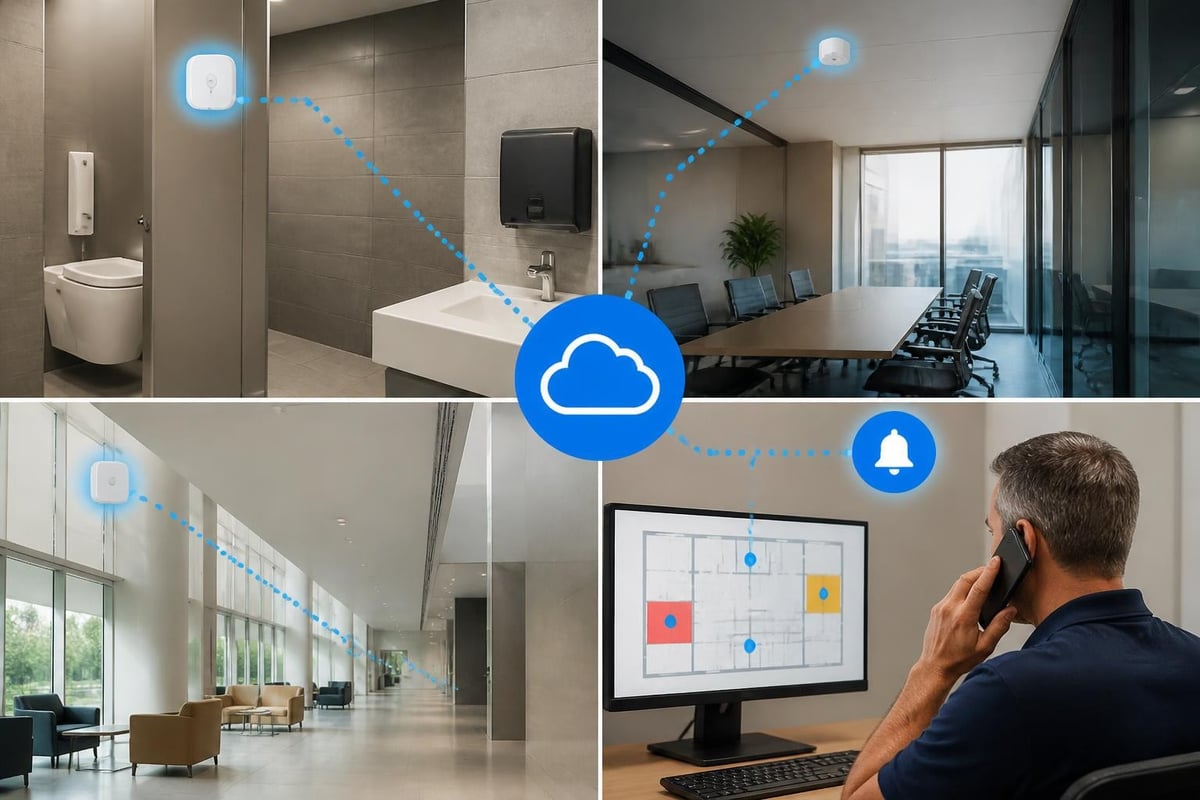
Workplaces deploying vape detectors UK solutions typically do so to enforce smoke free policies and maintain air quality standards. Open plan offices, meeting rooms, and toilet facilities represent common installation locations. The technology helps organisations demonstrate duty of care whilst avoiding confrontational monitoring approaches.
Office deployments often emphasise discretion, with sensors integrated into existing ceiling tiles or environmental control systems. Alert protocols differ from educational settings, typically notifying facilities managers or HR teams rather than triggering immediate interventions.
Leisure and Hospitality Venues
Leisure facilities, hotels, and entertainment venues use vape detectors UK installations to protect non-smoking areas and comply with premises licensing conditions. These environments present unique challenges, including variable occupancy levels and diverse user demographics.
Hotel rooms equipped with detection systems protect property from smoking damage whilst respecting guest privacy through chemical sensing rather than cameras or audio recording. Leisure centres monitor changing rooms and enclosed spaces where vaping might occur away from staff supervision.
The government's announcement on banning disposable vapes from 1 June 2025 will likely increase enforcement requirements in retail and leisure settings, making detection technology more valuable for compliance.
Selecting and Implementing Vape Detection Systems
Choosing appropriate vape detectors UK suppliers requires careful evaluation of technical specifications, connectivity options, and ongoing support requirements. The market offers various configurations suited to different organisational needs.
Power and Connectivity Options
Vape detection installations support multiple power and data transmission methods, each with distinct advantages:
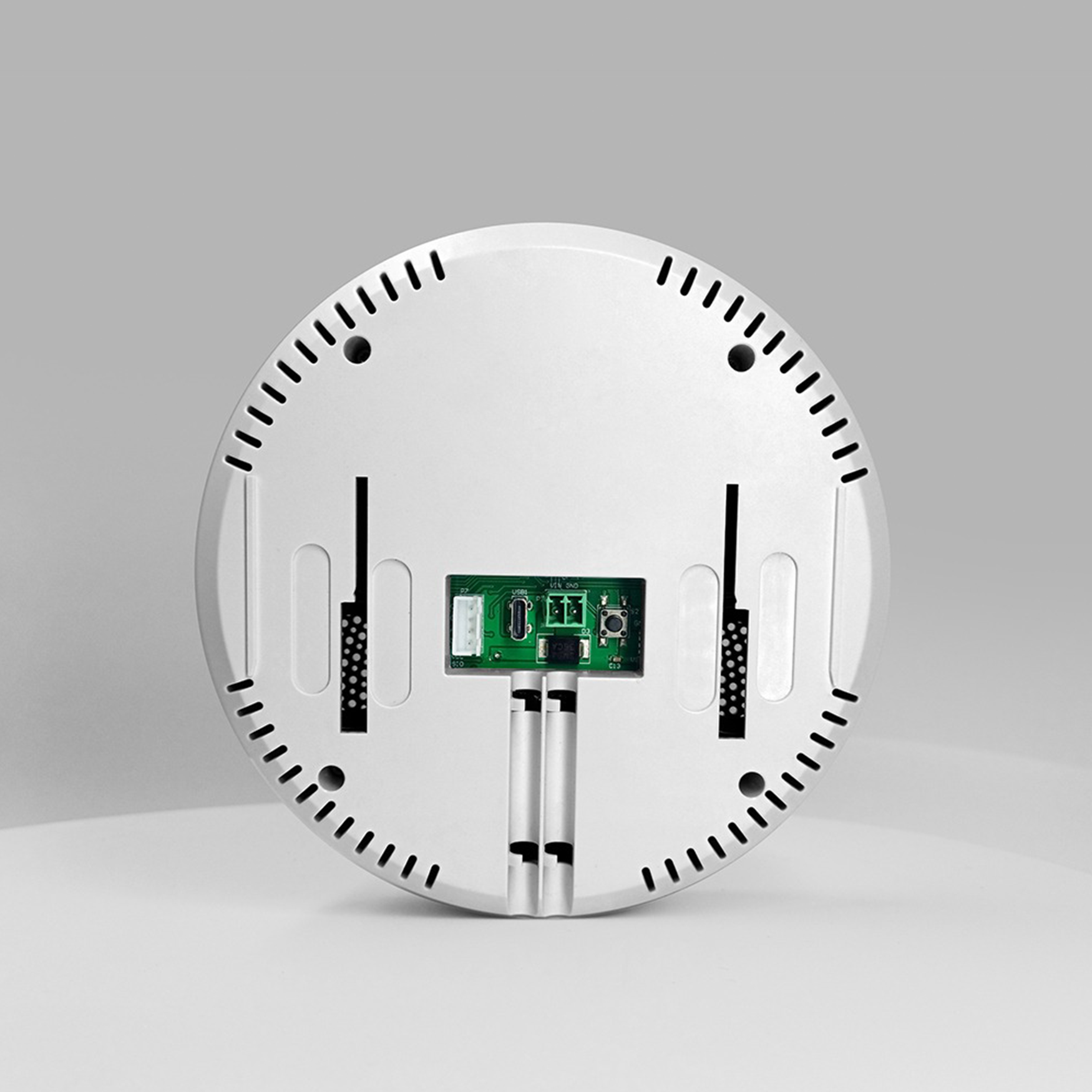
Power over Ethernet (PoE) solutions draw electrical power and transmit data through a single network cable, simplifying installation in buildings with existing structured cabling. These systems offer reliability and eliminate battery maintenance, making them ideal for permanent installations in schools and offices.
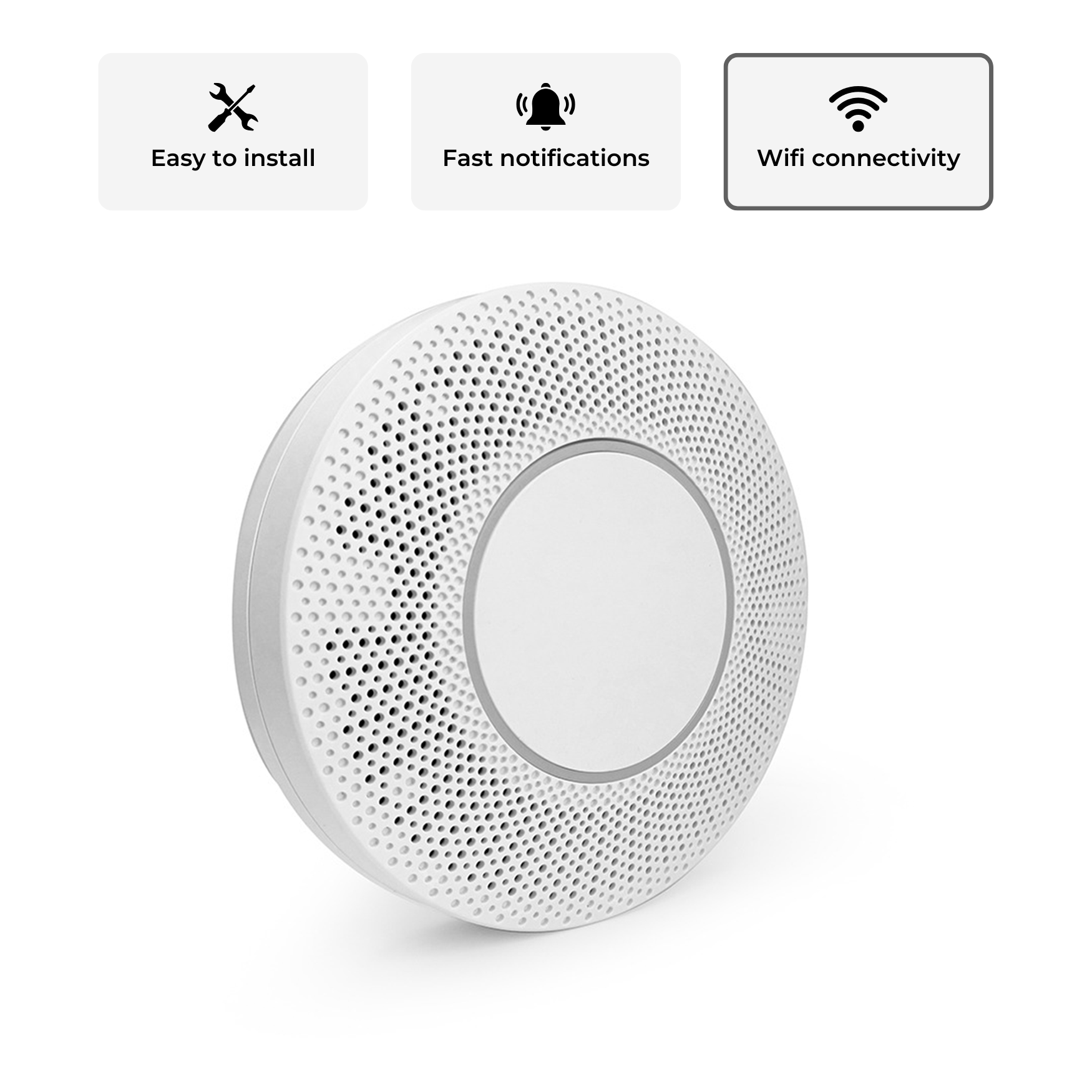
Wi-Fi enabled detectors connect to existing wireless networks, reducing installation complexity in locations without convenient network drops. They require mains power or regular battery changes but offer flexibility in placement.
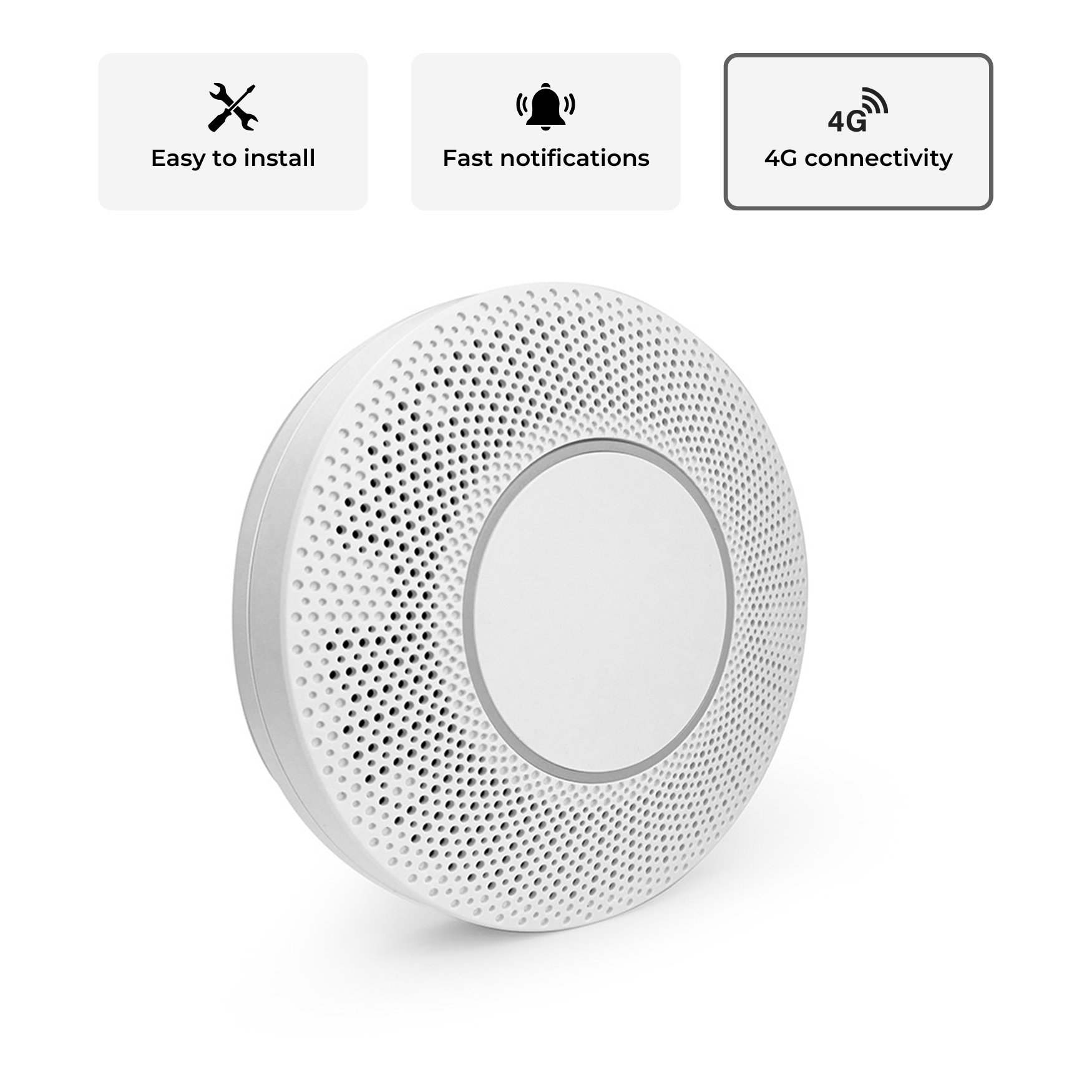
4G connected sensors operate independently of building infrastructure, suitable for temporary installations, remote locations, or environments where network access is restricted. Monthly connectivity fees apply, but deployment speed and portability offset these costs in many scenarios.
Organisations should assess their network infrastructure and IT security policies when selecting connectivity methods. Some environments prohibit wireless devices on primary networks, necessitating PoE solutions or dedicated wireless networks for monitoring equipment.
Software Platforms and Alert Management
The software platform accompanying vape detectors UK hardware determines the system's practical value. Effective platforms provide:
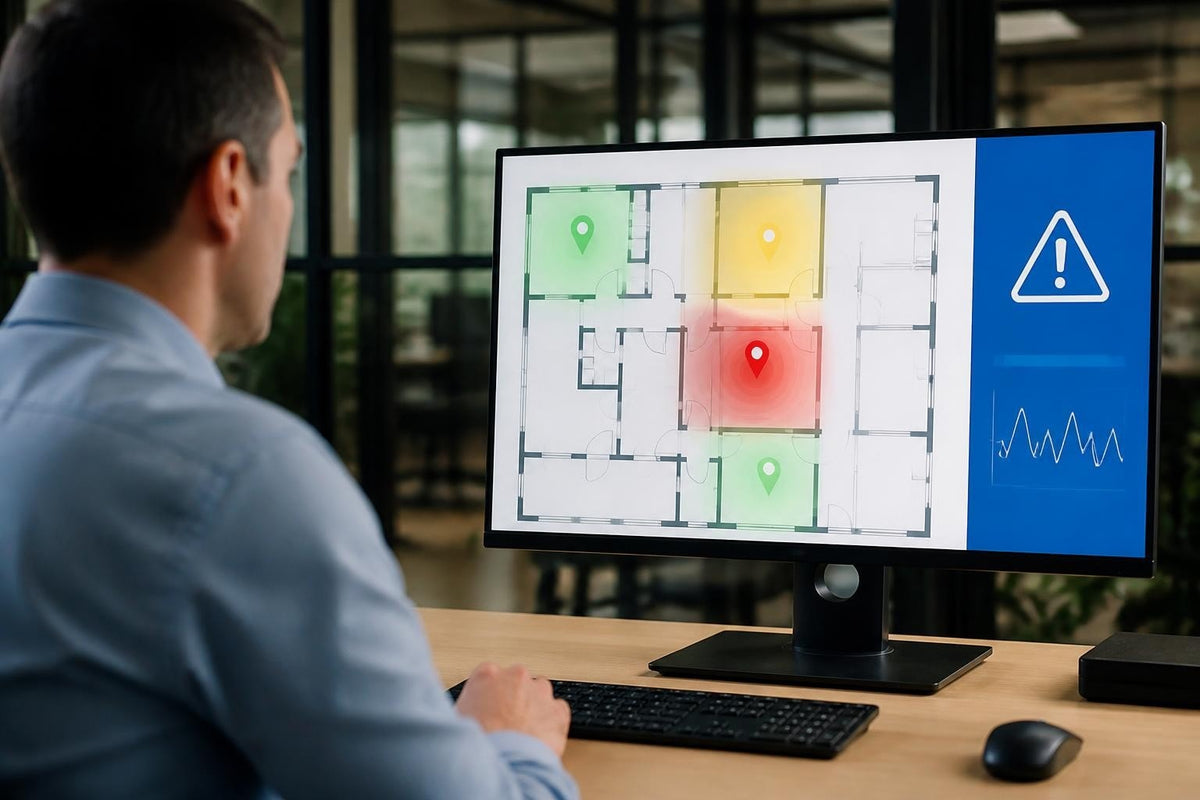
- Intuitive dashboards displaying sensor status, recent alerts, and historical trends
- Customisable alert routing sending notifications to appropriate personnel based on location, time, and incident type
- Reporting tools generating compliance documentation and usage statistics
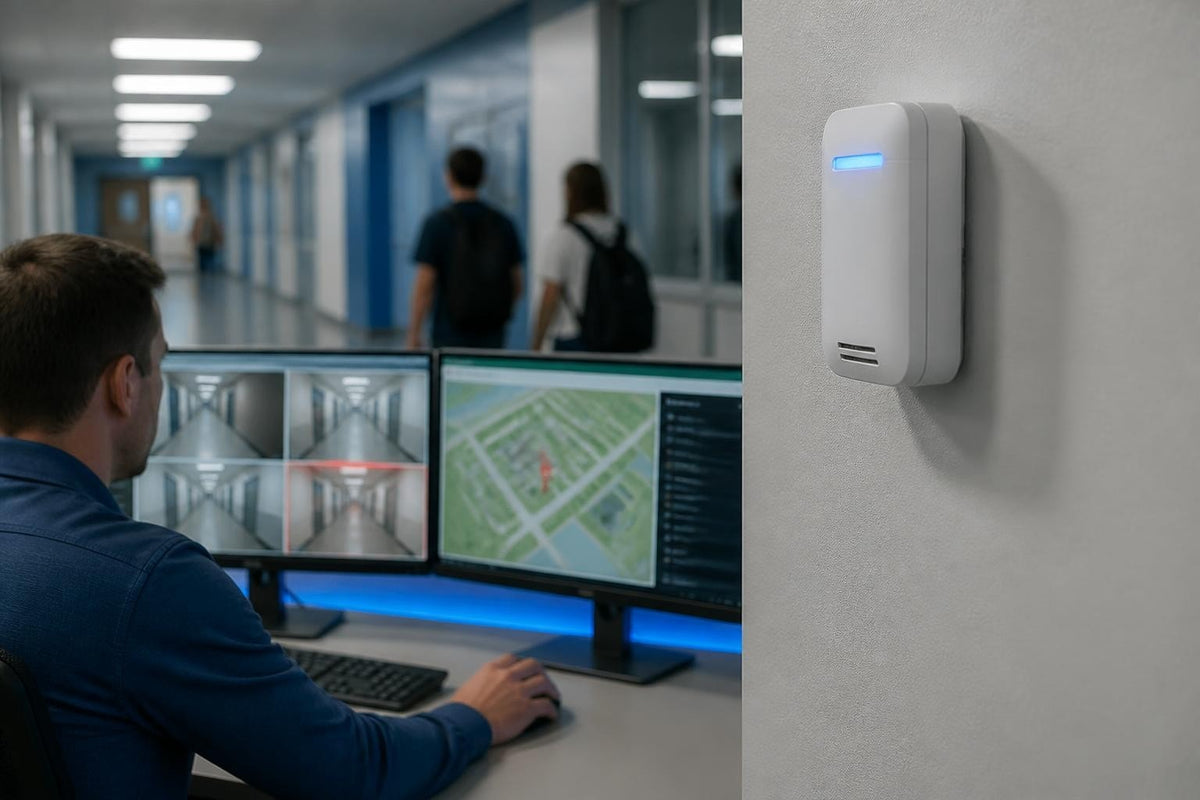
- Multi-site management for organisations monitoring multiple locations from centralised teams
- Mobile applications enabling on-the-go alert management and system oversight
Monthly subscription models typically cover software access, cloud storage, and ongoing updates. Pricing structures vary, with per-sensor fees ranging from £15 to £30 monthly depending on features and support levels.
Integration capabilities matter for larger organisations. Systems supporting REST APIs or webhooks enable connections with existing building management platforms, safeguarding databases, or facilities management software.
Installation Best Practices
Proper installation maximises detection effectiveness whilst minimising false alerts. Professional installers follow these principles:
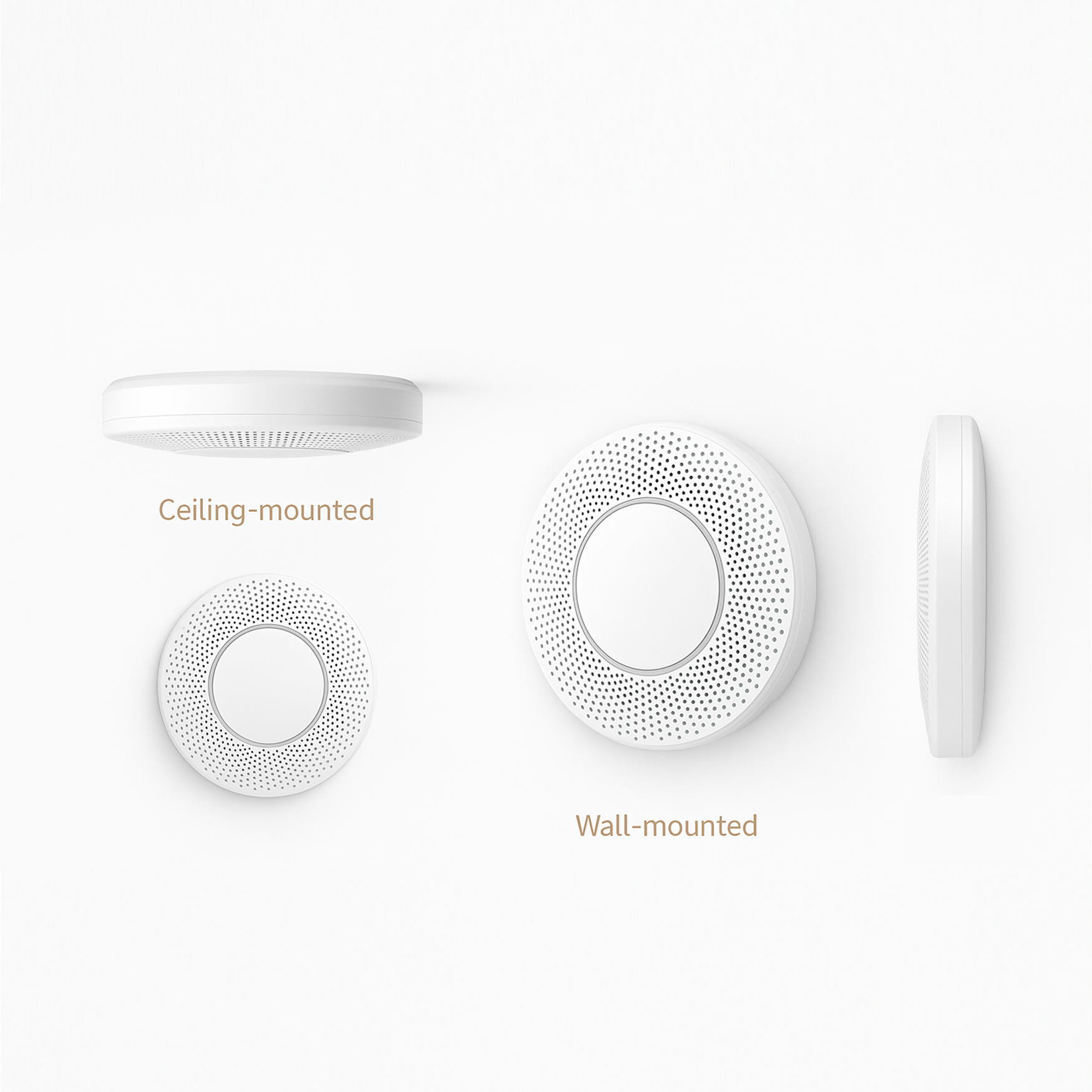
Sensor placement should account for air circulation patterns, placing devices in locations where aerosol will concentrate. Corners and areas near extraction fans often provide optimal positioning. Mounting height affects performance, with most manufacturers recommending ceiling installations between 2.4 and 3 metres.
Environmental factors influence sensor calibration. Spaces with high humidity, strong cleaning product use, or frequent aerosol spray application may require sensitivity adjustments or additional filtering algorithms.
Network coverage must support reliable data transmission, particularly for Wi-Fi systems. Site surveys identify signal strength and potential interference before installation, preventing connectivity issues.
Testing procedures verify detection accuracy and alert delivery after installation. Controlled vaping tests (conducted safely by installers) confirm the system responds appropriately across different device types and e-liquid compositions.
Regulatory and Policy Considerations
Operating vape detectors UK installations requires awareness of relevant legislation and guidance affecting privacy, data protection, and workplace monitoring.
Data Protection and Privacy Compliance
Vape detection systems collect environmental data and may record audio if configured with sound sensors. Organisations must ensure deployments comply with UK GDPR and Data Protection Act 2018 requirements.
Legitimate interest assessments should document why monitoring is necessary, demonstrating that detection serves safeguarding, health and safety, or contractual obligations. Privacy impact assessments help identify and mitigate risks, particularly when sensors include audio capabilities.
Transparency obligations require organisations to inform individuals about monitoring through clear signage and privacy notices. Staff, students, or visitors should understand what data the systems collect, how long it's retained, and who can access it.
Data minimisation principles apply: systems should only collect information necessary for their purpose. Audio sensors monitoring decibel levels for anti-social behaviour detection don't need to record actual conversations, for instance.
Sector Specific Guidance
Educational institutions can reference resources like the Dudley Council guidance for schools on youth vaping, which discusses detection technology within comprehensive safeguarding frameworks. Such documents help schools align technical solutions with pastoral care approaches.
The Environmental (Single-use Vapes) (England) Regulations 2024 introduce new compliance requirements that may affect how organisations handle vaping incidents and disposal of confiscated devices.
Workplaces should ensure vape detection policies integrate with existing disciplinary procedures and employment contracts. Consultation with staff representatives or unions before implementing monitoring technology maintains industrial relations and ensures procedural fairness.
Cost Considerations and Return on Investment
Budget planning for vape detectors UK projects encompasses initial hardware costs, recurring software fees, installation expenses, and ongoing maintenance.
Pricing Structure Overview
| Cost Component | Typical Range | Notes |
|---|---|---|
| Sensor hardware | £200-£350 per unit | Varies by connectivity type |
| Software subscription | £15-£30 per sensor monthly | Includes cloud platform and updates |
| Professional installation | £80-£150 per sensor | Depends on building complexity |
| 4G connectivity (if applicable) | £3-£5 per sensor monthly | Additional to software fees |
| Maintenance and support | Often included | Check contract terms |
Organisations deploying multiple sensors often negotiate volume discounts, particularly for educational or public sector purchasers. Trial programmes allow testing before committing to full deployments, reducing implementation risk.
Calculating Value Beyond Direct Costs
Return on investment extends beyond prevented vaping incidents. Schools report reduced staff time spent investigating suspected vaping, with objective sensor data replacing speculation and prolonged enquiries. This efficiency gain translates to hours of staff time redirected to educational activities.
Property damage prevention represents another value dimension. Vaping in toilets can trigger conventional fire alarms, causing building evacuations and potential false alarm charges from fire services. Detection systems preventing these incidents deliver measurable savings.
Health and safety compliance improvements reduce organisational liability. Documented monitoring demonstrates due diligence in maintaining healthy environments, particularly relevant given the NHS guidance on using e-cigarettes and associated health considerations.
Integration with Broader Health and Safety Strategies
Effective vape detectors UK deployments form part of comprehensive approaches rather than standalone solutions. The technology works best when integrated with education, policy enforcement, and support services.
Combining Detection with Education
Schools achieve strongest outcomes when pairing detection technology with student education programmes addressing vaping risks and cessation support. The combination of deterrence through monitoring and knowledge through education creates a supportive framework for behaviour change.
Staff training ensures consistent responses to alerts. Personnel should understand the technology's capabilities and limitations, appropriate intervention techniques, and referral pathways for students requiring additional support. This preparation prevents over-reactions whilst maintaining clear boundaries.
Multi-Layered Safeguarding Approaches
Detection systems complement rather than replace human oversight. Regular patrols, positive behaviour reinforcement, and accessible reporting channels for concerns create environments where vaping is less likely to occur.
The Vape Detection System exemplifies modern multi-capability monitoring, combining vape detection with drug use and anti-social behaviour monitoring through a single hardware platform. This comprehensive approach maximises the value of sensor installations whilst simplifying system management.

Data from detection systems informs policy refinement. Trends showing particular locations or times with frequent incidents help organisations target additional supervision or environmental modifications. This evidence based approach improves intervention effectiveness over time.
Supporting Smoking Cessation Efforts
Whilst detection systems enforce no vaping policies, organisations should consider parallel support for individuals trying to quit. Workplace wellness programmes or school counselling services that include vaping cessation resources demonstrate a balanced approach prioritising health over punishment.
For adults using vaping as a smoking cessation tool, clear policies about designated areas or break time provisions maintain policy compliance whilst supporting harm reduction goals. The technology enables this nuance through location specific monitoring rather than blanket restrictions.
Future Developments in Vape Detection Technology
The vape detectors UK market continues evolving, with manufacturers developing enhanced capabilities and improved integration options.
Artificial Intelligence and Machine Learning
Current generation systems employ rule based algorithms, but machine learning models promise improved accuracy through pattern recognition. These systems learn typical environmental conditions for each location, refining detection thresholds and reducing false positives over time.
AI driven analysis could identify emerging vaping product types automatically, adapting to new e-liquid formulations or device designs without manual reprogramming. This adaptability extends system longevity and maintains effectiveness as vaping technology evolves.
Expanded Environmental Monitoring
Future sensor platforms will likely incorporate additional air quality measurements, tracking carbon dioxide, particulate pollution, and allergens alongside vaping detection. This consolidation reduces the number of separate monitoring systems organisations need to deploy and maintain.
Integration with building automation systems enables responsive environmental control. Detection of poor air quality could automatically increase ventilation rates, improving conditions whilst providing data for facilities management optimisation.
Miniaturisation and Aesthetics
As component technology advances, sensors continue shrinking. Smaller form factors enable more discreet installations and broader placement options. Improved industrial design makes devices less obtrusive in architectural contexts where visible technology detracts from aesthetics.
Battery technology improvements extend operational periods for wireless sensors, reducing maintenance requirements. Solar powered options may become viable for certain installations, eliminating power infrastructure requirements entirely.
Addressing Common Implementation Challenges
Organisations deploying vape detectors UK systems encounter predictable challenges. Understanding these issues and proven solutions streamlines implementations.
Managing False Positives
No detection system achieves perfect accuracy. Environmental factors occasionally trigger alerts despite no actual vaping occurring. Strong cleaning products, aerosol air fresheners, or even high humidity can cause false positives in sensitive configurations.
Solution approaches include:
- Calibration periods allowing systems to learn normal conditions before activating alerts
- Sensitivity adjustments balancing detection capability against false alarm rates
- Alert confirmation protocols requiring multiple sensors or sustained detections before escalating responses
- Staff training emphasising investigation over assumption when responding to alerts
- Regular review of alert patterns identifying systematic false positive sources
Most platforms provide alert classification features, allowing staff to mark false positives. This feedback improves system learning in AI-enabled platforms.
Ensuring Consistent Response Procedures
Technology provides data, but humans must respond appropriately. Inconsistent reactions to alerts undermine the system's deterrent value and create fairness concerns.
Documented response procedures specify who receives alerts, expected response timeframes, and intervention steps. These protocols should align with existing disciplinary frameworks, ensuring vaping incidents receive proportionate treatment consistent with other policy violations.
Regular training refreshers maintain procedural consistency, particularly in environments with staff turnover. Role playing exercises help personnel develop confidence in approaching individuals following alerts.
Maintaining System Performance
Like all technology, vape detectors require ongoing maintenance. Sensor calibration drift, network connectivity issues, and software bugs can degrade performance over time.
Maintenance best practices include:
- Monthly sensor self-test reviews confirming operational status
- Quarterly sensitivity calibration using manufacturer protocols
- Annual professional servicing including physical cleaning and component inspection
- Immediate investigation of any alert delivery failures
- Regular software updates applied during low-usage periods
Maintenance agreements with suppliers typically include remote monitoring, automatic fault detection, and responsive technical support. These services prevent minor issues escalating into system failures.
Procurement Processes for Vape Detectors UK
Organisations purchasing detection systems benefit from structured procurement approaches ensuring value and suitability.
Requirements Definition
Effective procurement begins with clear requirements. Stakeholder consultation identifies must have features, preferred capabilities, and nice-to-have additions. Key questions include:
- How many locations require monitoring, and what are their connectivity options?
- What alert routing and escalation capabilities are essential?
- Do reporting requirements demand particular data formats or retention periods?
- Are there integration needs with existing systems?
- What budget constraints apply to capital and operational expenditure?
Requirements documents should distinguish between essential and desirable features, enabling evaluation scoring that prioritises critical capabilities.
Evaluation Criteria
Beyond technical specifications, evaluation should consider:
| Criterion | Weight Considerations |
|---|---|
| Detection accuracy | Critical for system credibility |
| Alert delivery reliability | Failures undermine entire deployment |
| Software usability | Affects daily operational efficiency |
| Supplier support quality | Important for issue resolution |
| System scalability | Enables future expansion |
| Data security practices | Essential for compliance |
| Reference site performance | Real world validation |
Requesting demonstrations with actual vaping devices (conducted safely) provides confidence in detection capabilities. References from similar organisations offer insights into long term performance and support experiences.
Trial and Pilot Programmes
Many suppliers offer trial periods or pilot deployments enabling real world testing before full commitment. These programmes should include:
- Sufficient sensors to test various environments and scenarios
- Full software platform access demonstrating all features
- Technical support mimicking full deployment conditions
- Clear success criteria agreed in advance
- Defined evaluation periods with review milestones
Pilot outcomes inform full deployment planning, identifying unexpected challenges and confirming anticipated benefits. Lessons learned during trials improve rollout strategies.
Supporting Resources and Further Information
Organisations implementing vape detectors UK systems can access various resources supporting successful deployments.
Educational sector specific guidance appears on platforms like Vape Guardian's education hub, offering role based information for headteachers, designated safeguarding leads, and facilities managers. These resources contextualise technical capabilities within educational safeguarding frameworks.
Technical documentation including network connectivity guides and sensor setup instructions helps IT teams prepare infrastructure and troubleshoot issues.
Best practice resources covering handling vaping alerts ensure staff respond appropriately and consistently, maximising the technology's deterrent value whilst maintaining supportive environments.
Industry forums and peer networks enable experience sharing between organisations deploying similar systems. These communities discuss practical challenges, solution approaches, and emerging best practices that formal documentation may not yet address.
Supplier technical support teams provide essential assistance during implementation and ongoing operation. Responsive, knowledgeable support distinguishes quality providers from those offering adequate hardware but inadequate service.
Implementing vape detectors UK wide requires balancing technological capability with privacy considerations, policy frameworks, and organisational culture. When deployed thoughtfully as part of comprehensive health and safety strategies, these systems provide objective monitoring that deters inappropriate behaviour whilst supporting intervention and education efforts. Whether protecting students in schools, maintaining workplace policies, or ensuring compliance in leisure venues, modern detection technology offers reliable, discreet monitoring that creates safer, healthier environments. Vape Guardian provides advanced detection solutions with real time alerts, comprehensive air quality monitoring, and dedicated UK based support, helping organisations across education, commercial, and leisure sectors create environments where health and safety standards are maintained through intelligent, responsive technology.



Share:
Vaping in Schools UK: A Complete 2026 Guide for Educators
Vaping Law UK: Complete 2026 Guide for Schools & Workplaces