

The regulatory landscape surrounding vaping in the United Kingdom has evolved significantly since electronic cigarettes first appeared on the market. Understanding vaping law UK requirements is essential for anyone responsible for maintaining safe, compliant environments, particularly in schools, workplaces, and public spaces. As we navigate 2026, the legal framework balances public health objectives with harm reduction strategies, creating a complex set of obligations for businesses, educators, and enforcement authorities. This comprehensive guide explores the current state of vaping legislation, enforcement mechanisms, and practical compliance measures that organisations must implement.
The Legislative Framework Governing Vaping in the UK
Vaping law UK operates through multiple layers of regulation, each addressing different aspects of electronic cigarette use, sale, and marketing. The primary legislation stems from the Tobacco and Related Products Regulations 2016, which transposed the European Union's Tobacco Products Directive into British law. Despite Brexit, the UK has retained and refined these standards, creating a robust regulatory environment.
The official guidance on e-cigarette regulations for consumer products provides the foundation for market access and product compliance. These regulations cover notification requirements, safety standards, labelling obligations, and ingredient restrictions. Products containing nicotine must not exceed 20mg/ml strength, and refillable containers are limited to 10ml capacity. Tank sizes cannot exceed 2ml for devices sold with prefilled cartridges.
Trading standards officers enforce these requirements at the local level, with the Medicines and Healthcare products Regulatory Agency (MHRA) providing oversight for products marketed with therapeutic claims. The MHRA guidance on licensing electronic cigarettes as medicines outlines the pathway for products intended as smoking cessation aids, though most consumer vaping products remain outside this framework.
Age Restrictions and Sales Regulations
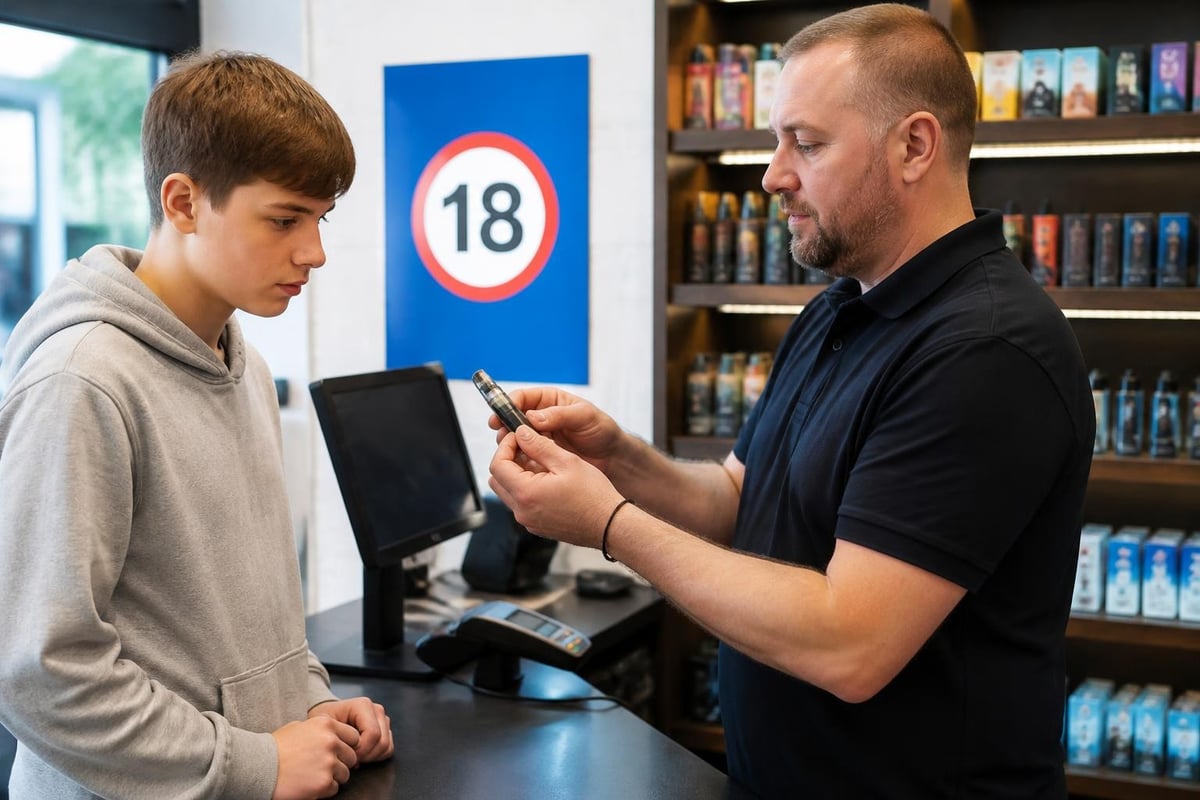
One of the most critical elements of vaping law UK concerns age restrictions. It is illegal to sell vaping products, including devices, e-liquids, and components, to anyone under 18 years of age. This prohibition extends beyond direct sales to proxy purchasing, making it an offence for adults to buy vaping products on behalf of minors.
Retailers face stringent obligations under these regulations:
- Display age verification signage at point of sale
- Implement robust age checking procedures including Challenge 25 policies
- Maintain staff training records on underage sales prevention
- Keep transaction logs for compliance verification
- Report suspected underage use to local authorities
The London Trading Standards guidance on e-cigarettes provides practical enforcement perspectives that retailers and venue operators must understand. Penalties for underage sales include fines up to £2,500 and potential prohibition notices preventing future sales.
Workplace and Public Space Regulations
Vaping law UK does not currently prohibit vaping in most public spaces at the national level, creating a patchwork of local policies. However, the legal position differs significantly from smoking regulations. The Health Act 2006, which banned smoking in enclosed public spaces and workplaces, does not extend to vaping. This creates both opportunities and obligations for employers and venue operators.
Employers retain the legal right to prohibit or restrict vaping on their premises. Many organisations have implemented comprehensive vape free policies to maintain air quality, reduce distraction, and prevent normalisation of vaping behaviours, particularly where young people are present. The absence of statutory prohibition means employers must establish clear workplace policies and communicate them effectively.
| Setting Type | Legal Status | Common Restrictions |
|---|---|---|
| Schools | Not statutorily banned | Universally prohibited via internal policy |
| Hospitals | Not statutorily banned | Typically banned in all areas |
| Public Transport | Operator discretion | Usually prohibited via terms of carriage |
| Offices | Employer discretion | Increasingly restricted or banned |
| Hospitality | Venue discretion | Variable, often prohibited indoors |
Schools face particular challenges regarding vaping law UK compliance. While vaping is not illegal for those aged 18 and over, school policies universally prohibit it for staff and students. Vaping in schools UK has become a significant enforcement concern, with headteachers balancing pastoral care, disciplinary measures, and safeguarding responsibilities.
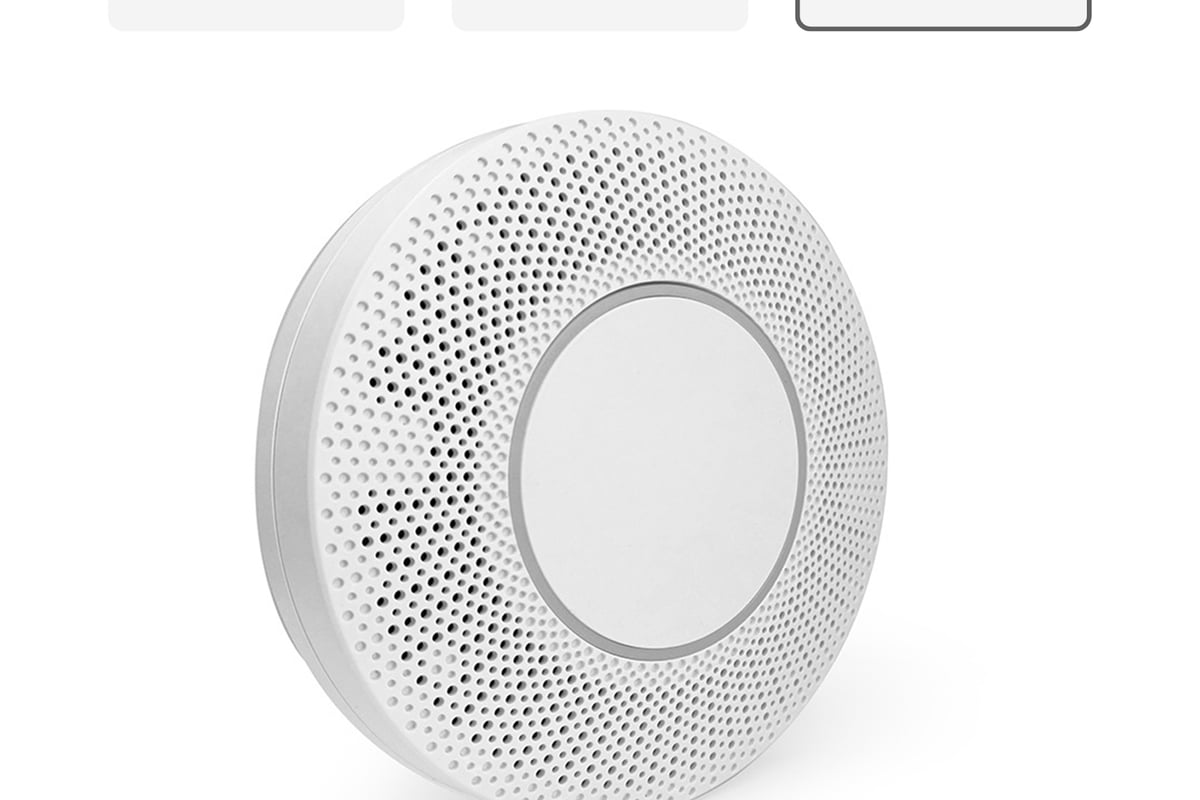
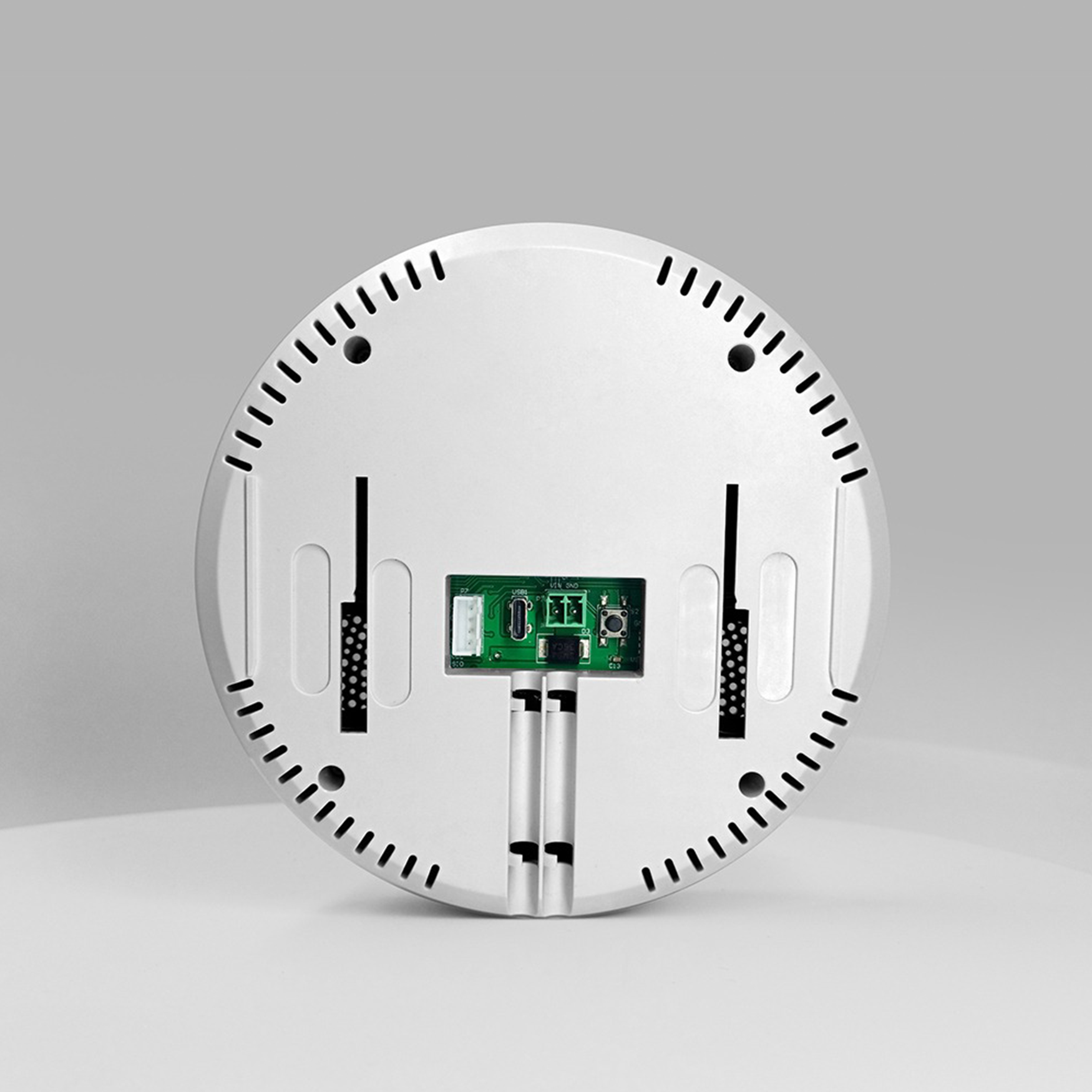
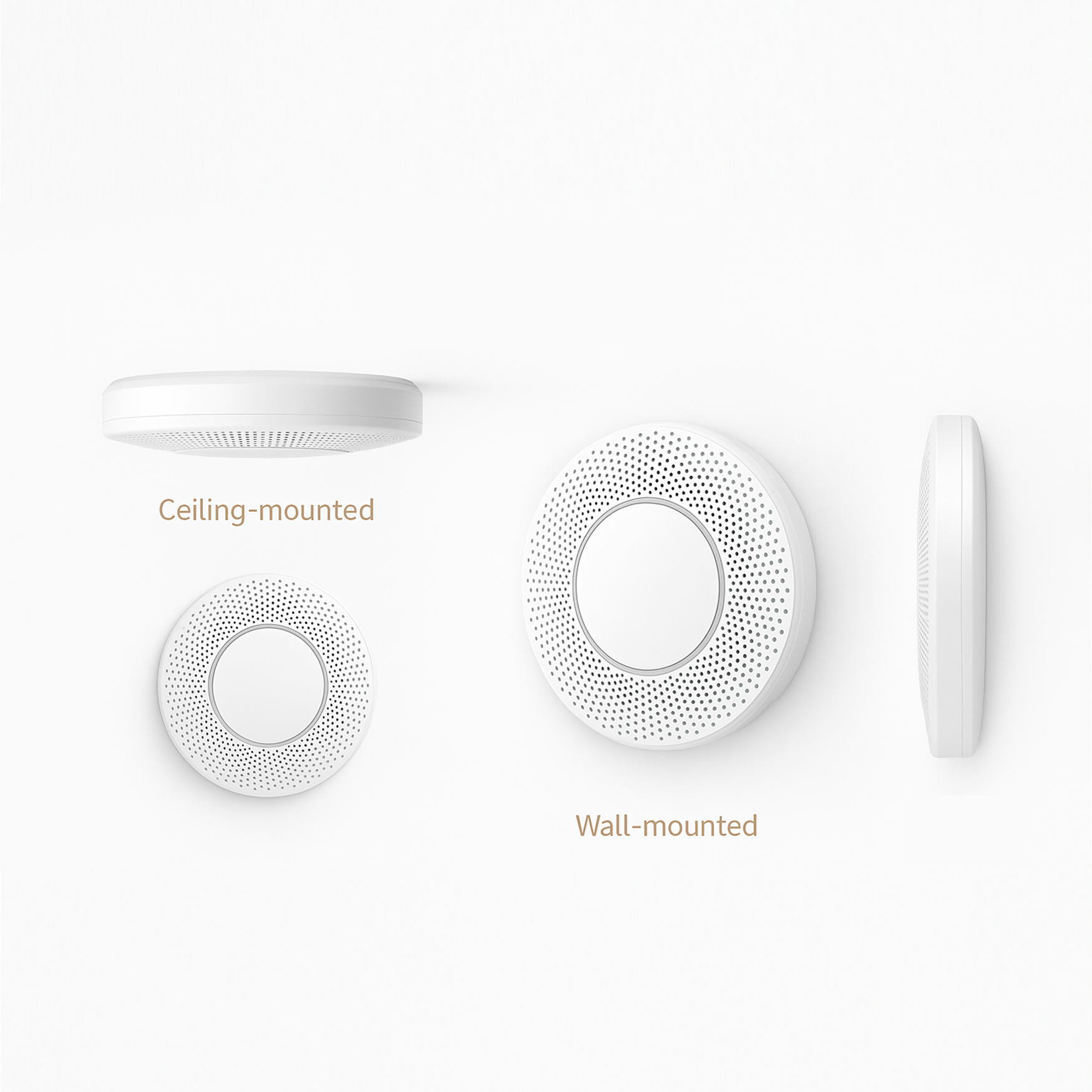
The rise of underage vaping has prompted many educational institutions to invest in detection technology. Implementing a Vape Detection System enables schools to identify incidents in real time, supporting both policy enforcement and safeguarding interventions without intrusive supervision. These systems detect vaping substances, providing alerts that help staff respond promptly to breaches while maintaining student dignity and privacy.
Compliance Obligations for Different Sectors
Different sectors face varying compliance burdens under vaping law UK. Educational settings must navigate child protection duties alongside behaviour management. Healthcare environments must protect vulnerable patients from exposure. Corporate offices must balance employee autonomy with workplace safety and productivity concerns.
Key compliance steps include:
- Policy Development: Create clear, written policies addressing where, when, and whether vaping is permitted
- Communication: Ensure all stakeholders understand the rules through signage, handbooks, and induction processes
- Enforcement Mechanisms: Establish proportionate consequences for policy breaches
- Detection and Monitoring: Implement appropriate technology or supervision to identify non-compliance
- Support Pathways: Provide cessation support for those wishing to quit vaping
- Regular Review: Update policies in response to legislative changes and emerging evidence
The NHS guidance on vaping to quit smoking recognises vaping as a legitimate cessation tool for adult smokers, complicating workplace policies that must distinguish between recreational use and harm reduction. Employers should consider whether designated vaping areas might support employees attempting to quit smoking whilst maintaining overall workplace standards.
Product Safety and Marketing Restrictions
Vaping law UK imposes strict controls on how products are manufactured, labelled, and advertised. The Tobacco and Related Products Regulations 2016 require manufacturers and importers to notify the MHRA of all products before they can be sold legally. This notification must include detailed information on ingredients, emissions, and toxicological data.
Safety requirements under vaping law UK include:
- Child resistant and tamper evident packaging for e-liquids
- Mandatory health warnings covering 30% of front and back surfaces
- Comprehensive ingredient lists on packaging and accompanying leaflets
- Emission reporting for key toxicological substances
- Quality and manufacturing standards ensuring consistent product safety
Marketing restrictions mirror those applied to tobacco products in many respects. Cross-border advertising is prohibited, and promotional activities face significant constraints. Advertising in print media is permitted only in publications aimed at the tobacco trade. Television and radio advertising remain prohibited. Sponsorship of events and free distribution of samples face similar restrictions to tobacco products.
These marketing limitations reflect the dual policy objectives underlying vaping law UK: supporting adult smokers to switch from combustible tobacco whilst preventing youth uptake and renormalisation of nicotine use. The Cancer Research UK analysis of the Tobacco and Vapes Bill discusses this balance and addresses common misconceptions about regulatory goals.
Enforcement Mechanisms and Penalties
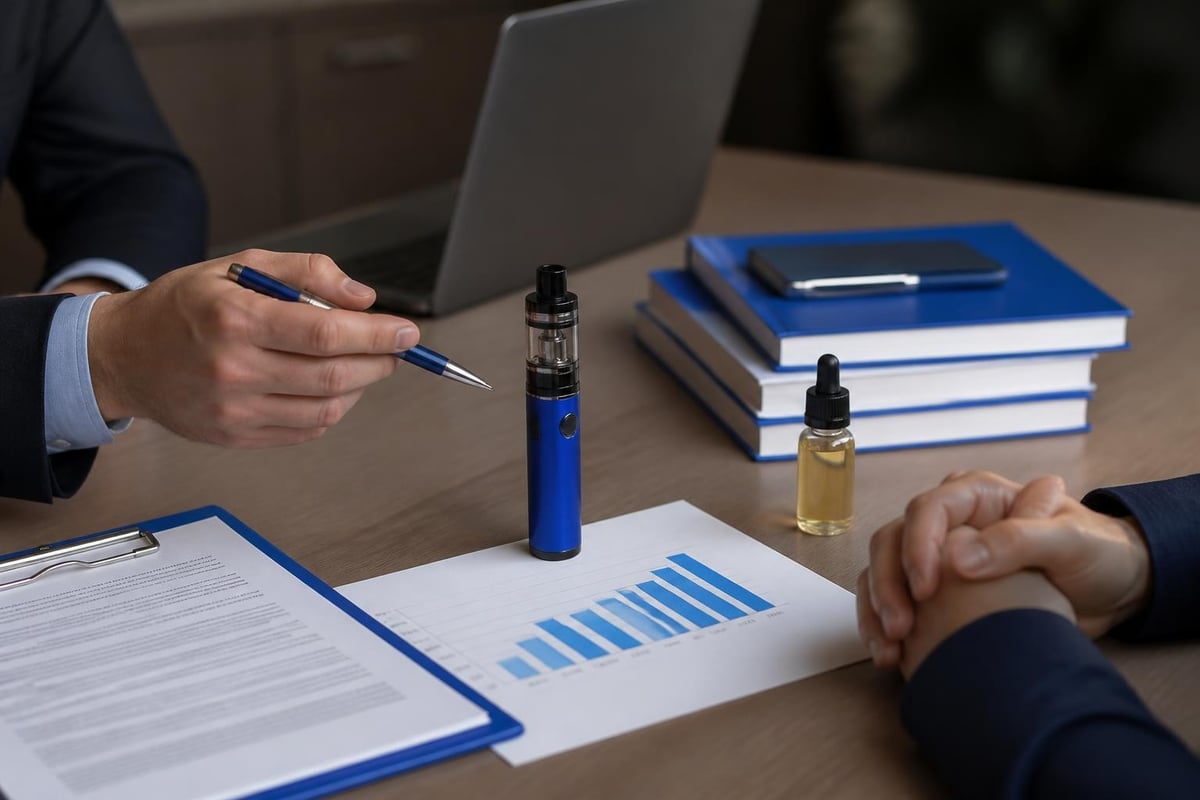
Enforcement of vaping law UK involves multiple agencies working at national and local levels. Trading standards services lead on consumer protection aspects, investigating complaints about non-compliant products, underage sales, and misleading marketing. The MHRA oversees product notifications and can take action against manufacturers placing unsafe or non-compliant products on the market.
Penalties vary depending on the nature and severity of the offence. Underage sales typically result in fines, but repeat offenders may face prohibition notices preventing them from selling vaping products. Product safety violations can lead to product recalls, substantial fines, and in serious cases, criminal prosecution. Maximum penalties include imprisonment for up to two years for the most serious offences.
Local authorities have deployed test purchasing operations to identify retailers selling to underage customers. These operations have revealed concerning compliance rates in some areas, prompting intensified enforcement activity. Schools have also increased vigilance, with many implementing technology solutions to detect vaping in areas where supervision is difficult, such as toilets and changing rooms.
The effectiveness of enforcement depends significantly on reporting mechanisms. Helping schools tackle vaping requires collaboration between staff, parents, and students to identify concerns and implement appropriate interventions. Technology can support these efforts by providing objective evidence of policy breaches without relying solely on witness statements.
Evidence Base and Public Health Context
The public health rationale underpinning vaping law UK draws on extensive research into the relative harms of vaping compared to smoking and the population level impacts of vaping availability. The UKHSA research on vaping and harm in young people provides systematic evidence reviews informing policy development.
Current evidence suggests vaping is substantially less harmful than smoking combustible tobacco, though not risk free. The Cochrane review on electronic cigarettes for smoking cessation found moderate certainty evidence that nicotine containing e-cigarettes increase quit rates compared to nicotine replacement therapy.
However, youth uptake presents significant concerns that have shaped regulatory approaches. Data indicates rising experimentation rates among young people who have never smoked, creating potential for nicotine addiction among a new generation. This has prompted calls for enhanced restrictions, including flavour bans, plain packaging requirements, and display restrictions similar to those applied to tobacco.
Balancing Harm Reduction and Youth Protection
Policymakers face the challenge of maintaining vaping availability for adult smokers whilst minimising youth appeal and uptake. Vaping law UK attempts to strike this balance through age restrictions, marketing limitations, and product standards. The effectiveness of this approach remains subject to ongoing evaluation and refinement.
Organisations implementing compliance measures must consider this context. School vape policy solutions should incorporate education about both the relative harms compared to smoking and the absolute health risks, particularly for young people whose brains are still developing. Workplace policies might differentiate between employees using vaping as a cessation tool and those who have never smoked.
Future Regulatory Developments
The regulatory landscape for vaping law UK continues to evolve in response to emerging evidence and market developments. Proposed changes under consideration include:
- Flavour restrictions limiting appeal to young people
- Plain packaging requirements removing branding that might attract youth
- Display bans in retail environments similar to tobacco
- Increased taxation to reduce affordability and fund public health measures
- Licensing schemes for retailers to enhance enforcement capability
These potential developments reflect ongoing policy debates about the appropriate regulatory approach. Some public health advocates argue for stricter controls to prevent youth uptake, whilst others emphasise the importance of maintaining availability for adult smokers attempting to quit. The analysis of vaping regulation explores these tensions and the case for evidence based policy development.
Educational institutions and workplaces should monitor these developments and be prepared to update policies accordingly. Effective compliance frameworks remain flexible enough to incorporate regulatory changes without requiring complete policy overhauls. Building relationships with enforcement authorities and staying informed about legislative proposals enables organisations to anticipate and prepare for changes.
Practical Compliance Strategies
Implementing effective compliance with vaping law UK requires systematic approaches tailored to organisational context. Schools, workplaces, and public venues each face distinct challenges requiring customised solutions.
For Educational Settings
Schools must address vaping law UK compliance within broader safeguarding and behaviour management frameworks. Effective strategies include:
- Clear Policy Development: Establish unambiguous rules with proportionate consequences
- Education Programmes: Teach students about health risks and legal restrictions
- Detection Technology: Deploy sensors in high risk areas like toilets
- Staff Training: Equip teachers and support staff to identify and respond to concerns
- Parent Engagement: Communicate policies and seek family support for enforcement
- Support Services: Provide cessation support for students who vape regularly
The evidence on whether vape detectors work in bathrooms demonstrates the effectiveness of modern detection technology in supporting policy enforcement whilst respecting privacy.
For Workplace Environments
Employers implementing vaping restrictions should follow structured approaches ensuring legal compliance and employee acceptance:
| Implementation Step | Key Considerations | Timeline |
|---|---|---|
| Policy Design | Consult employees, align with organisational values | 4-6 weeks |
| Communication | Multiple channels, clear rationale, Q&A sessions | 2-3 weeks |
| Infrastructure | Signage, designated areas (if applicable), detection systems | 2-4 weeks |
| Training | Supervisor briefings, HR procedures, enforcement protocols | 1-2 weeks |
| Launch | Phased implementation, initial education focus | 1 week |
| Review | Monitor compliance, gather feedback, adjust as needed | Ongoing |
Maintaining office air quality monitoring capabilities supports both compliance verification and broader workplace health objectives, providing data to inform policy effectiveness.
International Comparisons and UK Distinctiveness
Vaping law UK differs significantly from approaches in other jurisdictions, reflecting distinct public health philosophies. Some countries have banned vaping products entirely, whilst others apply minimal regulation. Understanding these differences provides context for current UK policy and potential future developments.
The UK approach emphasises harm reduction, recognising vaping as substantially less harmful than smoking whilst implementing safeguards against youth uptake. This contrasts with prohibitionist approaches in countries like Australia (which recently relaxed restrictions) and more permissive frameworks in the United States (which has struggled with youth vaping epidemics).
The distinctiveness of vaping law UK creates both opportunities and challenges for organisations operating internationally. Global businesses must navigate varying regulatory requirements across jurisdictions. However, the UK's evidence based approach and sophisticated regulatory framework provide a model that other countries increasingly reference when developing their own policies.
Supporting Compliance Through Technology
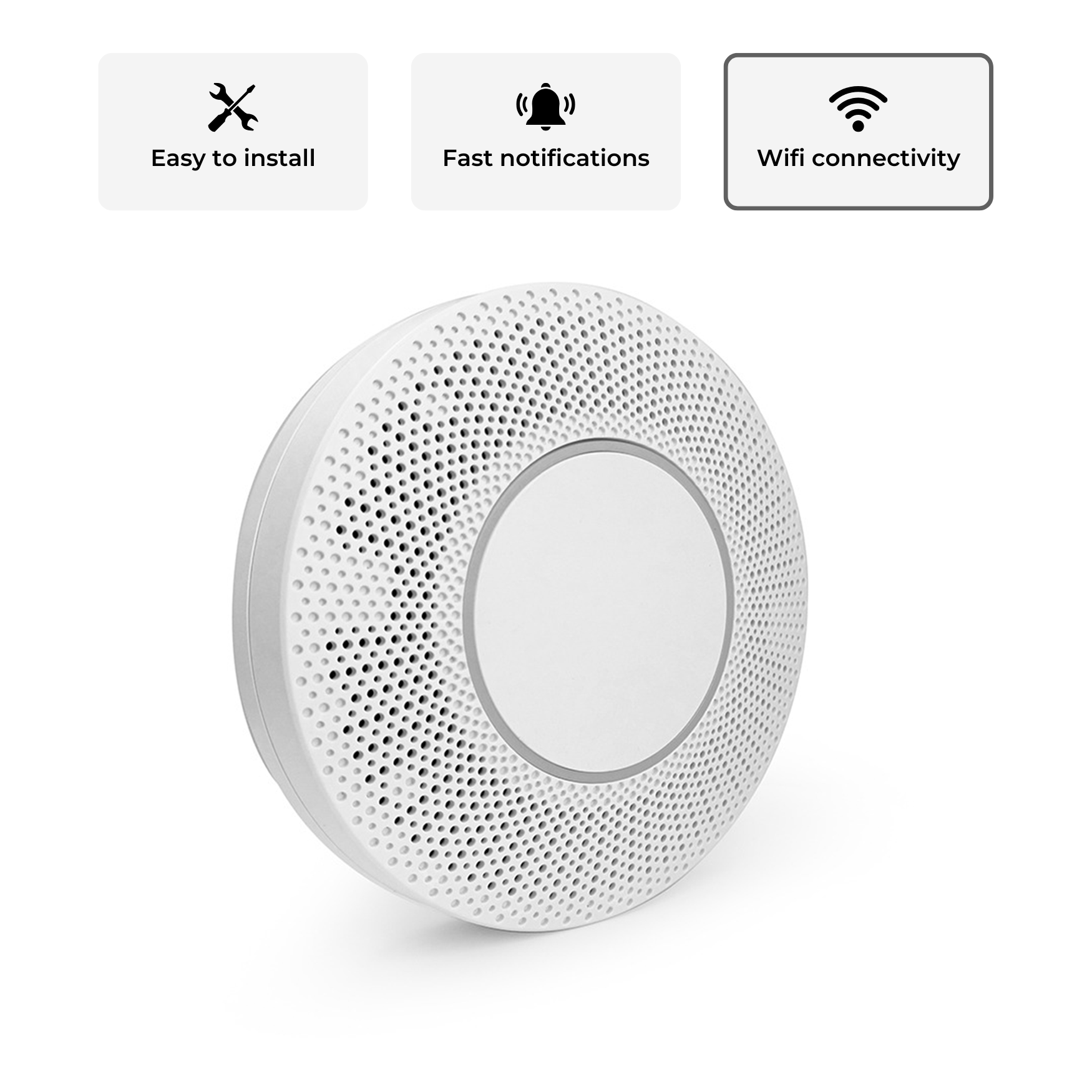
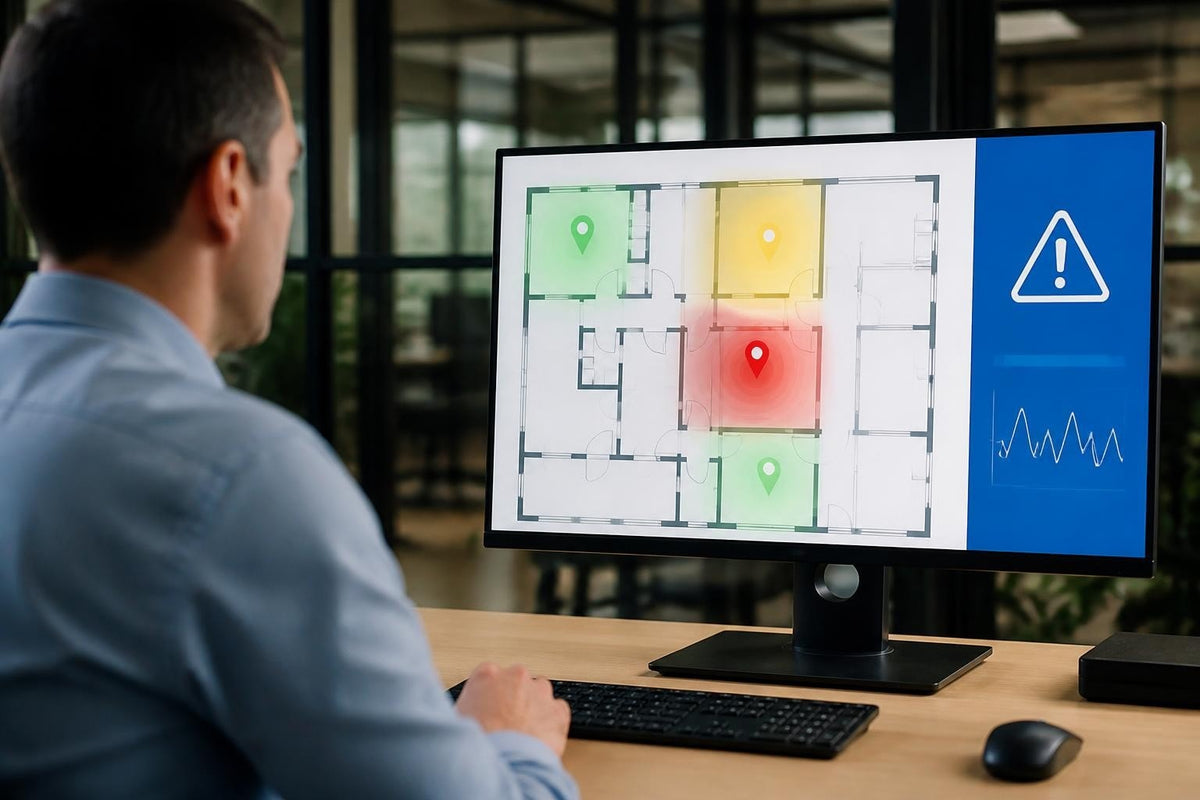
Modern detection and monitoring systems provide powerful tools for organisations seeking to maintain compliance with vaping law UK requirements and internal policies. These systems offer several advantages over traditional supervision methods:
- 24/7 monitoring without intrusive human presence
- Real time alerts enabling prompt intervention
- Objective evidence supporting disciplinary processes
- Privacy protection through chemical detection rather than visual surveillance
- Data collection informing policy effectiveness and resource allocation
Vape detection technology has advanced significantly, with modern sensors distinguishing between vaping, smoking, and other air quality concerns. This specificity enables proportionate responses and reduces false alarms that undermine system credibility.
Schools implementing these systems report improved compliance rates and reduced staff burden. The best vape detection for schools balances sensitivity, reliability, and ease of management, ensuring sustainable long term operation without excessive maintenance requirements.
Understanding and implementing vaping law UK requirements protects organisations from legal liability whilst creating healthier environments for students, employees, and visitors. The regulatory framework balances public health objectives with individual freedoms, requiring thoughtful compliance strategies that respect this complexity. Vape Guardian supports schools, offices, and leisure facilities across the UK with advanced detection technology that enables effective policy enforcement, real time incident response, and comprehensive air quality monitoring, helping you maintain compliance whilst protecting the people in your care.




Share:
Vape Detectors UK: Technology & Solutions for 2026
Vaping in Schools: Detection, Prevention & Policy Guide