

Vaping in school toilets has become one of the most pressing challenges facing educators across the United Kingdom in 2026. With adolescent nicotine vaping rates continuing to rise, school leaders are searching for effective, balanced approaches that protect students whilst respecting their privacy and dignity. Understanding how to stop vaping in school toilets requires a multi-layered strategy that combines technology, education, policy and compassionate intervention. This comprehensive guide explores evidence based methods that schools can implement immediately to address this growing concern.
Understanding Why Students Vape in School Toilets
Before implementing solutions, it is essential to understand the underlying motivations driving this behaviour. Students choose school toilets as vaping locations for several clear reasons.
Privacy and concealment are primary factors. Toilets provide enclosed spaces away from direct adult supervision, making them ideal hiding spots for prohibited activities. The temporary nature of vape aerosol, which dissipates more quickly than traditional cigarette smoke, adds to the appeal.
Peer influence plays a significant role. When vaping becomes normalised within toilet spaces, students feel pressure to participate or conform to perceived social norms. According to recent research, one in three teens who vape go on to smoke traditional cigarettes, making early intervention critical.
The Social Dynamics of Toilet Vaping
Group behaviour intensifies the problem. Students often vape together in toilets, creating a social ritual that reinforces the habit. These gatherings serve multiple purposes:
- Demonstrating social status or rebelliousness
- Sharing devices and experimenting with different flavours
- Creating exclusive social groups or cliques
- Avoiding classes or stressful academic situations
Understanding these social dynamics helps schools design interventions that address root causes rather than simply punishing symptoms.
Implementing Robust Detection Technology
Modern technology offers schools powerful tools for understanding how to stop vaping in school toilets. Detection systems have evolved significantly, providing real-time alerts whilst respecting student privacy.
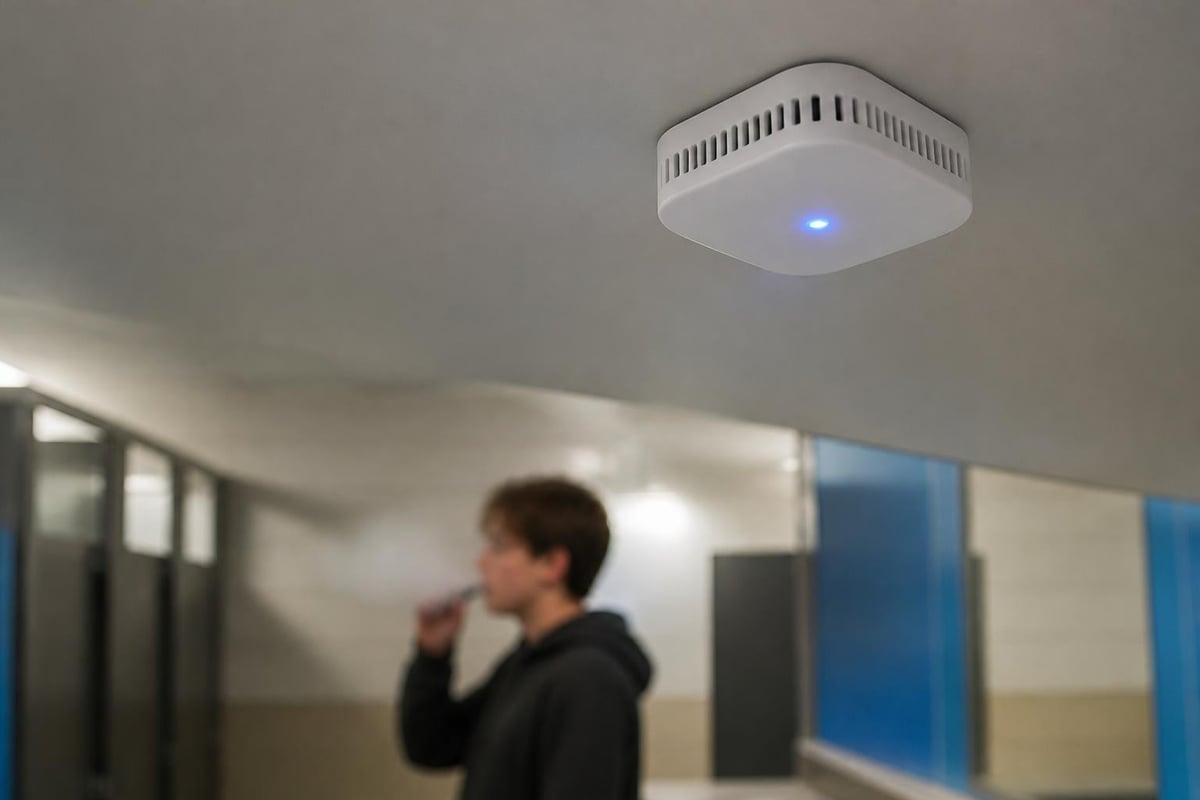
Advanced sensors monitor air quality and detect specific chemical markers associated with vaping. These devices represent a significant advancement over traditional surveillance methods. Peer-reviewed studies evaluating vape detection sensors have demonstrated their effectiveness in reducing incidents when combined with comprehensive policies.
Schools implementing Vape Detection Systems benefit from immediate notification when vaping occurs. This rapid response capability allows staff to intervene quickly, often whilst the incident is still occurring. The technology also detects other concerning behaviours, including drug use and anti-social activities, making it a versatile safeguarding tool.

| Detection Method | Privacy Impact | Effectiveness | Cost Consideration |
|---|---|---|---|
| Sensor technology | Low (no audio/video) | High with policy | Moderate initial investment |
| Increased supervision | Medium | Moderate | High staffing costs |
| Student reporting | Low | Variable | Minimal direct cost |
| Regular inspections | Medium | Low | Moderate time investment |
Balancing Technology and Privacy
When implementing detection technology, schools must navigate important privacy considerations. Student privacy guidance from the Department of Education and ACLU recommendations on school surveillance emphasise the importance of proportionate responses.
Effective approaches to maintaining this balance include:
- Installing sensors that detect chemical signatures without recording conversations or images
- Clearly communicating to students and parents what is being monitored and why
- Establishing transparent data handling and retention policies
- Ensuring alerts go only to designated safeguarding staff
- Regular reviews of technology use and effectiveness
Transparency builds trust whilst maintaining the deterrent effect necessary for reducing incidents.
Developing Comprehensive Anti-Vaping Policies
Policy frameworks provide the foundation for how to stop vaping in school toilets effectively. Well-crafted policies establish clear expectations, consistent consequences and supportive pathways for students struggling with nicotine addiction.
Successful policies share several key characteristics. They define vaping clearly, including all relevant devices and substances. They outline specific prohibited locations, with toilets explicitly mentioned. Most importantly, they balance discipline with support, recognising that many students who vape are experiencing nicotine dependence.
Key Policy Components
Your school's anti-vaping policy should address these essential elements:
Definition and Scope
- Explicit descriptions of prohibited devices (e-cigarettes, vape pens, pods, mods)
- Coverage of all vaping substances, including nicotine-free products
- Clear statements about prohibited locations, emphasising toilets
Consequences and Interventions
- Progressive disciplinary measures for repeated violations
- Mandatory educational interventions for first-time offenders
- Referral pathways to cessation support services
- Parent notification protocols
Support Mechanisms
- Access to cessation resources and counselling
- Confidential reporting channels for students seeking help
- Training for staff on identifying and responding to vaping
Schools across the UK have found that published policies serve both deterrent and educational purposes when communicated effectively to the entire school community.
Enhancing Physical Environment and Supervision
Environmental design and supervision strategies play crucial roles in addressing how to stop vaping in school toilets. Thoughtful modifications can significantly reduce opportunities for concealed vaping.
Physical changes might include improved ventilation systems that make vaping less appealing, better lighting that reduces shadowy corners, and removal of visual barriers that create hidden spaces. Some schools have redesigned toilet layouts to increase natural supervision whilst respecting privacy.

Supervision Best Practices
Strategic supervision approaches include:
- Scheduled presence: Regular staff visits at varying times throughout the day
- Unpredictable patterns: Avoiding predictable schedules that students can work around
- Student ambassadors: Trained peer mentors who promote positive toilet use
- Technology integration: Combining detection sensors with responsive supervision
- Cross-department coordination: Ensuring all staff understand their role in monitoring
The debate around bathroom surveillance and privacy highlights the importance of implementing supervision that feels supportive rather than invasive.
Delivering Targeted Education and Prevention
Education remains one of the most powerful tools for addressing how to stop vaping in school toilets. Evidence-based programmes help students understand the genuine health risks whilst developing skills to resist peer pressure.
Effective educational approaches go beyond scare tactics. They present factual information about nicotine addiction, health consequences and the manipulative marketing tactics used by vaping companies. Understanding the dangers of vaping in secondary schools requires age-appropriate messaging that resonates with students' lived experiences.
| Education Strategy | Target Audience | Delivery Method | Expected Outcome |
|---|---|---|---|
| Universal prevention | All students | Assembly, PSHE lessons | Increased awareness |
| Targeted intervention | At-risk groups | Small group sessions | Behaviour change |
| Cessation support | Current vapers | Individual counselling | Reduced dependence |
| Peer education | Student leaders | Training programmes | Positive peer influence |
Implementing Evidence-Based Curricula
High-quality programmes like those from Truth Initiative provide structured curricula that schools can implement immediately. These resources include:
- Interactive lessons on nicotine addiction science
- Activities exploring social influences and advertising tactics
- Skills-building exercises for refusing peer pressure
- Information on accessing help and support services
- Resources specifically designed for different age groups
Specialised intervention courses offer intensive support for students already vaping. These programmes address the psychological and physical aspects of nicotine dependence, providing practical strategies for quitting.
Creating Supportive Intervention Pathways
Punishment alone rarely solves vaping problems. Comprehensive approaches to how to stop vaping in school toilets must include supportive interventions that help students break free from nicotine addiction.
When students are caught vaping in toilets, schools face a critical decision point. Responding with purely punitive measures may drive behaviour underground without addressing underlying issues. Research on student privacy and school surveillance suggests balanced approaches yield better long-term outcomes.
Building Effective Support Systems
Successful intervention pathways typically include:
Immediate Response
- Calm, non-judgmental conversations with caught students
- Assessment of whether vaping is experimental or habitual
- Immediate parent contact and involvement
- Documentation for safeguarding records
Follow-Up Interventions
- Mandatory participation in educational programmes
- Referral to school counselling services
- Connection with external cessation resources
- Regular check-ins to monitor progress
Ongoing Support
- Access to confidential help-seeking channels
- Peer support groups for students trying to quit
- Staff trained in motivational interviewing techniques
- Celebration of milestones and successes
The goal is creating an environment where students feel safe seeking help rather than concealing their struggles with nicotine dependence.
Engaging Parents and Families
Family involvement significantly enhances efforts to stop vaping in school toilets. Parents and guardians serve as essential partners in prevention and intervention efforts.
Many parents underestimate vaping prevalence or feel ill-equipped to discuss the topic with their children. Schools can bridge this gap through targeted communication and education. Helping schools tackle vaping requires coordinated messaging that extends beyond school walls.
Strategies for Family Engagement
- Regular communication about school vaping policies and expectations
- Parent education evenings featuring health professionals and former vapers
- Resources explaining how to identify vaping devices and signs of use
- Guidance on having productive conversations about vaping at home
- Information about community cessation resources and support services
Parents who understand the scope of the problem and feel empowered to address it become powerful allies in prevention efforts.
Monitoring, Evaluating and Adapting
Effective strategies for how to stop vaping in school toilets require ongoing monitoring and willingness to adapt. What works in one school or year may need adjustment as circumstances change.

Schools should establish clear metrics for measuring progress:
- Incident rates: Number of vaping detections or reports over time
- Air quality data: Environmental measurements showing aerosol presence
- Student surveys: Anonymous feedback on prevalence and attitudes
- Intervention outcomes: Success rates for cessation programmes
- Stakeholder feedback: Input from staff, students and parents
Regular review of this data enables evidence-based refinement of policies and practices. Current guidance on vape detector implementation emphasises the importance of evaluating technology effectiveness within your specific context.
Addressing Underlying Causes
Sustainable solutions to vaping in school toilets must address why students turn to vaping in the first place. Surface-level enforcement without addressing root causes creates endless cycles of detection and punishment.
Common underlying factors include:
Mental Health and Stress Students often report vaping as a coping mechanism for anxiety, depression or academic pressure. Schools that invest in mental health support and stress management education may see corresponding reductions in vaping.
Social Belonging Young people seeking acceptance may vape to fit in with peer groups. Building inclusive school cultures with diverse opportunities for connection reduces reliance on risky behaviours for social status.
Substance Exposure Early exposure to nicotine through vaping can lead to poly-substance use. Comprehensive drug education and early intervention help students understand these risks before patterns become entrenched.
Environmental Factors Students from households where vaping or smoking occurs face increased risk. Understanding the hidden costs of allowing vaping helps schools appreciate the broader community context affecting student behaviour.
Addressing these underlying causes requires whole-school approaches that extend far beyond toilet monitoring.
Building a Culture of Health and Accountability
Long-term success in stopping vaping in school toilets depends on cultivating a school culture that values health, respects boundaries and holds everyone accountable to community standards.
This cultural shift requires consistent messaging from leadership, authentic student voice in policy development, and visible commitment to wellbeing over punishment. When students perceive anti-vaping efforts as genuinely motivated by care for their health rather than desire for control, compliance and buy-in increase significantly.
Schools achieving this cultural transformation share common characteristics:
- Leadership that models healthy behaviours and transparent decision-making
- Student councils actively involved in developing and promoting vaping policies
- Staff united in consistent policy enforcement and supportive responses
- Regular celebration of positive choices and health achievements
- Open dialogue about challenges and ongoing adjustment of approaches
Implementing comprehensive vape-free policies provides templates and frameworks for schools beginning this cultural transformation.
Understanding how to stop vaping in school toilets requires commitment to multi-faceted, evidence-based approaches that balance detection, education, support and accountability. By combining advanced technology, clear policies, compassionate interventions and genuine engagement with underlying causes, schools can create environments where students make healthier choices. Vape Guardian provides the detection technology, expertise and ongoing support that empowers schools to implement these comprehensive strategies effectively, creating safer learning environments for all students.








Share:
PM2.5 and Vaping: Understanding Air Quality Risks
Building Safety Automation: Complete Guide for 2026