
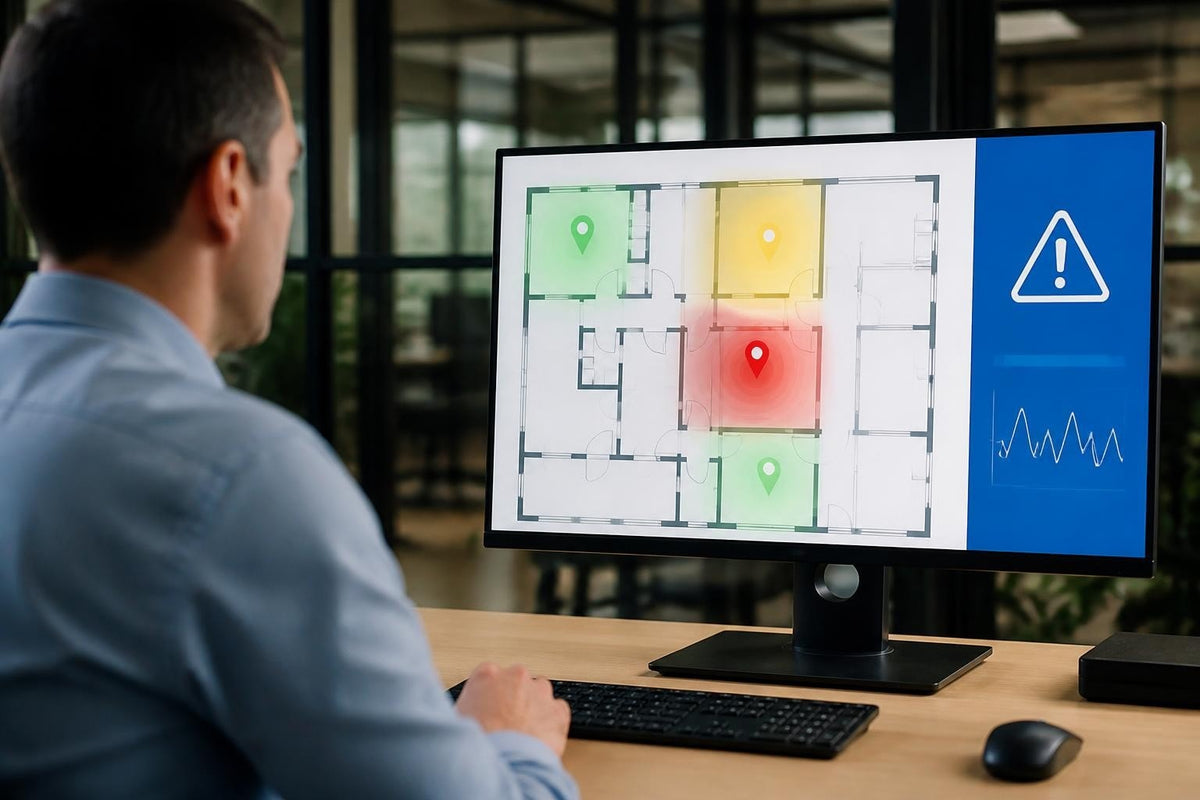
Commercial property managers face mounting pressure to maintain healthy, compliant environments whilst tackling the rising prevalence of indoor vaping. A vape detector for commercial buildings has emerged as a critical tool for facilities teams seeking to enforce smoke-free policies, protect air quality, and safeguard occupants. As workplace regulations evolve and tenant expectations shift, understanding how these sophisticated sensors function and integrate into building management systems has become essential for property professionals across the UK.
Why Commercial Buildings Need Vape Detection Technology
The workplace landscape has transformed dramatically since 2020, with hybrid models and wellness initiatives driving new expectations around indoor environmental quality. Traditional smoke detectors cannot distinguish between combustion and vapour aerosols, creating enforcement blind spots that undermine smoke-free policies.
Commercial landlords and facilities managers increasingly recognise that a vape detector for commercial buildings addresses multiple operational challenges simultaneously. These devices monitor air particulates, volatile organic compounds, and environmental anomalies that signal vaping activity in real time.
Health and Compliance Obligations
UK workplace health and safety legislation requires employers to provide safe environments free from preventable health hazards. Whilst vaping is not illegal in most private spaces, landlords retain the right to prohibit it within their buildings. The hidden health risks associated with workplace vaping extend beyond the user, affecting colleagues through passive exposure to aerosol particles containing nicotine, propylene glycol, and flavouring chemicals.
Insurance considerations compound compliance requirements. Many commercial property policies contain clauses related to smoke-free environments, and demonstrable enforcement measures can influence premium calculations and liability exposure.

Tenant Relations and Property Value
Professional office tenants expect premium environments that align with corporate wellness programmes. A vape detector for commercial buildings signals commitment to maintaining high standards, which directly impacts tenant satisfaction and retention rates.
Property valuations increasingly factor in environmental certifications and health-focused amenities. Buildings equipped with comprehensive air quality monitoring systems, including vape detection capabilities, command higher rental yields and attract quality tenants who prioritise employee wellbeing.
How Vape Detectors Work in Commercial Settings
Modern vape detection technology employs multi-sensor arrays that analyse air composition continuously. Unlike residential smoke alarms that trigger only when combustion byproducts reach critical thresholds, commercial-grade systems use sophisticated algorithms to identify vaping signatures with minimal false positives.
Core Detection Mechanisms
| Detection Method | What It Measures | Reliability Level |
|---|---|---|
| Particulate sensors | PM2.5 and PM10 aerosol density | High for vapour clouds |
| VOC sensors | Volatile organic compounds | Medium to high |
| Temperature/humidity | Environmental changes | Supporting data only |
| Acoustic sensors | Sound patterns | Variable accuracy |
The most effective systems combine particulate matter detection with VOC analysis. When someone vapes, the device releases fine particles (typically 0.3 to 1.0 micrometres) alongside chemical compounds specific to e-liquid formulations. A vape detector for commercial buildings analyses these signatures against baseline environmental data to distinguish vaping from cooking odours, cleaning products, or perfumes.
Independent assessments, including public health evaluations of detector effectiveness, confirm that properly calibrated sensors achieve detection rates exceeding 90% when positioned strategically within enclosed spaces.
Integration With Building Management Systems
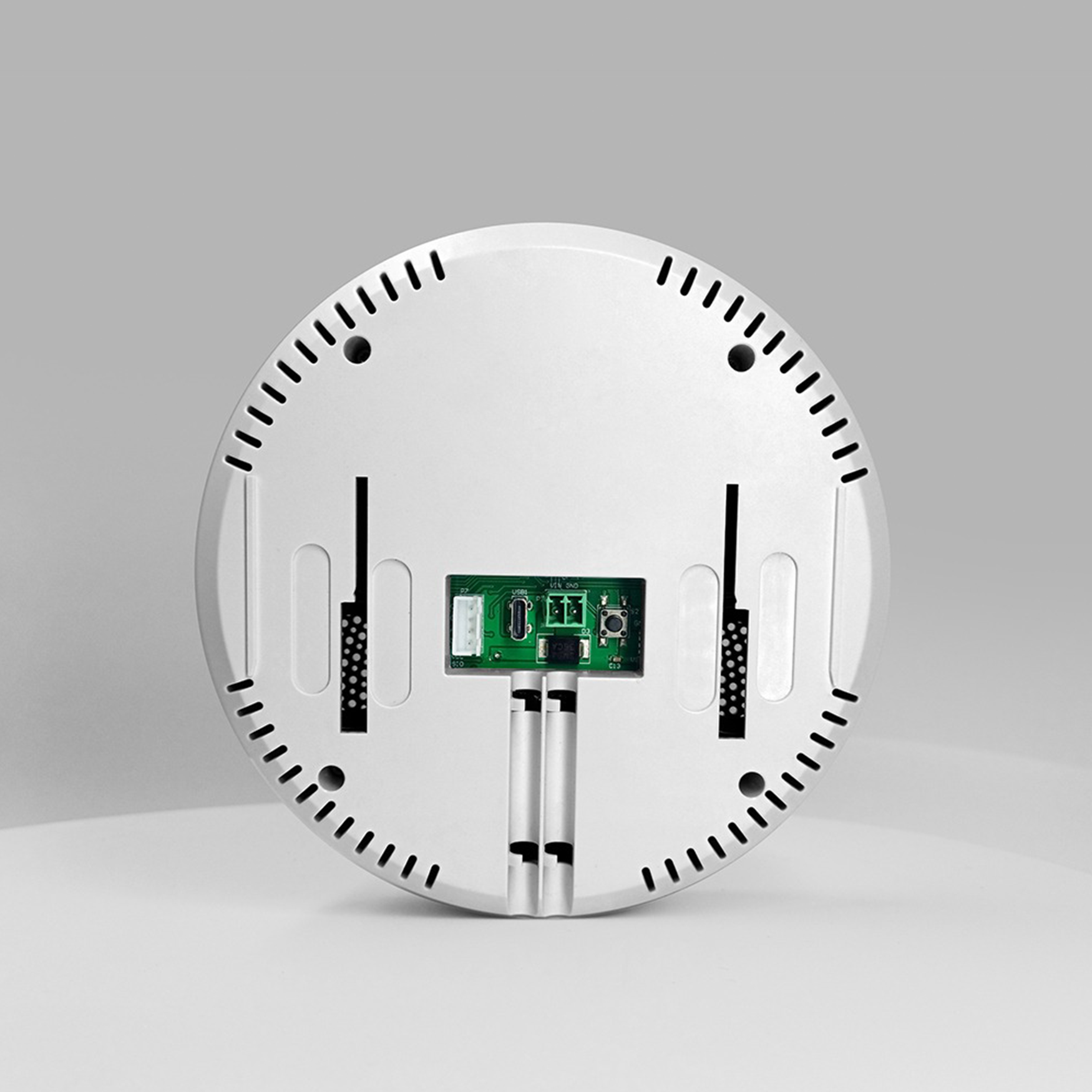
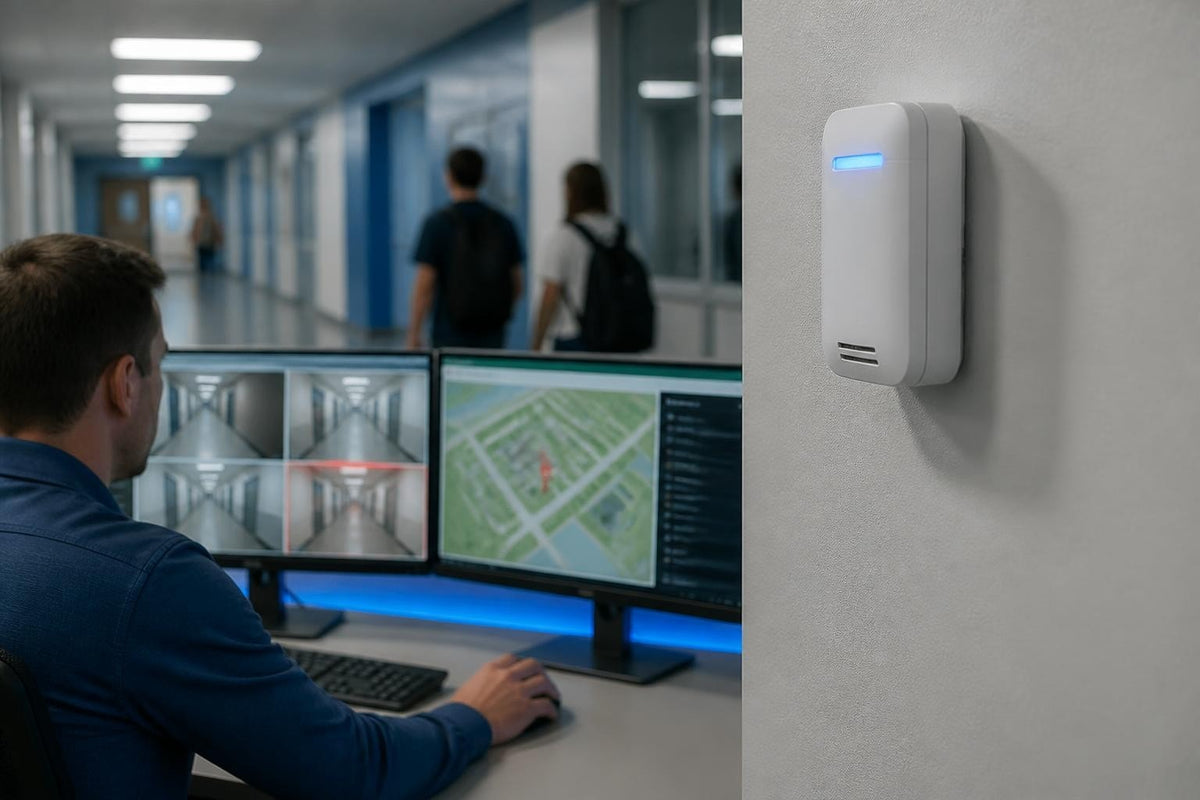
Commercial deployments benefit from networked architectures that connect multiple sensors across floors and zones. Power over Ethernet (PoE) installations provide continuous power whilst enabling data transmission through existing network infrastructure, reducing installation complexity.
Wi-Fi and cellular connectivity options offer flexibility for retrofit applications where cabling proves impractical. Alert protocols can integrate with:
- Building management software dashboards
- Security team notification systems
- Automated HVAC response triggers
- Incident logging databases
- Tenant communication platforms
This integration transforms a vape detector for commercial buildings from a simple alarm into an intelligent environmental monitoring node within broader facility operations.
Optimal Placement Strategies for Maximum Coverage
Strategic sensor placement determines detection effectiveness and return on investment. Commercial buildings present unique challenges compared to educational or residential settings, requiring thoughtful analysis of usage patterns and architectural features.
High Priority Locations
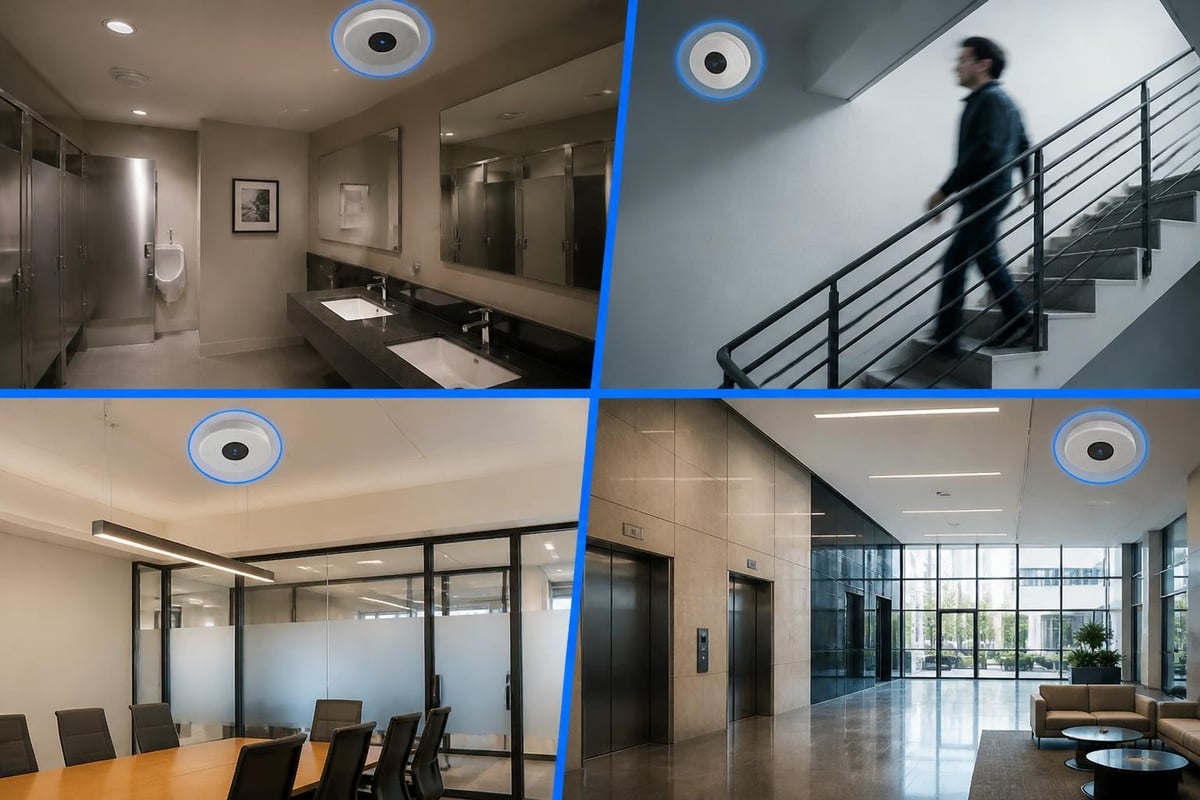
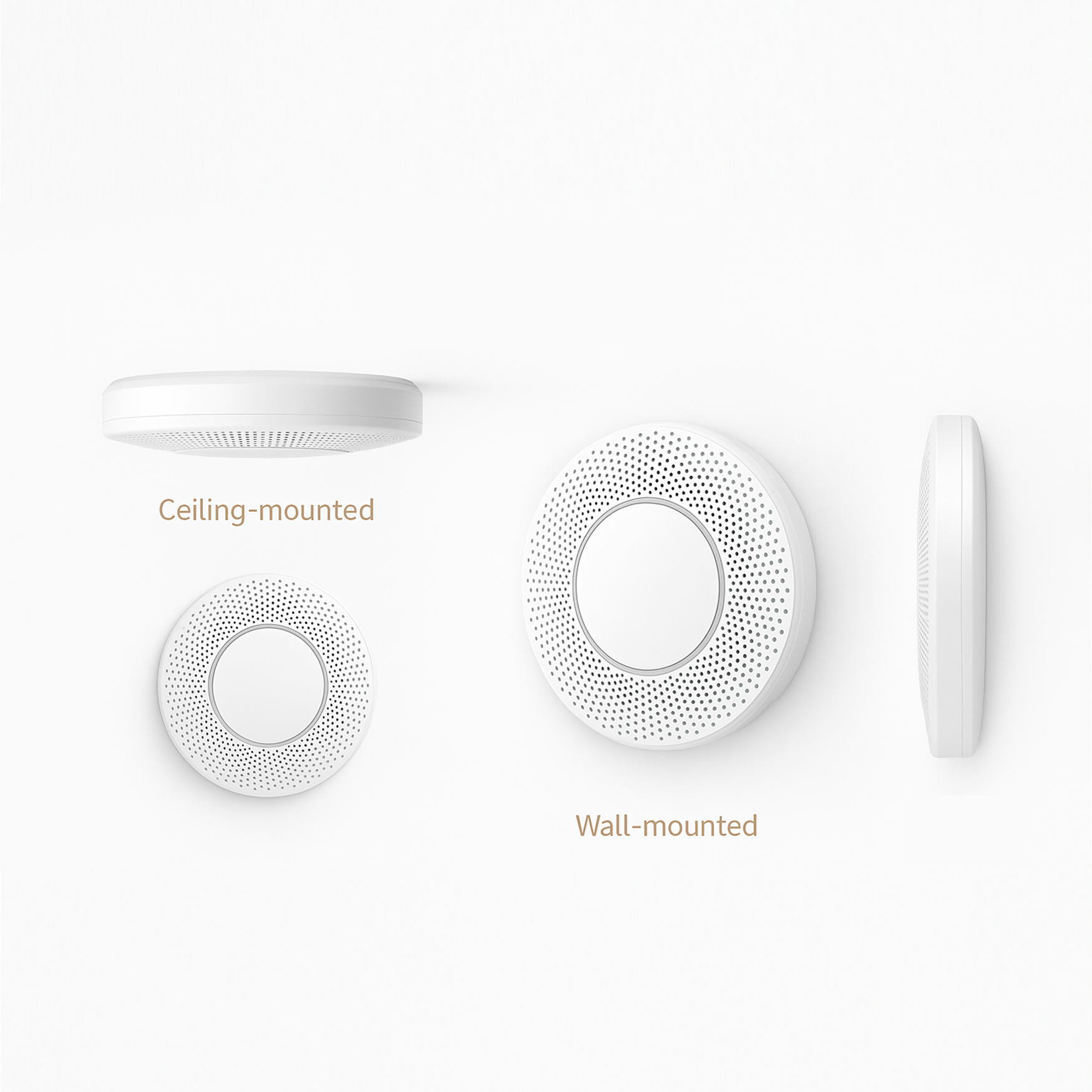
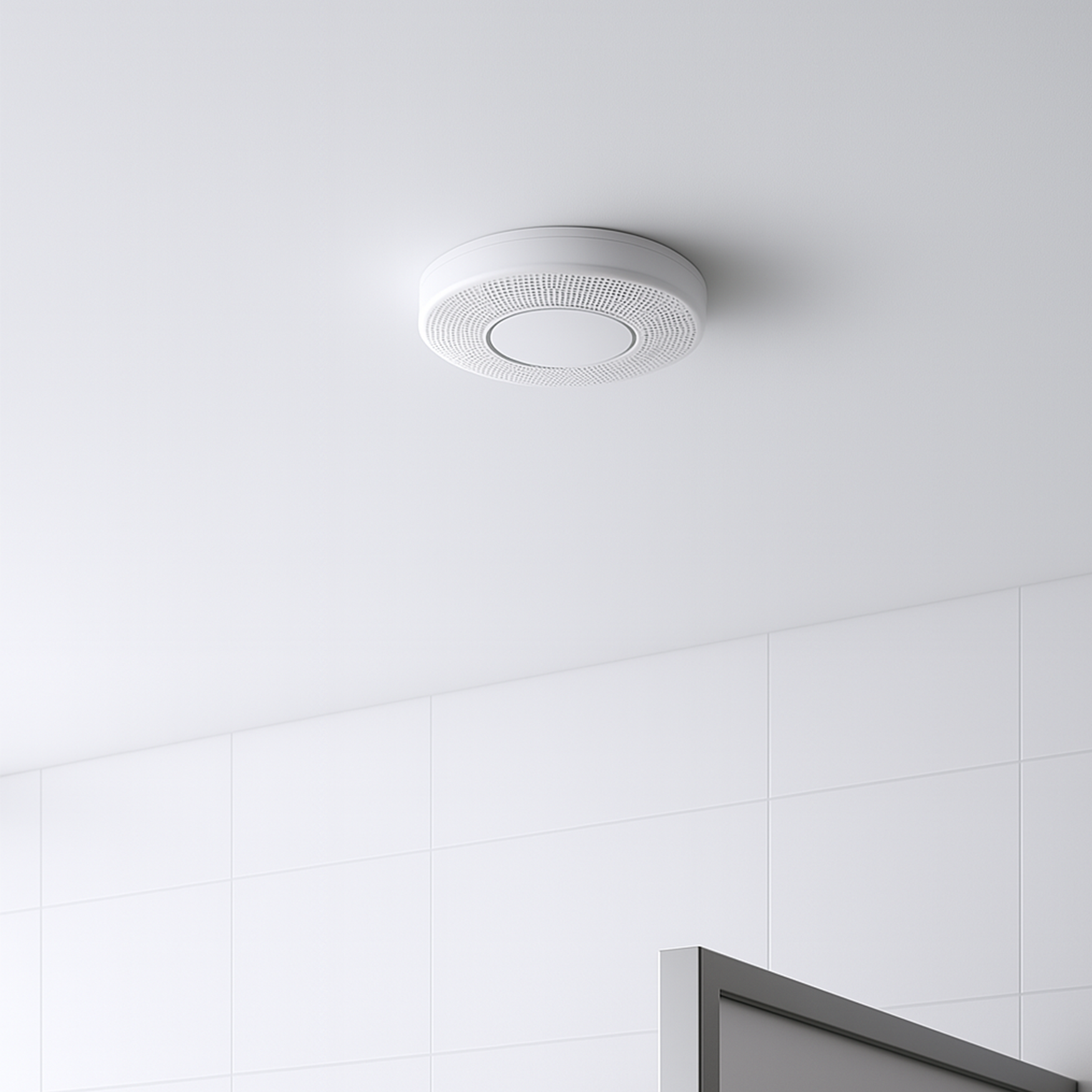
Enclosed washrooms and changing facilities represent the most common vaping locations in commercial properties. Privacy and ventilation combine to create environments where users assume they can vape undetected. Ceiling-mounted sensors positioned near ventilation grilles capture aerosol particles before dispersion.
Stairwells and emergency exits serve as secondary vaping hotspots, particularly in buildings with strict no-smoking policies. These transitional spaces offer perceived privacy whilst remaining technically indoors.
Meeting rooms and private offices require monitoring when multiple tenants share facilities or hot-desking arrangements prevent consistent oversight. Professional reporting on building operators deploying vaping sensors demonstrates successful implementation across diverse property types.
Coverage Calculations and Spacing
| Space Type | Recommended Coverage | Sensor Density |
|---|---|---|
| Small washrooms (under 15 m²) | Single ceiling unit | 1 sensor |
| Large washrooms (15-40 m²) | Multiple units or enhanced range model | 1-2 sensors |
| Stairwells (per landing) | Wall or ceiling mount near centre | 1 sensor per 2 floors |
| Open office areas | Perimeter and high-risk zones | 1 per 100 m² |
Airflow patterns significantly affect detection reliability. Sensors positioned in dead air zones or directly within strong ventilation currents may produce inconsistent results. Consulting with HVAC specialists during planning phases prevents costly repositioning after installation.
Technology Options and Connectivity Considerations
Selecting appropriate technology depends on building infrastructure, monitoring requirements, and long-term scalability needs. The market offers several connectivity models, each with distinct advantages for commercial applications.
Wired Versus Wireless Deployments
Power over Ethernet systems deliver enterprise-grade reliability through existing network cabling. These sensors draw power and transmit data via a single Cat5e or Cat6 connection, eliminating battery maintenance whilst ensuring 24/7 operation. PoE suits new construction projects and major refurbishments where infrastructure access remains straightforward.
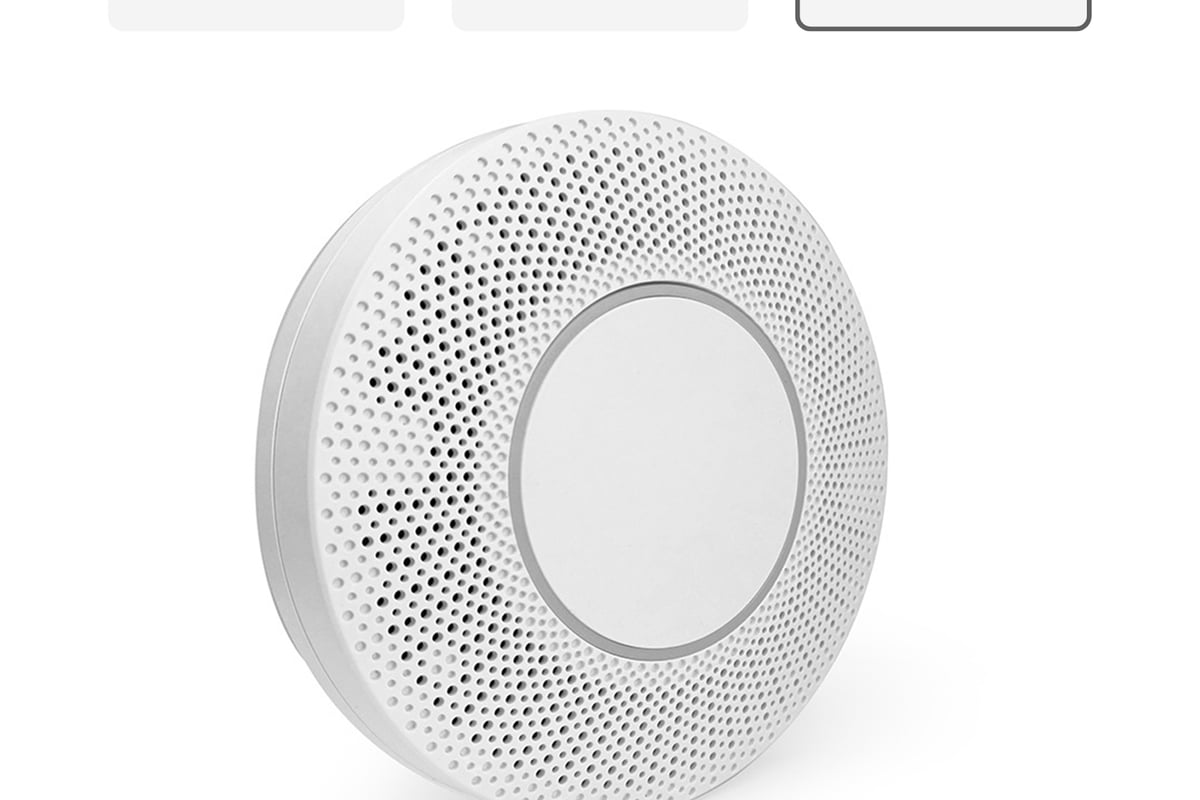
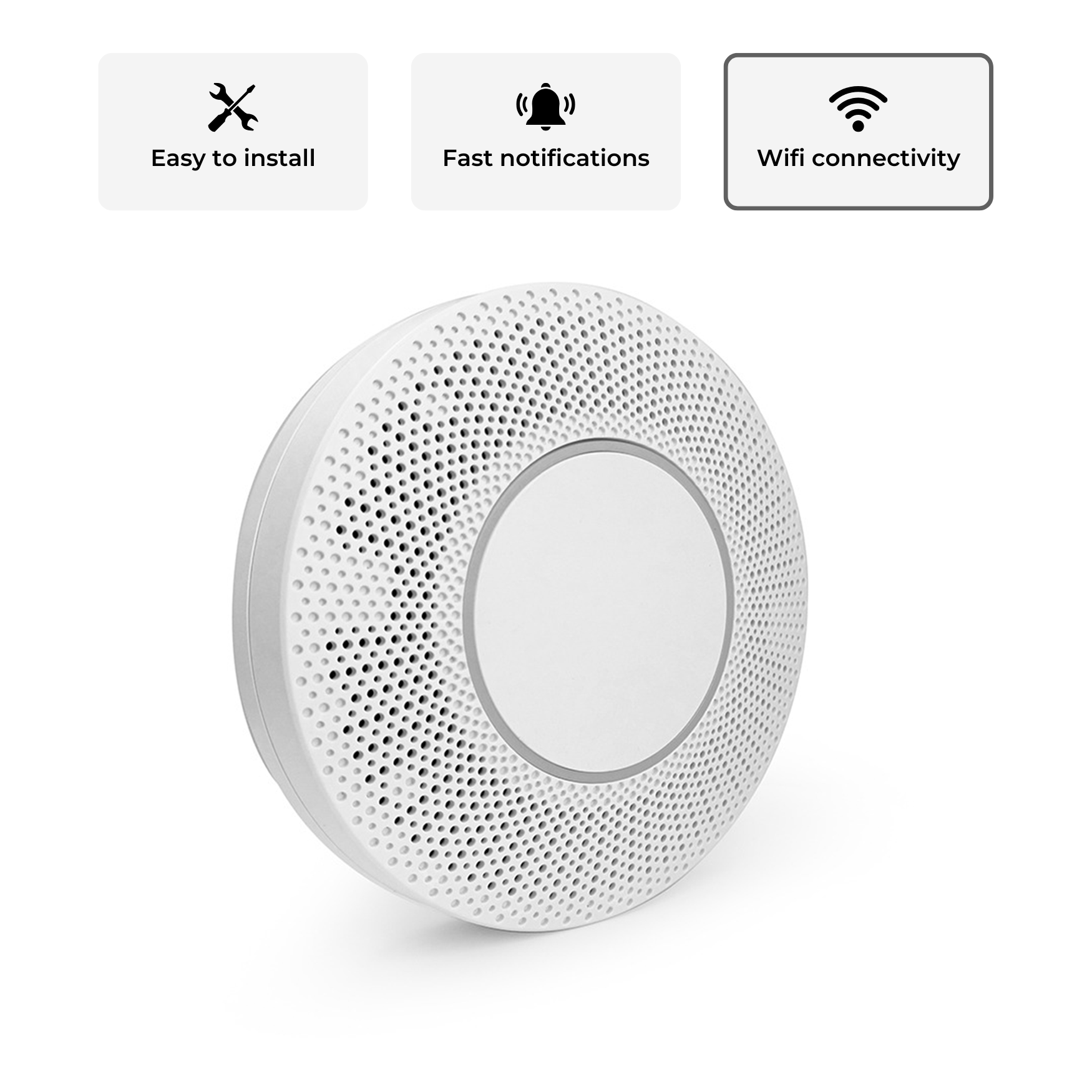
Wi-Fi connected devices simplify retrofit installations in occupied buildings. Standard electrical outlets provide power whilst the sensor communicates through the property's wireless network. Facilities teams can monitor multiple locations through centralised software platforms without extensive cabling work.
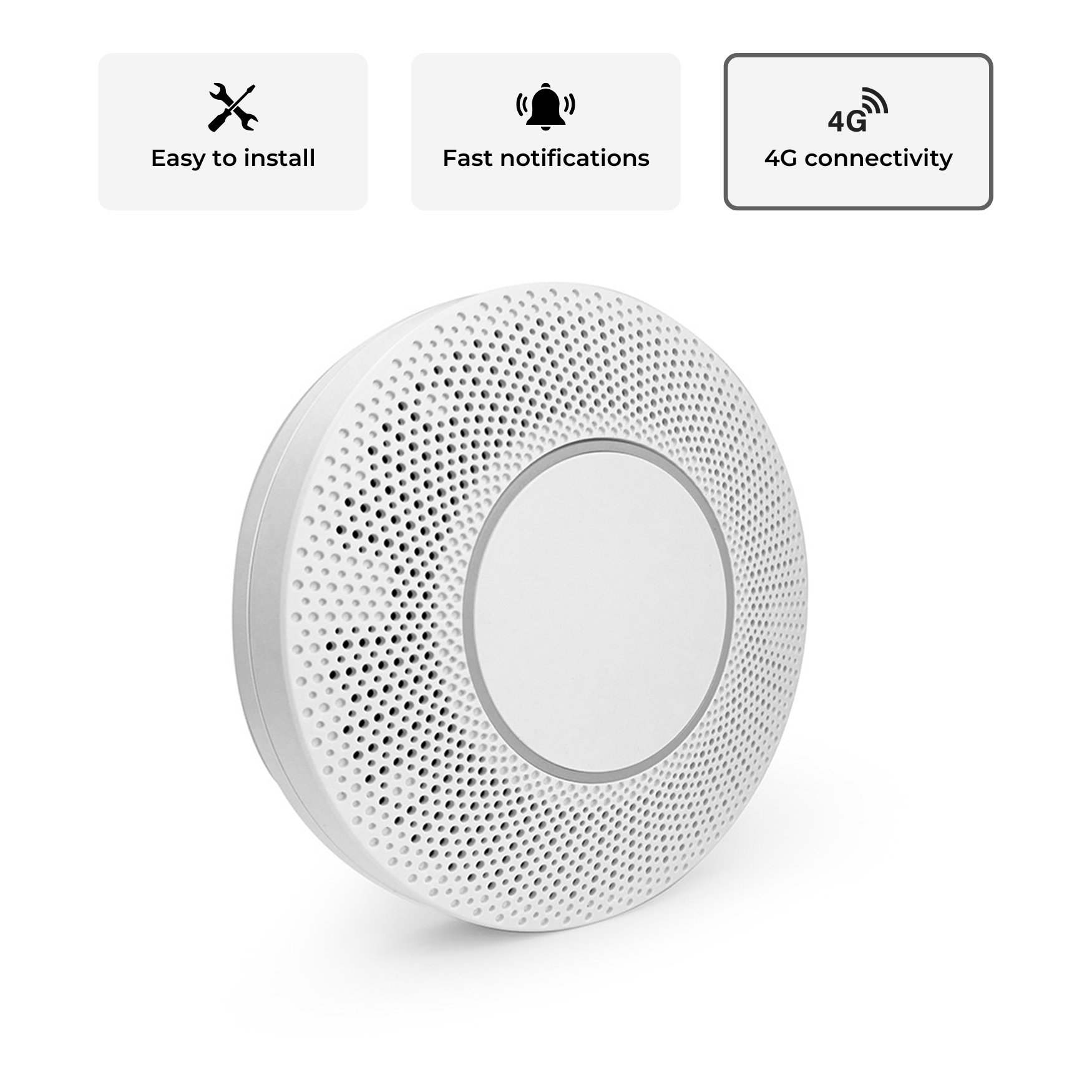
Cellular connectivity addresses properties where network security policies restrict device access or Wi-Fi coverage proves unreliable. 4G enabled sensors operate independently, transmitting alerts via mobile networks with subscription-based data plans.
Solutions like the Vape Detection System combine hardware sensors with intelligent software that processes detection events, manages alerts, and generates compliance documentation. When evaluating options, ensure the platform supports role-based access control, allowing security personnel different permissions than facilities managers or property executives.
Data Management and Privacy Compliance
A vape detector for commercial buildings generates substantial data streams requiring secure storage and compliant handling. Under UK GDPR regulations, facilities managers must document:
- What environmental data the sensors collect
- How long detection records are retained
- Who accesses incident reports
- Whether any personally identifiable information is captured
Modern systems focus exclusively on environmental readings rather than visual or audio surveillance, simplifying privacy compliance. Clear signage informing occupants about air quality monitoring demonstrates transparency whilst deterring policy violations.
Implementation Roadmap for Commercial Properties
Successful deployment requires methodical planning that balances technical requirements with operational realities. Rushed installations often result in coverage gaps or integration failures that undermine detector effectiveness.
Phase One: Assessment and Planning
Begin with a comprehensive property audit identifying high-risk areas and existing infrastructure capabilities. Document:
- Total building square footage and floor count
- Washroom and changing facility locations
- Network infrastructure type and coverage
- Existing building management system capabilities
- Security team protocols and response procedures
Engage stakeholders early, including facilities managers, IT departments, security personnel, and tenant representatives. Alignment on objectives prevents scope creep and ensures adequate resource allocation.
Phase Two: Procurement and Installation
Request detailed specifications from vendors, comparing detection accuracy, false positive rates, and warranty terms. Prioritise suppliers offering:
- UK-based technical support during business hours
- Flexible return policies for performance evaluation
- Comprehensive training for facilities staff
- Regular firmware updates addressing emerging vaping products
Professional installation by qualified electricians ensures compliance with building regulations and manufacturer warranties. Budget 2-4 hours per sensor for initial setup including mounting, connectivity configuration, and software integration.
Phase Three: Testing and Optimisation
Conduct controlled testing before going live. Create aerosol clouds using theatrical fog machines or purpose-designed testing devices to verify detection sensitivity and alert delivery speed. Adjust sensitivity thresholds to minimise false alarms from legitimate sources whilst maintaining reliable vaping detection.
Establish response protocols outlining actions when alerts trigger:
- Who receives notifications (security, facilities, management)
- Response timeframes for different severity levels
- Documentation requirements for incident records
- Escalation procedures for repeat violations
Cost Analysis and Return on Investment
Financial justification for a vape detector for commercial buildings extends beyond simple equipment costs to encompass long-term value creation and risk mitigation.
Total Cost of Ownership
| Cost Component | Initial Investment | Ongoing (Annual) |
|---|---|---|
| Hardware sensors | £200-400 per unit | £0 |
| Software platform | £0-500 setup | £150-300 per sensor |
| Professional installation | £100-200 per sensor | £0 |
| Cellular connectivity (if applicable) | £0 | £36-60 per sensor |
| Maintenance and calibration | £0 | £50-100 per sensor |
A typical 10,000 square foot commercial office requiring 8-12 sensors represents an initial investment of £2,000-5,000 plus £1,500-3,000 annually for software and connectivity. These figures pale against potential costs from unaddressed vaping.
Quantifiable Benefits
Reduced cleaning and maintenance expenses result from preventing aerosol residue accumulation on surfaces, HVAC filters, and ventilation systems. Property managers report 15-25% decreases in deep cleaning frequency for washrooms after implementing detection systems.
Lower insurance premiums may follow demonstrated risk mitigation efforts, particularly for properties with comprehensive environmental monitoring. Documented enforcement of no-vaping policies strengthens liability defences should tenant health claims arise.
Enhanced tenant retention translates to measurable value. Replacing departed tenants costs 3-6 months' rent when accounting for vacancy periods, leasing commissions, and fit-out allowances. Premium environments that support corporate wellness initiatives justify higher renewal rates.
Considerations around creating vape-free business offices demonstrate how proactive policies supported by detection technology contribute to positive workplace cultures that attract and retain quality tenants.

Legal Framework and Policy Development
Technology alone cannot create vape-free environments. Effective programmes combine detection capabilities with clear policies, consistent enforcement, and transparent communication.
Crafting Enforceable Policies
Commercial property vaping policies should specify:
- Prohibited locations: Which areas ban vaping (typically all enclosed spaces)
- Detection methods: That environmental monitoring technology is deployed
- Violation consequences: Progressive discipline from warnings to lease termination
- Appeal procedures: How occupants contest alleged violations
- Privacy safeguards: What data is collected and how it's protected
Legal counsel review ensures policies comply with employment law, tenancy regulations, and privacy statutes. Incorporating policies into lease agreements and employee handbooks establishes contractual foundations for enforcement.
Communicating With Occupants
Transparency prevents backlash and demonstrates good faith. Implementation announcements should explain:
- Health and safety rationale for vaping prohibitions
- How detection technology works (air quality monitoring, not surveillance cameras)
- Where sensors are positioned
- What happens when violations are detected
Signage at building entrances and within monitored areas provides visual reminders whilst satisfying disclosure requirements. The approach mirrors successful strategies documented in media coverage of vaping detection implementation, emphasising health protection rather than punitive surveillance.
Maintenance and Long-Term Performance
Like any environmental monitoring system, a vape detector for commercial buildings requires regular attention to maintain accuracy and reliability.
Routine Maintenance Schedules
Monthly visual inspections confirm sensors remain properly mounted without physical damage or tampering. Check indicator lights and verify alert delivery through test notifications.
Quarterly calibration checks ensure detection thresholds remain appropriate as environmental baselines shift seasonally. Temperature, humidity, and typical air quality fluctuations affect sensor behaviour over time.
Annual professional servicing by qualified technicians includes:
- Sensor cleaning and particulate filter replacement
- Firmware updates incorporating latest detection algorithms
- Comprehensive testing with calibrated aerosol sources
- Documentation updates for compliance records
Addressing False Positives and Negatives
No detection system achieves perfect accuracy. False positives (alerts without actual vaping) typically result from:
- Strong cleaning product aerosols
- Excessive perfume or body spray application
- Steam from hot water or bathroom fixtures
- Dust clouds during construction or maintenance
Contextual data from integrated sensors helps distinguish genuine vaping from benign triggers. Temperature spikes plus VOC detection plus particulate readings provide higher confidence than single-factor alerts.
False negatives (missed vaping incidents) occur when:
- Devices are positioned too far from vaping locations
- Ventilation removes aerosol before detection
- Users employ techniques minimising vapour production
- Equipment malfunctions go unnoticed
Regular testing and strategic repositioning address these limitations. Resources covering vape detection technology fundamentals provide additional troubleshooting guidance.
Future Developments in Commercial Vape Detection
The vaping detection sector continues rapid evolution as manufacturers refine algorithms, enhance connectivity, and expand capabilities beyond simple alerts.
Artificial Intelligence and Pattern Recognition
Machine learning models increasingly distinguish between vaping products, potentially identifying THC vapes versus nicotine devices based on chemical signatures. This granularity assists security teams prioritising responses to substance violations versus policy infractions.
Predictive analytics identify patterns suggesting organised policy circumvention, such as multiple violations in specific locations during consistent timeframes. Facilities managers can adjust patrol schedules or enhance monitoring in problem areas.
Integration With Smart Building Ecosystems
Modern commercial properties centralise environmental data across unified platforms. A vape detector for commercial buildings contributes air quality metrics alongside:
- Carbon dioxide levels indicating occupancy and ventilation adequacy
- Temperature and humidity for HVAC optimisation
- Noise levels for workspace comfort monitoring
- Light quality and energy consumption tracking
This holistic approach positions vape detection as one component within comprehensive wellness and sustainability programmes that differentiate premium properties in competitive markets.
Regulatory Evolution and Standards
Industry groups are developing certification standards for vape detection accuracy and reliability. Third-party testing protocols similar to those governing traditional smoke detectors will eventually provide benchmarks for procurement decisions.
UK building codes may incorporate air quality monitoring requirements as wellness certifications like WELL and BREEAM gain prominence. Early adopters of comprehensive detection systems position themselves advantageously for future compliance mandates.
Implementing a vape detector for commercial buildings represents a strategic investment in property value, occupant health, and operational efficiency. By combining proven detection technology with clear policies and transparent communication, facilities managers create environments that support wellness initiatives whilst protecting against liability risks. Vape Guardian offers UK commercial properties advanced detection solutions backed by dedicated support, enabling property professionals to maintain healthy, compliant spaces that attract and retain quality tenants in an increasingly competitive market.

Share:
Award Winning Vape Detection System Technology Guide 2026