
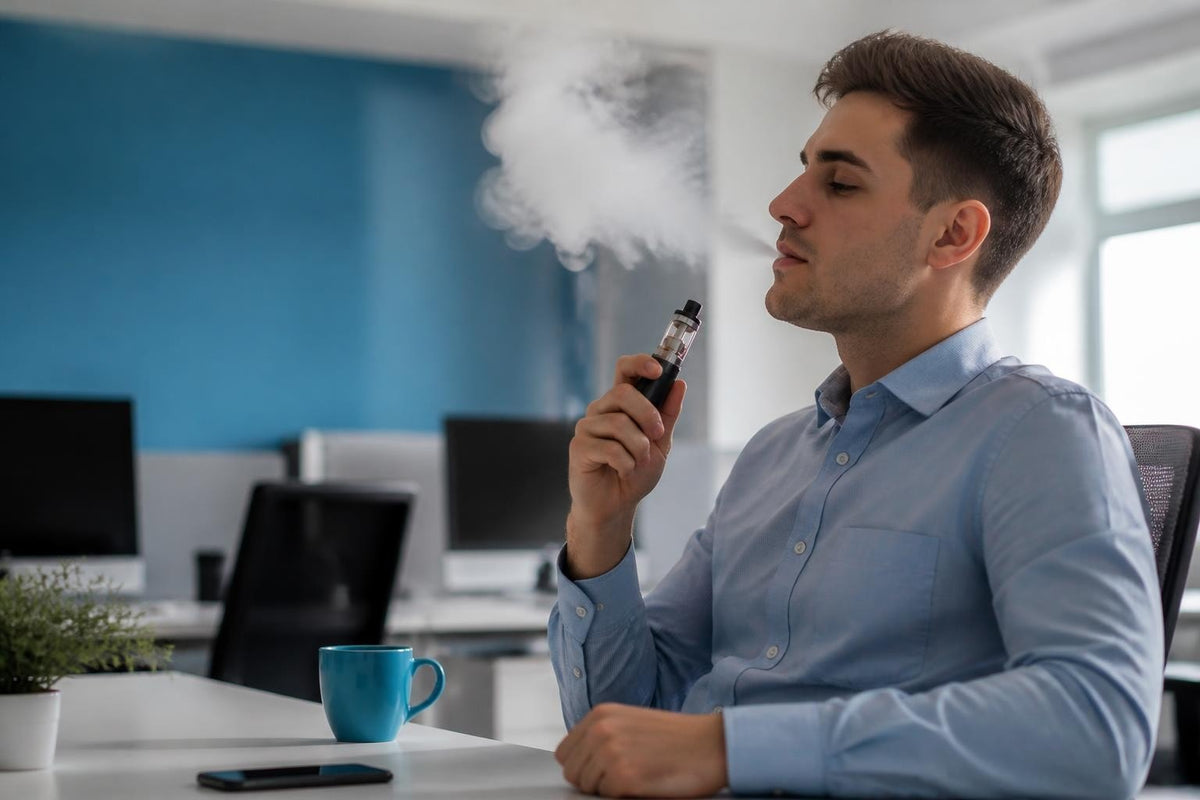
The relationship between pm25 and vaping has become a critical concern for organisations responsible for indoor air quality in schools, offices, and public spaces. As vaping devices have grown in popularity across the United Kingdom, the fine particulate matter they produce now represents a measurable and persistent air quality challenge. PM2.5 refers to airborne particles measuring 2.5 micrometres or smaller, a size fraction that can penetrate deep into the respiratory system and carry significant health implications. When someone vapes indoors, they release a complex aerosol containing thousands of these microscopic particles, creating localised pollution spikes that can exceed outdoor air quality standards by substantial margins.
What Is PM2.5 and Why Does It Matter for Vaping Detection
PM2.5 describes the fraction of airborne particulate matter with an aerodynamic diameter of 2.5 micrometres or less. To put this in perspective, these particles are approximately 30 times smaller than the diameter of a human hair, making them invisible to the naked eye yet capable of bypassing the body's natural defence mechanisms.
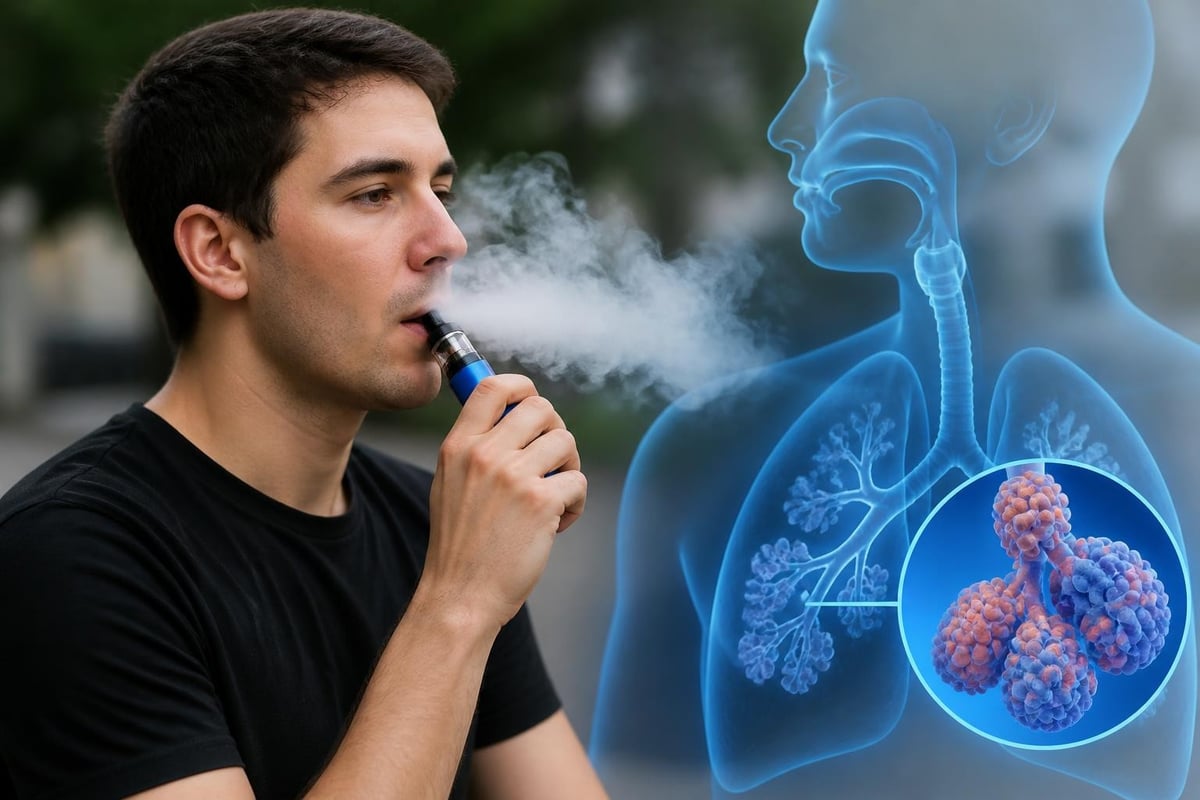
The World Health Organisation's air quality guidelines establish strict exposure limits for PM2.5 because of its proven health impacts. These microscopic particles can lodge deep in the alveoli of the lungs, enter the bloodstream, and contribute to cardiovascular disease, respiratory conditions, and systemic inflammation.
How Vaping Produces PM2.5
When a vaping device heats its liquid solution, it creates an aerosol cloud composed primarily of:
- Glycerol and propylene glycol droplets
- Flavouring chemicals in particulate form
- Nicotine particles (in nicotine-containing products)
- Heavy metals released from heating coils
- Volatile organic compounds
This aerosol consists almost entirely of particles in the PM2.5 size range, with the majority falling between 0.1 and 1.0 micrometres. Research published in peer-reviewed journals has documented that a single vaping session in an enclosed space can raise PM2.5 concentrations from baseline levels of 10–20 µg/m³ to peaks exceeding 500 µg/m³, levels comparable to heavily polluted outdoor air in industrial zones.
Detection Principles for PM2.5 and Vaping
Modern air quality monitors employ laser-based optical particle counters to detect pm25 and vaping events. These sensors work by:
- Drawing air through a detection chamber using a small fan
- Illuminating particles with a laser diode
- Measuring the light scattered by individual particles
- Calculating particle concentration based on scatter intensity and frequency
- Classifying particles by size using advanced algorithms
The EPA provides guidance on the appropriate application of low-cost PM2.5 sensors, noting that whilst they may not match the precision of reference-grade instruments, they offer sufficient accuracy for trend detection and threshold alerts in indoor environments.
Health Implications of PM2.5 Exposure From Vaping
Understanding the connection between pm25 and vaping requires examining both direct users and bystanders exposed to secondhand aerosol. Unlike traditional cigarette smoke, vaping aerosol dissipates more quickly, but the peak concentrations during and immediately after use can be extraordinarily high in confined spaces such as toilets, changing rooms, or small offices.
Respiratory System Impact
A systematic review of respiratory health effects from e-cigarette use demonstrates clear associations between vaping and adverse respiratory outcomes. PM2.5 particles from vaping can trigger:
- Acute airway inflammation within minutes of exposure
- Bronchial constriction in sensitive individuals
- Reduced mucociliary clearance, impairing the lungs' natural cleaning mechanisms
- Oxidative stress at the cellular level
For individuals with asthma, chronic obstructive pulmonary disease, or other pre-existing respiratory conditions, even brief exposure to elevated PM2.5 from vaping can provoke symptoms or exacerbate underlying disease.
Cardiovascular Concerns
Beyond the respiratory tract, PM2.5 particles can cross into the bloodstream and affect cardiovascular function. Studies have linked PM2.5 exposure to increased blood pressure, arterial stiffness, and inflammatory markers associated with heart disease. Whilst the long-term cardiovascular effects of vaping-specific PM2.5 are still being researched, the particle exposure pathway mirrors that of traffic pollution and industrial emissions.
| Health System | Acute Effects | Chronic Concerns |
|---|---|---|
| Respiratory | Coughing, wheezing, throat irritation | Reduced lung function, chronic bronchitis |
| Cardiovascular | Elevated heart rate, blood pressure spikes | Atherosclerosis, increased stroke risk |
| Immune | Inflammatory response activation | Altered immune function, increased infection susceptibility |
PM2.5 Measurements in Real-World Vaping Scenarios
Controlled experiments and field studies have quantified the pm25 and vaping relationship across various settings, providing empirical data that informs policy and detection strategies.
Enclosed Vehicles and Small Spaces
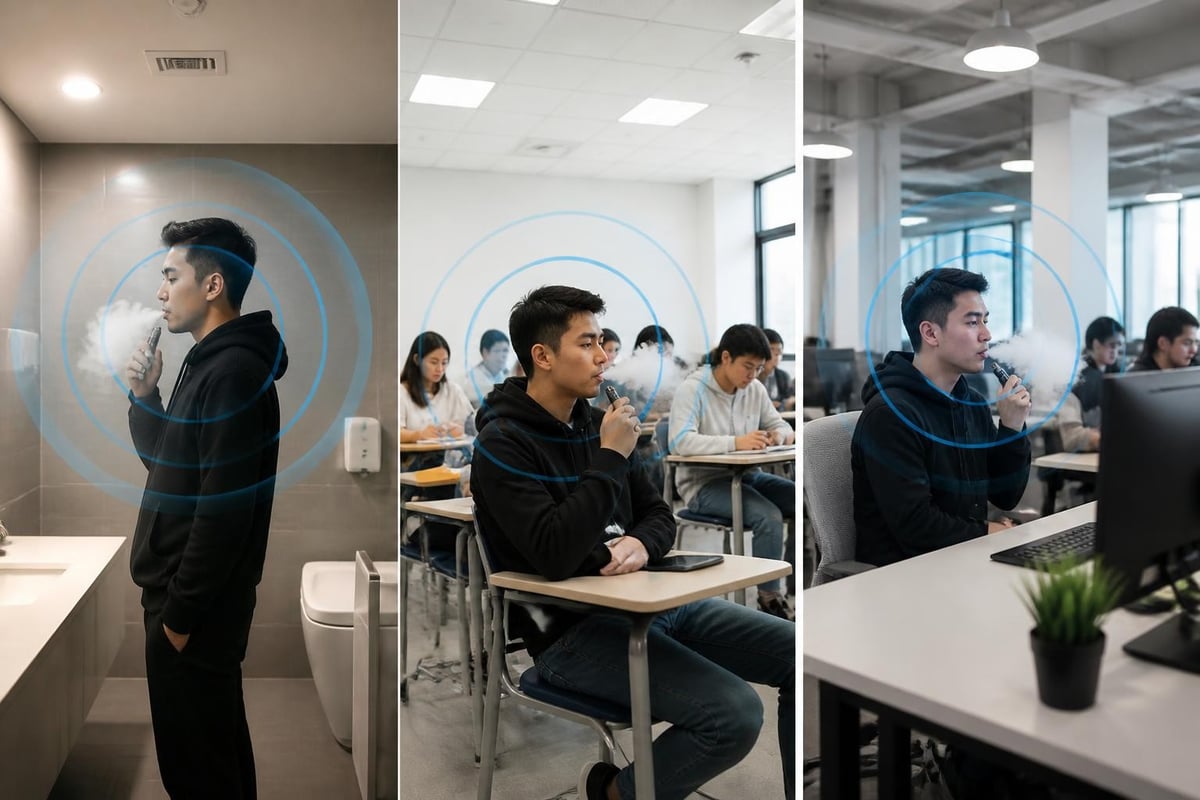
Research measuring secondhand e-cigarette aerosol in vehicles documented PM2.5 concentrations reaching 800–1,200 µg/m³ during active vaping, with levels remaining elevated for 20–45 minutes after cessation. These findings have particular relevance for schools, where toilet cubicles and changing areas present similarly confined spaces with limited ventilation.
The concentration decay rate depends on:
- Room volume and air exchange rate
- Presence of mechanical ventilation
- Aerosol particle composition and humidity
- Surface deposition rates
In typical school toilets with poor ventilation, PM2.5 levels from a single vaping session may take 30–60 minutes to return to background levels, creating persistent exposure for subsequent users.
Classroom and Office Environments
Larger spaces dilute vaping aerosol more effectively, but PM2.5 spikes remain detectable. In a standard classroom (approximately 200 cubic metres), discrete vaping can raise PM2.5 concentrations by 50–150 µg/m³ above baseline within a three-metre radius of the source. Open-plan offices show similar patterns, with detection becoming more challenging as distance from the source increases.
The hidden health risks vaping poses in office environments have prompted many organisations to implement comprehensive monitoring solutions that track PM2.5 alongside other air quality parameters.
Technical Considerations for PM2.5-Based Vape Detection
Deploying sensors to detect pm25 and vaping requires understanding both the capabilities and limitations of optical particle counter technology in real-world applications.
Sensor Calibration and Accuracy
Consumer-grade PM2.5 sensors typically use proprietary calibration based on standardised test aerosols, which may differ significantly from vaping aerosol in particle density and refractive index. Research on low-cost aerosol sensor fundamentals explains that sensors calibrated for ambient dust or combustion particles can underestimate or overestimate vaping aerosol concentrations by 20–40%.
Professional vape detection systems address this through:
- Vaping-specific calibration curves developed from laboratory testing with common vaping liquids
- Multi-parameter sensing that combines PM2.5 with volatile organic compound detection
- Machine learning algorithms that recognise vaping signatures distinct from cooking, cleaning, or other PM2.5 sources
False Positive Mitigation
A robust approach to vape detection technology must distinguish vaping from legitimate PM2.5 sources including:
- Aerosol cleaning products
- Personal care items (deodorant, hairspray)
- Cooking emissions in staff areas
- Outdoor pollution infiltration
- Dust resuspension from building work
Advanced systems employ threshold algorithms that require sustained elevation in multiple parameters before triggering alerts, significantly reducing false positive rates whilst maintaining sensitivity to genuine vaping events.
Strategic Deployment for PM2.5 and Vaping Monitoring
Effective monitoring requires strategic sensor placement informed by building layout, ventilation patterns, and user behaviour analysis.
High-Risk Location Identification
Facilities should prioritise monitoring in areas where vaping is most likely to occur and where detection provides maximum deterrent value:
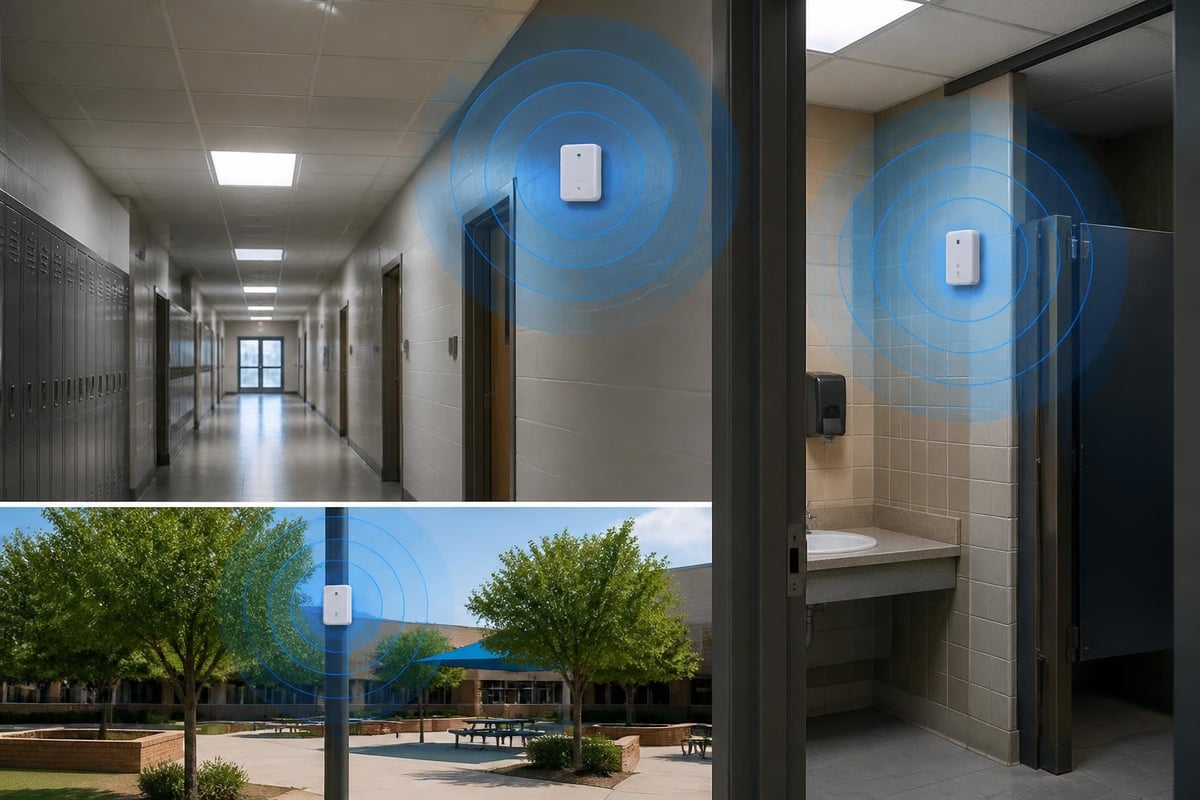
- Toilet facilities, especially those distant from staff supervision
- Changing rooms and private areas
- Stairwells and corridors with limited natural surveillance
- Outdoor covered areas adjacent to buildings
- Vehicle parks and secluded external spaces
Schools tackling vaping have found that comprehensive coverage of these zones creates a strong deterrent effect, as students become aware that vaping events generate immediate alerts regardless of location.
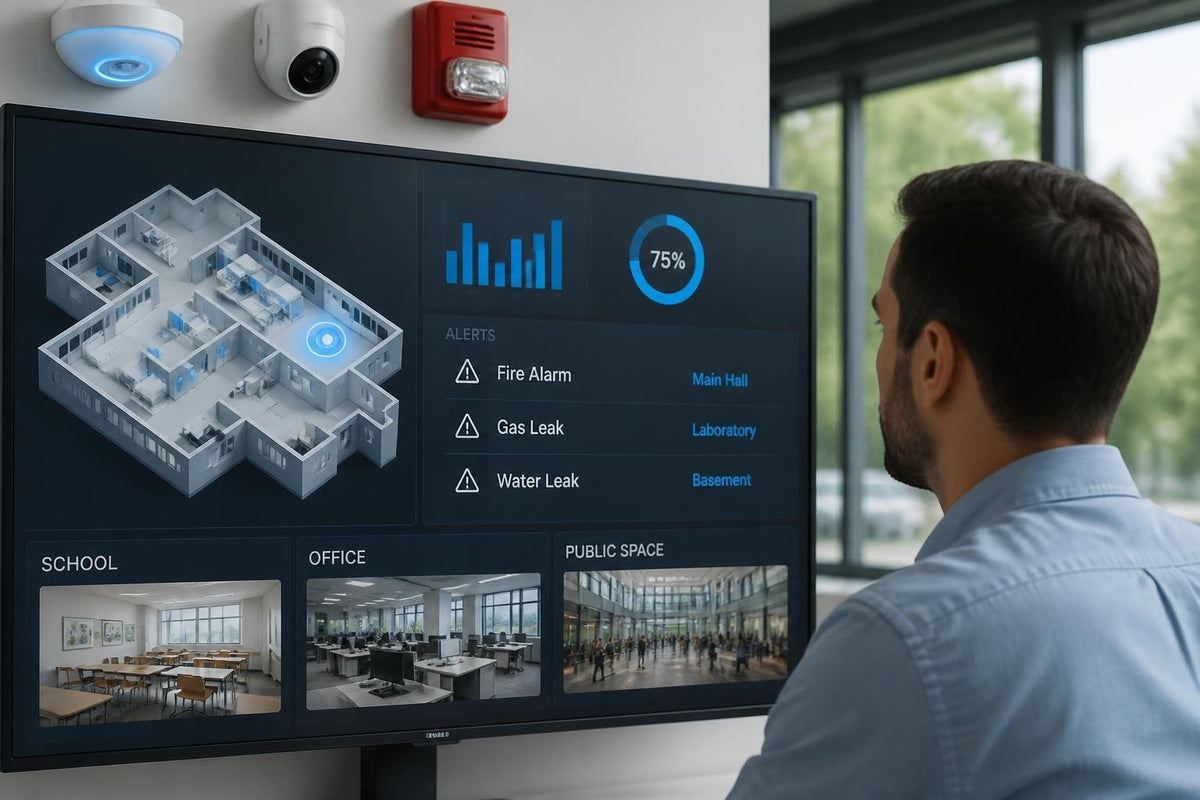
Integration With Building Management Systems
Modern PM2.5 sensors can integrate with existing building automation infrastructure to provide holistic air quality management. This integration enables:
- Automated ventilation responses when PM2.5 thresholds are exceeded
- Historical data logging for compliance reporting
- Correlation with occupancy patterns and scheduling
- Remote monitoring and alert routing to designated staff
The business case for such systems extends beyond vaping detection to encompass general indoor air quality improvement, which supports cognitive performance, reduces sick building syndrome, and demonstrates duty of care obligations.
Real-Time Monitoring and Response Protocols
Detecting elevated PM2.5 from vaping represents only the first step in an effective intervention strategy. The value lies in rapid, appropriate response that discourages repeat incidents whilst respecting privacy and dignity.
Alert Routing and Escalation
Professional systems allow customised alert workflows:
| Alert Level | PM2.5 Threshold | Response Protocol | Personnel Notified |
|---|---|---|---|
| Advisory | 50–100 µg/m³ | Log event, no immediate action | Facilities manager (daily digest) |
| Warning | 100–250 µg/m³ | Alert designated responder | Duty staff member (SMS/app) |
| Critical | >250 µg/m³ | Immediate intervention required | Multiple staff, security, safeguarding lead |
This tiered approach prevents alert fatigue whilst ensuring serious incidents receive prompt attention. The pm25 and vaping correlation allows staff to distinguish between minor air quality fluctuations and deliberate vaping events.
Evidence Collection and Documentation
When sensors detect potential vaping, the system should automatically record:
- Timestamp and duration of elevated PM2.5
- Peak concentration and total particulate load
- Concurrent detections (sound, VOCs, temperature)
- Photographic evidence if cameras are integrated
This documentation supports fair, evidence-based conversations with students or employees rather than relying on subjective observation or accusation. Many organisations find this objective data invaluable for engaging parents, governing bodies, or HR departments in addressing persistent vaping concerns.
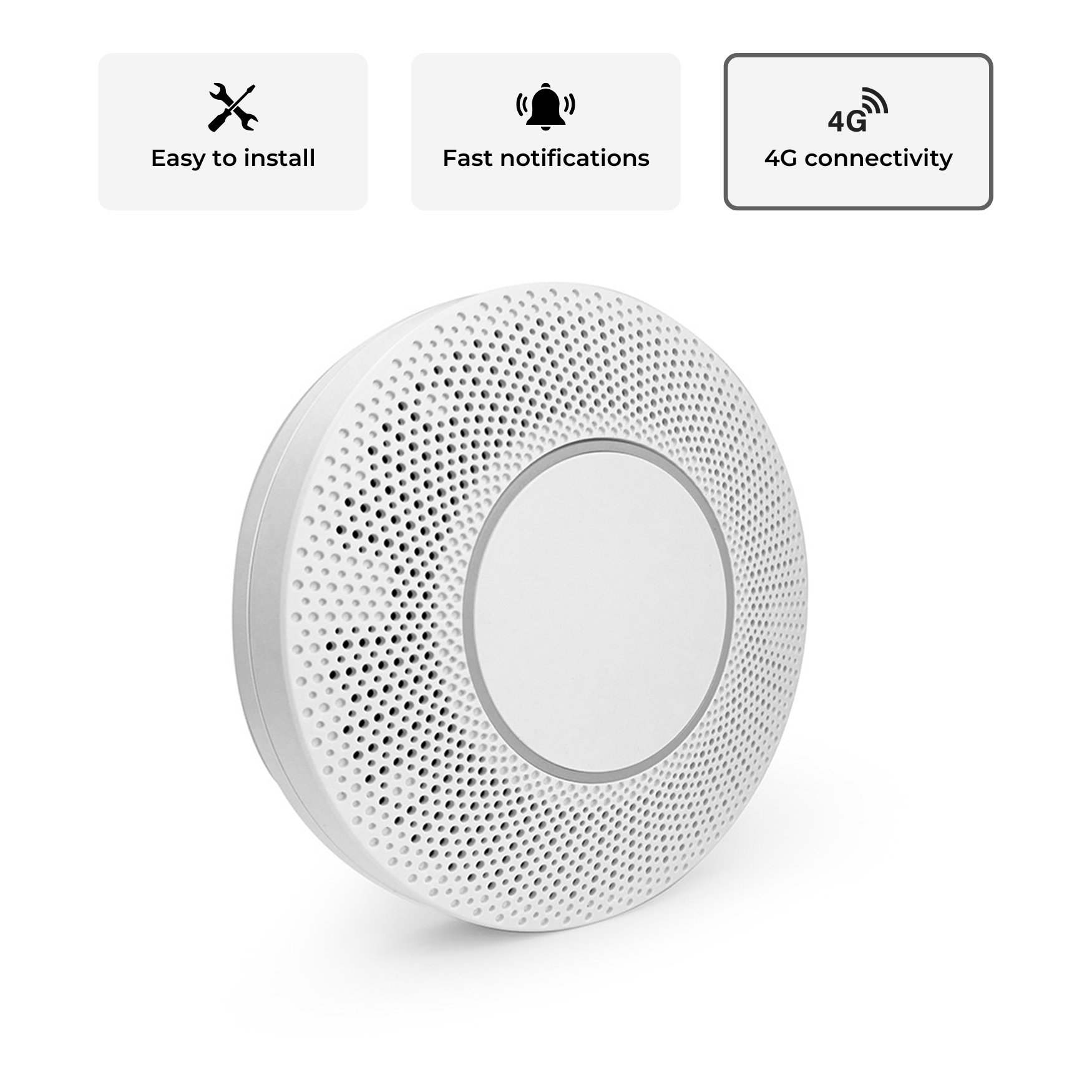
Understanding the connection between pm25 and vaping empowers organisations to implement detection systems that protect the health of building occupants whilst creating accountability. Vape Guardian's Detection System leverages advanced PM2.5 sensing alongside multi-parameter analysis to deliver reliable alerts that distinguish vaping from background air quality variation.

Regulatory Framework and Compliance Considerations
The evolving regulatory landscape around vaping and indoor air quality creates both obligations and opportunities for organisations monitoring pm25 and vaping.
UK Indoor Air Quality Standards
Whilst the United Kingdom does not currently mandate specific PM2.5 limits for most indoor environments, building regulations increasingly reference air quality in guidance on ventilation and occupant wellbeing. The Health and Safety Executive expects employers to maintain a safe working environment, which includes minimising exposure to airborne contaminants.
Schools face additional scrutiny under safeguarding frameworks, with Ofsted inspectors examining how institutions address health risks including vaping. Demonstrating active monitoring and intervention through PM2.5 detection provides tangible evidence of a proactive approach to student welfare.
Data Protection and Privacy
PM2.5 monitoring raises fewer privacy concerns than video surveillance, as sensors detect only air quality parameters without capturing personally identifiable information. Nevertheless, organisations should:
- Clearly communicate the presence and purpose of sensors
- Establish data retention policies aligned with legitimate needs
- Restrict access to alert data and reports
- Avoid using PM2.5 data as sole evidence for disciplinary action
Transparency about monitoring builds trust and reinforces the health protection rationale rather than appearing as covert surveillance.
Long-Term Trends and Pattern Analysis
Beyond immediate incident response, PM2.5 data from vaping detection systems reveals valuable trends that inform policy refinement and resource allocation.
Temporal Patterns
Analysing when pm25 and vaping events occur most frequently allows targeted intervention:
- Peak times (break periods, lunch, before/after school)
- Day-of-week variations (higher rates on Fridays, lower on Mondays)
- Seasonal changes (increased indoor vaping during winter)
- Event correlations (exam periods, social events)
This intelligence enables proactive staffing adjustments, enhanced supervision during high-risk periods, and educational interventions timed for maximum impact.
Location Hotspot Identification
Spatial analysis of PM2.5 detections highlights specific facilities requiring attention. If particular toilet blocks consistently register vaping events, facilities managers can investigate whether design features (privacy screening, ventilation deficiencies, proximity to exits) contribute to the problem and implement targeted modifications.
The hidden costs of allowing vaping extend beyond immediate health impacts to include cleaning requirements, maintenance of ventilation systems clogged with aerosol residue, and reputational damage when parents or visitors encounter vaping in facilities.
Integration With Educational and Behavioural Interventions
Technology alone cannot solve vaping challenges. The most effective approaches combine PM2.5 detection with education, policy enforcement, and support for cessation.
Creating Teachable Moments
When sensors detect elevated PM2.5 from vaping, the incident creates an opportunity for individualised intervention. Rather than punitive measures alone, progressive institutions use these moments to:
- Explain the health evidence around pm25 and vaping
- Offer access to cessation resources and counselling
- Engage parents or guardians as partners in behaviour change
- Connect students with underlying stressors or peer pressure issues
This restorative approach treats vaping detection as the beginning of a supportive conversation rather than the end point of a disciplinary process.
School-Wide Education Programmes
Comprehensive vaping education that includes air quality science helps students understand why detection systems exist and the real health implications of their choices. When young people comprehend that vaping creates measurable pollution affecting classmates with asthma or other vulnerabilities, it reframes the issue from rule-breaking to community responsibility.
Future Developments in PM2.5 and Vaping Detection
The technology landscape for pm25 and vaping monitoring continues to evolve, with several promising developments on the horizon.
Enhanced Particle Characterisation
Next-generation sensors may distinguish particle size distributions and chemical composition in real time, allowing identification of specific vaping products or differentiation between nicotine vaping and illicit substance use. This granularity would enable more nuanced responses and better forensic capabilities.
Artificial Intelligence and Predictive Modelling
Machine learning algorithms trained on extensive PM2.5 datasets can recognise subtle patterns that precede vaping incidents, potentially enabling predictive alerts that allow staff to increase supervision before events occur. These systems might correlate PM2.5 trends with behavioural data, attendance patterns, or social network dynamics to identify at-risk individuals for early support.
Integration With Personal Exposure Monitoring
Wearable air quality monitors that track individual PM2.5 exposure throughout the day could complement fixed sensors, providing personalised health data that motivates behaviour change. Students or employees could see their cumulative exposure to vaping aerosol and other pollutants, making abstract health risks tangible and immediate.
Cost Considerations and Return on Investment
Organisations evaluating PM2.5 monitoring for vaping detection naturally consider financial implications alongside health and compliance benefits.
Initial Capital and Ongoing Costs
A typical sensor deployment includes:
- Hardware (£200–300 per sensor depending on connectivity)
- Software subscriptions (£15–25 per month per sensor)
- Installation and configuration (internal staff time or contractor fees)
- Staff training on response protocols
For a secondary school installing 15 sensors across key locations, total first-year costs typically range from £5,000 to £7,000, with subsequent years requiring only software subscriptions and occasional hardware replacement.
Quantifiable Benefits
The return on investment emerges through multiple channels:
- Reduced health costs from improved air quality and vaping deterrence
- Decreased cleaning and maintenance in areas affected by aerosol residue
- Lower insurance premiums through demonstrable risk mitigation
- Avoided regulatory penalties as vaping policies become more stringent
- Enhanced reputation with parents, regulatory bodies, and community
Many institutions find that PM2.5 air quality reports generated by monitoring systems provide valuable documentation for compliance audits, grant applications focused on health and safety, and communications with governing boards demonstrating proactive environmental management.
PM2.5 and vaping represent interconnected challenges that demand evidence-based solutions combining technology, education, and policy. Understanding how vaping generates hazardous particulate matter concentrations in enclosed spaces empowers organisations to protect occupant health through strategic monitoring and intervention. If you're ready to implement a comprehensive approach to detecting pm25 and vaping in your school, office, or facility, Vape Guardian provides purpose-built detection systems with advanced air quality sensors, intelligent alerts, and UK-based support to help you create safer environments for everyone.

Share:
Safeguarding and Vaping: A Complete Guide for 2026
How to Stop Vaping in School Toilets: A Complete Guide