

The landscape of UK vaping law has undergone substantial transformation in recent years, creating a complex regulatory environment that affects manufacturers, retailers, employers and venue operators across the country. As legislators respond to rising youth vaping rates and public health concerns, understanding current obligations and forthcoming changes has become essential for businesses and institutions seeking to maintain compliance whilst protecting their communities. This comprehensive guide examines the current state of UK vaping law, from product standards and retail requirements to workplace policies and enforcement mechanisms.
Current Regulatory Framework for Vaping Products
The foundation of UK vaping law rests on the Tobacco and Related Products Regulations 2016 (TRPR), which established comprehensive product standards across the industry. These regulations mandate maximum nicotine concentrations of 20mg/ml in e-liquids, restrict refill container volumes to 10ml, and limit tank capacities to 2ml for pre-filled cartridges.
Key product requirements under current UK vaping law include:
- Notification to the MHRA before placing products on the market
- Child-resistant and tamper-evident packaging
- Leaflets containing health warnings and usage instructions
- Prohibition of certain ingredients including vitamins and caffeine
- Standardised warning labels covering 30% of front and back surfaces
The MHRA guidance hub provides detailed technical requirements for manufacturers and importers, ensuring products meet safety standards before reaching consumers.
The Tobacco and Vapes Act 2026
Receiving Royal Assent earlier this year, the Tobacco and Vapes Act 2026 represents the most significant evolution in UK vaping law since the original TRPR framework. This legislation grants government ministers sweeping powers to introduce new regulations addressing youth access, product appeal, and environmental impact.
The Act establishes a registration scheme for vape retailers, creating accountability throughout the supply chain. Ministers now possess authority to restrict flavours, regulate packaging design, control point-of-sale displays, and designate additional vape-free spaces. Importantly, whilst the Act grants powers to make indoor places vape-free, no confirmed indoor vaping ban or specific implementation date has been set.

The Disposable Vape Ban and Environmental Provisions
One of the most concrete elements of recent UK vaping law changes concerns single-use devices. The government's ban on disposable vapes addresses both environmental concerns and youth appeal, with implementation planned across all UK nations.
Timeline and scope of the disposable ban:
- England and Wales: April 2027 implementation
- Scotland: April 2026 implementation (earlier than rest of UK)
- Northern Ireland: April 2027 implementation
- Applies to all single-use vapes regardless of nicotine content
This aspect of UK vaping law reflects growing concern about electronic waste and lithium battery disposal. The ban extends beyond traditional nicotine products to include nicotine-free disposables, recognising their particular appeal to younger demographics and environmental footprint.
| Jurisdiction | Implementation Date | Scope |
|---|---|---|
| Scotland | April 2026 | All disposable vapes |
| England | April 2027 | All disposable vapes |
| Wales | April 2027 | All disposable vapes |
| Northern Ireland | April 2027 | All disposable vapes |
Retailers must prepare inventory management strategies to comply with regional timelines, ensuring stock depletion before legal sale becomes prohibited in their territory.
Age Verification and Retail Compliance
UK vaping law maintains strict age restrictions aligned with tobacco products. The legal age for purchasing vaping products remains 18 years across all UK nations, with robust enforcement mechanisms protecting minors from access.
The Chartered Trading Standards Institute guidance outlines practical compliance steps for retailers, emphasising the importance of systematic age verification processes. Under the Tobacco and Vapes Act 2026, the new retailer registration scheme creates additional accountability layers, enabling authorities to track and monitor compliance more effectively.
Enforcement and Penalties
Trading Standards officers possess extensive powers under UK vaping law to inspect premises, seize non-compliant products, and prosecute violations. Penalties range from fixed penalty notices to unlimited fines for serious breaches, with potential custodial sentences for repeat offenders.
Common enforcement actions include:
- Test purchases using underage volunteers
- Inspection of notification documentation
- Verification of product labelling and packaging
- Assessment of storage and display compliance
- Review of staff training records
Retailers face particular scrutiny around proxy sales, where adults purchase products on behalf of minors. UK vaping law treats these transactions as seriously as direct underage sales, with similar penalty structures applying.
Workplace and Indoor Vaping Regulations
Unlike smoking, UK vaping law does not impose a blanket prohibition on indoor vaping in public places or workplaces. The Health Act 2006 smoking ban specifically exempts e-cigarettes, leaving decisions to individual employers, venue operators and property owners.
Most organisations establish vaping policies aligned with their broader health and safety frameworks. Schools, healthcare facilities and transport operators typically prohibit vaping across their premises, whilst other workplaces adopt varied approaches based on their specific circumstances.

Educational institutions face particular challenges under current UK vaping law frameworks. Whilst legislation prohibits sales to minors, schools must develop their own enforcement mechanisms for on-site violations. Many institutions now combine detection technology with educational interventions to address vaping incidents constructively. Vape Guardian Education, a 35-minute student vaping intervention course developed with LifeLab at the University of Southampton, offers schools an evidence-based rehabilitation approach that prioritises education over exclusion, helping students understand risks whilst maintaining their educational progression.
Detection and Monitoring Technology
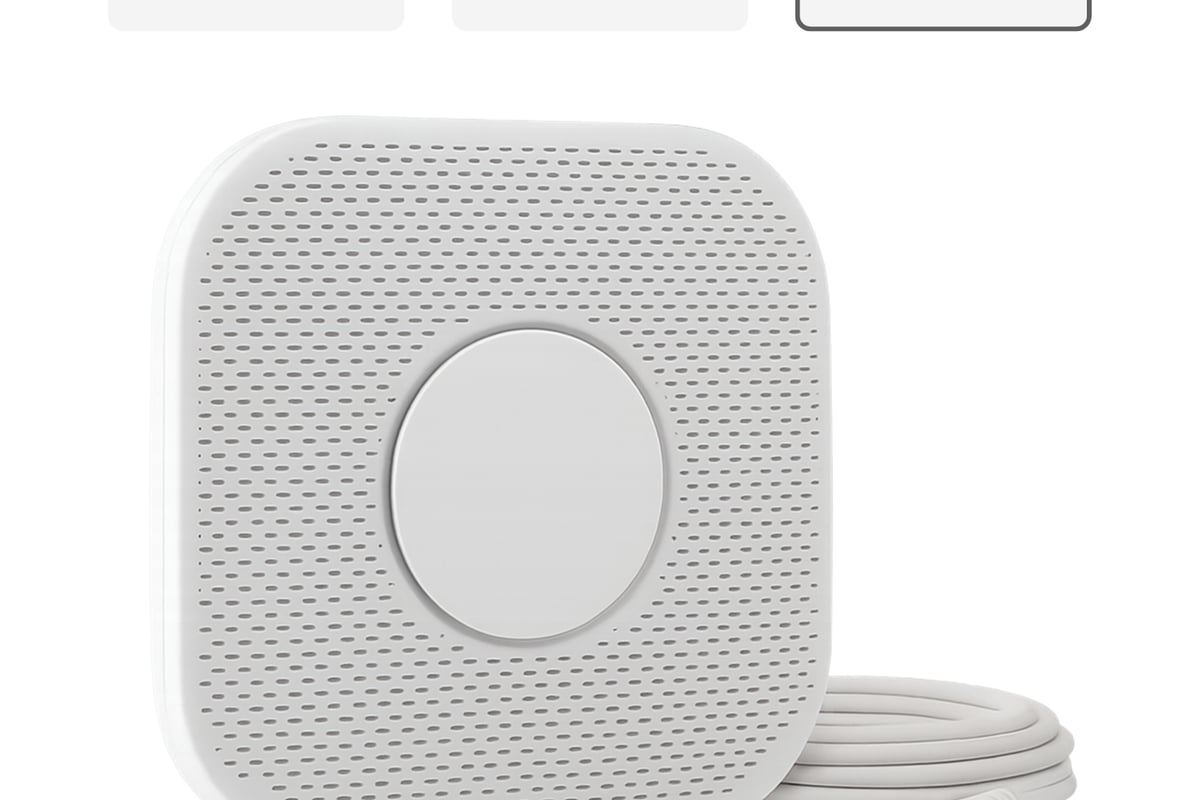
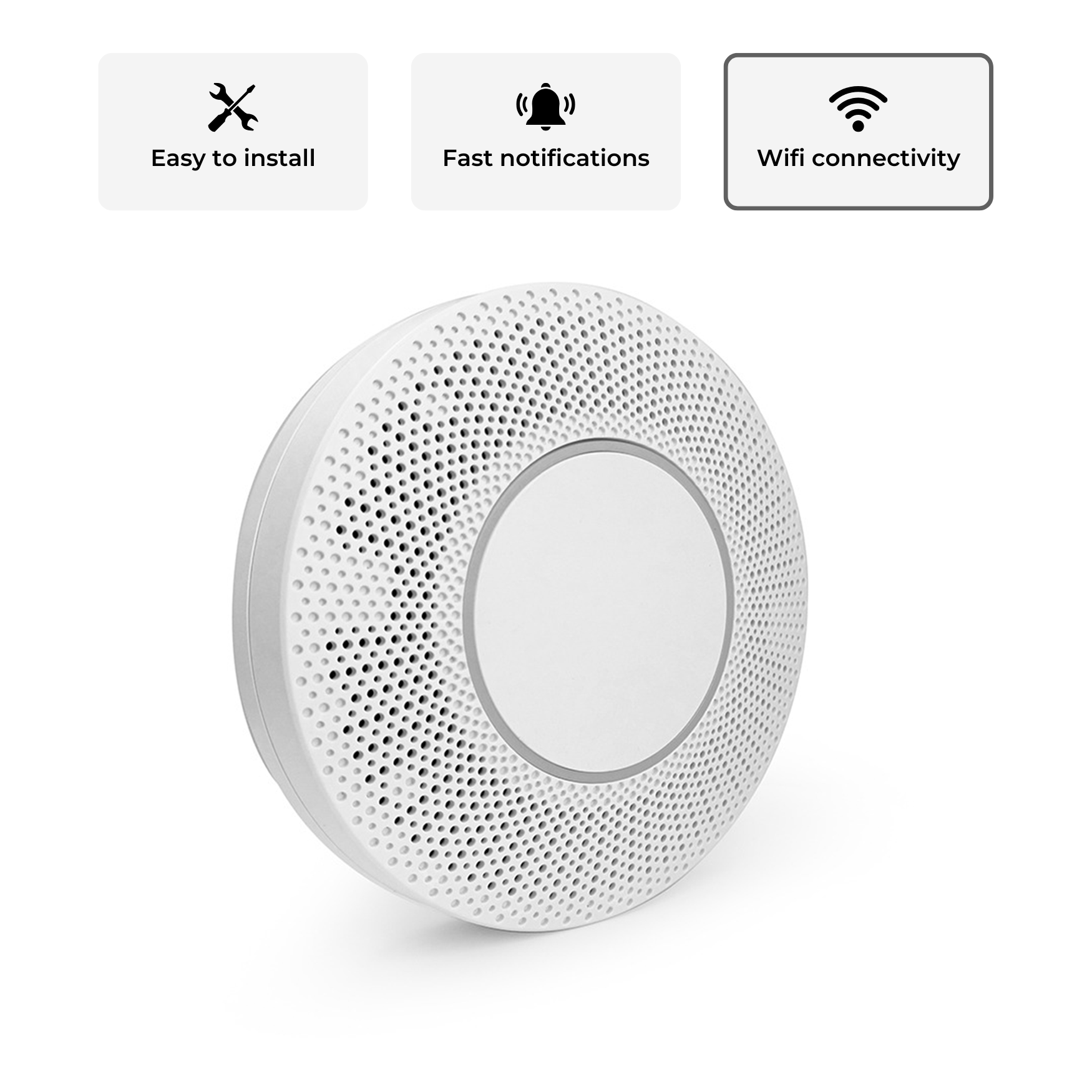
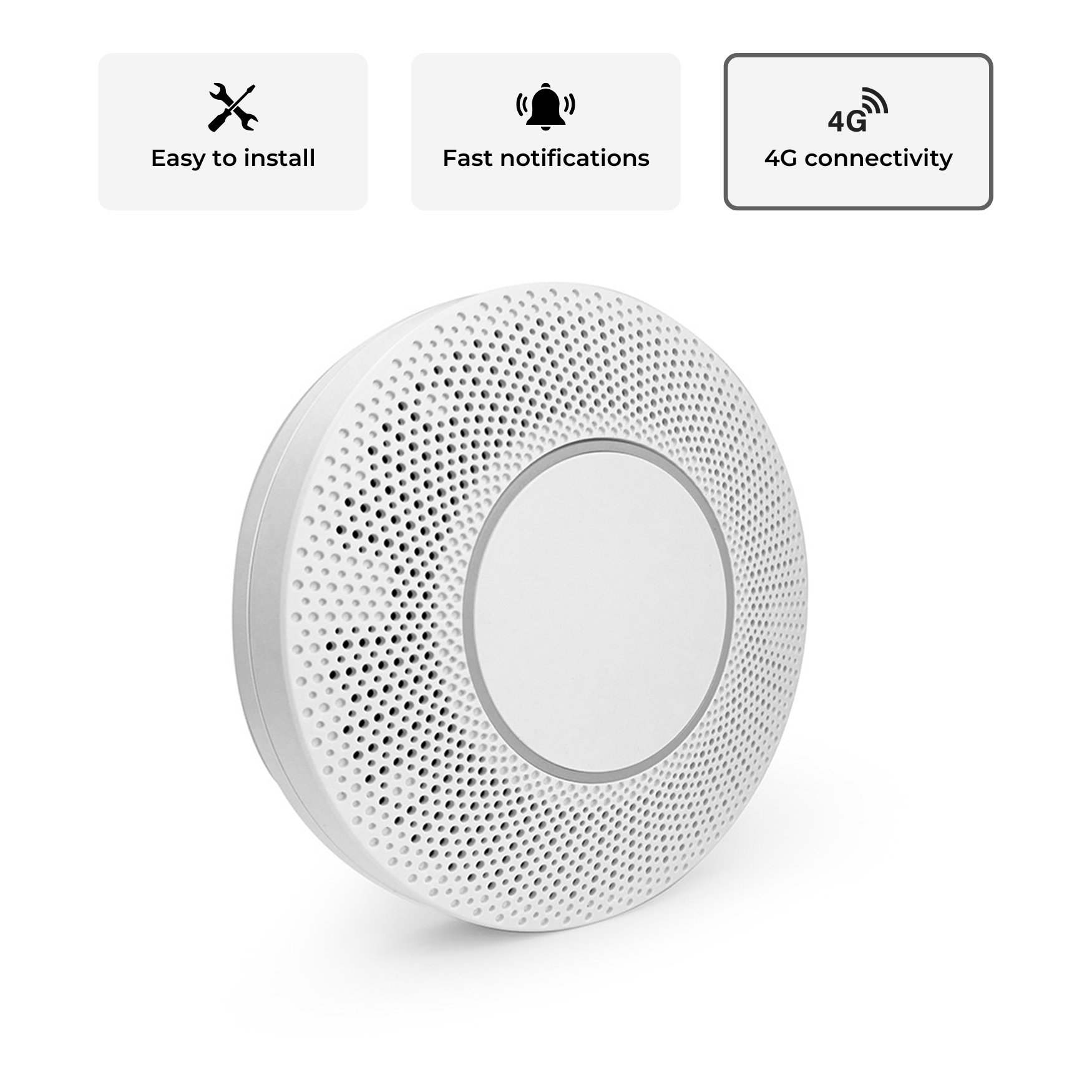
Organisations seeking to enforce vaping policies increasingly deploy specialised detection systems that identify vape aerosols in real-time. This technology proves particularly valuable in locations where visual monitoring proves impractical, such as toilets, changing rooms and isolated corridors.
Detection systems complement UK vaping law compliance efforts by providing objective evidence of policy violations whilst enabling rapid intervention. Schools report reduced incidents when students understand detection capabilities exist, creating deterrent effects alongside actual enforcement.
For institutions managing vaping compliance alongside broader safety obligations, integrated systems offer comprehensive monitoring. Detection solutions can simultaneously identify vaping, drug use and antisocial behaviour, providing facility managers with actionable intelligence across multiple risk categories.
Marketing and Promotion Restrictions
UK vaping law significantly restricts how manufacturers and retailers may advertise their products. Cross-border television and radio advertising remains prohibited, whilst print media, billboards and online channels face stringent content requirements.
The government consultation on packaging, appearance and display signals further restrictions ahead. Proposed measures include plain packaging requirements, flavour descriptor bans, and point-of-sale display restrictions similar to those already governing tobacco products.
Current advertising prohibitions under UK vaping law:
- Television and radio commercials
- Promotional events targeting under-18s
- Free sample distribution
- Sponsorship of events with significant youth audiences
- Social media content accessible to minors
These restrictions aim to reduce youth exposure whilst permitting adult smokers to access cessation information. The balance between these objectives continues evolving as evidence emerges about marketing effectiveness and youth initiation patterns.
Youth Access and Protection Measures
Research published in The Lancet Public Health analysing vaping trends among adults in England between 2016 and 2024 highlights concerning patterns of never-smoker uptake, particularly among younger age groups. This evidence base informs ongoing UK vaping law development, driving enhanced youth protection measures.
Beyond age-of-sale restrictions, comprehensive protection strategies address multiple access vectors:
| Protection Layer | Current Status | Planned Enhancements |
|---|---|---|
| Age verification | Mandatory at point of sale | Retailer registration scheme |
| Product appeal | Nicotine limits, labelling | Flavour restrictions, plain packaging |
| Marketing exposure | Advertising bans | Extended display restrictions |
| Environmental access | Employer/venue discretion | Potential designated vape-free zones |
| Illicit market | Trading Standards enforcement | Enhanced traceability requirements |
The multi-layered approach recognises that effective youth protection requires intervention across the entire supply and access chain, from manufacturing standards through retail compliance to environmental controls.
Educational Institution Responsibilities
Schools and colleges occupy unique positions under UK vaping law frameworks. Whilst they cannot enforce criminal penalties, they maintain duty-of-care obligations requiring proactive incident management. Effective institutional responses balance deterrence, detection and rehabilitation.
Leading institutions now implement comprehensive strategies combining clear policy communication, technological detection capabilities, and structured intervention programmes. When incidents occur, best practice responses prioritise educational outcomes whilst maintaining safe environments for all students.
Progressive discipline frameworks typically escalate from educational interventions through parental engagement to formal sanctions only when repeated violations demonstrate persistent disregard for community standards. This approach aligns with broader safeguarding principles whilst addressing immediate compliance concerns.
Future Directions in UK Vaping Law
The regulatory landscape continues evolving as government exercises powers granted under the Tobacco and Vapes Act 2026. Stakeholders anticipate announcements on flavour restrictions, packaging standards, and registration scheme implementation timelines throughout 2027.
Anticipated regulatory developments include:
- Prohibition of specific flavour categories deemed youth-appealing
- Standardised packaging reducing visual appeal
- Mandatory product registration databases
- Extended vape-free designation powers
- Enhanced enforcement tools for Trading Standards
Consultation processes enable industry input on proposed measures, though the government retains ultimate decision-making authority. Businesses and institutions should monitor official announcements closely, preparing compliance strategies for regulations as they crystallise.
The tension between supporting adult smokers' cessation efforts whilst preventing youth initiation will continue shaping UK vaping law development. Evidence-based policymaking requires robust data on usage patterns, health impacts, and regulatory effectiveness, areas where research continues expanding.
Compliance Strategies for Organisations
Whether operating retail premises, managing educational facilities, or overseeing workplace environments, understanding UK vaping law obligations proves essential for risk management. Comprehensive compliance programmes address multiple dimensions simultaneously.
Core compliance elements:
- Policy development: Clear, written policies aligned with legal requirements and organisational values
- Staff training: Regular education on current regulations, identification techniques, and response protocols
- Detection capability: Appropriate monitoring systems for environments where visual oversight proves insufficient
- Documentation systems: Record-keeping demonstrating due diligence and systematic compliance efforts
- Review mechanisms: Regular policy assessment ensuring alignment with evolving legal standards
Organisations benefit from integrating vaping compliance within broader health, safety and safeguarding frameworks rather than treating it as an isolated concern. This holistic approach ensures consistent standards whilst reducing administrative duplication.
For venues where detection technology supports compliance efforts, selecting systems offering comprehensive monitoring capabilities provides long-term value. Solutions addressing vaping alongside drug use and antisocial behaviour enable unified response protocols whilst maximising return on security investments. Guidance on sensor installation and configuration helps facilities optimise detection effectiveness across diverse architectural environments.
Retailer-Specific Obligations
Vape retailers face particularly detailed obligations under UK vaping law, spanning product sourcing, storage, display, sale and record-keeping dimensions. The forthcoming registration scheme will create additional compliance layers requiring systematic attention.
Retailer compliance checklist:
- Verify MHRA notification for all stocked products
- Maintain age-verification systems with staff training documentation
- Ensure compliant product labelling and packaging
- Store products securely preventing theft or tampering
- Display age-restriction signage prominently
- Maintain sales records enabling traceability
- Prepare for registration scheme requirements
- Monitor regulatory updates affecting inventory
Wholesalers and distributors share responsibility for supply chain compliance, with obligations extending beyond their own operations to encompass downstream retail partners. Due diligence requirements necessitate verification that supplied products meet all applicable standards before distribution.
The environmental dimension of UK vaping law also creates retailer obligations around waste electrical and electronic equipment (WEEE) regulations. Take-back schemes for used devices and batteries will become increasingly important as disposable bans drive market shifts toward rechargeable systems.
Navigating the evolving landscape of UK vaping law requires ongoing vigilance and proactive compliance strategies across retail, workplace and educational settings. As regulations continue developing throughout 2027 and beyond, organisations must balance legal obligations with practical enforcement realities whilst supporting broader public health objectives. For schools, businesses and venues seeking to maintain compliant, safe environments, Vape Guardian provides advanced detection technology combined with comprehensive support resources, enabling real-time incident identification and evidence-based response protocols that protect communities whilst fostering educational outcomes over punitive measures.







Share:
Vaping in Public Toilets: Risks, Detection & Prevention
Vaping Education Programme for Schools: A Practical Guide