
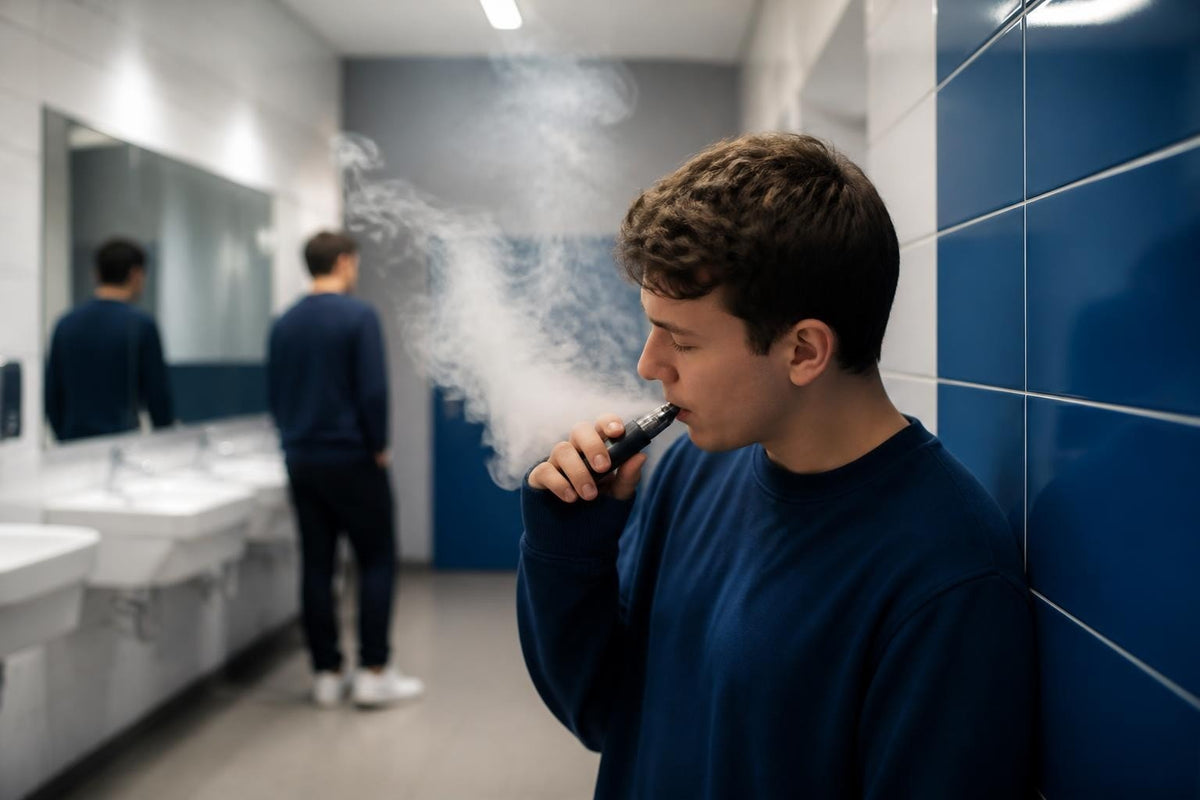
The prevalence of vaping in public toilets has become a significant challenge for institutions ranging from schools to workplaces and leisure facilities. These enclosed spaces offer perceived privacy, making them prime locations for individuals seeking to vape discreetly. However, this behaviour creates genuine concerns around air quality, policy enforcement, and the wellbeing of subsequent users. Understanding why public toilets attract vapers, the risks involved, and how organisations can effectively respond is essential for maintaining healthy, compliant environments in 2026.
Why Public Toilets Attract Vapers
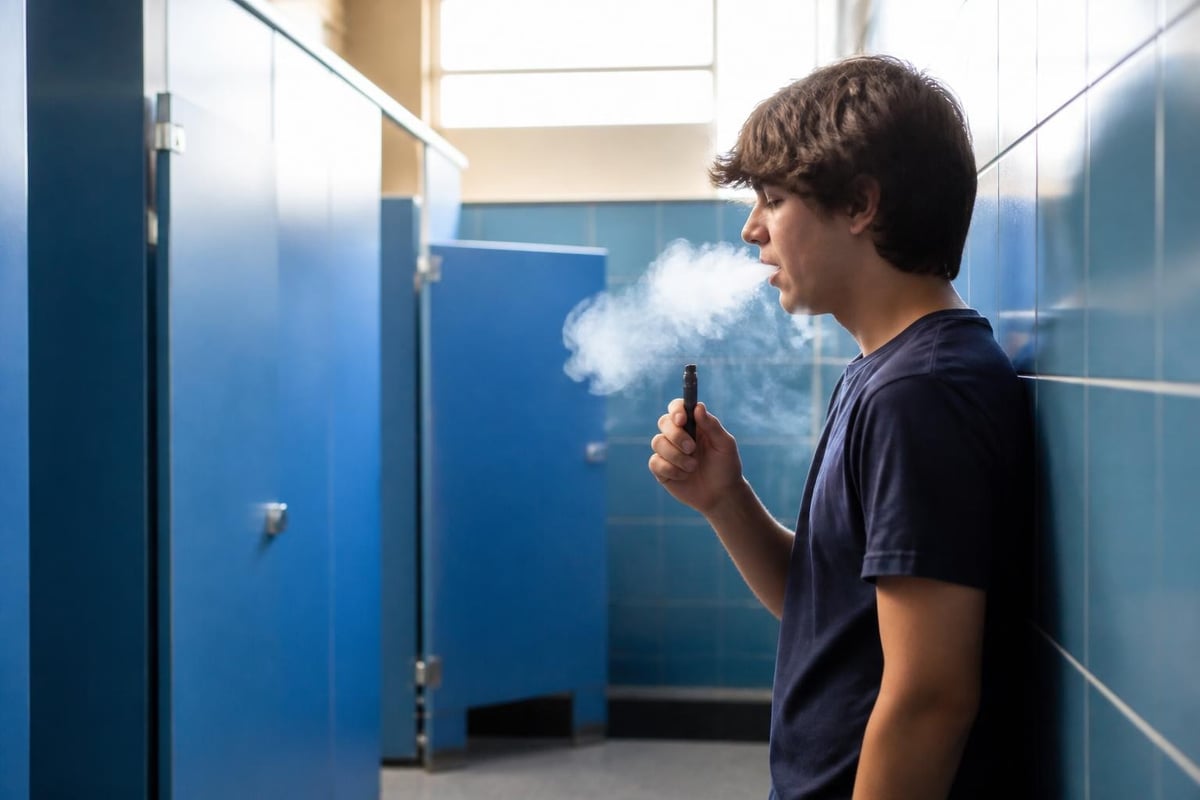
Public toilets represent one of the most common locations for unauthorised vaping across multiple settings. The appeal stems from several practical and psychological factors that make these spaces particularly attractive to those seeking to bypass institutional policies.
Perceived Privacy and Concealment
The enclosed nature of toilet cubicles creates an illusion of privacy that encourages rule breaking. Users believe they can vape undetected, particularly in facilities without active monitoring systems. This perception persists despite the reality that e-cigarette aerosol lingers in confined spaces and often permeates adjoining areas.
Key factors driving toilet vaping include:
- Individual cubicles providing physical separation from oversight
- Regular foot traffic masking the sound of device activation
- Assumed absence of surveillance or detection technology
- Quick, discrete use fitting within typical restroom visit times
- Ability to exhale aerosol into toilet bowls or ventilation systems
Research has demonstrated that secondhand electronic cigarette aerosol significantly affects indoor air quality in enclosed spaces, with public toilets presenting particularly concentrated exposure risks for subsequent users.
Peak Times and Patterns
Vaping in public toilets tends to follow predictable patterns aligned with breaks in structured activities. Schools report the highest incidence during lesson transitions and lunch periods. Workplace facilities see similar patterns around morning breaks and post-lunch periods. Understanding these temporal patterns enables more effective monitoring strategies.
Health and Safety Implications
The health consequences of vaping in public toilets extend beyond the individual user, creating exposure risks for anyone entering these spaces subsequently. The confined dimensions and typically limited ventilation in toilet facilities compound these concerns.
| Risk Category | Impact in Public Toilets | Affected Groups |
|---|---|---|
| Aerosol Concentration | 3-5× higher than open spaces | All subsequent users |
| Surface Deposition | Residue on fixtures, door handles | Cleaning staff, users |
| Air Quality Duration | Detectable 15-45 minutes post-use | Children, asthmatics, pregnant women |
| Secondhand Exposure | Involuntary inhalation | Everyone using facility |
Studies examining indoor air quality and passive e-cigarette aerosol exposures have revealed concerning levels of chemical constituents in poorly ventilated spaces. Public toilets, with their limited air exchange rates, present particularly problematic environments for aerosol dispersion.
Vulnerable Populations at Risk
Certain groups face heightened vulnerability to secondhand vaping aerosol in public toilet facilities:
- Young children using school or family facility toilets
- Individuals with respiratory conditions including asthma and COPD
- Pregnant women attending public venues
- Cleaning and maintenance staff experiencing repeated exposure
- Immunocompromised individuals in healthcare or public settings
The concentration of aerosol particles in enclosed spaces affects indoor air quality for extended periods, creating cumulative exposure risks for high-frequency users of public facilities.
Legal and Policy Frameworks
The regulatory landscape governing vaping in public toilets continues to evolve across the UK, with educational institutions leading policy development. The Tobacco and Vapes Act grants government powers to designate indoor places as vape-free, though specific implementation timelines and locations remain subject to further regulation.
Educational Settings and Enforcement
Schools face particular challenges around vaping in public toilets, prompting robust policy responses. Missouri's statute prohibiting vapor product use in school buildings exemplifies clear legal frameworks, whilst UK schools increasingly adopt comprehensive approaches documented in resources such as model tobacco-free schools policies.
Effective school toilet vaping policies typically include:
- Explicit prohibition of vaping in all toilet facilities
- Clear consequences aligned with safeguarding priorities
- Detection technology deployment in high-risk restrooms
- Educational intervention rather than exclusion where appropriate
- Staff training on policy enforcement procedures
Many forward-thinking institutions now integrate educational resources such as Vape Guardian Education, a 35-minute student vaping intervention course developed in collaboration with the University of Southampton, to address behaviour through understanding rather than punishment alone.
Workplace and Public Venue Obligations
Employers and venue operators bear responsibility for maintaining safe, compliant environments. Vaping in public toilets creates potential liability around secondhand exposure and duty of care obligations. Progressive organisations are establishing clear policies that mirror smoking restrictions whilst deploying appropriate monitoring technology.
Detection and Monitoring Solutions
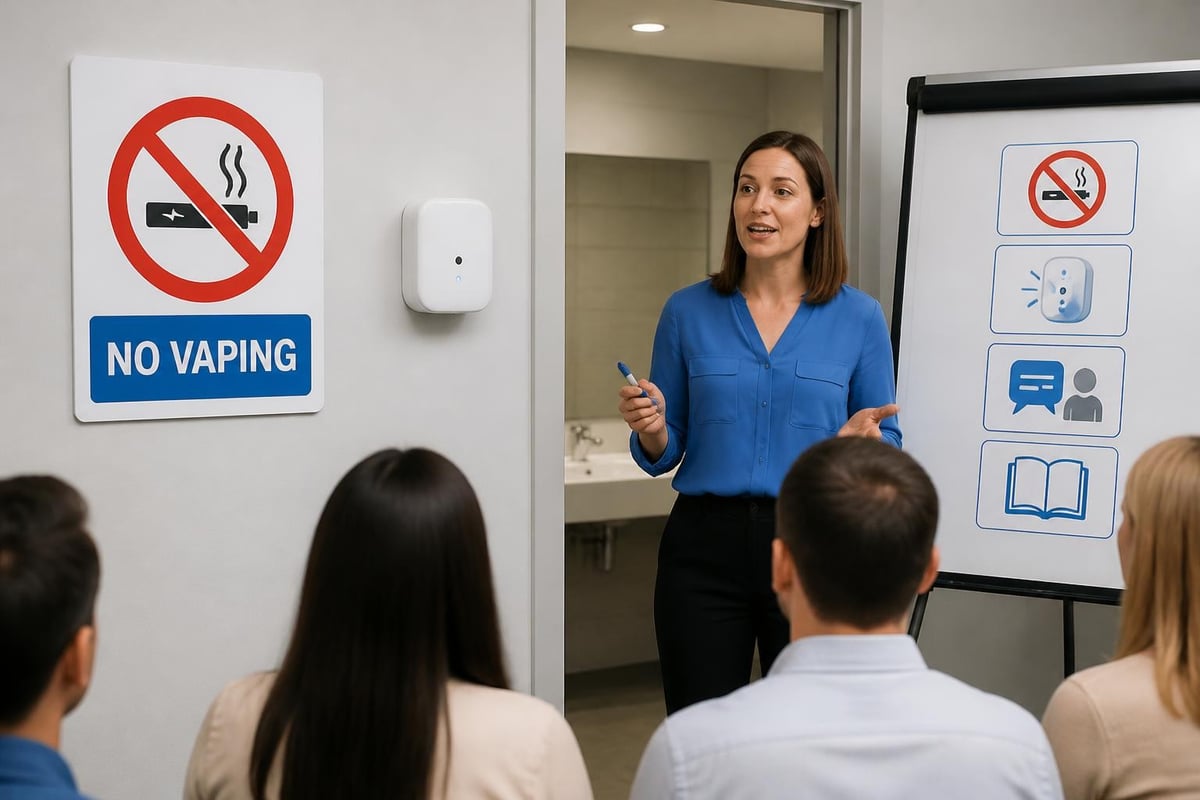
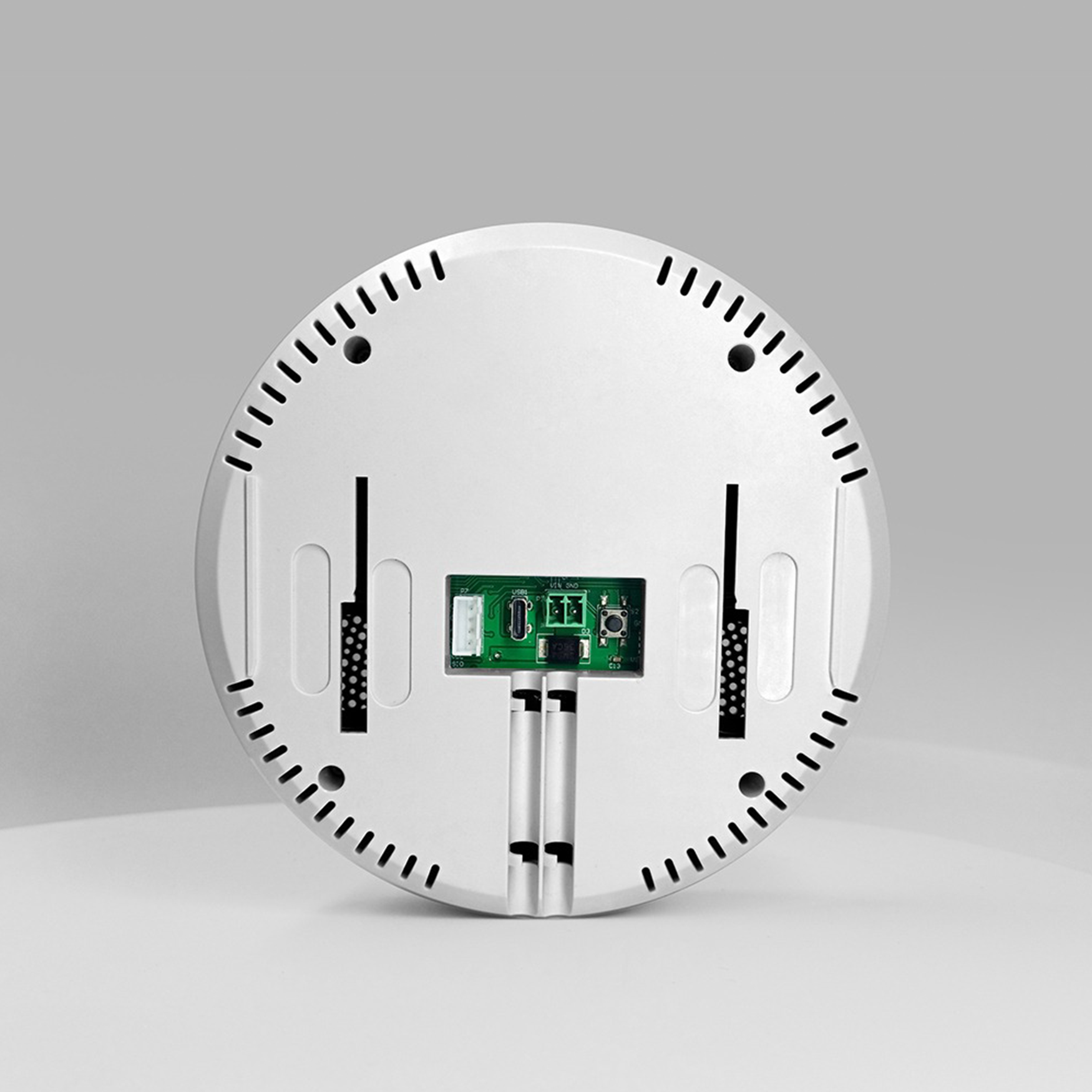
Traditional supervision methods prove ineffective for monitoring vaping in public toilets, necessitating technological solutions that respect privacy whilst enabling policy enforcement. Advanced vape detection systems have emerged as the primary tool for organisations seeking reliable, scalable monitoring.
Modern vape detection technology operates through sophisticated air quality sensors that identify specific chemical markers associated with e-cigarette aerosol. These systems provide real-time alerts whilst distinguishing vaping signatures from other common restroom activities.
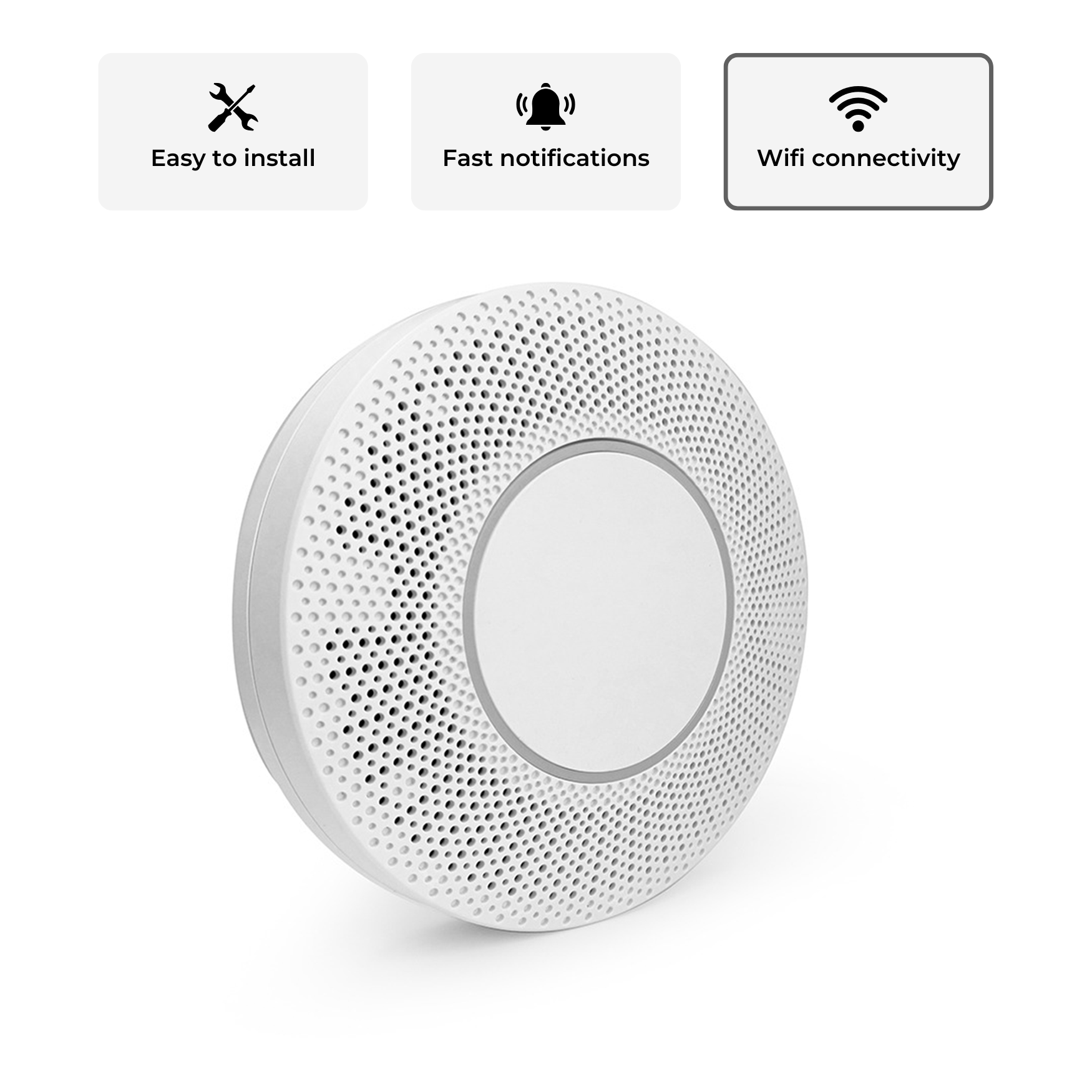
The Vape Detection System represents current best practice in this field, combining hardware sensors with intelligent software to detect vaping, drug use, and anti-social behaviour in real time without cameras or audio recording, thus protecting individual privacy.

Sensor Placement and Coverage
Strategic sensor deployment maximises detection effectiveness whilst minimising false alerts. Optimal placement considers airflow patterns, cubicle configuration, and typical usage patterns within toilet facilities.
| Location Type | Recommended Coverage | Sensor Placement Priority |
|---|---|---|
| School Toilets | 1 sensor per 3-4 cubicles | Central ceiling position |
| Workplace Restrooms | 1 sensor per facility | Near ventilation intake |
| Leisure Venues | 1 sensor per 5-6 cubicles | Adjacent to entry points |
| Multi-floor Buildings | Every floor restroom | Consistent positioning |
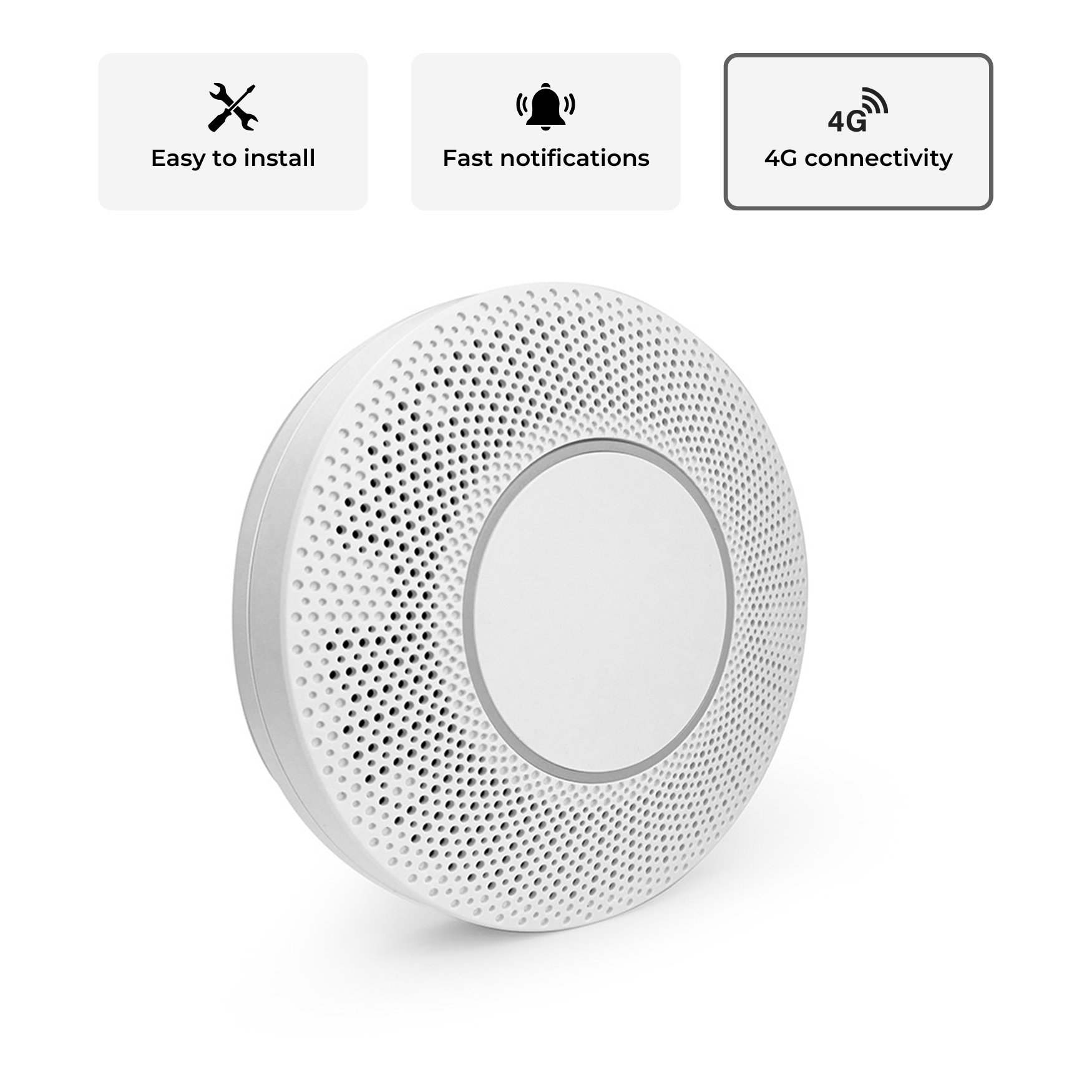
Installation best practices ensure sensors capture aerosol dispersal whilst accounting for ventilation systems that might dilute detection accuracy. The technology available through Vape Guardian offers flexible deployment options including Power over Ethernet, Wi-Fi, and 4G connectivity to suit diverse facility requirements.
Effective Response Protocols
Detection technology provides value only when coupled with appropriate response procedures. Organisations must develop clear, graduated protocols that address incidents whilst supporting behaviour change and rehabilitation.
Immediate Response Procedures
When sensors alert to vaping in public toilets, trained staff should follow established procedures:
- Verify the alert through system dashboard confirmation
- Respond promptly with appropriate personnel (not confrontationally)
- Document the incident including time, location, and individuals involved
- Apply consistent consequences aligned with institutional policy
- Follow up with educational intervention where appropriate
Schools report significant success when pairing detection with educational resources. The approach detailed in guidance on helping schools tackle vaping emphasises rehabilitation over exclusion, reducing repeat incidents whilst maintaining supportive environments.
Long-Term Behaviour Change
Sustainable reductions in vaping in public toilets require multi-faceted approaches that address underlying motivations alongside enforcement:
- Educational programmes explaining health impacts and policy rationale
- Alternative support for those using vaping as stress management
- Positive reinforcement of compliant behaviour
- Community engagement building shared responsibility for facility standards
- Regular communication about detection capabilities and consequences
Research increasingly demonstrates that punitive-only approaches prove less effective than balanced strategies incorporating education. Resources like the structured curriculum available through Vape Guardian Education provide evidence-based content that changes attitudes alongside behaviours.
Facility Design and Environmental Controls
Physical modifications to public toilet facilities can reduce vaping incidents whilst improving overall air quality and user experience. These preventive measures complement detection technology for comprehensive solutions.
Ventilation Improvements
Enhanced air circulation serves dual purposes: reducing aerosol concentration and removing the perceived privacy that encourages vaping. Upgraded ventilation systems should:
- Provide minimum 6-8 air changes per hour
- Create negative pressure preventing aerosol migration to adjacent spaces
- Incorporate ionisation or filtration for particulate removal
- Include monitoring for air quality benchmarks
- Operate continuously rather than motion-activated only
The hidden health risks of vaping in offices apply equally to public toilet facilities, making ventilation a health priority beyond vaping prevention.
Architectural Deterrents
Design choices can discourage vaping in public toilets without compromising accessibility or user dignity:
Privacy-preserving deterrents include:
- Reduced floor-to-ceiling gaps in cubicle partitions (reducing aerosol escape)
- Strategic sensor placement visible upon entry (deterrent effect)
- Clear, professional signage explaining policies and detection capabilities
- Improved lighting reducing perceived concealment opportunities
- Regular maintenance schedules ensuring equipment functionality
These modifications prove particularly effective in new construction or renovation projects, enabling proactive approaches rather than reactive enforcement.
Maintenance and Hygiene Considerations
Vaping in public toilets creates additional maintenance burdens through surface residue deposition and persistent odours. Facilities management teams require appropriate protocols and resources to address these challenges.
Cleaning Protocol Adaptations
Standard restroom cleaning procedures may prove insufficient for facilities with regular vaping activity. Enhanced protocols should include:
- More frequent hard surface cleaning (door handles, flush mechanisms, sink fixtures)
- Specific cleaning agents effective against e-cigarette residue
- Air quality monitoring before and after cleaning
- Staff training on identifying vaping residue patterns
- Documentation of cleaning frequency and product efficacy
Cleaning staff represent a particularly exposed group to secondhand aerosol and residue, necessitating appropriate protective equipment and exposure minimisation strategies.
Long-Term Facility Impact
Persistent vaping in public toilets accelerates wear on finishes and fixtures. Budget planning should account for:
| Impact Area | Maintenance Frequency | Estimated Cost Increase |
|---|---|---|
| Paint/Wall Finishes | Annually vs. 3-5 years | 150-200% increase |
| Ceiling Tiles | 2-3 years vs. 5-7 years | 80-120% increase |
| Air Filters | Monthly vs. quarterly | 200% increase |
| Deep Cleaning | Quarterly vs. annually | 300% increase |
The hidden costs of allowing vaping in facilities extend well beyond immediate policy enforcement, affecting operational budgets and asset lifecycles.
Case Studies and Implementation Success
Organisations across sectors have successfully addressed vaping in public toilets through comprehensive strategies combining technology, policy, and education.
Secondary School Implementation
A Midlands secondary school facing persistent toilet vaping installed detection sensors in six high-use restroom facilities. Within three months:
- Documented incidents decreased 73%
- False perceptions of unmonitored spaces eliminated
- Student feedback indicated increased awareness and compliance
- Staff time spent on reactive enforcement reduced significantly
- Educational interventions replaced 60% of exclusions
The school attributes success to clear communication about detection capabilities paired with access to structured educational content addressing why students vape and healthier alternatives.
Workplace Application
A Manchester office complex with 850 employees tackled vaping in public toilets through phased implementation:
Phase 1 (Month 1-2): Policy development and communication Phase 2 (Month 3): Sensor installation in four restroom locations Phase 3 (Month 4-6): Response protocol refinement and staff training Phase 4 (Ongoing): Continuous monitoring and quarterly policy review
Employee surveys at six months showed 89% approval for the measures, with many non-vapers expressing relief about improved air quality in facilities. The comprehensive approach detailed in resources on creating vape-free business offices provided the implementation framework.
Addressing Common Objections and Concerns
Introducing detection technology and stricter policies around vaping in public toilets often generates questions and resistance. Transparent communication addressing these concerns proves essential for successful implementation.
Privacy and Surveillance Concerns
Legitimate privacy questions arise when discussing toilet facility monitoring. Modern vape detection systems address these through:
- Air quality sensing only (no cameras or audio recording)
- Alert generation without identifying specific individuals
- Privacy-compliant data handling aligned with UK GDPR
- Transparent communication about what systems detect and don't detect
- Clear policies on data retention and access
Educational materials explaining how technology works help build trust. The approach outlined in guidance on underage vaping in schools demonstrates privacy-respecting implementation strategies.
Cost and Return on Investment
Budget holders often question detection system costs versus traditional enforcement methods. Comprehensive analysis typically reveals:
- Reduced staff time managing incidents and investigations
- Lower long-term maintenance and cleaning expenses
- Decreased health-related absence among facility users
- Avoided legal liability from inadequate duty of care
- Improved institutional reputation and compliance standing
Detailed cost-benefit frameworks available through resources like the vape detector cost breakdown and ROI calculator help decision makers justify investment.
Future Developments and Emerging Trends
The landscape of vaping detection and prevention continues evolving alongside regulatory changes and technological advancement. Organisations should anticipate several developments affecting how they address vaping in public toilets.
Regulatory Evolution
Whilst the Tobacco and Vapes Act provides government powers to designate indoor vape-free spaces, specific regulations and implementation timelines remain under development. Forward-thinking organisations are establishing robust policies now rather than waiting for mandated compliance.
Expected regulatory directions include:
- Clearer guidance on employer and venue operator obligations
- Standardised signage and communication requirements
- Enhanced enforcement powers for authorised personnel
- Integration with broader air quality and workplace health regulations
- Potential licensing or registration requirements for detection systems
Staying informed through authoritative sources ensures organisations maintain compliance as the regulatory framework matures.
Technological Advancement
Detection technology continues improving in sensitivity, accuracy, and integration capabilities. Emerging developments include:
- Enhanced chemical signature libraries improving detection of novel vaping substances
- AI-powered pattern recognition identifying repeat offenders and high-risk periods
- Integration with building management systems coordinating ventilation response
- Mobile app alerts enabling faster response and documentation
- Predictive analytics anticipating incidents based on historical patterns
These capabilities enable increasingly sophisticated approaches to preventing vaping in public toilets whilst minimising false alerts and operational burden.
Building Comprehensive Prevention Strategies
Sustainable success in addressing vaping in public toilets requires integrated approaches combining technology, policy, education, and environmental design. No single intervention proves sufficient in isolation.
The Prevention Pyramid
Effective strategies operate at multiple levels:
Foundation: Clear, communicated policies with consistent enforcement Level 2: Environmental design and ventilation improvements Level 3: Detection technology deployment in high-risk facilities Level 4: Educational programmes addressing underlying behaviours Apex: Ongoing evaluation and continuous improvement
This layered approach, detailed in guidance on evidence-based bathroom vaping detection, creates redundancy ensuring programme resilience even when individual components face challenges.
Stakeholder Engagement
Successful implementation requires buy-in across stakeholder groups:
- Leadership providing resources and policy backing
- Facilities teams managing installation and maintenance
- HR or pastoral staff handling incident response
- Users understanding rationale and supporting compliance
- Parents or family members reinforcing messages in educational settings
Regular communication and feedback loops help refine approaches whilst building shared ownership of healthier environments.
Addressing vaping in public toilets requires balanced strategies that protect air quality and user wellbeing whilst respecting privacy and supporting behaviour change. From understanding why these spaces attract vapers to implementing comprehensive detection and response protocols, organisations can create healthier, compliant environments across schools, workplaces, and public venues. Vape Guardian provides the advanced detection technology and ongoing support needed to tackle this challenge effectively. Get a quote or book a 15-minute call to discover how intelligent monitoring solutions can protect your facilities whilst supporting rehabilitation through education and evidence-based intervention.






Share:
Vaping in Secondary Schools: Detection and Prevention
UK Vaping Law: Regulations, Compliance & Detection 2026